
2027 Different Types of Physical Education Degrees and Their Salaries

Co-Founder and Chief Data Scientist
The demand for skilled professionals in the physical education field continues to grow steadily, reflecting a broader societal emphasis on health, wellness, and active lifestyles. According to recent labor statistics, employment in this sector is projected to increase significantly over the next decade, driven by rising interest in physical fitness and preventive health measures. Choosing the right educational path is crucial for those seeking to build a successful career and maximize earning potential in this dynamic and evolving industry. This article provides a comprehensive overview of the different types of physical education degrees available and offers insight into the salary expectations associated with each, helping readers make informed decisions about their academic and professional futures.
Key Points About Different Types of Physical Education Degrees and Their Salaries
- Individuals with an associate degree in physical education typically qualify for entry-level positions such as fitness trainers or teaching assistants, earning median annual salaries around $40,000, but their opportunities for advancement are more limited compared to those with higher degrees.
- A bachelor's degree in physical education opens doors to becoming certified physical education teachers or coaches, with average salaries ranging from $50,000 to $60,000 annually, reflecting stronger job stability and opportunities in public schools and recreational programs.
- Master's degree holders in physical education often pursue advanced roles like athletic trainers, school administrators, or higher education instructors, commanding salaries that can exceed $70,000 per year and benefiting from higher long-term career growth and leadership prospects.
What Are the Different Types of Physical Education Degrees Available?
Understanding the different physical education degree types and levels is essential for students to choose a program that best fits their career goals and educational backgrounds. Each degree offers unique academic focuses and skill development opportunities tailored to various professional pathways. To help you navigate these options, here is an overview of the main types of physical education degrees and what distinguishes each one.
These include associate, bachelor's, master's, and doctoral degrees, each emphasizing different aspects of physical education study and practice.
- Associate degree in physical education: This degree provides foundational knowledge in human movement, sports, fitness, and anatomy. Coursework often covers exercise techniques, injury prevention, and basic nutrition, preparing students for entry-level roles or further education.
- Bachelor's degree in physical education: Combining in-depth study of anatomy, kinesiology, exercise physiology, and teaching methods, this degree develops skills in organizing physical activities, coaching, and promoting healthy lifestyles, frequently including practical internships or fieldwork.
- Master's degree in physical education: Focused on specialized topics such as pedagogy, curriculum development, research methods, and leadership, this advanced degree enhances expertise and prepares graduates for higher-level teaching, coaching, or administrative roles.
- Doctoral degree in physical education: Emphasizing scholarly research, theory, and advanced practice, doctoral programs involve original research and critical analysis of physical education issues, with opportunities to influence curriculum development or policy.
Students looking for accelerated degrees within physical education can find targeted programs designed to fast-track their professional preparation. Exploring accelerated degrees may be beneficial for those aiming to enter the workforce or achieve advanced credentials efficiently.
What Specializations Are Available in Physical Education Degrees?
Specialization is an important factor when choosing a physical education degree because it allows students to focus on areas that best suit their interests and professional goals. Tailoring your education in this way helps ensure that the skills and knowledge you gain align with specific career paths and increase your job readiness in competitive fields.
Below are common Physical Education specializations that provide targeted training and open doors to distinct career opportunities:
- Physical Education Teacher Education: This specialization prepares students to become K-12 physical education teachers by focusing on curriculum development, teaching methods, assessment strategies, and child development. Graduates typically pursue teaching credentials and careers in schools where steady job growth and competitive benefits are expected.
- Athletic Coaching Education: Emphasizing coaching principles, sports skill development, leadership, and sport psychology, this track equips students to work with youth, high school, or collegiate sports teams, or in community recreation programs.
- Athletic Administration: Focusing on sport management, finance, public relations, and facility oversight, this specialization prepares graduates for leadership roles like athletic director or sports program manager, where strong organizational and communication skills are essential.
- Physical Activity and Wellness: This path trains students to develop exercise programs, health education, and wellness coaching, suitable for careers in corporate wellness initiatives, community health, or fitness instruction. Students often explore certifications that pay well to enhance career prospects.
- Athletic Care or Athletic Training: With a focus on injury prevention, emergency care, and rehabilitation, this specialization is ideal for those aiming to become certified athletic trainers or to work in sports medicine support roles, typically requiring further certification or advanced study.
- Adapted Physical Education: Preparing specialists to design physical activity programs for individuals with disabilities, this track opens pathways to work in schools, therapeutic environments, or community programs that promote inclusive physical activity.
How Long Does It Take to Complete Each Type of Physical Education Degree?
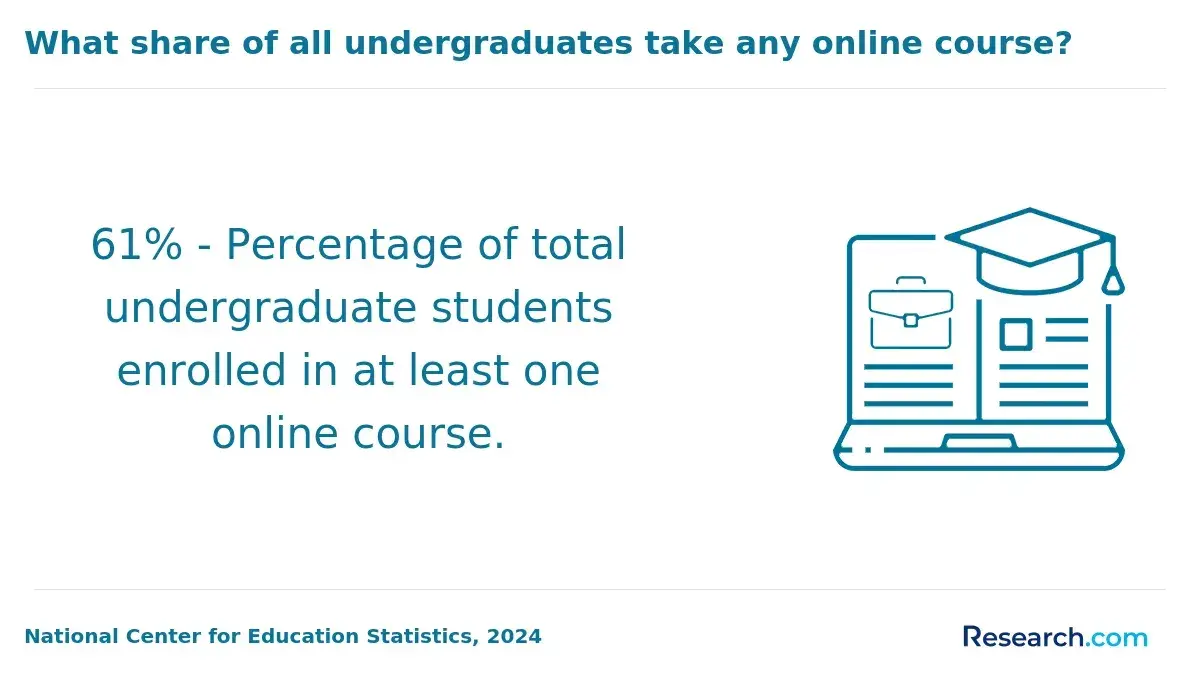
Understanding the duration of various physical education degree programs is crucial for students to effectively plan their education and career paths. Knowing how long each degree typically takes helps manage expectations and align academic goals with professional timelines.
Here is an overview of the main physical education degree types and their usual completion times.
- Associate Degree in Physical Education: Normally completed in about two years, this degree is often offered by community colleges. Part-time enrollment can extend the timeline, while transfer credits from previous coursework might shorten it. Many programs provide online options to accommodate different schedules.
- Bachelor's Degree in Physical Education: Typically a four-year program, this degree can sometimes be completed faster through summer courses or credit transfers. Some schools offer accelerated tracks or hybrid online/in-person classes, making it flexible for working students.
- Master's Degree in Physical Education: Taking approximately two years beyond the bachelor's degree, master's programs vary depending on full-time or part-time status. Certain accelerated or online programs allow completion in 12 to 18 months, especially if the student has relevant undergraduate credits or professional experience.
- Doctorate in Physical Education: Doctoral programs usually span three to five years, emphasizing research and advanced study. Factors influencing duration include dissertation progress and program structure. Some universities provide part-time or online components to support working professionals.
Are There Accelerated Physical Education Degree Programs?
Accelerated physical education degree programs do exist and are designed to significantly reduce the time required to complete both undergraduate and graduate levels or teacher certification requirements. These programs often integrate graduate courses during the senior year of a bachelor's degree, enabling students to earn a master's degree in a compressed timeframe, sometimes as little as two years beyond the bachelor's.
Common program structures include condensed courses that cover material in shorter periods, year-round academic terms including summer sessions, and acceptance of transfer credits to bypass certain requirements. This combination allows motivated students to take on a heavier credit load per semester and progress continuously without the traditional academic breaks, helping them enter the workforce faster while potentially lowering overall tuition costs.
However, these accelerated options come with important considerations. The workload intensity is considerably higher, demanding strong time management skills and academic readiness to meet rigorous expectations. Eligibility requirements typically include a minimum GPA and completion of specific prerequisite courses or program milestones before students can apply.
Because students are moving at a faster pace, careful planning is essential to balance course demands and personal well-being. While accelerated programs can open doors to earlier career opportunities and salary gains in the $60,000-plus range according to recent labor statistics, students must be prepared for the challenges that come with intense study schedules and continuous enrollment.
Are Online Physical Education Degrees as Credible as Traditional Ones?
Both traditional and online physical education degree programs adhere to rigorous academic standards set by accrediting bodies and institutional requirements, ensuring that students achieve essential competencies in health, fitness, and pedagogy. Traditional programs usually focus on hands-on skill development and in-person assessments, allowing students to learn through direct interaction and practice.
In contrast, online programs employ interactive platforms, video content, and frequent virtual assessments to engage students and monitor their progress effectively. Research indicates that blended teaching-combining in-person and online methods-often leads to the best outcomes for physical fitness, but well-designed fully online courses can achieve similar success in knowledge acquisition and student satisfaction.
For example, studies from the University of Tampa revealed that students in online physical education courses reported equal or higher satisfaction and perceived health benefits compared to those in face-to-face settings.
Employer acceptance of online physical education degrees has increased notably with the growth of virtual learning technologies and the widespread adoption of remote education during the pandemic. Meta-analyses and institutional research confirm that, when obtained from reputable and accredited universities, online degrees match traditional degrees in academic quality and graduate readiness.
Consequently, salary prospects for graduates of online programs are generally comparable to those of traditional program graduates, with bachelor's degree holders earning median annual salaries between $46,000 and $61,000 depending on their location and role.
Ultimately, the credibility and value of a physical education degree are more strongly influenced by the reputation and accreditation of the institution than by whether the degree was earned online or in-person.
How Much Does Each Type of Physical Education Degree Typically Cost?
Understanding tuition differences across degree levels is crucial for effective budgeting and financial planning when pursuing a career in physical education. Knowing the typical costs and what influences them allows students to make informed decisions about their education expenses and available financial resources.
Below is an overview of the typical tuition ranges for each major type of Physical Education degree.
- Associate Degree in Physical Education: Tuition at community colleges for associate programs generally ranges from $3,000 to $8,000 per year for in-state students, with higher costs for out-of-state attendees and private institutions. These programs often attract students who rely on federal Pell Grants, work-study jobs, and state scholarships to help offset their education costs.
- Bachelor's in Physical Education: Online programs average about $14,688 annually, though public universities typically charge around $7,998 per year compared to private schools that can demand up to $34,923 per year. Residency status and online options play a significant role in reducing costs, and financial aid opportunities commonly include federal and state grants, scholarships, and student loans.
- Master's in Physical Education: Online master's programs at affordable public schools range from approximately $4,835 to $11,175 per year, while traditional, on-campus graduate programs may average $21,425 annually. Many students secure graduate assistantships, scholarships, and federal loans to manage tuition fees.
- Doctorate in Physical Education (PhD or EdD): Doctoral tuition varies widely, with public universities charging between $17,865 and $35,730 per academic year, and private institutions often being more expensive. Funding sources frequently include research or teaching assistantships, university fellowships, and federal student loans.
What Jobs Can You Get with Each Type of Physical Education Degree?
The level of your physical education degree plays a crucial role in determining the career opportunities available and the types of roles you can pursue. Higher degrees open doors to specialized and leadership positions, while entry-level degrees generally qualify graduates for support roles in various settings.
Below is a list that outlines common jobs associated with each type of physical education degree.
- Associate Degree in Physical Education: Graduates typically qualify for entry-level roles like fitness trainer, recreation assistant, or coach for youth sports leagues. These jobs involve organizing basic exercise programs, assisting in recreational settings, and supporting lead instructors, mostly in gyms, community centers, or after-school programs.
- Bachelor's Degree in Physical Education: This degree is often required to become a K-12 physical education teacher, athletic coach, or fitness instructor. Graduates may also work as health educators, personal trainers, or community recreation coordinators, with duties including teaching PE classes, coaching teams, and developing wellness initiatives. According to the Bureau of Labor Statistics, the median annual wage for elementary and secondary school teachers was $61,620 in 2022.
- Master's Degree in Physical Education: Those with a master's often move into advanced roles such as athletic director, health and wellness coordinator, college professor, or athletic counselor. Positions include overseeing sports programs, curriculum development, and leadership in health education. Athletic directors can earn between $65,000 and $100,000 annually depending on experience and region.
- Specialized Graduate Degrees (e.g., Adapted Physical Education, Sport Management): Graduates in these fields may become adapted physical education teachers, special education advocates, or sports managers. These roles focus on inclusive fitness programs and sports business management, with salaries varying broadly. Special education teachers earn a median of $62,000, while sports managers often exceed $80,000 yearly.
For those interested in advancing quickly within the field, exploring options such as the quickest online master's degree programs can provide timely pathways to higher-level positions and expanded career opportunities.
How Do Salaries Differ by Physical Education Degree Type?
Degree level often influences earning potential in physical education careers, making it an important consideration for students planning their education and professional paths. Understanding how salaries differ by degree type can help students make informed decisions, especially when considering the long-term benefits of further education.
The following bullet list outlines typical salary ranges for each major physical education degree type.
- Associate degree in physical education: Entry-level roles such as assistant physical education teacher or paraprofessional with an associate degree generally start between $20,000 and $35,000 per year. Salaries vary by region, school district, and demand, and these positions typically have limited advancement opportunities without further education.
- Bachelor's degree in physical education: A bachelor's degree is typically required for certified physical education teaching roles in K-12 schools. Starting salaries range from $40,000 to $50,000 nationally, with some states like California and New York offering higher averages closer to $60,000. Location, school funding, and public versus private employment influence pay, and advancement may require additional graduate education or experience.
- Master's degree in physical education or related fields: Holding a master's degree opens access to higher-paying jobs such as department leadership or adapted physical education specialist, with starting salaries often above $60,000 and reaching $85,000 in metropolitan areas like New York City. This degree also enables roles in administration or collegiate teaching with greater earning growth over time.
- Doctoral degree (PhD or EdD) in physical education: Doctoral graduates commonly pursue careers in higher education, research, or administration, where starting salaries for university faculty or program directors begin around $70,000 and can exceed $100,000. Doctoral qualifications offer the highest potential for salary advancement and career diversification in this field.
Students considering these options might also explore the best online colleges with financial aid to find flexible and affordable pathways that support their long-term career goals in physical education.
Is There High Demand for Physical Education Degree Holders in the Job Market?
Demand for physical education degree holders in the U.S. varies widely depending on career specialization, geographic location, and evolving workforce needs. Traditional roles such as physical education teachers see relatively slow job growth, about 3.1% from 2022 to 2032, largely due to retirements rather than expansion. These positions generally require a bachelor's degree and teaching licensure, with added competitiveness for candidates skilled in team sports, kinesiology, and nutrition.
Regional differences are notable: areas with increasing student populations or rising childhood obesity rates tend to have higher demand, whereas urban districts may face budget constraints that limit hiring. Meanwhile, emerging technologies and an aging population contribute to expanding opportunities in related fields.
Graduates pursuing careers like fitness trainers, athletic trainers, or exercise physiologists face stronger demand, with fitness trainer roles projected to grow 10% by 2026 and athletic trainer jobs expected to increase by 22.7%. Salaries differ by specialization, reflecting varying levels of expertise and certification requirements.
For students interested in these paths, obtaining additional certifications can significantly improve employability, particularly in underserved regions where shortages of health and wellness professionals are common. Those adaptable to new wellness trends and innovations will find better prospects.
For a useful guide on credentials that enhance income potential, consider exploring high paying certifications that complement a physical education degree.
What Factors Should You Consider When Picking a Type of Physical Education Degree?
Choosing the right degree level in physical education is a critical decision that shapes your career path and your ability to balance education with life commitments. The degree you pursue impacts your professional opportunities, earning potential, and the practical skills you develop.
To make an informed choice, consider the following key factors:
- Career Goals: Different degree levels open distinct career paths. A bachelor's degree typically qualifies you to teach in K-12 schools, while more advanced roles in administration or higher education often require a master's or doctoral degree. Reflect on whether you want to teach, coach, manage, or specialize, as this influences the level of education you need.
- Salary and Job Outlook: Higher degrees often lead to better salaries and more opportunities for promotion. For example, K-12 physical education teachers earn a median wage around $62,000 annually, but those with advanced degrees or in collegiate positions can command higher pay. The job market is growing steadily, so weighing earning potential against degree requirements is important.
- Accreditation and Certification: Ensuring your program is accredited by agencies like CAEP or NCATE is essential for licensure and employment, especially in public schools. State certification typically requires graduation from an accredited program, so verify this before enrolling.
- Program Structure and Practical Experience: Look for programs offering hands-on experience such as internships or student teaching. These are vital for gaining real-world skills and fulfilling state certification requirements, making your education more practical and valuable.
- Time Commitment and Flexibility: Associate degrees usually take about two years, bachelor's four years, and advanced degrees require additional time. Consider how much time you can dedicate and whether part-time or online options fit your lifestyle.
- Cost and Financial Aid: Tuition varies widely depending on the degree level and institution. Assess the cost in relation to your expected salary and explore financial aid or scholarships to help manage expenses.
What Physical Education Graduates Say About Their Degree and Salary
- Aaliyah: "Completing my degree in adapted physical education opened doors I never imagined. It gave me specialized knowledge to support students with disabilities, allowing me to create inclusive programs that truly make a difference in their confidence and physical development. The hands-on experience I gained during internships was invaluable for building my career as a dedicated educator focused on equity and accessibility in sports and fitness. Watching my students thrive has been the most rewarding part of this journey."
- Leonardo: "Reflecting back on my time studying kinesiology with a focus in physical education, I realize how much my perspective on health and community wellness has evolved. This degree not only equipped me with the scientific foundation but also fostered my passion for promoting lifelong fitness habits in diverse populations. It's fulfilling to lead community outreach programs that empower people to make sustainable lifestyle changes. The career stability and growth prospects in this field have exceeded my expectations, providing both financial security and personal satisfaction."
- Tanisha: "Starting my career as a coach after earning a sports science physical education degree truly transformed my approach to leadership and athlete development. The blend of theory and practice taught me how to enhance performance while prioritizing athletes' mental and physical health. The network of professionals I connected with during my studies has been instrumental for ongoing career advancement and opening opportunities in collegiate athletics. I'm proud to contribute meaningfully to a team-oriented environment that values discipline, resilience, and teamwork."
Other Things You Should Know About Physical Education Degree Programs & Salaries
In 2027, higher levels of education in physical education careers typically lead to higher salaries. For instance, professionals with a bachelor's degree may earn between $40,000 and $60,000 annually, while those with a master's degree could see salaries ranging from $60,000 to $80,000 or more, depending on their specific role and experience.
To enroll in a physical education degree program in 2026, most universities require a high school diploma or GED. Prospective students often need prior coursework in biology and physical fitness, and some programs may require entrance exams or interviews for admission.
References
- Top five reasons to study a Physical Education degree at ACPE https://acpe.edu.au/blog/education/top-five-reasons-to-study-a-physical-education-degree-at-acpe/
- PHYSICAL EDUCATION - AWFiS https://awf.gda.pl/uczelnia/o-uczelni/international/english-devision-ii-second-master-degree/physical-education/
- Manhattanville University https://www.mville.edu/programs/phyiscal-education-accelerated-program.php
- Physical Education Course: Admission & Career Guide https://www.tmu.ac.in/blog/physical-education-course-details-full-form-admission-fees-subject-colleges-and-career
- What Can I Do With A Major In Health and Physical Education? https://offices.nsuok.edu/careerservices/CareerMajorAdvice/ChoosingaMajororCareerPath/HealthandPhysicalEducation.aspx
- Physical Education https://www.ualberta.ca/en/undergraduate-programs/bachelor-of-education-in-secondary-education-after-degree-physical-education.html
- What Can You Do With a Bachelor's Degree in Physical Education? https://www.onlineu.com/resources/college-planning/what-can-you-do-with-bachelors-in-physical-education
- Top 10 Career Options in Physical Education [ 2025 https://www.foundit.in/career-advice/career-in-physical-education/
- Academy of Physical Education in Katowice https://study.gov.pl/academy-physical-education-katowice-0
- Physical Education (WW-NL) https://ects.po.edu.pl/en/programme


