
2027 Return on Investment (ROI) of a Physical Education Degree Program

Co-Founder and Chief Data Scientist
Many prospective students wonder if investing in a physical education degree can lead to stable employment and financial growth. With 11% job growth projected for physical education teachers from 2022 to 2032-faster than the average for all occupations-this field shows promising workforce expansion. However, concerns remain about salary levels and job availability in public and private education sectors. This article analyzes the return on investment of a physical education degree by examining education costs, employment trends, and potential earnings to help readers make informed decisions about their academic and career paths.
Key Things to Know About Physical Education Degree ROI
- Physical education graduates often experience steady salary growth, with median earnings rising from $42,000 to over $60,000 within ten years in education and fitness sectors.
- Career advancement opportunities, such as transitioning into coaching, administration, or specialized therapy, increase earning potential and job security significantly.
- Skills gained through physical education degrees offer flexibility across industries including health, wellness, sports management, and rehabilitation, enhancing long-term employment stability.
How Is ROI Calculated for a Physical Education Degree Program?
Return on investment (ROI) in higher education evaluates the financial benefits a student gains compared to the costs and time invested in completing a degree. For those considering a physical education degree, calculating ROI helps assess how effectively the degree translates into career opportunities and earnings. This evaluation is essential for prospective students aiming to maximize the value of their educational investment.
Several key factors contribute to calculating physical education degree program ROI:
- Tuition and fees: This includes all costs related to enrollment such as tuition, books, supplies, and other necessary expenses. Accurately accounting for these outlays provides a clear picture of the upfront financial commitment.
- Opportunity cost: Attending school full time usually means lost income from not working. This potential earnings sacrifice during study impacts the overall ROI and should be weighed alongside direct educational costs.
- Time to completion: The usual length of the program influences both monetary and time investments. Longer programs generally increase the total cost and delay earning potential.
- Post-graduation earnings: Starting and long-term salaries after graduation are compared against the investment. Median salary data and expected career growth reflect the economic returns of the degree.
- Career advancement potential: The degree's ability to open doors to promotions and higher salary tiers over time enhances its ROI. Considering this long-term progression is crucial for calculating physical education degree program ROI.
For students exploring related fields, programs like a masters in social work online may offer alternative ROI profiles worth considering.
How Much Does a Physical Education Degree Program Cost?
Assessing the full cost of a physical education degree is critical for understanding its potential return on investment, especially as graduate tuition rates in the U.S. have been rising by nearly 3% annually. With student debt surpassing $1.7 trillion, it's important to factor in all expenses beyond just tuition to gauge true financial impact.
Several major cost elements influence the overall ROI of a physical education program:
- Tuition and fees: This is the primary expenditure covering instruction, campus usage, and administrative charges. It usually represents the largest portion of expenses students face.
- Books and materials: Periodic purchases such as textbooks, lab supplies, and sport-specific equipment add extra financial burden each semester.
- Living and relocation costs: Housing, food, commuting, and moving expenses can substantially raise total costs, particularly for those relocating or attending out-of-state institutions.
- Opportunity cost: Full-time study often limits work hours, resulting in potential income loss during the degree program that should be considered when calculating ROI.
- Hidden or indirect fees: Charges related to certifications, background screenings, or travel for internships may surprise students and add to overall expenditures.
When discussing these expenses with a recent graduate, he emphasized the emotional and practical challenges involved. "Balancing money worries with coursework was stressful," he recalled, noting the difficulty of managing unexpected costs like equipment replacements and travel for mandatory fieldwork. He shared how careful budgeting was essential and how the financial strain sometimes made him question if the investment was worthwhile. However, his experience also highlighted the importance of planning ahead and seeking financial advice early to minimize surprises during the program.
What Financial Aid Is Available for Physical Education Degree Programs?
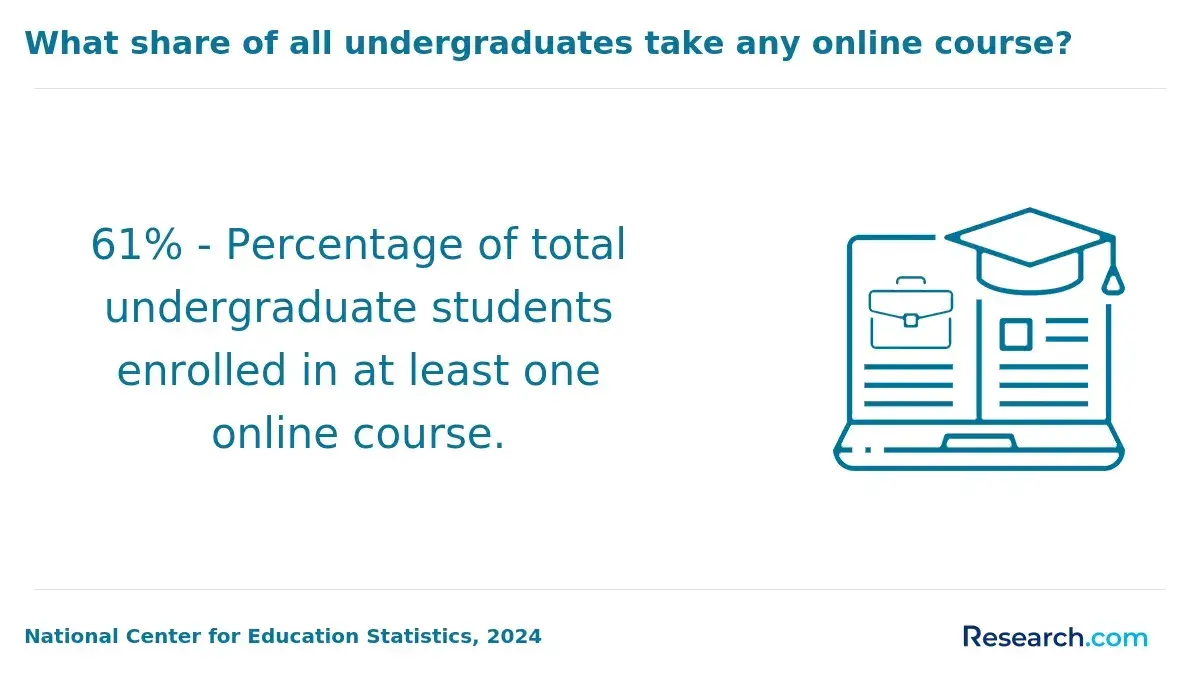
Financial support can significantly reduce the initial expenses of a physical education degree, thereby improving its long-term financial return by limiting the need for borrowing. About 76% of graduate students benefit from some form of financial aid, demonstrating extensive assistance opportunities available to advanced degree seekers.
Common types of financial aid that enhance return on investment include:
- Scholarships: Merit- or need-based awards that do not require repayment, directly lowering tuition costs and reducing debt, which improves overall ROI.
- Grants: Typically funded by government sources, these non-repayable funds help cover tuition and fees, easing financial burdens and minimizing loan amounts.
- Fellowships: Mainly for graduate students, fellowships provide stipends or financial support that enable focus on academics with less reliance on borrowed money.
- Employer Tuition Assistance: Many employers offer partial or full tuition reimbursement, allowing students to continue earning while studying, which maintains income and reduces personal expenses.
- Federal Loans: Though repayable, these loans usually offer lower interest rates and flexible repayment terms compared to private borrowing, helping students manage debt more sustainably.
How Long Does It Take to Complete a Physical Education Degree?
The duration required to finish a physical education degree plays a crucial role in its return on investment (ROI) by affecting opportunity costs, total expenses, and the potential to start earning sooner. In other words, the quicker a student completes their studies, the sooner they can enter the workforce, minimizing lost income and tuition costs.
Several important factors influence how long the degree takes, each shaping financial and career outcomes in different ways:
- Enrollment status: Students attending full-time typically graduate more rapidly, enabling earlier job entry and income. Part-time enrollment extends study duration, which might reduce immediate financial strain but delays earnings.
- Program format: Online or accelerated programs often shorten completion time by offering more flexible pacing and scheduling, thus lowering overall educational costs and boosting ROI.
- Transfer credits: Bringing in credits from previous coursework allows students to bypass some classes, reducing both tuition expenses and time spent in school.
- Internship and thesis requirements: While these add hands-on experience and can extend the length of study, they often improve employability and salary potential, which can offset the longer timeline.
- Scheduling flexibility: Greater flexibility helps students manage work alongside classes but may prolong the time to degree, balancing debt reduction with delayed earning capacity.
When I spoke with a graduate of a physical education program about how long it took her to complete the degree, she shared that balancing coursework with part-time jobs stretched her timeline but taught her valuable time-management skills. "It wasn't just about finishing fast," she explained, "but about gaining experiences that made me a better teacher." Despite occasional frustrations over slower progress, she appreciated how internships gave her practical insight, ultimately helping her secure a role immediately after graduation. Her journey underscored that while finishing sooner benefits finances, the quality of the experience can significantly enhance career readiness and satisfaction.
Is ROI Higher for Online or On-Campus Physical Education Programs?
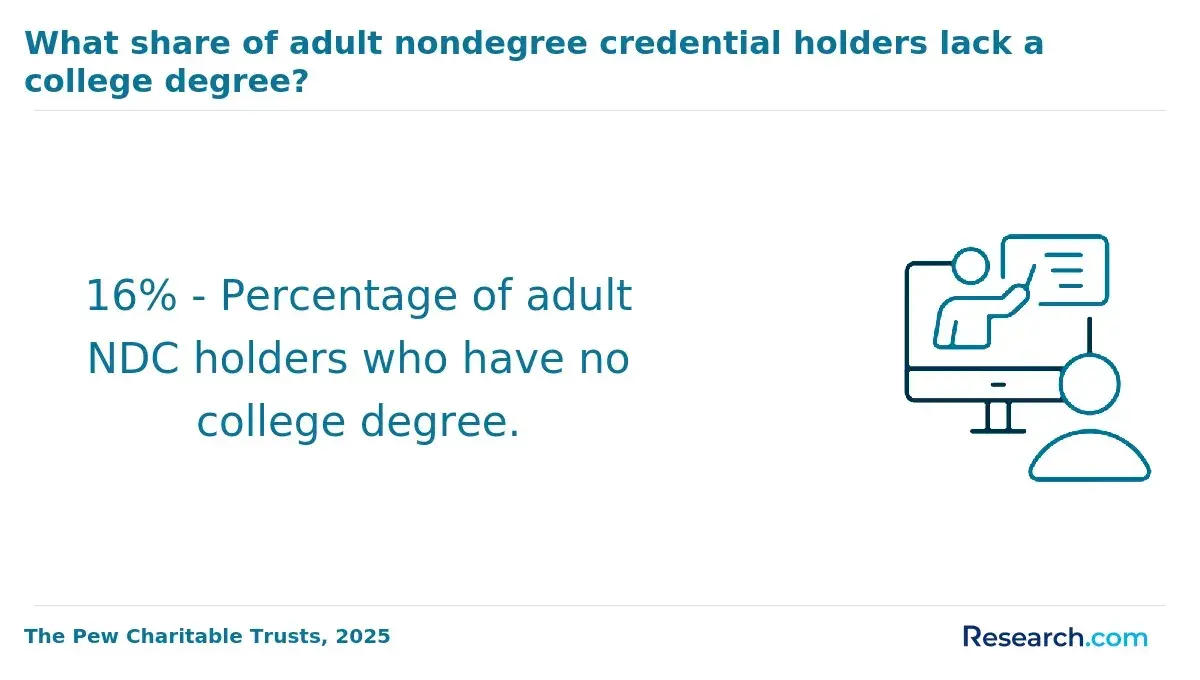
The delivery format of physical education degree programs significantly impacts return on investment (ROI) due to variations in cost, flexibility, and career outcomes. With online enrollment in higher education increasing by over 30% in the past decade, more students are weighing whether online or on-campus formats provide stronger returns. This growth reflects broader acceptance of online credentials but also differences in graduate outcomes depending on the learning mode.
Key factors to consider include:
- Tuition and fees: Online physical education programs generally have lower tuition and fees, which reduces upfront education costs and financial burden compared to traditional on-campus options.
- Opportunity cost: Flexible scheduling in online programs enables students to maintain employment while studying, decreasing lost income and other opportunity costs.
- Time to completion: Online courses often run year-round and may allow for faster degree completion, which can shorten the time before entering the workforce full-time.
- Networking and career services: On-campus programs typically provide stronger access to networking events, hands-on experiences, and career placement services that may enhance job prospects.
- Employer perception and long-term earnings: Many employers tend to favor graduates from on-campus programs, potentially leading to better long-term earnings and career advancement opportunities.
Prospective students interested in cost-effective degrees may also explore related fields; for example, a counseling degree online often shares similar considerations regarding online versus on-campus ROI. Balancing these factors can help individuals assess the best route for maximizing the return on investment for physical education programs.
What Is the Average Salary After Earning a Physical Education Degree?
Post-graduation salary is a critical factor in assessing the return on investment (ROI) of a physical education degree, as it directly impacts the financial benefits relative to tuition and effort. The average salary for physical education graduates in the U.S. typically ranges between $40,000 and $60,000 annually, influencing the degree's salary outlook for many students.
Several key factors affect these salary outcomes and thus the overall ROI:
- Industry: Careers in public education generally offer lower pay compared to opportunities in private or corporate wellness sectors, which may provide enhanced compensation.
- Geographic location: Salaries often differ significantly based on region, with urban centers and states with higher living costs generally offering better wages.
- Experience: Increased years in the field usually correlate with salary growth, improving the financial return of the degree over time.
- Specialization: Focusing on areas such as athletic training or adapted physical education can lead to higher income potential.
- Career level: Entry-level roles often pay less, while management or administrative positions tend to offer greater financial rewards.
Proactively considering these aspects can help individuals evaluate their physical education degree salary outlook and anticipate future earnings. For those comparing career paths or exploring degree options, resources like executive MBA programs online may offer alternative educational routes with different ROI profiles.
Does a Physical Education Degree Lead to Promotions?
Promotions are a critical factor in the return on investment (ROI) of earning a physical education degree, as they often bring salary increases, expanded responsibilities, and greater career mobility. These advantages help justify the time and effort spent obtaining the degree while improving long-term financial and professional outcomes.
A notable workforce trend is the growing emphasis on credential-based promotion, especially in education and health sectors where advanced degrees are increasingly a prerequisite for leadership roles. This trend reflects the value employers place on formal qualifications in career advancement.
Key ways a physical education degree influences promotion prospects and ROI include:
- Credential Requirements: Many administrative and coaching positions require a bachelor's degree in physical education as a minimum qualification, making the degree essential for upward career movement.
- Leadership Preparation: The degree provides leadership training and theoretical knowledge that equip graduates for supervisory and specialized roles.
- Tuition Assistance Eligibility: Graduates often become eligible for tuition reimbursement programs that support ongoing education, helping further career advancement.
- Promotion Policies: Employers frequently prioritize internal advancement for employees who have attained relevant credentials, aligning with organizational promotion frameworks.
- Experience Complement: When combined with practical work experience, the degree substantially strengthens candidates' promotion opportunities, enabling access to higher-level roles.
For those weighing the decision to pursue physical education degree career advancement, it is useful to consider programs at most affordable online colleges that balance cost with credential value. While experience remains essential, promotions with physical education degree credentials often open doors to higher-paying and more responsible positions, making the degree a strategic investment for professional growth.
Which Industries Offer the Best ROI for Physical Education Graduates?
Return on investment (ROI) for physical education graduates varies widely by industry due to differences in salary levels, career progression opportunities, and demand for specialized skills. Industries that provide the strongest ROI generally feature robust compensation growth, clear promotion paths, and roles that align closely with physical education expertise.
Here are some top industries offering high ROI for physical education graduates:
- Sports management and coaching: This industry leverages knowledge of human performance and training methods, offering competitive salaries and opportunities to advance into leadership positions, especially in higher levels of competition.
- Healthcare and rehabilitation: Roles such as physical or occupational therapy support provide stable demand, steady career advancement, and the chance to apply physical education skills directly to patient recovery and well-being.
- Fitness and wellness coaching: Careers in personal training, wellness coaching, and corporate fitness emphasize specialized exercise science expertise with flexible career paths and entrepreneurial potential.
- Educational administration and curriculum development: Moving beyond traditional teaching, these roles often offer higher financial rewards through increased responsibility and leadership duties in schools and universities.
Prospective students evaluating physical education career ROI by industry should also consider educational pathways that can enhance financial outcomes, such as pursuing 1 year graduate programs to build advanced skills and specialize.
Does Accreditation Affect ROI for a Physical Education Degree?
Accreditation for physical education degree programs signifies formal approval from educational authorities that confirms the program adheres to rigorous academic standards. This validation ensures that the curriculum is thorough, instructors possess relevant expertise, and institutional resources effectively support student learning. Employers increasingly prefer candidates from accredited programs, viewing it as a signal of preparedness and reliability. Moreover, graduation from an accredited program often determines eligibility for licensure or certification, which remains a critical requirement in many physical education-related careers.
Accreditation enhances long-term return on investment by fostering greater trust among employers and improving job prospects. It also provides students with access to federal financial aid, reducing upfront education costs. Additionally, accreditation facilitates the transfer of academic credits, easing the path to advanced degrees. Importantly, it supports eligibility for state licensure and professional certification, which can broaden career opportunities and geographic mobility within the field.
Is a Physical Education Degree Worth It?
The return on investment for a physical education degree depends on several critical factors, including program expenses, duration, and earning potential. Typically requiring around four years to complete, the degree involves tuition, fees, and materials, alongside opportunity costs from time spent studying instead of working. Graduates can expect median salaries near $60,000 annually, though actual income varies by region and educational level taught. While there are opportunities for career growth through additional certifications or advanced degrees, advancement and starting salaries tend to be lower compared to many other professions.
The value of obtaining a physical education degree is influenced by market demand, delivery method, and financial support options. Online versus traditional in-person programs can impact both affordability and flexibility, while scholarships or grants reduce upfront costs, enhancing ROI. Industry demand fluctuates with educational policies and health trends, affecting job availability. Ultimately, those aiming for roles in teaching, coaching, or wellness may find it worthwhile, but individuals seeking rapid salary growth might consider pairing their degree with complementary skills or further education to improve financial outcomes.
What Graduates Say About The ROI of Their Physical Education Degree
- Jason: "Choosing to pursue a physical education degree felt like a smart investment in my future, especially knowing the average cost of attendance hovered around $25,000 a year. While it wasn't cheap, the long-term ROI became clear as I secured a solid teaching position with opportunities for advancement and personal growth. Looking back, the hands-on experience and strong network I built during my studies truly made the cost worth it."
- Camilo: "I took the online route to study physical education mainly because of flexibility and cost-effectiveness; with tuition generally lower than traditional programs, it fit my budget well. The roughly $15,000 total investment was manageable, and completing my degree opened doors to becoming a certified coach and fitness consultant. Reflecting on this, the decision was not only financially sound but also a career changer, allowing me to work remotely and expand my professional reach."
- Alexander: "Balancing work and study, I enrolled part-time in a physical education program, mindful of the nearly $20,000 average cost, stretched over several years. The ROI might not be immediate, but the gradual investment was practical and has gradually paid off as I transitioned into a higher-level role in sports management. Completing the degree enhanced my credentials and confidence, making every penny spent feel justified from a professional standpoint."
Other Things You Should Know About Physical Education Degrees
Yes, experience plays a significant role in improving ROI for physical education graduates. Entry-level salaries may be modest, but as professionals gain experience, obtain additional certifications, or pursue advanced degrees, their earning potential typically increases. This growth enhances the long-term financial benefit of the degree.
Location significantly affects ROI by impacting salaries and job availability for physical education graduates. Urban areas or states with higher education budgets tend to offer better pay and more opportunities, while rural or underserved regions may have fewer positions. Cost of living also moderates the true value of earnings in different areas.
References
- Top 6 Low-Cost Online Bachelor's in Physical Education https://www.greatvaluecolleges.net/rankings/online-bachelors-physical-education/
- What Can You Do With a Bachelor's Degree in Physical Education? https://www.onlineu.com/resources/college-planning/what-can-you-do-with-bachelors-in-physical-education
- Top five reasons to study a Physical Education degree at ACPE https://acpe.edu.au/blog/education/top-five-reasons-to-study-a-physical-education-degree-at-acpe/
- Physical Education Master’s Programs Online: Compare Schools https://www.onlinemastersdegrees.org/best-programs/education/physical-education/
- Teaching Degree ROI Guide: The Return on Investment You Can Expect with a Degree in Education https://www.educationdegree.com/articles/return-on-investment-guide-to-education-degrees/
- The Best 8 Career Options In Physical Education in 2025 (full Details) https://timespro.com/blog/what-are-the-career-options-in-physical-education
- Physical Education (WW-NL) https://ects.po.edu.pl/en/programme
- Calculating the ROI of a Higher Education | Savant Wealth Management https://savantwealth.com/savant-views-news/wise-women/calculating-the-roi-of-a-higher-education/
- Is College Worth it? | Return on Investment Analysis of College Degree https://educationdata.org/college-degree-roi
- 7 Great Careers You Can Have with a Masters in PE & Health https://www.midwestteachersinstitute.org/7-great-careers-with-masters-in-physical-education/


