
2027 Does a Physical Education Degree Require Internships or Clinical Hours?

Co-Founder and Chief Data Scientist
Many prospective physical education students struggle to determine if their degree will require internships or clinical hours, key elements impacting graduation timelines and job readiness. The U. S. Bureau of Labor Statistics reports that employment for fitness trainers and instructors is projected to grow 17% from 2022 to 2032, emphasizing the need for practical experience. However, internship and clinical requirements vary widely among programs, complicating student planning. This article explores the prevalence of these experiential components in physical education degrees and clarifies how they influence program structure and career preparation, helping students make informed decisions about their education and future employment.
Key Things to Know About Physical Education Degree Internships or Clinical Hours
- Internships or clinical hours are typically mandatory for graduation or licensure in physical education, providing essential hands-on teaching and coaching experience.
- Online programs often arrange local placements, while campus-based programs integrate clinical hours on-site, ensuring flexibility and practical learning in both formats.
- Practical requirements increase time commitment but enhance career readiness, with 78% of graduates reporting improved employment prospects due to internship experience.
Does a Physical Education Degree Require Internships or Clinical Hours?
A physical education degree commonly requires students to complete internships or clinical hours, though the specifics can vary by program and institution. For many degree paths, especially those preparing students for teaching or coaching roles, these practical experiences are mandatory. The purpose of these internships or clinical hours is to bridge the gap between theory and practice, giving hands-on exposure that enhances learning and professional development.
Some programs offer flexibility or make these hours optional for students pursuing non-teaching careers, but for certified physical education teachers, such as those meeting state licensure standards, fulfilling these requirements is often essential. This makes understanding physical education degree internship requirements an important step for prospective students.
Internships or clinical hours for physical education programs generally take place during the final stages of study after foundational coursework is completed. They provide students with real-world opportunities to apply skills in environments like schools, fitness centers, or sports organizations. These experiences support critical skills development including lesson planning, coaching techniques, and communication, which are vital for career readiness.
Programs accredited by recognized bodies typically require several hundred hours to qualify candidates for certification and employment. For students interested in exploring alternative pathways, resourceful programs like EdD degree programs may offer additional options worth considering.
Are Internships Paid or Unpaid in Physical Education Programs?
Internships in physical education programs are typically unpaid, though compensation varies by program and placement setting. This distinction matters for students planning program costs and career steps, as paid opportunities can ease financial strain while unpaid roles still offer valuable experience. Recent data shows that about 65% of physical education internships remain unpaid, especially those located in schools or community organizations.
Key points to consider regarding paid vs unpaid internships in physical education include:
- Typical Payment Structure: Most internships are unpaid and serve primarily as clinical hours or practical training rather than paid employment. This is common across many institutions focused on professional development.
- Influencing Factors: Whether an internship is paid depends on the employer's budget, if the internship is linked to academic credit, and applicable state or regional labor laws. Private sports facilities or specialized organizations more frequently offer paid internships where interns perform similar duties to staff.
- Value of Unpaid Internships: Despite lack of direct pay, unpaid internships provide hands-on experience, professional networking, and opportunities to apply theory in real-world environments. Many programs allow these clinical hours to count toward graduation requirements, which is critical for career preparation.
- Financial Planning for Students: Students considering physical education programs should evaluate the likelihood of unpaid internships and plan accordingly to manage costs and time commitments effectively.
Exploring options such as counseling degrees online accredited may provide additional flexible pathways to meet educational goals while managing expenses.
What Is the Difference Between Internships or Clinical Hours in Physical Education Degree Levels?
Students planning their academic path in physical education must recognize how internship and clinical hour requirements differ by degree level, as this affects both time commitment and career readiness. These variations influence the development of practical skills and professional competencies. A clear grasp of these differences is essential to navigate program expectations and future roles effectively.
The distinction between clinical hours and internships in physical education programs highlights the varying focus and intensity at each stage:
- Associate degree: Internships or practical experiences at the associate level are often introductory, with limited hours emphasizing basic instructional support and exposure rather than independent teaching. Supervision is strict and ongoing to build foundational skills.
- Bachelor's degree: Physical education internships requirements by degree level include longer placements lasting several months. These internships focus on classroom management, lesson planning, and direct student interaction under certified teacher supervision, providing broad, hands-on experience.
- Master's degree: Clinical hours versus internships in physical education programs become more specialized. Clinical hours are shorter but intensive and target skill refinement, assessment techniques, and curriculum evaluation. Students are expected to integrate theory with practice and demonstrate greater autonomy.
- Doctoral or professional degree: Practical experiences emphasize research integration, supervisory roles, and advanced decision-making. Clinical hours require independent problem-solving and leadership in educational or health promotion settings.
Awareness of these requirements helps prospective students select the right program level to meet their career goals, whether in education, coaching, or health promotion. For those considering broader educational options, exploring the cheapest psychology degree online can provide insights on affordable degree alternatives.
How Do Accelerated Physical Education Programs Handle Internships or Clinical Hours?
Accelerated physical education programs condense internships and clinical hours into shorter timeframes by starting practical training early or running it concurrently with coursework. This model demands that students juggle intense academic requirements alongside fieldwork, often requiring rigorous scheduling and strong time management skills. Such programs usually partner with local institutions to provide flexible, full-day, or weekend clinical placements that satisfy certification standards without extending the program length.
To help students meet licensure requirements while managing accelerated coursework, many programs offer extended internship periods during breaks, structured clinical hours integrated with classes, and dedicated mentorship support. These strategies ensure students gain hands-on experience efficiently and remain on track academically. Notably, about 30% of students pursuing physical education degrees choose accelerated tracks, many completing internships within just one academic year, which effectively prepares them for professional roles.
Are Internship Requirements the Same for Online and On-Campus Physical Education Degrees?
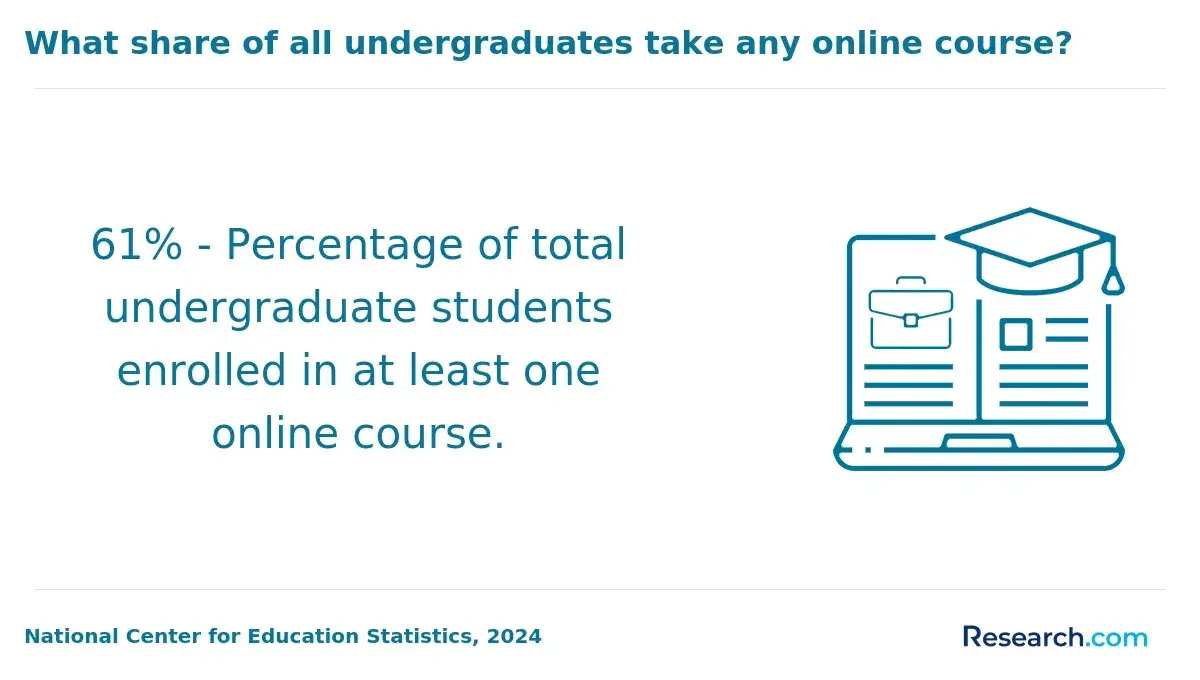
Internship and clinical hour requirements for physical education degrees generally do not differ between online and on-campus programs. Both pathways require hands-on experience to meet professional standards and ensure students develop instructional skills and promote health effectively. These experiential components are central to achieving the same learning outcomes, regardless of delivery mode. Reflecting the rise in online education, enrollment in remote courses increased by over 35% in the past decade, supporting greater access without compromising practical training.
The primary distinctions between online and on-campus internships involve logistics rather than content or oversight. Online learners typically have more flexibility to select internship sites near their homes, easing travel and allowing adaptable schedules. In-person students might benefit from easier access to university-affiliated placements and face-to-face mentorship. Supervision standards remain consistent across both formats, ensuring clinical hours meaningfully contribute to professional development and career readiness.
How Do Physical Education Degree Specialization Choices Affect Internship Requirements?
Specialization choices within physical education degree internship requirements significantly shape the nature and scope of required clinical and practical experiences. Different tracks, such as adapted physical education or sports management, emphasize distinct skills and environments, which directly affect the type, setting, and intensity of internships students must complete. Industry data reveal that approximately 70% of physical education students engage in internships tailored to their specialization, underscoring the importance of aligned hands-on experience to meet workforce demands.
For instance, kinesiology or exercise science specializations often demand more rigorous clinical hours involving rehabilitation or fitness testing, while other focuses may prioritize administrative or event-related internships.
These variations influence students' scheduling and workload by requiring some to allocate blocks of time for intensive clinical hours, often outside regular class sessions, while others navigate more flexible internship arrangements tied to community or school-based programs. The specialization selected thus plays a pivotal role in balancing academic and practical commitments, ultimately shaping career preparation outcomes aligned with specific physical education careers.
Students exploring advanced leadership roles in education may also consider online doctoral programs in leadership, which can complement practical experience gained through internships.
Can Work Experience Replace Internship Requirements in a Physical Education Degree?
Work experience can sometimes replace internship requirements in physical education degree programs, which is especially relevant for working students balancing professional duties and studies. Whether prior or current job roles qualify depends largely on how closely the tasks align with physical education competencies, the length and substance of the experience, and the ability to provide employer verification.
Additionally, approval depends on the program's accreditation rules and policies, making it possible for some students to reduce or waive formal internship hours.
For instance, professionals with several years teaching physical education or coaching may have their job experience count toward practical requirements, particularly in applied specializations or at advanced degree levels. Conversely, undergraduate students or those pursuing certification often need to complete formal internships to satisfy licensure criteria.
Since institutions vary in how they handle substitutions between work experience and internships, it's essential for students to consult program advisors early to understand available options and documentation needed.
How Long Do Internships or Clinical Rotations Last in a Physical Education Degree?
Internship and clinical rotation durations significantly impact how students manage their time and gain practical skills in physical education programs. About 75% of these programs require a minimum of 120 hours of supervised experience, reflecting a common industry standard.
Below are typical internship or clinical rotation lengths students can expect.
- Short-term rotations: Usually lasting 4 to 6 weeks, these offer concentrated, immersive experiences designed to provide quick exposure to specific teaching or coaching environments. They are often suited for accelerated or part-time program formats where time is limited.
- Semester-long internships: Spanning roughly 12 to 15 weeks, these internships allow students to gradually develop practical skills with consistent supervision. This model aligns well with traditional academic calendars and supports deeper engagement.
- Extended or year-long experiences: These longer rotations typically support advanced specializations, such as adapted physical education or athletic training. They may be necessary to meet professional certification requirements and involve more extensive hands-on responsibilities.
Program design and accreditation standards heavily influence how internship hours are distributed, with some requiring part-time commitments spread over multiple semesters. Specializations within physical education also affect duration and intensity, tailoring experiences to meet industry expectations while balancing students' academic workload.
Does Completing Internships Improve Job Placement After a Physical Education Degree?
Job placement outcomes are a major concern for prospective students pursuing a physical education degree, as they directly affect career prospects after graduation. Studies on the impact of physical education internships on job placement show that students completing internships are nearly 15% more likely to secure employment within six months compared to those without practical experience.
The following points outline key ways internships enhance employability for graduates.
- Employer Preferences: Employers often prioritize candidates with hands-on experience because internships demonstrate both skill competence and a strong professional work ethic. This preference is common in education and sports-related fields where practical knowledge is essential.
- Professional Networking: Internships connect students with mentors, administrators, and coaches who can provide valuable references and recommend candidates for job openings, expanding their career opportunities significantly.
- Skill Development: Beyond academic learning, internships help students practice classroom management, student assessment, and adaptive physical activities, improving confidence and adaptability in diverse educational settings.
- Conversion to Employment: Many organizations use internships as a direct pathway to full-time roles, often hiring interns after graduation based on their proven capabilities during the internship period.
For students considering program options, understanding the physical education degree internship benefits for employment is crucial for weighing program structure and time commitments. Those interested in further advancing their education may also explore 1 year masters programs online that can complement practical experience and improve career readiness.
Do Employers Pay More for Physical Education Graduates With Hands-On Experience?
Practical experience such as internships or clinical hours often leads to higher starting salaries for physical education graduates, with a 2022 survey by the National Association of Colleges and Employers showing those with relevant experience earn about 15% more on average. This connection reflects the value employers place on hands-on learning and its impact on job readiness.
Several key factors explain why experience influences compensation:
- Employer Valuation of Experience: Hands-on training signals that graduates are prepared to contribute immediately, reducing onboarding time and costs. Employers often prioritize candidates who demonstrate practical skills alongside academic knowledge.
- Negotiation Leverage: Graduates with clinical or internship experience typically have stronger grounds to negotiate better pay since they bring proven abilities that peers without such experience lack, enhancing their market competitiveness.
- Industry Standards: Many physical education programs emphasize experiential learning as essential, aligning graduates more closely with professional expectations. This often leads to higher salary offers due to better preparedness for real-world demands.
- Program and Specialization Variations: The effect of practical experience on pay can differ based on the graduate's focus, such as coaching, therapeutic exercise, or fitness training. Additionally, in-person programs featuring required hands-on components may be viewed more favorably than purely online degrees, influencing employer perceptions and compensation.
What Graduates Say About Their Physical Education Degree Internships or Clinical Hours
- Ren: "The internship component of my online physical education degree was incredibly convenient and affordable, costing less than I expected. It allowed me to apply theoretical knowledge in real-world settings without disrupting my daily schedule. This experience was crucial in accelerating my career growth as a fitness coach. "
- Alexander: "Reflecting on the internship requirement for my online physical education degree, I appreciate how the moderate cost made it accessible without sacrificing quality. The hands-on training deepened my understanding and gave me confidence to take on leadership roles in school sports programs. It truly bridged the gap between academic study and professional practice. "
- Camilo: "Completing the internship during my physical education degree online was a pivotal professional experience, especially considering the reasonable cost relative to other programs. It enhanced my practical skills and expanded my network, directly impacting my success as a physical therapist. I recommend this approach for anyone serious about their career."
Other Things You Should Know About Physical Education Degrees
In 2027, students typically select their internship placements in physical education programs by collaborating with academic advisors and career services. This often involves meeting the program requirements and personal career goals, as well as considering available opportunities in schools, community centers, and other relevant organizations.
Physical education programs emphasize skills such as student assessment, curriculum development, and adapting activities for students with disabilities. Programs also develop leadership and communication skills essential for managing diverse groups and promoting healthy lifestyles. These competencies prepare graduates for roles beyond teaching, including coaching and wellness coordination.
Students often encounter challenges such as balancing internship hours with coursework and adapting to varied student needs in real classroom settings. Managing classroom behavior and gaining confidence in delivering lessons are common hurdles. Support from mentor teachers and reflective supervision helps students overcome these difficulties and develop professional competence.
References
- Health & Physical Education Gr K-12, P.B.C. https://education.louisiana.edu/academic-programs/certification-only-program/health-physical-education
- Physical Education and Coaching Degree https://www.bvu.edu/programs/undergraduate/education/physical-education-and-coaching
- Physical Education B.S. https://usf.edu/undergrad-catalog-physical-education-bs
- Physical Education/Health Education Accelerated Degree Program https://www.brockport.edu/live/profiles/physical-education-health-education-accelerated
- Physical Education, MS https://www.apu.edu/programs/masters-in-physical-education/
- Undergraduate Programs https://www.uaeu.ac.ae/en/catalog/undergraduate/programs/bachelor-of-education-in-health-and-physical-education.shtml
- Physical Education Major | Bachelor's Degree in Physical Education | Hard Work U. https://www.cofo.edu/Academics/Majors-Minors/Physical-Education-Health-and-Recreation
- Education, M.S.; Health and Physical Education https://www.longwood.edu/hpegrad/
- is paid internship considered employment https://szinstitute.bg/juykrpd/is-paid-internship-considered-employment
- Career Services | University of Manitoba - Career Compass: Physical Education https://www.umanitoba.ca/career-services/career-planning/career-compass-physical-education


