2027 Physical Education Internship Requirements: Hours, Placements, and Supervision

Co-Founder and Chief Data Scientist
How many hours must a prospective physical education student commit to complete an internship-and what types of placements are typically available? Internships often define the bridge between academic knowledge and practical application, but their exact requirements vary widely.
Over 70% of physical education graduates highlight hands-on internship experience as critical for employment success. Common settings include schools, community centers, and sports organizations, each with unique supervision models ranging from mentor teachers to certified coaches.
This article explores mandatory internship hours, placement options, and supervision protocols within physical education programs to clarify expectations and guide students toward successful completion.
Key Things to Know About Physical Education Internship Requirements
- Internship hours typically range from 100 to 200, requiring careful scheduling to balance academic coursework and practical experience, often extending across multiple semesters.
- Placement depends on site availability and program partnerships, with competitive processes influencing the diversity and quality of student internship environments.
- Supervision standards mandate qualified mentors who provide structured feedback and evaluations, directly affecting skill development and readiness for employment.
Do All Physical Education Degrees Require an Internship?
Internships play a critical role in many physical education degree programs by connecting academic theory with practical teaching experience.
Approximately 85% of accredited physical education teacher preparation programs in North America mandate internships or student teaching as part of their curriculum. This ensures that graduates gain the necessary skills to meet professional standards.
Several factors influence whether an internship is required in a given program:
- Program Type: Bachelor's degrees aimed at preparing students for state certification in physical education teaching usually require internships or student teaching experiences. In contrast, some associate's degrees and general physical education programs without certification focus less on mandatory internships and more on alternative experiential learning options.
- Accreditation Standards: Many degree programs accredited by organizations such as the Council for the Accreditation of Educator Preparation (CAEP) include supervised internships to maintain consistent quality and graduate preparedness. Accreditation bodies often mandate practical experience as part of eligibility for program completion.
- Specialization Tracks: The necessity of internships can vary depending on the degree's focus. Programs centered on coaching, athletic training, or kinesiology might have different practicum or internship requirements compared to general physical education teaching degrees.
- Alternative Experiential Learning: Some programs substitute formal internships with practicum courses, service learning, or fieldwork, particularly in degrees without a teacher certification focus. These options provide practical exposure but may not meet official internship criteria.
- Regional Variation: Internship eligibility and placement criteria in North America can vary by state and institution, affecting whether an internship is compulsory. Students should verify specific program and state requirements to understand expectations fully.
Students interested in specialized accreditation, such as becoming a Board Certified Behavior Analyst, may explore related fields through BCBA accredited programs online, reflecting the broader landscape of experiential learning across education disciplines.
What Requirements Must Be Met Before Starting a Physical Education Internship?
Internship programs in physical education set clear prerequisites to ensure students are academically and professionally prepared for the responsibilities ahead.
About 78% of education institutions require a minimum cumulative GPA to guarantee a solid academic foundation. These requirements also protect both students and the communities they will serve during their internships.
Below are key eligibility criteria typically expected before beginning a physical education internship:
- Completed Coursework: Students must finish core physical education classes such as kinesiology, teaching methods, health promotion, and sometimes anatomy or sports psychology. This foundation ensures interns are equipped with relevant knowledge and practical skills.
- Minimum GPA: Most programs mandate a GPA ranging from 2.5 to 3.0 on a 4.0 scale. This requirement reflects a student's academic commitment and ability to succeed in real-world teaching environments.
- Application Approval: Official authorization from academic advisors or internship coordinators is often necessary. These staff members assess students' academic progress and readiness before permitting internship enrollment.
- Background Checks: To safeguard minors and vulnerable groups, many programs require clear background screenings and health certifications. These measures comply with institutional and legal standards.
How Many Internship Hours Are Required for Physical Education Degrees?
Internship hours are essential parts of physical education degree programs, designed to provide practical experience and bridge theory with real-world application.
Typically, students complete between 100 and 300 hours, with many programs equating 40 to 60 hours per academic credit. These expectations can differ widely depending on various academic and institutional factors.
Below are some important considerations that influence how internship hours are determined:
- Academic Credit Equivalencies: The number of hours usually corresponds to credit requirements, where programs assign 40 to 60 practical hours per credit. This system ensures that students gain sufficient hands-on experience aligned with their coursework load.
- Program Level and Type: Undergraduate degrees often require fewer hours-typically 120 to 180-while graduate or specialized certifications may mandate 300 hours or more to meet higher standards.
- Accreditation Standards: Accrediting organizations play a key role by setting minimum required hours to maintain consistency in training quality across institutions.
- Scheduling Format: Internship hours can be accumulated through part-time placements across a semester or intensive full-time sessions, which impacts how many total hours students complete.
A physical education degree graduate shared that managing internship commitments alongside coursework was challenging but rewarding.
He recalled, "Balancing the hundreds of hours required was tough at times, especially coordinating with my placement's schedule. Yet, the experience pushed me to develop skills beyond what classroom learning offered."
He also emphasized that the mentorship during internships was invaluable, making the demanding hours feel purposeful and directly relevant to his career goals.
Where Do Physical Education Students Complete Internships?
Internship settings play a crucial role in shaping practical skills and professional insight for physical education students. With nearly 40% of internships occurring outside traditional classrooms, this diversity enriches experiential learning and expands career pathways.
Below are common physical education internship placement sites in the United States that reflect this broad scope:
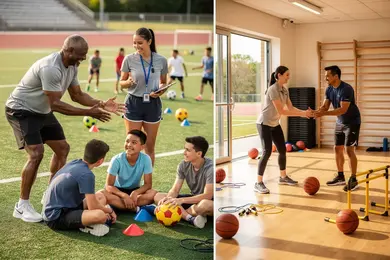
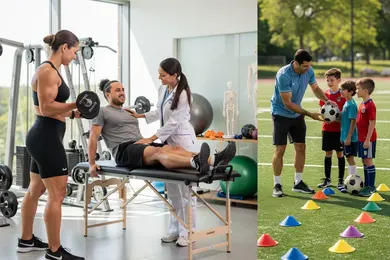
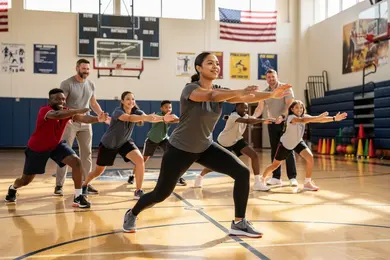
- K-12 Schools: These remain central for internships, offering hands-on experience in curriculum support and student fitness monitoring. Students engage directly with youth, developing teaching and assessment skills essential to educator roles.
- Corporate Wellness Programs: Many internships take place within businesses focused on employee health promotion. These settings expose students to program development and strategies for encouraging workplace physical activity.
- Government Agencies: Public health departments often provide internships that involve planning community-wide initiatives to boost physical activity and wellness. This environment helps students appreciate the role of policy and public outreach in physical education.
- Nonprofit Organizations: Internships here typically emphasize sports, youth engagement, and community development. Students gain experience working with diverse populations and supporting initiatives beyond academic environments.
- Research Institutions: Opportunities here allow students to contribute to studies in kinesiology, exercise science, and health promotion. This fosters a deeper understanding of scientific approaches within physical education.
Students exploring physical education student internship locations are encouraged to consider varied fields to build versatile skills. For those interested in related counseling pathways, resources such as cheapest online masters in mental health counseling programs can complement their career development.
How Are Internship Placements Assigned in Physical Education Programs?
Placement processes in physical education programs are designed to balance student preferences, academic goals, and available opportunities to ensure relevant, practical internships.
Nearly half of programs nationally reported structured matching systems that blend institutional partnerships with student input, increasing placement success rates.
Several approaches commonly guide how students are matched with internship sites:
- Faculty-Guided Matching: Academic advisors or internship coordinators suggest placements based on students' skills, academic standing, and career objectives, leveraging their knowledge of quality sites and supervisors.
- Student-Driven Applications: Students research and propose preferred sites or roles, submitting applications that program staff review to ensure alignment with learning outcomes and logistical feasibility.
- Partnership-Based Assignments: Institutions maintain ongoing collaborations with local schools, sports organizations, or community centers that regularly host interns, streamlining placement through established agreements.
- Centralized Placement Systems: Some programs use online platforms or internal databases to match students with available internships efficiently, tracking criteria such as location, specialization, and supervisor availability.
Reflecting on these methods, a physical education degree student shared that the process felt both exciting and challenging. She noted that while she appreciated guidance from her advisor, she also invested considerable time finding a site that matched her passion for youth athletics.
"Navigating the balance between what I wanted and what was available taught me patience and professionalism," she said. This blend of personal initiative and program support ultimately helped her secure an internship that felt meaningful and matched her career goals.
Are Virtual or Remote Internships Available?
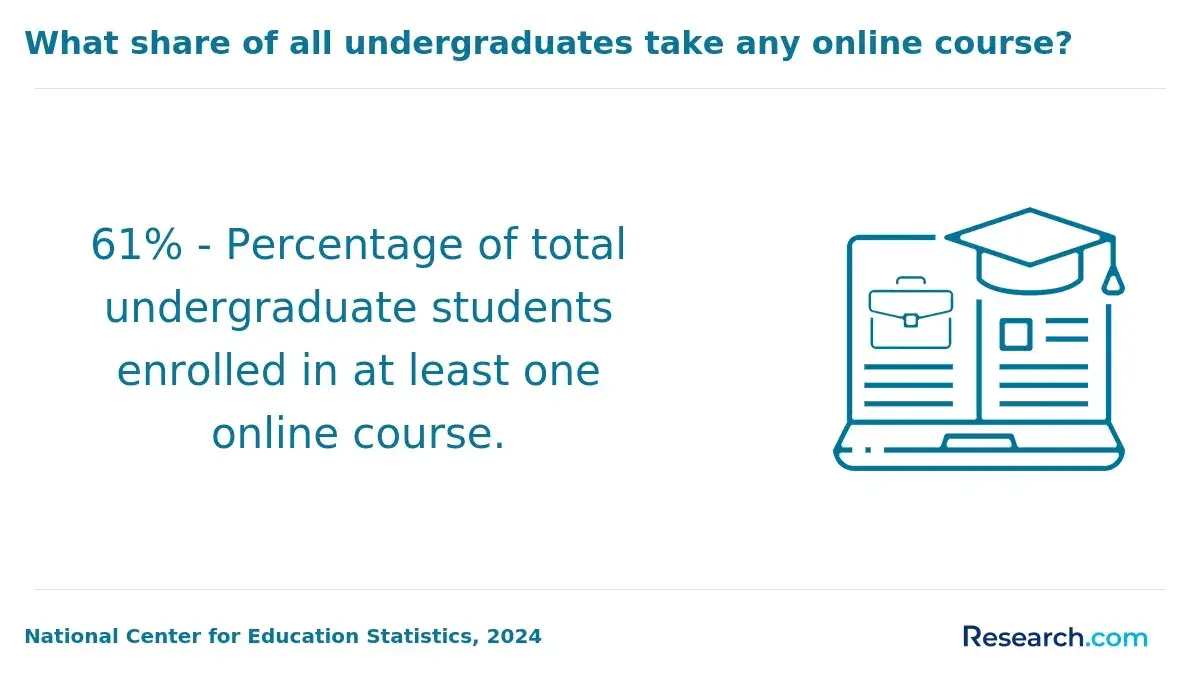
Remote work has become increasingly integral to internship opportunities, reshaping how students gain practical experience. The impact of the COVID-19 pandemic hastened this evolution, with nearly half of internships in the United States now offering virtual or hybrid options, according to a 2022 National Association of Colleges and Employers survey.
This trend extends into physical education programs, where online and mixed-format internships are gradually more common. These changes open new avenues for student engagement beyond traditional settings.
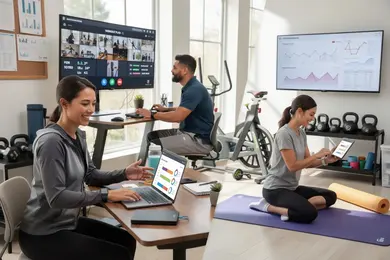
Virtual internships in physical education provide students with flexible scheduling that accommodates academic and personal demands. They typically leverage technology such as video calls and online project management tools to maintain effective communication between mentors and interns.
Access to a broader range of organizations also increases, enabling experiences that might otherwise be geographically or logistically inaccessible. However, the presence and format of remote internships vary widely based on individual program requirements and their emphasis on hands-on involvement or in-person supervision.
Are Part-Time Internships Allowed for Working Students?
Part-time internships are increasingly relevant for working students pursuing physical education degrees, as nearly 43% of undergraduates hold part- or full-time jobs according to the National Center for Education Statistics. Flexible internship options help these students gain practical experience without sacrificing work or academic responsibilities.
Below are key considerations regarding part-time internships in physical education programs:
- Scheduling Flexibility: Many programs allow students to complete internship hours over extended periods or during evenings and weekends. This flexibility helps students coordinate internships with existing job commitments.
- Employer Accommodations: Internship sites often adjust duties and hours to fit student availability. This collaboration ensures students receive meaningful experience while balancing work responsibilities effectively.
- Academic Workload Balance: Part-time internships enable students to progress steadily through coursework while gaining practical skills. This helps prevent overload and fosters academic and professional success simultaneously.
- Program-Specific Policies: Some physical education programs require minimum weekly hours or specify deadlines to complete internships. Students should review these requirements carefully to plan their schedules accordingly.
These adaptable internship structures reflect a broader trend in higher education, emphasizing student-centered approaches that recognize diverse life circumstances. Working students in physical education programs can benefit from these flexible arrangements while fulfilling experiential learning standards.
What Supervision Is Required During a Physical Education Internship?
Effective supervision is a cornerstone of successful physical education internships, blending academic guidance with practical experience to support student growth. Research shows that structured mentorship can improve internship retention and success rates by up to 20%.
The following key elements outline the supervision requirements for physical education internships:
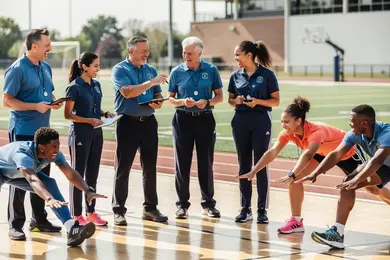
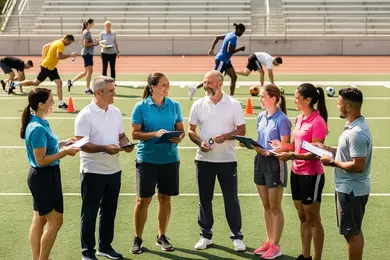
- Faculty Oversight: Faculty supervisors establish clear learning objectives and assess intern progress through reflective discussions. They ensure that academic standards align with professional practices, fostering critical thinking about teaching methods and student engagement.
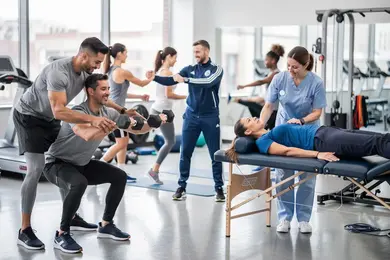
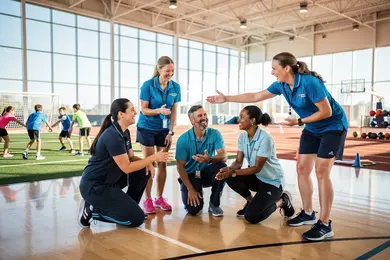
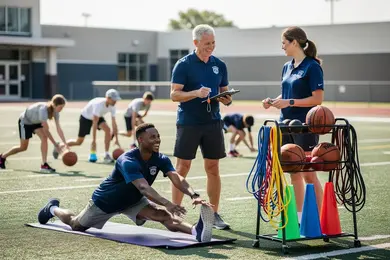
- Workplace Mentors: Physical education internship mentor responsibilities include providing hands-on instruction, demonstrating classroom management, and offering continuous formative feedback. These mentors help interns refine instructional strategies tailored to real-world educational settings.
- Progress Monitoring: Regular documentation and goal-setting activities promote consistent evaluation of intern development. Interns engage in self-assessment, which supports personalized growth and prepares them for independent professional roles.
- Performance Feedback: Feedback sessions such as observations and coaching conversations help interns meet ethical and professional standards. These interactions guide skill adjustments and build intern confidence in delivering physical education curricula.
To explore top programs that effectively integrate these supervision standards, consider the most popular online colleges that offer comprehensive physical education degrees.
How Are Physical Education Internships Evaluated?
Evaluating physical education internships is essential to ensure students develop the necessary skills and meet academic and professional standards. A 2022 study found that nearly 85% of physical education programs use multiple assessment tools for a thorough evaluation of intern performance.
The following outlines common physical education internship evaluation methods and the criteria for assessing physical education internships:
- Supervisor Reviews: On-site mentors observe interns' abilities to plan lessons, manage classrooms, and engage participants effectively. These supervisors provide qualitative feedback and rate interns across specific performance criteria, offering detailed insights into practical skills.
- Faculty Assessments: Instructors analyze observation reports and conduct formal evaluations based on visits or evidence submitted by interns, such as lesson plans and engagement data. This method supports objective grading aligned with program expectations.
- Reflective Assignments: Interns complete journals or essays that explore their teaching experiences and challenges. These assignments help assess critical thinking and self-awareness, key components in professional growth.
- Performance Benchmarks: Programs define measurable criteria such as instructional effectiveness, communication skills, and professionalism. These benchmarks ensure consistent evaluation standards across varied internship placements.
- Comprehensive Assessment: Combining multiple methods offers balanced perspectives on readiness to enter the profession, which helps maintain quality and integrity in physical education training nationwide.
For students interested in complementing physical education with expertise in counseling fields, exploring marriage and family therapy programs online can be a valuable option within education-related career paths.
What Challenges Do Physical Education Students Face During Internships?
Internships in physical education offer essential hands-on learning but also present significant challenges. Over 60% of students report moderate to high stress balancing internship demands with other commitments.
Below are common difficulties physical education interns face during this crucial phase of their education:
- Balancing Schedules: Managing internship hours alongside classes, work, and personal life requires exceptional time management. Many students find this juggling act overwhelming, contributing to high stress levels.
- Adapting to Expectations: Interns must quickly adjust to professional environments, applying theoretical knowledge in practical settings. This transition can be daunting as students navigate differing workplace cultures and expectations.
- Transportation and Finances: Travel to multiple sites or unpaid placements adds financial strain. These pressures often complicate the internship experience and affect student focus and performance.
- Professional Responsibilities: Taking on tasks such as lesson planning or activity supervision for the first time demands rapid skill development and confidence-building. The pressure to perform competently can be intimidating.
- Placement Difficulties: Effectively managing supervision and placement difficulties in physical education internships can pose unique obstacles, requiring adaptability and problem-solving skills.
Despite these challenges, internships remain invaluable. They help students develop practical skills and build networks that improve job prospects, especially in specialized areas highlighted by opportunities like an AI degree or other advanced credentials.
What Graduates Say About Physical Education Internship Requirements
- Janine: "Completing my internship hours in various community centers gave me invaluable hands-on experience that textbooks just can't offer. The supervised internship format ensured I received ongoing feedback, which sharpened my leadership skills. These opportunities truly shaped my confidence and set the foundation for my career in physical education coaching."
- Elijah: "Reflecting on my physical education internship, I appreciate how diverse placements-from schools to rehab clinics-broadened my understanding of different populations. The mentorship from supervisors was crucial, steering me through challenges and helping me apply theory to practice. This experience was pivotal in securing my first professional role in health and wellness."
- Erik: "Throughout my degree, the supervised internship was the highlight as it provided structured growth and accountability. Accumulating the required hours in both group and individual settings gave me a realistic preview of the profession's demands. Ultimately, the internship strengthened my practical skills and opened doors within educational institutions."
Other Things You Should Know About Physical Education Degrees
In 2027, prerequisites for enrolling in a physical education internship program typically include completing core physical education coursework, maintaining a minimum GPA, and obtaining departmental approval. Some programs may also require CPR certification and a background check before starting the internship.
Students are usually expected to submit detailed internship logs or journals outlining their activities and hours completed. Additionally, evaluation forms completed by supervising professionals and reflective essays or reports are common requirements. This documentation validates the practical experience and helps programs assess student progress.
In 2027, physical education interns are required to adhere to educational and ethical standards set by relevant educational bodies. This includes professional conduct, lesson planning adherence, and engagement in student-centered learning practices, ensuring a high-quality educational experience for students under their supervision.
References
- How to Become a PE Teacher https://educatorstandards.com/how-to-become-a-pe-teacher/
- Internships - International Sports Training Camp https://www.international-sports.com/staff/internships/
- Sports Internships Abroad | Go Overseas https://www.gooverseas.com/internships-abroad/sports-science
- Virtual Adaptive Physical Education Teacher (APE) | Georgia Job in Atlanta, GA | e9-30349 https://www.vocovision.com/teletherapy-jobs/schools-adaptive-physical-education-teacher-telehealth-atlanta-ga/e9-30349/j/
- Education & Youth Development Remote Internships | Intern Abroad HQ https://www.internhq.com/remote-internships/education/
- Internship in Physical Education | Volunteer in Greece 2026 https://www.volunteerworld.com/en/volunteer-program/internship-on-physical-education-in-greece-vrontados
- Top 5 Tips for Physical Education Trainees - PE Scholar https://www.pescholar.com/insight/top-5-tips-for-physical-education-trainees/
- Challenges Encountered by Bachelor of Physical Education Students in Conducting Research in Physical Education in the New Normal Set-Up https://www.academia.edu/105653577/Challenges_Encountered_by_Bachelor_of_Physical_Education_Students_in_Conducting_Research_in_Physical_Education_in_the_New_Normal_Set_Up