2027 Highest-Paying Jobs You Can Get With a Sports Psychology Degree

Co-Founder and Chief Data Scientist
Professionals with a sports psychology degree face critical decisions about pursuing graduate credentials and licensure-choices that significantly influence earning potential. For example, licensed practitioners in this field earn approximately 25% more than their non-licensed counterparts, demonstrating a clear wage premium linked to certification and advanced degrees. Geographic location and industry-whether working in collegiate athletics or private consulting-also heavily impact salary outcomes. With alternative career paths available, assessing the return on investment (ROI) for a sports psychology degree is essential for those aiming to maximize lifetime earnings. This article explores these factors to guide readers toward financially informed career choices within sports psychology.
Key Things to Know About the Highest-Paying Jobs You Can Get With a Sports Psychology Degree
- Graduate credentials in sports psychology increase median salaries by approximately 15% compared to bachelor's holders-highlighting a clear wage premium for advanced degrees in this field.
- Professional licensure and certifications-such as Certified Mental Performance Consultant (CMPC)-can boost earnings by up to 20%, reflecting employer demand for validated expertise.
- Compared to alternative pathways, a sports psychology degree offers a higher average return on investment, especially when factoring in industry placements and geographic salary variations favoring metropolitan areas.
What Exactly Does a Sports Psychology Degree Qualify You to Do in Today's Job Market?
A sports psychology degree opens career opportunities by preparing graduates to work where psychology meets athletic performance, focusing on mental health, motivation, and cognitive strategies to boost sport outcomes. According to the U.S. Bureau of Labor Statistics (BLS) and professional organizations, those with this degree can pursue roles such as licensed psychologists, performance consultants, or mental skills coaches, depending on education level and licensure.
Sports psychology degree job opportunities in the United States often reflect this credential's recognized professional scope and employer demand.
Core competencies that set sports psychology graduates apart include expertise in psychological assessment and intervention, strong analytical skills for performance evaluation, and effective interpersonal communication to collaborate with athletes and coaches. Employer data from LinkedIn Insights show a strong preference for candidates with formal sports psychology education over those with only on-the-job experience or alternative certifications-especially for roles involving clinical assessment or mental health treatment.
A sports psychology degree does not grant automatic clinical psychology practice rights or psychotherapy provision without appropriate state licensure, which typically requires a doctoral degree and supervised experience. Many support or entry-level roles are attainable with bachelor's or master's degrees, but the highest-paying clinical and research positions are credential-gated and demand advanced degrees and licenses.
This career and salary differentiation underscores why some students choose advanced graduate paths.
- Professional Scope: Licensed clinical psychologist, mental performance consultant, sports counselor, academic researcher.
- Core Competencies: Psychological assessment, mental skills training, data analysis, athlete communication.
- Licensing Requirements: Doctoral degree plus state licensure for clinical practice; certification may supplement master's-level roles.
- Common Misconceptions: Degree alone ≠ clinical license; sports psychology ≠ general counseling.
- Career Pathways: Credential-gated clinical roles vs. open-entry performance consulting.
- Degree Levels and Earnings: Bachelor's for entry roles, master's for coaching/consulting, doctoral for highest-paid clinical and research jobs.
For those comparing credential routes, sports psychology degrees provide a measurable wage premium and clear return-on-investment relative to alternative options. Mid-career professionals and career changers especially benefit from assessing this degree's fit against income goals, risk tolerance, and long-term aspirations before enrolling.
Those interested in rapid vocational training alternatives might explore medical assistant programs accelerated for a quicker credential option.
Which Sports Psychology Jobs Command the Highest Salaries Right Now?
Identifying the highest-paying sports psychology jobs in the US requires analyzing detailed labor market data from the latest BLS Occupational Employment and Wage Statistics (OEWS) and supplemental industry salary surveys. Professionals with a Sports Psychology degree find their skills in demand across clinical, counseling, research, and organizational roles within sports, health, and wellness sectors.
Here is a ranked overview of top career paths for sports psychology degree holders with salary data reflecting median, 75th-percentile, and top-decile wages-offering a realistic lens on earning potential throughout career stages.
- Clinical Sports Psychologist: These specialists, who combine mental health treatment with athletic performance coaching, are among the highest paid in the field. They typically require a doctoral degree such as a PhD or PsyD along with clinical licensure, with median salaries exceeding $90,000, the 75th percentile near $115,000, and top earners surpassing $140,000 annually. The strongest compensation is found in private sports medicine clinics and professional sports franchises, with higher salaries concentrated in metropolitan areas such as New York, Los Angeles, and Chicago.
- Performance Consultant / Mental Skills Coach: Focused on enhancing athlete confidence and resilience, these roles typically require a master’s degree in sports psychology or a related field, with certifications improving earning potential. Median salaries are around $60,000, with the 75th percentile reaching $80,000 and top consultants exceeding $100,000. Higher pay is common in collegiate athletics, elite training centers, and sports academies that prioritize performance outcomes.
- Academic Researcher / Professor: University-employed PhDs in sports psychology combine teaching, research, and consulting for strong earning potential. Median income is near $75,000, rising to $95,000 at the 75th percentile, with senior faculty at top programs earning over $120,000. Specialization and universities with major athletic programs can further boost pay.
- Rehabilitation Counselor for Athletes: Guiding injured athletes through recovery, these professionals typically hold master’s degrees and state certifications that can improve pay. Median salaries are around $50,000, with advanced or specialized roles reaching $75,000 or more. The highest wages are usually found in private rehab centers and major hospitals.
- Organizational Consultant in Sports and Wellness: These consultants, often working independently or with firms, focus on team dynamics and leadership development. With advanced degrees and proven results, they earn median salaries near $70,000, while top consultants exceed $110,000. Demand from sports-related corporate wellness programs drives higher pay, especially in urban centers.
It is important to note that sports psychology degree holders often compete with professionals from clinical psychology, counseling, physical therapy, and kinesiology backgrounds for these roles. The salary advantage of a sports psychology degree emerges strongly when combined with licensure, certifications, and demonstrable experience within athletic environments.
Geographic location, employer type-ranging from professional sports franchises to community clinics-and educational attainment remain critical drivers of compensation. This complexity explains the varied salary potential within the field of sports psychology.
For those weighing further education options, exploring affordable options such as a DNP program online may offer alternative routes with strong financial returns.
How Does Degree Level-Bachelor's vs. Master's vs. Doctoral-Affect Sports Psychology Earning Potential?
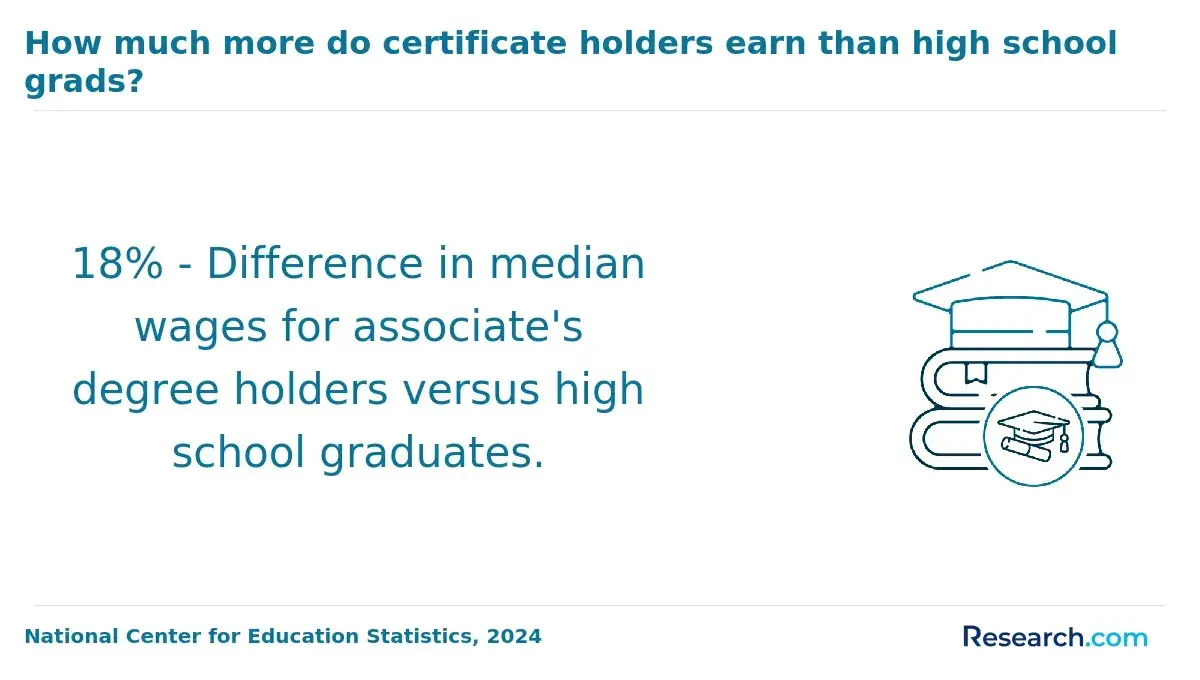
Graduate study entails tuition costs and lost wages, making it essential to weigh increased income against these expenses. Prospective students should carefully estimate the years necessary to recover their investment by comparing incremental earnings attributable to advanced degrees.
- Bachelor's Degree Earnings: Positions accessible with a bachelor's in sports psychology-such as assistant coaching, athletic training support, or fitness coaching-typically offer median annual wages between $40,000 and $55,000. These roles provide entry into the field but seldom lead to the highest salary brackets.
- Master's Degree Premium: Holding a master's degree in sports psychology commonly qualifies professionals for clinical support, mental skills coaching, and performance consulting roles. These jobs generally earn between $60,000 and $80,000 annually. Despite the wage boost, many of these positions require additional licensure to reach top-tier salaries.
- Doctoral Degree and Licensing Impact: The most lucrative careers-often clinical psychologists or academic researchers-necessitate doctoral credentials like a PsyD or PhD coupled with state licensing. These roles command salaries from $90,000 up to $130,000 or more. The combination of advanced education and licensure is critical for gaining access to these high-paying, credential-gated opportunities.
- Credential Requirements: Licensing boards and professional bodies enforce strict standards demanding graduate education and clinical training. This credential gating ensures practitioner competency while creating a clear divide in earning potential based on degree level and certification.
Those with related bachelor's degrees-psychology, kinesiology, for example-often benefit from accelerated master's program entry. Mid-career changers must assess whether returning for graduate education aligns with their financial and lifestyle priorities, balancing time and income considerations.
Which Industries and Employers Pay Sports Psychology Graduates the Most?
Several industries stand out as top employers offering salaries for sports psychology degree holders, driven by their financial resources, operational scale, and need for specialized skills.
- Private Sector: Professional sports organizations and elite training centers offer some of the highest pay due to their substantial revenues and competition for experts who boost athlete performance and mental resilience.
- Government and Military: Agencies like the Department of Defense and veterans' health services provide competitive wages and strong benefits for specialists focusing on rehabilitation and mental health support, although generally below private pro sports pay.
- Healthcare and Nonprofit Organizations: Universities, research bodies, and nonprofit sports foundations offer moderate to high salaries-often linked to advanced degrees and clinical licenses-which reflect their budget constraints but also emphasize professional growth.
- Self-Employed and Private Practice: Entrepreneurs in private practice or consulting can achieve varying income levels by serving niche markets such as corporate wellness programs, elite athletes, or sports academies, with earnings dependent on reputation and clientele.
Pay differences arise from factors like business size, regulatory conditions, and scarcity of credentialed specialists. Private pro sports teams command a salary premium fueled by high revenue and the imperative to maximize competitive edge, while nonprofits operate under tighter budgets but provide valuable research and clinical opportunities.
Degree level and job title interact significantly with industry choice-master's-level professionals in private sports organizations can reach six-figure salaries, in contrast to lower entry-level pay in nonprofit or educational roles. Obtaining state licensure and advanced certifications notably improves earning power.
To access the highest-paying industries for sports psychology graduates, building targeted skills, certifications, and networks is essential. Specialists who align their expertise with private pro sports, government programs, or exclusive consulting roles typically unlock greater salary potential.
For those seeking accelerated credential pathways aligned with these goals, exploring fast track programs can be particularly beneficial to shorten time-to-employment and maximize return on investment.
What Geographic Markets Offer the Best-Paying Sports Psychology Jobs?
Deciding whether to move to a high-paying but expensive metro versus pursuing remote or hybrid employment in a more affordable location depends on factoring in cost of living, licensing, and employer requirements to optimize net income and lifestyle.
- Denver, Colorado: This city combines a flourishing sports scene with growing attention to athlete mental health, resulting in some of the top median salaries for sports psychology professionals. Its cost of living is moderate compared to coastal metropolitan areas, making adjusted wages competitive.
- Washington, D.C. Metro Area: A hub for prestigious employers such as universities, military sports programs, and research centers, this region offers salaries above the national average. Though living expenses are high, opportunities for career advancement and federally funded projects support long-term earning potential.
- West Coast (Seattle, San Francisco Bay Area): Known for leading pay rates due to major professional teams and innovative health technology, these areas carry a significant cost-of-living burden that reduces real income, demanding careful consideration before relocating.
- Midwest Hubs (Minneapolis-St. Paul, Chicago): These cities provide a balanced mix of decent pay and affordable living costs, with rising demand from collegiate sports and rehabilitation facilities. Expanding options for remote roles enhance accessibility for practitioners.
- Florida (Miami, Tampa): Offers competitive salaries buoyed by advantageous tax policies and growth in sports markets. Its relatively low living costs help boost actual purchasing power for sports psychology workers in both professional and collegiate environments.
Remote work continues to reshape the geography of sports psychology employment-performance consulting, mental skills coaching, and telehealth roles often allow professionals to live in lower-cost areas while maintaining higher wages. In contrast, clinically oriented positions requiring licenses or on-site presence limit geographic flexibility.
How Do Professional Certifications and Licenses Boost Sports Psychology Salaries?
Professional certifications and licenses can significantly elevate salaries for sports psychology practitioners by affirming specialized skills and enhancing employability. Holding nationally recognized credentials commonly results in a salary increase, reflecting industry-established financial rewards.
- Certified Mental Performance Consultant (CMPC): This credential from the Association for Applied Sport Psychology demands at least a master's degree in sports psychology or a related discipline, completion of a supervised internship, and success on a standardized examination. Candidates must renew every three years through continued education, with fees generally between $400 and $600. Salary surveys indicate CMPC holders earn roughly 15-20% more than their non-certified peers.
- Licensed Psychologist (LP) with Sports Psychology Specialty: Obtaining this requires a doctoral degree, specified supervised clinical hours, and passing the licensing exam like the EPPP. State-dependent renewal involves ongoing education and fees. Licensed professionals specializing in sports psychology typically command salaries 25-30% above those without licensure.
- American Board of Sport Psychology (ABSP) Certification: Designed exclusively for licensed psychologists, this advanced certification verifies superior expertise through a demanding oral exam. Renewal occurs each decade with competency assessments. In select professional contexts, the ABSP credential can enhance earnings by 20% or more.
- Credential Credibility and Employer Preferences: Credentials should be accredited by authoritative bodies such as ANSI or NCCA to ensure widespread recognition. Candidates need to investigate employer-specific requirements-some demand licensure, while others prioritize CMPC or ABSP certifications.
Though certification entails upfront costs and ongoing maintenance, these investments typically yield substantial salary premiums, endorsing these credentials as financially advantageous for those targeting elevated career trajectories in sports psychology.
What Is the Salary Trajectory for Sports Psychology Professionals Over a Full Career?
Salary progression for sports psychology professionals varies significantly over the course of a career-shaped by experience, credentials, and role complexity. Entry-level practitioners typically earn between $50,000 and $70,000 within their first five years, with geographic location and employer type influencing compensation.
- Entry-Level: Newly credentialed sports psychologists build foundational skills and professional networks, starting with modest salaries that often reflect limited clinical experience.
- Mid-Career Growth: After five to ten years, salaries commonly exceed $80,000 as professionals obtain advanced certifications, state licensure, or specialize in performance enhancement or rehabilitation. Promotion to leadership roles or managing sports psychology programs, especially in collegiate or professional sports settings, marks a key inflection point fueling earnings growth.
- Senior-Level Earnings: Beyond ten years, salaries can surpass $100,000-sometimes reaching $130,000 or more-as sports psychologists establish themselves as experts or consultants. Those running private practices or developing proprietary mental training programs often achieve the highest compensation. Reputation-building through research publications, speaking engagements, and professional networking significantly contributes to income at this stage.
- Strategic Differentiators: High earners pursue PhD or PsyD degrees, secure board certifications in specialized areas, and assume leadership responsibilities. Entrepreneurship and business development activities further elevate earning potential.
Prospective sports psychology professionals should anticipate steady salary growth aligned with experience and specialization. Early-career success hinges on licensure and credentialing, while leadership positions and reputation-building shape long-term compensation trajectories.
Data from the Bureau of Labor Statistics and compensation surveys illustrate these clear benchmarks in career earning potential.
Which Sports Psychology Specializations and Concentrations Lead to the Highest-Paying Roles?
Specializations in sports psychology associated with the highest salary potential often focus on performance enhancement, clinical sports psychology, and occupational health within athletic settings. Performance enhancement experts collaborate with elite athletes to build mental resilience and focus, skills that command premium salaries due to their rarity and impact on professional sports outcomes. These roles require advanced knowledge of neuroscience-based mental training techniques and address labor market demand for top-tier mental coaches.
Clinical sports psychology, another lucrative specialization, involves diagnosing and treating psychological disorders in athletes. This concentration typically requires advanced licensure such as Licensed Psychologist or Licensed Clinical Social Worker credentials. The regulatory complexity and growing awareness of mental health challenges in sports contribute to higher wage premiums in this area, making licensure essential for maximizing earning potential.
Occupational health specialists within sports psychology focus on integrating psychological strategies with physical rehabilitation to support injury recovery and return-to-play protocols. Teams at the professional and collegiate levels value these specialists for their unique skill set, often resulting in compensation above generalist roles.
- Return on Investment: Top online sports psychology programs offer competitive tuition and robust alumni networks connecting students to high-paying specialist roles.
- Licensure Premium: Professional licensure significantly boosts salary prospects in clinical specializations within sports psychology.
- Market Demand: Career opportunities linked to elite athletic performance and mental health treatment show the fastest wage growth.
Students pursuing a sports psychology career path with the highest salary potential should prioritize labor market data, regional demand, and employer-preferred certifications over general academic interest. Graduates of broader sports psychology programs can enhance earnings through targeted internships with sports organizations, stacking certifications like Certified Mental Performance Consultant (CMPC), or engaging in continuing education without pursuing additional degrees.
For those exploring interdisciplinary routes, an online dietitian degree can complement sports psychology skills, broadening career options in athlete health and wellness fields.
How Does the Sports Psychology Job Market's Growth Outlook Affect Long-Term Earning Stability?
The sports psychology job market is projected to grow moderately over the next decade, with the U.S. Bureau of Labor Statistics (BLS) estimating an 8% to 10% increase in roles related to this field-such as clinical sports psychologists, licensed counselors, and performance coaches. This growth outpaces many other professions due to rising awareness of mental health in sports and expanding youth and professional athletic programs, making it a valuable consideration for those examining sports psychology job market growth forecast.
Long-term earning stability in sports psychology careers is supported by several factors. Automation risk is low because emotional intelligence and personalized therapy cannot be replaced by technology. Demographic trends-including an aging population and sustained youth sports participation-ensure ongoing demand.
Legislative reforms expanding insurance coverage for mental health services further bolster job security. However, adapting to technological advances like telehealth and performance-tracking software remains essential for practitioners.
- Growth Outlook: High-paying roles in clinical sports psychology and mental performance consulting demonstrate strong employment growth and limited oversupply due to required professional licensure and specialized skills.
- Risk Factors: Structural challenges include budget cuts in education and outsourcing of mental health services in sports organizations, especially affecting seasonal or limited-contract positions, creating wage fluctuations.
- Credential Value: Advanced degrees and licensure consistently correlate with higher salaries and greater job security, emphasizing the value of graduate education and certification in this field.
- Market Positioning: Professionals seeking to remain competitive should develop interdisciplinary skills such as data analytics and teletherapy, focusing on niches like youth sports mental health or rehabilitation psychology.
- Job Security vs. Wage Premium: Positions offering stable employment growth and financial foundation differ markedly from high-paying jobs tied to risk or cyclicality-making informed credential and career choices vital.
For those evaluating advanced education, exploring fastest PMHNP programs can provide pathways to credentials that enhance earning potential and career resilience.
What Leadership and Management Roles Are Available to High-Earning Sports Psychology Graduates?
Leadership and executive roles in sports psychology represent the field's highest earning and most influential positions. Titles such as Director of Sports Psychology, Performance Program Manager, and Executive Consultant are common-usually within collegiate athletic departments or professional sports organizations.
These roles involve overseeing multidisciplinary teams of therapists, trainers, and coaches while managing budgets and program operations that directly affect athlete performance and organizational success.
- Salary Premium: Management roles in sports psychology command a substantial income increase-often a 20-40% wage premium over practitioner positions. Data from the U.S. Bureau of Labor Statistics show that sports program managers and directors often earn median salaries above $100,000 annually, far exceeding entry-level averages near $60,000.
- Credentials and Experience: Securing leadership positions typically requires doctoral-level education (Psy.D. or Ph.D.) combined with specialized certifications in sports psychology and leadership. Candidates often bring years of experience from clinical, consulting, or performance analysis roles.
- Organizational Responsibility: Executives direct financial planning, ensure compliance with ethical guidelines, and develop interventions to enhance team outcomes, justifying their elevated compensation through increased accountability and strategic impact.
- Career Progression: Advancement usually takes place over several years and involves skill-building in organizational leadership, data analysis, and stakeholder communication. Additional qualifications-such as an MBA or graduate management degree-can accelerate promotion opportunities by adding critical business acumen.
- Strategic Development: Ambitious professionals invest early in networking, publishing research, and gaining practical experience with elite programs. Pursuing executive coaching certifications and lifelong learning further strengthens their competitiveness for top-tier roles.
Which Emerging Sports Psychology Career Paths Are Positioned to Become Tomorrow's Highest-Paying Jobs?
Advances in technology, regulatory shifts, and evolving market needs are creating new high-paying roles in sports psychology predicted to expand significantly over the next decade. Professionals with expertise in this field can expect growing opportunities in several specialized areas, supported by workforce analyses and industry trends.
- Performance Analytics Specialist: Leveraging AI and wearable devices, these specialists analyze both psychological and physical data to enhance athlete performance and accelerate injury recovery.
- eSports Mental Skills Coach: The rapid growth of competitive gaming has sparked demand for sports psychology professionals who develop tailored mental training programs for eAthletes.
- Rehabilitation and Neurofeedback Consultant: Specialists integrating neurofeedback with cognitive rehabilitation are in rising demand, particularly for managing concussion and trauma recovery in athletes.
- Virtual Reality (VR) Training Designer: Creating immersive VR scenarios for psychological conditioning, these professionals combine technology and sports science to deliver cutting-edge training experiences.
- Mental Health Policy Advisor for Sports Organizations: Increasing focus on mental wellness within sports governance has created advisory roles that influence policy and organizational strategy.
Sports psychology programs are evolving to include interdisciplinary coursework spanning data analytics, emerging technologies, and compliance frameworks-equipping graduates for these niche careers. To strengthen their market stance, students should consider supplementary certifications in AI applications, neurofeedback, and eSports coaching.
Pursuing emerging career paths comes with risks such as uncertain adoption and market competition. Candidates are advised to prioritize roles backed by early venture capital and institutional support to secure a balance between pioneering advantages and stable job prospects.
Staying informed through professional organizations like the Association for Applied Sports Psychology, leading journals, and labor market intelligence tools such as Lightcast and Burning Glass will help professionals navigate evolving opportunities and enhance their earning potential in the field.
What Graduates Say About the Highest-Paying Jobs You Can Get With a Sports Psychology Degree
- Otis: "Enrolling in the online sports psychology degree was one of the best decisions I ever made-my graduate credentials alone opened doors to positions that pay significantly higher than those available without an advanced degree. I discovered that obtaining professional licensure and certification further boosted my salary, often by more than 20%. The investment in this degree truly outpaced alternative career pathways, making every dollar and hour spent worthwhile."
- Ronan: "Reflecting on my journey, what stood out most was how industry type and geographic location can dramatically influence earning potential in sports psychology. Working in metropolitan areas within professional sports organizations offered substantially better wages compared to smaller markets or academic positions. This degree equipped me with the necessary background to navigate these variations-something I hadn't fully appreciated before enrolling."
- Brooks: "From a professional standpoint, the return on investment from my sports psychology degree exceeded expectations when compared to other routes, such as coaching certifications alone. Achieving certification and licensure was a key turning point-these credentials weren't just formalities; they created a tangible salary premium. Knowing how to leverage these factors has been integral to advancing my career in this competitive field."
Other Things You Should Know About Sports Psychology Degrees
In 2027, top-paying jobs for sports psychology degree holders include licensed sports psychologists working in professional sports teams, earning upwards of $90,000 annually, and sports psychology consultants for elite athletes, with potential earnings exceeding $100,000. Academic roles like university professors in sports psychology can also offer high salaries, especially at renowned institutions.
Entrepreneurship and self-employment can significantly increase earning potential for sports psychology graduates by allowing them to set their own rates and develop niche services, such as private consulting or coaching for athletes and teams. These independent professionals can scale their income by offering workshops, online courses, or personalized mental performance programs. However, success in this path often requires strong business skills and a well-established network.
Employer type has a notable impact on compensation in sports psychology. Private sector jobs-especially in professional sports teams or private clinics-typically offer higher salaries and performance bonuses than public or nonprofit positions. Public sector roles, such as university athletics departments, may provide more job stability and benefits but generally lower base pay. Nonprofit organizations often pay the least but may offer valuable experience and community engagement opportunities.
Internships and practicums are critical for building practical skills and professional networks, and they often lead to higher starting salaries for sports psychology graduates. Employers value candidates who have demonstrated applied experience in clinical or athletic settings, which reduces training time and improves job readiness. Early work experience in relevant roles can also provide leverage during salary negotiations and improve long-term career trajectory.
References
- How to Land High-Paying Sport Psychology Jobs: An Expert's Step-by-Step Guide https://www.drpaulmccarthy.com/post/how-to-land-high-paying-sport-psychology-jobs-an-expert-s-step-by-step-guide
- Top 5 Highest-Paying Psychology Careers - Rivier Academics https://www.rivier.edu/academics/online/resources/program-resources/top-5-highest-paying-psychology-careers-rivier-university/
- What - Translation into Polish - examples English | Reverso Context https://context.reverso.net/translation/english-polish/What
- WHAT - Translation from English into Polish https://en.pons.com/translate/english-polish/what
- WhatsApp Web https://web.whatsapp.com/
- Sports Psychology Salary https://mastersinpsychologyguide.com/articles/salary-outlook-sports-psychology/
- Sports Psychologist Jobs & Career Guide - PsychologyJobs.com https://psychologyjobs.com/sports-psychologist-jobs/
- what - Tłumaczenie po polsku - Słownik angielsko-polski Diki https://www.diki.pl/slownik-angielskiego
- What w języku angielskim https://www.ang.pl/blog/slowo-what-w-angielskim
- WHAT - Translation in Polish - bab.la https://en.bab.la/dictionary/english-polish/what