2027 Highest-Paying Jobs You Can Get With a Music Education Degree

Co-Founder and Chief Data Scientist
Graduates with a music education degree often face a crucial decision: pursue advanced credentials or enter the workforce immediately. Evidence shows that holding a master's degree in music education increases earning potential by approximately 20% compared to bachelor's-only holders. Professional licensure and certifications further enhance salary prospects-especially in public school districts and specialized arts organizations. Geographic location and industry type amplify these differences, influencing return on investment between pathways such as private instruction, ensemble management, or education administration. This article examines the wage premium tied to graduate credentials, licensure impacts, and how music education compares financially to alternative career routes, guiding readers toward informed choices aligned with their goals.
Key Things to Know About the Highest-Paying Jobs You Can Get With a Music Education Degree
- Graduate credentials in music education yield a significant wage premium-master's degree holders earn approximately 15% more annually than those with only a bachelor's degree.
- Professional licensure and certification elevate salary potential-certified music educators in public schools report median wages 10-20% higher than uncertified peers.
- The return on investment for a music education degree outperforms many alternative credentials-albeit with variation by industry and state, especially in districts valuing advanced qualifications.
What Exactly Does a Music Education Degree Qualify You to Do in Today's Job Market?
A music education degree primarily prepares graduates for licensed teaching positions in public and private schools-positions that require a bachelor's in music education or a related field and adherence to state licensure standards, as defined by the U.S. Bureau of Labor Statistics (BLS). Employers value degree holders not only for their technical proficiency but also for their ability to design curricula, lead ensembles, and incorporate educational technology-skills that surpass candidates with only work experience or non-academic backgrounds. Evidence from LinkedIn Insights highlights that graduates possess strong analytical abilities in music theory and history along with crucial soft skills such as communication, mentorship, and organizational competencies. These attributes enhance job prospects for music education graduates across diverse educational and community leadership roles.
However, a music education degree does not typically qualify graduates to work professionally as performers, elite orchestra conductors, or studio musicians without additional specialized training. Licensure remains the key gateway for K-12 teaching roles, distinguishing credential-gated career opportunities from open-entry jobs in music. Alternative fields like music therapy or arts administration usually demand separate certifications. Advanced credentials-master's and doctoral degrees-along with professional licensure positively affect wage potential, according to job market salary data.
The highest-paying jobs with a music education degree span roles such as school music director, postsecondary instructor, and educational consultant, which often correlate with graduate-level credentials. For those considering credential upgrades, exploring online masters programs can be a strategic step toward boosting earning potential and career opportunities with a music education degree.
- Core Competencies: Comprehensive musical knowledge; curriculum development; student assessment techniques; educational technology proficiency; classroom management; communication skills.
- Licensure and Credentialing: Required for K-12 teaching roles; varies by state; distinguishes credential-gated paths from open-entry jobs in music-related fields.
- Career Limitations: Not a direct qualification for professional performance or non-educational music careers without further training.
- Wage Impact: Advanced degrees (master's or doctoral) and professional licensure increase earning potential significantly, as reflected in job market salary data.
Top Roles Preview: School music director, postsecondary music instructor, educational consultant-roles aligned with highest earnings and degree levels.
Which Music Education Jobs Command the Highest Salaries Right Now?
Recent data from the Bureau of Labor Statistics Occupational Employment and Wage Statistics and the National Compensation Survey reveal which music education jobs offer the highest paying opportunities in the United States. Median, 75th-percentile, and top-decile wages highlight salary potential across experience levels and institutional settings-offering a realistic view of top salary jobs for music education graduates.
- Postsecondary Music Teachers: This role commands some of the highest salaries for music education degree holders, especially those with advanced degrees. Median annual wages hover around $70,000, while the 75th percentile surpasses $90,000-top earners can exceed $120,000. Salaries vary by institution type:
- Doctoral degrees or master's degrees combined with extensive teaching experience yield the strongest wage benefits.
- Positions at research universities or prestigious conservatories offer higher pay than community colleges or technical schools.
- Metropolitan areas with major arts institutions provide the most competitive salary markets.
- Music Directors and Composers: Although not limited to music education degree holders, those with formal training often enjoy a salary advantage in niches such as orchestral conducting, film or TV music direction, and original composition. Median salaries are near $55,000, rising to about $80,000 at the 75th percentile, with top-decile earnings well into six figures depending on leadership and industry stature.
- Certification and a strong portfolio of high-profile projects significantly enhance earning potential.
- Salaries peak in large metropolitan areas like New York, Los Angeles, and Chicago.
- Secondary School Music Teachers: Median wages approximate $50,000, with the 75th percentile reaching $65,000 or more in well-funded districts. Top salaries approach $80,000 in select locations.
- Advanced degrees and state teaching certifications usually add measurable salary gains.
- Public school districts in suburban and affluent urban areas offer the most competitive compensation.
- Private Music Instructors and Coaches: Generally earning less on average than institutional roles, private instructors with strong reputations or specialized skills-like jazz, classical piano, or voice-can command fees rivaling mid-level institutional salaries.
- Degree level establishes credibility, but entrepreneurship and networking largely determine income potential.
- High-density markets of music students or wealthy clientele yield better compensation.
Many music education careers also attract candidates with diverse credentials such as performance degrees, general education certifications, or arts administration qualifications. As a result, the wage premium attributable to a music education degree depends heavily on how it intersects with graduate credentials, licensure, and specialized certification. This nuance is essential for prospective students evaluating the value of their credential relative to alternative pathways.
Ultimately, factors including degree level, specialization, geographic region, and employer type influence compensation variances significantly. Advanced degrees-particularly master's or doctorates-often provide substantial wage premiums, especially in postsecondary teaching roles. Meanwhile, employment settings like private schools, public districts, and arts organizations each present unique earning possibilities. Career changers and veterans seeking a high-paying field should consider these variables carefully to align their education investment with long-term income goals.
Those exploring options for advancing their credentials might also evaluate EMBA programs as part of a career strategy that complements or enhances their earning potential within educational or organizational leadership roles.
How Does Degree Level-Bachelor's vs. Master's vs. Doctoral-Affect Music Education Earning Potential?
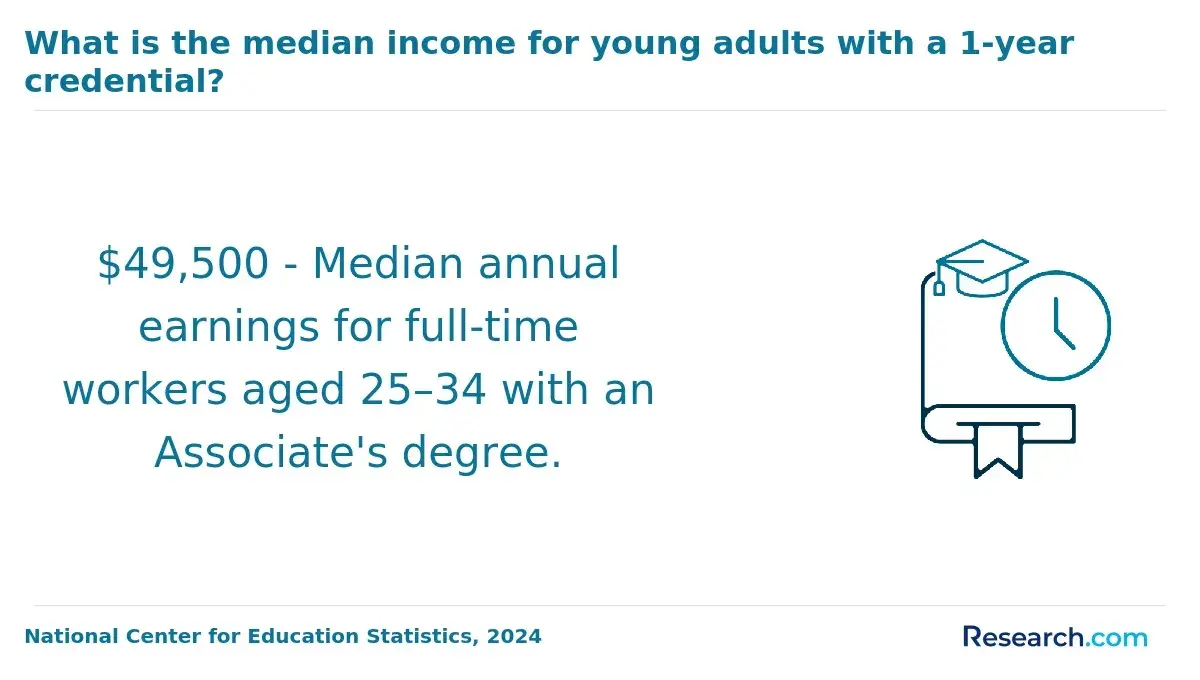
The salary a professional in music education can expect often varies significantly by degree level-according to BLS wage data and College Scorecard earnings analyses. Median annual pay for those with a bachelor's degree typically falls between $45,000 and $55,000, influenced by region and employer type. Advancing to a master's degree generally results in a 15-25% salary increase, pushing earnings into the $60,000 to $70,000 range. Doctoral degree holders-though less common-command salaries at $75,000 and above, particularly in university faculty, research, and leadership positions.
- Bachelor's Degree: Suits most K-12 teaching roles and community music leadership, with raises often driven by accrued experience and certification endorsements rather than further academic credentials.
- Master's Degree: Essential for advancement into supervisory or specialized roles like curriculum director, district music supervisor, or orchestral conductor instructor. Many states require a master's for tenure and step increases, reflecting its impact on income and career growth.
- Doctoral Degree: Doctor of Musical Arts (DMA) or PhDs open doors to higher education faculty posts and advanced consulting roles, which offer the highest pay but demand extended commitment and substantial education costs.
When considering graduate study, one must assess the time-to-payoff-weighing tuition expenses and years out of the workforce against expected salary gains. Master's programs often provide a faster return, usually completed within 1 to 3 years, while doctorates extend 3 to 6 years or more, increasing opportunity costs.
Professionals transitioning into music education without a relevant bachelor's typically find master's degrees with licensure pathways to be the most practical route, streamlining certification and boosting earning potential. Those already holding a related bachelor's can evaluate whether additional specialization or credentials can lead to leadership roles more rapidly than a full graduate degree.
- Licensure and Certification: Often deliver salary increases comparable to or exceeding those from advanced degrees, especially in public education systems where pay scales reward endorsements and certification in music education.
Income Premium Fields: University teaching, specialized private instruction, and administrative leadership consistently require-and reward-advanced credentials. Meanwhile, many K-12 teaching jobs provide steady compensation at the bachelor's level with incremental increases tied to experience.
Reflecting on his journey, a professional who completed a music education degree shared, "Navigating the decision to pursue my master's was daunting-balancing tuition, time away from full employment, and family commitments. Yet, once I entered leadership roles, the financial rewards and job satisfaction made the challenges worthwhile. The credential opened doors I hadn't even anticipated, including opportunities in district administration that I never could have pursued with just my bachelor's. It was a demanding process, but knowing the advanced degree was respected and required by licensing boards gave me confidence my investment would pay off."
Which Industries and Employers Pay Music Education Graduates the Most?
Private sector employers-including corporate arts sponsors, elite private schools, and music production firms-typically offer the most lucrative packages to music education graduates. These organizations often have substantial funding to recruit top talent, resulting in salaries that can exceed six figures for roles like curriculum developers and private tutors in major metropolitan areas. This sector's emphasis on competitive cultural programming and educational innovation drives wages above the national average.
Government roles, such as those in local and state school districts or public arts agencies, provide steady compensation with benefits and pension plans. Although base salaries tend to be lower than the private sector, these jobs benefit from structured pay scales that reward experience and certification. Advanced degrees and professional credentials can enhance earnings for specialized federal or state cultural institutions.
- Nonprofit Organizations: Typically operating on tighter budgets, nonprofits like ensembles and community music schools offer modest median wages. However, leadership positions such as program directors may earn competitive pay influenced heavily by organizational size and location.
- Self-Employment: Freelance instructors and consultants establish their own rates, leading to broad income variation. Successful professionals often leverage strong reputations, niche skills, and community networks to match or surpass salaried incomes.
Degree level and job title create wide disparities in compensation-even among music education graduates with similar credentials. Graduate degrees and specialized certifications often translate to a substantial wage premium, especially in academic administration and higher education teaching roles. Pay also varies by geographic market, with urban centers and regions rich in cultural industries offering higher salaries due to heightened demand and funding.
Strategic career targeting can further improve income prospects. Developing expertise in digital music software, bilingual teaching methods, or arts grant writing, combined with strong industry connections, positions graduates to access top-paying employers. Those evaluating whether a music education degree is financially worthwhile should weigh these factors to find the best alignment with their long-term goals.
For those interested in comparable creative fields, exploring an online game design degree can provide additional pathways with distinct earning potentials.
What Geographic Markets Offer the Best-Paying Music Education Jobs?
Metropolitan regions with rich cultural scenes and substantial educational funding offer the most lucrative music education positions. When considering wages adjusted for cost of living, several key areas emerge as top contenders for both salary levels and employment volume.
- New York Metropolitan Area: This area delivers high nominal pay thanks to a dynamic arts ecosystem and numerous professional music organizations. Despite steep living expenses, real wages remain strong due to attractive salaries in leading public schools and private institutions.
- San Francisco Bay Area: Noted for generous compensation within education, this region's affluent population and commitment to arts financing sustain elevated music educator incomes, even with high living costs that temper net earnings.
- Washington, D.C. Metro: Home to many public and private schools invested in music programs, this area benefits from government-linked cultural groups and nonprofits. After cost-of-living adjustments, it ranks highly for actual take-home pay.
- Texas - Austin and Dallas-Fort Worth: These Dallas and Austin metros offer moderate living costs combined with rising wages, fostering appealing opportunities for music educators amid growing programs and increasing student populations.
- Chicago Metropolitan Area: Chicago maintains strong pay scales balanced by mid-range living expenses. A wide array of schools and conservatories provides diverse pathways, especially for educators with advanced certifications or specialized expertise.
- Remote and Hybrid Roles: The expansion of online music instruction and curriculum development has introduced remote positions that mitigate geographic pay gaps. However, roles requiring physical presence, access to facilities, or state-specific licensure remain tied to major metro centers where pay tends to be higher.
A music education graduate shared how deciding where to launch her career involved weighing salary against lifestyle. She recalled, "Moving to a major city promised better pay, but the cost pressures were intimidating." After careful research, she initially pursued remote teaching opportunities to build experience and income without relocating. "It gave me flexibility and a way to save before eventually transitioning to an in-person role in a well-funded district," she explained. Her journey reflects the balancing act many face-choosing between geographic prestige with its expenses and remote work's freedom paired with often lower pay-demonstrating how thoughtful planning can align financial goals with personal circumstances.
How Do Professional Certifications and Licenses Boost Music Education Salaries?
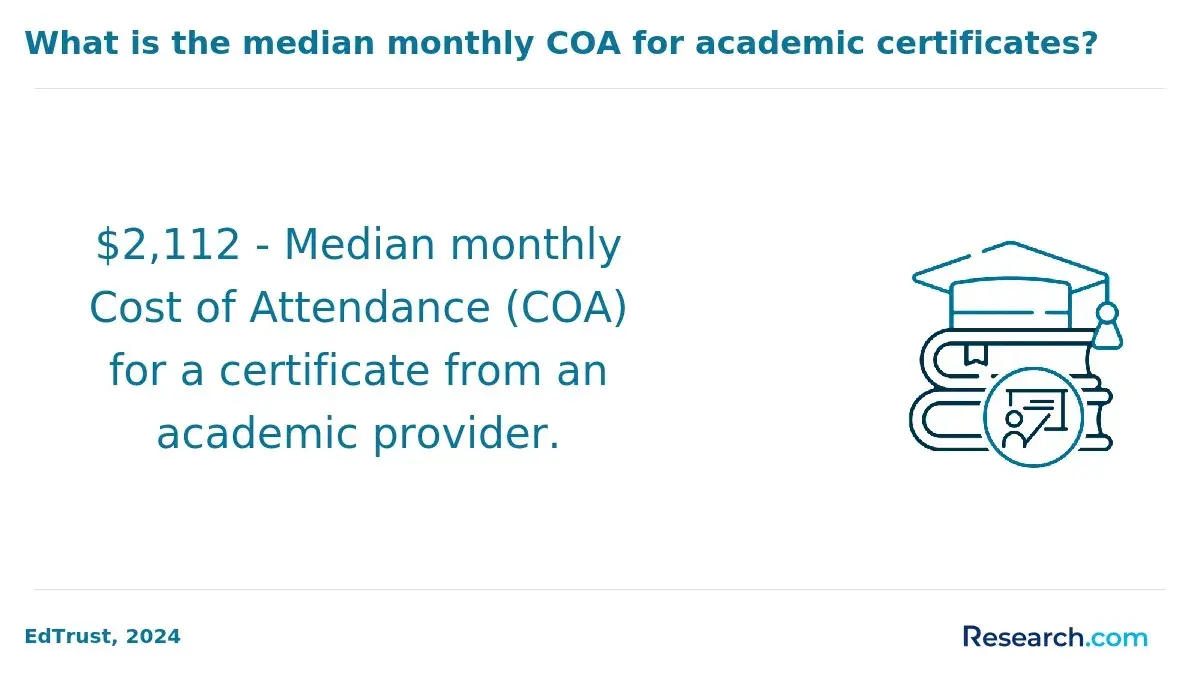
Professional credentials can notably increase earnings for those with a music education degree by validating specialized knowledge and opening doors to better-paying roles. Salary surveys from organizations like the National Association for Music Education (NAfME) and education compensation research firms consistently identify several certifications linked to wage premiums.
- State Teaching Licenses: Required for most public school music teachers, these licenses mandate completing an accredited program, passing pedagogy exams, and fulfilling student-teaching hours. Renewal is typically every 3-5 years via professional development. Licensed educators often earn 5-15% more compared to unlicensed peers, according to regional salary data.
- Certified Music Educator (CME): Administered by bodies such as NAfME, the CME involves passing a detailed exam covering music theory, history, and pedagogy. The exam fee ranges from $150 to $250, with recertification required every three years. Data indicates CME holders command median salaries roughly 10-12% higher than non-certified teachers with similar experience.
- Orff, Kodály, and Dalcroze Certifications: Focused on specific pedagogical methods, these credentials require workshops, testing, and performance demonstrations. They vary in cost and renewal cycles but enhance employability and salary potential, especially in private and specialized educational settings.
- Credentials Verification: Candidates must ensure certifications are accredited by reputable entities such as ANSI or NCCA. Since employer preferences differ widely by region and institution, researching local job requirements is essential before investing in certification.
Distribution of self-employed music earners' median annual wage in the United States in 2023

What Is the Salary Trajectory for Music Education Professionals Over a Full Career?
Music education professionals typically see a clear salary progression aligned with experience, credentials, and expanding responsibilities. Initial earnings-usually between $35,000 and $45,000 annually-reflect entry-level roles such as classroom teaching in public schools, where district and state pay scales heavily influence compensation.
- Early Career: Income remains modest through the first five years, mirroring national educator averages, with gains tied to accumulating teaching experience and initial certifications.
- Mid-Career Growth: Around five to ten years, salaries rise to approximately $50,000-$65,000 as professionals earn tenure, pursue advanced degrees or certifications, and begin taking on leadership roles like program coordinators or lead instructors in specialized areas.
- Senior and Specialized Roles: Beyond 15 years, salaries often exceed $75,000, especially for those obtaining doctoral credentials, professional licensure, or transitioning into high-demand niches such as collegiate music direction or arts administration in private sectors.
- Strategic Decisions: Specialization in areas like music therapy, composition, or digital music technology grants a wage premium. Leadership duties, curriculum development, public speaking, and active network building further distinguish top earners from peers with similar academic credentials.
Key career inflection points-promotion to management, advanced credential attainment, and moving into specialized practice areas-drive meaningful salary acceleration. High earners often combine educational advancement with strategic business development activities, enhancing their market value.
Realistic salary expectations should reflect these stages, recognizing that sustained professional development and strategic specialization make a music education degree financially viable over a full career, as supported by the most current BLS and Georgetown Center on Education and the Workforce research.
Which Music Education Specializations and Concentrations Lead to the Highest-Paying Roles?
Certain specializations within music education lead to significantly higher-paying roles due to demand, expertise complexity, and certification requirements. For example, choral conducting and orchestral conducting concentrations often open doors to leadership positions in prestigious ensembles and academic institutions-roles that command premium salaries because of talent scarcity and the specialized skill set required to manage large groups of musicians effectively. These highest-paying music education career paths reflect a strong market preference for specialists.
Another lucrative focus is music technology and production, which blends musical knowledge with technical proficiency. Graduates specializing in this area secure opportunities in media, entertainment, and educational technology sectors where salaries are fueled by rapid industry growth and high technical barriers to entry. This specialization also integrates well with digital media trends shaping employment demand.
Music therapy stands out as a specialization with notable salary advantages-especially for those holding advanced certifications-due to regulatory complexity and increasing healthcare integration. This niche combines music education with clinical skills, offering a distinct career path with premium pay tied to professional licensure. Early-stage students should carefully evaluate labor market data and growth projections before committing to a specialization, examining sectors with strong or rising demand and employer preferences for credentialed specialists rather than relying solely on general interest.
Students enrolled in general music education programs can boost their income potential post-graduation without pursuing an additional full degree. Targeted internships, professional certifications, and continuing education courses provide practical options to pivot into high-paying specializations. Pursuing certification stacking, for instance, by combining teaching credentials with audio engineering or therapeutic certifications, enhances marketability and salary prospects effectively.
- Return on Investment: Top online music education programs often provide accelerated paths to in-demand specializations, combining affordability with strong alumni salary outcomes.
- Certification Stacking: Combining music teaching credentials with specialized certifications-such as audio engineering or therapeutic credentials-increases marketability and salary prospects.
- Labor Market Insights: Data indicates that states with higher arts funding and large metropolitan areas typically offer the best salaries for specialized music educators.
For further information on cost-effective educational pathways with solid return on investment, consider reviewing online MBA programs ranked along similar criteria for affordability and market viability.
How Does the Music Education Job Market's Growth Outlook Affect Long-Term Earning Stability?
The job market growth for music education graduates is projected to be moderate but steady over the next decade, according to the Bureau of Labor Statistics' ten-year outlook. Employment opportunities for music directors, composers, and educators are expected to expand in line with or slightly below average growth rates across all professions. This steady trend supports long-term earning stability in music education careers by maintaining a consistent demand shaped by cultural programming and educational priorities.
- Automation Risk: Music education roles demonstrate low vulnerability to automation, given their emphasis on creative instruction, interpersonal engagement, and live performance-skills unlikely to be replicated effectively by technology. This low automation risk contributes to more stable income streams over a full career horizon.
- Demographic Demand: Population growth, especially among youth, underpins sustained demand for music educators in K-12 settings. Additionally, expanding adult education programs and legislative measures to bolster arts funding further enhance job prospects and financial resilience for music education graduates.
- Technological Transformation: The rise of online and hybrid teaching models opens new revenue sources for educators skilled in digital platforms. Mastery of these technologies can result in higher wage premiums and increased employment stability, vital factors for evaluating long-term earning potential in this field.
To navigate these dynamics effectively, graduates should consider specializing in areas with both wage premiums and stable demand, such as orchestral conducting, advanced composition, or digital music production. Recognizing that some high-paying roles combine limited job openings or cyclical demand will help differentiate secure career paths from riskier alternatives, ensuring informed decisions about one's financial future.
Those interested in understanding similar career considerations may also explore the pros of being a forensic psychologist for comparison.
- Employment Growth: Moderate but steady increases primarily in teaching, directing, and composing roles sustain long-term earning potential.
- Automation: Low risk ensures skills remain essential and salaries stable over time.
- Demand Trends: Demographic growth and legislative support bolster schools and private sector opportunities.
- Market Challenges: Budget cuts and outsourcing pressure require adaptability and specialization.
- Credential Impact: Advanced degrees and certifications enhance earning power and job security.
What Leadership and Management Roles Are Available to High-Earning Music Education Graduates?
Leadership positions in music education often represent the highest earning opportunities-typically found within school districts, performing arts organizations, colleges, and cultural agencies. These roles span from mid-level management, like department chairs and program directors, to executive titles such as chief music officer or director of arts education in larger institutions.
- Titles: Common roles include band or orchestra director, performing arts administrator, music school principal, and postsecondary department chair.
- Organizational Levels: These positions generally involve strategic planning, budgeting, personnel supervision, and curriculum oversight-reflecting significant responsibility for both financial resources and staff.
- Credentials and Experience: Advancement beyond teaching demands graduate degrees in music education or arts administration, often supplemented by leadership credentials or MBAs. Typically, candidates bring a decade or more of progressive teaching and administrative experience.
- Salary Premium: According to BLS data, educational managers earn roughly 40-50% more than classroom music instructors. Executive arts managers frequently achieve six-figure salaries due to overseeing multimillion-dollar budgets and large teams.
- Career Pathways:
- Starting as classroom music teachers, professionals advance through ensemble or grade-level leadership to department chair roles.
- Formal administration credentials and graduate degrees often coincide with promotions.
- Professional development-covering leadership, grant writing, and advocacy-enhances progression speed.
- Strategic Career Moves:
- Early career focus on broad teaching and leadership skills.
- Mid-career acquisition of graduate degrees in arts administration or business sharpens managerial abilities.
- Networking within education and arts communities boosts visibility.
- Certification in educational leadership complements ongoing music credentialing.
Which Emerging Music Education Career Paths Are Positioned to Become Tomorrow's Highest-Paying Jobs?
The integration of digital technology into music education is expanding opportunities for educators proficient in music production software, virtual instruments, and online platforms. Degree programs increasingly incorporate tech-focused coursework-such as audio engineering and digital content creation-to prepare graduates for hybrid and remote teaching roles that often offer higher pay.
Career paths blending music instruction with therapeutic applications are gaining traction, especially within healthcare and rehabilitation settings. Professionals who pursue certifications in music therapy or healthcare communication enhance their prospects in specialized, well-compensated niches where a dual expertise in music pedagogy and health sciences is valued.
Entrepreneurial ventures driven by the gig economy are also shaping new income streams for music educators. Roles involving content creation, educational app development, and custom curriculum design for digital platforms require business acumen and digital marketing skills-competencies many degree programs now encourage students to develop through supplemental courses and boot camps.
However, emerging roles come with uncertainty, as market adoption may lag behind initial forecasts. Assessing which specializations offer durable demand and a meaningful wage premium involves balancing early mover advantages with potential risk. Staying connected to industry trends through organizations like the National Association for Music Education and labor market data services such as Lightcast or LinkedIn Economic Graph is crucial for making informed career decisions.
What Graduates Say About the Highest-Paying Jobs You Can Get With a Music Education Degree
- Aries: "When I first started my journey in music education, I was curious about how credentials would affect earnings. What truly surprised me was the clear wage premium that comes with holding a degree-it's not just a certificate but a significant boost to your career prospects. Knowing this motivated me to push through, and today I earn much more than some colleagues without formal training."
- Massimo: "Reflecting on my experience, professional licensure was a game-changer for my salary trajectory. The extra verification of skills gave me access to higher-paying roles that simply aren't open to uncertified educators. Music education combined with certification opened doors I didn't even realize existed, especially in specialized or public school settings."
- Angel: "Choosing a music education degree felt like a major investment, but comparing it to alternative paths affirmed its value-both financially and personally. In addition, I found that where you work and the industry you enter play crucial roles in compensation levels, with urban music institutions typically offering better pay. This program was worth every effort given the return throughout my career."
Other Things You Should Know About Music Education Degrees
Music education degrees generally provide a positive return on investment-especially when compared to less specialized credentials like general education degrees or non-degree certifications. Graduates with music education credentials often command higher starting salaries and benefit from better job stability due to licensure requirements in many school districts. The ability to teach across multiple grade levels and musical disciplines also increases employability. However, the ROI can vary widely depending on the level of degree attained and geographic location.
Entrepreneurship allows music education graduates to supplement or even exceed traditional teaching salaries by offering private lessons, starting music camps, or creating educational content. Self-employed music educators can set their own rates and hours-providing flexibility that public school positions may not offer. While entrepreneurship carries financial risk and requires business skills, it can significantly expand income opportunities beyond salaried roles.
Employer type strongly influences salary and benefits for music education professionals. Public schools usually offer the most reliable salaries and benefits due to union contracts and standardized pay scales. Private schools may offer competitive salaries but often have less consistent benefits. Nonprofit arts organizations sometimes provide stipends or part-time roles with lower pay, but can offer valuable networking and artistic growth opportunities. Understanding the trade-offs between security and potential salary variance is critical for graduates.
References
- Music teaching and lecturing jobs in International https://www.tes.com/jobs/browse/music-teaching-and-lecturing-international
- Music education boosts skills for ‘any career path’, says study - Arts Professional https://www.artsprofessional.co.uk/news/music-education-boosts-skills-for-any-career-path-says-study
- Qualifications https://musiciansunion.org.uk/working-performing/education-and-teaching/career-development-in-teaching/qualifications
- The Top 5 Highest Paying Music Industry Careers - Inside Music Schools https://insidemusicschools.com/blog/the-top-5-highest-paying-music-career-jobs/
- Career Paths You Can Take in the Music Industry | SPARDHA https://www.spardhaschoolofmusic.com/blog/music-industry-careers
- New Survey Explores Careers and Working Conditions in Higher Music Education https://aec-music.eu/news-article/new-survey-explores-careers-and-working-conditions-in-higher-music-education/
- What Can You Do with a Music Education Degree? - NAfME https://nafme.org/blog/what-can-you-do-with-a-music-education-degree/
- Music Education Market Trends 2026: Piano Lesson Demand Growing https://chopinmusicfranchise.com/music-education-market-trends/
- Music Teacher — Career Path Guide https://jobcannon.io/careers/music-teacher
- Musical Arts Manager Careers: Salary Info & Job Description https://learningpath.org/articles/Musical_Arts_Manager_Career_Summary.html