
2027 Which Music Education Degree Careers Are Most Likely to Be Remote in the Future?

Co-Founder and Chief Data Scientist
As remote work reshapes education, music education professionals face uncertainty-can their careers truly adapt to this shift? Only about 25% of music educators currently engage in remote teaching, reflecting slow adoption compared to other fields. Task-level analysis highlights challenges like coordinating live performances and hands-on instruction. Yet, technology proficiency and freelance opportunities open new pathways beyond traditional school settings. Employer culture widely varies, while geographic flexibility remains limited by access to reliable technology and student readiness. This article examines these dynamics, offering a data-driven framework to identify which music education career paths offer sustainable remote work prospects at every professional stage.
Key Things to Know About the Music Education Degree Careers Most Likely to Be Remote in the Future
- Remote adoption rates are highest in private tutoring and online curriculum design-both leveraging technology and requiring minimal geographic constraints compared to traditional classroom roles.
- Careers like digital composition instructors demand strong tech proficiency and benefit from employer cultures embracing remote models, fostering long-term telework sustainability.
- Freelance and self-employed music educators experience fewer geographic limits and more scheduling flexibility, marking these paths as the most viable for enduring remote career trajectories.
What Does 'Remote Work' Actually Mean for Music Education Degree Careers, and Why Does It Matter?
Remote work in music education careers exists along a nuanced spectrum rather than a strict yes-or-no condition. This spectrum includes fully remote roles operating 100% off-site, hybrid roles blending scheduled on-site presence with remote tasks, and remote-eligible positions that default to on-site work but offer some remote flexibility. Understanding these distinctions is crucial because different career paths and employer types vary significantly in their remote work capacity and willingness.
Since 2020, data from the Pew Research Center, Stanford Institute for Economic Policy Research, and the BLS American Time Use Survey show widespread remote work adoption across many sectors. However, occupations requiring physical presence, such as in-person instruction or handling specialized equipment, generally still demand on-site attendance. Music education careers often fall in the middle, with remote potential closely tied to specialization, employer remote culture, and industry demands.
Remote work opportunities for music education degree holders in the US matter because they expand geographic flexibility-allowing graduates to seek employment with high-wage metropolitan employers without relocating. This reduces commute costs, broadens compensation access, and may enhance job satisfaction and retention, which significantly impacts career growth for music education professionals. Prospective students can also explore online study options, including the cheapest doctorate degree, to position themselves better for remote-friendly roles.
The article applies an analytical framework emphasizing three key elements:
- Task-Level Remote Compatibility: Whether specific duties-like virtual teaching, lesson planning, or administrative work-can be completed off-site.
- Employer-Level Remote Adoption: The degree to which organizations offer formal remote or hybrid policies to their staff.
- Structural Constraints: Licensing, regulatory requirements, client presence, or necessary equipment that obligate on-site work, regardless of employer flexibility.
This approach equips music education professionals and students to evaluate remote work potential systematically-beyond anecdotal advice-reflecting the realities of specialization, industry, and career stages.
Which Music Education Career Paths Have the Highest Remote Work Adoption Rates Today?
Several music education careers currently demonstrate the highest remote work adoption rates - reflecting enduring shifts backed by digital task compatibility and evolving employer policies informed by data from BLS telework supplements, LinkedIn Workforce Insights, and Gallup surveys. These careers show not only significant percentages of practitioners working remotely or in hybrid modes but also strong volumes of remote-eligible job postings, highlighting sustained flexibility rather than pandemic-era spikes.
- Online Music Instructors: Remote teaching thrives thanks to digital delivery through video conferencing, enabling live, interactive lessons without geographic barriers. Employer demand remains robust due to the scalability and convenience virtual platforms provide, appealing to students and instructors alike.
- Curriculum Designers and Educational Content Developers: These roles focus on creating digital lesson plans and music education resources. Their work leverages cloud-based collaboration tools and asynchronous workflows - features employers prioritize for efficiency and remote feasibility in content creation.
- Music Technology Specialists: Supporting software and app development tailored to music education, these professionals deliver digitally based outputs accessible via secure remote connections. Their technical focus aligns naturally with remote or hybrid arrangements common in tech-driven firms.
- Music Therapists in Telehealth Settings: The rise of telehealth since 2020 has established remote or hybrid therapy sessions through secure video platforms as a standard. Client communication predominates over physical presence, permanently expanding remote opportunities in this subfield.
- Academic Researchers in Music Education: Remote work persists strongly among researchers engaged in data analysis, writing, and virtual scholarly collaboration. Results-driven deliverables coupled with institutional support encourage flexible, location-independent work models.
- Private Studio Managers and Freelancers: These self-employed professionals blend remote lesson delivery with digital marketing and scheduling tools. Although entrepreneurial tech adoption varies regionally, widespread urban and suburban infrastructure supports their prevalent remote work models.
- Music Education Consultants: Consultants advising schools, community programs, or software providers increasingly rely on remote meetings and digital resource sharing. Project-based goals combined with client flexibility create hybrid or fully remote work favored by larger clients and agencies.
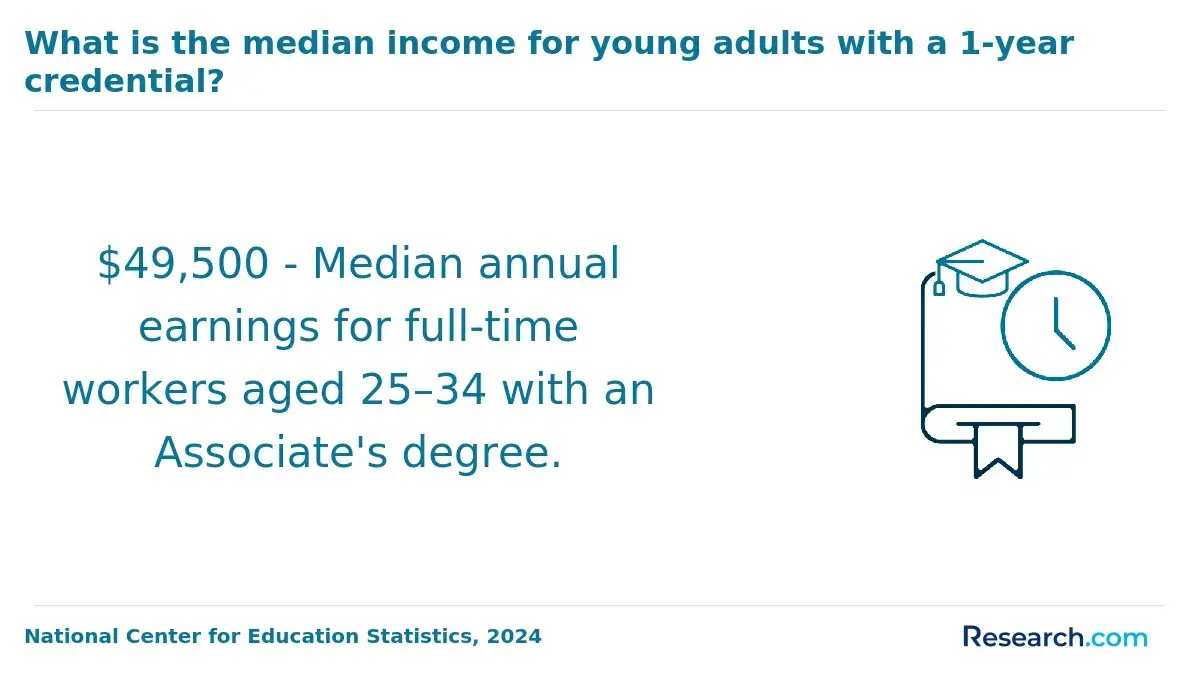
Employers' remote policies differ notably - university roles and technology firms pioneering music education innovations offer greater remote job availability compared to many school districts tending to on-site models. Geographic markets with strong internet infrastructure and knowledge economies further amplify remote work prevalence. For those seeking flexible, remote-accessible music education careers, credential pathways including 1 year associate degree programs can offer expedited entry points aligned with remote-friendly roles. Evaluating these top remote music education career paths in the US alongside industry and regional variations equips students and professionals to make informed decisions based on durable, multi-year work trends rather than transient pandemic shifts.
How Does the Nature of Music Education Work Determine Its Remote Compatibility?
Applying the remote work framework by Dingel and Neiman (2020) and subsequent refinements reveals which music education tasks inherently suit remote execution versus those demanding physical presence. Key remote-compatible tasks include digital content creation, such as curriculum design, lesson plans, and assessment reports, benefiting roles like educational content developers and curriculum specialists. Virtual client interaction through video calls aligns well with private instructors and online tutors, enabling remote instruction and mentoring.
Data-driven roles accessing secure student records, research findings, or administrative information held by music education researchers, program coordinators, and grant writers-also translate effectively to remote work. Supervisory and advisory duties performed asynchronously or via virtual meetings further extend remote feasibility for senior educators and administrators. Conversely, activities requiring physical presence-such as live ensemble rehearsals, instrument maintenance, or compliance inspections-limit remote options, as do those involving tactile assessments or emergency responsiveness.
Collaborative creative work like ensemble directing or performance coaching often relies on in-person interaction for effectiveness, reducing remote adoption despite technological aids. Evaluating a music education role's task composition, leveraging sources such as O*NET data and practitioner interviews, helps predict its remote work potential across employer types and geographic areas.
One professional who completed a music education degree shared that navigating remote opportunities demanded careful role analysis. He recalled, "I had to identify which aspects of my work I could genuinely perform online without sacrificing quality. Tasks like lesson planning and video consultations were manageable, but coordinating live ensemble sessions remotely proved frustrating. It took a lot of trial and error to balance flexibility with the practical demands of teaching music." This insight underscores how the inherent nature of specific tasks governs remote compatibility within music education careers.
What Music Education Specializations Are Most Likely to Offer Remote Roles in the Next Decade?
The next decade promises growth in remote careers in music education specializations in the United States, fueled by advances in digital service delivery and expanding remote-first employer cultures. Robust investments in secure remote technologies and rising client demand for asynchronous access underpin sustained remote work adoption rather than temporary shifts.
- Online Music Instruction: Flexible digital platforms support synchronous and asynchronous lessons, meeting client preferences for remote scheduling while maintaining productivity comparable to in-person teaching.
- Music Technology Integration Specialist: Increased need for professionals who design virtual instruments, software tutorials, and production training aligns with technology-driven education sectors embracing remote work.
- Curriculum Development for Digital Music Education: As institutions prioritize remote learning infrastructure, developing asynchronous curricula ensures reliable, knowledge-intensive remote productivity.
- Music Therapy Education and Training (Remote Delivery): Remote training for caregivers and professionals expands through virtual certification programs and digital platforms, even as direct therapy often requires physical presence.
Conversely, specializations requiring hands-on supervision or nuanced in-person interaction-like ensemble conducting or performance coaching-face remote work constraints. Regulatory mandates, employer preferences for on-site presence, and technological limits in replicating complex musical nuances reduce remote viability despite some pandemic-era gains.
For students and professionals evaluating music education specializations with remote work opportunities in the United States, integrating remote work trajectory with unemployment risk and compensation trends is vital. Targeting areas where remote flexibility, job security, and demand positively intersect offers strategic career benefits. Those seeking adaptable career paths may also explore freelance or self-employment options tied to high-remote-potential specializations, deepening geographic and employer independence.
For further insight on flexible online degrees supporting career adaptability, consider this resource on the online construction management degree.
Which Industries Employing Music Education Graduates Are Most Remote-Friendly?
Industries employing music education graduates show varied remote work adoption influenced by technology use, organizational culture, and the physical nature of job duties. The education sector-particularly higher education and online tutoring-leads with a strategic remote work model, relying on cloud systems and asynchronous communication to deliver courses. Adjunct faculty operate virtual classrooms, emphasizing student outcomes over physical attendance.
- Educational Services: Strong adoption of remote work through cloud-based platforms and outcome-focused performance management enables fully distributed teaching teams and flexible scheduling.
- Information Services and Publishing: Digital content creation and educational research thrive on collaborative online tools, supporting scalable remote workflows and flexible client engagement.
- Professional, Scientific, and Technical Services: Hybrid and remote arrangements prevail for instructional design, consulting, and curriculum development, aided by virtual meetings and cloud project management-though some roles demand onsite presence.
- Arts, Entertainment, and Recreation: While performance roles require physical presence, areas like virtual music therapy and remote ensemble instruction increasingly utilize video platforms, fostering hybrid models.
- Healthcare and Social Assistance: Clinical music therapy mostly requires in-person care due to regulations, but telehealth music therapy roles are growing, hinging on secure, compliant teleconferencing technology.
Conversely, sectors such as manufacturing and client-facing professional services limit remote access due to hands-on demands. Still, graduates can seek hybrid or remote roles within digital content, research, and administration. Job seekers benefit from leveraging LinkedIn remote filters, salary data, and employer remote work policies to distinguish genuine commitments to remote roles from superficial offers, ensuring alignment with career and lifestyle priorities.
A professional who built her career after completing a music education degree reflected on her journey navigating remote work opportunities. She described the early uncertainty about which industries would support remote roles and the trial-and-error involved in identifying employers with authentic remote cultures. "It wasn't just about finding any job; it was about finding one that respected flexibility without sacrificing professional growth," she explained. Over time, engaging in digital content development and virtual instruction allowed her to balance personal commitments with career advancement, illustrating how adaptability and targeted role selection can unlock remote work success for music education graduates.
How Do Government and Public-Sector Music Education Roles Compare on Remote Work Access?
Government roles in music education offer uneven remote work opportunities largely influenced by government level and job function. Federal agencies showed strong telework adoption from 2020 to 2022, as reflected in OPM data, allowing many professionals to work remotely. Yet, political and administrative shifts since 2023 have led to a decline in telework availability, suggesting tighter restrictions at the federal level.
State and local governments present a broad range of telework policies-from well-established hybrid models in some areas to limited or no remote work options in others. This variability underscores the need to review individual agency policies rather than assuming consistent access across public sector music education roles.
- Federal Telework Trends: High capacity during pandemic years diminished recently, making agency-specific telework policies and OPM surveys essential for prospective employees.
- State and Local Policies: Hybrid and remote work options depend heavily on jurisdictional approaches, municipalities' resources, and service priorities.
- Task Compatibility: Positions centered on policy analysis, research, compliance, grant oversight, data handling, and program management lend themselves well to remote or hybrid setups.
- On-Site Requirements: Direct music instruction, regulatory inspections, enforcement, and emergency management roles typically demand physical presence, limiting remote work chances.
- Private Sector Comparison: Private institutions and nonprofits often offer greater remote flexibility than government counterparts, especially outside traditional public frameworks.
- Job Seeker Advice: Examine specific agency telework rules, request telework eligibility during hiring, and consult OPM telework surveys to gauge realistic remote work prospects.
What Role Does Technology Proficiency Play in Accessing Remote Music Education Roles?
Proficiency with technology functions as a critical gatekeeper for remote music education employment-employers cannot directly observe daily workflows in remote settings and thus rely on demonstrated fluency with digital tools and remote communication methods as proxies for reliability and productivity. Data from LinkedIn Skills Insights, CompTIA surveys, and Lightcast analytics underline the necessity of two categories of competencies: foundational remote work tools and music education-specific digital platforms.
Mastery of video conferencing software such as Zoom or Microsoft Teams, cloud collaboration systems like Google Workspace or Microsoft 365, and project management platforms including Trello or Asana is essential for maintaining effective communication, scheduling, and teamwork in virtual environments.
Employers expect proficiency with platforms such as SmartMusic, Soundtrap, and online notation software like Finale or Sibelius. Additionally, skills in remote delivery tools-interactive whiteboards and specialized learning management systems (LMS) supporting video and audio lessons-signal genuine readiness for digital instruction.
Candidates must validate this expertise through coursework, certifications, or remote work experience. Music education graduates lacking such documentation risk exclusion despite strong pedagogical foundations.
Development Strategies:
- Formal Training: Enroll in courses focused on remote communication tools and music-specific software to build structured competence.
- Self-Directed Practice: Independently learn foundational remote work platforms to increase confidence and familiarity.
- Practical Experience: Pursue internships or practicum roles featuring remote work to acquire hands-on remote engagement skills.
- Planning: Align technology skill development with career objectives-for example, prioritizing LMS expertise for online curriculum designers or mastering collaborative audio tools for virtual ensemble directors. Cultivating a portfolio that showcases successful remote teaching sessions further enhances employability.
A deliberate, evidence-based approach to developing and documenting technology proficiency improves access to remote music education roles and mitigates barriers encountered during job searches.
How Does Geographic Location Affect Remote Work Access for Music Education Degree Graduates?
Geographic location remains a decisive factor in remote work opportunities for music education degree graduates, despite the assumption that remote roles nullify physical boundaries. Data from Lightcast and LinkedIn highlight that metropolitan hubs like New York City, Los Angeles, Chicago, and Washington, D.C. exhibit the highest concentrations of remote-eligible music education job postings. At the state level, California, New York, Texas, and Florida lead in remote posting volume, while less populated and rural regions-such as much of the Midwest-show significantly fewer remote roles. Understanding this geographic impact on remote teaching careers in music education is key for graduates and professionals navigating job access across markets.
A geographic paradox emerges: many employers enforce state-specific hiring rules even for fully remote music education positions. These restrictions arise from state tax nexus laws, licensure reciprocity requirements, compliance with varying employment laws, and preferences around time zone alignment for collaboration. Consequently, a graduate's state of residence often shapes which remote jobs are realistically accessible, preserving geographic barriers despite remote work's theoretical boundary-free nature.
Specific music education specializations highlight the extent of these restrictions. Licensed professional roles often require valid state credentials corresponding to the student or client's location. Regulated roles bound by state education laws or union rules further limit multi-state remote possibilities. Client-facing domains, like music therapy or private instruction, must comply with client state regulations, creating additional geographic constraints on remote work flexibility.
Graduates and early-career professionals should conduct detailed geographic remote work access analyses tailored to their target specialization. This involves using LinkedIn job posting location filters to assess remote job availability by state, reviewing Flex Index data to identify employers with inclusive state-wide remote hiring policies, and consulting professional association licensure reciprocity databases to understand credential portability across states. Employing these tools ensures well-informed decisions for pursuing remote music education employment in the context of real geographic constraints.
- Statistic: As of early 2024, nearly 35% of remote music education job postings nationwide include state-specific hiring restrictions, highlighting persistent geographic barriers.
- Location Hotspots: Metropolitan areas such as New York City, Los Angeles, and Chicago dominate remote music education job listings, providing the highest opportunity density.
- Restriction Types: Geographic limits are most prevalent in licensed, regulated, and client-facing roles-requiring state-compliant credentials or adherence to local regulations.
- Job Search Tools: Graduates are advised to utilize LinkedIn location filters and Flex Index data to identify employers with broad remote hiring across states.
- Licensure Portability: Checking state licensure reciprocity through professional associations is essential to anticipate where credential transferability may enable or block remote work options.
Evaluating remote work opportunities for music education degree graduates by region, as well as geographic impact on remote teaching careers in music education, complements broader educational decisions-especially when considering specialization or certification pathways. Given the complexity of geographic restrictions, prospective students might also explore programs focused on flexible learning, such as a finance degree online, as part of a diversified career strategy supporting remote work ambitions.
Which Music Education Careers Are Most Likely to Remain On-Site Despite Remote Work Trends?
Several music education careers in the United States face durable structural barriers to remote work, as revealed by the Dingel-Neiman remote work feasibility index, McKinsey Global Institute task analysis, and BLS telework data. Recognizing which music education jobs requiring in-person teaching in North America remain predominantly on-site helps career planners set realistic remote work expectations.
- Instrumental and Vocal Teaching in K-12 Schools: These roles require direct in-person interaction for effective instruction, real-time feedback, and ensemble coordination. Physical proximity is essential to observe and correct technique, facilitate group rehearsals, and manage classroom dynamics. Educational regulations and school policies further restrict remote teaching for core duties.
- Performance and Ensemble Direction: Conducting ensembles demands physical presence to manage rehearsals, interpret live group dynamics, and lead performances. The synchronous and collaborative nature of music-making-with precise timing and cues-forms significant technological obstacles to fully remote execution.
- Music Therapy Practitioners: Working one-on-one in clinical or educational settings often requires physical presence to establish rapport and respond to non-verbal client cues. Regulatory supervision and confidentiality protocols mandate controlled environments, limiting telework feasibility.
- Audio Engineering and Production Roles Requiring Specialized Equipment: Access to high-end studios and hardware remains necessary for many sound design and recording tasks. Though digital tools support remote collaboration, core production activities often cannot be fully relocated off-site.
- Music Education Administrators in Performance Venues or Institutions: Overseeing operations or coordinating live events necessitates on-site presence. Access to restricted facilities and security clearances further restrict remote options, especially in government or cultural organizations.
These roles represent structural constraints-not merely employer preferences-stemming from task necessities, regulatory frameworks, and technological limits. Most practitioners in these structurally on-site careers develop hybrid models, combining primary on-site duties with remote consulting, teaching, writing, or advisory activities to increase flexibility.
Prospective students and early professionals must honestly weigh the trade-offs. Some of the most stable and well-compensated music education careers-despite limited remote work access-can offer robust employment security. A personal evaluation balancing remote work desires with stability, compensation, and career fit is vital.
Those prioritizing remote options might explore related professions with greater telework potential, such as becoming a speech language pathologist, which typically offers more flexibility.
How Does a Graduate Degree Affect Remote Work Access for Music Education Degree Holders?
Graduate degrees in music education can enhance access to remote work by positioning professionals for senior roles that usually offer greater autonomy and remote flexibility. Data from sources like the NACE First-Destination Survey and LinkedIn Workforce Insights indicate that employers are more likely to permit remote work for employees holding advanced qualifications-this trend is especially evident in specialized or leadership positions within music education.
Remote work access is closely tied to seniority; thus, obtaining graduate credentials can indirectly facilitate remote eligibility by accelerating career advancement into higher-level roles. Those with advanced degrees often take on responsibilities such as program management, curriculum development, or research-tasks that align well with remote arrangements compared to entry-level positions requiring close supervision.
- Professional Master's Degrees: These degrees commonly prepare graduates for senior individual contributor or management roles, including directing educational programs or managing online learning initiatives-positions with greater remote work privileges.
- Doctoral Programs: Doctorate holders typically engage in academic or research activities that offer substantial independence and a higher likelihood of remote work due to the flexible nature of scholarly tasks.
- Specialized Graduate Certificates: Niche certifications focusing on areas like music technology integration or digital pedagogy open pathways to remote-compatible specialties beyond traditional music education roles.
However, graduate education is not the sole path to remote work. Gaining seniority in remote-friendly entry-level roles or building targeted technology skills relevant to virtual instruction can similarly increase remote opportunities. Additionally, seeking employers with established remote work cultures may yield flexibility without the time and financial cost of advanced degrees. Prospective and early-career music educators should evaluate these alternatives to align their career development strategies with their remote work goals.
What Entry-Level Music Education Career Paths Offer the Fastest Route to Remote Work Access?
Entry-level roles in music education with the most immediate remote work opportunities tend to be shaped by employer culture, clear performance metrics, and remote infrastructure maturity. Digital-native organizations and remote-first companies offer distinct advantages by embedding remote work into their operational models from day one.
- Online Music Instructor: Usually found at online learning platforms or remote-first education companies that measure progress through digital tools, enabling effective evaluation without physical supervision.
- Curriculum Developer for Music Programs: Often employed by education technology firms that use asynchronous workflows and have well-defined project goals, allowing full remote participation from the start.
- Virtual Music Tutor for Private Clients: Typically freelance or agency-based, these tutors benefit from client preferences for remote sessions and require strong digital skills and self-management to maintain flexibility.
- Instructional Assistant in Online Music Schools: These assistants work within organizations with established remote management and robust onboarding processes, ensuring consistent support and supervision despite the distance.
Conversely, traditional school-based entry-level positions-such as public school music teachers or community program coordinators-generally mandate an initial period of onsite engagement before granting remote or hybrid options, reflecting the hands-on nature of these roles.
While remote roles provide flexibility, early-career professionals should consider the trade-offs, including reduced informal mentorship, networking, and collaborative skill-building typically afforded by in-person environments. Evaluating remote opportunities requires scrutinizing employer support for virtual mentorship and structured onboarding.
A hybrid approach often offers a balanced solution-seek employers facilitating regular in-person interaction alongside remote work to maximize professional growth while enjoying remote flexibility. Clearly defining personal remote versus onsite preferences aligned with career goals is essential for sustainable development within music education.
What Graduates Say About the Music Education Degree Careers Most Likely to Be Remote in the Future
- Aries: "The current adoption rates for remote roles in music education surprised me-more schools and private studios are embracing online lessons than I expected. Understanding the task-level compatibility analysis was crucial in adapting my teaching methods to fit virtual platforms effectively. It's exciting to see how the technology proficiency requirements push educators to become more versatile, enhancing both student engagement and learning outcomes."
- Massimo: "Reflecting on the long-term remote work trajectory in music education, it's clear that flexibility will define the future of this field. Employers increasingly value a strong remote culture, which creates more opportunities for artists and educators outside traditional school settings. This shift also reduces geographic constraints significantly-allowing me to collaborate with diverse students thousands of miles away without ever leaving my home."
- Angel: "From my experience, freelancing and self-employment alternatives in music education are becoming vibrant pathways for career growth-freedom and creative control are real perks. Yet, a professional commitment to mastering technology tools is mandatory to stay competitive in this market. Industry and employer remote culture assessment helped me find work environments that truly support digital learning, making my transition to remote teaching smoother than anticipated."
Other Things You Should Know About Music Education Degrees
The 10-year employment outlook for the safest music education careers-such as postsecondary music teachers and curriculum specialists-indicates steady growth. Demand is fueled by expanding online and hybrid learning models that support remote instruction. Additionally, technological advances in virtual music platforms enhance opportunities, making these roles less vulnerable to location constraints.
Mid-career roles in music education that show strong demand include educational technology specialists and program coordinators who design remote learning experiences. These roles require combining musical expertise with digital instructional skills, which aligns well with the increasing emphasis on distance education. Consequently, professionals proficient in both areas have better remote work prospects.
Freelance and self-employment opportunities can reduce unemployment risk by allowing music education graduates to diversify income streams beyond traditional institutions. Remote private lessons, online workshops, and digital content creation offer flexible alternatives. However, success in self-employment depends on business skills and the ability to adapt services to virtual formats.
By 2026, careers such as online music tutors, virtual music therapists, and digital curriculum developers are most likely to be remote. With advancements in technology and growing acceptance of remote work, these roles offer flexibility and accessibility beyond traditional settings.
References
- The Uneven Geography of Remote Work https://eig.org/the-uneven-geography-of-remote-work/
- The case for change: The music education workforce in 2022 - Independent Society of Musicians https://www.ism.org/the-case-for-change-the-music-education-workforce-in-2022/2/
- 5 Benefits of Online Learning: Music Careers Online | Musicians Institute https://www.mi.edu/in-the-know/5-benefits-online-learning-get-music-career-started-online-now/
- The Influence of Technology on Modern Music Learning: Key Insights https://allasmusicstudio.com.au/the-influence-of-technology-on-modern-music-learning-key-insights/
- MusiCounts https://musicounts.ca/en/posts/we-the-north-rallying-together-to-ensure-remote-communities-sustained-access-to-music-education/
- Technology | A Common Approach https://www.musicmark.org.uk/a-common-approach/application/technology/
- Remote Entry Level Music Jobs | Working Nomads https://www.workingnomads.com/remote-entry-level-music-jobs
- Top Music and Audio Careers You Can Start Without a 4-Year Degree - Dark Horse Institute - Audio Engineering & Music Business School https://darkhorseinstitute.com/audio-careers-you-can-start-without-a-4-year-degree/
- Music education boosts skills for ‘any career path’, says study - Arts Professional https://www.artsprofessional.co.uk/news/music-education-boosts-skills-for-any-career-path-says-study
- The Role of Technology in Modern Music Education: Opportunities and Challenges https://solfeg.io/blog/the-role-of-technology-in-modern-music-education-opportunities-and-challenges


