
2027 Return on Investment (ROI) of a Music Education Degree Program

Co-Founder and Chief Data Scientist
Many students investing in a music education degree wonder if the time and expense will translate into stable employment and adequate income. According to the National Center for Education Statistics, only 62% of graduates with a music education degree find jobs directly related to their field within five years. This uncertainty challenges prospective students aiming for long-term career security. This article examines key factors influencing the return on investment of a music education degree, including employment trends, salary expectations, and career pathways. It will help readers assess whether pursuing this degree aligns with their financial and professional goals.
Key Things to Know About Music Education Degree ROI
- Graduates with a music education degree have a median salary of approximately $50,000 annually, with potential for increases exceeding 20% within 10 years in public school systems.
- Music education supports diverse career paths including teaching, administration, and private instruction, offering adaptability across educational and arts organizations.
- Job stability is high due to consistent demand for qualified instructors; the Bureau of Labor Statistics projects a 4% growth rate through 2032, comparable to average education fields.
How Is ROI Calculated for a Music Education Degree Program?
Return on investment (ROI) in higher education measures the economic value a degree provides compared to the total cost and time required to earn it. For students evaluating a music education degree program, ROI helps compare the financial benefits relative to tuition, time commitment, and career prospects.
Several key factors contribute to calculating the return on investment for music education degree programs:
- Tuition and fees: Direct costs such as tuition, textbooks, and other education-related expenses make up the initial financial outlay. Higher expenses increase the amount that must be recovered through future earnings.
- Opportunity cost: This includes income forfeited while attending school full-time instead of working. The longer the time to completion, the greater the potential for lost earnings and delayed career growth.
- Time to completion: Programs vary in length, and shorter durations can reduce both opportunity cost and delay before entering the workforce full-time, improving ROI.
- Post-graduation salary outcomes: Starting salaries and income growth after graduation strongly impact ROI. Since music education careers vary widely, salary estimates should be based on realistic local and industry data.
- Career advancement: Opportunities for promotions, additional certifications, or advanced teaching roles can enhance long-term earnings, further boosting the return on investment.
For those interested in related fields, exploring options like a BCBA degree can offer alternative perspectives on ROI in education. Careful calculation of ROI and understanding factors like tuition and career potential are essential when calculating ROI of music education programs to ensure the degree aligns with financial and professional goals.
How Much Does a Music Education Degree Program Cost?
Calculating the full expense of a music education degree is vital for gauging its true return on investment, especially as graduate tuition in the U.S. has increased by nearly 3% annually over the past decade, contributing to a student loan debt exceeding $1.7 trillion. Recognizing the various financial factors involved helps students balance costs against future career earnings and stability.
The main expenses influencing the overall investment include:
- Tuition and Fees: This is typically the largest cost, which can vary significantly between public and private schools, and often dictates the initial financial commitment required.
- Books and Materials: Beyond standard textbooks, music students must budget for specialized scores, instruments, and software, which can quickly add to expenses.
- Living and Relocation: Housing, transportation, and daily living costs depend heavily on the location of the program, impacting the total price of attendance.
- Opportunity Cost: Time spent studying may reduce income or delay career advancement, representing lost earnings that affect the degree's financial payoff.
- Indirect Costs: Expenses like instrument upkeep, audition fees, and certification requirements can emerge unexpectedly and add to the financial burden.
I spoke with a graduate of a music education degree who reflected on his own journey. He described the struggle of juggling part-time jobs while managing heavy coursework, explaining that "the financial pressure was constant, especially with the added costs of maintaining my instrument and attending auditions." He noted that "hidden expenses often caught me off guard," and that the real toll wasn't just money but the sacrifices of time and energy. "It felt like I had to be strategic about every dollar and every hour," he said, highlighting how these factors shaped his view on whether the investment was worthwhile.
What Financial Aid Is Available for Music Education Degree Programs?
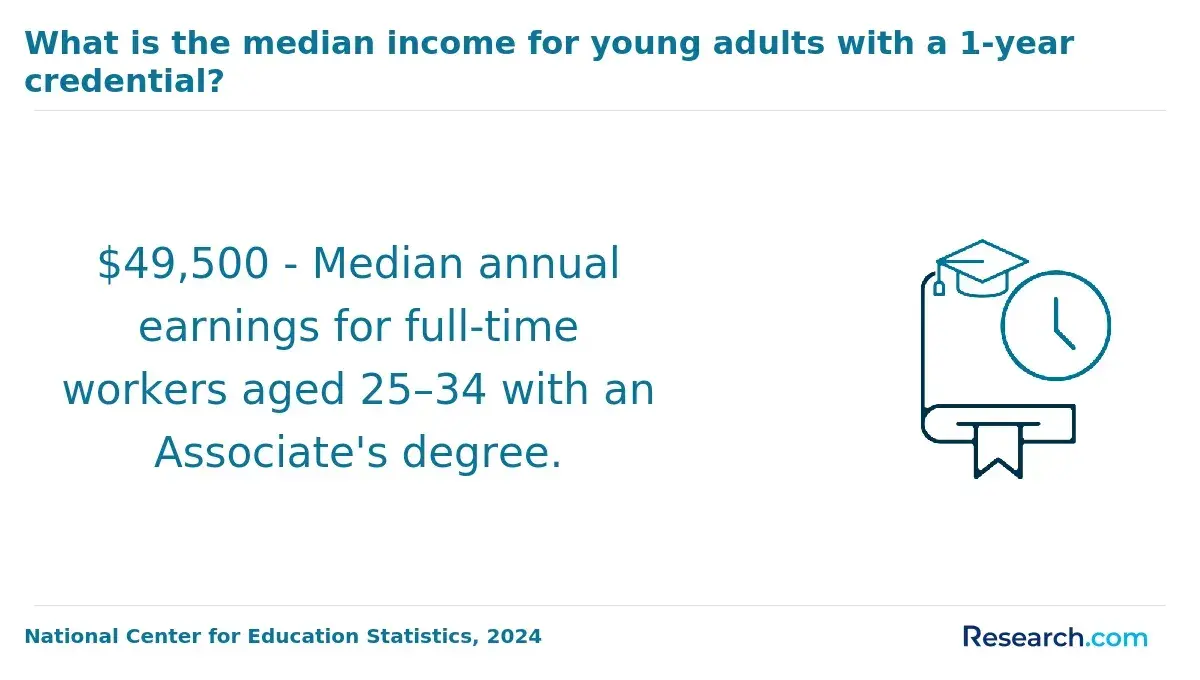
Financial aid plays a crucial role in reducing the initial expenses of pursuing a music education degree, which in turn can enhance the long-term return on investment by limiting student debt and enabling greater focus on career development. Studies show that about 85% of graduate students depend on financial support to help manage their educational costs.
Several common types of financial assistance contribute to improving the cost-effectiveness of music education programs:
- Scholarships: Awarded based on merit or financial need, scholarships directly lower tuition fees without requiring repayment, reducing overall education expenses and boosting ROI.
- Grants: Typically need-based and offered by federal or state entities, grants eliminate the necessity for borrowing, helping students avoid long-term debt.
- Fellowships: Primarily for graduate students, fellowships provide funding often linked to research or teaching duties, offsetting living and tuition costs while enhancing academic experience.
- Employer tuition assistance: Some professionals receive educational reimbursement from their employers, which supports degree attainment with minimal or no additional personal debt.
- Federal loans: Though requiring repayment, these loans generally feature lower interest rates and flexible payback options, making them manageable when other aid falls short.
How Long Does It Take to Complete a Music Education Degree?
The duration required to complete a music education degree directly affects its return on investment by influencing opportunity costs, the timing of income generation, and the total expenses incurred throughout the program. A longer study period means postponing full-time employment while accumulating more tuition and related costs.
Several important factors shape how swiftly students finish their music education degrees, thereby impacting financial outcomes:
- Enrollment status: Students attending full-time typically complete their degrees faster, reducing overall costs and enabling earlier entry into the workforce compared to part-time learners.
- Program format: Accelerated or online options can shorten academic timelines, but may demand greater self-motivation and could limit hands-on training essential for teaching skills.
- Transfer credits: Applying previously earned credits can significantly reduce the tenure of study and associated expenses.
- Internship or thesis requirements: These experiential components can extend program length but often enhance practical knowledge and improve job prospects after graduation.
- Scheduling flexibility: Balancing studies with work or personal commitments may prolong completion time, especially for adult learners or those shifting careers.
When discussing how long it takes to earn this degree, a graduate shared her perspective: she recalled feeling overwhelmed by the need to juggle a rigorous course schedule and practicum hours alongside part-time employment. "I didn't realize at first how much time the internships would add," she said, explaining how these experiences, though time-consuming, ultimately boosted her confidence and classroom readiness. Her journey took nearly five years instead of four, but she emphasized that the extended timeframe contributed to her growth as an educator and made the initial delays worthwhile in the long run.
Is ROI Higher for Online or On-Campus Music Education Programs?
Delivery format significantly influences the return on investment (ROI) for music education degrees through differences in cost, flexibility, and career outcomes. In 2023, online enrollment in higher education grew by over 12%, reflecting growing acceptance of virtual learning options. These trends affect the financial and professional value students gain from their programs.
Key factors highlight the distinctions between online versus on-campus music education ROI:
- Tuition and fees: Online programs generally offer lower tuition rates and fewer associated expenses such as commuting and housing, reducing the overall financial burden.
- Opportunity cost: Flexible scheduling in online formats allows many students to work while studying, lowering income loss and making the investment more feasible for working professionals and career changers.
- Time to completion: Online programs often provide greater scheduling flexibility, which can shorten or more evenly distribute the time needed to complete degrees.
- Networking and career services: On-campus programs typically provide stronger direct access to faculty, career services, and peer networks that can be pivotal for job placement and advancement in music education careers.
- Employer perception and earning potential: Some employers may prefer degrees earned on campus due to perceived rigor or networking advantages, which can influence long-term salary growth and career trajectory.
Prospective students evaluating return on investment for music education degrees should weigh these factors carefully. Additionally, for those seeking more affordable options, reviewing resources on the cheapest CACREP-accredited programs online can provide valuable guidance in balancing costs and educational quality.
What Is the Average Salary After Earning a Music Education Degree?
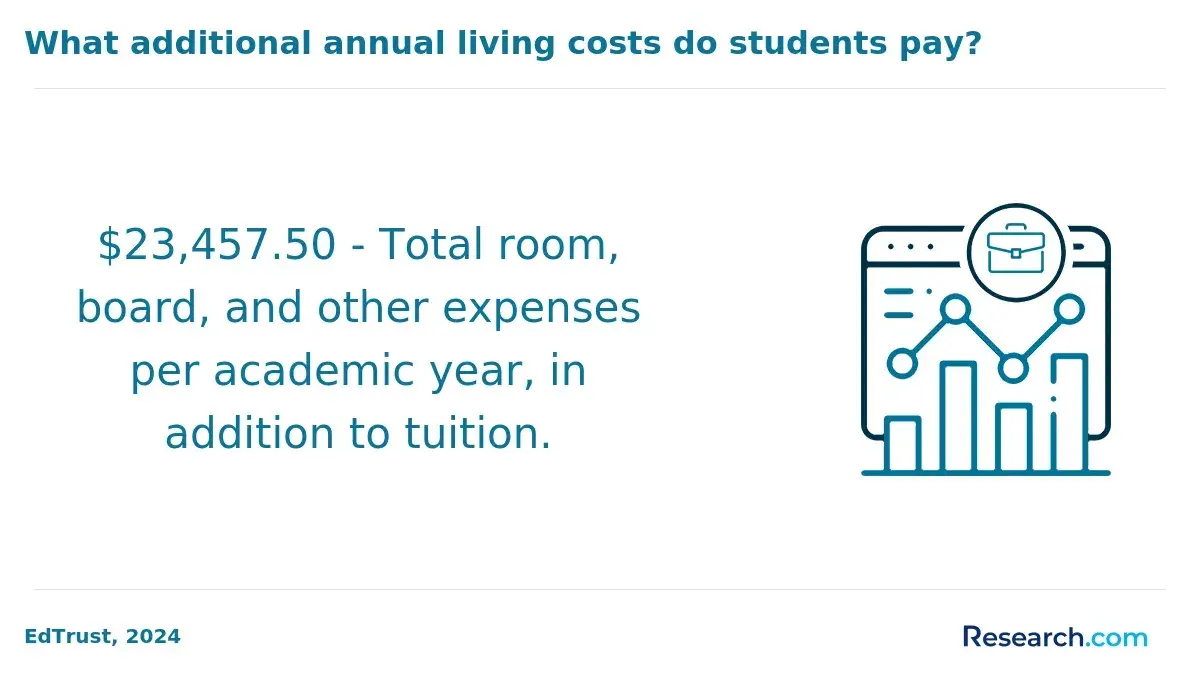
Post-graduation salary is a key driver of the return on investment (ROI) for a music education degree, as it directly influences the financial benefits compared to the costs incurred during the program. The average salary for music education graduates in the United States typically ranges from $40,000 to $60,000 annually, though actual earnings can vary widely. Understanding typical earnings after a music education degree requires looking at several influencing factors.
Several key elements affect salary outcomes and thus impact the ROI of a music education degree:
- Industry: Graduates working in public schools often benefit from structured salary scales tied to experience, while private schools may offer varied pay grades that can influence earning potential.
- Geographic location: Salaries differ significantly by region, with urban and high-cost living areas generally offering higher wages that may be offset by higher expenses.
- Prior experience: Individuals with relevant internships or teaching experience before graduating tend to secure higher-paying roles and improved career prospects.
- Specialization: Expertise in specific instruments, vocal training, or advanced music theory often commands premium salaries due to niche skill demand.
- Career level: Entry-level teachers start with lower salaries, but earnings can increase substantially with seniority, additional certifications, and leadership roles.
For those considering advanced degrees in related fields, exploring the best online masters in psychology can offer alternative paths with competitive returns.
Does a Music Education Degree Lead to Promotions?
Promotions significantly enhance the return on investment (ROI) of a music education degree by often leading to salary increases, greater responsibilities, and improved career mobility. These advancements not only help recoup the initial costs of education but also expand professional capabilities and leadership opportunities. A notable trend in workforce development is the increasing focus on credential-based promotions, where formal degrees combined with experience are critical for moving into specialized or administrative roles.
Key ways a music education degree influences promotions and ROI include:
- Credential requirement: Many educational institutions require a music education degree for eligibility to advance into leadership or specialist roles, making it a valuable asset for career advancement with a music education degree.
- Leadership preparation: The degree equips candidates with skills needed for curriculum development, program coordination, and departmental leadership, all of which are important factors in promotional opportunities for music educators.
- Tuition support: Some employers provide tuition reimbursement or financial assistance, lowering out-of-pocket expenses and improving the net ROI of earning the degree.
- Internal promotion policies: Organizations often give priority to candidates holding relevant degrees in combination with practical experience when considering promotions.
- Experience synergy: Combining work experience with a music education degree opens access to administrative positions that carry increased responsibilities and higher compensation.
For those weighing the benefits versus costs, exploring affordable online bachelor degree programs can be a smart step toward maximizing career returns while managing expenses.
Which Industries Offer the Best ROI for Music Education Graduates?
Return on investment (ROI) for music education graduates varies significantly by industry due to factors like salary levels, career progression opportunities, and the demand for specialized skills. These differences impact the best industry opportunities for music education ROI, influencing financial and career outcomes for graduates.
Here are several industries that tend to offer the highest paying careers for music education graduates:
- Higher education: Educators and administrators can expect steady salaries and clear paths to tenure or leadership positions. These roles often require specialized skills in curriculum development and research, which support stronger compensation growth over time.
- Performing arts: While initial salaries may be moderate, experienced musicians in orchestras, theater companies, or professional ensembles can increase earnings through contracts, tours, and specialized talents, benefiting from long-term prominence and income potential.
- Primary and secondary education: Both public and private schools offer stable employment with predictable raises and benefits. The continuous demand for qualified music teachers supports sustained job security and career growth.
- Music production and recording: This industry rewards a combination of creative and technical skills developed during education, featuring flexible compensation structures and diverse career advancement options.
- Music therapy: Integrating music with healthcare, this rapidly growing field offers expanding demand and competitive salaries for specialized practitioners.
Prospective students may explore various online college programs that prepare them to enter these sectors with strong potential for financial return and career satisfaction.
Does Accreditation Affect ROI for a Music Education Degree?
Accreditation in music education degree programs signifies official approval that a program meets rigorous quality standards set by educational or professional bodies. This endorsement assures students and employers that the curriculum, faculty, and resources meet industry-relevant criteria, directly impacting a program's perceived value. One major trend is that many employers, especially in public school districts, increasingly require degrees from accredited programs for teaching positions and licensure, making accreditation essential for candidate eligibility and competitive hiring.
Accreditation enhances long-term return on investment by fostering greater employer confidence and facilitating career advancement opportunities. It often enables access to federal financial aid, reducing initial educational expenses and improving net financial outcomes.
Furthermore, graduates benefit from smoother credit transfers when pursuing advanced studies, while meeting licensure prerequisites required in many states. These factors collectively support stronger career mobility, higher salary prospects, and improved job security for those holding accredited music education degrees.
Is a Music Education Degree Worth It?
The return on investment for a music education degree hinges on several financial and career factors. Tuition and related costs can vary significantly, sometimes totaling tens of thousands of dollars, while completing a bachelor's degree generally takes about four years.
Graduates often earn a median annual wage near $62,000 when teaching in elementary and secondary schools, which, though modest, offers steady income prospects. Opportunities for advancement, such as leadership roles or specialized positions, can enhance earning potential and improve long-term ROI.
Whether pursuing a music education degree is worthwhile depends largely on individual circumstances. Steady but regionally variable demand for music teachers affects job availability, while the choice between online and in-person programs can influence expenses and flexibility.
Access to scholarships or financial aid also plays a crucial role in mitigating upfront costs. Ultimately, those passionate about music teaching may find that personal fulfillment and career satisfaction balance out the relatively moderate financial returns.
What Graduates Say About The ROI of Their Music Education Degree
- Ninon: "Choosing a traditional music education degree felt like an investment in my future, especially knowing the average cost hovers around $20,000 per year. Though it was a significant expense, the comprehensive training and performance opportunities made it worth every dollar, allowing me to secure a rewarding position as a high school band director within months of graduating."
- Malaya: "I opted for an online music education program because it balanced affordability and flexibility, with tuition typically less than traditional routes. Reflecting on the cost, which averages closer to $10,000 a year, I am confident it delivered excellent ROI by expanding my teaching credentials and opening doors to remote music instruction jobs I wouldn't have otherwise accessed."
- Jordan: "Taking a part-time music education degree was a practical choice given my work schedule, and though it extended the time to complete, the $15,000 yearly cost was manageable and justified by the career growth I experienced. The program's industry connections helped me transition into a professional role as a curriculum developer, proving that investing in music education pays off in the long run."
Other Things You Should Know About Music Education Degrees
In 2027, pursuing graduate studies can enhance the ROI for music education graduates by refining specialized skills, increasing credentials, and expanding networking opportunities. Advanced degrees often lead to higher-paying roles within academia, administration, and arts management, boosting overall earnings potential in the field.
Students develop skills such as lesson planning, classroom management, and music pedagogy that are essential for teaching roles. Additionally, communication, leadership, and organizational skills gained during the program can increase job performance and promotion potential. These transferable skills also enhance employability in related fields beyond traditional teaching jobs.
Geographic location heavily influences salary levels and job availability for music educators. States and regions with higher education funding and larger school districts tend to offer better pay and more job openings. Conversely, rural or economically disadvantaged areas may have fewer opportunities and lower salaries, which can reduce the overall ROI of the degree.
References
- Tuition, Scholarships & Financial Aid https://music.umd.edu/admissions/tuition-scholarships-financial-aid
- 6 Keys to Music School Survival https://www.musiciansway.com/blog/2019/07/6-keys-to-music-school-survival/
- ROI Undergraduate - FREOPP https://freopp.org/roi-in-higher-education/roi-undergraduate/
- One moment, please... https://www.madisontrust.com/client-resources/articles/financial-and-educational-resources-for-aspiring-musicians/
- Education Reimagined https://acmonline.us/
- Understanding the ROI of Investment in Music School Management Platforms - Opus1 https://opus1.io/resources/understanding-the-roi-of-investment-in-music-school-management-platforms/
- Berklee College of Music defies conventional wisdom with low-price online program https://www.insidehighered.com/digital-learning/article/2018/07/11/berklee-college-music-defies-conventional-wisdom-low-price
- How Many years does a music education degree take? https://www.careervillage.org/questions/1056885/how-many-years-does-a-music-education-degree-take
- Music Education: What to Expect When It's Your Major https://www.careersinmusic.com/music-education/
- 7 Reasons Why Students Are Attending OIART After High School https://www.oiart.org/news/why-high-school-grads-attend-oiart


