2027 Highest-Paying Jobs You Can Get With a Special Education Degree

Co-Founder and Chief Data Scientist
Deciding whether to pursue a special education degree often hinges on understanding its true earning potential-especially since graduate credentials significantly boost lifetime wages. Professionals holding advanced degrees in special education-combined with certifying licenses-typically earn up to 25% more than those with only bachelor's degrees. Regional job markets and employer types further influence salary outcomes, complicating decisions for those weighing alternative career paths with potentially faster ROI. This article explores how graduate credentials, licensure, and certification impact compensation in special education roles, offering a clear comparison with other fields to help readers make informed, financially sound decisions aligned with their long-term goals.
Key Things to Know About the Highest-Paying Jobs You Can Get With a Special Education Degree
- Graduate credentials yield a notable wage premium-masters degree holders in special education earn up to 20% more than those with only a bachelor's degree.
- Professional licensure and certification often lead to salary increases of 10-15%, reflecting employer preference for credentialed specialists in K-12 settings.
- Compared to alternative teaching credentials, the special education degree offers a higher return on investment due to increased job stability and demand for qualified professionals in diverse geographic regions.
What Exactly Does a Special Education Degree Qualify You to Do in Today's Job Market?
A special education degree prepares graduates for roles focused on supporting students with diverse learning needs, disabilities, and developmental challenges. According to the U.S. Bureau of Labor Statistics (BLS), common careers include special education teachers, instructional coordinators, and behavioral specialists-positions demanding both pedagogical expertise and specialized adaptive teaching skills. These roles reflect the professional scope recognized by employers and licensing bodies across the United States.
Core Competencies: Graduates exhibit a combination of technical, analytical, and interpersonal skills that surpass alternative credentials or on-the-job experience. These strengths include:
- Technical proficiency in designing Individualized Education Programs (IEPs) and employing evidence-based interventions
- Analytical abilities to assess student progress and adapt instructional strategies
- Interpersonal skills vital for collaboration with families, educators, and multidisciplinary teams
Scope and Licensure: A special education degree does not automatically qualify graduates for all roles. Licensure requirements vary-most K-12 teaching jobs require state certification, while roles like educational consultants or paraprofessionals may have different or lower barriers. Importantly, the degree alone does not certify graduates for clinical positions such as speech therapy or psychology without further professional credentials.
Employer Demand: Data from Lightcast and LinkedIn Insights show employers favor bachelor's degree holders for entry-level teaching positions. In contrast, advanced roles-such as instructional coordinators, consultants, or administrators-prefer candidates with master's or doctoral degrees combined with licensure. For those evaluating career opportunities in the united states, considering credential level is critical.
Career Pathways and Earnings: The highest-paying special education jobs and certifications typically require graduate-level degrees and professional licensure. These lucrative positions include district coordinators, behavioral analysts, and specialized instructional designers-demonstrating a clear wage premium tied to advanced credentials. Prospective students should weigh these factors carefully versus alternative pathways, such as quick online degrees, to assess the best financial fit for their goals.
Which Special Education Jobs Command the Highest Salaries Right Now?
School Psychologist: Median salaries for school psychologists are approximately $78,000 annually, with the 75th percentile reaching near $95,000. Top earners can surpass $120,000, especially in regions where demand and living costs are high. This role consistently ranks among the highest-paying special education jobs in the US.
Special Education Administrator: These professionals command median salaries around $85,000. The 75th percentile exceeds $100,000, while district-level supervisors or directors can earn $130,000 or more. This position reflects significant leadership responsibilities within educational institutions.
Applied Behavior Analyst (ABA) Specialist: With median pay near $65,000 and the 75th percentile approaching $80,000, ABA specialists in clinical or private sectors can earn upwards of $110,000. Their specialized expertise in behavioral interventions enhances their earning potential.
Degree level impacts salary substantially-master's and doctoral degrees yield a noted wage premium, particularly for roles demanding clinical expertise or administrative leadership. For example, a doctoral-level school psychologist typically achieves much higher compensation than entry-level special education teachers with bachelor's degrees. This highlights why pursuing advanced credentials is often essential for those seeking top salaries for special education teachers by state.
Specialization within special education also influences wages. Professionals focusing on autism spectrum disorders, behavioral techniques, or assistive technology tend to receive higher pay due to the technical demands of their work. Industry and employer type further affect earnings-private schools, healthcare providers, and specialized agencies often offer better salaries than public K-12 institutions. Government roles and large urban districts may provide additional benefits that impact total compensation.
Geographic variation plays a strong role, with urban centers and states boasting robust education budgets-such as California, New York, and Massachusetts-offering salaries above the national average. Conversely, rural regions typically present lower pay scales.
Some special education roles overlap with other credentialed professions-licensed clinical social workers or speech-language pathologists, for instance, compete for certain interdisciplinary positions. In these settings, an advanced licensure combined with a special education degree can yield a measurable salary advantage.
Cheapest masters in psychology online programs can serve as strategic pathways for professionals aiming to boost credentials and access higher-paying roles within this competitive field.
How Does Degree Level-Bachelor's vs. Master's vs. Doctoral-Affect Special Education Earning Potential?
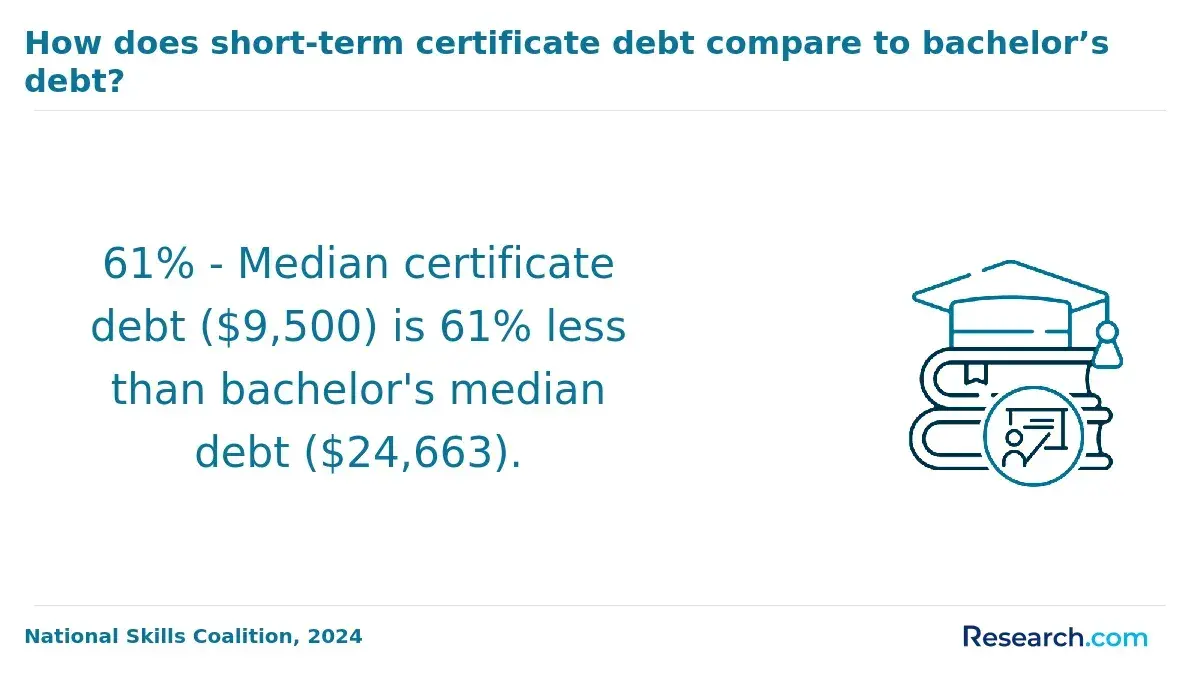
Bachelor's Degree: Graduates with a bachelor's in special education generally access entry-level teaching roles, earning median salaries near $60,000 annually. While this credential suffices for many classroom positions, it rarely leads to the highest-paid jobs, especially in regions with competitive pay scales.
Master's Degree: Holding a master's often results in a 15% to 25% wage boost over bachelor's holders-commonly placing salaries in the mid-$70,000 range or higher. This degree opens doors to leadership roles such as lead special education teachers, curriculum developers, and administrative coordinators. It is frequently required for certification upgrades and elevated professional responsibilities.
Doctoral Degree: Doctorates-whether professional (EdD) or research-based (PhD)-usually command salaries exceeding $90,000. These credentials are essential for university faculty, researchers, and district-level directors. The extended time and financial investment in doctoral studies are balanced by exclusive access to specialized, high-responsibility positions focused on research and policy development.
High-Paying Roles: Graduate credentials are often non-negotiable for positions such as special education directors and university-level educators, who must meet rigorous administrative or scholarly standards. Advanced clinical or behavioral specialist roles also typically mandate master's or doctoral certifications beyond basic licenses.
Time-to-Payoff Considerations: Prospective students must weigh tuition costs and lost income during study against the wage premium earned post-degree. Master's programs generally last 1-3 years, while doctoral degrees extend this timeline significantly, potentially affecting overall return on investment.
Pathway Efficiency: Those with related bachelor's degrees may benefit most financially from pursuing a master's for career advancement. Career changers might find direct master's enrollment more lucrative than doctoral studies unless aiming for university or research careers.
Reflecting on these dynamics, a professional who successfully completed a special education degree shared insights about his experience: "Balancing work and graduate studies was challenging-especially managing the financial strain of reduced hours while pursuing my master's. The credential upgrade not only boosted my salary but also expanded my career options beyond classroom teaching. I remember feeling uncertain about leaving a steady income, but the long-term benefits became clear over time." These reflections underscore the importance of carefully assessing the timing and financial impact of further education in special education fields.
Which Industries and Employers Pay Special Education Graduates the Most?
Special education graduates tend to earn the highest wages across distinctive industries shaped by market factors and organizational priorities. Recognizing these sectors enables strategic targeting of the top employers offering best salaries for special education teachers and specialists.
- Private Sector: Independent schools and specialized educational services often offer salaries above public systems-relying on tuition income and competitive pay models. Therapeutic and specialized tutoring agencies particularly value advanced certifications, resulting in premium compensation. Additionally, edtech companies collaborating with special education professionals-such as curriculum designers or consultants-offer competitive pay due to innovation demands.
- Government Employers: Public school districts remain the primary employer but pay varies by budget and location. Federal and state disability or rehabilitation agencies provide structured salaries and benefits, frequently tied to professional licensure requirements, and can pay significantly more. For example, a program director in a government agency with a graduate degree may earn upwards of $85,000 annually.
- Nonprofit Sector: Though generally less lucrative, some nonprofits serving children with disabilities pay well for experienced educators managing large grants or leading specialized initiatives. Larger nonprofits in metropolitan areas sometimes match mid-level government salaries when federal funding supports their mission.
- Self-Employment and Consulting: Graduates with entrepreneurial skills can achieve high earnings offering private tutoring, advocacy, or consulting. The demand for tailored educational plans and legal compliance advice creates niche opportunities, but income may fluctuate by client base and reputation.
Compensation also hinges on job title and education level-master's or doctoral degrees unlock administrative and clinical jobs that earn 20-40% more than entry-level teaching roles. For instance, a private school special education teacher might earn around $60,000, but those with advanced credentials in administrative roles draw noticeably higher pay.
To secure high-paying roles, graduates should develop industry-specific skills-like behavioral analysis certification or assistive tech expertise-and build professional networks. Understanding how talent scarcity and regulatory demands increase pay can guide candidates toward employers with the best financial returns on their special education degrees. Those exploring career pivots may also compare return-on-investment alternatives, including fields recommended alongside special education such as game design degrees.
What Geographic Markets Offer the Best-Paying Special Education Jobs?
Geographic location significantly influences wages for special education professionals-particularly when adjusting salaries for cost of living through sources like C2ER and MIT's Living Wage Calculator. Several metropolitan areas stand out for offering high median wages along with substantial employment opportunities in the field.
- San Francisco Bay Area, California: Known for hefty pay scales, this area presents some of the top salaries nationwide for special education roles. High living expenses temper earnings somewhat, but many districts with progressive programs sustain attractive real incomes.
- New York Metropolitan Area: New York City and its suburbs maintain elevated wages, supported by numerous large public districts and specialized private institutions. The net benefit fluctuates due to varied living costs across boroughs and neighboring states.
- Washington, D.C. Metro Area: The region benefits from federal agencies, contractors, and nonprofits, driving competitive salaries. Licensing and credential requirements often enhance earning potential here despite relatively high living expenses.
- Denver, Colorado: Offering above-average pay paired with more affordable housing and living costs, Denver attracts many professionals seeking a balance between salary and quality of life.
- Southern States: Texas and Florida: Urban centers like Houston, Dallas, Miami, and Tampa provide competitive wages adjusted moderately for living costs, paired with expanding special education programs.
Remote and hybrid arrangements are changing geography's influence on special education salaries. While teaching positions usually require on-site presence-due to licensing mandates and the need for direct interaction-roles such as consulting, teletherapy, and curriculum development frequently allow remote work. This flexibility lets professionals choose between relocating to higher-wage but costlier regions or earning comparable compensation remotely from areas with lower living expenses.
Balancing the financial gains of moving to a high-paying location against the lifestyle and career progression possible through remote roles is crucial. Prospective special education professionals must consider not just gross salary but also net income after real cost adjustments and licensure requirements tied to specific jurisdictions.
When asked about her experience, a professional who built her career post-graduation recounted navigating these geographic salary disparities firsthand. She described initially weighing offers from several metros-aiming to maximize income without sacrificing quality of life. Ultimately, her decision to accept a position in a mid-sized city stemmed from a desire for manageable living costs combined with strong career advancement opportunities. She noted, "It was challenging to compare salaries without factoring in each area's cost of living, and licensing added another layer of complexity. Still, choosing a location where I could grow professionally but also afford daily expenses made all the difference." Her reflections highlight how thoughtful assessment of location-based compensation can shape a sustainable and rewarding career path in special education.
How Do Professional Certifications and Licenses Boost Special Education Salaries?
National Board Certification: Candidates must hold a valid teaching license, document their instructional practices, and pass both a portfolio evaluation and a computer-based exam. The process costs approximately $2,500 with a renewal cycle every ten years. Surveys indicate teachers with this certification earn about 20% more than their uncertified counterparts, highlighting the substantial salary boost tied to this credential.
State Licensure and Endorsements: Nearly all states require a standard teaching license for special education professionals, often accompanied by endorsements for specific disabilities. Eligibility typically involves completing a bachelor's degree and an approved teacher preparation program, plus passing state-mandated exams. Licenses require renewal every three to five years, with continuing education and varying fees. Licensed teachers tend to earn 10-15% more than those without these credentials.
Council for Exceptional Children (CEC) Credentials: Specialized certifications include credentials such as Autism Spectrum Disorder Specialist or Board Certified Behavior Analyst (BCBA). These require relevant degrees, supervised practical experience, and exams costing between $300 and $1,000, with periodic renewal via professional development. Holding these certifications can increase earnings by 10-18%, particularly in specialized settings.
Accreditation and Employer Preferences: It's crucial that certifications are accredited by recognized organizations like ANSI or NCCA. Employer requirements vary-some mandate specific certifications while others offer financial incentives. Prospective candidates should research industry standards and verify accreditation to ensure the credential aligns with career and compensation objectives.
What Is the Salary Trajectory for Special Education Professionals Over a Full Career?
Special Education professionals typically experience steady salary growth throughout their careers, beginning with entry-level roles earning between $40,000 and $50,000 annually, depending on location. Early-career teachers-those with bachelor's degrees and certifications-earn salaries close to general education averages while developing foundational skills.
- Early Career: Initial years focus on building core expertise amid modest compensation aligned with public school norms.
- Mid-Career Growth: Between five and ten years of experience, salaries often rise 15% to 25% as professionals obtain advanced credentials such as master's degrees or certifications like Board Certified Behavior Analyst or assistive technology specialties, which increase market value.
- Career Inflection Points: Key accelerators include promotion to supervisory or administrative positions-such as special education coordinators or program managers-and moving into specialized fields, resulting in 20% or more additional pay.
- Late Career and Peak Earnings: Veterans with 15+ years, especially those leading interdisciplinary teams or consulting, can command salaries approaching $75,000 to $90,000, influenced by geography and employer type.
- Strategic Differentiators: High earners distinguish themselves through leadership roles, business development in private or nonprofit sectors, active professional networks, and reputations for effectiveness and innovation.
This longitudinal perspective, supported by U.S. Bureau of Labor Statistics and Georgetown Center on Education and the Workforce data, highlights the wage premium attributable to graduate education and licensure. Special Education professionals who strategically pursue specialization and leadership can maximize long-term financial returns relative to alternative credential pathways.
Which Special Education Specializations and Concentrations Lead to the Highest-Paying Roles?
Among the highest-paying special education specializations in the US are autism spectrum disorders, behavioral intervention, and assistive technology. These top special education concentrations for maximum salary reflect market demand shaped by talent scarcity, regulatory requirements, and technical expertise. Specialists in autism education earn a premium due to increasing diagnoses and complex intervention needs-creating strong demand amid a limited qualified workforce. Behavioral specialists often command higher wages by managing legally mandated behavioral plans and compliance issues. Assistive technology experts also benefit from elevated pay as schools increasingly incorporate advanced devices and software to aid students with disabilities.
Early childhood special education focusing on developmental delays is another lucrative area, benefiting from timely intervention importance and workforce shortages. These specializations lead to distinct occupational roles such as licensed behavior analysts, assistive technology coordinators, and specialized instructional coordinators, employed in school districts, private clinics, and nonprofits. Students early in their academic careers should evaluate labor market demand, projected growth, and employer preferences-including credentials like the licensed behavior analyst (LBA) certification-rather than choosing specializations based solely on interest.
Those enrolled in more general special education programs can pursue post-graduation strategies including targeted internships, stacking certifications (e.g., LBA plus teaching licensure), and continuing education to access these premium roles without another degree. Comparing the return on investment of top online special education programs reveals flexible pathways with competitive tuition and strong alumni outcomes in high-demand fields. For example, professionals considering broader management roles might explore an MBA operations management to complement their credentials and increase earning potential.
- Return on Investment: Top online special education programs offer flexible pathways with competitive tuition and strong alumni outcomes in high-demand specializations.
- Credential Value: Graduate-level degrees and certifications substantially increase earning potential within specialized roles.
- Market Demand: Areas like autism and behavioral intervention show consistent growth and talent shortages, sustaining wage premiums.
How Does the Special Education Job Market's Growth Outlook Affect Long-Term Earning Stability?
The special education teacher job market growth in the U.S. is expected to outpace many other fields, with a projected employment increase of 8% to 10% from 2022 to 2032, according to the Bureau of Labor Statistics. This growth is propelled by rising awareness of developmental and learning disabilities, increasing legislative support-most notably through the Individuals with Disabilities Education Act (IDEA)-and a growing demand for individualized student services across public and private education sectors.
The following factors influence the financial prospects and job security of special education professionals:
- Employment Growth: Occupations such as special education teachers and speech-language pathologists are seeing steady expansion, benefiting from sustained demand and relatively low automation risk due to the highly personalized nature of their work.
- Automation Risk: Special education roles require interpersonal finesse and adaptability, making them far less vulnerable to AI or technological replacement compared to other professions.
- Legislative Support: Stable funding and demand are supported by laws like IDEA, which mandate services for students with disabilities, ensuring ongoing employment opportunities in public education.
- High-Paying Roles With Stability: Advanced career paths-such as special education coordinators and behavioral specialists-offer competitive salaries combined with strong job security due to credentialing and specialized expertise requirements.
- Market Headwinds: Certain segments face challenges such as budget cuts, outsourcing of assessment functions, and rising credential barriers that increase labor market competition.
- Positioning for Success: Professionals who acquire advanced degrees, specialized certifications, and skills in assistive technology or behavior interventions will maintain a competitive edge amid market transformations.
While some high-paying special education roles offer steady employment, others command elevated wages due to scarcity, high demand, or funding volatility. This distinction is crucial for prospective students evaluating the long-term return on investment of a special education degree. Steady growth roles may pay moderately but afford reliable career stability across diverse education settings.
Those seeking financial confidence and alignment with their career aspirations might also explore related fields with growing support-such as mental health and therapy disciplines-including the best art therapy programs in the world that complement education credentials with therapeutic expertise.
What Leadership and Management Roles Are Available to High-Earning Special Education Graduates?
Leadership and executive roles in special education rank among the highest-paid positions within the field, encompassing titles like director of special education, program manager, district coordinator, and chief inclusion officer. These roles generally function at district or administrative levels, overseeing multiple schools or entire systems-and usually require advanced qualifications such as a master's degree in education administration, educational leadership, or an MBA paired with a special education background.
- Salary Premium: Data from the Bureau of Labor Statistics shows that while special education teachers earn an average annual salary near $63,000, directors and education managers often command significantly higher wages-ranging approximately from $90,000 to $130,000-reflecting their responsibilities in budgeting, strategic planning, staffing, and regulatory compliance.
- Organizational Responsibilities: These leaders oversee program development, coordinate staff training, and allocate resources to ensure compliance with federal and state mandates, justifying elevated pay through their substantial impact on student outcomes and district effectiveness.
- Career Pathways:
- Advancement typically starts with classroom teaching, progressing to lead specialist or department head roles before transitioning into administrative leadership.
- Obtaining credentials like Certified Administrator of Special Education or education leadership licensure is common among aspiring leaders.
- Skills in grant writing, data analysis, and conflict resolution improve promotion prospects.
- Strategic Decisions:
- Pursuing a graduate degree-such as a master's in educational leadership or an MBA-within five to seven years of classroom experience enhances competitiveness for executive roles.
- Additional certifications and active participation in leadership networks build professional skills and visibility.
- Networking with educational organizations and government agencies can facilitate access to senior appointments and consulting opportunities.
Which Emerging Special Education Career Paths Are Positioned to Become Tomorrow's Highest-Paying Jobs?
The special education sector is evolving rapidly, introducing roles that blend technology, policy, and diverse student needs to offer promising financial rewards. Emerging positions include Technology Integration Specialists-professionals skilled in assistive and adaptive technologies essential for today's digital classrooms. Behavioral and Mental Health Coordinators address growing mental health demands by integrating counseling and special education expertise. Inclusive Curriculum Designers are creating universally accessible learning materials to support diverse learners amid expanding inclusion policies. Early childhood-focused Early Intervention Consultants emphasize developmental assessments and personalized strategies for young children, aligned with demographic trends. Meanwhile, Compliance and Advocacy Officers navigate complex legal frameworks ensuring school districts and agencies comply with evolving special education regulations.
Degree programs are reshaping curricula-embedding courses on educational technology, mental health, legal aspects, and interdisciplinary collaboration-to equip graduates for these new career trajectories. Prospective professionals benefit from supplementing traditional degrees with specialized boot camps, micro-credentials, or certifications-particularly in assistive technology and behavioral interventions-that enhance employability in niche areas still gaining traction.
A strategic approach is crucial since some emerging roles may face slower adoption or shift according to policy changes. To balance potential earnings against risk, candidates should prioritize roles grounded in firm regulatory or demographic trends for greater market resilience. Staying informed through professional associations and labor market analytics tools like Lightcast, Burning Glass, and LinkedIn Economic Graph enables tracking of salary trajectories and job growth.
- Market Adaptation: Special education programs expanding content to align with technology and mental health integration.
- Credential Enhancement: Micro-credentials and boot camps in assistive technology and behavioral health offer competitive advantages.
- Risk Management: Evaluating early adopter benefits against job stability and regulatory backing in emerging roles.
- Information Sources: Leveraging professional bodies and labor market intelligence platforms to monitor evolving career prospects.
What Graduates Say About the Highest-Paying Jobs You Can Get With a Special Education Degree
- Aries: "Choosing an online special education degree was a game changer-I was amazed to learn how much more I could earn simply by obtaining professional licensure and certification. The wage premium connected to these credentials truly elevated my career prospects, opening doors to roles I hadn't considered before. Reflecting on the journey, I can confidently say the investment was worth every moment."
- Massimo: "From a practical standpoint, what struck me most about pursuing a special education degree online was comparing its return on investment to other pathways. While some alternative routes seemed quicker, the specialized knowledge and credentials I gained have already translated into significantly higher salaries-especially in states with strong demand for qualified educators. Location definitely plays a crucial role in salary outcomes, something I considered carefully when choosing where to work."
- Angel: "Professionally speaking, the type of industry you enter post-degree-public schools, private institutions, or healthcare-dramatically impacts earning potential. Alongside this, having a fully accredited special education degree coupled with the right licenses boosted my salary far beyond what I expected. This program equipped me with both the skills and credentials, proving invaluable as I navigated my career path in a competitive job market."
Other Things You Should Know About Special Education Degrees
In 2027, special education graduates can pursue high-paying roles such as school administrators, board-certified behavior analysts, or educational consultants. These positions often require advanced degrees or certifications and offer competitive salaries, reflecting the specialized skills and expertise needed to excel in these roles.
Entrepreneurship allows special education graduates to create niche services such as private tutoring, consulting, or specialized therapy practices. These self-employment options can lead to significantly higher earning potential than traditional school-based roles by eliminating salary caps and enabling diversified income streams. However, success requires business skills alongside educational expertise.
Employer type significantly impacts compensation in special education careers. Public school districts typically offer standardized salary schedules based on experience and education level, often with benefits and pension plans. Private and nonprofit employers may offer varying salaries, sometimes lower than public counterparts, but can provide unique opportunities or flexible work environments. Understanding these differences helps graduates target the best financial fit.
Internships and practicums embedded in special education programs enhance graduates' employability and can lead to higher starting salaries. Hands-on experience builds practical skills and professional networks-both valued by employers. Early work experience often results in quicker job placement and may qualify candidates for salary increments or better job offers upon graduation.
References
- Special Education Teacher Salary & Career Paths: Online Training. https://londoncollegeofteachers.co.uk/blog/special-education-teacher-salary-career-paths-online-training-investment/
- Careers With a Special Education Degree | University of Phoenix https://www.phoenix.edu/articles/education/careers-with-a-special-education-degree.html
- How to Boost Your Teacher Salary - Graduate Programs for Educators https://www.graduateprogram.org/blog/how-teachers-can-increase-their-salaries/
- 5 Up-and-Coming Specializations for Special Education Degrees https://www.masters-in-special-education.com/lists/5-up-and-coming-specializations-for-special-education-degrees/
- Credentials and Certifications that add $$ to Your Salary - Peterson's https://www.petersons.com/blog/credentials-and-certifications-that-add-to-your-salary/
- 9 Careers You Can Pursue with a Master’s in Special Education https://www.pointloma.edu/resources/education/9-careers-you-can-pursue-masters-special-education
- How Do Certifications Influence Salary Increases? https://certiprof.com/blogs/news/how-do-certifications-influence-salary-increases
- Special Education Career Paths & Salary | EWU M.Ed. https://online.ewu.edu/degrees/education/med/special-education/career-paths-benefits/
- Evidence on the Long-Run Benefits of Special Education - MARIO Education https://marioeducation.com/evidence-on-the-long-run-benefits-of-special-education/
- What are the Highest Paying Jobs in Special Education? | Special Education Degrees https://www.special-education-degree.net/what-are-the-highest-paying-jobs-in-special-education/