2027 Highest-Paying Jobs You Can Get With a Biomedical Engineering Degree

Co-Founder and Chief Data Scientist
Choosing a biomedical engineering degree often hinges on understanding the real financial payoff-especially when weighing graduate credentials and licensure against alternative career paths. Many candidates face uncertainty about how much a master's degree or professional certification boosts their earning potential within specific industries or locations. Research shows that biomedical engineering professionals with a graduate degree and licensure can earn up to 25% more annually than those with only a bachelor's. This article explores key factors shaping salary outcomes-wage premiums for advanced degrees, certification impacts, and comparative return on investment-arming readers with data to make informed decisions based on career goals and financial priorities.
Key Things to Know About the Highest-Paying Jobs You Can Get With a Biomedical Engineering Degree
- The wage premium for graduate biomedical engineering degrees can exceed 20% compared to bachelor's holders-enhancing earning potential particularly in research-intensive roles.
- Professional licensure and certification-such as PE or CBET-can boost salaries by up to 15%, signaling advanced expertise valued by employers.
- Compared with alternative pathways, a biomedical engineering degree delivers a strong return-on-investment-median salaries surpass those of allied health and technical certification graduates by 30% or more.
What Exactly Does a Biomedical Engineering Degree Qualify You to Do in Today's Job Market?
A biomedical engineering degree qualifies graduates to integrate engineering principles with medical sciences, creating innovative healthcare solutions. According to the U.S. Bureau of Labor Statistics and leading professional associations, holders of this degree are prepared for roles involving the design, development, and testing of medical devices, equipment, and software essential for patient care and diagnostics.
Employers in the US consistently value the degree's rigorous foundation in biology, chemistry, materials science, and engineering analysis, which drives demand for biomedical engineering degree job opportunities in the US.
Key competencies that distinguish biomedical engineering graduates from those with only practical experience or non-engineering credentials include:
- Technical Expertise: Proficiency in applying engineering methods, computer modeling, and instrumentation to innovate and improve medical technology.
- Analytical Skills: Strong ability to evaluate complex biological systems and solve problems using quantitative and experimental approaches, an advantage noted by employer job posting data from sources like Lightcast and LinkedIn Insights.
- Interpersonal Skills: Effective collaboration with healthcare professionals, regulatory teams, and manufacturing specialists to ensure devices meet safety and efficacy standards.
While a biomedical engineering degree opens doors to credential-gated technology development and regulatory compliance career paths, it does not guarantee direct eligibility for professional engineer (PE) licensure or clinical roles such as physicians or therapists. Licensure usually requires additional exams and practical experience, so the degree primarily supports specialized technical and regulatory jobs rather than open-entry frontline clinical care positions.
Career paths for biomedical engineering graduates in today's market often include highest-paying roles such as senior design engineer, clinical engineer, and regulatory affairs manager. Typically, bachelor's degrees are a minimum requirement, but master's and doctoral degrees most closely associate with top-tier salaries and leadership positions.
Prospective students may also consider related pathways like the RN to BSN program if interested in clinical work coupled with biomedical knowledge.
Which Biomedical Engineering Jobs Command the Highest Salaries Right Now?
For those pursuing the top biomedical engineering careers with best salaries, targeted certifications and graduate education provide measurable wage premiums. Salary data from sources like the National Compensation Survey reinforce that biomedical engineering remains a financially sound credential-especially when aligned with high-demand occupational specialties and thriving geographic markets.
- Medical Device Engineer: These professionals design and develop cutting-edge medical equipment, ranking among the highest salaries for biomedical engineering degree holders. According to recent BLS data, median annual wages approach $95,000, with the 75th percentile exceeding $115,000. Experienced top-decile engineers can earn over $130,000. A biomedical engineering degree offers a competitive edge, especially for those with advanced degrees or certifications, as employers value specialized knowledge in medical technologies and regulatory compliance. This role consistently appears among the top biomedical engineering highest paying jobs in the US.
- Clinical Engineer: Clinical engineers focus on implementing and maintaining biomedical equipment in hospital settings. Median incomes hover around $85,000 annually, with top earners commanding salaries above $110,000. While candidates from other engineering disciplines compete for these roles, graduates in biomedical engineering often receive a salary premium due to their hands-on experience and understanding of healthcare safety standards.
- Research and Development Manager: Leading teams that innovate medical technologies, these managers earned about $120,000 median wages, with the 75th percentile reaching $145,000 and top salaries near $170,000. Though accessible to multiple STEM backgrounds, biomedical engineering graduates combined with graduate education enjoy a substantial salary advantage in this field.
- Regulatory Affairs Specialist: Specialists in regulatory affairs ensure medical products comply with government standards. Median salaries are near $90,000, with certifications boosting earnings past $110,000 at higher percentiles. Expertise in product lifecycle management often allows biomedical engineering graduates to negotiate better compensation than peers without such credentials.
- Biomaterials Engineer: Focused on biomaterials research and development, these engineers report median incomes around $88,000, with higher salaries clustered within pharmaceutical and biotechnology hubs. Holding advanced degrees and industry certifications notably increases earning potential in this occupation.
The return-on-investment of a biomedical engineering degree depends heavily on education level, specialization, and employer context-key factors that determine salary potential. Career changers and mid-career professionals should weigh these elements carefully along with long-term earnings prospects.
- Degree Level: Graduate degrees-master's and doctorates-significantly boost earning potential across all roles.
- Occupational Specializations: Fields such as medical devices, biomaterials, and regulatory affairs show stronger salary growth.
- Industries: Positions in pharmaceuticals, medical device manufacturing, and healthcare systems pay higher salaries than academic or government roles.
- Geographic Markets: Regions with dense healthcare clusters and high costs of living, such as California and Massachusetts, feature the highest wages.
- Employer Types: Large medical device firms and biotech startups tend to offer premium salaries compared to smaller organizations.
Those exploring alternatives may also consider programs such as an online health admin degree to gauge income opportunities in allied healthcare fields.
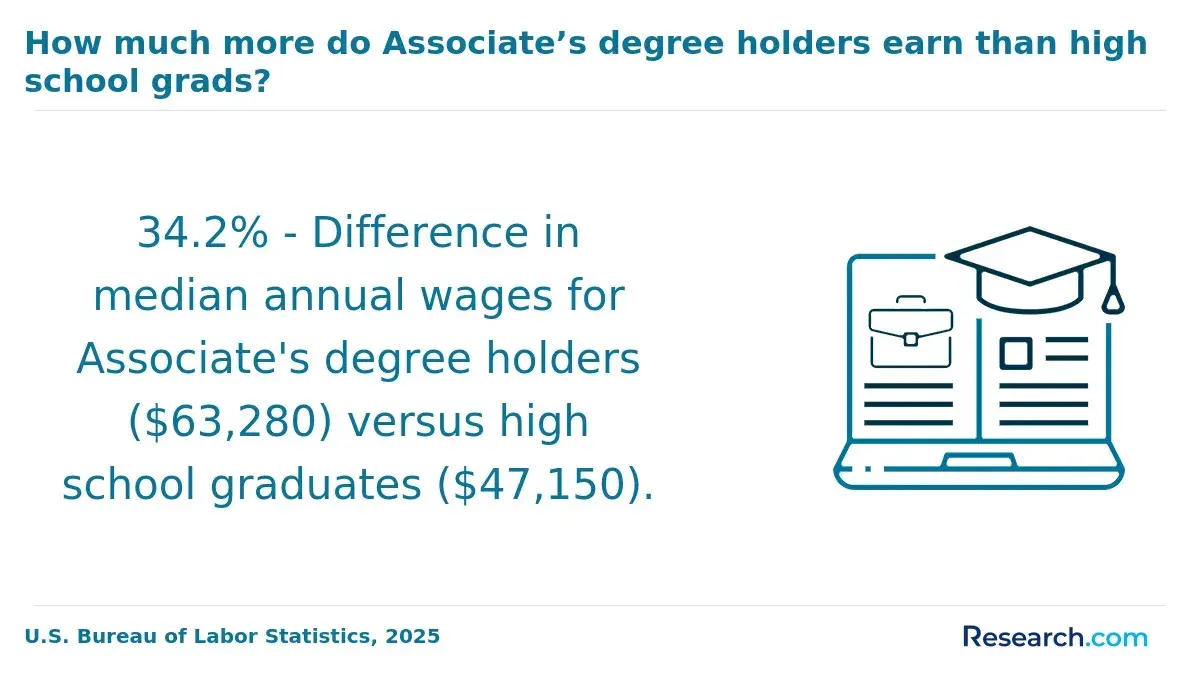
How Does Degree Level-Bachelor's vs. Master's vs. Doctoral-Affect Biomedical Engineering Earning Potential?
Those with related undergraduate degrees often benefit most from master's programs to access higher-paying roles. Career changers without a technical background might find post-baccalaureate certificates or professional master's degrees focused on applied skills more efficient. Doctorates remain the preferred route for individuals targeting top academic or research leadership positions despite longer study durations.
- Bachelor's Degree: Individuals holding a bachelor's in biomedical engineering typically access entry-level roles such as biomedical equipment technician or manufacturing engineer, with median pay ranging from $70,000 to $85,000. In some specialized segments like medical device manufacturing or quality assurance, salaries may reach six figures in high-cost areas. Yet, leadership in innovative design and development often demands higher credentials.
- Master's Degree: A master's degree unlocks advanced positions in research and development, clinical engineering, and regulatory affairs, where salaries generally fall between $90,000 and $110,000. These roles require deeper technical expertise-especially in biomaterials, imaging, and patent-related work-and prioritize skills in complex data analysis and team leadership. Employers often mandate a master's degree for positions involving regulatory compliance or interdisciplinary projects.
- Doctoral Degree: Doctorates open doors to elite opportunities in academia, senior device innovation, and principal investigator roles, often yielding annual compensation above $130,000. Doctoral credentials are standard for leadership in translational research, university faculty roles, and regulatory oversight connected to clinical trials. These roles also attract supplemental income like research grants and consulting fees.
- Credential-Gated Roles: Advanced design engineering, clinical trial leadership, and bioinformatics management require at least a master's degree, while academic and translational research paths predominantly demand doctoral qualifications. These thresholds reflect the complexity of biomedical systems and regulatory standards at higher organizational tiers.
Prospective students should carefully weigh tuition expenses and earnings foregone against expected salary increases. Master's degrees typically bring a 20-30% income boost over bachelor's holders, whereas doctoral degrees may increase earnings by 50% or more. Understanding how long it takes to recover educational investments is critical before embarking on grad studies.
Which Industries and Employers Pay Biomedical Engineering Graduates the Most?
Private industry sectors-particularly medical device manufacturing and pharmaceuticals-remain top-paying employers for biomedical engineering graduates nationwide. These companies benefit from large revenues and fierce competition to retain talent, leading to generous salary offers. Their focus on innovation and product advancement creates a sustained demand for highly specialized skills, directly influencing compensation levels.
Federal government agencies, such as the Food and Drug Administration and National Institutes of Health, present stable employment with solid benefits. Though base pay may generally be lower than in private firms, senior or specialized roles in regulatory science and research often match or surpass private-sector salaries, reflecting the critical nature of their work within complex regulatory environments.
Nonprofit organizations usually offer lower pay but present unique career pathways in biomedical research and healthcare innovation. Many roles come with potential grant-funded salary enhancements, offering employees a chance to build expertise that can later lead to improved compensation in the private sector. This pathway is especially relevant for professionals aiming to leverage experience into lucrative positions.
Consulting and self-employment provide highly flexible and potentially lucrative options for biomedical engineers with advanced credentials and strong professional networks. Success in this area demands entrepreneurial aptitude and often professional certification but can yield income above typical industry standards by servicing multiple clients.
Salary variation is also tightly linked to degree level and job title-engineers with master's degrees working in medical device design frequently earn 20-30% more than those with bachelor's degrees in comparable roles. Leadership positions like project managers or lead engineers command notable pay premiums due to the responsibility increase.
Geographic markets with concentrated biotech activity-Boston and the San Francisco Bay Area stand out-typically push wages higher due to healthcare investment density and talent scarcity from rapid technological progress.
To access these top-paying roles, candidates should actively cultivate industry-relevant skills, such as expertise in medical imaging software or device testing tools, and pursue recognized certifications like the Certified Biomedical Auditor or Professional Engineer license.
Networking during and beyond formal education plays an essential role in uncovering high-compensation opportunities. Mid-career professionals and career changers may also explore specialized educational pathways, such as a nursing PhD, to complement biomedical engineering qualifications and broaden income prospects.
What Geographic Markets Offer the Best-Paying Biomedical Engineering Jobs?
Geographic variations in biomedical engineering compensation reflect both nominal wages and regional living costs, influencing true earnings across U.S. metro areas. High-paying markets often coincide with dense clusters of hospitals, research centers, and biomedical firms but come with varying expenses that affect take-home value.
- Boston, Massachusetts: As a hub of leading hospitals and biotech research, Boston offers some of the nation's top biomedical engineering salaries, though the area's steep housing costs can significantly reduce net income.
- San Francisco Bay Area, California: Silicon Valley's medical device companies and tech firms pay well above average, yet the high cost of living and housing challenges demand careful financial balancing or alternative working arrangements.
- Raleigh-Durham, North Carolina: This Research Triangle region hosts prominent biomedical employers and research facilities, combining competitive salaries with a reasonable cost of living that enhances overall salary value.
- Minneapolis-St. Paul, Minnesota: With several major medical device manufacturers based here, this metro area offers solid salary levels adjusted favorably by moderate living costs.
- Seattle, Washington: A growing biotech sector supports wages exceeding the national mean, even while regional living expenses remain relatively high.
Remote and hybrid work models are transforming salary geography for biomedical engineers. Many roles-particularly in regulatory consulting, software, and data analysis-can be performed remotely, enabling professionals to reside in lower-cost areas while earning strong incomes. Conversely, jobs demanding on-site presence for design, testing, or compliance limit remote options and tie compensation more closely to metro area ecosystems.
Key considerations when deciding between relocation or remote employment include balancing salary premiums against living costs, evaluating remote work feasibility, and assessing the career development opportunities linked to geographical industry concentration.
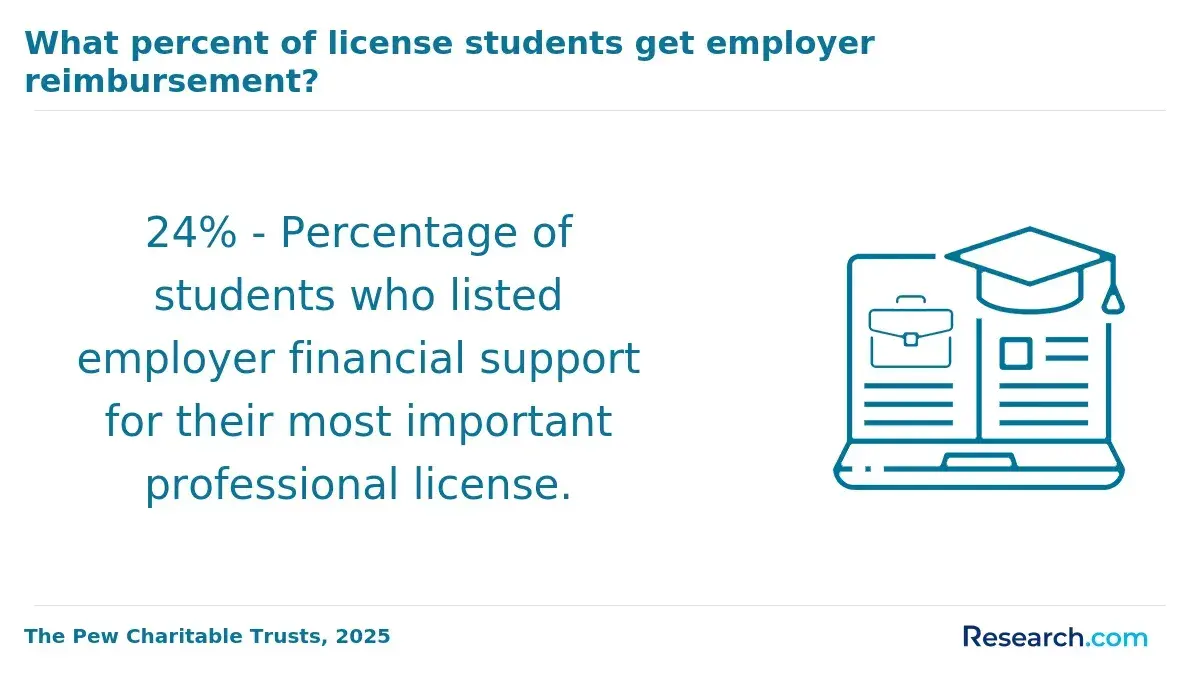
How Do Professional Certifications and Licenses Boost Biomedical Engineering Salaries?
Professional certifications and licenses in biomedical engineering offer measurable salary advantages-serving as validation of specialized skills and dedication. Industry salary analyses reveal earnings improvements ranging from around 5% up to 20% for credential holders compared to non-certified peers.
- Certified Biomedical Auditor (CBA): Administered by the American Society for Quality, this credential requires a minimum of three years' relevant experience and success in a detailed exam on biomedical device quality systems. Renewal every three years involves continuing education. Holders typically see approximately a 10% salary increase.
- Professional Engineer (PE) License: Essential for advanced engineering roles, especially design and regulatory compliance, applicants must possess an accredited engineering degree, four years of experience, and pass both the Fundamentals of Engineering and PE exams. Renewal is generally required every two to three years. Studies show a PE license may boost earnings by as much as 20%.
- Certified Clinical Engineer (CCE): Provided through the American College of Clinical Engineering, candidates need five years of clinical engineering experience and must pass a rigorous certification exam. Ongoing professional development is necessary for renewal. This certification is linked to close to a 15% salary premium.
- Regulatory Affairs Certification (RAC): Targeted at professionals managing medical device regulatory approvals, the RAC demands passing a comprehensive exam covering FDA and global regulations. Recertification is periodic. Salary increases from 8-12% are documented for certified individuals.
Prospective candidates should confirm that certifications are accredited by recognized bodies like ANSI or NCCA to ensure legitimacy. Additionally, verify employer preferences-some credentials are mandatory, others preferred-to align certification efforts with targeted career paths and maximize salary returns.
What Is the Salary Trajectory for Biomedical Engineering Professionals Over a Full Career?
Biomedical engineering professionals typically experience steady salary growth that reflects accumulated experience, specialization, and leadership roles. Entry-level biomedical engineers-usually within their first five years-earn median annual salaries ranging from $65,000 to $75,000, according to the Bureau of Labor Statistics (BLS) and industry compensation surveys.
This phase centers on developing technical skills and gaining foundational exposure.
- Early Career: During the initial five years, professionals focus on building core competencies in areas such as design, testing, or regulatory compliance. Salaries grow moderately but generally remain below six figures at this stage.
- Mid-Career: Around the ten-year mark, earnings typically increase to between $90,000 and $110,000. Key salary inflection points include promotions to project management roles and attaining advanced credentials like master's degrees or professional engineering licensure, both of which significantly boost earning potential.
- Senior-Level: Seasoned biomedical engineers often surpass $130,000 annually, especially those moving into leadership, specialized research, or business development positions. Highest-paying tracks include medical device innovation, regulatory strategy, and executive management roles.
- Specialization and Credentials: Pursuing focused areas such as biomaterials, neural engineering, or FDA regulatory expertise accelerates salary growth. Professional certifications and graduate degrees consistently yield a wage premium compared to peers without these qualifications.
- Leadership and Business Development: Engineers who lead teams, manage cross-functional projects, or drive new product commercialization typically experience faster compensation growth-underscoring the value of strategic career moves beyond technical skills.
- Reputation and Networking: Establishing a strong professional reputation and cultivating industry connections further boosts long-term earnings by opening doors to consulting, academic, or senior corporate opportunities.
Which Biomedical Engineering Specializations and Concentrations Lead to the Highest-Paying Roles?
Certain biomedical engineering specializations consistently lead to the highest-paying roles in the US by aligning technical depth with strong labor market demand. Among the highest-paying biomedical engineering specializations in the US, biomedical imaging, biomaterials engineering, and biomechanics stand out for their robust compensation.
Biomedical imaging specialists-working with MRI, CT, and ultrasound technologies-benefit from talent scarcity and regulatory complexity, driving premium salaries. These roles involve developing advanced diagnostic devices under strict FDA compliance, a factor that significantly impacts employer willingness to pay top dollar.
Biomaterials engineers create implants, prosthetics, and tissue scaffolds designed to integrate seamlessly with the human body. Their expertise in materials science and rigorous testing translates into a wage premium. Biomechanics specialists-who design systems to improve mobility or study musculoskeletal function-also see salary advantages due to specialized knowledge and growing demand in rehabilitation and sports medicine industries.
Students choosing a biomedical engineering concentration should evaluate specialization salary differences by specialization alongside labor market reports, occupational growth projections, and employer preferences rather than relying solely on general interest. This approach enhances career ROI.
- Talent Scarcity: High-paying roles often correspond with skilled professional shortages in specialized fields.
- Regulatory Complexity: Areas involving FDA approvals command wage premiums.
- Technical Depth: Advanced expertise correlates closely with higher salaries.
- Return on Investment: Programs like DNP online no clinicals exemplify effective credential paths delivering strong earnings potential.
For those already enrolled in a general biomedical engineering program, post-graduation strategies such as targeted internships, professional certification stacking, and continuing education can help secure high-paying specializations without pursuing an additional degree. Online master's programs specializing in high-demand biomedical fields are also a viable route, demonstrating strong salary gains relative to tuition.
How Does the Biomedical Engineering Job Market's Growth Outlook Affect Long-Term Earning Stability?
The biomedical engineering job market is projected to grow about 6% from 2022 to 2032, according to the U.S. Bureau of Labor Statistics-slightly outpacing overall employment growth. This steady expansion underscores promising long-term earning stability for biomedical engineering graduates, especially those in medical device innovation, research and development, and regulatory compliance roles.
These segments offer strong prospects given the rising demand fueled by demographic changes such as an aging population and increasing chronic health issues.
Broader labor trends will shape the supply and demand for biomedical engineering professionals. Technological advances in biomaterials, wearable devices, and artificial intelligence enhance innovation opportunities but require continual skill development to mitigate automation risk.
While complex roles like design engineering and regulatory specialists face low automation risk and stable employer demand, routine tasks such as device testing and manufacturing support are vulnerable to automation and outsourcing pressures.
- Growth Opportunities: Positions in design and regulatory specialties offer solid employment growth and salary prospects, benefiting from their interdisciplinary and complex nature.
- Automation Risk: Support roles and routine testing could see wage stagnation due to increased automation and offshoring.
- Credential Importance: Advanced degrees, licensure, and certifications remain critical to enhancing job security, signaling expertise, and maximizing salary potential. Candidates should evaluate these credentials carefully-especially when comparing pathways such as biomedical engineering degrees versus alternative or accelerated training options.
- Market Headwinds: Jobs reliant on government or hospital budgets may be subject to funding fluctuations, impacting compensation stability.
- Compensation vs. Stability: Highly paid roles in niche consulting or startups often carry higher risk and volatility, necessitating a balance between income and job security considerations.
Those seeking a financially sound credential might also explore related fields or online accelerated nursing programs to diversify career options. Understanding biomedical engineering job market growth trends and long-term earning stability for biomedical engineering graduates is essential for making an informed decision.
What Leadership and Management Roles Are Available to High-Earning Biomedical Engineering Graduates?
Leadership and executive roles in biomedical engineering mark the highest levels of career progression-covering positions such as biomedical engineering manager, director, vice president of engineering, and chief technology officer. These jobs typically reside at mid-to-senior organizational tiers where key decisions on product innovation, regulatory adherence, budgeting, and strategic growth are made.
- Salary Premium: Data from the Bureau of Labor Statistics highlight that biomedical engineers in managerial capacities earn significantly more than individual contributors-often 20% to 40% higher-reflecting the expanded responsibilities of overseeing multidisciplinary teams, aligning engineering efforts with business goals, and driving project success.
- Credentials and Experience: Achieving leadership roles generally requires a combination of deep technical knowledge and leadership skills. Advanced degrees such as master's or PhDs in biomedical engineering, coupled with MBAs or management-focused graduate studies, are common. Certifications in project management or quality assurance further enhance leadership prospects and earning potential.
- Career Pathways: Advancement trends typically begin in design or bench engineering roles, progressing through senior engineer or project lead positions over 5 to 10 years. Intentional professional development-through leadership training and cross-functional experience-significantly accelerates promotion to management. Early assumption of increased responsibility demonstrates readiness for higher roles.
- Strategic Advice: Candidates aiming for top executive salaries benefit from pursuing graduate education early, especially MBAs that complement biomedical engineering expertise. Enhancing skills in communication, financial management, and decision-making shifts professionals from technical contributors to influential leaders.
Which Emerging Biomedical Engineering Career Paths Are Positioned to Become Tomorrow's Highest-Paying Jobs?
Early entry into emerging roles can yield an advantage but carries uncertainty-technological adoption or regulatory approval may lag or falter. Evaluating a field's market viability and clinical relevance helps balance potential rewards against risks.
- Regenerative Medicine: This specialty aims to create engineered tissues and organs to repair or replace damaged body parts. Advances in stem cell science and biofabrication are driving demand for experts with knowledge of cell biology, biomaterials, and 3D bioprinting. These roles often command premium salaries due to their impact on healthcare innovation.
- Neuroengineering: Focused on brain-computer interfaces and neural implants, neuroengineering offers lucrative positions centered on restoring or enhancing neurological functions. Training now includes neural signal processing, computational modeling, and neuroprosthetics, often complemented by coding and data analysis skills.
- Digital Health and Wearables: The push toward personalized medicine and continuous monitoring has created opportunities designing sensor-driven devices and digital therapies. Combining biomedical engineering with software development, data analytics, and regulatory knowledge is essential here.
- Curriculum Evolution: Biomedical engineering programs are rapidly updating to include interdisciplinary coursework and practical projects aligned with these emerging fields. Pursuing additional certifications in regulatory affairs, machine learning, or biometrics can enhance employability in these niche sectors.
Staying informed through organizations such as the Biomedical Engineering Society and monitoring labor market platforms like Lightcast, Burning Glass, and LinkedIn Economic Graph provides valuable insights into evolving demand and helps align skills with high-paying occupations as they develop.
What Graduates Say About the Highest-Paying Jobs You Can Get With a Biomedical Engineering Degree
- Bryson: "Choosing an online biomedical engineering degree was a game-changer for me-not only did the wage premium associated with holding a graduate credential open doors to top-tier roles, but I also learned that obtaining professional licensure can significantly boost salary potential. The degree's flexibility allowed me to compare return on investment against alternative routes-and I found the biomedical path offered more stability and higher earnings long-term. It's an investment I feel confident about every day."
- Tripp: "Reflecting on my journey, I realized how much industry type and geographic location affect earning potential in biomedical engineering. Working in the medical device sector in a tech hub has consistently offered some of the highest-paying opportunities. Coupled with my degree, these factors made the return on investment well worth it-especially compared to my peers in less specialized fields who took different routes."
- Joshua: "Professionally, I see the value of licensure and certifications within biomedical engineering-as they are key differentiators for salary advancement in this competitive field. The wage premium for degree holders versus alternative pathways truly stands out, but it's the blend of recognized credentials and choosing the right industry that really maximized my career growth. This degree was definitely the solid foundation I needed to succeed."
Other Things You Should Know About Biomedical Engineering Degrees
In 2027, biomedical engineering certifications can significantly enhance job prospects and salaries by demonstrating specialized expertise and commitment to the field. Credentials from professional organizations can make candidates more competitive, often leading to higher starting salaries in sought-after positions.
Internships and practicums provide critical hands-on experience that significantly improve starting salaries for biomedical engineering graduates. Employers value candidates who have proven practical skills and familiarity with medical devices, regulatory standards, and clinical environments. Early work experience reduces onboarding time and risks for employers, leading to offers with higher compensation compared to graduates without this experience.
The type of employer heavily influences biomedical engineering salaries. Private sector companies-especially those in medical device manufacturing and pharmaceuticals-tend to offer the highest salary levels. Public institutions, including government health agencies and academic research organizations, usually provide stable but moderately lower pay. Nonprofits may offer competitive salaries but often focus on mission-driven work with fewer financial incentives compared to for-profit companies.
References
- Biomedical Engineering: Salary, Outlook and Description | McKissock Learning https://www.mckissock.com/blog/professional-engineering/biomedical-engineering-salary-outlook-and-description/
- Biomedical Engineers: Salary, career path, job outlook, education and more - RaiseMe https://www.raise.me/careers/architecture-and-engineering/biomedical-engineers/
- Kiedy używać ‘which’ a kiedy ‘that’: popularne przypadki https://preply.com/pl/blog/uzywanie-which-i-that/
- 15 Best Countries For Biomedical Engineering Jobs in 2026 https://terratern.com/blog/best-countries-for-biomedical-engineering-jobs/
- WHICH po polsku - TÅumaczenie angielski-polski https://pl.pons.com/t%C5%82umaczenie/angielski-polski/which
- High-Paying Degrees Spotlight on Biomedical Engineering https://www.goodgoblin.ai/blog/HighPayingDegreesBiomedicalEngineering
- Top Engineering Certifications to Boost Salary & Mobility https://vision-constructors.com/careers-job-market/engineering-certifications-that-actually-increase-salary-and-global-employability
- Scope of Biomedical Engineering in 2026: Jobs, Salary, Growth https://www.careerplanneredufair.com/scope-of-biomedical-engineering/
- Salary progression in Biomedical Engineer https://www.whitecarrot.ai/resources/templates/progression-salary/biomedical-engineer
- Career Paths after B.Tech. Biomedical Engineering [Lateral Entry] https://www.lpu.in/blog/career-paths-after-b-tech-biomedical-engineering-lateral-entry/