
2027 What Do You Learn in a Biomedical Engineering Degree: Curriculum, Skills & Core Competencies

Co-Founder and Chief Data Scientist
Many students struggle to understand what a biomedical engineering degree truly entails and how it prepares them for the workforce. According to the U. S. Bureau of Labor Statistics, employment in biomedical engineering is projected to grow 6% from 2022 to 2032, faster than the average for all occupations.
This growth emphasizes the importance of a well-rounded education that combines engineering principles with medical sciences. This article explores the typical curriculum, essential skills, and core competencies taught in biomedical engineering programs.
It will help prospective students and early-career professionals make informed decisions about their education and career paths.
Key Benefits of a Biomedical Engineering Degree
- The biomedical engineering curriculum integrates biology, engineering principles, and medical sciences, providing a multidisciplinary foundation essential for innovation in healthcare technology.
- Students develop critical skills in problem-solving, data analysis, and design, preparing them for complex challenges in medical device development and clinical applications.
- Core competencies include proficiency in biomechanics, biomaterials, and signal processing, with 60% of graduates contributing to advancements in medical diagnostics and therapeutic devices.
What Is a Biomedical Engineering Degree?
A biomedical engineering degree is an interdisciplinary academic program that merges engineering principles with biological and medical sciences, preparing students to create technologies that enhance healthcare.
Typically offered at the bachelor's and graduate levels, this degree falls under both engineering and health sciences in higher education. It is designed for individuals aiming to work where engineering solutions intersect with human health challenges.
Employment in this field is projected to grow 7% from 2021 to 2031, outpacing average occupational growth, which reflects the rising demand for innovation in medical technologies.
The primary purpose of a biomedical engineering degree is to develop expertise in applying engineering to solve medical problems. The curriculum emphasizes a balance between core engineering fundamentals and biological sciences, enabling students to design medical devices, diagnostic tools, and healthcare software.
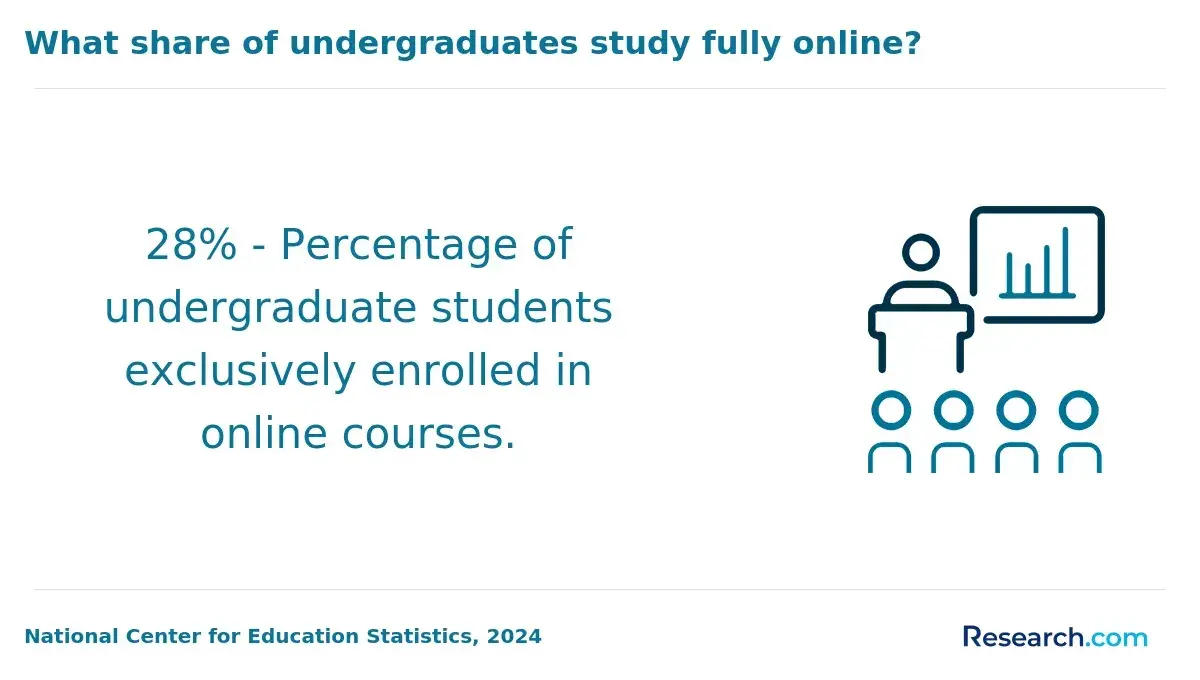
This focus ensures graduates are prepared for the complex challenges of improving health outcomes. Many programs offer traditional on-campus study, but accelerated degrees and online options have become increasingly common, accommodating diverse student needs including working professionals and remote learners.
Programs continuously update content to reflect advances in biomaterials, biomechanics, and medical imaging technologies, aligning education with evolving industry requirements. This ongoing alignment helps students gain relevant skills crucial to healthcare innovation.
Prospective students interested in health-related technical degrees may also explore rn to bsn programs without clinicals, which cater to those seeking nursing advancement through flexible formats.
Overall, a biomedical engineering degree offers a comprehensive biomedical engineering degree overview that equips learners with the knowledge of what you learn in biomedical engineering to succeed at the intersection of engineering and medicine.
What Core Courses Are Included in a Biomedical Engineering Degree?
Evaluating a biomedical engineering program requires a clear understanding of the core biomedical engineering courses that build essential skills and knowledge. These foundational classes are critical for students to progress successfully through their degree and enter the workforce prepared.
Below is a breakdown of essential classes in biomedical engineering degree programs that help develop both engineering expertise and biological insight.
- Biology, Physiology, and Anatomy: These courses provide foundational knowledge about the human body and its systems, enabling students to understand biological processes and how they relate to health and disease. This foundational knowledge is crucial for applying engineering solutions in healthcare.
- Biomechanics: This class focuses on the mechanical principles of living tissues and organs, preparing students to analyze physical forces and motions in biological systems. It aligns with industry expectations for designing supportive medical devices.
- Biomaterials: Students learn about materials compatible with biological tissues, which is key for developing implants and prosthetics that interact safely with the human body.
- Medical Imaging: This course teaches methods and technologies used to capture images of the human body, essential for diagnostic and therapeutic applications.
- Mathematics and Computational Methods: Subjects such as calculus, differential equations, and programming are essential for modeling complex biological processes and designing medical devices accurately.
- Medical Instrumentation and Signals and Systems: These classes equip students with knowledge to develop, analyze, and improve diagnostic and therapeutic equipment, meeting practical healthcare technology needs.
- Laboratory Work and Design Projects: Hands-on labs and projects simulate real-world biomedical engineering challenges, helping students integrate theory with practice and improve problem-solving skills.
Understanding what core biomedical engineering courses cover is vital for students aiming to fulfill industry requirements and excel in healthcare technology roles.
Prospective students exploring related fields can also consider paths through a medical assistant program as an accelerated option to enter healthcare support roles while considering advanced engineering studies.

What Specializations Are Available in a Biomedical Engineering Degree?
Specializing within a biomedical engineering degree enables students to customize their learning to align with distinct career goals and industry demands.
With employment in this sector expected to grow by 8% from 2022 to 2032 according to the U.S. Bureau of Labor Statistics, gaining expertise in a focused area can set graduates apart in a competitive market.
The following specializations represent key fields where biomedical engineers can build in-depth knowledge and advance professionally.
- Bioinstrumentation: Concentrates on creating devices that track and diagnose health conditions, including advanced imaging tools and biosensors. Careers in this specialization typically involve medical device manufacturing and clinical engineering roles.
- Biomechanics: Applies engineering concepts to biological systems, aiding in the design of prosthetics, orthopedic devices, and rehabilitation technologies. This area merges mechanics with human physiology to enhance patient mobility and recovery.
- Biomaterials: Focuses on developing materials compatible with the body to improve implants, tissue scaffolds, and drug delivery mechanisms. This specialization is vital for innovations in regenerative medicine and implantable technologies.
- Medical Imaging: Centers on techniques such as MRI, CT, and ultrasound to improve diagnostic accuracy and drive the development of new imaging technologies.
- Systems Physiology: Utilizes computational models to decipher complex biological functions, supporting advancements in pharmaceutical research and personalized treatment approaches.
How Long Does It Take to Complete a Biomedical Engineering Degree?
Choosing a biomedical engineering degree involves weighing factors like time investment, financial costs, and career objectives. The length of a program is a crucial consideration for students planning their education and professional path.
Below is an overview comparing typical completion times for various degree formats to help clarify those commitments.
- Traditional full-time: Usually completed in about four years, this format provides a steady pace with a balanced course load. Students engage deeply in core engineering, biological sciences, and specialized biomedical topics, making it ideal for those who can dedicate themselves fully to study.
- Part-time: Extending to six years or longer, part-time programs cater to individuals juggling work, family, or other responsibilities. These allow fewer courses each term for flexibility but require a longer overall timeline to complete degree requirements.
- Accelerated: Designed for driven students, accelerated tracks can finish in around three years by compressing coursework, often including summer sessions. This pace demands exceptional time management and commitment for those eager to enter the workforce quickly.
- Online: Offering flexible scheduling, online programs range from mirroring traditional timelines to self-paced progression. This option suits remote learners or those needing to balance education with other aspects of life.
When discussing the duration of completing a biomedical engineering degree, a recent hybrid program graduate shared valuable insights. He recalled, "Balancing in-person labs with online lectures was challenging but ultimately rewarding."
He emphasized that managing time between asynchronous study and scheduled hands-on sessions required consistent discipline. The flexibility helped him navigate unexpected work demands, yet there were moments when the mix of formats felt overwhelming.
Reflecting on the experience, he noted that success came from adapting to the hybrid structure and staying focused despite the varied pace. His journey underscores how program length intertwines with personal circumstances and learning styles, influencing the overall time to degree completion.
What Technical Skills Do Students Gain in a Biomedical Engineering Program?
Developing technical expertise is central to biomedical engineering programs, equipping graduates to innovate in healthcare technology and medical device industries.
These competencies are vital as the U.S. Bureau of Labor Statistics projects a 6% employment growth in biomedical engineering from 2022 to 2032, reflecting ongoing demand.
The following skills demonstrate the core abilities students acquire to meet industry needs effectively.
- Computer-aided design (CAD): Students gain proficiency in CAD software to create precise models of prosthetics and implants, enhancing customization and product design accuracy.
- Programming languages: Knowledge of MATLAB, Python, and similar languages enables data processing, biological system simulations, and development of analytical tools used in research and clinical settings.
- Laboratory techniques: Hands-on experience with biomaterials testing and tissue engineering methods prepares students for experimental work and material evaluation in medical applications.
- Signal processing: Skills in interpreting medical images and physiological signals support diagnostic tool development and patient monitoring technologies.
- Control systems: Understanding control theory aids in designing devices such as pacemakers and automated drug delivery systems, crucial for patient care automation.
What Soft Skills do Biomedical Engineering Students Develop?
Soft skills play a vital role in complementing the technical expertise biomedical engineering students gain. These abilities help bridge the gap between complex engineering tasks and real-world applications, ensuring graduates thrive in multidisciplinary environments.
Below is a closer look at some essential soft skills cultivated during a biomedical engineering program.
- Communication: Being able to articulate intricate scientific ideas clearly is crucial when collaborating with healthcare professionals, regulatory agencies, and peers. Strong communication skills ensure smooth knowledge transfer and effective teamwork across diverse disciplines.
- Teamwork: Biomedical engineering projects often require coordinated efforts among engineers, clinicians, and researchers. Developing the capability to collaborate effectively nurtures innovation and drives project success in areas like medical device creation and clinical research.
- Problem-solving: Tackling unforeseen technical challenges demands critical analysis and innovative thinking. Students learn to identify problems quickly and generate practical solutions, often working within constraints such as limited resources or time.
- Critical thinking: Evaluating data and methods rigorously promotes evidence-based decisions that enhance safety and efficiency in healthcare technologies. This skill minimizes errors and fosters thoughtful innovation grounded in scientific principles.
- Adaptability: Rapid advances in technology and evolving regulations require flexibility. Students build resilience to navigate change and continuously update their skills, positioning themselves for long-term career growth in a dynamic field.
When asked about her experience, a professional who completed a biomedical engineering degree shared how these soft skills shaped her career journey. She recalled a particularly challenging internship where unexpected technical setbacks forced her team to rethink their approach frequently.
"It was a steep learning curve," she explained, "but the collaboration and open communication we practiced made all the difference." She noted that refining her problem-solving and adaptability during those intense moments boosted her confidence and prepared her to handle future projects with agility.
Reflecting positively, she emphasized that the critical thinking nurtured throughout her education helped her advocate for data-driven solutions while maintaining flexibility. These experiences, she said, directly contributed to her professional success and ongoing advancement in biomedical engineering.
Do Biomedical Engineering Programs Include Internships or Co-ops?
About 70% of biomedical engineering programs in the United States incorporate internships or cooperative education (co-op) experiences as a key part of their curriculum.
These practical opportunities are designed to connect theoretical learning with real-world applications, often taking place in medical device companies, research laboratories, hospitals, or biotech firms.
Depending on the program, such experiences may be mandatory or optional-some require students to complete at least one internship or a series of shorter industry placements. These work terms usually last from a few months to an entire academic semester and can be either paid or unpaid, based on the employer and location.
Participating in internships or co-ops allows students to apply technical knowledge acquired in the classroom to authentic professional environments, sharpening skills in areas such as biomedical instrumentation, biomaterials, and regulatory compliance.
These placements also help develop essential soft skills like communication, teamwork, and problem-solving, which are crucial for career advancement.
Additionally, students gain valuable networking opportunities by connecting with professionals and mentors, enhancing their understanding of workplace culture and career options.
Many students find these experiences instrumental in clarifying their career goals and increasing confidence, ultimately boosting their readiness for full-time employment after graduation.
Are Certifications Included in a Biomedical Engineering Curriculum?
Professional certifications can significantly complement a biomedical engineering degree by validating specialized skills and enhancing career readiness. These credentials often reflect industry standards and may give graduates a competitive edge in the job market.
While certifications are valuable, their inclusion within biomedical engineering certification programs varies and typically depends on the academic institution and program structure.
Most biomedical engineering degree programs do not formally incorporate certifications such as Certified Biomedical Equipment Technician (CBET) into the core curriculum. Instead, students usually pursue these certifications independently, either during or after completing their degree.
To support certification efforts, some programs offer optional workshops, seminars, or partnerships with industry, but these are generally not mandatory. Students interested in augmenting their education with certifications can benefit from internships, professional organizations, or online resources.
For those seeking flexible options in related areas, a low-cost medical coding and billing online program may serve as a practical complement.
Integrating certifications with degree studies aligns well with the growing demand for biomedical engineers skilled in both foundational knowledge and recognized professional credentials, as emphasized in biomedical engineering certification programs.
What Types of Jobs Do Biomedical Engineering Graduates Get?
Exploring top biomedical engineering careers is essential for students considering this degree, as it helps clarify the diverse opportunities available and align education with professional goals.
The U.S. Bureau of Labor Statistics projects a 6% employment growth for biomedical engineers from 2022 to 2032, reflecting steady demand fueled by advancements in medical technology and an aging population. This positive outlook makes it important to understand the typical job roles graduates might pursue.
Biomedical engineering job prospects span multiple industries, including healthcare, manufacturing, research, and technology development. Graduates apply their interdisciplinary skills to innovate and improve medical solutions in various settings.
Below are common career paths for graduates in this dynamic field:
- Biomedical Engineer: Designs and develops medical devices such as prosthetics, diagnostic equipment, and imaging technologies. These engineers work closely with healthcare providers and manufacturers to create effective, safe medical products.
- Clinical Engineer: Supports hospital teams by maintaining, optimizing, and ensuring compliance of medical equipment. Their role is critical in health settings to uphold patient safety and operational efficiency.
- Research Scientist: Works in research institutions or biotech companies focusing on medical technology innovation. This role involves applying engineering and biological principles to develop new treatments and technologies.
- Quality Assurance Specialist: Ensures that medical devices and products meet stringent safety and quality standards. They often collaborate with regulatory agencies and oversee testing protocols within production environments.
- Product Designer: Creates and refines medical products by combining engineering knowledge with user-centered design. Their work enhances the usability and functionality of new healthcare technologies.
Graduates develop strong problem-solving skills, understanding of biology and electronics, and proficiency with design and simulation software. These competencies prepare them for interdisciplinary teamwork across healthcare, regulatory, and private sectors.
Students interested in healthcare careers may also explore related pathways such as the cheapest online acute care nurse practitioner programs to complement their biomedical expertise or broaden their professional options.
How Much Do Biomedical Engineering Degree Graduates Earn on Average?
Understanding the average salary for biomedical engineering graduates helps prospective students evaluate the return on investment of their degree, balancing educational costs with future earning potential.
Entry-level biomedical engineers in the U.S. typically start with salaries ranging from $60,000 to $70,000 annually, reflecting the demand for their skills in healthcare and technology.
These figures set the stage for exploring how salaries progress over a biomedical engineering degree holder's career.
- Early-career salaries: Graduates often begin in roles related to research and development, medical device manufacturing, or healthcare technology support. These positions generally offer starting salaries between $60,000 and $70,000, providing a solid base as individuals gain practical experience.
- Mid-career potential: As biomedical engineering degree earnings in the US grow with experience, professionals in their mid-career typically earn between $85,000 and $110,000 annually. This increase correlates with greater responsibilities and more specialized technical skills acquired over time.
- Factors influencing earnings: Salaries vary significantly due to industry sector, geographic location, and credentials. For example, those working in pharmaceutical or medical device industries usually command higher pay than peers in academic or government roles.
Overall, the career trajectory of biomedical engineers shows competitive salaries reflecting the field's importance and technological complexity.
For students interested in advancing their qualifications beyond a bachelor's degree, options like a cheapest dnp online program may provide pathways to higher earning potential in healthcare technology and related management roles.
What Graduates Say About Their Biomedical Engineering Degree
- Theo: "The biomedical engineering degree program provided me with a comprehensive understanding of subjects like physiology, materials science, and system modeling. I developed strong problem-solving skills and technical competencies, which have been crucial in my work designing medical devices. Considering the average cost of attendance, I feel the investment was worthwhile given how it accelerated my career growth in the healthcare technology sector."
- Aries: "Reflecting on my biomedical engineering education, the core curriculum deeply integrated biology with engineering principles, which helped me hone analytical thinking and practical lab skills. The program also emphasized teamwork and communication, preparing me well for collaborative projects in the medical research field. Despite the financial commitment, these competencies have significantly expanded my professional opportunities."
- Anthony: "As a graduate of the biomedical engineering program, I appreciate how it balanced foundational coursework with hands-on experience in areas such as biomechanics and biomaterials. The skills I built in data analysis and device prototyping translated directly to advancements in my clinical engineering career. When weighing the average cost of tuition, the degree's impact on my professional development and earning potential made it a smart and strategic choice."
Other Things You Should Know About Biomedical Engineering Degrees
In 2027, programming skills essential for a Biomedical Engineering degree include proficiency in languages such as Python, MATLAB, and R, alongside understanding software tools for bioinformatics and computational modeling. These skills are vital for designing algorithms and analyzing biological data effectively.
Programming skills are increasingly important in biomedical engineering programs. Students typically learn to code in languages like MATLAB, Python, or C++ to analyze data, develop simulations, and control biomedical devices.
Proficiency in programming enhances their ability to design software-integrated medical technologies.
References
- University of Glasgow - Undergraduate study - 2026 Degree programmes A‑Z https://www.gla.ac.uk/undergraduate/degrees/biomedicalengineering/
- Best Biomedical Engineering Courses & Certificates [2025] | Coursera Learn Online https://www.coursera.org/courses
- How many years does it take to complete a biomed/bio engineering bachelor degree? https://www.careervillage.org/questions/488212/how-many-years-does-it-take-to-complete-a-biomedbio-engineering-bachelor-degree
- What is Biomedical Engineering? - School of Biomedical Engineering, Science and Health Systems https://drexel.edu/biomed/resources/what-is-biomedical-engineering/
- Biomedical Engineering Skills https://www.harveybiomedical.in/post/essential-skills-every-biomedical-engineer-must-have-a-job-oriented-guide-for-freshers-in-2026
- Biomedical Engineering | UBC Undergraduate Programs and Admissions https://you.ubc.ca/ubc_programs/biomedical-engineering/
- The Benefits of Pursuing a Biomedical Engineering Degree https://www.honorsociety.org/articles/benefits-pursuing-biomedical-engineering-degree
- Internship Biomedical Engineering (start September 2025) • Sonion https://www.sonion.com/career/internship-biomedical-engineering-start-september-2025/


