
2027 Do Employers Pay for Biomedical Engineering Degrees: Tuition Reimbursement and Sponsorship Options

Co-Founder and Chief Data Scientist
Many prospective biomedical engineering students face the challenge of financing a degree that often costs between $40, 000 and $100, 000. With the average student loan debt surpassing $30, 000 nationally, managing tuition expenses becomes a critical concern. Employers offering tuition reimbursement or sponsorship can substantially alleviate this financial burden, but these options vary widely by industry and company size.
This article explores how employers support biomedical engineering education through financial aid programs, eligibility criteria, and negotiation strategies. Readers will gain insight into leveraging employer benefits to reduce the cost of earning a biomedical engineering degree and minimize student debt.
Key Benefits of Employers Paying for Biomedical Engineering Degrees
- Employers often offer tuition reimbursement for biomedical engineering degrees, reducing the average $60,000 cost and easing the burden of student debt for employees.
- Sponsorship programs can provide direct funding and mentorship, enhancing practical skills alongside academic learning in biomedical engineering fields.
- Financial support from employers encourages employee retention and career advancement, benefiting both the individual and the organization's innovative capacity.
Do Employers Pay for Biomedical Engineering Degrees?
Employer-sponsored education support is a widespread benefit, with about 61% of U.S. employers offering some form of tuition reimbursement or assistance, according to the Society for Human Resource Management (SHRM).
Companies that pay for biomedical engineering education often do so because the degree equips employees with specialized skills crucial in fields like medical devices, biotechnology, and pharmaceuticals.
These sectors rely on innovative engineering to drive product development, making tuition reimbursement a strategic investment to cultivate a skilled workforce capable of handling complex projects and sustaining competitive advantage.
Employer payment trends for biomedical engineering degrees vary significantly depending on the industry, the employee's role relevance, and the company's strategic goals. Positions directly tied to biomedical engineering or research and development are more likely to qualify for tuition support than roles with less connection to these specialties.
Prospective students interested in healthcare education can consider alternative pathways, such as RN to BSN online no clinicals, which may offer different funding opportunities and career advantages.
What Types of Tuition Assistance Do Employers Offer for Biomedical Engineering Degrees?
Employer-sponsored tuition support is an important consideration for professionals pursuing biomedical engineering degrees because it can significantly reduce out-of-pocket education costs and financial risks. These benefits make it easier for students and working professionals to manage expenses while advancing their qualifications and career prospects in this competitive field.
Common employer tuition assistance biomedical engineering degrees include:
- Tuition reimbursement: After completing courses, employers reimburse a percentage of tuition expenses, often up to 100% of approved costs within annual limits. This program is common in tuition reimbursement programs for biomedical engineering students and helps lower the financial burden during degree completion.
- Direct sponsorship: Employers pay tuition fees directly to the educational institution, simplifying payment for employees and ensuring steady support throughout the program.
- Scholarships and grants: Some organizations offer internal scholarships or grants specifically targeting biomedical engineering studies, providing additional financial aid without the need for repayment.
- Loan repayment assistance: Although less common, certain employers assist with paying down student loans taken for biomedical engineering education, further easing long-term financial obligations.
This type of financial support typically applies to coursework and certifications aligned with biomedical engineering.
Meanwhile, those interested in related fields can also explore other resources, like medical billing and coding online schools, for comparable education aid opportunities.
Who Is Eligible for Employer Tuition Reimbursement for Biomedical Engineering Degrees?
Eligibility requirements play a crucial role when planning to use employer tuition reimbursement for a biomedical engineering degree. These rules can determine when you can begin your studies, which programs qualify for funding, and ultimately impact your return on investment (ROI). The common eligibility factors include:
- Employment status: Typically, full-time employees are eligible for tuition assistance, whereas part-time or contract workers may be excluded depending on the employer's policy.
- Tenure requirements: Many companies require employees to complete a minimum length of service before qualifying for education benefits, ensuring a commitment to the organization.
- Relevance to job role: The biomedical engineering degree generally must relate directly to your current position or a defined career path within the company to qualify for reimbursement.
- Academic standards: You often need to maintain a minimum GPA or demonstrate satisfactory academic progress to continue receiving tuition support.
- Approval processes: Pre-approval from managers or HR departments is usually required, making it essential to align your chosen program with company policies before enrollment.
- Ongoing employment commitment: Some employers ask recipients to stay with the company for a specified time after completing the degree to avoid repayment obligations.
For those interested in combining work and study, exploring options such as a healthcare administration degree online may provide alternative pathways or complementary credentials.
How Do Employer Tuition Reimbursement Programs Work for Biomedical Engineering Degrees?
For working professionals considering a biomedical engineering degree, knowing how employer tuition reimbursement programs operate can significantly ease financial burdens. These programs can make continuing education more affordable, but navigating their requirements upfront is crucial to maximize benefits.
Below is an overview of the common elements in such programs:
- Approval Process: Employees usually must obtain prior authorization before enrolling, often submitting a course plan that demonstrates alignment between the degree and their current or future job duties.
- Payment and Reimbursement: Typically, students pay tuition upfront and later file receipts with their employer to receive reimbursement; direct payments to institutions are less frequent.
- Documentation Requirements: Proof of successful course completion, such as transcripts or grade reports, is required to qualify for reimbursement, ensuring progress in the program.
- Reimbursement Limits: Employers commonly set caps on annual or total reimbursement amounts, which often range from $5,000 to $10,000 per year, so it's important to clarify these limits beforehand.
- Academic Performance Expectations: Most programs require maintaining a minimum grade (usually at least a C) to continue receiving benefits, encouraging meaningful achievement.
Are Online Biomedical Engineering Degrees Eligible for Company Sponsorship?
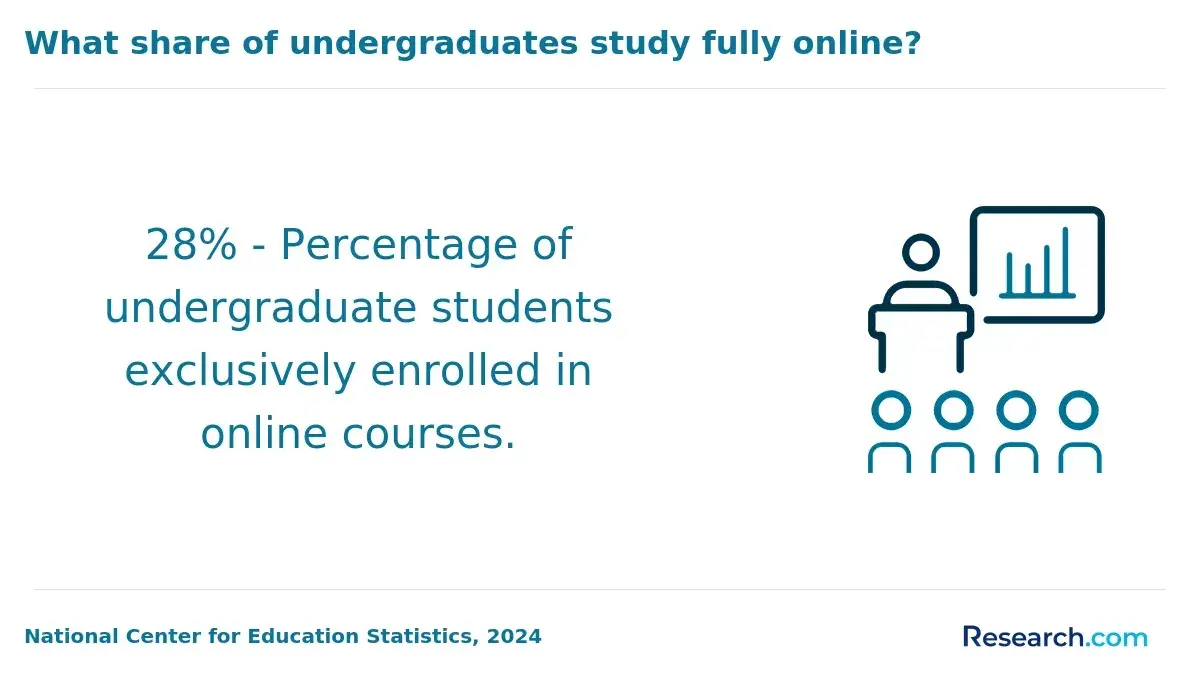
Many employers have become increasingly open to sponsoring online biomedical engineering degrees, reflecting a shift in how online education is perceived compared to previous years. This change is largely due to improvements in program quality and the growing presence of accredited institutions offering virtual learning.
A survey noted that about 70% of employers were willing to support employees pursuing online degrees, signaling a broader acknowledgment of the benefits such programs bring to workforce development and upskilling. Nonetheless, sponsorship is not guaranteed and often varies depending on individual company policies and priorities.
When deciding to fund an online biomedical engineering program, employers commonly evaluate several critical factors. Accreditation is essential, as it ensures the educational experience meets recognized standards. Additionally, the curriculum must directly relate to the employee's current or anticipated job functions, demonstrating clear relevance to the role.
Employers also consider the program's overall rigor and its ability to deliver up-to-date knowledge and skills aligned with industry trends. Finally, the degree should support the company's strategic objectives, such as enhancing innovation or operational efficiencies.
A professional who completed his biomedical engineering degree online through employee sponsorship shared that navigating the approval process was initially daunting. "I had to compile a detailed justification showing how the coursework would directly improve my project contributions," he explained.
"The toughest part was gathering support from my manager and HR to see the long-term value." Despite these challenges, he found that clear communication and demonstrating a direct link between his studies and workplace impact were key to successfully securing sponsorship.
How Much Tuition Reimbursement Can You Get for Biomedical Engineering Degrees?
Tuition reimbursement limits play a significant role in assessing the affordability and return on investment of a biomedical engineering degree by defining the portion of educational expenses an employee can recoup through employer support.
In recent years, about 56% of U.S. employers offered some form of tuition assistance, underscoring its widespread availability. These limits help prospective students understand how much financial relief is realistically possible when pursuing advanced education while working.
Typical employer tuition reimbursement for biomedical engineering ranges from $5,000 to $10,000 per year, with lifetime caps usually between $20,000 and $50,000. These amounts can fluctuate depending on an organization's industry, size, and how closely the degree fits the employee's job role.
Federal tax regulations allow up to $5,250 annually in tax-exempt educational benefits, which often guide employer policies, though such limits do not guarantee tax-free treatment beyond that. Awareness of these financial parameters can impact planning for education funding and career advancement.
Are There Penalties for Leaving an Employer-Sponsored Biomedical Engineering Program Early?
Knowing the potential financial and professional consequences of leaving an employer-sponsored biomedical engineering degree program early is essential for employees considering this educational path. Around 60% of tuition reimbursement programs require employees to commit to a retention period, often including repayment clauses.
The following points highlight typical penalties and considerations to keep in mind before enrolling:
- Tuition repayment obligations: Employees who leave the program before finishing may need to reimburse some or all tuition costs previously covered by their employer. These repayment amounts are frequently prorated, reducing the sum owed as employees approach program completion.
- Service commitment requirements: Many agreements include mandatory employment periods after finishing the degree, usually ranging from one to three years, to ensure employers benefit from their investment.
- Early termination clauses: Leaving the company voluntarily, changing roles, or resigning before fulfilling the service term can trigger repayment demands or other penalties outlined in the contract.
- Effect on future benefits: An early exit might disqualify employees from accessing additional tuition assistance, bonuses, or other company-sponsored educational opportunities in the future.
A professional who completed a biomedical engineering degree through her employer's tuition assistance program shared her experience. She recalled the challenging decision to commit fully to the company's program terms, knowing that early departure would require reimbursing substantial tuition fees.
"I had moments of uncertainty about balancing work, study, and personal life, but understanding the financial stakes made me stay focused," she explained. Her dedication ultimately led to valuable career advancement opportunities within the firm, reinforcing how honoring such agreements can benefit both employee and employer.
She noted, "The program wasn't just financial support; it was a partnership that encouraged me to grow professionally within the company." This example underscores the importance of carefully evaluating all terms before enrolling in an employer-sponsored biomedical engineering degree program.
Can Employer-Paid Biomedical Engineering Degrees Improve Long-Term Earning Potential?
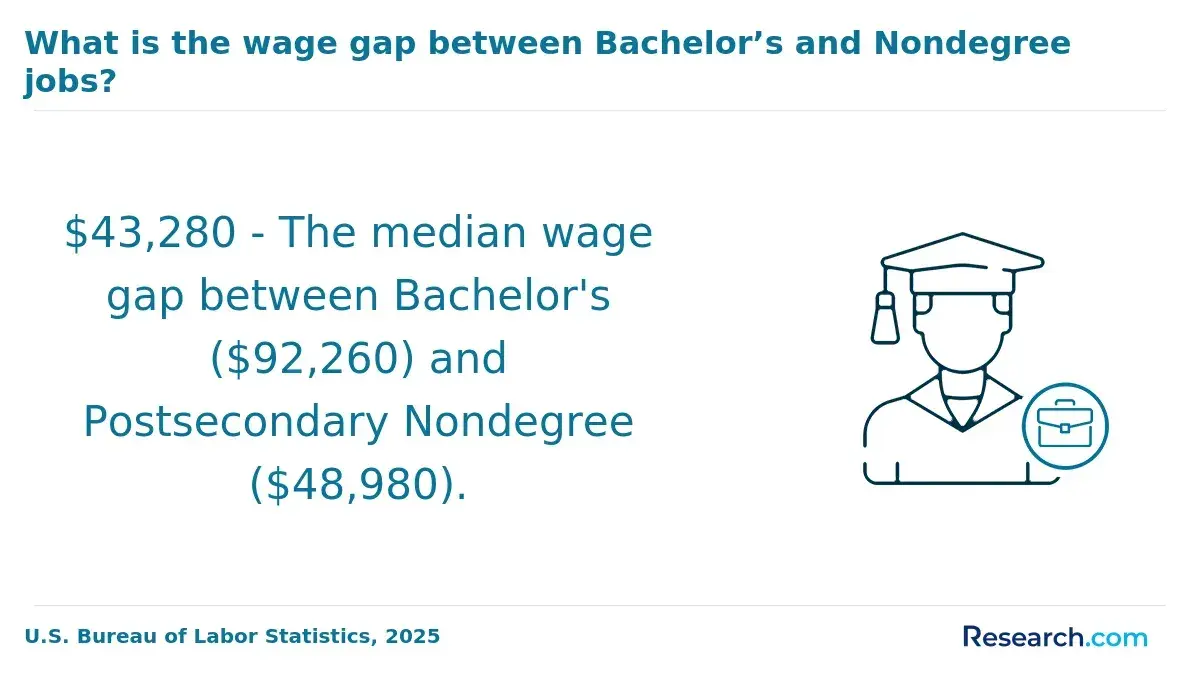
Evaluating the impact of employer-sponsored education on career earnings is crucial for professionals considering advanced studies in biomedical engineering. Research consistently shows that workers with a bachelor's degree or higher earn approximately 65% more over their lifetimes than those with only a high school diploma.
Understanding how employer support can influence career growth and financial outcomes helps individuals make well-informed decisions about pursuing further education. Here are some key facts regarding salary growth:
- Increased Promotion Opportunities: Employer tuition reimbursement for biomedical engineering degrees often leads to faster recognition and advancement within companies. Employees with advanced qualifications are more likely to be considered for leadership roles and project management positions.
- Faster Career Progression: Continuing education supported by employers enables workers to gain critical, up-to-date skills more quickly, accelerating their career trajectory. This helps engineers stay competitive in a fast-changing industry.
- Access to Higher-Paying Roles: Obtaining an employer-paid degree frequently opens the door to positions with greater responsibilities and higher salaries. Specialized knowledge gained through education can position professionals for roles that value advanced expertise.
- Enhanced Skills and Qualifications: Employer-paid biomedical engineering degrees provide not only financial relief but also practical experience and networking opportunities. These elements improve employability and professional growth in a rapidly evolving field.
- Return on Investment: Employer sponsorship reduces the cost burden of education, increasing the return on investment by lowering expenses. It also potentially speeds promotions, making the financial benefits of continued education more immediate and substantial.
For working professionals exploring affordable ways to advance their healthcare education, programs such as the cheapest online nurse practitioner programs provide insight into cost management strategies that can complement employer tuition reimbursement for biomedical engineering degrees.
How Do You Ask Your Employer to Pay for a Biomedical Engineering Degree?
Proactive communication and thorough preparation are essential when asking your employer to pay for a biomedical engineering degree. Many companies offer tuition reimbursement programs, but knowing how to request such requires understanding your organization's policies and aligning your request strategically.
According to the Society for Human Resource Management, about 42% of employers provide some form of tuition assistance, which can significantly reduce your education costs.
Here are practical steps to help you approach this conversation effectively:
- Research Company Tuition Policies: Review your employee handbook or consult human resources to understand the specifics of your employer's education benefits. This knowledge will help you tailor your request and demonstrate that you are informed about available programs.
- Prepare a Clear Business Case: Explain how pursuing a biomedical engineering degree is relevant to your current job or future career growth within the company. Highlight how the new skills will contribute to innovation, efficiency, or competitive advantage, emphasizing the return on investment for your employer.
- Schedule a Formal Meeting: Arrange a dedicated time with your manager or HR representative to present your educational goals and business case confidently. Being professional and prepared shows your commitment and seriousness about the opportunity.
- Demonstrate Program Relevance: Clearly connect your degree coursework and outcomes to your role or department objectives. Employers are more likely to support education that directly benefits the organization.
- Follow Up with Documentation: After the meeting, send a summary email reiterating your request and attach any relevant information, such as course outlines or program costs. This ensures transparency and maintains momentum in the approval process.
For those exploring affordable options alongside employer support, researching the cheapest BSN programs can provide insights into cost-effective pathways and financial planning for healthcare-related education.
What To Do If Your Employer Doesn't Pay for a Biomedical Engineering Degree?
Covering the cost of a biomedical engineering degree without employer assistance requires exploring various alternative funding sources to avoid overwhelming financial strain. With about 85% of full-time undergraduates receiving financial aid, leveraging these resources can significantly alleviate tuition expenses and related costs.
Consider the following effective strategies to help finance your education independently.
- Federal and State Financial Aid: Submit the FAFSA form to access grants, work-study programs, and subsidized loans that can reduce the need for expensive borrowing.
- Scholarships and Grants: Look for awards targeted at biomedical engineering or STEM students, often available through professional organizations and nonprofit groups, to secure funds that don't require repayment.
- Personal Savings and Loans: Carefully allocate your savings toward tuition while managing living expenses, and explore low-interest student loans as a backup option to bridge any funding gaps.
- Income-Share Agreements: Consider agreements where you repay a percentage of future income instead of upfront tuition, providing payment flexibility aligned with your earning potential.
- Part-Time or Online Programs: Enroll in flexible biomedical engineering programs that allow you to work simultaneously, often costing less than traditional full-time degrees and easing the financial burden.
What Graduates Say About Employers Paying for Their Biomedical Engineering Degrees
- Patrick: "The biomedical engineering degree program was quite an investment, with an average cost of around $40,000, but my employer's tuition assistance made it manageable. Thanks to their support, I was able to focus fully on my studies without the stress of financial burden. This sponsorship not only helped me complete my degree but also opened doors to advanced roles within my company. "
- Kathleen: " Covering the cost of my biomedical engineering degree, which hovered near $45,000, felt daunting at first. Reflecting back, I realize how crucial my employer's tuition sponsorship was in turning this challenge into an achievable goal. This backing gave me a chance to elevate my career and contribute more meaningfully to innovative projects in healthcare technology. "
- Danielle: "Investing nearly $42,000 in a biomedical engineering degree was a significant financial commitment, and employer tuition assistance played a pivotal role in offsetting these expenses. Professionally, this degree, supported by sponsorship, has immensely strengthened my credentials and accelerated my progression in the medical device industry. I am grateful for the partnership that made this possible. "
Other Things You Should Know About Biomedical Engineering Degrees
Employers often require conditions for tuition reimbursement or sponsorship, such as working with the company for a set period post-graduation, achieving specific academic performance, or enrolling in programs related to the company's needs.
In 2027, factors such as company policies, budget constraints, employee tenure, and the alignment of the degree with business objectives determine whether employers provide tuition reimbursement for biomedical engineering degrees. Larger companies with dedicated learning programs may offer more comprehensive options.
Employer sponsorship is often available for advanced degrees such as master's or PhDs in biomedical engineering, especially if the employer sees a direct benefit in advanced expertise. The scope and funding amount depend on the company's education assistance policies and the relevance of the degree to the employee's role. Employees considering advanced studies should discuss options with their employers early in the process.
References
- Code of Conduct | 2025 CMBE Conference https://www.bmes.org/2025/cmbeconference/codeofconduct
- Biomedical Engineering Firm License https://www.harborcompliance.com/biomedical-engineering-firm-license
- Biomedical Engineering: Salary, Outlook and Description | McKissock Learning https://www.mckissock.com/blog/professional-engineering/biomedical-engineering-salary-outlook-and-description/
- How to Finance Your Studies in Biomedical Engineering at Leading Universities in the US https://www.incred.com/blog/how-to-finance-your-studies-in-biomedical-engineering-at-leading-universities-in-the-us/
- Companies That Pay For Grad School And MBA Degrees https://www.learnhowtobecome.org/career-resource-center/companies-paying-grad-school/
- Bioengineers and Biomedical Engineers : Occupational Outlook Handbook: : U.S. Bureau of Labor Statistics https://www.bls.gov/ooh/architecture-and-engineering/biomedical-engineers.htm
- Best Tuition Reimbursement Jobs in 2025 https://bold.org/blog/tuition-reimbursement-jobs/
- Biomed 101: Professional Liabilities of a Biomedical Engineering Department - TechNation https://1technation.com/biomed-101-professional-liabilities-of-a-biomedical-engineering-department/
- Tuition Reimbursement for MHA Programs https://www.mhaonline.com/blog/mha-tuition-reimbursement
- Getting Your Employer to Pay for Your Online Masters https://www.onlinemastersdegrees.org/financial-aid/employer-tuition-assistance/


