2027 Which Biomedical Engineering Degree Careers Have the Highest Barriers to Entry?

Co-Founder and Chief Data Scientist
A recent graduate aiming for a biomedical engineering role in medical device design finds the path strewn with stringent prerequisites. Many of these positions demand advanced degrees, specific certifications, and several years of focused industry experience. According to the Bureau of Labor Statistics, employment for biomedical engineers is projected to grow 6% from 2022 to 2032, yet competition remains fierce for specialized areas.
Some career paths are clearly more selective due to licensing norms and evolving technological standards. This article will explore which biomedical engineering degree careers present the highest barriers to entry and clarify what factors raise these challenges.
Key Things to Know About Biomedical Engineering Careers With the Highest Barriers to Entry
- Extensive education, often requiring master's or doctoral degrees, limits entry; 65% of biomedical engineering research roles demand advanced qualifications beyond a bachelor's.
- Highly competitive hiring favors candidates with specialized skills and publications, reflecting stringent selection standards in top industry and academic positions.
- Strict credentialing, including professional certifications and substantial hands-on experience, is mandatory for clinical and regulatory biomedical engineering careers.
Which Biomedical Engineering Careers Are Hardest to Get Into?
Some biomedical engineering careers are widely recognized for their high barriers to entry due to intense selectivity and limited position availability. Acceptance rates for specialized roles can be as low as 10%, with applicant-to-opening ratios often exceeding 10:1, making these fields extremely competitive. These factors contribute to certain paths being notably difficult to break into.
Below are several of the most difficult biomedical engineering jobs to enter, along with reasons for their competitive nature.
- Biomedical Research Scientist: Funding limitations restrict the number of positions available, making this a highly competitive career path. Candidates must often distinguish themselves through exceptional contributions, increasing the difficulty for those entering the field.
- Medical Device Innovation Engineer: Due to its niche focus, this role involves joining small, specialized teams with few openings. The limited availability combined with high interest elevates the barriers for new entrants.
- Clinical Biomedical Engineer: Positions in clinical settings are rare and typically require working closely with healthcare professionals. The responsibility for patient-related equipment and the limited number of hospital roles create a very selective hiring environment.
- Regulatory Affairs Specialist in Biomedical Engineering: Navigating complex regulatory frameworks demands precision and expertise. The scarcity of roles and stringent requirements make entry into these positions especially challenging.
- Academic Biomedical Engineering Faculty: Faculty roles are extremely competitive due to the limited number of tenure-track openings and the global pool of qualified applicants. This makes securing a position especially difficult.
For students interested in related health fields, there are also options such as RN to BSN programs with no clinicals that may offer alternative pathways in healthcare education and careers.
What Academic Requirements Make Biomedical Engineering Careers Harder to Enter?
Academic demands can significantly limit access to biomedical engineering careers, especially where extended education or highly specialized study is necessary. Over 60% of biomedical engineering roles require candidates to hold at least a master's degree, highlighting how advanced education raises the bar for entrants. These rigorous requirements often increase the time and financial investments needed to qualify for many positions within this field.
Several key academic factors contribute to these barriers to entry:
- Advanced Degrees: Many biomedical engineering positions require a master's or doctoral degree, which adds several years beyond a bachelor's degree. This extended education period increases both the cost and commitment required of students.
- Specialized Coursework: Programs typically demand intensive study in areas like biomaterials, biomechanics, medical imaging, or tissue engineering. Mastery of these technical subjects relies on strong foundations in mathematics, physics, chemistry, and biology, making the curriculum more difficult.
- Research Component: Graduate studies often involve conducting original research culminating in a thesis or dissertation. This process requires analytical thinking, perseverance, and advanced knowledge, further intensifying academic challenges.
- Interdisciplinary Study: Biomedical engineering combines engineering principles with the life sciences, requiring students to balance coursework from both disciplines. This integration increases the complexity and workload of the academic program.
- Extended Study Timelines: Some specialized roles, such as clinical engineering or medical device design, may necessitate two to five additional years of graduate study, lengthening the pathway compared to other engineering fields.
What Certifications Are Required for Biomedical Engineering Careers?
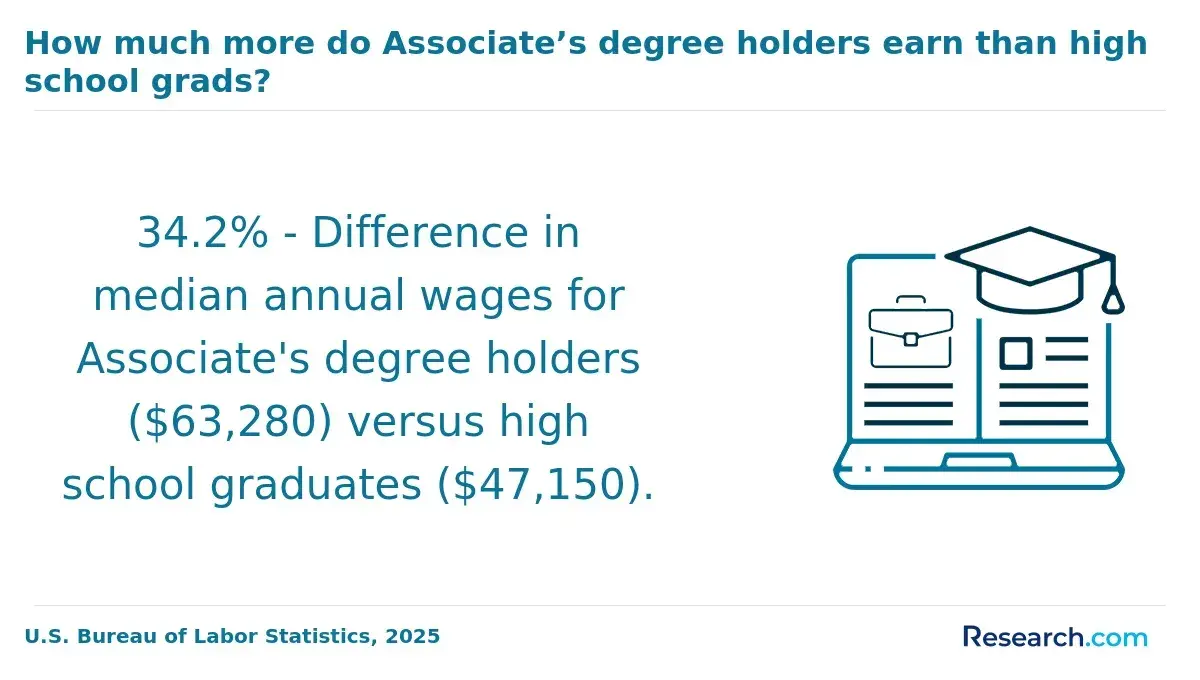
Certifications often act as essential qualifications in specific biomedical engineering careers, serving not only as proof of expertise but also as mandatory credentials for professional practice or specialization. These certifications help regulate who can work in roles demanding strict adherence to industry standards. A survey indicates nearly 70% of advanced biomedical engineering job openings require or prefer candidates with professional licensure or certifications.
Some of the key certifications commonly recognized in the field are outlined below.
- Professional Engineer (PE) License: This credential is critical for biomedical engineers involved in designing and overseeing medical devices and infrastructure. It ensures compliance with safety, ethical, and operational standards, raising the bar for who can legally practice in these roles.
- Fundamentals of Engineering (FE) Exam: Often a prerequisite for the PE license, the FE exam serves as an initial validation of foundational engineering knowledge. It forms the first step in credentialing processes that limit access to advanced responsibilities.
- Certified Biomedical Auditor (CBA): This certification targets professionals focused on quality assurance and regulatory compliance within biomedical engineering projects. It signals specialized knowledge and commitment to maintaining high standards.
- Regulatory Affairs Certification (RAC): Relevant for those working in regulatory roles, the RAC verifies expertise in navigating complex healthcare regulations and ensures professionals are qualified to manage compliance issues effectively.
A biomedical engineering degree graduate shared that obtaining these certifications was a demanding process requiring careful planning and perseverance. He described the licensing exams as "intense and rigorous," emphasizing the pressure of balancing study with professional duties. He also noted that securing certifications felt like crossing a significant threshold: "It was a clear point where I felt recognized as qualified to handle responsibilities that impact patient safety and product reliability." The graduate reflected on how earning these credentials provided both confidence and increased career opportunities, but also involved navigating a sometimes frustrating maze of requirements and waiting periods.
How Much Experience Is Required for Competitive Biomedical Engineering Jobs?
Experience thresholds significantly shape the competitiveness of biomedical engineering careers by filtering candidates for select positions. Employers prioritize individuals with proven practical expertise, which helps narrow applicant pools and aligns talent with the complexity of each role.
Below are typical experience levels that outline how time spent in the field corresponds with increasing job demands:
- Entry-Level: These roles often require little to no hands-on experience, focusing mainly on fundamental knowledge and recent academic background. They serve as an introduction to the field for newcomers.
- Early Career: Positions usually demand one to three years of relevant experience, highlighting some exposure to applied projects or internships that develop basic problem-solving abilities.
- Mid-Level: Candidates with three to seven years of professional experience are preferred, reflecting capability in managing projects independently and collaborating effectively within teams.
- Senior-Level: Jobs at this level often require seven to fifteen years of deep, specialized experience, demonstrating mastered technical skills and leadership qualities.
For many pursuing biomedical engineering careers, understanding the average years of experience needed is vital, especially as the field becomes more competitive. Gaining practical exposure over time is key to meeting these rigorous entry requirements. Those seeking advancement might also explore educational paths like cheap online nursing programs to complement their skills and broaden their qualifications.
What Skills Are Required for High-Barrier Biomedical Engineering Careers?
Careers in biomedical engineering that have high entry barriers demand a blend of specialized and advanced skills, which naturally make these positions more competitive. Studies show that over 70% of employers in related fields prioritize candidates with strong technical expertise and problem-solving abilities, underscoring the need for deep domain knowledge. These skill expectations act as filters, narrowing the candidate pool significantly.
The following key abilities are often essential for success in such demanding roles:
- Systems Integration: Mastery in combining biological, mechanical, and electronic elements into functional medical devices. This requires interdisciplinary knowledge, adding layers of complexity to the work.
- Computational Modeling: Competence in creating precise simulations of biological processes and device operations. High analytical and programming proficiency is critical, raising the difficulty of entry.
- Regulatory Knowledge: Understanding strict healthcare regulations and safety standards that govern device approval. This demands careful legal and procedural awareness, increasing the role's challenge.
- Data Analytics: Skill in managing and interpreting large biomedical datasets to drive innovation. The quantitative nature of this work calls for sharp analytical skills, limiting accessibility to fewer candidates.
When I spoke with a professional holding a Biomedical Engineering degree, she shared how navigating the intricate design process for a novel medical device required not just technical skills but intense attention to regulatory details and cross-disciplinary coordination. "It wasn't just about engineering," she said, "but understanding how every component must align perfectly with safety standards and real-world patient needs." The challenges often felt overwhelming, but mastering these complexities was vital to making a meaningful impact. Her experience highlights the multifaceted skill set needed to thrive in such high-barrier careers.
Do Some Industries Have Higher Barriers to Entry Than Others?
Entry barriers in biomedical engineering careers differ significantly depending on the specific sector. Certain industries naturally enforce more demanding standards due to the critical nature of their work, requiring professionals to meet higher qualifications and face stricter regulations.
Several fields within biomedical engineering stand out for their elevated entry requirements, as outlined below.
- Medical Device Manufacturing: This sector demands compliance with stringent regulatory frameworks and thorough testing to guarantee patient safety. The high stakes involved with product liability lead to cautious industry practices and more rigorous entry conditions.
- Pharmaceutical Development: Creating drug delivery systems involves intense regulatory scrutiny and complex validation processes. The integration of advanced biological and engineering principles heightens the challenges for newcomers.
- Clinical Research: Ethical mandates and stringent adherence to clinical trial protocols add layers of oversight. These factors increase procedural complexity and restrict easy access to this career path.
- Biotechnology: Rapid innovation in this field requires navigating intellectual property rights and fostering multidisciplinary collaborations, both of which present significant challenges for professionals entering the industry.
- Regulatory Affairs: Professionals here must master evolving government policies and submission procedures for approvals. The specialized knowledge required makes entry into this sector particularly demanding.
Do Certain States or Regions Have Stricter Requirements?
Geographic location significantly impacts the entry requirements for biomedical engineering careers. Regional differences in regulatory frameworks and workforce standards can shape the accessibility and complexity of entering various roles within the field. Nearly 40% of U.S. states enforce unique licensure or certification mandates for engineers working in regulated sectors, indirectly influencing biomedical engineering professionals involved in medical device design and clinical practice.
Several regional factors contribute to stricter entry requirements in biomedical engineering careers, including:
- Licensure Variations: State-specific professional licensure laws determine who is authorized to practice engineering in healthcare contexts, with some states imposing more rigorous standards that affect biomedical engineers' eligibility.
- Urban vs. Rural Demand: Metropolitan areas with advanced medical research centers typically enforce tighter entry standards due to higher workforce specialization, while rural regions may allow more flexible qualifications.
- Regulatory Oversight: The intensity of local medical technology and safety regulations varies, with some regions requiring meticulous compliance that elevates entry barriers for professionals in biomedical engineering fields.
- Academic Accreditation Focus: Regional employers may prioritize degrees accredited by specific bodies, creating geographic disparities in the acceptance of educational credentials.
- Interstate Mobility Restrictions: Some states limit the practice of biomedical engineering to residents meeting local licensing and regulatory criteria, complicating professional mobility across state lines.
Regions with concentrated healthcare industries and innovation hubs generally maintain higher entry barriers because of the complexity and risks tied to biomedical engineering roles. In contrast, areas with less emphasis on healthcare technology may offer more accessible pathways into these careers.
How Competitive Is the Hiring Process for Biomedical Engineering Careers?
Competitiveness in the hiring process for biomedical engineering careers is largely shaped by the interplay of applicant volume, role availability, and employer selectivity. The high interest in biomedical engineering results in many more applicants than available positions, especially in the United States, where this imbalance is pronounced. Research shows that application-to-hire ratios in certain biomedical engineering sectors can exceed 20:1, highlighting a highly selective hiring environment. This competitive landscape requires prospective candidates to stand out amid significant competition for limited roles.
This competitiveness creates broader hiring dynamics where selection intensity varies widely across different roles within biomedical engineering. Some positions, particularly those linked to advanced research or leadership, demand exceptional qualifications and involve lengthy evaluation processes. Other roles may offer more accessible entry points but tend to carry lower competitiveness and different career growth potentials. For those seeking to understand how stringent hiring barriers relate to biomedical engineering career trajectories, exploring online self paced college courses can provide valuable insights and preparation.
Which Companies Are Hardest to Get Hired by in Biomedical Engineering Fields?
Certain organizations within biomedical engineering fields are known for their exclusivity, driven by limited job openings, high standards, and strong reputations that attract numerous qualified applicants. Some employers in this sector receive thousands of applications but hire fewer than 5%, highlighting the intense competition for these positions. This level of selectivity characterizes some of the most competitive biomedical engineering jobs in the US.
The following list outlines the types of organizations that generally maintain the highest hiring standards:
- Large Research Institutions: These entities focus on advancing cutting-edge technology, resulting in a limited number of positions and fierce competition among applicants. Their prestige as top biomedical engineering employers with high hiring standards further intensifies this selectivity.
- Highly Specialized Firms: Organizations that concentrate on niche areas of biomedical engineering require very specific skill sets and knowledge, which narrows the pool of qualified candidates significantly.
- Government and Regulatory Agencies: These agencies follow rigorous hiring protocols and uphold elevated benchmarks due to the critical nature of their work, often resulting in prolonged selection processes.
- Top-Tier Medical Device Manufacturers: Known for innovative and high-quality products, these companies attract many skilled applicants but hire only a small percentage who meet their strict performance criteria.
Students interested in entering the field may consider exploring online biology degrees as one educational pathway that can prepare them for challenging biomedical engineering careers.
Do Difficult Biomedical Engineering Careers Lead to Higher Salaries?
Careers in biomedical engineering that have the highest barriers to entry often correspond to greater financial rewards, though this is not a strict rule. Roles requiring extensive expertise, specialized training, or complex research responsibilities typically offer increased compensation. Data suggests that biomedical engineers working in highly specialized fields may earn up to 30% more than those in positions with fewer entry hurdles. This trend highlights how the highest paying biomedical engineering careers with strict entry requirements generally align with elevated salary potential.
Despite this general pattern, the salary impact of challenging biomedical engineering job qualifications varies significantly by role and sector. Some demanding positions with steep entry barriers do not always guarantee top earnings, especially if they serve niche markets or smaller organizations. On the other hand, interdisciplinary or managerial roles with moderate difficulty might provide strong salaries due to leadership duties or market demand. Those exploring career options should also consider broader factors, such as job function and industry trends, alongside barriers, as exemplified by options like the shortest PMHNP certificate program that may affect earning potential differently.
What Graduates Say About Biomedical Engineering Careers With the Highest Barriers to Entry
- Bryson: "Choosing a biomedical engineering degree was a tough decision because of the challenging path it meant ahead, but it ultimately felt like the right choice for me. The rigorous coursework and the need for constant learning pushed me to develop critical thinking and resilience. Now, as a professional, I see that this field's impact is profound, especially in advancing healthcare technology, which motivates me every day."
- Tripp: "Reflecting on my journey, pursuing biomedical engineering was daunting due to the intense competition and technical demands. I made it a priority to gain hands-on experience through internships and research projects, which significantly boosted my chances of entering the career field. The degree not only opened doors but also gave me a unique perspective on the intersection of medicine and engineering."
- Joshua: "From a professional standpoint, the biomedical engineering degree challenged me to master both engineering principles and biological sciences, which isn't easy in a high-barrier profession. Taking proactive steps, like networking with industry experts and joining specialized workshops, helped me stand out. The degree's impact has been evident in my work improving medical devices, and I couldn't be prouder of how it's shaped my career trajectory."
Other Things You Should Know About Biomedical Engineering Degrees
Careers involving the development and testing of medical devices require deep familiarity with regulatory approval processes such as those enforced by the FDA or EMA. Professionals must ensure that designs meet stringent safety and efficacy standards, which adds complexity to the role. This regulatory knowledge often demands specialized training beyond standard biomedical engineering education.
Many of the most challenging biomedical engineering careers involve working closely with medical professionals, biologists, and materials scientists. Effective collaboration across these disciplines is essential to innovate and solve complex health problems. Those unwilling or unable to navigate interdisciplinary environments may find these roles particularly difficult to enter and succeed in.
Certain fields, such as neural engineering or genetic modification technologies, involve heightened ethical scrutiny due to their potential impact on human life and privacy. Professionals in these areas must be well-versed in bioethics and adhere strictly to legal frameworks, adding another layer of expertise necessary to enter these careers.
References
- High-Paying Degrees Spotlight on Biomedical Engineering https://www.goodgoblin.ai/blog/HighPayingDegreesBiomedicalEngineering
- wait...bioengineering not in demand...whatt?? https://talk.collegeconfidential.com/t/wait-bioengineering-not-in-demand-whatt/467206
- Bioengineering Careers – Becoming a Biomedical Engineer https://careersoutthere.com/bioengineering-careers-becoming-a-biomedical-engineer/
- Top 10 biomedical engineering jobs and who's hiring https://joinhandshake.com/blog/students/biomedical-engineering-jobs/
- 15 Best Countries For Biomedical Engineering Jobs in 2026 https://terratern.com/blog/best-countries-for-biomedical-engineering-jobs/
- Hiring a Biomedical Engineer: Job Description, Pay, and More https://insightglobal.com/blog/hiring-a-biomedical-engineer-job-description-pay-and-more/
- The Engineering Companies with the Toughest Interviews - SME Today https://www.smetoday.co.uk/features/the-engineering-companies-with-the-toughest-interviews/
- How to Secure High-Growth Biomedical Engineering Jobs in 2026: A Practical Transition Roadmap - AscendurePro https://ascendurepro.com/biomedical-engineering-jobs/
- Biomedical Engineering: Salary, Outlook and Description | McKissock Learning https://www.mckissock.com/blog/professional-engineering/biomedical-engineering-salary-outlook-and-description/
- Biomedical Engineering Skills https://www.harveybiomedical.in/post/essential-skills-every-biomedical-engineer-must-have-a-job-oriented-guide-for-freshers-in-2026