
2027 Hardest and Easiest Courses in a Biomedical Engineering Degree Program

Co-Founder and Chief Data Scientist
Biomedical engineering students often face challenges balancing complex coursework with practical skill development, affecting graduation rates. Recent data shows that approximately 18% of biomedical engineering undergraduates switch majors or drop out before completing their degree due to course difficulty and time management issues. This trend impacts the availability of skilled professionals in a field expected to grow by 7% over the next decade, creating a workforce gap.
Understanding which courses pose the greatest challenges and which are more manageable can help students plan effectively. This article identifies the hardest and easiest courses in biomedical engineering programs to guide academic success and reduce attrition.
Key Things to Know About the Hardest and Easiest Courses in a Biomedical Engineering Degree Program
- Courses with high content complexity like biomaterials and medical imaging often rank hardest due to advanced mathematics and physics prerequisites.
- Workload and assessment style impact difficulty; project-heavy design courses can challenge time management more than exam-focused classes.
- Students with strong biology backgrounds find physiology easier, while those familiar with programming excel in biomedical instrumentation, reflecting varied learning formats and prior skills.
What are the hardest core courses in a biomedical engineering degree program?
Some core courses in biomedical engineering degree programs are notably tougher due to their technical complexity, intense workload, and the rigorous standards these programs uphold. These challenges can impact academic planning and success, particularly for students aiming to excel in the most demanding biomedical engineering classes. Below is a selection of courses frequently identified as the hardest core biomedical engineering courses.
- Biomaterials: This course demands an understanding of how materials interact with biological systems, requiring knowledge across chemistry, materials science, and physiology, making it highly interdisciplinary and conceptually challenging.
- Biomechanics: Students apply mechanical engineering principles to analyze biological tissues, which involves rigorous quantitative analysis and advanced problem-solving skills.
- Medical Imaging: Covering complex signal processing and computational models, this course is technically intense and requires strong physics and math backgrounds to interpret intricate medical data.
- Systems Physiology: Integrating detailed biological systems with engineering models, this course challenges students with extensive biological information and demands critical thinking alongside memorization.
- Bioinstrumentation: Combining practical lab work with hardware and software design, this course requires hands-on skills and thorough understanding of device engineering to measure physiological data accurately.
Recognizing these difficult biomedical engineering classes can help students better allocate their study time and manage workload expectations. For students interested in advancing in related healthcare fields, exploring accelerated DNP programs may also be beneficial for career progression.
What are the easiest required courses in a biomedical engineering degree program?
In biomedical engineering degree programs, the term "easiest" typically refers to courses that students find more manageable due to their applied content, assessment style, or alignment with prior knowledge. This perception does not reduce the academic value of these courses but reflects differences in workload and learning approaches.
According to a recent survey, around 65% of biomedical engineering students rate courses with project-based assessments as less challenging compared to those with more theoretical content. Below are some commonly identified easier required biomedical engineering courses.
- Biomaterials: Focuses on practical, real-world applications and includes hands-on projects, which help make abstract concepts concrete and easier to grasp.
- Biomedical Instrumentation: Emphasizes laboratory skills and practical use of instruments rather than heavy theoretical study, appealing to students who prefer hands-on learning.
- Medical Imaging Basics: Introduces foundational imaging principles with supportive visual content, which aids comprehension by reducing abstract complexity.
- Physiology for Engineers: Builds on existing biology knowledge with moderate technical demands, making it easier for students with prior life sciences exposure.
These core biomedical engineering classes with low difficulty often feature project-based grading, reduced mathematical complexity, and strong connections to real-world applications, helping students grasp concepts more effectively. Students planning their academic path might also explore faster pathways related to healthcare, such as pursuing a medical assistant certification to complement their skillset and career options.

What are the hardest elective courses in a biomedical engineering degree?
The hardest electives in biomedical engineering programs are those often seen as more demanding due to advanced subject matter, significant workload, and cumulative exams or projects. These courses require strong technical skills and the ability to synthesize knowledge from multiple disciplines. Below are several electives frequently recognized for their difficulty.
- Biomedical Signal Processing: This course requires mastering complex mathematical techniques and algorithms to interpret physiological data, demanding proficiency in both biology and digital signal processing.
- Medical Imaging Systems: Students must grasp various imaging technologies like MRI and CT scanners, along with the underlying physics and computational methods, making the coursework highly challenging.
- Tissue Engineering: Combining knowledge of cell biology, material science, and mechanical engineering, this class often involves hands-on lab work and extensive project development focused on creating functional biological tissues.
- Biosensors and Bioinstrumentation: This course emphasizes designing and testing sensitive devices that detect biological signals, requiring expertise in electronics, chemistry, and biology along with practical skills in instrument fabrication.
- Computational Modeling in Biomedical Engineering: Involving the construction and analysis of complex biological system models, this elective is demanding due to its heavy focus on programming, mathematical modeling, and system integration.
These electives stand out because of their rigorous technical content, high standards for independent work, and extensive project demands, all of which can increase students' workload and stress. Adequate preparation and time management are essential for success in these challenging courses.
What are the easiest electives in a biomedical engineering degree program?
The term "easiest" in biomedical engineering electives commonly points to courses viewed as more approachable due to lighter workloads, hands-on content, or assessment methods that emphasize projects and participation over exams. These classes often attract students aiming to maintain balance or explore topics that are less technically demanding.
Below are some electives frequently regarded as more manageable:
- Introductory Medical Imaging: This course emphasizes applied learning through projects involving medical imaging technology, making complex theory more accessible and relatable.
- Biomedical Instrumentation Lab: Featuring practical experiments with clear, performance-based grading, this lab minimizes heavy mathematics and provides tangible results for assessment.
- Human Physiology for Engineers: Designed to cover biological principles in an intuitive way, it leverages prior knowledge from foundational science classes to ease comprehension.
- Technical Communication in Biomedical Engineering: With a focus on writing and presentations, this elective offers flexible assignments that prioritize clear expression rather than deep technical detail.
- Ethics in Biomedical Engineering: Centered around discussions and case studies, this course replaces traditional testing with reflective essays and interactive debates, making it more accessible for many students.
A graduate of a biomedical engineering degree shared his perspective on choosing electives: "I sought courses that allowed me to apply what I'd already learned without added stress." He recalled how selecting project-driven courses helped him stay engaged while managing his overall workload.
He mentioned feeling less overwhelmed in classes where clear expectations were set, particularly appreciating when grades reflected consistent effort over single exams. His experience underscored how strategic elective choices can impact both academic performance and confidence throughout the degree journey.
Which biomedical engineering classes require the most technical skills?
Biomedical engineering courses with high technical skill requirements often involve hands-on work, advanced software, and complex problem-solving. Over 65% of students in biomedical engineering degree programs report needing proficiency in tools like MATLAB, CAD modeling, or data analysis platforms to excel in these challenging classes. This highlights the importance of strong foundations in math, physics, biology, and programming.
Several courses stand out as the most demanding technical classes in biomedical engineering degree curricula:
- Biomechanics: This course applies mechanical principles to biological systems, requiring students to use simulation software to analyze forces and movement within tissues and organs.
- Biomedical Instrumentation: Students learn to design and operate medical devices involving circuit design, sensor integration, and signal processing, often working with specialized lab equipment and software.
- Medical Imaging: Focused on imaging methods such as MRI and CT scans, this course demands strong data analysis and image processing skills using MATLAB or Python libraries to interpret complex medical images.
These technical classes exemplify the integration of theoretical knowledge with practical application, helping students prepare for the advanced challenges in biomedical engineering. For those exploring options beyond engineering-heavy programs, the cheapest medical billing and coding program offers a less technical alternative while remaining in the healthcare field.
Are writing-intensive biomedical engineering courses easier or harder?
Writing-intensive biomedical engineering courses often increase perceived difficulty due to the combined demand of mastering complex technical concepts and meeting rigorous writing requirements.
In fact, nearly 65% of engineering students report that writing workload adds significant stress, especially when balancing lab reports, research papers, and design documentation. This impact of writing load on biomedical engineering class performance is a key consideration for students planning their studies.
Several factors contribute to whether these courses feel harder or easier. Consider the following:
- Time Management: Students must dedicate sufficient time not only to understand technical material but also to drafting, revising, and polishing written assignments, which can extend overall workload significantly.
- Research Requirements: Effective biomedical engineering writing demands integration and critical analysis of interdisciplinary scientific literature, which adds complexity beyond standard coursework.
- Assessment Style: Courses that emphasize multiple drafts and provide feedback can reduce anxiety and improve writing skills, while those grading mainly final submissions may increase pressure and perceived difficulty.
- Prior Writing Experience: Students with previous writing practice often feel more confident tackling assignments, which helps lessen stress and improves performance in writing-intensive biomedical engineering courses.
- Dual Skill Demands: The need to simultaneously develop advanced technical understanding and precise scientific communication makes these courses uniquely challenging but valuable for professional development.
Students seeking to balance the rigorous writing demands within biomedical engineering programs can explore resources to support their academic success. For example, some may consider online nursing programs or related degree options to complement their skills and workload management strategies.
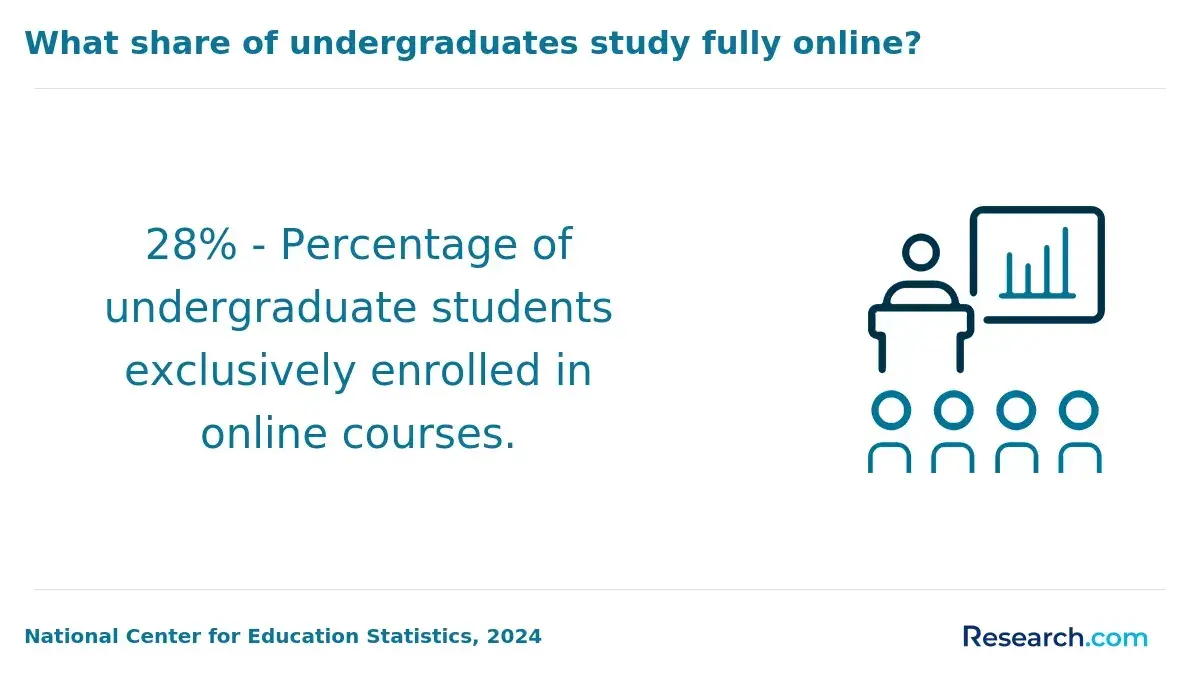
Are online biomedical engineering courses harder than on-campus classes?
The format of biomedical engineering courses can shape how difficult students find them, with roughly 65% of students reporting comparable satisfaction between online and in-person options, though completion rates tend to dip slightly for online classes. Various factors contribute to these differences in challenge and experience.
Key elements influencing course difficulty include:
- Self-Discipline Demands: Online learners need strong time management and motivation since they navigate studies without a fixed daily schedule, which can challenge some students more than the structured campus environment.
- Instructor Interaction: On-campus students benefit from quick, face-to-face guidance, whereas online students must depend on digital communication, often causing delays in receiving feedback or clarification.
- Resource Availability: Physical labs and equipment access on campus provide hands-on experience, while remote students usually rely on virtual labs or simulations, which can feel less tangible and sometimes restrict practical learning.
- Learning Flexibility: Online courses let students set their own pace and study times, easing stress for some, but also opening the door to procrastination and potential time management pitfalls.
- Assessment Formats: Tests in online settings often shift toward open-book or project-based evaluations instead of traditional timed exams, changing how students prepare and demonstrate understanding.
When asked about her experience, a graduate of an online biomedical engineering program reflected on the balance of challenges and opportunities. She recalled struggling initially with maintaining focus without in-person accountability but found that creating a personalized weekly routine eventually made the coursework manageable.
"The flexibility was a double-edged sword," she explained, noting how it allowed her to pursue internships and part-time jobs simultaneously. The limited hands-on lab work required her to be inventive, using available virtual tools and supplementary resources to grasp complex concepts. Despite these hurdles, she appreciated the growth in her self-motivation and time management skills, emphasizing that the experience, while different from on-campus studies, prepared her well for a dynamic career in biomedical engineering.
How many hours per week do students spend on biomedical engineering courses?
Students pursuing biomedical engineering typically dedicate about 20 to 30 hours weekly to their studies, which aligns with the general guideline of two to three hours of outside work per credit hour. Many engineering students report average study times near 25 hours per week, though this can vary based on course type and format, with online or hybrid classes often requiring more independent effort.
Several factors influence how much time students spend on biomedical engineering coursework each week, including:
- Course Level: Higher-level classes generally demand more time due to their advanced topics and complex projects, increasing study and preparation hours.
- Technical Intensity: Courses that include lab experiments or computer modeling require additional hands-on time outside of lectures to master practical skills.
- Writing Requirements: Assignments such as research papers and detailed reports add significant outside reading and drafting time, extending weekly commitments.
- Learning Format: Students engaged in online or hybrid courses often need stronger time management skills and may spend more time independently reviewing materials compared to in-person settings.
- Student Background: Prior familiarity with foundational subjects like math and biology impacts how quickly students assimilate new information, influencing the overall hours needed to stay on track.
Do harder biomedical engineering courses affect GPA significantly?
Course difficulty and GPA are closely linked concerns for students pursuing biomedical engineering degrees, with studies indicating that advanced biomedical engineering courses often have an average GPA 0.3 points lower than introductory classes.
This trend highlights the real impact of challenging biomedical engineering courses on GPA and the importance of understanding the demands these courses impose. Several factors contribute to how harder biomedical engineering classes affect academic performance.
Key reasons explaining the effects include:
- Grading Rigor: Higher-level courses commonly demand deeper conceptual understanding and prioritize project-based evaluation over traditional exams, leading to stricter grading standards.
- Assessment Structure: These courses replace simpler tests with complex assignments, extensive lab work, and design projects that require significant technical skill and time commitment, increasing the challenge of achieving top grades.
- Course Sequencing: Advanced courses rely heavily on foundational knowledge, so students with weaker preparation from earlier classes often experience greater difficulty and lower grades in subsequent courses.
- Student Preparation: Strong background knowledge and disciplined study habits are crucial, as inadequate preparation can lead to underperformance even in moderately difficult classes.
- GPA Weighting Policies: Some biomedical engineering programs apply credit hour weighting or grade scaling systems, which means lower grades in more difficult classes can disproportionately reduce overall GPA.
Prospective and current students should consider these influences when planning their academic workload. For those exploring options to continue their studies or enhance credentials in related fields, programs like the cheapest DNP program online may provide alternative pathways to success.
Do harder biomedical engineering courses lead to better job opportunities?
Students commonly link more demanding biomedical engineering courses with improved job prospects, as these courses are thought to cultivate stronger technical abilities and demonstrate commitment.
A survey of biomedical engineering employers revealed that 68% favored applicants who completed advanced or challenging coursework related to their field. This connection indicates a trend where course difficulty can impact employability, although it is not the only factor considered.
Several aspects explain how enrolling in tougher biomedical engineering classes might affect career opportunities:
- Skill Development: Difficult courses require grasping complex theories and applying them practically, which sharpens problem-solving skills and technical expertise that employers highly value.
- Employer Perception: Successfully completing rigorous classes signals discipline and perseverance, traits that recruiters in competitive sectors like biomedical engineering appreciate.
- Internships and Project Exposure: Advanced coursework often includes labs, design projects, or research tasks, offering hands-on experience that better prepares students for real-world job demands.
- Specialization Signaling: Challenging courses frequently align with niche focus areas, allowing students to showcase specialized knowledge in segments such as biomaterials or medical imaging, enhancing their attractiveness to employers.
- Long-Term Career Growth: Early engagement with tough subjects builds a foundation for continuous learning and skill enhancement, supporting progression into senior technical roles or management positions.
What Graduates Say About the Hardest and Easiest Courses in a Biomedical Engineering Degree Program
- August: "The blend of challenging and easier courses in my online biomedical engineering program was an eye-opener. While the tough subjects like biomaterials pushed my limits, the more engaging classes kept me motivated throughout. Considering the average cost of around $30,000, I found the investment worthwhile as it significantly boosted my career opportunities in medical device design."
- Freya: "Balancing the demanding courses with the straightforward ones in my online biomedical engineering degree was tough but rewarding. The cost was steep-almost $35,000-but the comprehensive curriculum equipped me with skills that have been invaluable in my bioinformatics role. Reflecting on my experience, the variety in course difficulty helped me develop both resilience and confidence."
- Martin: "My online biomedical engineering degree included a mix of hard and easy courses that perfectly complemented each other. Although tuition costs reached roughly $32,000, the knowledge gained directly impacted my ability to innovate in my professional career. I appreciated the program's flexibility, which allowed me to pace myself and succeed in both challenging and manageable classes."
Other Things You Should Know About Biomedical Engineering Degrees
Yes, students can enhance academic value by engaging in additional projects, seeking real-world applications, and actively participating in class discussions. Pairing easier courses with mentor-led study groups or research opportunities further enriches learning and boosts comprehension.
While some biomedical engineering courses are relatively less challenging, most still require consistent effort to master the material. Fundamentals like introductory biology or basic engineering principles may be easier but demand regular study and good attendance. Underestimating these courses can hinder academic progress and preparation for advanced coursework.
References
- Biomedical Engineering https://www.canterbury.ac.uk/study-here/courses/biomedical-engineering-beng
- Online vs. On-Campus: Which Mode of Learning Is Best for You? https://www.onlinemastersdegrees.org/student-resources/which-mode-of-learning-is-best/
- What Is Biomedical Engineering? https://www.mtu.edu/biomedical/department/what-is/
- Planning to major in engineering https://talk.collegeconfidential.com/t/planning-to-major-in-engineering/1926020
- What's it really like to study biomedical engineering? https://study.uq.edu.au/stories/what-is-it-really-like-to-study-biomedical-engineering-at-uq
- How hard is it to get a job with a degree in biomedical engineering #Spring25? https://www.careervillage.org/questions/1080789/how-hard-is-it-to-get-a-job-with-a-degree-in-biomedical-engineering-spring25
- Biomedical Engineering BEng https://www.ucl.ac.uk/prospective-students/undergraduate/degrees/biomedical-engineering-beng
- Top Skills You Need for a Career in Biomedical Engineering https://kahedu.edu.in/top-skills-you-need-for-a-career-in-biomedical-engineering/


