
2027 Biomedical Engineering Degree Programs for Career Changers

Co-Founder and Chief Data Scientist
Imagine a mid-career professional in mechanical engineering aiming to shift into biomedical engineering but uncertain about how to leverage existing skills in a new, specialized field. This uncertainty is common among adult learners transitioning to biomedical engineering, a sector expected to grow 10% by 2032, faster than average for all occupations. The blend of engineering principles with medical sciences demands focused retraining, often challenging for those balancing work and study. This article explores biomedical engineering degree programs tailored to career changers, providing insights on efficient paths, skill integration, and employment outcomes to help readers confidently navigate this transition.
Key Things to Know About Biomedical Engineering Degree Programs for Career Changers
- Biomedical engineering degree programs often offer flexible scheduling and online or hybrid formats, accommodating working adults balancing career and study commitments.
- Programs emphasize employer-relevant skills, with curricula aligned to industry demands, enhancing job placement rates, which rose by 15% in biomedical engineering over the past five years.
- Accelerated pacing options and dedicated support services, such as career counseling and tutoring, improve retention and success for adults transitioning into biomedical engineering careers.
What Biomedical Engineering Programs Accept Career Changers?
Programs in biomedical engineering designed for working adults or those seeking a career change offer adaptable pathways that accommodate nontraditional students and professionals. Nearly 40% of graduate engineering students are adult learners or career changers, reflecting the increasing demand for programs that fit diverse educational backgrounds. These biomedical engineering degree programs for career changers provide opportunities to build foundational knowledge and swiftly transition into specialized fields.
Four common types of biomedical engineering programs that accept career changers include:
- Master's Degree Programs: These often allow enrollment without an undergraduate engineering degree by requiring prerequisite coursework, combining theoretical knowledge with practical labs to ease the transition.
- Online or Hybrid Graduate Programs: Tailored to working professionals, these offer flexible study options so students can balance coursework with career and family obligations.
- Certificate Programs: Focused and shorter in duration, certificates help career changers acquire essential biomedical engineering fundamentals before pursuing a full degree.
- Accelerated or Bridge Programs: Integrating undergraduate and graduate studies, these programs emphasize skill transfer and practical application, specifically aimed at students switching fields.
These programs emphasize practical curricula and flexible learning paths for smoother biomedical engineering admissions for nontraditional students. Working professionals may also explore options similar to DNP online programs for insight into flexible healthcare-related education pathways.
What Biomedical Engineering Specializations Are Best for Career Changers?
Selecting the right biomedical engineering specialization is crucial for career changers, as it influences the transfer of existing skills, access to job opportunities, and long-term professional growth. Specialties in medical device design and development are seeing a 7% annual hiring increase, highlighting strong demand in health technology fields. Below are four top specializations ideal for professionals transitioning into biomedical engineering.
- Medical Device Design: This field suits those with mechanical or electrical engineering backgrounds by leveraging their existing design and prototyping expertise. It offers smooth skill transfer and access to growing opportunities in health technology.
- Biomaterials: Professionals from chemistry or materials science can easily enter this specialization, focusing on creating compatible materials for implants and prosthetics. It provides career mobility by bridging materials innovation with biomedical applications.
- Rehabilitation Engineering: Ideal for those with healthcare or physical therapy experience, this area emphasizes assistive technologies that enhance patient mobility. It allows career changers to apply their healthcare knowledge in engineering contexts.
- Systems Physiology Engineering: A good fit for individuals familiar with biology or data analytics, this specialization involves modeling physiological systems and developing wearable monitoring devices. It opens pathways to roles combining biology insights with engineering skills.
These biomedical engineering degree specializations for career changers present clear routes to leverage prior expertise while adapting to evolving industry demands. Adult learners interested in financial support options might consider exploring medical billing and coding financial aid resources to ease educational transitions. Choosing any of the best biomedical engineering focus areas for professional transitions can support a confident and efficient shift into this dynamic sector.
What Are the Admission Requirements for Career Changers Applying to a Biomedical Engineering Program?
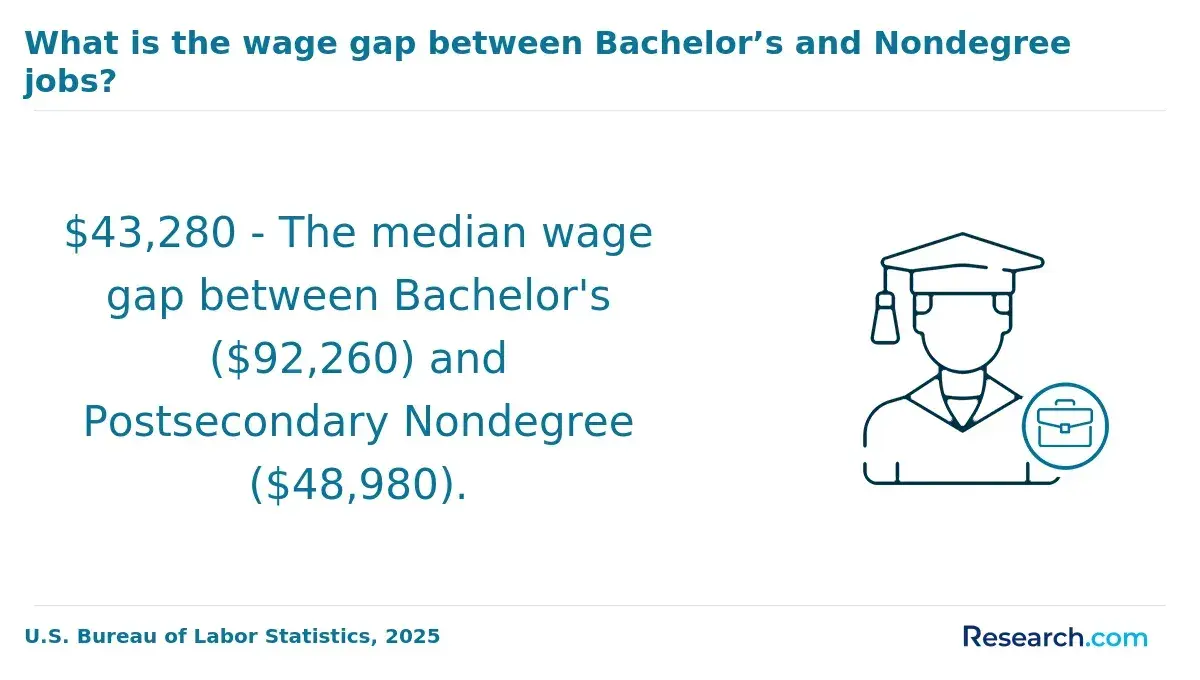
Career changers pursuing a biomedical engineering program face unique admission challenges due to varied academic and professional backgrounds. Approximately 40% of higher education enrollments come from adult learners, underscoring the need for adaptable admission pathways. Below are key admission requirements that can guide working professionals in navigating the process successfully.
- Prerequisite Courses: Most programs require completion of foundational courses in biology, chemistry, physics, and mathematics. These prerequisites ensure that nontraditional students possess the essential knowledge to succeed in advanced biomedical engineering studies.
- Bachelor's Degree: A completed bachelor's degree is typically necessary but need not be in engineering. Applicants with degrees in diverse fields, including healthcare or technology, may qualify, especially when combined with relevant experience.
- Transferable Skills: Admissions committees often value skills such as problem-solving, project management, and technical expertise developed in previous careers, which can strengthen an application through a holistic review process.
- Flexible Scheduling: Many programs offer part-time, evening, or online classes to accommodate working professionals balancing their education with employment. This flexibility supports a smoother transition into the field.
- Alternative Pathways: Post-baccalaureate programs, certificate courses, and foundational classes are designed to prepare students who lack an engineering background, providing multiple routes to meet academic standards.
This approach to admission makes biomedical engineering accessible for career changers by recognizing their prior accomplishments and offering tailored pathways. For those exploring options beyond traditional engineering degrees, programs like the cheapest medical billing and coding program may provide additional career opportunities and credentials.
Understanding the career changer admission requirements for biomedical engineering programs and the prerequisites for biomedical engineering master's degree for nontraditional students can help adult learners plan their academic journey effectively.
What Is the Coursework for a Biomedical Engineering Degree for Career Changers?
For individuals shifting careers, it's vital to grasp how biomedical engineering coursework addresses their unique needs by integrating new concepts with existing knowledge. The structure and content often prioritize flexibility and hands-on learning, enabling career changers to manage challenges effectively. The key areas of study typically include:
- Fundamental Engineering: This covers essential subjects like physics, math, and materials science, tailored to establish a strong technical foundation while accommodating varied backgrounds.
- Biological Sciences: Courses focus on anatomy, physiology, and molecular biology, helping learners understand complex biological systems relevant to engineering applications.
- Bioinstrumentation and Devices: Practical lessons guide students in designing and utilizing medical tools that interact directly with the human body.
- Biomechanics and Biomaterials: This explores mechanical properties of biological tissues and the creation of materials compatible with living systems.
- Systems and Signal Processing: Instruction includes computational techniques for analyzing biological signals and developing imaging technologies, often supported by flexible delivery formats.
A professional who completed an online biomedical engineering degree shared that balancing coursework with work and family was taxing, yet the modular design made it manageable. "I often had to focus late at night, but knowing the program was structured to support professionals like me kept me motivated." He noted that experiencing real-world projects remotely helped him connect theory with practical challenges. "At times, I questioned if the technical aspects would overwhelm me, but consistent support and accessible resources made all the difference." This experience underscores how well-crafted biomedical engineering coursework can help career changers build confidence while navigating a demanding transition.
What Biomedical Engineering Program Formats Are Available for Career Changers?
Career changers benefit from selecting biomedical engineering programs that accommodate their existing schedules and commitments. Nearly 40% of postsecondary students are adult learners, highlighting the rising need for flexible educational options. The following formats are commonly designed to support working professionals seeking a smooth transition into this field.
- Part-Time Programs: These allow students to enroll in fewer courses each term, enabling them to balance full-time employment or personal duties while steadily advancing toward their degree.
- Online Degree Programs: Featuring asynchronous coursework, these programs eliminate location-based barriers and let learners study at convenient times and their own speed.
- Hybrid Programs: By combining remote learning with occasional on-campus classes, hybrid formats offer both direct faculty interaction and the flexibility of virtual study.
- Evening and Weekend Classes: Tailored to working adults, these schedules align with typical work hours and provide real-time, in-person engagement with instructors.
Choosing a program that aligns with one's lifestyle supports continuous professional growth while acquiring critical biomedical engineering knowledge.
What Skills Do Career Changers Gain in a Biomedical Engineering Program?
Skill development plays a crucial role for career changers aiming to enter biomedical engineering, especially as 87% of workers agree that continual reskilling is essential to stay competitive in fast-changing industries. Building relevant competencies allows adult learners to confidently navigate new challenges and sustain growth in their careers. Below are five core skills typically acquired through a biomedical engineering program.
- Technical Proficiency: Students integrate engineering fundamentals with biology and medicine, equipping them to design and refine medical technologies. This breadth of knowledge is vital for applying engineering solutions to healthcare problems effectively.
- Problem-Solving Ability: The field demands innovative approaches to complex health issues, enhancing critical thinking and adaptability which are indispensable for transitioning careers.
- Data Analysis Skills: Training in statistical techniques and computational tools enables graduates to interpret biomedical datasets, supporting informed decisions and advancing research efforts.
- Communication Skills: Professionals learn to articulate intricate technical details clearly to varied audiences, fostering teamwork and collaboration with clinicians, researchers, and stakeholders.
- Project Management: Overseeing interdisciplinary projects develops organizational and leadership capabilities that drive successful outcomes and career progression.
When I spoke with a career changer who completed a biomedical engineering degree, she described navigating the program as both demanding and rewarding. "Initially, balancing technical coursework with my previous experience felt overwhelming, but I soon realized how much my prior skills complemented new learning," she said. She highlighted that managing multidisciplinary projects and communicating complex ideas to nonengineers were particularly challenging yet invaluable. "Those experiences built my confidence," she shared, "and helped me see myself not just as a learner but as a contributor in this field." Her journey illustrates how acquiring these skills makes career pivots achievable and fulfilling.
How Much Does a Biomedical Engineering Degree Cost for Career Changers?
For career changers, assessing the total cost of a biomedical engineering degree is critical, given the financial and time commitments alongside existing responsibilities. Graduate education expenses can range from $20,000 to over $60,000, while the average student loan debt for graduate borrowers in the U.S. exceeds $66,000, underscoring the need for strategic financial planning for adult learners. Below are the primary cost components to consider.
- Tuition and Fees: This is typically the largest expense and varies widely based on institution type and residency status. In-state public universities tend to offer more affordable rates, whereas private or out-of-state programs are more costly. Many programs catering to working professionals include part-time or online options to help manage these costs.
- Textbooks and Materials: Costs for required textbooks, software licenses, and lab manuals can add up over the course of a biomedical engineering program. Exploring used books or digital resources can help reduce expenses for career changers.
- Technology and Lab Expenses: Biomedical engineering curricula often involve specialized lab equipment and software. Fees for access, maintenance, or personal equipment can increase overall costs and should be factored into budgeting.
- Travel and Residency Fees: Some programs require on-site lab participation or residencies, which may involve travel, accommodation, and meal expenses. Working professionals should evaluate the frequency and location of in-person commitments when selecting affordable biomedical engineering programs for working professionals.
- Living Expenses and Opportunity Costs: Changes in work hours or relocating to attend classes full time can affect income and living costs. Income loss can sometimes surpass direct program expenses, so career changers should factor these indirect costs into decisions.
- Financial Support and Cost-Saving Opportunities: Employer tuition assistance programs, scholarships targeting adult learners, and accelerated degree tracks can substantially alleviate the financial burden. Some employers offer flexible schedules or funding for employees pursuing a degree, making career shifts more viable.
To explore related affordable options in healthcare education, consider reviewing affordable accredited healthcare administration degrees that also serve working professionals seeking advanced degrees.
How Does a Biomedical Engineering Curriculum Support Career Transitions?
Curriculum design plays a critical role in supporting career changers seeking to enter biomedical engineering. It must cater specifically to the unique needs of adult learners by combining practical knowledge with flexibility and skill development. The following aspects explain how a biomedical engineering curriculum facilitates smooth transitions for professionals.
- Applied Learning Integration: The curriculum emphasizes bridging theoretical concepts with practical biomedical applications. This approach ensures learners build competencies directly relevant to industry demands and real-world healthcare challenges.
- Transferable Skills Development: Programs intentionally cultivate analytical thinking, problem-solving, and interdisciplinary collaboration. These skills help professionals from diverse backgrounds adapt effectively within biomedical engineering environments.
- Flexible Pacing: Recognizing busy schedules, many curricula offer part-time, evening, or online options. This flexibility accommodates adult learners balancing education with professional and personal responsibilities.
- Real-World Projects: Hands-on experience through labs and internships simulates workplace scenarios and connects students to industry contacts. These opportunities increase job readiness and confidence in new career paths.
- Competency-Based Assessments: Incremental evaluations build self-assurance as learners demonstrate mastery step-by-step. This method supports continuous growth and readiness for biomedical roles.
Career changers exploring this field benefit from understanding the broad range of skills gained from biomedical engineering programs for professionals. For those concerned about affordability while pursuing such transitions, it can be helpful to review options such as the cheapest DNP online program as part of broader educational budgeting considerations.
What Careers Can Career Changers Pursue With a Biomedical Engineering?
For professionals switching careers, knowing the range of roles available with a biomedical engineering degree is crucial for making informed decisions. The U.S. Bureau of Labor Statistics forecasts a 7% growth in biomedical engineering jobs from 2022 to 2032, reflecting strong market demand. Below are common career avenues suited to those entering this field.
- Medical Device Design: This role involves developing and refining healthcare equipment, where skills in problem-solving and design thinking are valuable. Career changers with prior experience in technical design or product development can adapt effectively to these responsibilities.
- Regulatory Affairs: Professionals ensure biomedical products meet government regulations, making this path suitable for those familiar with compliance, quality assurance, or policy enforcement. The role leverages attention to detail and knowledge of regulatory frameworks.
- Clinical Engineering: Managing and maintaining medical technologies in clinical settings requires both technical expertise and interpersonal skills. Those with backgrounds in engineering or healthcare support can transition smoothly into this position.
- Research and Development: Innovating in areas like biomaterials or diagnostic tools involves scientific investigation and experimentation. Individuals with research experience or scientific training find this path aligns well with their skill sets.
- Healthcare Technology Consulting: Advising organizations on medical technology implementation calls for strong analytical abilities and communication skills. Career changers versed in business strategy or tech advisory roles often excel in this field.
What Is the Average Salary After Earning a Biomedical Engineering Degree as a Career Changer?
Salary expectations play a significant role for career changers investing time and resources in earning a biomedical engineering degree. Research indicates that professionals who reskill into this field can see median income increases of approximately 20% within five years of graduation. Below are key factors influencing compensation in biomedical engineering careers.
- Entry-Level Salaries: Starting pay typically ranges from $60,000 to $75,000 annually, depending on the specific role and employer.
- Experienced Engineers: With several years of technical expertise, salaries often rise to between $85,000 and $110,000, influenced by specialization and responsibilities.
- Industry Impact: Sectors such as medical device manufacturing generally offer higher wages compared to academic or research positions.
- Advanced Credentials: Holding graduate degrees or professional certifications can considerably boost earning potential and open doors to leadership roles.
- Prior Work Experience: Candidates transitioning from related fields may command starting salaries above average entry-level figures due to transferable skills and domain knowledge.
What Graduates Say About Their Biomedical Engineering Degrees for Career Changers
- Jaz: "Deciding to switch careers into biomedical engineering was both thrilling and daunting for me. The cost of the program, averaging around $40,000, felt like a big investment but was well worth it given the practical skills and opportunities I gained. Completing my degree opened doors in biotech, and I now feel equipped to contribute meaningfully to medical technology innovation."
- Aries: "After years in a different field, I chose to pursue a biomedical engineering degree to align my work with my passion for healthcare. Reflecting on the financial commitment-close to $35,000 in tuition-I appreciate the value it brought, especially since it facilitated my smooth transition into a rewarding career. The rigorous coursework refined my technical abilities and boosted my confidence in this new professional chapter."
- Anthony: "Changing careers to biomedical engineering was a strategic move, and I approached it with a clear understanding of the costs involved, typically about $37,500. The investment was justified by the advanced knowledge and extensive network I gained through the program. This degree significantly accelerated my career growth, enabling me to work on cutting-edge medical devices that impact lives positively."
Other Things You Should Know About Biomedical Engineering Degrees
Career changers pursuing a biomedical engineering degree in 2027 typically need a solid foundation in mathematics, physics, and life sciences. Bridging courses or preparatory programs in these subjects can be essential to meet program entry requirements and ensure a smooth transition.
Biomedical engineering programs in 2027 address technological advancements by integrating courses on emerging technologies, offering hands-on lab experiences, and collaborating with industry partners. This ensures career changers gain up-to-date skills and insights to navigate the field's evolving landscape effectively.
Some programs may grant credit for relevant work experience or previously earned certifications, but this varies widely by institution. Career changers should consult admissions advisors to evaluate whether their experience can reduce course load or be recognized in any capacity.
References
- Your degree in Biomedical Engineering https://students.ubc.ca/career/your-degree/engineering/biomedical-engineering/
- What are the Specialization Areas? https://engineering.catholic.edu/biomedical/what-is-biomedical-engineering/specialization-areas/index.html
- Biomedical Engineering https://www.torontomu.ca/calendar/2025-2026/programs/feas/biomedical_eng/
- 5 Things I Wish I Knew Before Studying Biomedical Engineering - HealthAnalyticInsights https://healthanalyticinsights.com/
- Biomedical Engineering Sample Degree Plan https://gsbs.utsouthwestern.edu/programs/biomedical-engineering/bme-core-degree-plan.html
- Website navigation https://www.imperial.ac.uk/study/courses/undergraduate/2026/biomedical-engineering/
- Understanding the Salary Landscape of Biomedical Engineers - Oreate AI Blog https://www.oreateai.com/blog/understanding-the-salary-landscape-of-biomedical-engineers/c3b08a6b86aa7e19c4cfd1071c3e7db9
- Areas of Specialization in Bioengineering https://navigate.aimbe.org/why-bioengineering/areas-of-specialization-in-bioengineering/
- Quantic https://quantic.edu/blog/2021/08/30/how-to-advance-your-career-as-a-biomedical-engineer/
- Professional services https://www.strath.ac.uk/studywithus/subjects/biomedicalengineering/


