
2027 Return on Investment (ROI) of a Biomedical Engineering Degree Program

Co-Founder and Chief Data Scientist
Choosing to invest time and money in a biomedical engineering degree often raises concerns about job security and salary prospects. Many students worry if the substantial educational costs will translate into sufficient income once employed.
According to the U. S. Bureau of Labor Statistics, employment of biomedical engineers is projected to grow 7% through 2032, faster than the average for all occupations. This article examines the return on investment of a biomedical engineering degree, analyzing education costs, job market trends, and salary data to help readers make informed decisions about their future in this evolving field.
Key Things to Know About Biomedical Engineering Degree ROI
- Biomedical engineering graduates have a median starting salary of approximately $65,000, with potential growth exceeding 5% annually as they gain specialized skills and experience.
- The field offers diverse career advancement opportunities in healthcare, research, and medical device industries, promoting long-term job stability amid rising demand for innovation.
- Flexibility across sectors such as biotechnology, pharmaceuticals, and healthcare technology enables professionals to adapt to evolving markets, enhancing overall return on investment.
How Is ROI Calculated for a Biomedical Engineering Degree Program?
Return on investment (ROI) in higher education measures the financial benefits a student gains from earning a degree relative to the costs and time invested. This metric helps prospective students compare whether pursuing a biomedical engineering degree offers worthwhile returns compared to alternative educational or career paths.
Several key factors play a role in calculating the ROI for a biomedical engineering degree program investment analysis. These include:
- Tuition and fees: This covers all direct costs such as tuition, mandatory fees, and educational materials. These represent the primary financial investment that students must fund either through savings or loans.
- Opportunity cost: The time dedicated to completing the degree results in income foregone from full-time employment. This lost earning potential during study is a critical component in determining total economic cost.
- Time to completion: The length of the degree program affects overall expenses and how soon graduates can start earning a professional salary. Programs taking longer increase both direct and opportunity costs, influencing ROI.
- Post-graduation salary: Expected earnings after finishing a biomedical engineering program directly impact ROI by determining how quickly students can recoup education expenses and build financial gains.
- Career growth and long-term earnings: Potential for promotions, salary increases, and job stability within biomedical engineering contribute to ROI by enhancing lifetime earning prospects beyond initial salaries.
When evaluating options, it can be helpful to consider related pathways, such as online RN to BSN programs without clinical requirements, which may offer different cost and time commitments. Understanding these factors assists in calculating ROI of biomedical engineering degree programs in comparison to alternatives.
How Much Does a Biomedical Engineering Degree Program Cost?
Accurately assessing the return on investment for a biomedical engineering degree requires a full understanding of the program's total cost. In recent years, graduate tuition in the U.S. rose by nearly 3%, while many students carried average debt burdens above $40,000, highlighting the need to examine all financial aspects.
Below are major expenses influencing the overall investment.
- Tuition and fees: These are typically the largest initial outlay and can vary widely depending on whether the school is public or private, as well as the student's residency status.
- Books and materials: Costs for specialized textbooks, necessary software, and lab equipment may total several hundred to a few thousand dollars each year.
- Living and relocation expenses: Housing, transportation, and daily costs fluctuate greatly by geographic location and individual lifestyle choices, adding significantly to the financial commitment.
- Opportunity cost: Full-time study often means reduced earnings from employment during the program, a factor sometimes overlooked but important for realistic ROI calculations.
- Hidden or indirect costs: Fees like health insurance, technology charges, and student activity fees accumulate over the course of the degree and increase overall spending.
One biomedical engineering graduate I spoke with recalled, "Balancing expenses was tougher than I expected. Beyond tuition, finding affordable housing near campus forced me to adjust my budget constantly."
He described how managing opportunity costs was "a real challenge," as working fewer hours while studying stretched his savings. "It wasn't just about what I paid upfront, but what I delayed earning," he explained. This firsthand perspective emphasizes the complex financial picture behind the degree's cost.
What Financial Aid Is Available for Biomedical Engineering Degree Programs?
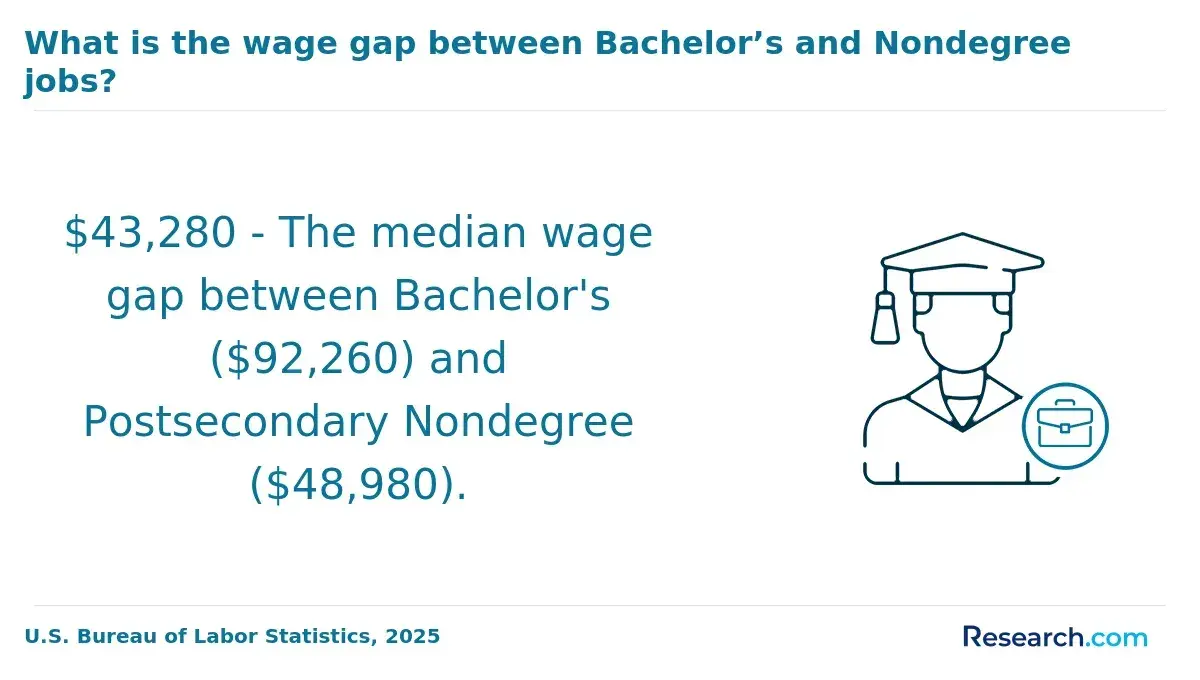
Financial aid can significantly reduce the initial expenses associated with pursuing a biomedical engineering degree, thereby enhancing its long-term return on investment by minimizing debt burdens. Recent data show that approximately 85% of U.S. graduate students utilize some form of financial support to manage education costs effectively.
Below are common financial aid options that contribute to lowering overall costs and improving financial outcomes for biomedical engineering students:
- Scholarships: These merit- or need-based awards provide funding that doesn't need to be repaid, directly lowering tuition expenses and reducing the total amount of student debt, which helps increase ROI.
- Grants: Typically awarded based on financial need, grants cover tuition, fees, or living costs without repayment obligations, further decreasing the net cost of the degree.
- Fellowships: Competitive and often including stipends or tuition waivers, fellowships relieve financial pressure, allowing students to focus on their studies while accruing less debt.
- Employer tuition assistance: Some companies offer reimbursement programs for tuition, enabling students to offset education expenses while continuing to earn an income, positively impacting ROI.
- Federal student loans: Although these loans require repayment with interest, they usually have lower rates and flexible repayment plans, making them a more manageable borrowing option compared to private loans when other aid is limited.
How Long Does It Take to Complete a Biomedical Engineering Degree?
The duration needed to complete a biomedical engineering degree directly influences the return on investment due to opportunity costs, delayed earning potential, and accumulating education expenses. The longer a student is enrolled, the greater the tuition and living costs, while postponing entry into the workforce impacts income generation.
Several critical factors affect how quickly students can finish their degree and thus improve or reduce ROI.
Key influences on completion time include:
- Enrollment status: Those studying full-time typically graduate sooner, while part-time students may extend their education timeline, increasing total costs and deferring salary earnings.
- Program format: Accelerated or online options often allow students to finish faster by offering flexibility and intensive coursework, enhancing ROI through earlier employment.
- Transfer credits: Students with applicable prior credits can bypass introductory courses, shortening their path to graduation and reducing overall expenses.
- Practical experiences: Internships and thesis projects can prolong study duration but often provide valuable skills and networking, potentially increasing future salary and job stability.
- Course scheduling: Flexible class times enable balancing work and school, though this may extend time to degree completion, affecting short-term financial returns.
When I spoke with a biomedical engineering graduate about her journey, she emphasized how balancing an intensive schedule and part-time work shaped her timeline. "I initially underestimated how demanding the lab sessions and group projects would be alongside my job," she explained.
Though it took just over five years, she felt the extended time was worthwhile, especially because the internships she completed during summer breaks led directly to job offers. Reflecting on her experience, she said, "The time commitment was tough, but gaining hands-on skills made the delay valuable in the long run."
This perspective highlights how individual paths and choices influence not just the duration but the overall value derived from completing a biomedical engineering degree.
Is ROI Higher for Online or On-Campus Biomedical Engineering Programs?
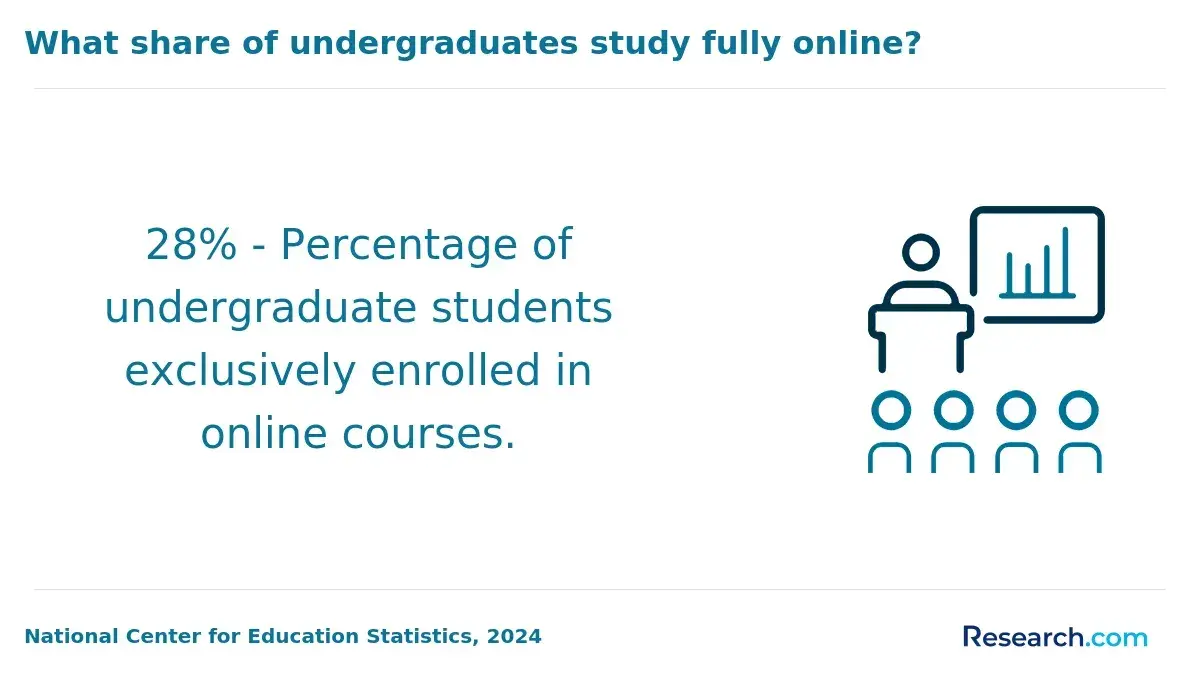
The return on investment (ROI) for online versus on-campus biomedical engineering programs differs mainly because of variations in cost, flexibility, and career outcomes. In fact, a 2023 National Center for Education Statistics report shows that approximately 40% of graduate students take at least one online course, highlighting the growing acceptance and adoption of remote learning.
These factors influence the overall financial and professional benefits students can expect.
Key comparison points include:
- Tuition and fees: Online biomedical engineering program ROI comparison reveals that online options generally come with lower tuition and fees, which reduces student debt and upfront expenses significantly.
- Opportunity cost: Online degrees offer the flexibility to work while studying, minimizing income loss compared to traditional on-campus programs where full-time attendance might be required.
- Time to completion: Many online programs provide accelerated or part-time options that allow students to complete their degree faster or more conveniently, impacting overall costs and earnings.
- Networking and career services: On-campus biomedical engineering returns may benefit from stronger face-to-face connections and institutional career support, which can enhance job placement and growth opportunities.
- Employer perception and long-term earnings: Although some employers still prefer traditional degrees, the gap is closing as online program quality and acceptance improve over time.
For those considering a degree with flexible learning formats, exploring related options such as medical billing and coding online schools may also provide insights into cost-effective pathways with strong career outcomes.
What Is the Average Salary After Earning a Biomedical Engineering Degree?
Post-graduation salary is a key driver of the return on investment (ROI) for those who earn a biomedical engineering degree, as it determines how quickly graduates can repay educational costs and achieve financial stability. On average, biomedical engineering salary ranges between $65,000 and $100,000 annually in the United States, influenced by various factors.
Several elements affect these salary outcomes and overall ROI for biomedical engineering graduates:
- Industry: Fields like medical device manufacturing and pharmaceuticals generally offer higher salaries than academic or government research positions, impacting financial returns.
- Geographic Location: Urban and technology hubs such as California or Massachusetts typically provide greater compensation due to high demand, though living expenses also tend to be higher.
- Prior Experience: Internships or relevant work experience during studies can lead to improved starting salaries, accelerating ROI and career advancement.
- Specialization: Expertise in niche areas like biomaterials or systems engineering often commands premium pay within the biomedical engineering degree salary outlook.
- Career Level: Entry-level salaries are generally lower, but mid-career professionals with advanced skills see notable salary growth, enhancing long-term ROI.
For those exploring educational options, identifying the easiest BSN program may complement career planning in healthcare fields, offering additional paths to timely employment.
Does a Biomedical Engineering Degree Lead to Promotions?
Promotions play a crucial role in improving the return on investment (ROI) of a biomedical engineering degree by bringing salary increases, expanded job responsibilities, and enhanced career mobility. The evolving workforce increasingly favors credential-based promotion, where advanced degrees are often required for leadership and specialized positions.
Here are key ways a biomedical engineering degree can influence promotion opportunities and contribute to stronger financial returns:
- Credential Requirements: Many employers set minimum education standards for managerial or senior technical roles, making the degree essential for advancement beyond entry-level positions.
- Leadership Preparation: The degree offers specialized coursework and project experience designed to develop leadership skills, preparing graduates for higher-level responsibilities.
- Tuition Support: Holding a biomedical engineering degree may qualify students for employer tuition assistance programs, reducing the financial burden and encouraging continued education.
- Internal Policies: Organizations often have promotion protocols favoring candidates with advanced degrees, which aligns well with those holding this degree.
- Experience Synergy: While relevant work experience remains important, combining it with a biomedical engineering degree can significantly amplify career advancement potential.
Career advancement opportunities with biomedical engineering degree credentials demonstrate how education and experience together boost prospects. For those considering their education pathways, exploring options like an online nursing program may also offer viable routes to professional growth and ROI in healthcare fields.
Which Industries Offer the Best ROI for Biomedical Engineering Graduates?
The return on investment (ROI) for biomedical engineering graduates varies by industry due to differences in salary levels, career advancement opportunities, and demand for specialized skills. Industries with strong technical focus and innovation often offer the highest paying biomedical engineering industries, combining competitive compensation with long-term job stability.
Several sectors stand out for offering especially strong ROI for biomedical engineering graduates:
- Medical Device Manufacturing: This sector features significant salary growth and frequent promotions driven by ongoing innovation and strict regulatory demands, providing a lucrative career path.
- Pharmaceuticals and Biotechnology: Demand for biomedical engineering skills in drug development and clinical trials keeps employment stable and encourages career development, ensuring rewarding paths for professionals.
- Healthcare Technology and Services: The rapid expansion of digital health and medical imaging technologies maintains sustained demand, offering strong compensation and opportunities to enhance specialized skills.
- Research Institutions and Academia: Although initial salaries may be moderate, career growth through grant-funded projects and leadership roles supports a valuable ROI by developing niche expertise.
- Regulatory and Quality Assurance: Specialized expertise in compliance and safety leads to premium pay and career stability, reflecting the critical nature of these roles in biomedical products.
For those pursuing advanced degrees, exploring affordable options can also improve overall ROI. Prospective students interested in continued education may consider finding the cheapest DNP programs online to complement their biomedical engineering background and expand career possibilities.
Does Accreditation Affect ROI for a Biomedical Engineering Degree?
Accreditation for biomedical engineering degree programs involves an independent review to verify that the curriculum, faculty, and facilities meet established quality standards. This validation assures employers that graduates possess relevant and up-to-date skills, which is increasingly important as employers prioritize candidates from accredited programs to reduce hiring risks.
Furthermore, many specialized roles in biomedical engineering require licensure, which often depends on graduating from an accredited program, reinforcing the value of accreditation for career eligibility and advancement.
The long-term return on investment of an accredited biomedical engineering degree is enhanced by several factors. Graduates from accredited programs typically benefit from stronger employer trust, leading to improved job opportunities and potentially higher salaries.
Accreditation also allows access to federal financial aid, reducing the initial financial burden, and facilitates credit transfer between schools, aiding those pursuing further education. Additionally, it qualifies students to sit for professional licensing exams and supports greater career flexibility across states and organizations, all contributing to sustained financial and professional gains over time.
Is a Biomedical Engineering Degree Worth It?
Evaluating the return on investment for a biomedical engineering degree depends on several financial and professional factors. Graduates typically start with salaries ranging from $65,000 to $75,000 annually, with potential for growth as they gain experience and advance into higher roles.
The overall cost includes tuition, fees, and living expenses over a multi-year program, which can vary widely. Programs that offer accelerated or part-time schedules may reduce time to degree completion, thus lessening financial strain and allowing students to enter the workforce sooner.
Whether this degree is worth pursuing hinges on individual circumstances and broader market forces. Strong industry demand, with projected employment growth of about 7% over the next decade, generally supports positive job prospects.
Access to scholarships, financial aid, or employer tuition assistance can also improve affordability. However, high upfront costs or limited career alignment may reduce the benefits, so aligning the degree with personal goals in research, clinical work, or product development is essential for maximizing ROI.
What Graduates Say About The ROI of Their Biomedical Engineering Degree
- Carol: "Choosing to pursue a biomedical engineering degree was a pivotal decision for me, especially after researching the long-term ROI. Despite the average cost of attendance being around $40,000 per year, I found the investment absolutely worthwhile considering the advanced skills and diverse career opportunities it opened up. Finishing the program as a traditional student has truly propelled my professional growth in ways I hadn't imagined. "
- Isabelle: "As an online student, I carefully weighed the costs and benefits of a biomedical engineering degree and was pleasantly surprised by the affordability compared to traditional routes, often averaging less per year. It felt like a smart financial and career move, with the flexibility allowing me to balance work while advancing my education. Today, I can confidently say that completing this degree boosted my credentials and significantly expanded my job prospects. "
- Shelby: "Completing a part-time biomedical engineering degree was a substantial commitment, especially financially, since the total cost can add up over time. However, I viewed the expense as an investment in my future, given the steady demand for skilled engineers in the medical tech industry. This degree has been instrumental in elevating my professional qualifications and opening doors to leadership roles within my organization. "
Other Things You Should Know About Biomedical Engineering Degrees
In 2027, industries offering the highest ROI for biomedical engineering graduates include biotechnology, pharmaceuticals, and medical device manufacturing. These sectors provide competitive salaries and growth opportunities underpinned by ongoing technological advancements and an increasing demand for innovative healthcare solutions.
Geographic location significantly affects the ROI of a biomedical engineering degree in 2027. Graduates in regions with robust biotech industries, like Massachusetts or California, may find higher-paying job opportunities, enhancing their ROI. In contrast, areas with fewer industry connections may offer lower initial salaries, impacting overall ROI.
References
- The Return On Investment “ROI” of Accreditation: More Than a Badge it’s A Strategic Investment https://aaa-accreditation.org/the-return-on-investment-roi-of-accreditation-more-than-a-badge-its-a-strategic-investment/
- Best Countries for Biomedical Engineering Jobs in 2026 https://getgis.org/blog/best-countries-for-biomedical-engineering-jobs
- Silesian University of Technology https://study.gov.pl/silesian-university-technology-11
- B.Sc. Program in Biomedical Engineering https://put.poznan.pl/bsc-program-biomedical-engineering
- Masters in Biomedical Engineering in Germany: Universities & ROI https://galvanizetestprep.com/blogs/masters-in-biomedical-engineering-in-germany-complete-guide/
- Biomedical Engineer Salaries Around the World: A Global Overview and Trends https://www.esilv.fr/en/biomedical-engineer-salaries-around-the-world-a-global-overview-and-trends/
- Faculty of Mechanical Engineering https://wm.pwr.edu.pl/en/candidates/studies/biomedical-engineering
- ROI Undergraduate - FREOPP https://freopp.org/roi-in-higher-education/roi-undergraduate/
- Quantic https://quantic.edu/blog/2021/08/30/how-to-advance-your-career-as-a-biomedical-engineer/
- Accreditation in Biomedical Engineering | ABET https://www.bmes.org/partners/abet


