
2027 Most Popular Concentrations in Biomedical Engineering Degrees

Co-Founder and Chief Data Scientist
As biomedical engineering advances rapidly, choosing the right concentration becomes crucial for students aiming to meet industry demands. Specialized skills in areas such as biomaterials or medical imaging are increasingly sought after, with a projected job growth rate of over 7% in biomedical engineering roles. This demand reflects the need for engineers who can innovate and address complex healthcare challenges.
This article explores the most popular concentrations within biomedical engineering degrees, offering insights into emerging trends and career potential. Understanding these focus areas can help prospective students align their education with their professional ambitions and the evolving needs of the healthcare technology sector.
Key Benefits of Popular Concentrations in Biomedical Engineering Degrees
- Specializations improve employment prospects, with biomedical engineering roles growing 7% through 2031, faster than average for all occupations, reflecting high industry demand.
- Focused concentrations cultivate advanced technical skills, such as biomaterials design or medical device innovation, enhancing graduates' problem-solving capabilities in healthcare technology.
- Industry-specific training fosters readiness to navigate regulatory environments, accelerating career advancement in medical device firms and research institutions.
What Are the Most Popular Biomedical Engineering Concentrations in 2027?
Interest in specialized biomedical engineering study paths is growing as students seek to align their education with evolving healthcare technologies and workforce demands. Shifts in medical priorities and technological advancements are driving more targeted choices among prospective graduates.
Here are some of the most prominent specializations in biomedical engineering:
- Medical device development: This remains the leading concentration due to consistent industry demand for innovative diagnostic equipment, pacemakers, defibrillators, and monitoring systems. Students are attracted to this area for its direct impact on patient care through tangible medical products.
- Tissue engineering and regenerative medicine: Expanding research in artificial organs and tissue replacement has made this specialization increasingly popular. It addresses critical challenges like organ transplant shortages and chronic disease therapies, reflecting a strong computational biomedical engineering and tissue engineering focus.
- Biomechanics and rehabilitation engineering: By integrating mechanical engineering principles with clinical applications, this field supports prosthetics, robotics, and mobility restoration. Enrollment is bolstered by growing needs related to aging populations and veteran rehabilitation programs.
- Biomedical imaging: Institutions renowned for advanced imaging research attract many students. Expertise in MRI, CT, and emerging diagnostic modalities feeds the biomedical imaging and medical devices concentration, which is central to diagnostic innovation.
- Neural engineering: Emerging as a trending specialization, neural engineering focuses on brain-computer interfaces and neuroprosthetics. Leading programs are advancing research fueled by increased neurotechnology investment and commercialization of neural devices.
For students exploring advanced options, programs such as 1 year online masters programs can provide accelerated pathways into these dynamic concentrations.
What Skills Are Required for the Top Biomedical Engineering Concentrations?
Skill development is essential for success in specialized biomedical engineering study paths as industry demands continue to evolve rapidly. Students must build competencies that align with technological advances and practical applications to remain competitive in the workforce. These include:
- Technical proficiency: Mastery of core engineering principles, programming, and software tools is crucial. For example, biomedical imaging and medical device skills enable students to design and analyze complex systems effectively, meeting employer expectations in innovation-driven sectors.
- Laboratory and experimental skills: Hands-on experience with biomaterials, tissue samples, and medical instruments enhances problem-solving abilities and research accuracy.
- Data analysis and interpretation: Proficiency in managing large datasets and applying statistical methods supports advancements in neural engineering and tissue regeneration expertise, aiding in the development of cutting-edge therapies.
- Interdisciplinary communication: Collaboration with professionals from biology, medicine, and engineering disciplines ensures seamless project integration and effective knowledge exchange.
- Regulatory and ethical understanding: Awareness of healthcare regulations and ethical considerations guides responsible design and testing of medical technologies.
For students considering advanced degrees, knowing what is the easiest doctorate to obtain can help map their educational and career trajectories in biomedical engineering fields.
Do Different Biomedical Engineering Concentrations Have Different Admission Requirements?
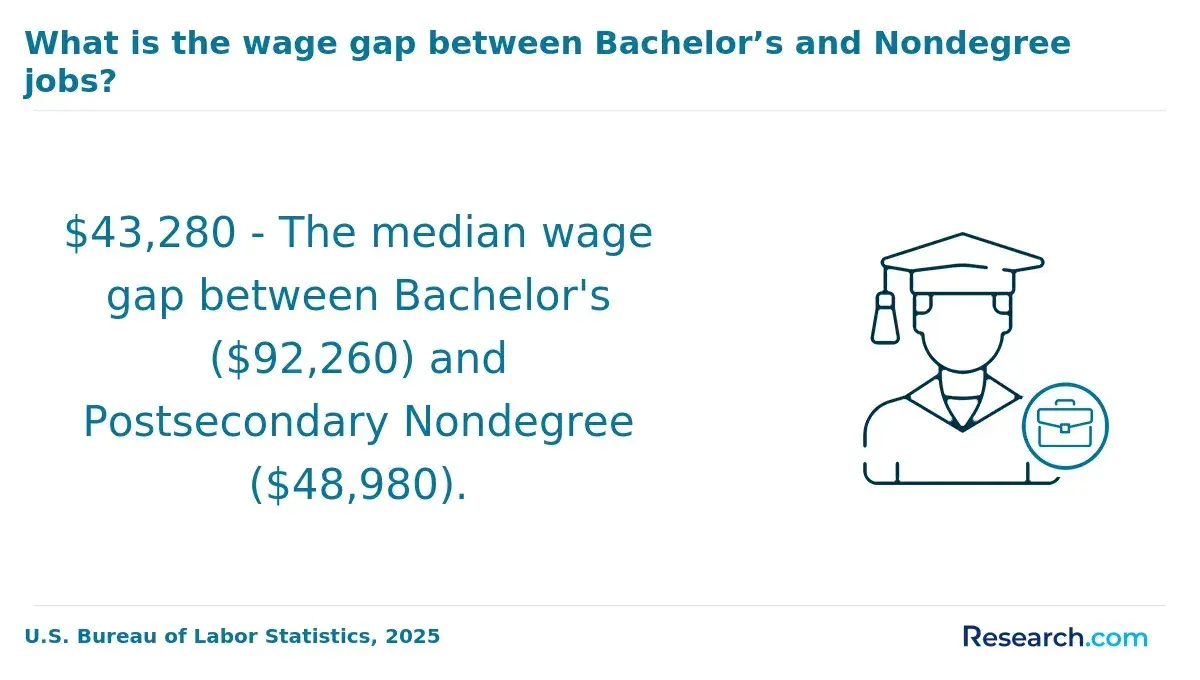
Admission requirements often vary significantly across biomedical engineering concentrations due to differences in specialization complexity, prerequisite competencies, and institutional program standards. Certain tracks, such as medical device design, biomaterials, or medical imaging, typically have elevated admission thresholds because of the advanced technical skills they demand.
Programs may require students interested in research-intensive or specialized concentrations to demonstrate stronger foundational knowledge in mathematics, science coursework, or related disciplines before progressing. This approach aligns admission rigor with the specific academic challenges and professional skills needed within diverse concentration pathways.
Differentiating criteria helps schools tailor their selection processes to identify candidates most prepared for the specialized training their chosen biomedical engineering concentration entails.
Examples of these differences in admission include variable GPA cutoffs, prerequisite course sequences, and sometimes professional experience or portfolio submissions, especially at the graduate level.
For instance, Duke University's Master of Engineering degree GPA requirements mandate a minimum 3.2 undergraduate GPA, though admitted students often exceed this average, suggesting higher competitiveness for certain concentration tracks.
Cal Baptist partitions its curriculum between general studies and mechanical systems concentrations, each with distinct credit and course prerequisites.
Harvard's bioengineering track requires significantly more half-courses compared to its standard biomedical engineering concentration.
Programs justify these standards by emphasizing how stronger performance in math and science during high school or early college influences admission decisions.
Meanwhile, students looking for the shortest masters degree online pathways may find these distinctions critical when selecting programs aligned with their academic background and career goals.
Do Specific Biomedical Engineering Concentrations Require Accredited Programs?
Accreditation is essential for specialized biomedical engineering study paths because it ensures programs meet industry and academic standards. This status can impact a student's eligibility for professional licenses, graduate programs, and certain career opportunities.
Below are the various aspects in which accreditation is significant:
- Employer Preferences: Many medical device companies prefer candidates from accredited programs, which confirm expertise in bioinstrumentation, biomechanics, and design principles.
- Graduate School Admission: Accredited curricula include advanced math and science prerequisites required by leading graduate programs in engineering and life sciences.
- Standardized Curriculum: Programs must cover fundamental engineering concepts, physiology, and problem-solving skills regardless of specialization, focusing on living and non-living system interactions.
- Licensure Considerations: Although biomedical engineering itself rarely requires licensure, graduating from an accredited program can strengthen applications for Professional Engineer certification and roles in regulated healthcare sectors.
Is the Quality of Online Biomedical Engineering Concentration Tracks the Same as On-Campus Programs?
As more students weigh online versus on-campus options for biomedical engineering, the focus increasingly shifts to program quality. Whether delivered in person or remotely, the value of the education depends on several critical factors that shape learning outcomes.
The outline below breaks down the differences between the formats:
- Curriculum Standards: Both formats adhere to identical accreditation criteria ensuring rigorous academic content.
- Faculty Expertise: Experienced instructors lead courses, with online programs employing adjunct or full-time faculty to match on-campus depth.
- Hands-on Training: On-campus programs excel in lab access and physical prototyping, while online tracks use advanced simulations and virtual labs.
- Technology Integration: Cutting-edge platforms enable interactive remote learning, often incorporating video, software tools, and collaboration features.
- Student Support: Access to advising, tutoring, and networking varies by institution but is vital for success regardless of format.
- Institutional Partnerships: Connections with medical centers and industry enhance real-world application opportunities across delivery modes.
When I spoke with a graduate of a popular biomedical engineering concentration, she reflected on her hybrid experience combining online and in-person classes. "Balancing asynchronous lectures with hands-on sessions was challenging but rewarding," she recalled.
"The online coursework offered flexibility without sacrificing depth, especially with interactive simulations. Yet, those in-person labs were irreplaceable for learning device design nuances." She described moments of frustration when transitioning between formats but also valued the seamless support from faculty and peers.
Ultimately, she felt the hybrid approach provided a comprehensive education, capturing the best of both worlds and preparing her well for her career.
Which Biomedical Engineering Concentration Is the Hardest to Complete?
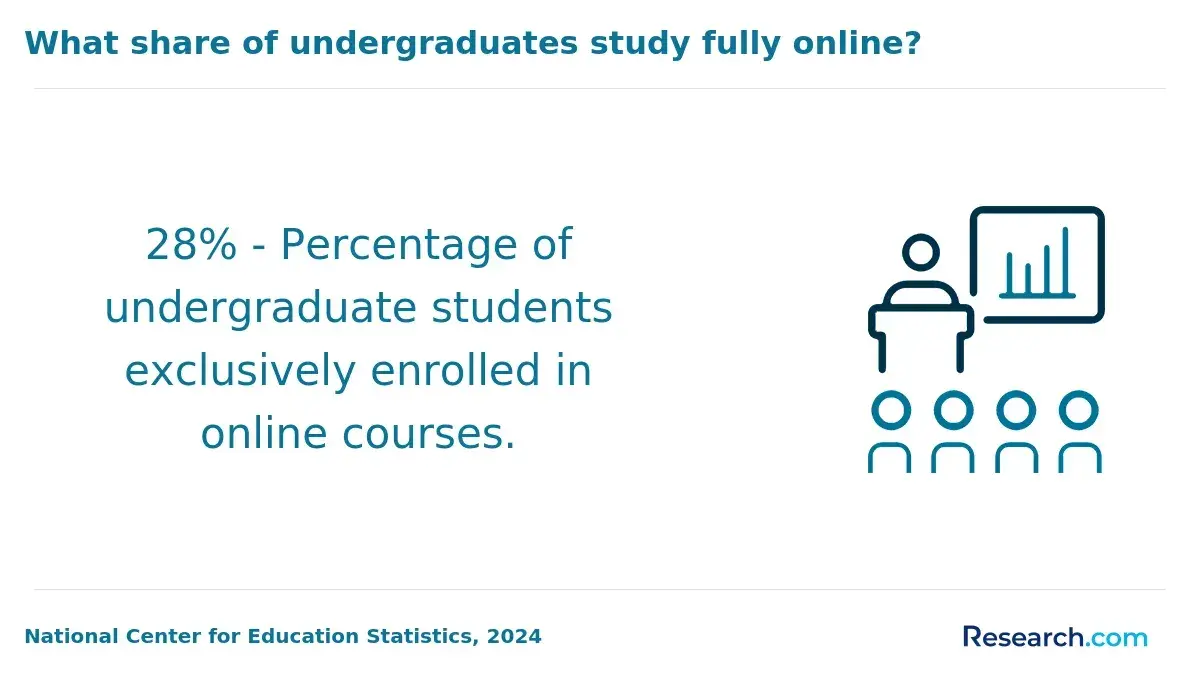
Some concentrations in biomedical engineering are more challenging due to varying course difficulty, required skill sets, workload intensity, and the structure of the program. These factors, as seen below, influence how demanding each specialization can be for students.
- Multidisciplinary Integration: Requires mastering mechanical engineering, materials science, and human physiology simultaneously, demanding broad expertise across multiple fields.
- Regulatory and Ethical Rigor: Compliance with FDA standards and ethical guidelines adds complex administrative and conceptual requirements beyond typical coursework.
- Advanced Mathematics Requirements: Involves topics like ordinary differential equations, finite element analysis, and statistical modeling, representing some of the highest math challenges in the discipline.
- Laboratory and Research Intensity: Demands extensive hands-on prototype development and biomechanical testing, leading to increased time commitments.
- Real-World Safety Standards: Errors in design carry direct health implications, creating significant professional and psychological pressure during training.
What Careers Can You Get with Each Biomedical Engineering Specialization?
Biomedical engineering concentrations tailor educational experiences to meet industry needs, guiding students toward focused career opportunities. Recognizing how each specialization aligns with job roles helps future professionals choose pathways that suit their goals.
The prominent job roles include:
- Tissue Engineering and Regenerative Medicine: Careers include developing artificial organs, scaffolds, and cell therapies, with roles like tissue engineer and research scientist in biotech firms and academic labs.
- Medical Robotics and Surgical Systems: Graduates design surgical robots, robotic prosthetics, and automated diagnostic tools, working as roboticists and automation specialists at leading medical device companies and research centers.
- Neural Engineering: This area focuses on brain-computer interfaces and neuroprosthetics, offering positions as neural engineers and device designers in neurotechnology firms and medical institutions.
- Biomedical Device Design and Development: Professionals engage in creating and testing medical devices, holding jobs such as device engineer and regulatory specialist within manufacturing and healthcare organizations.
A professional I spoke with who specialized in medical robotics described the initial uncertainty about which career route to follow, given the field's broad scope.
He recalled feeling challenged by the rapid pace of technological advances and the need to continuously update skills while exploring roles from product design to clinical applications.
Reflecting on this, he emphasized that hands-on experience through internships and networking helped clarify his direction, ultimately leading him to a fulfilling position developing robotic surgical systems that improve patient outcomes.
"It was a process of trial, error, and learning," he shared, underscoring the importance of perseverance and flexibility in this evolving field.
What Market Trends Are Shaping the Top Biomedical Engineering Concentrations in 2027?
Keeping up with industry trends is vital for students deciding on a biomedical engineering concentration, as the sector rapidly adapts to new technologies and healthcare needs. Your chosen focus can affect job prospects, salary potential, and access to innovative roles in a competitive market with thousands of graduates each year.
Here are several key trends to note:
- AI and computational solutions: Growth in bioinformatics and computational biomedical engineering is driven by advances in precision medicine and AI-based healthcare. Skills in data analysis, machine learning, and programming are increasingly sought after by employers targeting genomics and personalized treatment development.
- Regenerative medicine and advanced therapies: Emerging fields like tissue engineering and biomaterials open doors in biopharmaceutical manufacturing and process engineering. With rising global demand for biologics and vaccines, specialists in these areas find expanding career paths.
- Neuroengineering and brain-computer interfaces: Rapid progress in neuroprosthetics, robotics, and AI supports growth in neural engineering. This area blends research and practical applications within both academic and startup environments focused on neurotechnology.
- Wearable technologies and remote monitoring: Connected health devices and patient monitoring systems represent a fast-growing sector. Graduates skilled in this concentration often contribute to innovations in remote care and personalized health solutions across medtech companies.
What Are the Average Salaries for Popular Biomedical Engineering Concentrations?
Salary prospects for biomedical engineering professionals vary widely depending on their chosen specialization. Knowing the biomedical engineering median salary by specialization helps students align their career goals with financial expectations and industry demand. These salaries include those for the following:
- Medical device development: Professionals in this area typically earn competitive salaries, with the median annual wage for biomedical engineers reported at $106,950. Innovation in surgical tools, diagnostic devices, and patient monitoring systems drives demand, while advanced degrees and experience can push earnings beyond $400,000 annually for top experts.
- Biomaterials and tissue engineering: Specialists working in regenerative medicine and biomaterials command higher salaries due to the field's specialized nature. Entry-level biomedical engineer salary expectations in this concentration start near $70,000, while those with advanced training and experience can earn over $150,000.
- Clinical engineering and biomedical systems: These professionals earn between $80,000 and $131,000, depending on experience and healthcare settings. Their role in managing medical equipment and systems ensures steady employment in hospitals and clinics.
Students investigating which biomedical engineering concentration to pursue can also explore what online colleges accept FAFSA, which may help finance their education and improve career prospects.
How Do You Choose the Best Concentration in a Biomedical Engineering Program?
Selecting the appropriate concentration in a biomedical engineering program is critical for aligning your education with your career goals and personal strengths. The specialization you choose will influence your technical proficiency, industry connections, and long-term job satisfaction.
- Career Aspirations and Industry Focus: Consider which sectors suit your professional goals, such as medical device design, pharmaceutical development, or clinical practice. Research which companies within your target industry hire graduates from particular concentrations to create a more direct employment pathway.
- Skill Development and Technical Interests: Evaluate which biomedical engineering concentration helps you build the skills you want to master. For example, biomaterials and drug delivery focus on chemistry and material science, while biomedical imaging centers on signal processing and instrumentation, matching your technical strengths is key.
- Job Market Demand and Growth: The field is projected to grow 5-7 percent through 2033-2034, outpacing many others. Certain concentrations yield higher demand; research and development roles average $96,571 annually, while clinical engineering jobs average $93,700, demonstrating robust opportunities in multiple specialties.
- Program Requirements and Flexibility: Identify whether your program offers dual concentrations or electives that expand your expertise. Some institutions provide early decision options for master's programs, allowing you to deepen your specialization beyond undergraduate studies.
- Hands-On Experience Opportunities: Seek concentrations that provide internships, capstone projects, or partnerships with industry leaders like Medtronic, GE Healthcare, or Regeneron, as these experiences increase employability and clarify your fit with a concentration.
Ultimately, evaluating biomedical engineering concentration selection criteria helps you make informed decisions tailored to your ambitions. Prioritize a concentration that aligns with your skills and career goals while reviewing program flexibility and industry connections.
For those who value reflective work environments, consider exploring the best introvert jobs as part of your career planning strategy.
What Graduates Say About Their Popular Concentrations in Biomedical Engineering Degrees
- Stephen: "Pursuing the biomaterials concentration in biomedical engineering was an eye-opening experience that combined hands-on lab work with cutting-edge theory. Despite the average cost of attendance being around $30,000 per year, I found the investment worthwhile as it paved the way for my current role in medical device innovation. The skills I gained have truly defined my career and opened doors I never expected. "
- Joseph: "The systems biology concentration offered me a deep dive into the complexities of living systems, enhancing my analytical thinking and problem-solving skills. Balancing the financial aspect, which typically ranges between $25,000 and $35,000 annually, was challenging but manageable through scholarships. Reflecting back, the intellectual growth and career opportunities this path unleashed make it a valuable experience. "
- Justin: "Specializing in biomedical imaging during my degree gave me practical knowledge that transitioned smoothly into a professional setting. The cost, near $28,000 yearly on average, was offset by the strong network and job opportunities that came with it. Professionally, this concentration has equipped me with tools that are in high demand and has accelerated my advancement in the healthcare tech field. "
Other Things You Should Know About Biomedical Engineering Degrees
In 2027, the bioinformatics concentration in biomedical engineering is particularly notable for its emphasis on computer science coursework. This concentration integrates computational tools and algorithms to analyze biological data, making it a top choice for students interested in marrying computer science with biology.
Prerequisites for enrolling in a 2027 biomedical engineering concentration typically include a bachelor's degree in engineering or a related field, foundational coursework in biology, chemistry, and physics, and sometimes specific mathematics courses. Requirements vary by program, so check specific university protocols.
Yes, coursework intensity can vary among biomedical engineering concentrations. For example, concentrations focusing on bioinformatics or computational biology often demand strong programming skills and intensive data analysis courses. Conversely, concentrations like medical devices might require more hands-on labs and design-focused classes, impacting the workload and study approach.
References
- Biomedical Engineering Salary 2025: Average Income and Job Roles https://www.upgrad.com/study-abroad/articles/biomedical-engineering-salary/
- Print Options https://catalog.yale.edu/ycps/subjects-of-instruction/biomedical-engineering/
- Biomedical Engineering https://www.brown.edu/undergraduate-programs/biomedical-engineering-scb
- Why study biomedical engineering? https://www.unsw.edu.au/study/your-future/why-study-biomedical-engineering
- Criteria for Accrediting Engineering Programs, 2025 - 2026 - ABET https://www.abet.org/accreditation/accreditation-criteria/criteria-for-accrediting-engineering-programs-2025-2026/
- What Can You Do With a Biomedical Engineering Degree? | CWRU https://online-engineering.case.edu/blog/biomedical-engineering-careers
- ICI Journals Master List https://journals.indexcopernicus.com/publication/4522071
- How To Know If Biomedical Engineering Is A Good Major For You https://engineeringexpectations.com/biomedical-engineering-good-major/
- Biomedical Engineering, BSE https://bulletin.case.edu/engineering/biomedical-engineering/biomedical-engineering-bse/
- Trends in Biomedical Engineering: From Lab to Market https://www.connectbiomedical.com/trends-in-biomedical-engineering-lab-market/


