2027 Which Employers Hire Biomedical Engineering Degree Graduates? Industries, Roles, and Hiring Patterns

Co-Founder and Chief Data Scientist
Many students and career changers struggle to identify which employers actively hire biomedical engineering degree graduates. This uncertainty clouds choices on industries, roles, and geographic locations. With healthcare device manufacturing accounting for over 35% of biomedical engineering employment in the US, pinpointing key sectors becomes crucial for strategic career planning. Employers range from medical device firms to research institutions, each with distinctive hiring patterns and role expectations.
This article examines the complex employer ecosystem-providing data-driven insights to help readers align academic and professional paths with the evolving biomedical engineering job market.
Key Things to Know About the Employers That Hire Biomedical Engineering Degree Graduates
- Biomedical engineering graduates primarily find employment in medical device manufacturing, pharmaceuticals, and healthcare technology firms-sectors comprising over 60% of industry hiring.
- Entry-level roles focus on design and testing, while mid-career positions emphasize project management and regulatory compliance, reflecting evolving employer expectations.
- Hiring trends concentrate in urban biotech hubs-such as Boston, San Diego, and Minneapolis-highlighting the geographic clustering of opportunities in innovation-driven markets.
Which Industries Hire the Most Biomedical Engineering Degree Graduates?
Aligning academic preparation with career opportunity starts with examining which industries hire the most biomedical engineering degree graduates. Data from the Bureau of Labor Statistics (BLS), National Center for Education Statistics (NCES), and LinkedIn Workforce Insights highlight top sectors where demand for these graduates concentrates, offering a clear picture of the employer ecosystem for biomedical engineering graduates in the United States.
- Medical Equipment Manufacturing: The largest employer of biomedical engineering graduates, this industry relies on them for designing, testing, and enhancing medical devices like prosthetics, imaging machines, and implantable technologies. Here, biomedical engineering is a core operational function.
- Healthcare Services: Hospitals and clinics hire biomedical engineers primarily to maintain medical equipment and support clinical operations. Demand arises from the crucial role of technical troubleshooting in patient care.
- Pharmaceuticals and Biotechnology: Biomedical engineers contribute to developing instruments for drug research and biological studies, serving a supportive role that advances therapies and diagnostics rather than direct manufacturing.
- Research and Development (R&D): Federal entities, private labs, and universities employ biomedical engineers for innovation and experimentation, where they are integral to driving new technology development and scientific discovery.
- Electronics and Semiconductor Manufacturing: This sector recruits biomedical engineering graduates for expertise in microelectronics critical to medical devices, particularly in production processes and miniaturization.
- Insurance and Consulting Services: Graduates work in risk assessment and product evaluation, providing specialized technical consultation on medical technologies.
- Government and Regulatory Agencies: Agencies like the FDA hire biomedical engineers to oversee compliance and safety testing essential for medical device approvals.
Industry demand varies significantly by degree level-associate, bachelor's, or graduate-and by biomedical engineering specialization such as biomaterials, biomechanics, or medical imaging. This variability shapes roles, organizational settings, and hiring patterns that influence long-term career trajectories. High school seniors, community college students, career changers, and working professionals can use this data to target internships, choose specializations, and develop geographic strategies that optimize employment potential.
For those considering further education options, exploring the cheapest DNP programs can also complement biomedical engineering expertise in clinical career pathways.
What Entry-Level Roles Do Biomedical Engineering Degree Graduates Typically Fill?
Design Engineer: Entry-level biomedical engineering graduates typically start as design engineers, focusing on developing medical devices and equipment.
Core responsibilities: conceptualizing product designs, creating prototypes, and testing functionality under supervision.Reporting structure: usually report to senior engineers or project managers within research and development departments.Biomedical engineering competencies: strong skills in CAD software, understanding of biomaterials, and knowledge of regulatory standards position graduates well for these roles.
Quality Assurance/Regulatory Associate: These positions emphasize ensuring medical products comply with safety and industry standards.
Core responsibilities: assisting in product compliance testing, preparing documentation for regulatory submissions, and conducting audits.Reporting structure: typically report to quality managers or regulatory affairs leads.Biomedical engineering competencies: familiarity with FDA regulations, risk analysis, and validation techniques are key strengths leveraged by graduates.
Clinical Engineer/Technician: Graduates working in hospitals or healthcare organizations fill these roles, supporting medical device maintenance and integration.
- Core responsibilities: managing equipment functionality, troubleshooting technical issues, and collaborating with clinical staff to optimize device usage.
- Reporting structure: usually report to clinical engineering supervisors or biomedical equipment managers.
- Biomedical engineering competencies: applied knowledge of human physiology combined with technical troubleshooting skills facilitates success here.
Data Analyst/Research Assistant: In academic or biotech sectors, biomedical engineering graduates often begin in roles supporting research projects and data interpretation.
Core responsibilities: collecting experimental data, performing statistical analyses, and assisting in preparing scientific reports.Reporting structure: report directly to research scientists or laboratory managers.Biomedical engineering competencies: proficiency in programming languages, statistical software, and experimental design make graduates competitive.
Associate Consultant/Analyst: In consulting or finance sectors, biomedical engineering graduates apply their analytical skills to healthcare strategy and technology evaluation.
Core responsibilities: conducting market research, analyzing healthcare trends, and supporting client presentations.Reporting structure: often report to senior consultants or project leaders.Biomedical engineering competencies: problem-solving abilities and technical literacy help graduates adapt to these less traditional but growing roles.
These common job titles illustrate how industry sector shapes role scope-the same biomedical engineering competencies may lead to coordinator positions in nonprofits, analyst roles in financial services, or associate consultant roles in management consulting. Graduates should map entry-level titles against their concentration-whether biomechanics, biomaterials, or systems biology-as well as internship and portfolio experience to identify the best career fit. This strategic alignment is crucial given the evolving employer ecosystem for biomedical engineering degree holders in the United States.
For professionals considering how to leverage a biomedical engineering degree, understanding the diversity of entry-level biomedical engineering roles in the United States is vital. Those interested in broader healthcare career pathways may also explore a healthcare administration bachelor's degree, which complements technical expertise with management skills.
What Are the Highest-Paying Employer Types for Biomedical Engineering Degree Graduates?
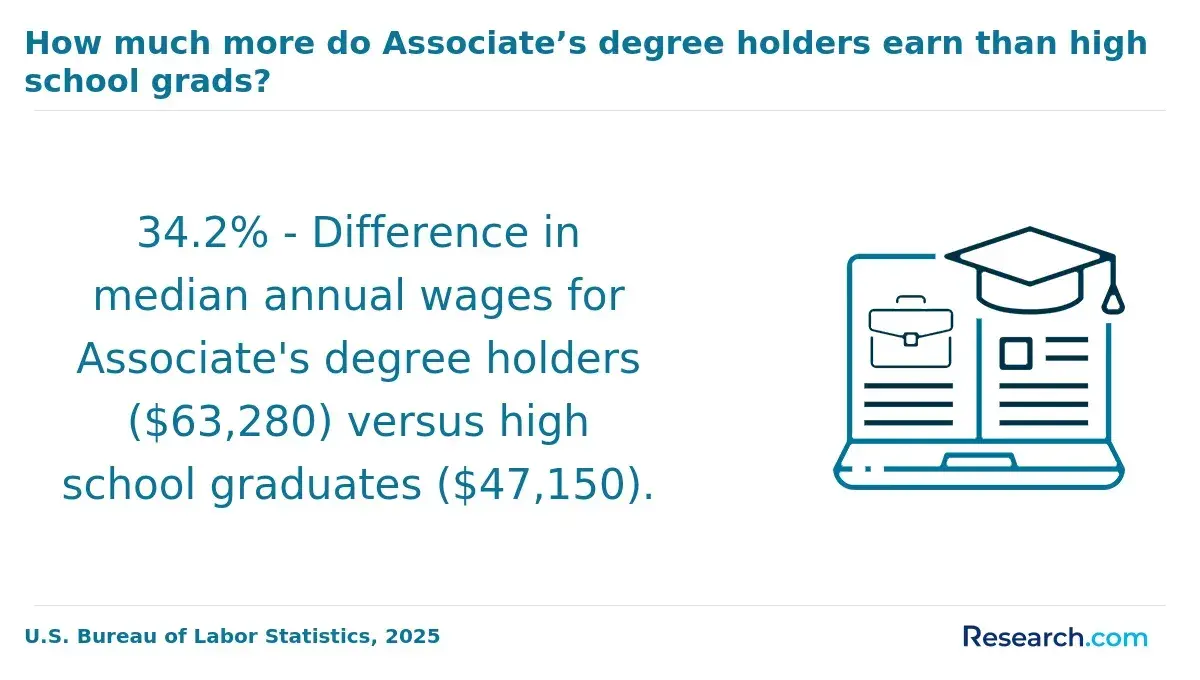
Compensation for biomedical engineering graduates varies significantly by employer type, industry, and organizational strategy, with data from BLS, Glassdoor, and LinkedIn, offering a clear hierarchy of pay scales.
- Privately Held High-Revenue Companies-including medical device, pharmaceutical, and biotech firms-typically lead in both entry-level and mid-career salaries. Their robust revenue per employee supports competitive base pay and frequent supplemental bonuses, sometimes coupled with equity incentives, reflecting a focus on innovation and product output.
- Investment-Backed Technology Firms: Startups and scale-ups in health tech and advanced therapeutics offer moderate starting salaries but often compensate through equity grants and performance bonuses, encouraging rapid salary growth aligned with company valuation.
- Financial Services Organizations: Though fewer in number, financial firms employing biomedical engineers for quantitative or consulting roles pay strong base salaries plus lucrative bonuses and profit sharing, driven by significant capital resources.
- Professional Services Consultancies: Firms specializing in healthcare consulting reward technical expertise with above-average wages and structured bonus programs, supplemented by professional development funds.
- Government Agencies and Nonprofits: These offer lower base salaries but compensate with stable benefits, retirement plans, and sometimes loan forgiveness, prioritizing public service over profit.
- Lower-Margin Industries: Academia, hospital infrastructure, and smaller manufacturers usually provide the lowest starting pay with fewer bonus or equity opportunities, relying instead on job stability and educational benefits.
Total compensation extends beyond base wage-annual bonuses, equity, retirement contributions, and benefits materially influence long-term financial outcomes. A high base salary at an employer with limited upward mobility or weak culture might underperform a lower base with strong growth and support. Prospective candidates should weigh starting pay alongside advancement potential and workplace environment when evaluating offers.
One professional who earned a biomedical engineering degree described navigating the job market as "both exciting and daunting," emphasizing that while lucrative offers from well-funded startups were tempting, they also carried uncertainty regarding job security and work-life balance. He recalled spending months researching firms' growth trajectories and talking to current employees to assess cultural fit before accepting a role with a privately held company that balanced competitive compensation with clear advancement paths. "It wasn't just about the paycheck-knowing the company's vision and feeling supported made a huge difference in my decision," he reflected.
Do Large Corporations or Small Businesses Hire More Biomedical Engineering Degree Graduates?
Employment data from the U.S. Census Bureau, BLS Quarterly Census of Employment and Wages, and NACE hiring intention surveys reveal varied hiring patterns for biomedical engineering degree graduates across employer size categories. Large firms-especially Fortune 500 corporations-account for the bulk of hiring, offering formal onboarding, structured training programs, and clear promotion pathways. These companies also add significant brand value to resumes, beneficial for career mobility in fields like medical device manufacturing and pharmaceuticals.
Mid-market companies provide a balance between established processes and flexibility, often playing a critical role in biomedical equipment and healthcare IT sectors. Small businesses-such as startups and boutique firms-hire a smaller share but deliver broader roles and faster advancement opportunities. Their dynamic environments foster cross-disciplinary skills that accelerate career growth for graduates who thrive under less rigid structures.
- Large Corporations: Lead hiring volumes; provide structured development and specialized roles aligned with industry complexity.
- Mid-market Companies: Combine formal frameworks with operational agility; important in biomedical equipment and healthcare technology.
- Small Businesses: Offer greater responsibility and quicker progression; ideal for hands-on learning and innovation.
- Nonprofits and Research Institutions: Selectively recruit for research-focused positions, emphasizing academic specialization over company size.
Preferences for employer size often align with a biomedical engineering graduate's specialized focus and learning style. Some thrive within large, resource-rich firms, while others excel in smaller, versatile settings. Evaluating employer size should be integrated with industry sector, geographic factors, and growth potential to inform strategic career decisions. For more insights on career pathways, explore anchors part-time Ph.D. in economics.
How Do Government and Public Sector Agencies Hire Biomedical Engineering Degree Graduates?
Federal, state, and local government entities employ biomedical engineering graduates in roles supporting public health, medical research, defense projects, and regulatory compliance. Prominent federal employers include the Departments of Health and Human Services, Veterans Affairs, Defense, and the National Institutes of Health, while state health agencies and public university medical centers also serve as significant job markets.
The hiring process in government revolves around the General Schedule (GS) classification system-entry-level engineers often start at GS-7 or GS-9, depending on educational background and relevant internships, with pay scales primarily driven by degrees and experience. Many positions require security clearances, particularly in defense sectors, which can extend hiring timeframes due to background checks.
Government recruitment distinguishes between competitive service roles-filled through public USAJobs postings with strict eligibility criteria-and excepted service positions, which offer more flexible hiring routes within specialized agencies. This split affects how biomedical engineering applicants approach their job searches and applications.
Credential verification and specific technical qualifications outlined in job announcements are critical for advancing through the hiring pipeline. Fellowship and internship programs, including the Pathways Programs, offer promising gateways for early-career biomedical engineers seeking long-term federal employment.
Public sector employment provides advantages like defined-benefit retirement plans, stable health coverage, and consistent promotional pathways. However, salary growth is typically slower and advancement more structured compared to private industry, prompting graduates to balance these factors relative to their financial and personal priorities.
- Federal Agencies: Key employers include Health and Human Services, Veterans Affairs, Defense, and NIH.
- Classification System: Roles use the GS pay scale based on education and experience.
- Security Clearance: Necessary for sensitive or defense-related work, affecting hiring timelines.
- Hiring Types: Competitive service requires USAJobs applications; excepted service allows alternative processes.
- Career Pipelines: Fellowships and internships facilitate entry for new graduates.
- Benefits and Stability: Public jobs offer retirement security and health benefits but slower salary increases.
A professional who launched her career with a biomedical engineering degree shared that navigating federal hiring was initially overwhelming due to the complex GS grading and security clearance steps. She recalled how persistence in managing detailed paperwork and understanding specific job qualifications eventually paid off. Internship participation was a game-changer, providing insider access and mentorship that eased entry into a permanent government role. Her experience highlighted the importance of patience and strategic timing when pursuing a public sector biomedical engineering career.
What Roles Do Biomedical Engineering Graduates Fill in Nonprofit and Mission-Driven Organizations?
Graduates with a biomedical engineering background often find nonprofit and mission-driven organizations offer roles that merge technical skills with community-focused objectives. According to workforce data from the National Council of Nonprofits and the Bureau of Labor Statistics, these professionals primarily engage in areas like healthcare technology innovation, improving medical device access, and advancing public health initiatives-fields where their expertise supports impactful social goals.
Organizational Types: Biomedical engineering talent is commonly employed by healthcare nonprofits serving underserved populations as program managers or clinical technology specialists; health advocacy and policy groups where they act as policy analysts or data-driven project leaders; and global health organizations focused on developing affordable medical devices for low-resource settings.
Role Characteristics: Nonprofit positions often call for multifunctional capabilities:
- Cross-Functional Duties: Employees juggle engineering tasks with responsibilities like grant writing and stakeholder communication, fostering versatile skillsets.
- Title Variability: Job titles may be broad or less standardized, encompassing roles in project management, education, and technical support in addition to core engineering.
- Compensation: Salaries usually trail private sector benchmarks but can be supplemented by loan forgiveness programs such as Public Service Loan Forgiveness (PSLF), helping early-career professionals manage educational debt.
- Cultural Fit: Emphasis on mission alignment and collaborative work environments appeals to those valuing purpose alongside career growth.
Mission-Driven For-Profit Models: Emerging categories like benefit corporations, certified B Corporations, and social enterprises offer biomedical engineers an alternative that combines social impact with more competitive pay. These environments provide:
- Competitive Salaries: Levels closer to the private sector, reducing nonprofit-related financial compromises.
- Innovation Opportunities: Ability to create breakthrough technologies while advancing social missions.
- Hybrid Cultures: Workplaces blending purpose-driven values with business savvy, enabling skill diversification transferable across sectors.
Biomedical engineering graduates considering mission-driven careers should weigh trade-offs carefully: lower initial pay in nonprofits versus non-monetary rewards and financial aid options, contrasted with the more balanced compensation and innovation potential in mission-focused for-profits.
How Does the Healthcare Sector Employ Biomedical Engineering Degree Graduates?
The healthcare sector offers diverse employment opportunities for biomedical engineering graduates across various organizations-each leveraging their unique technical and interdisciplinary skills. Hospital systems hire graduates to enhance medical device integration, optimize clinical workflows, and maintain healthcare technology. Insurance carriers utilize biomedical engineers for data analysis and actuarial modeling, helping assess patient risk and develop innovative policy management. Pharmaceutical companies engage these graduates in research and development, quality control, and regulatory compliance roles.
Additional pathways exist within public health agencies and health tech startups. The latter emphasize medical device innovation, software development, and health data analytics, attracting graduates skilled in programming and system design who excel at rapid prototyping and user-centered product design.
- Competency Intersections: Biomedical engineering graduates bring strengths in data analysis, operations management, and communication-skills essential for driving healthcare innovation and system efficiency.
- Additional Skills: Depending on specific roles, expertise in policy research, financial management, or behavioral sciences enhances graduates' ability to translate technical knowledge into effective healthcare solutions.
- Regulatory Awareness: Graduates should be familiar with healthcare-specific regulations such as FDA approvals and HIPAA compliance. Certain clinical engineering or regulatory affairs positions may require licensure or certification beyond the degree.
- Employment Stability: The healthcare sector is notably resilient during economic downturns, providing a dependable career path. Sub-sectors like medical device manufacturing, health IT, and biopharmaceuticals demonstrate strong growth trends.
- Geographic Demand: Concentrated hiring occurs in metropolitan areas with robust hospital networks and research institutions, including
- Boston
- San Francisco
- Minneapolis
By aligning their competencies with sector needs and understanding regulatory requirements, biomedical engineering graduates can strategically target healthcare roles offering strong job security and career advancement opportunities.
Which Technology Companies and Sectors Hire Biomedical Engineering Degree Graduates?
Technology companies increasingly seek biomedical engineering degree graduates-reflecting the growing intersection of healthcare, innovation, and digital transformation. Data from LinkedIn Talent Insights and BLS technology sector employment statistics indicate strong demand for biomedical engineering competencies across pure tech firms and technology units within traditional industries. This dynamic aligns closely with biomedical engineering job opportunities in global medical device and biotech sectors.
- Health Tech: This sector represents the most direct match, with companies in medical devices, diagnostics, digital health platforms, and telemedicine hiring for product development, regulatory roles, and clinical research positions.
- Technology Corporations: Major tech companies with divisions in life sciences, AI-driven healthcare, or wearable technologies employ biomedical engineers to innovate in hardware design, software usability, and systems interoperability.
- Fintech and AI-Adjacent Fields: Fintech and AI firms working on health data analytics or personalized medicine applications recruit biomedical engineers to bridge biological data with algorithm development.
- Technology Functions in Non-Tech Firms: Biomedical engineering graduates also join hospitals, pharmaceutical companies, and manufacturing firms-where digital transformation, IT governance, and technology adoption drive demand within non-core tech sectors.
- Cross-Disciplinary Roles: The shift toward skills-based hiring and remote work expands access for biomedical engineers without traditional computer science backgrounds. Their expertise in systems thinking, prototyping, and quantitative analysis enables involvement in operations, marketing analytics, and policy development.
- Entry Points and Portfolios: Candidates who emphasize medical device software, relevant programming languages for data modeling, and internships in product lifecycle management or human factors engineering position themselves well in tech-driven hiring.
- Emerging Subsectors: Rapidly growing areas like climate tech-featuring biomedical sensing technologies-and edtech health education tools provide expanding opportunities aligned with evolving markets.
For those evaluating their study and career options, focusing on companies and subsectors that match biomedical engineering skills enhances employment prospects. Community college and career changers should also consider advanced degrees and targeted experience-such as those offered by the best DNP programs-to strengthen their positioning in this competitive landscape.
What Mid-Career Roles Do Biomedical Engineering Graduates Commonly Advance Into?
Mid-career roles for biomedical engineering graduates in the United States-generally reached five to ten years after workforce entry-demonstrate distinct patterns shaped by industry, employer size, and individual career goals. Data from the Bureau of Labor Statistics, LinkedIn career analytics, and NACE alumni outcomes reveal these trends, offering insight into how graduates can effectively position themselves for advancement.
- Title Progressions: Common mid-career job titles include Project Engineer, Senior Biomedical Engineer, Product Development Manager, and Regulatory Affairs Specialist. Professionals often move from technical roles into hybrid positions that combine engineering expertise with managerial responsibilities.
- Functional Leadership: Many graduates advance to roles such as Team Lead or Technical Manager, overseeing design teams, quality assurance, or research projects. These leadership positions emphasize team coordination, budgeting, and regulatory compliance.
- Specialization Paths: Advanced career trajectories tend toward areas like medical device design, clinical engineering, biomaterials, and systems biology. Certifications-including Certified Quality Engineer (CQE) or regulatory affairs licenses-support specialization.
- Competency Development: Mid-career advancement frequently requires graduate degrees such as a master's in biomedical engineering, an MBA, or regulatory science credentials, along with skills in project management, data analytics, and software like CAD or MATLAB.
- Industry Variability: Biomedical engineering graduates starting in large corporations often benefit from structured promotion ladders and formal mentorship while those in startups or smaller firms experience more lateral role shifts, demanding intentional career planning and networking.
- Career Arc Connections: Entry-level positions such as Biomedical Engineer I or Design Engineer typically evolve into senior technical or managerial roles by gaining experience in product lifecycle management, regulatory submissions, or clinical trials support-sectors linked to healthcare devices, pharmaceuticals, or biotech research.
Building career capital early is essential for accessing these mid-career opportunities in advanced biomedical engineering career opportunities and job titles. In some cases, professionals may also explore related credentials or fields-for example pursuing a nutrition degree online-to broaden expertise and open interdisciplinary pathways.
How Do Hiring Patterns for Biomedical Engineering Graduates Differ by Geographic Region?
Geographic location plays a pivotal role in shaping employment outcomes for Biomedical Engineering graduates. Major metropolitan centers such as Boston, San Diego, and Minneapolis lead in absolute hiring counts and offer premium wages, fueled by dense clusters of academic research institutions, established medical device manufacturers, and significant government research funding. These cities create a rich ecosystem that favors candidates with traditional degree credentials due to their concentration of specialized roles.
Regional hubs like Raleigh-Durham and Salt Lake City exhibit moderate hiring volumes but competitive salaries-their growing healthcare and technology sectors support demand for both degree holders and those with certificates. Conversely, smaller or more rural markets often present fewer specialized openings, making shorter-term credentials like certificates and bootcamps more valuable, especially when combined with remote work options.
- Top Markets: Boston and San Diego feature the largest hiring volumes and highest wages, driven by biotech clusters and federal investments.
- Regional Centers: Emerging tech and health ecosystems in mid-sized cities provide solid opportunities with competitive pay despite lower hire volumes.
- Smaller Markets: Limited onsite roles increase reliance on remote-enabled credentials for access to the broader labor market.
- Remote Work Trends: Since 2020, telecommuting has expanded access to high-paying roles across regions but also heightened competition nationwide.
- Career Planning: Graduates able to relocate benefit from proximity to hiring hubs, whereas those constrained geographically should target local employers in healthcare, medical devices, or government labs with established hiring pathways.
A 2023 LinkedIn report highlighted a 28% rise in remote biomedical engineering job postings since 2019, underscoring the increasing importance of geographic adaptability in career strategies.
What Role Does Internship Experience Play in How Employers Hire Biomedical Engineering Graduates?
Completing internships strongly influences how biomedical engineering graduates secure employment-those with internships tend to obtain job offers faster and command higher starting salaries than peers without such experience. Data from the NACE Internship and Co-op Survey and employer preference studies confirm that internships act as a significant advantage in hiring outcomes.
- Quality and Prestige: Internships at respected organizations within biomedical engineering enhance job placement rates and serve as powerful signals to future employers. These experiences demonstrate relevant skills and cultural fit-effectively amplifying the value of the graduate's degree over time.
- Access Inequities: Not all students have equal access to internships. Barriers include unpaid roles that are less feasible for lower-income students, limited recruiting relationships at some schools, and geographic regions with fewer biomedical industry hubs.
- Equity Strategies: Innovations such as virtual internships, co-op education programs, and employer diversity initiatives offer ways to address these disparities-broadening access and professional development opportunities.
- Actionable Guidance: Students should start applying for internships as early as their sophomore year, targeting organizations aligned with their career goals. Utilizing university career centers, alumni networks, and faculty support increases chances of securing meaningful placements.
- Recent Trend: According to a 2023 university career outcomes report, more than 75% of biomedical engineering graduates with internship experience received job offers within three months after graduation-compared to fewer than half of those without internships.
What Graduates Say About the Employers That Hire Biomedical Engineering Degree Graduates
- Bryson: "Graduating with a degree in biomedical engineering opened doors to a variety of industries I hadn't initially considered-ranging from medical device manufacturing to biotechnology startups. Many employers I encountered valued candidates who could bridge the gap between engineering and clinical applications, often hiring for roles that blend R&D with regulatory affairs. It was fascinating to see how hiring was especially robust in urban hubs across the U.S. and Europe, emphasizing companies that prioritize innovation and interdisciplinary collaboration."
- Tripp: "Reflecting on my journey as a biomedical engineering graduate, I found that organizations recruiting talent were incredibly diverse-from government research labs to private healthcare companies. These employers usually sought professionals for positions in product development, quality assurance, and sometimes sales engineering-highlighting the versatile nature of the degree. Hiring trends tended to focus on candidates with strong hands-on experience, especially in regions experiencing growth in medical technology, like the Boston and San Diego areas."
- Joshua: "From a professional standpoint, biomedical engineering graduates are often courted by firms operating in sectors such as pharmaceuticals, medical instrumentation, and even consulting. The organizational types vary widely-from large multinational corporations to nimble startups-and this impacts the roles available, which might range from design engineering to clinical research coordination. Hiring patterns suggest a preference for graduates who demonstrate adaptability and a global outlook, with job opportunities concentrated in innovation-driven markets like Western Europe and Silicon Valley."
Other Things You Should Know About Biomedical Engineering Degrees
In 2027, employers seek biomedical engineering graduates with skills in programming (e.g., Python), experience with CAD software, and expertise in medical device regulations. Strong problem-solving skills and an understanding of both biology and engineering principles are also critical.
In 2027, biomedical engineering graduates find opportunities in industries like medical device manufacturing, pharmaceuticals, healthcare technology firms, and research institutions. These sectors are actively seeking candidates to contribute to innovation and development, with a focus on improving patient care and advancing medical technology.
The job market for biomedical engineering graduates is expected to grow steadily due to ongoing innovation in healthcare technology and increased demand for medical devices. Aging populations and advances in personalized medicine contribute to sustained hiring in both established companies and startups. Growth is particularly strong in areas such as rehabilitation engineering, tissue engineering, and biomedical imaging.
References
- Top 10 biomedical engineering jobs and who's hiring https://joinhandshake.com/blog/students/biomedical-engineering-jobs/
- Scope of Biomedical Engineering in 2026: Jobs, Salary, Growth https://www.careerplanneredufair.com/scope-of-biomedical-engineering/
- Biomedical Engineer Salaries Around the World: A Global Overview and Trends https://www.esilv.fr/en/biomedical-engineer-salaries-around-the-world-a-global-overview-and-trends/
- Top Competitive Exams After Biomedical Engineering – Govt and Private https://www.shobhituniversity.ac.in/blogs/competitive-exams-after-biomedical-engineering
- Career Paths after B.Tech. Biomedical Engineering [Lateral Entry] https://www.lpu.in/blog/career-paths-after-b-tech-biomedical-engineering-lateral-entry/
- Career Paths in Government & Policy https://navigate.aimbe.org/find-your-dream-job/career-pathways-in-bioengineering/career-paths-in-government-policy/
- Top 12 Biomedical Engineering Companies in 2025 https://www.studiored.com/blog/eng/biomedical-engineering-companies/
- Error https://jobboard.bmes.org/jobseekers/resources/blueskyLMS/clc/why-hire-an-Intern-now.cfm
- The Role of Internships in Shaping Engineering Careers - Ernest Gordon Recruitment https://www.ernestgordonrecruitment.com/blog/the-role-of-internships-in-shaping-engineering-careers/
- Highest Medical Technology Jobs | Medical Engineers https://www.medicalengineers.co.uk/5-highest-paid-engineers-jobs-in-medical-technology-industry/