
2027 Biomedical Engineering Degree vs. Certificate: Which Should You Choose?

Co-Founder and Chief Data Scientist
Today's students and professionals face important decisions when choosing between earning a degree or a certificate in biomedical engineering. Both credentials can advance a career, yet they differ in depth, time commitment, and cost. A degree typically offers comprehensive knowledge and research opportunities, while a certificate provides focused skills for faster entry or specialization within the field.
Biomedical engineering degree programs often prepare graduates for roles requiring design and development of medical devices, with the U.S. Bureau of Labor Statistics projecting a 7% growth in related jobs. Certificates serve professionals seeking updates on technologies or niche skills without the demands of a full degree. This article will compare their key differences to guide career and lifestyle choices.
Key Points About Biomedical Engineering Degree vs. Certificate Programs
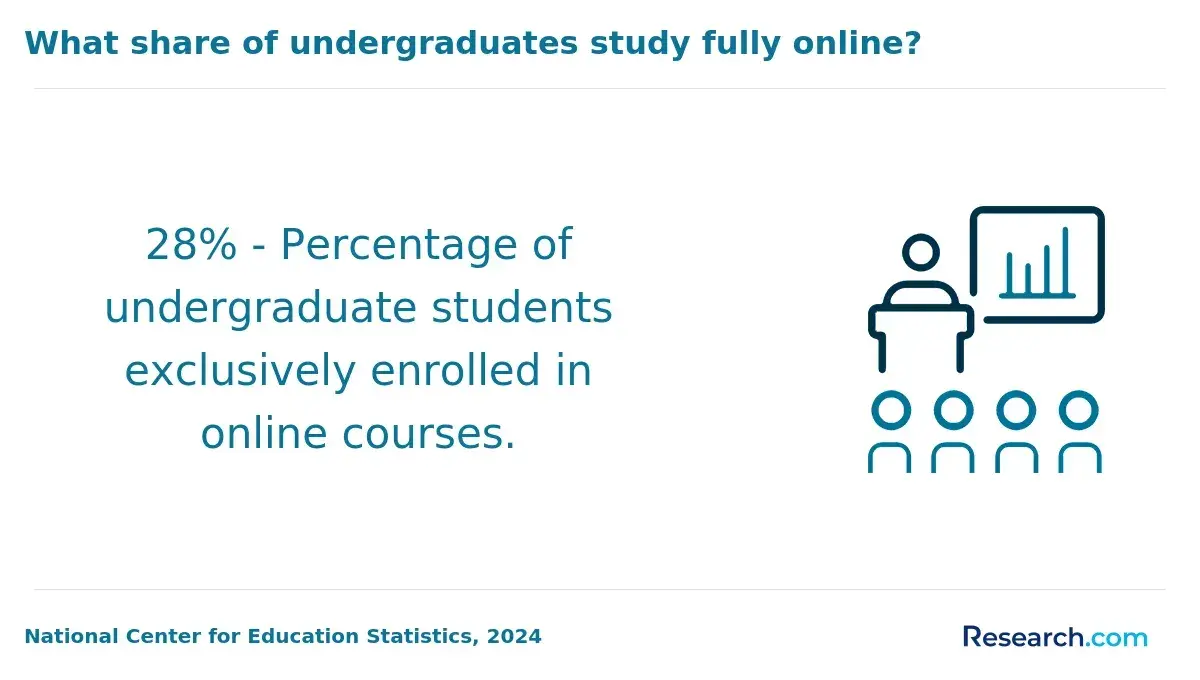
- Degree programs offer comprehensive training and higher salary potential, with median earnings around $88,000 annually versus certificates at approximately $60,000.
- Certificates provide quicker skill acquisition and specialize in niche biomedical engineering areas, ideal for career changers or skill upgrading.
- Degrees support broader professional growth and eligibility for advanced roles, while certificates enhance technical skills but may limit long-term advancement.
What Are the Differences Between Biomedical Engineering Degree and Certificate Programs?
Both biomedical engineering degrees and certificate programs can open doors to rewarding careers, but they differ significantly in structure, depth, and time commitment. Recognizing these differences is crucial for students to make the best educational investment aligned with their professional goals and available timeline.
Here are the main distinctions between biomedical engineering degrees and certificate programs:
- Depth of Learning: Degree programs provide comprehensive knowledge covering theory, design, and application, suited for students seeking a thorough understanding of biomedical engineering. Certificates offer targeted skills for those needing specific expertise or quick upskilling without extensive coursework.
- Duration and Commitment: Degrees demand a longer time commitment with rigorous coursework spanning several years, ideal for those prepared for an in-depth academic experience. Certificates are shorter and more flexible, designed for professionals balancing work, enabling faster entry or advancement in the field.
- Career Advancement: Degrees often prepare graduates for a wider range of roles, including research and development positions requiring deep technical proficiency. Certificates serve as supplemental credentials, enhancing a resume or enabling specialization, particularly valuable for current professionals looking to expand their skill set.
- Cost and Investment: Degree programs usually require a higher financial and time investment but may offer broader opportunities in the long term. Certificates are typically less costly, appealing to learners seeking affordable, focused education without committing to a full degree.
How Long Does It Take to Complete a Biomedical Engineering Degree vs. a Certificate Program?
Completion time is one of the most important factors for students deciding between a biomedical engineering degree vs. certificate. Understanding the typical program length and what influences it can help prospective students align their education with career goals and personal commitments.
- Typical Duration: A biomedical engineering degree program length usually spans about four years of full-time study at U.S. universities, though many students take up to six years due to part-time enrollment, co-op programs, or transfers. In contrast, biomedical engineering certificate duration is much shorter, often ranging from a few months to about one year, depending on the program structure.
- Flexibility: Degree programs generally follow a structured, semester-based schedule with rigorous coursework and research requirements. Certificate programs often offer more flexible pacing options, including self-paced or online formats that accommodate working professionals aiming to earn credentials more quickly.
- Factors Affecting Timeline: Both pathways are influenced by full-time versus part-time study, prior experience, and transfer credits. Students with relevant backgrounds may accelerate completion, especially in certificate programs. Program structure, such as accelerated tracks or co-op placements, can either shorten or extend the time needed.
Ultimately, those seeking comprehensive training and research opportunities typically choose a degree, accepting the extended time commitment. Others prioritize quicker specialization through certificate programs, such as the 6 month certificate programs that lead to high paying careers, which offer targeted skills in a shorter span.
Can You Complete a Biomedical Engineering Degree or Certificate Entirely Online?
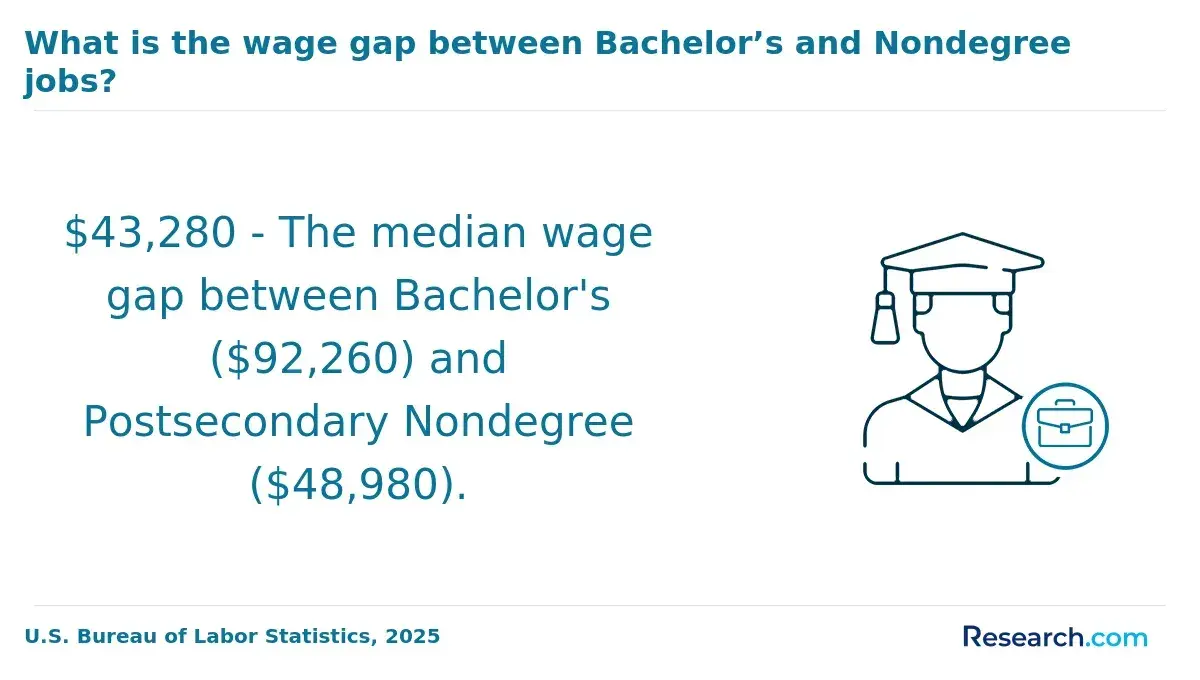
The rapid expansion of online education has made flexible learning options more accessible, including in technical fields like biomedical engineering. Today, several accredited universities, such as Arizona State University and Case Western Reserve University, offer entirely online biomedical engineering degree programs at the bachelor's and master's levels. These online degrees often mirror the curriculum of their on-campus counterparts, catering especially to working professionals or those unable to relocate.
However, some top-ranked programs like Johns Hopkins University require limited on-campus residencies to complete vital hands-on components, while others, including Purdue University and the University of Missouri, offer 100% online formats with no campus visits required. For those interested in shorter paths, a biomedical engineering certificate online is also an option, though the availability and format vary widely by institution. If you seek more options, it's useful to explore offerings from an open enrollment college.
Prospective students considering online biomedical engineering certificates or degrees should factor in important experiential requirements such as hands-on training, design projects, or internships. Many programs, particularly at the undergraduate level, integrate practical skill-building opportunities that may involve local internships or occasional in-person lab work.
For careers requiring licensure or demonstrated laboratory proficiency, it is crucial to verify whether the online format provides adequate practical experience. Choosing among fully online, hybrid, or on-campus options depends on your professional goals, time constraints, and the extent of experiential learning you need to succeed in biomedical engineering.
What Are the Admission Requirements for a Biomedical Engineering Degree vs. a Certificate Program?
Admission requirements play a crucial role when deciding between pursuing a biomedical engineering degree or a certificate program, as they directly influence your eligibility and preparedness for each educational path. Comparing these requirements side-by-side can help prospective students and professionals align their background and goals with the appropriate program.
Below is a detailed comparison of biomedical engineering degree admission requirements in the US versus biomedical engineering certificate program entry criteria, highlighting key prerequisites for each.
Admission Requirements for Biomedical Engineering Degree Programs
- Educational Background: Most degree programs require a high school diploma for undergraduate admission or a bachelor's degree in engineering, life sciences, or a related STEM field for graduate studies.
- Minimum GPA: Undergraduate applicants typically need a GPA between 2.8 and 3.0 in relevant subjects, while graduate programs expect 3.0 or higher.
- Standardized Test Scores: Undergraduate programs often request ACT or SAT scores, such as the University of Kentucky's ACT math minimum of 25; graduate admissions may require GRE scores, though this is less common now.
- Prerequisite Coursework: Completion of calculus I and II, differential equations, physics (usually one year, calculus-based), chemistry, and sometimes biology is generally expected.
- Transcripts and Recommendations: Submission of official transcripts is mandatory; graduate programs also require letters of recommendation and a personal statement outlining academic and career goals.
- English Proficiency: Non-native English speakers must provide TOEFL or IELTS scores as proof of language proficiency.
Admission Requirements for Biomedical Engineering Certificate Programs
- Educational Background: Most certificate programs require at least a high school diploma or some college-level STEM coursework; advanced certificates may ask for a bachelor's degree, but criteria are generally less strict than degree programs.
- Minimum GPA: Many certificate programs have flexible or no GPA requirements, broadening access to a wider range of students and working professionals.
- Prerequisite Coursework: Basic math and science proficiency is needed, though specific prerequisites are usually fewer and less advanced than those for degrees.
- Professional Experience: Relevant work experience in healthcare, engineering, or related fields can sometimes substitute for formal academic prerequisites.
- Application Materials: Applicants generally only need to submit a form and proof of prior education; letters of recommendation, essays, or standardized tests are rarely required.
To explore affordable options for graduate studies in biomedical engineering, consider programs listed among the most affordable master's degree online.
How Many Credits Do You Need to Complete a Biomedical Engineering Degree vs. a Certificate?
Knowing the credit requirements for biomedical engineering programs helps students plan their studies and manage their time effectively. Understanding the difference in credit loads between degree and certificate options is essential for making an informed decision.
Here's a comparison of typical credit expectations for each path:
- Bachelor's degree: Usually requires 120 to 132 credit hours, encompassing broad coursework in engineering principles, biological sciences, mathematics, and general education over four years.
- Certificate program: Typically involves 12 to 18 credit hours focused on specialized skills or targeted training, designed for professionals or students seeking to supplement existing knowledge.
Students should evaluate how each program’s credit requirements align with their academic goals, career plans, and available time. Understanding the distinction between a comprehensive biomedical engineering degree and a shorter, skills-focused certificate helps learners choose the path that best supports their desired level of expertise and professional growth.
What Is the Average Tuition for a Biomedical Engineering Degree vs. a Certificate?
Tuition costs play a vital role in choosing between pursuing a biomedical engineering degree or a certificate, as they directly impact the financial investment and long-term career planning. Comparing typical tuition ranges helps students align their educational goals with their budget.
Below is a comparison of the average tuition costs for biomedical engineering degree programs versus certificate programs in the United States, providing useful insights for an informed decision.
Average Tuition for Biomedical Engineering Degree Programs
- Tuition Range: In-state tuition for a bachelor's degree in biomedical engineering generally runs between $10,000 and $15,000 per year at public universities, while out-of-state and private institutions can charge from $30,000 to over $60,000 annually.
- Graduate Tuition: Master's programs usually cost from $20,000 to $65,000 per year, with top-tier private universities often on the higher end of this spectrum.
- Program Length: A bachelor's degree typically requires four years of full-time study, whereas masters take two years, resulting in a total tuition investment ranging approximately from $40,000 up to $250,000 depending on residency and institution.
- Additional Costs: Beyond tuition, degree programs often include mandatory fees, health insurance, and living expenses that can add another $12,000 to $20,000 annually.
- Cost Influencers: Factors such as public versus private status and online versus on-campus delivery significantly affect the overall cost of biomedical engineering degree tuition cost.
Average Tuition for Biomedical Engineering Certificate Programs
- Certificate Tuition: Costs for biomedical engineering certificate programs are generally lower, typically ranging from $3,000 to $15,000 total depending on the program length and institution.
- Per Credit Cost: Graduate-level certificate courses often charge between $1,000 to $1,800 per credit, with total credits required varying from 9 to 18.
- Program Duration: Certificate programs are designed for completion within less than one year of part-time study, which limits overall tuition expenses.
- Online Options: Many certificates are offered online, potentially lowering costs by removing campus fees and allowing students to maintain employment during study.
- Financial Aid: While financial aid options may be more limited for certificates than degrees, their lower prices generally result in less debt accumulation for students pursuing a biomedical engineering certificate program.
For prospective students seeking affordable learning pathways, exploring accredited colleges online offering free applications can help reduce initial costs and streamline access to quality programs.
Can You Transfer Certificate Credits Toward a Biomedical Engineering Degree Later On?
Yes, transferring credits from a biomedical engineering certificate to a related degree is often possible but depends heavily on certain conditions. The acceptance of transfer credits largely hinges on the policies of the receiving institution, which generally requires that certificate coursework comes from an accredited school and aligns in content and rigor with their own degree classes. Many universities, such as Purdue and the University of Virginia, assess transfer credits by ensuring the courses are equivalent to those in their degree curricula. Importantly, the relevance of the courses to the biomedical engineering degree plays a key role in whether credits will be accepted.
Students must also consider limits on the number of transferable credits, which can vary widely between programs. For example, some schools restrict transfers to half of the total degree credits, while others permit a set maximum like 12 credits for graduate studies. Grade minimums, typically around a C or B-, further influence eligibility, and certain course types, such as labs or independent studies, may be excluded. Because transfer approval is not automatic, it is crucial to confirm the possibility with the target institution before beginning a certificate program to ensure the effort will advance one's educational goals.
Are Certificate Programs Accredited the Same Way as Biomedical Engineering Degrees?
Certificate programs in biomedical engineering are generally not accredited in the same way as biomedical engineering degree programs. Most bachelor's and master's degrees in biomedical engineering hold accreditation from the Engineering Accreditation Commission of ABET, which is the primary authority for engineering and technology program quality in the United States. This accreditation guarantees a rigorous curriculum and is widely valued by employers and graduate schools.
On the other hand, biomedical engineering certificates may be offered through regionally accredited universities, but the certificate itself often lacks separate ABET accreditation. Thus, certificates typically rely on the reputation of the institution rather than dedicated programmatic accreditation.
Accreditation plays a crucial role in confirming academic standards, facilitating credit transfers, and gaining recognition from employers. For those aiming for professional licensure, such as Professional Engineer status, graduating from an ABET-accredited degree is usually necessary.
When assessing programs, students should verify that the institution is regionally accredited, confirm ABET accreditation for degrees, and for certificates, ensure they are affiliated with accredited schools without expecting ABET recognition unless clearly stated. Prospective students are advised to always check accreditation status through recognized accrediting bodies before enrolling.
What Jobs Can You Get with a Biomedical Engineering Degree vs. a Certificate?
Both biomedical engineering degrees and certificates create opportunities within healthcare technology, but they prepare graduates for different levels and types of roles. Understanding the distinctions between these credentials can help guide your career planning. Below is a comparison of typical jobs connected to each qualification.
Jobs You Can Get with a Biomedical Engineering Degree
- Biomedical Engineer: Designs and develops medical devices and equipment, often involved in research and innovation within hospitals or manufacturing firms.
- Clinical Engineer: Manages and evaluates medical technology in healthcare settings, ensuring safety and compliance with regulations.
- Medical Device Designer: Creates new tools or improves existing medical devices through engineering principles and prototyping.
- Research Engineer: Conducts experiments and develops new technologies to advance medical treatments and diagnostics.
- Quality Assurance Engineer: Oversees product testing and standards to ensure medical devices meet rigorous quality and safety criteria.
- Regulatory Affairs Specialist: Navigates government regulations, ensuring products comply with legal and industry standards.
Jobs You Can Get with a Biomedical Engineering Certificate
- Biomedical Equipment Technician: Maintains and repairs medical equipment, often working directly with healthcare providers to ensure device functionality.
- Laboratory Support Specialist: Assists in managing lab equipment and supporting testing procedures in clinical or research labs.
- Medical Equipment Installer: Installs and configures biomedical devices in hospitals or clinics to ensure proper operation.
- Quality Control Technician: Performs routine tests and inspections to support quality assurance processes for medical equipment.
- Field Service Technician: Provides onsite technical support and maintenance for biomedical devices, often traveling to different healthcare facilities.
What Is the Average Starting Salary for a Certificate vs. Biomedical Engineering Degree Graduates?
Salary potential often varies significantly between biomedical engineering certificate holders and those with a biomedical engineering degree. Understanding these differences can help guide educational and career decisions based on financial goals and professional aspirations. Below is a side-by-side comparison of starting salaries and related factors for graduates of each program type.
The following bullets highlight the average starting salary range, key influencing factors, and career outlook for certificate and degree holders.
- Typical Salary Range: The average starting salary for biomedical engineering degree holders ranges from $62,700 to $66,900 per year, reflecting the higher level of education and technical training involved. In contrast, those with a certificate in biomedical engineering usually see starting salaries between $40,000 and $50,000 per year, targeting roles such as technicians or assistants.
- Experience Impact: Entry-level biomedical engineering degree graduates increase their earnings with experience; for example, professionals with 1-4 years can earn around $73,900 annually. Certificate holders generally have less opportunity for rapid salary growth due to more limited job roles.
- Industry Factors: Biomedical engineers employed in medical instrument manufacturing or research and development tend to receive higher compensation compared to those working in healthcare support or educational settings, a trend less pronounced among certificate holders.
- Location Influence: Salaries for biomedical engineers are higher in metropolitan regions with strong biomedical sectors, such as California and New York, benefiting degree holders more markedly due to specialized demand.
- Career Outlook: A biomedical engineering degree offers significantly greater earning potential and broader career prospects over the long term. Certificates provide a quicker path to employment but are usually limited to technician roles with fewer advancement opportunities.
- Additional Resource: For detailed comparisons in technical fields, see the trade school jobs salary data, which provides further insights into how credentials affect earning potential across industries.
Here's What Graduates of Biomedical Engineering Programs Say About Their Degree or Certificate
- Theo: "Choosing the biomedical engineering certificate program was perfect for me because I wanted a focused, accelerated learning experience without the longer commitment of a full degree. The cost was much more manageable, and I could immediately apply what I learned to advance my job in medical device sales. It gave me confidence to expand my expertise without overwhelming my schedule. "
- Jerica: " Pursuing a full biomedical engineering degree was a transformative journey. The in-depth coursework and hands-on projects took more time and investment, but the broader knowledge base prepared me for diverse career paths in research and development. While it was costlier than a certificate, the degree opened doors in ways I hadn't anticipated, especially for technical leadership roles. It's a serious commitment, but worth it if you want comprehensive training. "
- Anthony: "I completed both the biomedical engineering certificate and degree programs, which gave me valuable insight into their distinct advantages. The certificate provided a fast, cost-effective introduction that suited my immediate career goals, while the degree expanded my understanding and job market options significantly. Balancing time and finances was challenging, yet each program elevated my qualifications uniquely, making the combined approach highly beneficial. "
Other Things You Should Know About Biomedical Engineering Degrees
In 2027, career changers should assess program duration, cost, entry requirements, and market demand when considering a biomedical engineering certificate. Certificates can provide targeted skills and faster entry into the field compared to degrees, but may offer fewer research opportunities.
Degree programs in biomedical engineering typically provide more extensive networking opportunities through internships, research projects, and industry partnerships. They often have access to alumni networks and career services that support long-term career development. Certificate programs offer networking benefits primarily within specific cohorts or continuing education communities but are generally more limited in scope.
References
- 2025 Bioengineering and Biomedical Engineering Tuition https://www.collegetuitioncompare.com/majors/14.0501/bioengineering-and-biomedical-engineering/
- Biomedical engineering Course in Netherlands tuition fees, requirements, scholarship https://kadamboverseas.com/biomedical-engineering-course-in-netherland-tuition-fees-requirements/
- What Can You Do with a Biomedical Engineering Degree? https://ep.jhu.edu/news/what-can-you-do-with-a-biomedical-engineering-degree/
- How to Become a Biomedical Engineer - Steps Required https://www.onlineengineeringprograms.com/faq/how-do-i-become-a-biomedical-engineer
- Biomedical Engineering Technology, Diploma, Full-time (5063DIPMA) - BCIT https://www.bcit.ca/programs/biomedical-engineering-technology-diploma-full-time-5063dipma/
- What Can You Do With a Biomedical Engineering Degree? | CWRU https://online-engineering.case.edu/blog/biomedical-engineering-careers


