2027 Highest-Paying Jobs You Can Get With an Analytics Degree

Co-Founder and Chief Data Scientist
Deciding whether to pursue an analytics degree raises critical questions about salary gains and career advancement-especially when comparing outcomes for undergraduates versus graduate degree holders. Professionals face the challenge of determining how much value professional licensure or certifications add to their compensation in various industries and locations. For example, analytics graduates with advanced credentials earn up to 25% more on average than those without.
Understanding the wage premium and return on investment relative to alternative education paths is vital for career changers and veterans using education benefits. This article examines these factors-helping readers make financially informed decisions about analytics careers and education.
Key Things to Know About the Highest-Paying Jobs You Can Get With a Analytics Degree
- Graduate credentials provide an average wage premium of 15% in analytics fields-master's degree holders typically earn significantly more than bachelor's graduates.
- Professional certifications-such as CAP or PMP-can boost analytics salaries by up to 20%, enhancing career advancement opportunities.
- Analytics degrees yield higher long-term returns compared to self-taught or bootcamp alternatives, especially in competitive industries and urban centers with high demand.
What Exactly Does a Analytics Degree Qualify You to Do in Today's Job Market?
An analytics degree opens doors to various data-driven roles, recognized by the U.S. Bureau of Labor Statistics (BLS) and professional bodies like the Institute for Operations Research and the Management Sciences (INFORMS). Graduates commonly pursue careers as data analysts, business analysts, operations research analysts, and data scientists-positions requiring strong analytical, technical, and strategic problem-solving skills. This credential signals proficiency in advanced statistics, programming languages such as Python, R, and SQL, and the use of data visualization tools, setting degree holders apart in the job market.
Employers emphasize a combination of analytical aptitude and communication skills, expecting candidates to turn complex data into actionable insights and present findings clearly to non-technical stakeholders. Insights from LinkedIn and Lightcast job posts highlight how formal education in data ethics, predictive modeling, and machine learning differentiates degree earners from those relying on on-the-job training or alternative certifications. This blend of skills is crucial for those seeking high-paying positions.
- Scope: Graduates qualify for careers centered on quantitative analysis but not for regulated professions like certified public accounting, which require licensure.
- Core Competencies: Technical mastery in algorithms and databases paired with critical thinking and communication abilities.
- Credentials vs. Experience: While experience matters, a degree remains a baseline requirement for many employers, especially for managerial and advanced analytical roles.
- Misconceptions: An analytics degree is not a license to practice regulated professions; it supports entry into open career paths where certification can add value but is not mandatory.
- Degree Impact on Salary: Top-earning jobs demand master's or doctoral degrees reflecting specialization and leadership-some individuals pursue one year doctoral programs to accelerate this advancement.
Throughout this analysis of analytics degree career opportunities, we will examine how degree level and specialization drive salary outcomes across industries and locations, empowering career changers, military veterans, and mid-career professionals to align educational investments with income goals.
Which Analytics Jobs Command the Highest Salaries Right Now?
In today's competitive job market, analytics professionals are in high demand across various industries. As organizations increasingly rely on data-driven insights to inform their strategies, certain analytics roles stand out for their lucrative compensation packages. Here, we explore which analytics jobs currently command the highest salaries and what skills are driving their demand.
- Data Scientist: This role ranks among the top-paying careers for analytics degree holders, with median salaries near $100,000, 75th-percentile wages around $130,000, and top-decile pay exceeding $160,000 annually. Candidates with master's degrees or PhDs in analytics, statistics, or computer science typically secure these premium salaries. Technology, finance, and healthcare industries lead compensation-especially in high-cost metropolitan areas like San Francisco and New York City. This career remains a prime example of the highest paying analytics jobs in the US market.
- Quantitative Analyst: Known as "quants," these professionals apply analytics expertise to risk management, asset allocation, and algorithmic trading in finance. Median earnings are approximately $95,000, climbing to $125,000 at the 75th percentile, and surpassing $180,000 among top performers. Although candidates holding business or math degrees may compete, possessing a specialized analytics degree along with financial certifications provides a measurable salary advantage-particularly in investment banking and hedge funds.
- Business Intelligence Analyst: Median salaries for BI analysts reach about $85,000-$110,000 at the 75th percentile-and up to $140,000 in the top decile. Candidates emphasizing data visualization and database management within their analytics degree outperform those relying solely on experience or broader business backgrounds. Tech giants, consulting firms, and large retailers often offer the highest compensation, influencing this role's place among top analytics careers with the best salary potential.
- Operations Research Analyst: This occupation focuses on process optimization using analytics skills, with median earnings near $83,000 and 75th percentile wages around $110,000. Advanced degrees boost salary ceilings beyond $150,000, spanning diverse sectors like manufacturing, logistics, and government agencies. Location plays a significant role in determining compensation levels for this role.
- Marketing Analyst: Specialists in this field earn median wages close to $65,000 and reach $85,000 at the 75th percentile, peaking near $115,000 in the top 10 percent. Broader marketing or business backgrounds qualify some candidates, yet an analytics degree enhances pay prospects by enabling deeper data-driven strategy development. Large consumer goods companies and digital advertising firms offer the highest salaries here.
- Salary Determining Factors: Compensation within analytics careers varies widely due to multiple factors: Degree Level-Graduate degrees generate substantial wage premiums.Specialization-Fields like data science and quantitative analysis top the pay scale.Industry-Finance, technology, and healthcare sectors typically offer higher salaries than education or government roles.Geographic Market-Major metropolitan areas command higher pay owing to cost of living and demand.Employer Type-Large corporations and specialized consultancies tend to lead compensation.
Professional certifications and licensure further enhance salary offers, especially when paired with an analytics degree. Prospective students-including high school graduates, mid-career professionals, military veterans, and career changers-benefit from understanding these variables to make well-informed decisions aligned with their income goals and risk tolerance. For those considering alternative credentials such as a business administration degree, carefully weighing return on investment against analytics-specific career trajectories is essential.
How Does Degree Level-Bachelor's vs. Master's vs. Doctoral-Affect Analytics Earning Potential?
Understanding the impact of your degree level on your earning potential in the field of analytics is crucial for making informed career and educational decisions. Each degree pathway offers different opportunities and challenges, shaping your expertise, job prospects, and salary expectations. In this discussion, we'll explore how advancing your education can influence your earning power in the dynamic world of analytics.
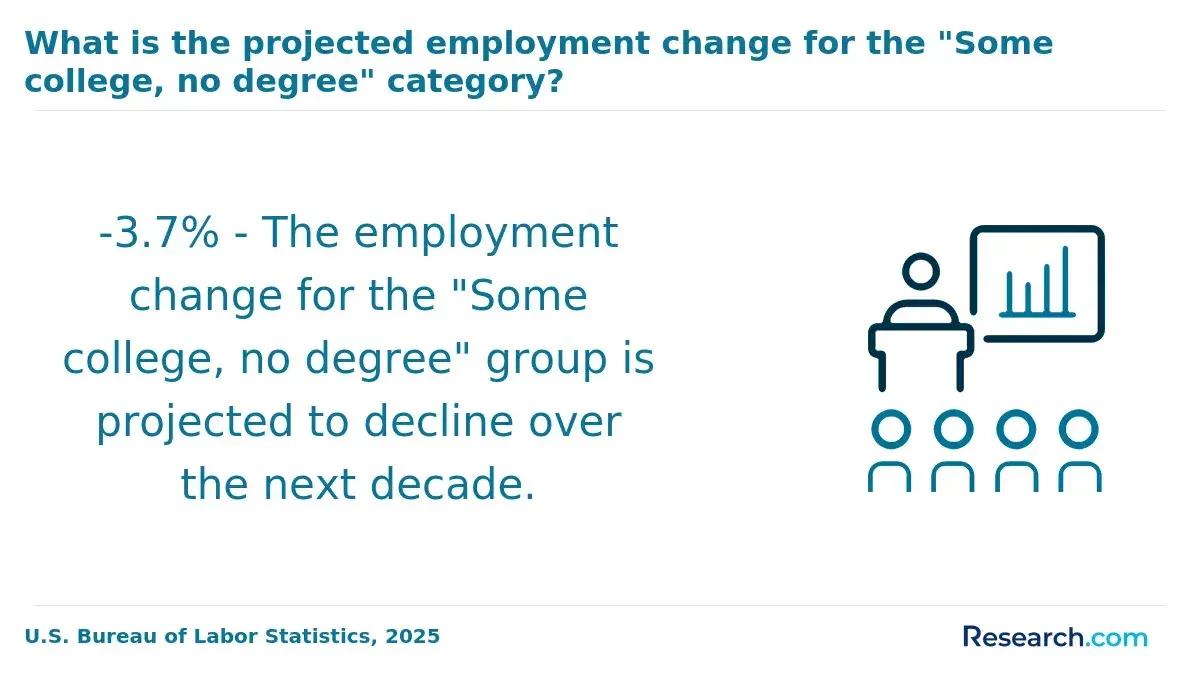
- Salary Premium: Analytics professionals with a bachelor's degree generally start with annual salaries between $60,000 and $85,000, depending on factors like location and industry. Earning a master's degree tends to increase income by 15% to 30%, elevating salaries into the $80,000 to $110,000 range.
- Doctoral Advantage: Those holding doctorates, particularly research or professional doctorates, command the highest wages-frequently surpassing $120,000. Positions in academia, elite research labs, or senior analytics leadership can push compensation above $150,000. These roles are fewer and demand specialized credentials and expertise.
- Credential-Gated Roles: High-level analytics jobs-such as healthcare data scientist leads, quantitative finance research directors, or chief data officers-often require at least a master's degree. In academia and government research, doctoral degrees are typically mandatory due to the technical depth and original research central to these positions. Professional doctorates may also be necessary where analytics intersects with domain-specific knowledge, including strategic business management or healthcare.
- Time-to-Payoff Considerations: Prospective students must weigh graduate tuition, living expenses, and potential lost earnings against the anticipated salary increase. Master's degrees usually offer the most favorable balance of cost and income gain. Doctoral programs-lasting four to six years-entail higher opportunity costs and are best suited for those targeting premier research or executive roles.
- Educational Background Matters: Individuals with related bachelor's degrees like statistics or computer science often find a master's sufficient for lucrative analytics careers. Career changers may face extended study time due to prerequisite coursework, increasing overall cost before accessing top-tier pay.
Which Industries and Employers Pay Analytics Graduates the Most?
Compensation for analytics graduates varies notably across industries, influenced by company scale, regulatory complexity, and market demand. Data from BLS and specialized employer surveys highlight several sectors that consistently offer high wages to analytics degree holders.
- Finance and Insurance: Top pay occurs here as firms rely heavily on analytics for managing risk and maximizing investment returns. Large banks and insurers fiercely compete for talent capable of navigating intricate financial markets, resulting in some of the highest salaries.
- Technology and Software Development: High innovation and vast revenue streams enable tech companies to offer generous compensation, rewarding analytics experts who enhance user experience and operational performance, particularly those with advanced technical skills and certifications.
- Healthcare and Pharmaceuticals: With analytics crucial to patient care, clinical trials, and compliance, this field rewards expertise with above-average salaries reflecting the critical nature and regulatory demands of healthcare decisions.
- Management Consulting: Prestigious consulting firms pay well to attract analytics professionals who deliver strategic insights across industries, though salary levels vary by firm reputation and size.
- Government and Defense: While generally offering lower salaries than the private sector, select agencies and contractors value specialized analytics skills in security and policy, providing competitive pay for niche expertise.
- Nonprofit Sector: Though on the lower end of the pay scale, nonprofits offer meaningful work and compensation that varies with funding availability and mission priorities.
- Self-Employment and Freelance Analytics: Established freelancers command high rates depending on market demand and specialized knowledge, showing strong earning potential for entrepreneurial graduates.
The interplay of industry choice with job title and degree level leads to wide salary disparities among analytics graduates. For example, a master's-level data scientist in finance might earn over $120,000 annually, whereas an entry-level analyst in nonprofit may start below $60,000. Credentials like the Certified Analytics Professional (CAP) further boost earning power.
Careful industry targeting during the job search-supported by skill development, relevant certifications, and professional networking-can greatly improve placement in top-paying roles. Gaining insights into specific regulatory frameworks and market dynamics enhances the prospects for analytics degree holders aiming for lucrative careers. For those exploring educational pathways compatible with career goals, a cheap online psychology degree can complement analytical skill sets, broadening interdisciplinary opportunities.
What Geographic Markets Offer the Best-Paying Analytics Jobs?
The demand for talented analytics professionals continues to grow across various industries, making it crucial to identify the geographic markets that offer the most lucrative opportunities. Here, we explore the top regions where analytics jobs are not only abundant but also come with competitive salaries, helping professionals make informed decisions about where to advance their careers.
- San Francisco Bay Area: Dominated by a robust tech sector, this region leads in nominal salaries for analytics roles. Although the cost of living is notably high, professionals employed by major companies in big data and machine learning often retain strong purchasing power when adjusted for expenses.
- New York City Metro: With its concentration of financial institutions and consulting firms, this metro area offers competitive wages in analytics, particularly in insurance and marketing fields. Despite elevated living costs, many find the compensation packages and career opportunities worthwhile.
- Washington, D.C. Metro: This area hosts numerous federal agencies and contractors focusing on public policy and defense analytics. Salaries, when adjusted for local living expenses, are appealing to those interested in government-related analytics careers.
- Seattle: Known for tech and e-commerce, Seattle provides lucrative analytics positions, especially in cloud computing. The relatively lower living costs compared to other tech hubs improve the real income for analytics professionals here.
- Boston: A blend of healthcare, academia, and technology sectors drives demand for analytics experts. High concentrations of research institutions and hospitals support well-paying jobs in this market.
Emerging remote and hybrid work models are altering the traditional geography of analytics salaries. Many data-focused roles-such as machine learning engineers and data visualization specialists-are increasingly location-independent, reducing salary disparities linked to metro area premiums. However, positions tied to healthcare compliance, government contracts, or requiring on-site access still depend heavily on geographic location.
For those evaluating relocation versus remote work, it is crucial to consider total financial impact-including cost of living, job security, and career trajectory. While moving to a top-paying market delivers immediate salary boosts, it may also bring higher expenses and lifestyle adjustments. Conversely, remote positions can enable living in more affordable regions without sacrificing competitive pay, though networking and niche opportunities may be more limited.
How Do Professional Certifications and Licenses Boost Analytics Salaries?
Certifications and licenses in analytics significantly enhance earning potential by demonstrating expertise and dedication to employers. Several credentials offer measurable salary increases, making them valuable investments for professionals eager to stand out in a competitive field.
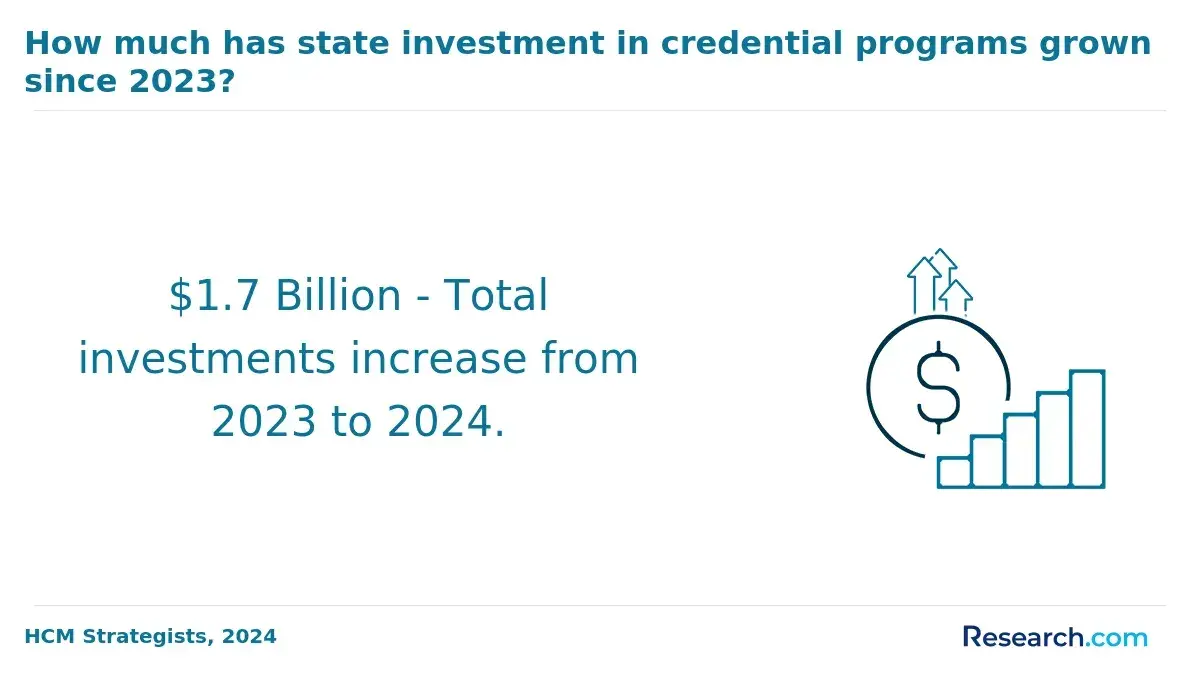
- Certified Analytics Professional (CAP): Administered by INFORMS, this credential mandates a bachelor's degree plus five years of experience. The exam tests skills in problem framing, analytics methods, and deployment. Renewal every three years requires ongoing education. The $495 exam fee is offset by a 15%-20% boost in salary, according to surveys.
- Google Data Analytics Professional Certificate: Accessible online without prior experience, it costs around $39 monthly. Though less intensive, it covers foundational skills widely recognized by entry-level employers, with salary increases that can exceed 10% in certain roles.
- Cloudera Certified Professional Data Scientist: Aimed at advanced practitioners handling big data, this certification involves a practical exam. The $495 fee supports demonstrating expertise in complex data systems, often tied to at least a 12% salary gain.
- SAS Certified Data Scientist: This multi-exam program focuses on programming and machine learning, often requiring months of preparation. Professionals with SAS certification report up to an 18% salary premium mid-career.
It's essential to verify which certifications are preferred or mandated within your target sector and to confirm accreditation by reputable organizations like ANSI or NCCA. This guards against inferior commercial certificates. Understanding eligibility, costs, renewal, and expected salary uplift will help prioritize credentials with the best financial return alongside academic degrees.
What Is the Salary Trajectory for Analytics Professionals Over a Full Career?
The salary progression for analytics professionals commonly follows distinct stages shaped by experience, specialization, and leadership roles, according to data from the U.S. Bureau of Labor Statistics (BLS), Georgetown Center on Education and the Workforce, and industry compensation surveys.
- Early Career: Entry-level salaries often range from $60,000 to $80,000, influenced by geographic location and employer type. Within five years, many professionals increase earnings to between $80,000 and $110,000 by acquiring advanced certifications like Certified Analytics Professional (CAP) or specializing in areas such as data engineering and machine learning.
- Mid-Career Growth: Around the ten-year mark, key inflection points emerge. Moving into management or team leadership roles typically results in salaries rising to $120,000-$150,000. Specialists focused on predictive modeling or business intelligence tend to outpace generalists during this phase.
- Senior and Executive Levels: Senior managers, directors, and chief data officers command median salaries exceeding $150,000, often surpassing $200,000. Compensation at this stage reflects leadership accountability, strategic business development, and a strong professional reputation.
- Strategic Decisions: High earners frequently pursue graduate degrees such as a master's or an MBA, maintain continuous learning, and cultivate professional networks-actions shown to enhance salary trajectories.
- Specialization and Business Impact: Transitioning into niche analytics roles or those involving decision-making authority distinctly boosts earnings. Combining business acumen with technical expertise differentiates top earners in competitive markets.
These benchmarks provide realistic short- and long-term salary expectations, emphasizing the importance of proactive skill enhancement and credential advancement to maximize the return on investment of an analytics degree in today's evolving labor market.
Which Analytics Specializations and Concentrations Lead to the Highest-Paying Roles?
Specializations in analytics significantly influence earning potential by aligning technical skills with critical industry demands. High-paying roles often derive from concentrations such as data science, machine learning, and financial analytics-each linked to distinct occupational pathways like data scientist, AI engineer, or quantitative analyst.
These specializations command premium salaries due to factors like talent scarcity, advanced technical requirements, and regulatory complexity in sectors such as finance and healthcare. Among the highest-paying analytics specializations in the US, financial analytics experts leverage risk models and navigate complex regulatory environments, leading to lucrative careers in banking and investment firms.
Data scientists skilled in machine learning algorithms analyze vast datasets to support strategic decisions, a capability highly sought after in tech and finance, translating into strong salary growth. Healthcare analytics professionals improve patient outcomes while adhering to strict privacy laws, justifying their higher wage premiums. Early-stage students should carefully evaluate specializations based on labor market trends, job posting demand data, and growth forecasts rather than on personal interest alone, ensuring alignment with top analytics concentrations for salary growth.
For those already enrolled in general analytics programs, pursuing targeted internships in high-demand areas, stacking certifications like the Certified Analytics Professional (CAP), and engaging in specialized continuing education offer effective strategies to enter high-paying fields without additional degrees. Prospective students can also consider exploring options such as a UX degree online for complementary skill development in analytics-adjacent fields.
- Investments: Top online analytics programs often boast competitive return on investment, balancing affordability with access to in-demand specializations.
- Credentials: Graduate degrees and professional certifications substantially boost salary prospects by signaling advanced expertise.
- Industry Focus: Sectors like finance, technology, and healthcare consistently drive demand for analytics experts with specialized skills.
How Does the Analytics Job Market's Growth Outlook Affect Long-Term Earning Stability?
The job market for analytics professionals is projected to experience robust growth over the next decade, according to Bureau of Labor Statistics (BLS) data. Key analytics roles-such as data scientists, operations research analysts, and business intelligence analysts-are expected to grow faster than average, driven by increasing reliance on data-driven decision-making across industries. This strong employment outlook contributes directly to long-term earning stability in analytics careers for degree holders in these fields.
Several broader labor market trends further shape demand. While increasing automation threatens some routine analytical tasks, specialized roles requiring complex problem-solving and domain expertise face low automation risk. Demographic shifts and expanding digital infrastructure also boost employer demand for professionals who can interpret data insights and translate them into strategic action. Legislative changes emphasizing data transparency and AI adoption expand qualified analytics roles nationwide.
- Growth Opportunities: Data scientists and business intelligence analysts show projected employment growth rates well above average, signaling expanding job availability and wage potential.
- Automation Resistance: Advanced analytics roles requiring interpretive skills and business context are less vulnerable to automation, preserving job security.
- Demand Drivers: Industry transformation through AI adoption and regulatory emphasis on data transparency expand roles for qualified analytics professionals.
- Structural Challenges: Some analytics positions face headwinds from outsourcing, budget constraints, and credential inflation-especially in entry-level or commoditized roles.
- Competitive Positioning: Professionals who build cross-functional skills, pursue certifications, and engage in lifelong learning maintain strong employability and wage growth.
- Risk Versus Reward: Highest-paying niches often balance lucrative pay with factors like limited openings or cyclical demand-understanding this helps differentiate stable careers from volatile ones.
Understanding the wage premium attributable to graduate credentials and professional certification is essential when assessing the full value of an analytics degree. ROI comparisons show that this credential often outperforms alternative pathways by combining salary gains with long-term job security. For those exploring career options, resources that highlight the best educational options-such as the best online architecture schools-can provide valuable insights into how degree choice aligns with occupation-specific growth and compensation trends.
Ultimately, a strategic investment in an analytics degree aligned with market trends and individual career goals supports sustainable income growth and professional resilience amid evolving labor dynamics.
What Leadership and Management Roles Are Available to High-Earning Analytics Graduates?
Leadership positions in analytics-including roles like analytics manager, director of data strategy, chief data officer, and vice president of business intelligence-represent the highest earning opportunities in this field. These roles generally operate at middle to senior levels of organizations, responsible for directing teams, crafting data-driven business strategies, and aligning analytics initiatives with overarching corporate objectives.
- Salary Premium: Data from the Bureau of Labor Statistics shows that analytics managers and executives earn significantly more than individual contributors, often 40% to 70% higher than senior analytics specialists. This difference reflects their extensive responsibilities such as overseeing budgets, managing cross-department collaboration, and influencing revenue outcomes.
- Career Progression: Moving from entry or mid-level analytics jobs into leadership typically involves several years of accumulating technical skills, project management experience, and business knowledge.
- Credential Enhancements: Professionals frequently boost their leadership prospects by acquiring certifications such as Certified Analytics Professional (CAP) and advanced degrees like an MBA, signaling readiness for executive challenges.
- Professional Growth: Developing soft skills-including communication, stakeholder engagement, and decision-making-is crucial, alongside building a proven history of leading projects with measurable impact.
- Strategic Choices: Early focus on roles that combine analytics expertise with leadership exposure-like team lead or project manager-helps cultivate management abilities. Mid-career investments in formal education complemented by analytics experience expand access to senior positions. Seasoned professionals maximize earnings by aligning credentials with industry demand.
Which Emerging Analytics Career Paths Are Positioned to Become Tomorrow's Highest-Paying Jobs?
Technological advancements, regulatory pressures, and demographic changes are fueling the rise of new career paths within analytics-roles forecasted by labor experts and industry reports to offer significant growth and attractive compensation over the next decade. These emerging occupations often blend traditional data skills with regulatory, ethical, or domain-specific expertise, reflecting market shifts and the evolution of digital infrastructures.
- Data Privacy Analyst: Specialists who ensure compliance with tightening global privacy laws, managing sensitive data in line with legal and ethical standards-vital for organizations aiming to avoid costly penalties and maintain trust.
- AI and Machine Learning Specialist: Professionals focused on developing and refining algorithms that turn complex datasets into actionable business intelligence-benefiting from curricula augmented with coding boot camps and specialized machine learning certifications.
- Healthcare Analytics Consultant: Experts leveraging health data to improve patient care and control medical costs-often prepared through coursework in healthcare data management and biostatistics.
- Edge Computing Data Engineer: Engineers skilled in processing data near its origin, supporting the rapid expansion of IoT devices-requiring proficiency in distributed systems and real-time analytics emphasized in updated analytics programs.
- Ethical Data Scientist: Practitioners integrating ethics with quantitative analysis to address AI biases and fairness-an area gaining traction through micro-credentials in data ethics.
Programs offering analytics degrees are adjusting by introducing interdisciplinary coursework and experiential projects that mirror industry challenges. Yet pursuing these emerging roles involves weighing the risk of delayed or altered demand-success depends on assessing factors like regulatory momentum and industry adoption to strike a balance between early entry and sustainable career potential.
Staying engaged with professional associations and tracking labor market insights from platforms such as Lightcast and LinkedIn Economic Graph can help aspirants maintain awareness of promising, well-remunerated opportunities as the field rapidly evolves.
What Graduates Say About the Highest-Paying Jobs You Can Get With a Analytics Degree
- Derrick: "Graduating with an analytics degree truly boosted my earning potential-studies show that having graduate credentials can increase wages significantly, and I experienced this firsthand. What surprised me most was how obtaining professional certification further amplified my salary prospects, making this field highly rewarding. If you're debating between degrees and alternative pathways, I'd say the return on investment here is unmatched."
- Arjun: "Reflecting on my journey, I realize how much the role of industry type and geographic location influenced my salary growth in analytics-working in finance within a major metropolitan area has paid off well. The wage premium tied to holding a formal degree really sets you apart in this competitive market. For those weighing different education options, the investment in an analytics degree often outweighs less formal routes."
- Elias: "From a professional standpoint, the combination of an analytics degree and certification opened doors to higher-paying roles I hadn't previously considered. Location and industry matter-a tech firm in Silicon Valley offered a much higher salary than smaller markets. It reinforced for me that a degree is more than just education; it's a strategic investment with strong financial returns."
Other Things You Should Know About Analytics Degrees
The return on investment (ROI) of an analytics degree is generally favorable when compared to alternative credentials such as certificates or bootcamps. Degree holders often access higher starting salaries-especially with graduate-level analytics degrees-due to the comprehensive training and recognized credential. While shorter credentials may be cost-effective, degrees provide a stronger foundation for long-term career growth and higher lifetime earnings.
Internships and practicums are critical in analytics-employers highly value hands-on experience in data analysis, modeling, and business intelligence. Graduates who complete practicum components or internships often negotiate better starting salaries because they demonstrate practical skills and industry readiness. Early work experience can also lead to faster career advancement and stronger professional networks.
The type of employer significantly influences analytics salaries. Private sector jobs, especially in technology and finance, typically offer the highest pay. Public sector and nonprofit organizations often pay less but may provide more stability and benefits. Analytics professionals should weigh these factors based on their income expectations and career priorities.
In 2027, an individual with an analytics degree can expect an average salary ranging from $70,000 to $120,000, depending on experience and job role. Positions in data science and machine learning are typically higher on the pay scale due to increased demand and specialized skills required.
References
- 7 Data Analytics Careers That Are in High Demand, and How to Stand Out https://www.bentley.edu/news/7-data-analytics-careers-are-high-demand-and-how-stand-out
- 20 Highest Paying Countries for Business Analysts https://finance.yahoo.com/news/20-highest-paying-countries-business-163211243.html
- High Paying Data Analyst Jobs & Six-Figure Salaries https://thinkcloudly.com/blog/high-paying-data-analyst-jobs/
- The Top 10 Data Analytics Careers For 2025: Skills, Salaries & Career Prospects | DataCamp https://www.datacamp.com/blog/top-ten-analytics-careers
- 10 Highest Paying Countries for Data Analysts: Top Companies & Avg Salary https://www.instarem.com/blog/highest-paying-countries-for-data-analysts/
- Cogent | Blog | Which Industry Pays The Highest Salary To Data Analysts? https://cogentinfo.com/resources/which-industry-pays-the-highest-salary-to-data-analysts
- Top Advantages of Earning a Data Analytics Certification - CertLibrary Blog https://www.certlibrary.com/blog/top-advantages-of-earning-a-data-analytics-certification/
- Guide to Data Analyst Careers: Skills, Paths, and Salary Insights https://www.investopedia.com/articles/professionals/121515/data-analyst-career-path-qualifications.asp
- Which Industries Pay the Highest Data Analyst Salary in the US? https://www.mygreatlearning.com/blog/which-industries-pay-the-highest-data-analyst-salary-in-the-us/
- How Do Certifications Influence Salary Increases? https://certiprof.com/blogs/news/how-do-certifications-influence-salary-increases