
2027 Accelerated vs. Traditional Analytics Degrees: Pros & Cons

Co-Founder and Chief Data Scientist
Choosing between accelerated and traditional analytics degrees involves weighing speed against depth. Accelerated programs attract working adults or career changers eager to complete their studies quickly, often within 12 to 18 months.
In contrast, traditional degrees typically span two to four years, offering a more gradual pace that allows for deeper academic engagement and flexible scheduling. Notably, accelerated learning formats have grown by over 30% in U.S. higher education recently.
This article will explore time commitment, learning experiences, and career outcomes for both paths. It aims to equip students with key factors to consider, from program intensity to professional readiness, helping them decide which analytics degree aligns best with their goals and lifestyles.
Key Points About Accelerated vs. Traditional Analytics Degrees
- Accelerated analytics programs offer flexibility and quicker completion, ideal for professionals eager to fast-track career advancement and enter the workforce sooner.
- Traditional degrees provide structured learning with deeper academic engagement, supporting comprehensive skill mastery and theoretical understanding over time.
- Students in traditional formats benefit from stronger peer connections and networking opportunities that foster collaboration and long-term professional relationships.
What Are the Differences Between Accelerated vs. Traditional Analytics Programs?
Accelerated and traditional analytics degree programs differ significantly in structure, particularly in pacing, scheduling, and learning intensity. These program formats create distinct academic experiences for students based on how content is delivered and how quickly the curriculum progresses.
The following comparison highlights key structural differences between accelerated and traditional analytics programs that influence student engagement and support.
Key contrasts in the structural differences between accelerated and traditional analytics degrees include:
- Program Format: Accelerated analytics degrees are typically delivered fully online, often through asynchronous classes that allow students to complete work on their own schedule. Traditional programs tend to feature in-person or hybrid formats with regularly scheduled classes, fostering a more structured learning environment.
- Faculty Interaction: Traditional formats usually offer greater face-to-face engagement with professors and advisors, encouraging mentorship and personalized feedback. In contrast, accelerated programs rely more heavily on digital communication, which provides flexibility but can limit direct personal connections.
- Student Collaboration: Students in traditional programs often study in cohorts, building long-lasting relationships through group projects and campus activities. Accelerated programs typically emphasize independent progression, resulting in less cohort-based interaction.
- Support Services: Traditional programs generally provide a wider array of support services, including career counseling and mental health resources, promoting holistic student development. Accelerated programs focus predominantly on essential academic support such as tutoring and technical assistance to maximize efficiency.
- Admission Requirements: Accelerated analytics programs may require higher entry qualifications, like prior learning or completed credits, to prepare students for the intensive pace, whereas traditional programs often maintain broader accessibility.
Students evaluating these options should consider how the comparison of program duration in analytics degrees aligns with their personal learning preferences and commitments.
Those seeking efficiency and flexibility can explore 6 month certificate courses that lead to high paying careers as one example of accelerated pathways that fit this mold.
How Fast Can You Finish an Accelerated vs. Traditional Analytics Program?
Program length varies significantly between accelerated and traditional analytics degrees. Accelerated formats condense coursework into shorter terms, allowing students to complete their studies more quickly, while traditional paths follow a standard academic pace with longer semesters.
Understanding the differences in completion time can help prospective students choose the best program for their needs.
Here is a comparison of how quickly students can finish accelerated business analytics degree completion time versus traditional programs.
- Transfer Credits: Students transferring credits from prior education or work experience can reduce required courses, speeding up graduation. This is often beneficial in both accelerated and traditional analytics programs, but the impact may be more pronounced in accelerated formats.
- Full-Time vs. Part-Time Enrollment: Full-time students complete more courses each term, shortening overall program duration. Part-time or online options may extend timelines, especially in traditional analytics program average duration, which typically follows a longer schedule.
- Course Intensity: Accelerated programs use condensed schedules such as five- to ten-week terms rather than 16-week semesters, enabling faster completion but requiring a greater time commitment per week.
- Program Structure: Some institutions offer combined bachelor's and master's degrees completed in five years instead of the usual six, accelerating degree completion beyond typical timelines.
- Flexibility: Online and part-time options provide convenience but may extend the duration, whereas full-time, in-person programs tend to accelerate the path to graduation.
Accelerated analytics degrees can often be completed in half the time or less compared to traditional ones, depending on individual circumstances and program design.
For those interested in broader options for senior students, exploring the best degrees for seniors online may provide additional educational pathways.
What Are the Admission Requirements for Accelerated vs. Traditional Analytics Programs?
Admission requirements for accelerated and traditional analytics programs often share common standards such as GPA, test scores, and prerequisite coursework, but they may differ in how they evaluate academic readiness and professional experience.
Below are key distinctions in admissions expectations for accelerated versus traditional analytics applicants.
- Academic Background: Accelerated analytics degree programs typically require a bachelor's degree with prior coursework or professional experience in quantitative fields to handle an intense pace. Traditional business analytics program admission criteria often accept applicants with a four-year undergraduate degree from any accredited institution and may have less demanding subject requirements.
- Work Experience: Accelerated programs often prioritize candidates with substantial professional experience or leadership roles, highlighting their focus on career advancement. Conversely, traditional programs are generally more accessible to recent graduates or those with limited work history.
- Assessment of Readiness: Accelerated formats may use essays, interviews, or portfolio reviews to gauge readiness for a fast-paced curriculum. Traditional programs tend to emphasize GPA, standardized tests like the GRE or GMAT if required, and academic transcripts.
- Transfer Credits and Certifications: Some accelerated options, including competency-based online programs, allow more transfer credits and may waive courses based on prior learning or industry credentials, enabling faster completion. Traditional programs usually have stricter limits and require completion of a set curriculum.
For students seeking flexible pathways, exploring a fast track associates degree online can also be a valuable step toward entering advanced analytics study or accelerating career progress.
How Are Accelerated Analytics Courses Structured Compared to Traditional Ones?
Accelerated analytics programs compress the same essential curriculum found in traditional degrees into a shorter timeframe, focusing on faster completion without sacrificing core skills.
These programs differ notably in pace, workload, and how courses are delivered compared to conventional formats, making them uniquely suited to certain learners.
Below are key differences between accelerated and traditional analytics degree structures:
- Course Length: Accelerated programs often finish associate degrees in about 17 months, bachelor's in two years, and master's in under two years, whereas traditional degrees typically span two, four, and over two years, respectively. The condensed timeline appeals to those seeking rapid career progression.
- Weekly Workload: Enrollees in accelerated courses handle a heavier load per term, facing more frequent assignments and exams within shorter segments, such as 5 to 10 weeks. This format demands disciplined, motivated students who can manage intense study periods effectively.
- Instruction Style: Accelerated degrees are mostly offered online and asynchronously, providing flexibility to complete work on one's own schedule. Traditional programs commonly combine in-person and online classes with set meeting times, catering to those who prefer consistent pacing and face-to-face interaction.
Despite the accelerated tempo, quality and learning outcomes remain aligned with traditional degrees, though accelerated students must be prepared for the increased rigor and self-directed effort involved.
How Much Do Accelerated Analytics Programs Cost Compared to Traditional Programs?
Tuition and total expenses vary notably between accelerated and traditional analytics degree programs, mainly because accelerated formats shorten the time to completion. Although the cost per credit is often similar, faster completion reduces additional fees and living costs.
This shorter timeline can also decrease the financial strain of being out of the workforce. Here are key cost differences between accelerated and traditional analytics programs:
- Tuition Rate per Credit: Both program types usually charge between $400 and $800 per credit for online courses. Some accelerated degrees may offer affordable flat rates from $10,000 to $25,000 for the entire program.
- Program Duration and Total Cost: Accelerated programs last about 10 to 18 months, compared to 2 to 3 years for traditional tracks. This shorter length often leads to lower overall tuition and fees, with accelerated MBAs costing $16,000 to $25,000 versus upward of $80,000 at top schools for traditional programs.
- Opportunity Cost: Graduating sooner allows accelerated students to return to work earlier, minimizing lost wages during study time relative to longer traditional programs.
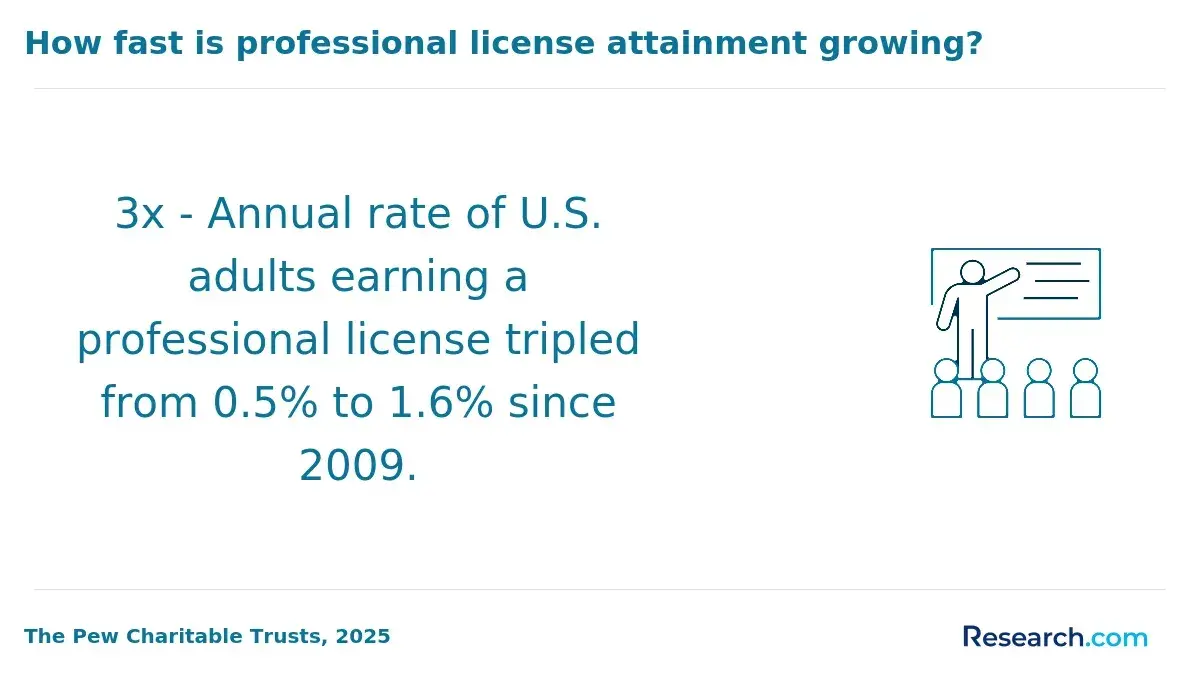
- Financial Aid Availability: Both formats generally provide similar access to federal aid and scholarships. However, accelerated program students typically borrow less due to reduced total costs and quicker completion.
- Living and Incidental Expenses: Spending less time enrolled cuts down on housing, food, and other daily expenses. Yet, the heavier course load in accelerated programs may present challenges in balancing work and study.
What Financial Aid Is Available for Accelerated vs. Traditional Analytics Degrees?
Both accelerated and traditional analytics degree seekers in the U.S. have access to financial aid, though eligibility and fund availability can vary due to differences in program duration and enrollment intensity. These factors influence when and how students receive their aid.
Here's a breakdown comparing financial support options between the two formats:
- Federal Aid Eligibility: Both program types qualify for federal loans like the Direct Unsubsidized Loan after FAFSA submission and meeting requirements. However, accelerated students must carefully plan loan disbursements since shorter terms can affect timing.
- Scholarship Timelines: Scholarships are accessible to all analytics students, often based on merit or experience, but accelerated programs have stricter deadlines due to condensed schedules, requiring prompt applications.
- Employer Tuition Assistance: This benefit is available regardless of program pace, with some employers offering up to $5,250 annually tax-free for tuition or loan repayment, subject to company policies and employment status.
- Aid Disbursement and Renewal: Accelerated students may face challenges coordinating financial aid renewals and funds release within shorter enrollment periods, demanding proactive management.
A professional who chose an accelerated analytics path shared his experience: "Navigating financial aid felt intense because the faster pace meant my loan schedules had to line up perfectly with each new term.
"I had to stay in constant contact with the financial aid office and my employer's benefits team to ensure funds arrived on time.
"Despite the stress, securing employer tuition assistance was a huge relief and motivated me to keep pushing. Looking back, managing the aid process was part of the valuable discipline I gained from the accelerated program."
What Kind of Student Support Do Accelerated vs. Traditional Analytics Programs Offer?
Student support is essential for academic achievement, shaping how students navigate their programs and stay motivated. Accelerated and traditional analytics degrees vary considerably in how, when, and where these services are provided, adapting to each format's pace and structure.
Here is a comparison of common student support features in these programs.
- Academic Advising: Accelerated programs often provide tailored, proactive advising with frequent virtual check-ins to help students manage compact schedules. Traditional programs tend to offer routine, scheduled sessions that allow more time for flexible academic planning and major decisions.
- Tutoring: On-demand online tutoring and flexible peer study groups are typical in accelerated formats, accommodating intense workloads and irregular hours. Traditional routes typically feature in-person tutoring centers with regular hours supporting a more measured learning pace.
- Career Guidance: Career support in accelerated programs focuses on swift, targeted services like résumé help and job placement aligned with fast graduation. In contrast, traditional programs usually deliver ongoing career counseling, networking opportunities, and internships spanning multiple semesters.
- Peer Interaction: Accelerated students may connect through virtual platforms and scheduled small-group activities to balance tight timelines, while traditional students benefit from broader opportunities for face-to-face collaboration and campus events.
Do Graduates from Accelerated vs. Traditional Analytics Programs Get Hired More Quickly?
Employment outcomes often play a crucial role when deciding between accelerated and traditional analytics programs. While both paths can open doors to strong careers, factors such as hiring speed and job readiness may vary.
Here is a comparison of job placement trends and key influences affecting graduates from each format.
- Employer perception: Traditional analytics degrees tend to be regarded as more thorough, providing graduates with greater employer confidence. Accelerated programs offer efficiency but may raise concerns about the depth of training received.
- Career readiness: Graduates from accelerated programs usually enter the workforce faster, often within 12 to 18 months, though they might sacrifice opportunities for internships or networking compared to peers in longer traditional programs.
- Industry demand: In 2025, 67% of accelerated master's graduates at NC State reported employment upon graduation, whereas 91% of job-seeking graduates from Georgia Tech's traditional master's received full-time offers, illustrating differences in immediate outcomes.
- Job placement speed: Accelerated degree holders may secure roles more quickly due to shorter study periods, but traditional graduates frequently command higher salaries and specialized positions over time.
When asked about her experience, a professional who completed a traditional analytics program shared that although the job search was intense, the comprehensive curriculum and networking opportunities made employers value her background.
She recalled, "The process took a few months, but the depth of my training gave me confidence during interviews."
Her story reflects how a traditional path, while sometimes slower to start, can lead to fulfilling employment with strong support from industry connections.
Are Accelerated Analytics Degrees Accredited the Same Way as Traditional Programs?
Accreditation ensures academic quality and legitimacy for both accelerated and traditional analytics programs, regardless of their pacing or delivery format. Regional accreditation for accelerated analytics degrees serves as a key indicator that the institution meets established standards for faculty qualifications, curriculum rigor, and student support.
This accreditation directly affects financial aid eligibility, credit transferability, and employer recognition, making it essential for students to consider.
Both accelerated and traditional programs undergo the same institutional reviews to guarantee they adhere to high educational standards. Confirming regional accreditation is thus critical before enrolling in any analytics degree.
The accreditation process typically applies equally to both program types but may involve differences in curriculum design to accommodate accelerated schedules. Programmatic accreditation, including AACSB accreditation for traditional and accelerated analytics programs, requires that both formats meet identical criteria, even if coursework is compressed.
Regional and specialized bodies like AACSB and DASCA ensure the quality of analytics education is consistent across delivery formats. Prospective students should always verify that any analytics program comes from a regionally accredited institution to ensure broad recognition.
For those considering expedited doctoral options, exploring one year PhD programs online may also provide insight into how accelerated degrees maintain accreditation while shortening time to completion.
How Do You Choose Between an Accelerated vs. Traditional Analytics Degree?
Choosing between an accelerated and a traditional analytics degree depends largely on your career goals, schedule flexibility, and preferred learning pace. Both options offer distinct advantages that cater to different personal circumstances.
To determine which path fits you best, consider the following key factors:
- Time Commitment: Accelerated programs condense coursework into shorter intervals, allowing completion of bachelor's degrees in as little as two years or master's in 12 to 18 months, ideal for those needing a faster entry or advancement. Traditional degrees take longer-three to four years for a bachelor's and one to two years for a master's-providing a steadier pace for in-depth learning.
- Learning Style: Accelerated degrees demand a higher weekly workload and rapid absorption of complex material, suiting highly motivated students or working professionals seeking flexibility. Traditional programs offer a more structured and sequential approach, better for learners who prefer steady progression and comprehensive exposure to analytics topics.
- Career Goals: If you aim to enter or advance in the field quickly, the best accredited accelerated analytics degree programs can provide a faster route. Alternatively, if you value extensive campus engagement, labs, and networking, a traditional program may better align with your ambitions.
- Flexibility and Resources: Accelerated formats often offer greater flexibility to balance work, family, or other commitments, while traditional degrees provide access to campus resources and networking opportunities.
- Cost Considerations: It's important to compare cost of accelerated vs traditional analytics degree programs, as pricing can vary based on program length and format. For accurate information on accredited schools, consider researching nationally accredited colleges.
What Students of Accelerated vs. Traditional Analytics Programs Say About Their Degree
- Joey: "Pursuing a traditional analytics degree has been a rewarding experience despite the longer time commitment. The steady pace allowed me to thoroughly understand complex concepts, but the overall cost was quite high compared to accelerated programs. Ultimately, it's been worth it for the solid foundation I've gained for my career in data analysis."
- Morgan: "The traditional analytics program challenged me to balance coursework and personal life, which sometimes felt overwhelming but also very enriching. I appreciate the depth of learning and networking opportunities, though the expense has been a significant consideration. This degree has definitely shaped my professional outlook and opened doors I didn't expect."
- Hudson: "Choosing the accelerated analytics program was intense but incredibly efficient, condensing what would normally take years into just months. While the fast pace meant less time for reflection and higher stress, the reduced cost and quick entry into the workforce made it a practical choice. It's been a game-changer for my career progression so far."
Other Things You Should Know About Traditional vs. Accelerated Analytics Degrees
The workload in accelerated analytics degrees is typically more intense due to a shorter time frame for completion, often requiring more hours of study per week. In contrast, traditional programs spread the workload over a longer period, allowing for more flexibility but potentially a more extended time to completion.
Employers recognize both accelerated and traditional analytics degrees, valuing skills and adaptability over the program duration. However, they may expect accelerated graduates to have effective time management and a readiness for fast-paced environments, given the condensed learning format.
Accelerated analytics degrees often compress content into shorter timeframes, potentially leading to less depth in each subject compared to traditional programs. However, they provide concentrated, intensive learning, benefiting students who prioritize quicker completion. Traditional programs may offer more extensive exploration of complex topics.
References
- All One-Year Online Master's in Business Analytics Programs - AnalyticsDegrees.org https://www.analyticsdegrees.org/business-analytics/one-year/
- Graduate Programs https://www.uaeu.ac.ae/en/catalog/graduate/programs/bachelormaster-accelerated-option-in-business-analytics.shtml
- Accelerated vs. Traditional Program - General Student Support https://allnurses.com/accelerated-vs-traditional-program-t559617/
- Master of Business Analytics: Everything You Need to Know https://www.mba.com/explore-programs/business-masters-programs/master-of-business-analytics
- Attrition and success rates of accelerated students in nursing courses: a systematic review https://pmc.ncbi.nlm.nih.gov/articles/PMC4825075/
- Innovative Accreditation: Accelerated Degrees and Competency-Based Education https://changinghighered.com/innovative-accreditation-accelerated-degrees-and-competency-based-education/
- Flexible MBA Formats: Compare Accelerated, Evening & Online Programs https://online.ysu.edu/degrees/business/mba/general/flexible-formats-comparing-accelerated-evening-programs/
- A 10-Year Look at Education Returns: Traditional vs Accelerated Pathways https://www.codingtemple.com/blog/traditional-vs-accelerated-higher-education/
- Why is Choosing the Right Data Analytics Course Duration Important https://emeritus.org/in/learn/data-science-data-analytics-course-duration/
- Traditional vs. Accelerated Nursing Programs: Which Path is Right for You? https://www.alliant.edu/blog/traditional-vs-accelerated-nursing-programs-which-path-right-you


