2027 Highest-Paying Jobs You Can Get With an Economics Degree

Co-Founder and Chief Data Scientist
Deciding whether to pursue an economics degree often hinges on its financial payoff compared to other educational routes. The wage premium for economics graduates increases significantly with advanced degrees-master's holders earn approximately 30% more than bachelor's alone-and professional certifications like CFA or CPA can further boost salaries. Geographic location and industry choice also shape compensation outcomes, with urban financial hubs offering the highest returns. This article unpacks the factors influencing the highest-paying jobs for economics graduates-exploring graduate credentials, licensure benefits, and the degree's ROI versus alternative career paths-to help readers make informed, financially sound education decisions.
Key Things to Know About the Highest-Paying Jobs You Can Get With a Economics Degree
- The wage premium for graduate economics degrees often exceeds 20%-master's and PhD holders tend to command significantly higher salaries than bachelor's-level professionals.
- Professional licensure and certifications like CFA or CPA can boost salaries by 10-15%, positioning economists for leadership roles in finance and consulting sectors.
- Economics degrees typically yield higher long-term returns than alternative pathways-especially when coupled with industry experience in finance, tech, or government roles concentrated in high-cost metro areas.
What Exactly Does a Economics Degree Qualify You to Do in Today's Job Market?
An economics degree equips graduates with skills that are highly valued across sectors like finance, consulting, government, and research. According to the U.S. Bureau of Labor Statistics (BLS), employers seek candidates with this credential for roles demanding both quantitative expertise and critical thinking-traits that set economics degree holders apart from those relying solely on experience or alternative credentials. This sets the foundation for understanding economics degree career opportunities in the United States.
Core competencies that define economics degree holders include:
- Technical Proficiency: Expertise in statistical software, econometrics, data modeling, and financial analysis equips graduates to manage complex datasets and extract actionable insights.
- Analytical Skills: Training in micro- and macroeconomic theory enhances the ability to evaluate policies, market effects, and economic forecasts with accuracy.
- Interpersonal Communication: The capacity to translate complex, technical findings into clear recommendations is a key strength-economics graduates often excel in communicating with diverse audiences.
It is important to clarify what an economics degree does not automatically provide. Unlike licensed professions such as accounting or law, economics graduates are not certified practitioners. High-paying jobs may require additional certifications or further graduate-level study. Many assume eligibility for roles like Certified Public Accountant or licensed financial advisor, which is a misconception. Instead, economics offers a blend of credential-gated and open-entry career paths that emphasize analytical rigor and quantitative reasoning.
Employer job posting data from LinkedIn Insights shows that the wage premium rises substantially with advanced degrees-master's and doctoral graduates frequently secure higher salaries and specialized roles such as economic consultants, policy analysts, and financial economists. The highest-paying jobs explored in this article generally require graduate credentials and professional certifications, highlighting why many candidates consider options like the cheapest online doctoral programs to maximize their earning potential in today's market.
Which Economics Jobs Command the Highest Salaries Right Now?
The highest-paying occupations available to economics degree holders span various industries-with earnings reflecting experience, education level, and geographic location. According to recent data from the Bureau of Labor Statistics (BLS) and industry salary surveys, economics graduates compete with candidates from business, finance, and engineering backgrounds in multiple roles. However, economics expertise paired with advanced credentials often yields a measurable wage premium-making an economics degree a financially strategic choice for those targeting economic careers with top salary growth potential.
- Financial Manager: Leading the compensation scale, these roles show median salaries near $130,000, with the 75th percentile surpassing $180,000 and top earners exceeding $208,000 annually.
- Degree Levels: Bachelor's degree holders commonly enter, while master's or MBA degrees significantly boost earning capacity.
- Industries: Banking, corporate finance, and investment services dominate.
- Geographic Markets: Financial hubs such as New York, San Francisco, and Chicago offer the highest pay.
- Actuary: Driven by strong demand and certification requirements, median earnings top $110,000; the 75th percentile rises beyond $150,000 with senior actuaries earning over $200,000.
- Degree Levels: A bachelor's degree in economics with solid quantitative skills is essential, supplemented by actuarial exams.
- Industries: Insurance, consulting, and government sectors employ most actuaries.
- Data Scientist: Increasingly accessible to economics graduates skilled in analytics and programming, these roles offer median salaries around $100,000, rising to $165,000 or more for experienced professionals.
- Degree Levels: Master's degrees or supplementary training in statistics or computer science enhance job prospects.
- Employers: Technology firms, financial institutions, and healthcare providers lead hiring.
- Financial Analyst: Median pay is approximately $85,000, with top earners surpassing $140,000.
- Degree Levels: Bachelor's degrees are typical; earning professional certifications like the CFA increases salary potential.
- Industries: Investment firms, corporate finance, and banking.
- Management Consultant: This competitive field offers median salaries near $90,000 and can exceed $150,000 for experienced consultants.
- Degree Levels: Advanced degrees and MBAs strongly improve salary outcomes.
- Geographic Markets: Urban areas with dense consulting firm concentrations pay the most.
Throughout these roles, economics degree holders often face competition from peers in business or finance, yet the degree tends to provide a salary advantage when combined with graduate education, industry certifications, or niche specializations such as financial econometrics or risk management. Salary trajectories vary significantly depending on specialization, geographic location, and employment sector.
For example, government economists and policy analysts typically earn less than those working in private finance or technology industries. Prospective students should also consider programs like a CACREP accredited credential if seeking related specialties.
Understanding these distinctions equips prospective economics students-whether high school graduates, mid-career professionals, military veterans, or career changers-to evaluate how a degree aligns with their income goals, risk tolerance, and long-term aspirations within the highest-paying economics jobs in the US labor market.
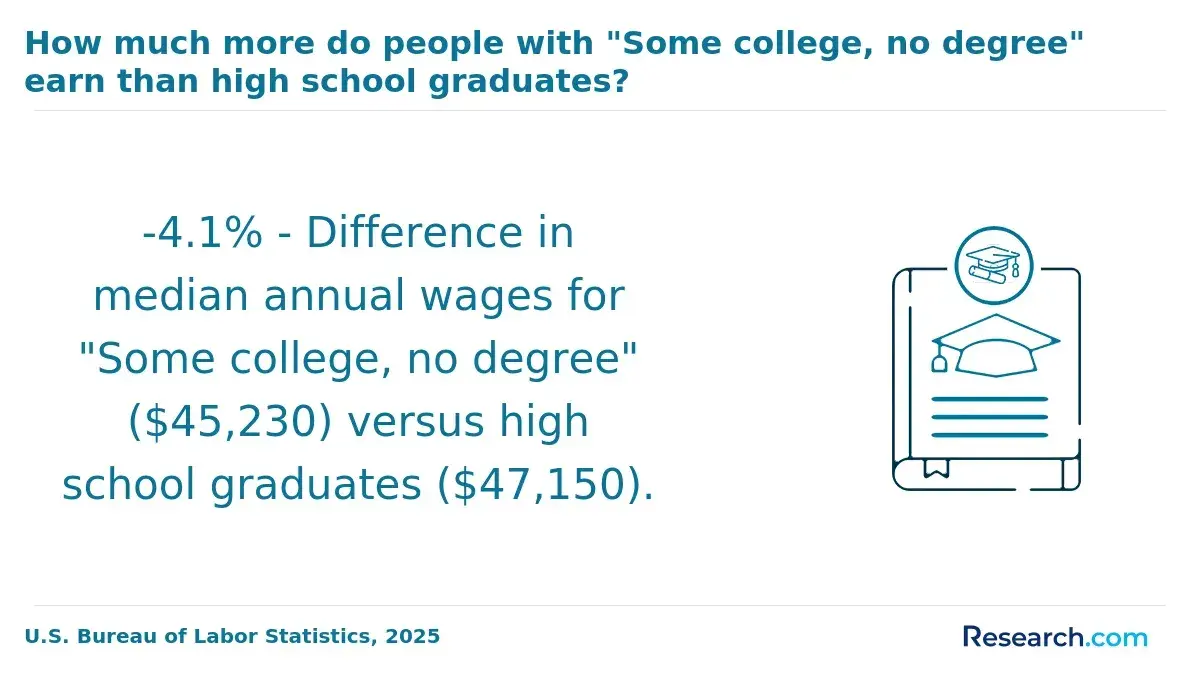
How Does Degree Level-Bachelor's vs. Master's vs. Doctoral-Affect Economics Earning Potential?
- Bachelor's Degree Salaries: Graduates with a bachelor's in economics typically earn between $55,000 and $75,000 annually, filling roles like economic analysts, financial analysts, or market researchers. Many industries and government positions provide top compensation at this level, especially as experience grows or certifications are added.
- Master's Degree Income Gains: Holding a master's degree can boost earnings by about 20% to 40% over bachelor's holders. Advanced roles-such as senior economist, data scientist, or policy analyst-often require this credential. Specialized fields like corporate strategy or consulting generally pay $90,000 to $130,000 and favor graduate-level expertise for strategic decision-making.
- Doctoral Degree Wage Premium: Economics PhDs or professional doctorates command the highest pay, ranging from roughly $120,000 to over $180,000, primarily in academia, federal research institutions, and senior policy roles. These positions demand original research skills and rigorous quantitative training only provided at this level.
- Credential-Gated Positions: Roles including university professor, senior research economist, or chief economist commonly mandate a doctoral degree. Leadership positions in economic policy or regulatory agencies may require either a master's or doctorate, reflecting the elevated complexity and responsibility of these jobs.
- Investment Versus Payoff: Graduate degrees require significant time-often 2 to 6 years-and financial costs including tuition and lost income while studying. Prospective students must carefully evaluate whether the expected income increase justifies these upfront expenses over their career horizon.
Pathways for Varying Backgrounds: Those with an economics-related bachelor's generally benefit most from a master's for quicker access to higher-paying roles. Career changers aiming at research or leadership jobs may consider doctoral programs, though shorter professional master's degrees can sometimes deliver a better return on investment depending on individual goals.
When asked about his experience, a professional who completed an economics degree recalled the challenge of balancing coursework, job search, and financial pressures: "The jump from bachelor's to master's was tough-especially managing tuition costs alongside daily expenses. But securing a master's opened doors I hadn't seen before, and every late night writing papers felt worth it once I landed my senior analyst role." He noted the doctoral track involved even greater sacrifices, with years devoted to research and uncertainty about funding, but the payoff came through exclusive opportunities available only at that level, confirming the significant impact degree level has on earning potential in the economics field.
Which Industries and Employers Pay Economics Graduates the Most?
Sectors characterized by high revenues, stringent regulation, and fierce competition tend to offer the most lucrative opportunities for economics graduates. These market dynamics create substantial wage premiums, especially for those with advanced credentials and specialized expertise.
- Finance and Investment Banking: This segment is among the highest-paying, with banks, hedge funds, and private equity firms valuing economists for their skills in quantitative analysis and economic forecasting. Even entry-level roles can yield six-figure compensation when bonuses are included, reflecting intense competition for talent.
- Technology Firms: Leading tech companies hire economics graduates to optimize pricing models, analyze market trends, and improve user experiences using data insights. Rapid sector growth and global market pressures push salaries to rival those in finance-particularly for candidates with data science capabilities.
- Government and Public Sector: While base pay is typically lower than in private industries, specialized roles in institutions like the Federal Reserve or the U.S. Treasury offer competitive packages when considering benefits and job stability. Higher degrees and certifications notably enhance earning potential here.
- Consulting Firms: Economics graduates in consulting leverage economic modeling to address business challenges. Performance bonuses and travel demands contribute to attractive total compensation in strategy and economic consulting roles.
- Nonprofit and Research Organizations: Though generally offering lower pay, economists working in think tanks and policy research institutions may command higher wages if affiliated with reputable organizations or occupying senior positions.
The variable interplay of industry, job function, and degree level leads to wide salary disparities among economics degree holders. For example, a graduate economist specializing in risk management at a financial institution often out-earns an entry-level data analyst in government. Earning certifications like the CFA or pursuing doctoral degrees can open doors to superior salary tiers.
To maximize compensation, candidates should strategically target top paying sectors by cultivating relevant skills such as econometrics, programming, and financial analysis. Building robust professional networks and obtaining industry-recognized certifications throughout or after one's Economics degree program are critical steps to enhancing both employability and income.
Those interested in further credential advancement might explore options such as an EDD program to increase their competitive edge in specialized fields.
What Geographic Markets Offer the Best-Paying Economics Jobs?
Analyzing the best-paying geographic markets for economics careers requires more than examining nominal salaries-it demands adjusting for local living costs and employer concentrations. Data from the Bureau of Labor Statistics reveals several U.S. metropolitan areas leading in median wages for economists and related occupations, but cost-of-living indexes like those from the Council for Community and Economic Research clarify where true purchasing power lies.
- San Francisco Bay Area: A top region for salaries due to its tech, finance, and consulting sectors, though housing and daily expenses significantly diminish real income benefits.
- Washington, D.C. Metro Area: Offers competitive wages paired with moderate living costs, favored by those in government policy, regulatory analysis, and think tank roles.
- New York City: High nominal wages reflect its financial stronghold, yet high housing and transportation costs temper overall financial advantages.
- Boston: Combines academic and healthcare research industries with relatively affordable living costs compared to other major metros, enhancing real earnings.
- Midwestern Metro Areas: Cities like Chicago and Minneapolis provide midrange salaries but benefit from lower expenses and diverse sectors such as manufacturing, healthcare, and finance.
- Texas Metro Areas: Houston and Dallas boast growing markets with competitive pay and significantly lower living costs, attracting early- and mid-career economists.
The rise of remote and hybrid work models is reshaping this landscape. Positions in data analysis, economic consulting, and financial economics often support remote employment, allowing workers to live in more affordable regions without losing income. Conversely, some government or healthcare economics roles require physical presence for licensing, client interaction, or facility access. These factors compel professionals to balance the financial gains of relocating against the flexibility and cost savings of remote work.
One professional who forged her path after earning an economics degree shared that choosing where to work felt overwhelming because nominal salary figures alone didn't tell the full story. She recounted how she initially pursued opportunities in high-cost metros but soon realized the importance of weighing cost of living and job flexibility. Ultimately, she embraced a hybrid role with a firm headquartered in a major city while living in a nearby suburb with lower expenses. "It was a learning curve," she reflected, "but understanding these trade-offs helped me secure better work-life balance and financial stability than chasing the highest paycheck alone." This experience underscores how thoughtful geographic and work arrangement choices are essential in maximizing the value of an economics career.
How Do Professional Certifications and Licenses Boost Economics Salaries?
Professional credentials offer a tangible salary advantage for economics graduates by validating specialized knowledge and reliability to employers. Among the most impactful are the Certified Business Economist (CBE), Financial Risk Manager (FRM), and Chartered Financial Analyst (CFA).
- Certified Business Economist (CBE): This certification, provided by the National Association for Business Economics, requires a bachelor's degree minimum and successful completion of a three-part exam covering microeconomics, macroeconomics, and applied economics. Candidates must renew every three years via continuing education. Exam fees are approximately $1,000. CBEs typically experience a salary uplift of about 14% compared to non-certified professionals.
- Financial Risk Manager (FRM): Offered by the Global Association of Risk Professionals, earning the FRM involves passing two exams focused on risk management principles and practical application. Candidates usually have backgrounds in finance or economics and must show at least two years of relevant work experience. Annual renewal with fees is required. Costs hover near $1,500. Certified FRMs frequently receive salary increases exceeding 20%, reflecting their specialized expertise.
- Chartered Financial Analyst (CFA): Recognized widely in investment finance, the CFA credential demands passing three sequential exams in financial analysis and portfolio management. Candidates generally hold a bachelor's degree and need four years of qualifying professional experience. Total exam and materials expenses range between $3,000 and $4,000. CFA holders tend to earn median salaries roughly 25% higher than peers without the certification in related economics roles.
It is crucial to confirm whether specific certifications are preferred or mandatory within your target employer and industry. Additionally, verify that credentials are accredited by authoritative organizations like ANSI or NCCA, ensuring credibility beyond less reputable commercial certifiers. Investment of time and money should be balanced against documented salary premiums to select credentials that align with your career trajectory and long-term financial objectives.
What Is the Salary Trajectory for Economics Professionals Over a Full Career?
Economics professionals experience distinct salary growth patterns throughout their careers, with starting pay typically ranging from $55,000 to $75,000 in the first five years according to U.S. Bureau of Labor Statistics (BLS) data. As economists progress to mid-career-usually after five to ten years-salaries commonly increase to between $90,000 and $130,000. Key career inflection points such as promotions into management, earning advanced degrees, or acquiring specialized credentials accelerate these earnings significantly.
After a decade or more in the field, peak career salaries often exceed $150,000, especially for those working in high-demand sectors like financial economics, data analytics, or policy advisory roles. Industry compensation surveys highlight that leadership responsibilities and certifications such as the Certified Economic Developer (CEcD) strongly correlate with these higher salaries.
- Specialization: Cultivating expertise in niche fields unlocks premium pay by addressing complex economic challenges.
- Leadership: Moving into managerial or executive roles leads to substantial compensation increases tied to expanded accountability.
- Business Development: Engaging in client acquisition and revenue growth often distinguishes top earners within the profession.
- Reputation Building: Establishing a recognized professional profile via publications, speaking engagements, or industry participation boosts earnings potential.
Strategically pursuing graduate credentials and professional licensure further enhances earning prospects, as supported by research from the Georgetown Center on Education and the Workforce, which documents a notable wage premium for economists with advanced degrees. These data help prospective students and career changers set realistic short- and long-term salary expectations, guiding financially informed decisions about investing in an Economics degree compared with alternative credentials or career paths.
Which Economics Specializations and Concentrations Lead to the Highest-Paying Roles?
Specializations within economics that lead to the highest-paying roles often require deep technical expertise and significant market insight. Financial economics, econometrics, and industrial organization are top concentrations due to their relevance in capital-intensive or highly regulated industries. Financial economics specialists tend to fill positions in investment banking, asset management, and corporate finance-fields that reward advanced analytical skills amid complex regulatory frameworks. This concentration aligns closely with the highest-paying economics specializations in the United States.
Econometrics, emphasizing statistical methods and data analysis, is in high demand among tech firms, consulting agencies, and government sectors focused on big data and predictive modeling. The scarcity of professionals skilled in quantitative techniques drives a strong wage premium. Industrial organization experts frequently engage in antitrust analysis, regulatory consulting, and market strategy development-benefiting from corporate needs for competitive advantage and navigating complex legislation.
Students pursuing economics degree concentrations with the greatest salary potential should prioritize labor market trends such as job growth, employer demand, and salary reports over personal interest alone. Those currently enrolled in general economics programs can still unlock lucrative roles by obtaining targeted internships, professional credentials like CFA or data analytics certifications, or continuing education. Many top programs offer flexible options that enhance return on investment for those balancing work and study.
- Return on Investment: Top online economics programs offer flexible, lower-cost pathways yielding strong employment outcomes in finance and data analysis roles.
- Licensure Impact: Certifications such as Chartered Financial Analyst or Certified Business Economist often correlate with 15%-30% salary increases.
- Graduate Earnings: Advanced economics degrees boost median technician wages by approximately 40%, reflecting employer preferences for specialized expertise.
For those exploring alternatives, an office administration college might offer a different pathway, but the earning potential tied to economics specializations remains a compelling draw for many seeking substantial long-term financial returns.
How Does the Economics Job Market's Growth Outlook Affect Long-Term Earning Stability?
The labor market for economics professionals in the United States is set for steady growth over the next decade, with the U.S. Bureau of Labor Statistics (BLS) projecting employment increases of 5% to 10% for popular roles like financial analysts, economic advisors, and policy analysts. This aligns with or slightly outpaces the average for all occupations, suggesting robust long-term earning stability for economics degree holders who focus on high-demand, less-automatable roles-an essential consideration in evaluating economic job market growth trends in the United States.
Several factors will shape supply and demand in economics professions:
- Growth Potential: Data analysis, economic modeling, and public policy roles are expanding due to technological advances and increasing global market complexity.
- Automation Risk: Jobs relying on critical thinking and communication are relatively safe, though routine data processing faces automation threats.
- Demographic and Legislative Drivers: Aging populations and regulatory shifts are boosting demand in healthcare, finance, and government sectors.
- Technological Transformation: Proficiency with economic software and fintech tools raises employability and buffers against displacement.
However, challenges remain in some segments:
- Outsourcing Concerns: Entry-level research jobs are vulnerable to offshore outsourcing, particularly where advanced cultural or language skills are less critical.
- Budgetary Constraints: Public sector hiring may slow due to government budget pressures.
- Credential Inflation: Increasing demand for advanced degrees means bachelor's level holders must upgrade skills, in part by pursuing graduate credentials to sustain earning potential.
Key points to consider include:
- Job Security vs. Wage Volatility: Senior analysts in financial institutions often have stable demand, while specialized consultants may earn more but face cyclical volatility due to limited job volume.
- Value of Advanced Credentials: Graduate degrees and certifications enhance income prospects and market resilience-prospects that align with broader credential-gated employment trends.
- Strategic Skill Positioning: Expertise in data analytics, economic modeling, and communication bolsters resistance to automation and outsourcing pressures.
Military veterans, career changers, and mid-career professionals looking to build these skills while upgrading credentials could benefit from programs in specialized fields like masters child and adolescent mental health, which combine applicable analytical skills with growing interdisciplinary demand.
What Leadership and Management Roles Are Available to High-Earning Economics Graduates?
Leadership roles in economics careers often include titles such as Chief Economist, Economic Research Director, Senior Policy Analyst Manager, and Vice President of Strategy. These positions typically exist within middle to executive management tiers-each requiring management of teams, strategic planning, and substantial budgets, which justify significant salary premiums.
- Organizational Levels: Economics leadership spans middle management, senior management, and executive ranks-each with increased scope and accountability over projects, personnel, and financial resources.
- Salary Premium: Bureau of Labor Statistics data show managers in economic-related fields often earn 25% to 50% more than individual contributors, with median salaries commonly surpassing $120,000 annually due to the higher stakes and responsibilities involved.
- Credentials and Experience: Executives usually combine advanced economic expertise with years of professional practice and leadership ability. Many raise their profile by earning graduate degrees, including MBAs or master's degrees focused on applied economics, enhancing their strategic and managerial skills.
- Career Trajectory: Advancement typically progresses over 8 to 15 years-from entry-level economist or analyst roles to team leads and project managers. Career acceleration depends on delivering measurable analytical impact alongside demonstrated leadership potential.
- Professional Growth: Continuous education, networking, and obtaining certifications in economics or finance supplement experience and improve promotion prospects.
- Strategic Planning: Timing the pursuit of additional qualifications-especially during mid-career-is vital for maximizing salary growth and unlocking top-level executive pay packages within economics.
Which Emerging Economics Career Paths Are Positioned to Become Tomorrow's Highest-Paying Jobs?
The economics field is evolving rapidly as technology, regulation, and demographic changes create new, high-paying career paths expected to grow over the next five to ten years. Labor market analysts and entities like the World Economic Forum highlight several emergent roles gaining prominence.
- Data Economics: This area merges big data and economic modeling, requiring professionals adept at analyzing complex datasets to influence policy, business strategies, and financial sectors.
- Strong programming skills and familiarity with machine learning significantly enhance prospects.
- Behavioral Economics Consulting: Specialists who integrate psychological insights with economic theory are increasingly valued for shaping marketing tactics, product innovation, and public policy interventions.
- Environmental Economics and Sustainability: Rising environmental regulations and corporate sustainability commitments demand economists capable of assessing ecological impacts and crafting incentive programs.
- Digital Currency and Blockchain Economics: With decentralized finance and cryptocurrencies expanding rapidly, expertise in these technologies offers substantial opportunities within financial institutions and regulatory bodies.
- Health Economics and Policy Analysis: The expanding healthcare sector seeks economists skilled in cost-effectiveness analysis, insurance risk modeling, and healthcare policy evaluation.
Economics programs are adjusting curricula by integrating data science, programming, and interdisciplinary subjects to prepare graduates for these roles. Pursuing supplemental micro-credentials, boot camps, or courses focusing on Python, R, econometrics software, and advanced statistics can provide an early advantage in emerging specializations. Yet, prospective students must weigh the uncertainty of market adoption timing and balance these risks against their personal ambitions and risk tolerance.
Monitoring platforms such as Lightcast and Burning Glass-as well as engaging with professional economics associations and journals-helps maintain awareness of shifting job trends. This informed approach allows individuals to strategically position themselves for promising, sustained compensation in a dynamic economics labor market.
What Graduates Say About the Highest-Paying Jobs You Can Get With a Economics Degree
- Damian: "Choosing to pursue an online economics degree was a game-changer for me-particularly when I learned about the wage premium that graduates enjoy compared to those without a degree. The insights I gained about how professional licensure can significantly boost salary potential opened my eyes to pursuing certification after graduation. Plus, seeing the tangible return-on-investment compared to other educational routes really reinforced that this was the best choice for my career growth."
- Cairo: "Reflecting on my journey, the role of industry type and geographic location stood out as crucial factors shaping earning potential in economics-related careers. I found that certain sectors-like finance and tech-offer substantially higher pay, especially in major cities. This realization not only influenced where I applied for jobs but also sparked a deeper appreciation for the versatility of my economics degree across various markets."
- Deidre: "From a professional standpoint, the salary impact of obtaining professional licensure was an eye-opener in my career progression. I also learned that the wage premium is not uniform-it's often influenced by whether you combine your economics degree with additional credentials. Comparing this degree's return-on-investment with alternative pathways helped me confidently recommend it to peers looking for stability and higher earning potential."
Other Things You Should Know About Economics Degrees
Entrepreneurship and self-employment can significantly enhance the earning potential for economics graduates by enabling them to capitalize on niche markets, innovate economic solutions, or launch consulting firms. This path often offers flexible income opportunities based on personal drive, expertise, and market demand, potentially surpassing traditional employment earnings.
Internships and practicums are critical for economics students to build practical skills and industry connections, which frequently translate into higher starting salaries. Employers often favor graduates with demonstrated experience, as it reduces training costs and risk. Early work exposure-particularly in competitive fields like investment banking or economic consulting-can increase earning potential by at least 10 to 20 percent at entry level.
The employer sector has a significant impact on compensation for economics graduates. Private sector jobs, particularly in finance and consulting firms, typically offer the highest salaries-often with substantial bonuses. Government and nonprofit roles tend to pay less but may offer more stability and benefits. Graduates should weigh these trade-offs based on their career priorities and lifestyle preferences.
References
- Job Market’s Effect on the Economy | U.S. Bank https://www.usbank.com/investing/financial-perspectives/market-news/effect-of-job-market-on-the-economy.html
- Top 12 Best Paying Jobs with Economics Degree: A Detailed Guide [2026] https://internshala.com/blog/best-paying-jobs-with-economics-degree/
- Top 15 Highest Paying Jobs for Economics Majors 2025 (Inc Salaries) | Nexford University https://www.nexford.edu/insights/highest-paying-jobs-for-economics-majors
- How much more will you earn with Economics? https://whystudyeconomics.ac.uk/after-you-graduate/how-much-more-will-you-earn-with-economics/
- The More You Learn, the More You Earn | Tiffin University https://go.tiffin.edu/blog/learn-earn-bachelors-masters-degree-can-help-earn/
- Want a raise or better job? Consider these four professional certifications https://www.cnbc.com/2021/01/30/professional-certifications-for-raises-better-jobs.html
- The Impact of Certifications on Earnings across States and Occupations – LMI Institute https://www.lmiontheweb.org/the-impact-of-certifications-on-earnings-across-states-and-occupations/
- Economics Salary Guide UK 2025 – Entry-level to Senior Roles https://www.uniadmissions.co.uk/life-after-uni/economics-salary-guide/
- Economist Earnings by Job Title and Degree in 2023 | INOMICS https://inomics.com/advice/economist-earnings-by-job-title-and-degree-in-2023-1544246
- The Reality and Potential of Certifications to Support Workforce and Economic Mobility: New Report Series Reveals How Versatile Certifications Can Be https://www.ansi.org/standards-news/all-news/3-23-22-the-reality-and-potential-of-certifications-to-support-workforce-and-economic-mobility