
2027 Different Types of Economics Degrees and Their Salaries

Co-Founder and Chief Data Scientist
As the demand for skilled professionals in the economic sector continues to rise, selecting the right educational path becomes increasingly crucial for career success. The U.S. Bureau of Labor Statistics projects a notable growth rate for economics-related jobs over the next decade, reflecting expanding opportunities and competitive salaries for graduates.
This article offers an expert overview of these varied degrees and the salary expectations associated with each, providing essential insights for informed decision-making in education and career planning.
Key Points About Different Types of Economics Degrees and Their Salaries
- Individuals with an associate degree in economics or a related field often find entry-level positions such as economic technician roles, earning around $40,000 annually, but may face limited upward mobility compared to those with higher degrees.
- Bachelor's degrees in economics significantly expand career opportunities, with graduates typically earning a median salary of approximately $70,000 per year and qualifying for roles in finance, policy analysis, and business consulting.
- Master's and doctoral degrees in economics lead to the highest earning potential and long-term growth, with professionals frequently earning six-figure salaries in fields like academia, research, and senior economic advisory positions, reflecting the advanced expertise required.
What Are the Different Types of Economics Degrees Available?
Understanding the different types and levels of economics degrees is crucial for students before choosing a program, as each degree serves distinct educational backgrounds and career ambitions.
Below is an overview of the main types of economics degrees and what distinguishes each one:
- Associate Degree in Economics: Provides foundational knowledge in microeconomics, macroeconomics, and basic data analysis. Coursework typically includes introductory statistics, research methods, and the fundamentals of economic systems.
- Bachelor of Arts (BA) in Economics: Offers a broad analytical approach, combining economic theory with social sciences and humanities. Core classes often cover microeconomics, macroeconomics, and elective courses exploring economic applications to policy and society.
- Bachelor of Science (BS) in Economics: Focuses on mathematics, statistical analysis, and computational skills with rigorous quantitative training. Students engage in advanced econometrics, mathematical modeling, and data analysis.
- Master of Arts (MA) in Economics: Concentrates on advanced economic theory, policy evaluation, and applied research. Coursework may include economic forecasting, policy analysis, and specialized topics in economics.
- Master of Science (MS) in Economics: Emphasizes quantitative methods and empirical research, with a strong focus on econometrics and data science. This degree prepares students for technical analysis within economics.
- Doctor of Philosophy (PhD) in Economics: Dedicated to original research and theoretical development. Students delve deeply into microeconomic and macroeconomic theory, advanced econometrics, and economic modeling.
- Doctor of Business Administration (DBA) in Economics: Oriented toward practical application of economic principles in business leadership. Coursework merges economic theory with business strategy, decision-making, and organizational analysis.
According to data from the U.S. Bureau of Labor Statistics, economist salaries vary widely depending on degree level and focus, with a median annual salary of $113,940 in 2023.
Aligning your chosen economics degree with your career goals and skills is essential, much like selecting among the numerous certifications that pay well without a degree.
What Specializations Are Available in Economics Degrees?
Specialization is an important factor when choosing an economics degree because it allows students to tailor their studies to specific interests and career ambitions. Focusing on a particular area helps align academic training with targeted career goals and provides the skills employers seek in specialized fields.
Below are some common economics specializations, each offering distinct knowledge and career opportunities.
- International Economics: This specialization examines global trade, international finance, and cross-border economic policies. Students develop an understanding of exchange rates, trade agreements, and global markets, which prepares them for careers in multinational firms, government agencies, or international organizations.
- Financial Economics: Focused on financial markets, investment analysis, and corporate finance, this specialization helps students gain skills in risk assessment, financial modeling, and portfolio management. Graduates often pursue roles in banking, investment firms, and financial consultancy.
- Quantitative Economics: Emphasizing mathematical modeling, econometrics, and data analysis, this track is ideal for those interested in research, analytics, or data science positions. It opens opportunities in technology, consulting, and academia where advanced quantitative skills are essential.
- Public Policy Economics: This specialization explores how economic theory informs government taxation, welfare, and regulatory policies. Graduates tend to find roles in public administration, think tanks, and policy research organizations focused on shaping social and economic policy.
- Health Economics: Centered on healthcare systems, insurance, and public health interventions, this area equips students with knowledge useful in healthcare management, insurance companies, and government health agencies looking to optimize resources and outcomes.
- Environmental Economics: Covering resource allocation, environmental policy, and sustainability, this specialization prepares students for careers in environmental consulting, government agencies, or non-profits addressing ecological challenges and advocating for sustainable development.
For students exploring educational options that fit their stage of life and goals, it may be helpful to review a list of top college courses for seniors online to find suitable pathways, including economics specializations that offer both flexibility and strong career prospects.
How Long Does It Take to Complete Each Type of Economics Degree?
Understanding the typical duration of economics degree programs is crucial for students as it helps effectively plan their education and future career paths. Knowing how long each degree takes can assist in making informed decisions about time commitments and financial investments in education.
Below is an overview of the main types of Economics degrees and the usual timeframes required to complete them.
- Associate Degree in Economics: Generally takes about two years of full-time study to complete. This program often serves as a stepping stone toward a bachelor's degree, with many students transferring credits to four-year institutions. Part-time and online options can extend or modify the completion timeline.
- Bachelor's Degree in Economics: Typically requires four years of full-time study at a college or university. Factors such as advanced placement credits, summer courses, or accelerated programs can shorten this duration. Many schools also offer online or hybrid formats to accommodate different student needs.
- Master's in Economics: Usually completed in one to two years beyond the bachelor's degree. The timeline may vary based on whether a student is enrolled full-time or part-time, and some programs offer accelerated tracks or evening classes. Online master's programs are increasingly common and can provide greater flexibility.
- Doctorate (PhD) in Economics: Often takes five to seven years to complete due to coursework, comprehensive exams, research, and dissertation requirements. The duration depends on research progress and may be influenced by funding, part-time enrollment, or other responsibilities. Some programs offer collaborative research opportunities that can impact the timeline.
Are There Accelerated Economics Degree Programs?
Accelerated economics degree programs do exist at several U.S. universities, designed to shorten the time it takes for students to earn both a bachelor's and a master's degree in economics. Typically called "4+1" or accelerated bachelor's/master's tracks, these programs enable students to begin taking graduate-level courses during their undergraduate studies.
This often results in up to 12 graduate credits counting toward both degrees, effectively reducing the total completion time by about a year compared to pursuing each degree separately. The program formats vary; some schools offer condensed course schedules to fit more classes into shorter timeframes, while others provide year-round academic terms.
Additionally, many programs accept transfer credits or advanced placement to accelerate progress even further. For example, certain universities offer pathways allowing students to complete a non-thesis master's degree in as little as 12 months following their bachelor's, whereas others combine both degrees in a streamlined five-year track.
Prospective students should consider the demanding nature of these accelerated programs. The workload can be intense, as participants often manage graduate-level coursework during their senior undergraduate year, necessitating strong time management skills and solid academic preparation.
Admission into such programs tends to be selective, frequently requiring a minimum GPA-often around 3.3 or higher-significant progress toward the undergraduate major, and demonstration of quantitative abilities in economics, mathematics, or statistics.
While earning a master's degree in economics can enhance long-term earning potential-given that median annual wages for economists can exceed $110,000 compared to roughly $70,000 to $80,000 for bachelor's-level roles-students must carefully weigh the academic and personal commitment involved in these rigorous pathways.
A graduate of an accelerated economics degree program shared that the journey was both challenging and rewarding. He recalled the pressure of balancing a heavier course load in his senior year, noting that "the pace felt relentless, especially when graduate courses demanded a deeper level of analysis and research."
Yet, he also emphasized the value of entering the job market earlier with an advanced degree. "Knowing I completed both degrees in five years gave me a competitive edge and saved me time and money," he reflected.
He credited success to careful planning, staying organized, and seeking support from faculty and peers. This personal experience highlights that while accelerated economics programs require dedication and endurance, they offer a unique opportunity for motivated students to fast-track their education and career goals.
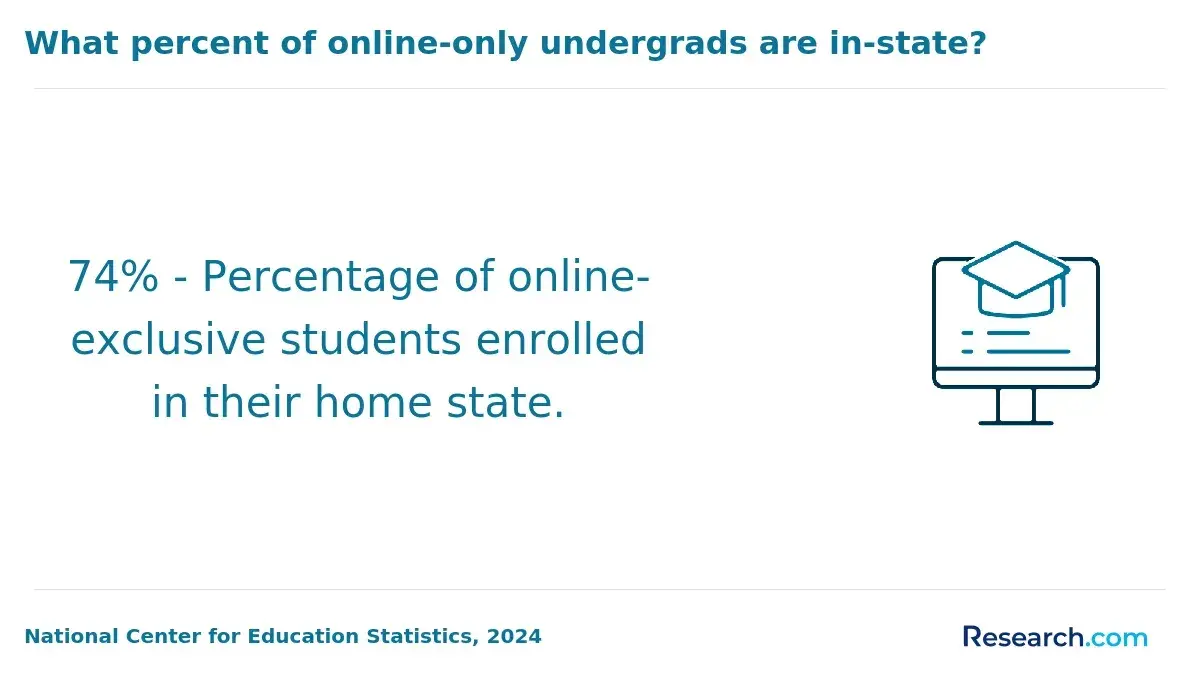
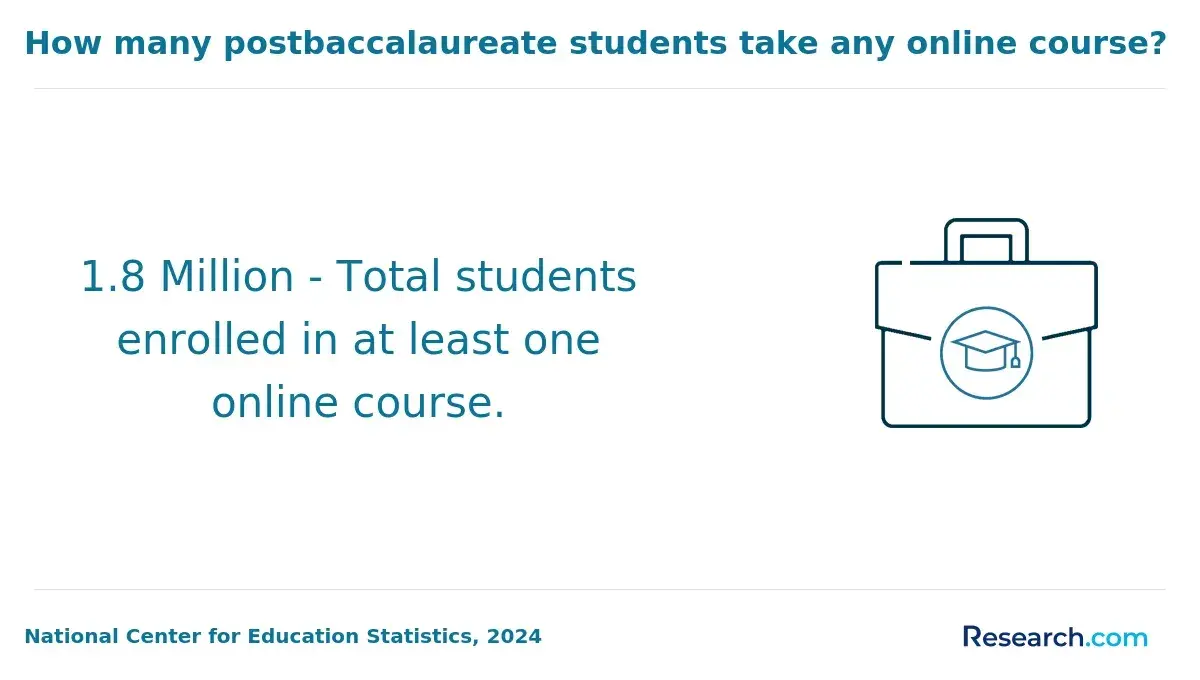
Are Online Economics Degrees as Credible as Traditional Ones?
Online economics degree programs and traditional on-campus programs both maintain high academic standards by offering rigorous curricula and employing accredited instruction. Many accredited online programs closely mirror the content, assessments, and faculty qualifications of their on-campus counterparts, ensuring students acquire the same essential core concepts and analytical skills.
Studies by the U.S. Department of Education and other academic research indicate that learning outcomes for online economics and finance courses often equal or exceed those of traditional face-to-face courses.
For example, a Babson Survey Research Group found that 77% of academic leaders believe online education outcomes are as good as or better than classroom instruction.
Additionally, online degrees provide flexibility, cost savings, and greater accessibility, making them a practical choice for working adults or those aiming to reduce student debt, potentially saving over $30,000 compared to traditional degrees.
Employer acceptance of online economics degrees has grown significantly but varies based on the type of institution granting the degree. Generally, employers value degrees from recognized, regionally accredited universities regardless of whether they were earned online or in person.
Resume audits show that degrees from non-profit public institutions receive similar employer responses whether earned online or on campus, whereas online degrees from for-profit schools experience a 26% lower callback rate compared to their public counterparts.
This evidence underscores that the reputation and accreditation of the granting institution matter far more than the format of learning. Prospective students should feel confident that an economics degree from a respected, accredited university will be credible and respected by both employers and graduate programs alike.
How Much Does Each Type of Economics Degree Typically Cost?
Understanding how tuition costs vary across different economics degree levels is essential for effective budgeting and long-term financial planning. These costs differ based on degree type, institution, residency status, and other factors that significantly impact a student's overall investment.
Below is an overview of typical tuition ranges for each type of Economics degree to guide prospective students in making informed financial decisions.
- Associate Degree in Economics: Tuition at community colleges generally ranges from $3,000 to $10,000 per year for in-district students, with higher rates for out-of-district and out-of-state attendees. These programs often provide strong financial aid options, including federal grants and scholarships, making them an affordable entry point into economics studies.
- Bachelor's Degree in Economics: Public universities typically charge around $11,100 annually for in-state students and up to $35,400 for out-of-state students, while private colleges may exceed $40,000 per year. Online options can sometimes lower costs, and most students benefit from a mix of federal and state grants, merit scholarships, and institutional aid that helps mitigate expenses.
- Master's in Economics: Graduate tuition averages about $13,000 per year for in-state students at public universities, nearly $30,000 for out-of-state, and can surpass $46,000 at top-tier private programs. Costs depend heavily on whether the program is public or private, as well as on-campus versus online delivery. Many programs offer fellowships, assistantships, or scholarships to reduce the financial burden.
- Doctorate (PhD) in Economics: While standard graduate tuition fees typically range from $13,000 to $30,000 annually, many doctoral programs provide full funding packages that include tuition waivers and stipends in exchange for teaching or research roles. Such fellowships and grants are common at leading research universities, making PhD studies financially accessible despite sticker prices.
A graduate of an economics degree program shared that managing the cost of her bachelor's degree required a combination of scholarships and part-time work, which helped avoid excessive debt.
She reflected that starting at a community college allowed her to save money early on before transferring to a public university. "I found that being proactive about applying for every available aid opportunity was key," she noted.
Today, she appreciates how those efforts not only made her education affordable but also opened doors in her career that might have been out of reach otherwise. Her experience underscores the value of planning and exploring financial aid options early in the economics degree journey.
What Jobs Can You Get with Each Type of Economics Degree?
The level of your economics degree significantly impacts the career opportunities available to you and the types of roles you are qualified to pursue. Higher degree levels tend to unlock more advanced positions with greater responsibilities and higher earning potential.
Below is a breakdown of common jobs associated with each type of economics degree to help you understand where your credential can lead you in the job market.
- Associate Degree in Economics: Graduates with an associate degree usually qualify for entry-level roles such as administrative assistant, bank teller, or sales support specialist. These positions involve supporting financial operations, handling basic data entry, and providing customer service, often in banks, insurance firms, or small businesses. Advancing to analyst or managerial roles typically requires further education.
- Bachelor's Degree in Economics: A bachelor's degree opens doors to roles like credit analyst, supply chain analyst, data analyst, financial advisor, policy analyst, and business consultant. Graduates work in diverse fields such as finance, government, consulting, and tech firms, applying analytical and quantitative skills to evaluate market trends and advise clients. The median starting salary for economics majors is about $74,000 in the US, reflecting strong demand.
- Master's Degree in Economics: Master's degree holders access specialized and higher-paying roles including economist, financial manager, management consultant, and policy advisor. These professionals may lead research projects, forecast market trends, or design economic policies at government agencies, corporations, or international organizations. Median salaries often exceed $100,000. For those wondering what is the fastest masters degree to get, economics offers valuable options with solid career outlooks.
- Doctorate (PhD) in Economics: PhD graduates typically pursue academic and research-led careers such as university professor, senior economist, or policy researcher. They often lead research teams, influence public policy, and teach at universities or work with think tanks and central banks. These positions offer the highest salaries and influential roles shaping economic theory and policy.
How Do Salaries Differ by Economics Degree Type?
Degree level in economics often plays a crucial role in determining earning potential, with higher degrees generally opening doors to better-paying and more advanced roles. Understanding how salaries vary by economics degree type can help students make informed educational and career decisions.
Below is an overview of typical salary ranges associated with each degree level.
- Associate Degree in Economics: Although less common for economics specifically, an associate degree can lead to entry-level roles in business or administrative support, with median weekly earnings around $1,096, or roughly $57,000 annually. However, many economics-related jobs require at least a bachelor's degree, so further education is often necessary for advancement and higher pay.
- Bachelor's Degree in Economics: Graduates with a bachelor's degree have access to diverse roles in business, finance, and government. The average starting salary is about $51,091, with median salaries across graduates estimated near $77,609. Salaries typically range from $69,000 to $98,500, but top earners can make more than $116,000, especially in states like California and Alaska or in consulting and finance sectors.
- Master's Degree in Economics: A master's is commonly required for economist positions in research, policy, or analytics, with median annual wages reported at $115,440. Those working in federal government or scientific research roles often earn between $129,000 and $141,000, with experience driving further pay increases. Many students interested in accelerated paths may consider one year doctoral programs online as a flexible option to advance their careers.
- Doctoral Degree (PhD) in Economics: Doctoral graduates usually pursue careers in academia, research institutions, or senior policy roles, where salaries commonly exceed $130,000 and can reach $200,000 or more in high-level government or industry positions. This degree offers the greatest long-term earning potential and career flexibility within economics.
Is There High Demand for Economics Degree Holders in the Job Market?
There is strong demand for economics degree holders in the job market, driven by several key factors. Emerging technologies such as data analytics, artificial intelligence, and automation have amplified the need for professionals capable of interpreting complex data and forecasting economic trends.
Employers increasingly seek candidates with advanced technical and analytical skills, including proficiency in statistical software and handling large datasets. Workforce needs have also diversified, with industries like government, finance, business consulting, and technology all requiring economic expertise to navigate evolving challenges.
This trend is reflected in job growth projections, with economics-related jobs expected to grow 22% from 2024 to 2034, far outpacing the average growth across all occupations.
Additionally, specific fields such as securities trading and financial management offer some of the best paying trade school jobs, emphasizing the value of specialized economic skills in today's economy.
Regional variation is another significant influence on demand for economics graduates. Urban and financial hubs like New York, Washington D.C., and San Francisco provide higher salary opportunities and a wider variety of roles including financial analyst, business intelligence analyst, and policy advisor.
The U.S. median annual wage for economists was $115,440 as of May 2024, with top-tier specialized roles reaching salaries well above this mark. While private industries related to scientific, management, and consulting services continue to show strong demand, public sector and academic positions remain competitive and often require advanced degrees such as a master's or PhD.
Overall, the employment outlook for economics degree holders remains positive, offering diverse and lucrative career paths. Students entering the workforce with economics degrees can expect to find robust opportunities, especially if they develop both quantitative skills and area-specific expertise.
What Factors Should You Consider When Picking a Type of Economics Degree?
Choosing the right economics degree level is a critical decision that determines how well your education aligns with both your career goals and personal circumstances.
To help guide this important choice, consider these key factors:
- Career Goals: Different economics degrees lead to distinct career paths. For example, a bachelor's degree typically prepares graduates for entry-level roles in business, government, and research, while advanced degrees like a master's or PhD open doors to specialized research, academic, or high-level policy positions with potentially higher salaries.
- Time Commitment: Each degree requires a varying amount of study time. An associate degree usually takes two years, a bachelor's four years, a master's one to two additional years, and a doctorate another four to six years. It's important to realistically assess how much time you can invest before entering the workforce.
- Academic Preparation: Economics programs differ in rigor and math requirements. Bachelor's degrees often include calculus and statistics, while quantitative-focused tracks demand stronger math skills and better prepare students for graduate study or specialized roles.
- Salary Potential: Degree level significantly affects earning power. Starting salaries for economics and finance graduates are higher than many business fields, and advanced degrees can boost this further, with some specializations like econometrics seeing median wages above $120,000.
- Interest and Aptitude: Passion for economics and strength in analytical thinking and quantitative problem-solving are crucial. Those who enjoy complex market analysis should expect challenging coursework, especially at higher degree levels.
What Economics Graduates Say About Their Degree and Salary
- Eric: "Completing my bachelor's degree in economics opened doors I never imagined. The program's rigorous training in data analysis and economic theory gave me the confidence to excel in the competitive finance sector. It was not just about acquiring knowledge but learning how to think critically about real-world problems. This degree laid the foundation for my career growth and helped me secure a role in economic consulting right after graduation."
- Pratheep: "Reflecting on my graduate studies in development economics, I realize how much the experience transformed my understanding of global inequality. The curriculum was deeply connected to social impact, allowing me to work with NGOs focused on poverty alleviation. Pursuing this degree fueled my passion to contribute meaningfully to communities in need, and it equipped me with the tools to design sustainable economic programs. Earning this degree feels like making a difference on both personal and professional levels."
- Dawson: "As someone who pursued an economics degree later in life, I value the professional growth and stability it has provided. The comprehensive approach to labor market dynamics and policy analysis was challenging but rewarding. It allowed me to transition into a government role where I influence workforce development programs. The degree sharpened my analytical skills and expanded my perspective on economic issues that affect everyday people, making my work more impactful and fulfilling."
Other Things You Should Know About Economics Degree Programs & Salaries
In 2027, economics degrees range from bachelor's to doctoral levels, each offering different salary prospects. Bachelor's degree holders may earn around $60,000 annually, while master's graduates can expect salaries around $80,000. Doctoral degree holders, often in academia or specialized research, might earn $100,000 or more, contingent on their role and experience.
In 2027, the type of economics degree—be it a bachelor's, master's or doctorate—significantly impacts potential salaries. Specializing in finance or econometrics typically yields higher earnings. A master's or Ph.D. in these areas commands distinct salary premiums compared to general economics degrees.
Economics degrees provide critical analytical skills valued in business, supporting career advancement in roles such as business analysts, market researchers, and financial managers.
Those with advanced degrees often move into leadership or strategic positions, which tend to have higher earnings and greater responsibility.
References
- Economics https://www.careerpilot.org.uk/job-sectors/subject/economics
- Study Economics, why & how to study https://www.thecompleteuniversityguide.co.uk/subject-guide/economics
- Economics Degree https://www.discoverbusiness.us/education/economics-degree/
- Top Bachelor's in Economics Degrees | Accounting.com https://www.accounting.com/degrees/economics/bachelors/best-programs/
- Bachelor Degrees in Economics | Undergraduate Program https://shorelight.com/universities/undergraduate/international/economics
- Accelerated MA in Economics https://www.fordham.edu/academics/departments/economics/undergraduate-studies/accelerated-ma-in-economics/
- Are you thinking of studying Economics? - Oxford Royale https://www.oxford-royale.com/articles/studying-economics
- Top Economics Specializations With Careers & Salaries https://collegepond.com/economics-specializations-careers-salary/
- Online vs Traditional Degrees: Similarities and Differences https://www.aiu.edu/blog/online-vs-traditional-degrees/
- Highest paying jobs with an economics degree - FutureLearn https://www.futurelearn.com/info/blog/highest-paying-jobs-with-an-economics-degree


