
2027 Marriage and Family Therapy Degree vs. Certificate: Which Should You Choose?

Co-Founder and Chief Data Scientist
Choosing between a marriage and family therapy degree or certificate is a crucial decision for students and professionals seeking to advance their careers in this evolving field. Both options offer valuable credentials but differ significantly in duration, depth of study, and licensure eligibility, influencing career opportunities and scope of practice.
While a degree typically provides comprehensive training necessary for clinical licensure, a certificate can be a faster route for those seeking specialized skills or continuing education. Understanding these distinctions is essential; this article will compare key factors to help you select the best path for your professional goals and personal circumstances.
Key Points About Marriage and Family Therapy Degree vs. Certificate Programs
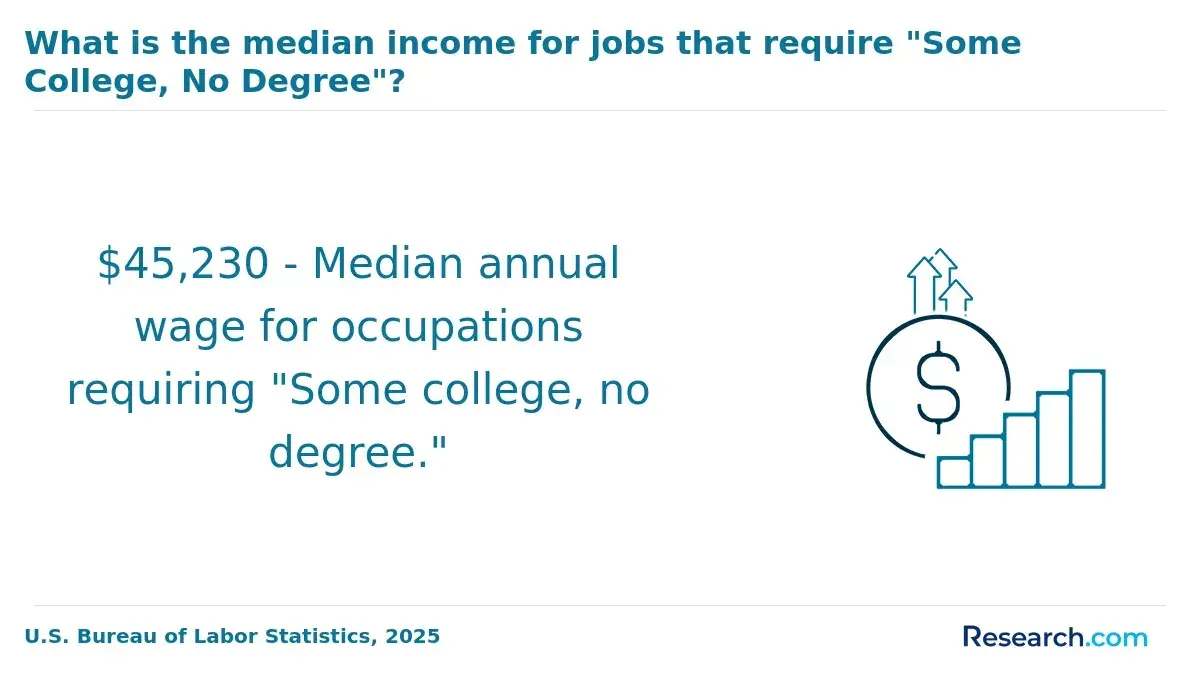
- Degree programs typically offer comprehensive training and clinical hours, leading to licensure eligibility and higher salary potential, often exceeding $50,000 annually.
- Certificate programs provide targeted skill development in specific areas, ideal for professionals seeking to enhance expertise without committing to full graduate study.
- Degrees foster broader career growth and research opportunities, while certificates allow faster entry or specialization, making choice dependent on personal and professional goals.
What Are the Differences Between Marriage and Family Therapy Degree and Certificate Programs?
While both a marriage and family therapy degree and certificate can open doors to fulfilling careers, they differ in key aspects. Knowing these distinctions helps students decide which path better fits their goals, timeframe, and commitment level. Below is a comparison of major differences between the two educational routes.
- Career advancement: A degree typically offers a deeper qualification that can lead to licensure and expanded job roles. Certificates are best suited for those seeking to gain foundational knowledge or enhance existing skills without pursuing full licensure.
- Depth of learning: Degree programs provide comprehensive training in theory, research, and clinical practice, which benefits learners aiming for in-depth expertise. Certificate courses often focus on specific topics or skills, appealing to professionals wanting targeted education.
- Time commitment: Degrees require a longer investment of time and study, suitable for students ready to dedicate significant effort. Certificates are shorter and more flexible, ideal for those balancing work or other responsibilities.
- Professional focus: Degree holders usually pursue clinical practice as licensed therapists, while certificate holders might work in supportive or related roles requiring less formal licensing.
How Long Does It Take to Complete a Marriage and Family Therapy Degree vs. a Certificate Program?
Completion time is one of the most important factors for students choosing between a marriage and family therapy degree versus a certificate program. Understanding the timeline can help prospective students decide which path best fits their career goals and personal schedules.
- Typical Duration: The average completion time for a marriage and family therapy degree is typically 2-3 years of full-time study after a bachelor's degree. This includes coursework and required clinical hours, followed by 1,500 to 3,000 hours of supervised work experience that often takes an additional 1.5 to 2 years.
- Marriage and Family Therapy certificate program duration: Certificate programs are generally shorter, often completed in 9-18 months, especially designed for those with existing advanced degrees who want to specialize or meet licensing requirements. These programs are more flexible and might be completed faster depending on transfer credits or prior experience.
- Flexibility: Degree programs mostly follow a full-time schedule but some offer part-time options that extend the timeline. Certificate programs typically allow greater flexibility, with cohort-based or self-paced structures, accommodating busy professionals.
- Factors Affecting Timeline: Key elements influencing completion time include full-time versus part-time enrollment, program structure, transfer credits, prior clinical experience, and state licensure requirements. Each of these can shorten or lengthen the duration substantially.
For those interested in efficient certification options, exploring best 6 month courses that pay well may provide valuable insights into accelerated credential paths.
Can You Complete a Marriage and Family Therapy Degree or Certificate Entirely Online?
The rapid growth of online education has expanded access to advanced training in marriage and family therapy across the U.S. Many accredited universities now offer marriage and family therapy master's degrees fully online, including Northwestern University, Liberty University, and the University of Southern California. These degree programs provide academic coursework through virtual platforms but usually require students to complete in-person clinical practicum or internship hours locally to satisfy state licensure mandates. In comparison, certificate programs in marriage and family therapy are often available entirely online and may appeal to professionals pursuing continuing education or specialized skills rather than licensure.
Hands-on training, such as supervised clinical experiences ranging from 500 to 3,000 hours, remains essential for licensure and must be completed in person. Students aiming to become licensed therapists should select a COAMFTE-accredited online degree program that ensures practicum placements meet licensing standards. For those interested in whether you can get a marriage and family therapy certificate online, fully online certificates usually lack strict hands-on requirements but do not lead to licensure. Consider your career goals, state regulations, and flexibility needed before choosing between degree or certificate routes, and explore options carefully to avoid challenges common to some online programs, related to what is the easiest online degree to get.
What Are the Admission Requirements for a Marriage and Family Therapy Degree vs. a Certificate Program?
Admission requirements play a crucial role when deciding between pursuing a marriage and family therapy degree or a certificate program. These requirements influence who can apply and how quickly one can start or advance a career in the field. Below is a side-by-side comparison that outlines the typical admission requirements for both program types.
Admission requirements for marriage and family therapy degree programs
- Educational Background: A bachelor's degree from a regionally accredited institution is universally required, often with a minimum GPA ranging from 2.5 to 3.0, reflecting common criteria for marriage and family therapy degree admission requirements.
- Official Transcripts: Applicants must submit official transcripts from all postsecondary institutions attended to verify degrees and coursework.
- Personal Statement or Essay: A detailed essay or statement of purpose is typically required, addressing career goals, motivation, and suitability for the field.
- Recommendations: Two or three professional or academic letters of recommendation are generally required to support the application.
- Resume or Curriculum Vitae: A current resume or CV documenting relevant work or volunteer experience is often expected.
- Interview: Many programs require an in-person or virtual interview as part of their selection process.
- Prerequisite Coursework: Some universities expect completion of specific prerequisite courses, like introductory counseling or psychology, within a certain timeframe.
- GRE Scores: Some programs may request GRE scores, although this requirement is becoming optional or waived in many cases.
Admission requirements for marriage and family therapy certificate programs
- Educational Background: Most certificate programs require at least a bachelor's degree, but some admit applicants with substantial relevant experience or an associate degree, depending on state regulations and program focus.
- Transcripts: Submission of transcripts may be required but is often less extensive than for degree programs.
- Personal Statement: A brief statement of intent or professional goals may be needed, generally less comprehensive than those for degree admissions.
- Professional Experience: Relevant work experience is often necessary, particularly for certificate programs designed for practicing professionals in mental health, social work, or education.
- Interview: Interviews are less common but may be required for competitive or advanced certificate tracks.
- Recommendations: Reference letters might be requested, especially for post-master's or clinical certificates, though they carry less emphasis than in degree program admissions.
Those exploring pathways with more flexible admission options might also consider a cheapest online associate's degree as a foundational step. Understanding both marriage and family therapy degree admission requirements and marriage and family therapy certificate program prerequisites helps prospective students choose the best fit for their career goals and current qualifications.
How Many Credits Do You Need to Complete a Marriage and Family Therapy Degree vs. a Certificate?
Understanding the credit requirements for marriage and family therapy programs helps students effectively plan their academic timelines and career paths. Knowing the difference between degree and certificate credit loads clarifies the time commitment and focus needed for each option.
Here is a comparison of typical credit expectations for marriage and family therapy degrees versus certificate programs:
- Degree programs: Generally require between 39 and 72 credits at the master's level. Many universities offer programs around 60 credits, while some states require up to 90 quarter credits (equivalent to 60 semester credits) for licensure.
- Certificate programs: Designed for those with existing qualifications, these post-master's certificates usually demand 12 to 18 credits. They focus on specialized core courses or clinical training, making them shorter and more concentrated than full degree programs.
Students should carefully review their state’s licensure requirements and the specific curriculum of each institution to ensure the program meets their professional goals. By understanding how credit totals align with clinical training hours and licensing standards, learners can choose the most efficient educational path toward becoming a licensed marriage and family therapist.
What Is the Average Tuition for a Marriage and Family Therapy Degree vs. a Certificate?
Tuition costs play a crucial role in deciding between pursuing a marriage and family therapy degree and obtaining a certificate. These expenses directly affect your financial investment and potential debt, making it important to understand the typical price ranges.
Below is a comparison of the average tuition for each educational pathway, helping you weigh options effectively.
Average Tuition for Marriage and Family Therapy Degree Programs
- Tuition range (Public, In-State): Master's degree programs at public universities generally cost between $20,000 and $40,000 for residents, offering lower rates for in-state students.
- Tuition range (Public, Out-of-State): Non-resident students often pay from $40,000 to $70,000, reflecting the higher out-of-state fees for full master's programs.
- Tuition range (Private Institutions): Private universities typically charge $50,000 to over $100,000 for marriage and family therapy master's degrees, depending on the institution.
- Online or Hybrid Formats: These flexible programs usually fall between $30,000 and $60,000, though they may not include living costs or additional fees.
- Doctoral Degrees: Advanced doctoral studies vary widely, with tuition ranging from $35,000 to more than $300,000 based on program length and university prestige.
Average Tuition for Marriage and Family Therapy Certificate Programs
- Graduate Certificates: These are more affordable options, typically costing between $1,000 and $1,500 for programs lasting a year or less.
- Undergraduate Certificates: Although less common, undergraduate certificates average around $28,966 but usually do not meet licensure requirements.
- Professional Certification Courses: Short-term professional certificates may cost anywhere from $200 to $1,000 but do not qualify for therapist licensure.
- Online Certificate Programs: Online certificate tuition generally remains under $2,000, providing flexible access to education at a lower cost.
These figures illustrate why understanding the average tuition for a marriage and family therapy degree program versus certificate programs is essential for aligning your education path with career goals and budget. Degree programs require greater financial commitment but lead to licensure and direct clinical practice, while certificates offer targeted skills or continuing education at a lower price. For those seeking online options, consulting resources like online colleges that are affordable can provide helpful guidance in finding cost-effective programs.
Can You Transfer Certificate Credits Toward a Marriage and Family Therapy Degree Later On?
Yes, certificate credits can often be transferred toward a marriage and family therapy degree, but this depends largely on each institution's policies. Typically, graduate programs require that credits come from accredited schools and courses closely align with the degree's curriculum. Additionally, transfer approval usually hinges on factors like course content, accreditation status, and the timeframe in which credits were earned. Institutions vary widely; some allow sizable transfers while others impose stricter rules, making it essential to verify specifics early in the process.
Transfer limits frequently range from 6 to 30 credits, with many programs setting minimum grade standards such as a "B" or better. Some courses, especially those with practicum components, may not qualify due to unique content or requirements. Confirming transfer policies beforehand can save time and prevent surprises later in your academic journey. It's wise to communicate directly with admissions advisors to fully understand how your certificate credits might fit into a future degree plan.
Are Certificate Programs Accredited the Same Way as Marriage and Family Therapy Degrees?
Certificate programs in marriage and family therapy are generally not accredited in the same way as degree programs. While degree programs, especially master's degrees, usually hold accreditation from the Commission on Accreditation for Marriage and Family Therapy Education (COAMFTE), certificate programs often lack this formal recognition. COAMFTE accreditation requires programs to meet strict standards in curriculum, clinical experience, faculty expertise, and student outcomes, which degree programs must maintain to qualify graduates for licensure across all U.S. states. In contrast, most certificate programs do not provide a clear pathway to becoming a licensed marriage and family therapist and may be offered as continuing education rather than full professional training.
Accreditation plays a crucial role in guaranteeing the quality and legitimacy of marriage and family therapy programs. It helps ensure that academic training is comprehensive, clinically focused, and meets state standards, which impacts eligibility for licensure and recognition by employers. When evaluating programs, students should check for COAMFTE accreditation or other accepted credentials, verify that the program aligns with their state's licensing requirements, and confirm that adequate clinical supervision and qualified faculty are included. To make an informed decision, always verify a program's accreditation status through official and recognized bodies before enrolling.
What Jobs Can You Get with a Marriage and Family Therapy Degree vs. a Certificate?
Both marriage and family therapy degrees and certificates can open doors to careers in mental health, though they often qualify individuals for different roles and responsibilities. Degrees generally lead to independent clinical positions requiring licensure, while certificates support roles that emphasize supervised practice. Below is a comparison of career opportunities linked to each credential.
Jobs You Can Get with a Marriage and Family Therapy Degree
- Marriage and family therapist (MFT): Provides licensed clinical counseling to individuals, couples, and families, addressing relational and mental health issues.
- Licensed marriage counselor: Offers therapy focused on marital and family dynamics, typically in private or community practice.
- Clinical therapist: Works with clients on emotional, psychological, and behavioral challenges in various healthcare settings.
- Mental health clinician: Assesses and treats mental health disorders, often collaborating with multidisciplinary teams.
- Clinical supervisor: Oversees trainee therapists and ensures compliance with clinical standards, generally requiring experience or advanced degrees.
- Researcher or professor: Conducts research or teaches in academic institutions, often requiring a doctoral degree.
Jobs You Can Get with a Marriage and Family Therapy Certificate
- Associate marriage and family therapist (AMFT): Provides supervised clinical services while completing licensure requirements.
- Marriage and family therapy intern: Gains practical experience in therapeutic settings under licensed supervisors.
- Specialized counseling roles: Focuses on niche areas within mental health or social services, working under supervision.
- Support positions: Assists licensed therapists and supports administrative or therapeutic tasks within treatment practices.
What Is the Average Starting Salary for a Certificate vs. Marriage and Family Therapy Degree Graduates?
Salary potential often varies significantly between marriage and family therapy certificate holders and those with a full degree. Understanding these differences can help prospective students make informed decisions about their education and career paths.
A side-by-side comparison of average starting salaries for graduates of each program type highlights these distinctions clearly.
- Typical Salary Range: Graduates with a marriage and family therapy degree typically start with salaries ranging from $42,610 to $48,600 per year, reflecting the clinical licensure required for practice. In contrast, marriage and family therapy certificate salary comparison shows a lower starting range, often between $32,000 and $45,000, due to limited licensure and non-clinical roles.
- Influencing Factors: Salary is commonly influenced by education level, experience, location, and industry. Higher degrees and licensure directly boost earning potential, while states like Hawaii and New Jersey tend to offer salaries exceeding $90,000. Entry-level positions rise steadily with years of practice, and government or private practice settings often pay more than community agencies.
- Career Outlook: Degree holders enjoy strong job growth prospects, with a projected 13% increase from 2024 to 2034, much faster than the average for all occupations. Certificate holders, however, face more limited advancement and earning potential due to restricted scope of practice and licensure limitations.
- Additional Resources: Those exploring educational options may consider accredited programs, such as those listed among the best accredited online trade schools, to improve their qualifications and career prospects.
Here's What Graduates of Marriage and Family Therapy Programs Say About Their Degree or Certificate
- Nathanael: "Choosing the marriage and family therapy certificate program was a game-changer for me. The accelerated pace allowed me to gain essential skills quickly without the long-term commitment or financial burden of a full degree. It was a cost-effective way to boost my counseling abilities and immediately apply what I learned in my current role. "
- Russell: "The degree program in marriage and family therapy demanded more time and investment, but it provided a comprehensive learning experience that certificates can't match. It thoroughly prepared me for licensure and opened doors to advanced career opportunities. I appreciated weighing the higher cost and longer duration against the potential for long-term growth. "
- Jose: "Completing both the certificate and the degree programs gave me a unique perspective on how each pathway affects personal and professional development. The certificate gave me a fast start, while the degree deepened my knowledge and credentials for broader career impact. Balancing cost with my goals was crucial, and experiencing both helped me understand how learning pace and program depth align with different stages of one's career. "
Other Things You Should Know About Marriage and Family Therapy Degrees
Some certificate programs may offer credits that can transfer to a related degree, but this varies by institution and program. It is important to verify with prospective schools whether certificate coursework will count toward degree requirements before enrolling. Not all certificates provide transferable credits, so checking in advance is essential.
In 2027, a marriage and family therapy degree provides more comprehensive training than a certificate program. A degree typically includes a broader curriculum and clinical experience, meeting the educational requirements necessary for licensure, while a certificate focuses on specific areas and may not fulfill licensure prerequisites.
References
- MFT Career Paths: 17 Settings, Salaries & Growth 2025 https://careersinpsychology.org/where-people-mft-degrees-work/
- Post-Baccalaureate Certificate in Marriage and Family Therapy https://www.nu.edu/degrees/jfk-social-sciences/programs/post-baccalaureate-certificate-in-marriage-and-family-therapy/
- 3 Great Marriage and Family Therapy Jobs | The Chicago School https://www.thechicagoschool.edu/insight/career-development/3-career-opportunities-in-marriage-and-family-therapy/
- 50 Most Affordable Marriage and Family Therapy Programs | UniversityHQ https://universityhq.org/best-colleges/rankings/most-affordable-marriage-family-therapy-schools/
- LMFT vs. AMFT: Which Path is Right for You? https://www.alliant.edu/blog/lmft-vs-amft
- LMFT vs LMHC: Which Counseling License is Right for You? - Counseling Degrees Online https://www.counselingdegreesonline.org/licensure/lmhc-vs-lmft
- Requirements on How to Become an MFT: Marriage & Family Therapist https://www.counselingpsychology.org/counseling/careers/marriage-and-family-counselor/


