
2027 Different Types of Business Communications Degrees and Their Salaries

Co-Founder and Chief Data Scientist
A business communications degree is for students who want to turn strong writing, speaking, digital media, and strategy skills into roles in marketing, public relations, corporate communications, internal communications, technical writing, or organizational leadership. The main decision is not simply whether to study communications, but which degree level and specialization fit your career goal, budget, timeline, and expected salary.
This guide explains the major types of business communications degrees, common concentrations, typical completion times, online and accelerated options, costs, career paths, salary ranges, and job-market demand. Use it to compare whether an associate, bachelor's, master's, or doctoral pathway makes sense for where you are now and where you want to go next.
Key Points About Different Types of Business Communications Degrees and Their Salaries
- Obtaining an associate degree in business communications typically opens entry-level roles such as communication assistants or administrative coordinators, with median salaries around $40,000 annually, making it a practical choice for those seeking quicker workforce entry.
- A bachelor's degree in business communications significantly increases career opportunities, allowing graduates to pursue management, marketing, or public relations positions with average salaries ranging from $55,000 to $70,000, reflecting higher demand and skill requirements in mid-level roles.
- Master's degrees in business communications often lead to executive or strategic roles in corporate communications, consulting, or organizational development, where salaries can exceed $90,000, demonstrating the degree's value for long-term career growth and leadership potential.
What Are the Different Types of Business Communications Degrees Available?
Business communications degrees are offered at several academic levels, from short undergraduate programs that prepare students for entry-level office and client-facing roles to graduate programs designed for leadership, consulting, research, or teaching. The right option depends on how quickly you want to enter the workforce, how much specialization you need, and whether your goal is execution, management, or research.
- Associate Degree in Business Communications: An associate degree introduces the core tools of workplace communication. Students typically study communication principles, public speaking, professional writing, and basic business practices. It can be a practical choice for students seeking entry-level roles or planning to transfer into a bachelor's program later.
- Bachelor's Degree in Business Communications: A bachelor's degree is the most common foundation for business communication careers. It emphasizes how organizations communicate with employees, customers, media, investors, and other stakeholders. Coursework often includes business writing, persuasion, interpersonal communication, media strategy, and organizational communication.
- Master's Degree in Business Communications: A master's degree is designed for students who want more advanced responsibility, such as leading communication strategy, managing teams, handling crisis messaging, or advising executives. Programs often include communication theory, research methods, case studies, strategic communication planning, and crisis communication exercises. Working professionals may compare flexible options such as online 1 year masters programs when they need a shorter graduate pathway.
- Doctorate in Business Communications: A doctorate is usually best for students interested in academic, research, senior consulting, or high-level organizational roles. It focuses on original research, advanced communication theory, leadership communication, research methodology, and dissertation work.
- Technical Communication: Technical communication may be offered as a degree, concentration, or certificate-style pathway. It focuses on translating complex information into clear documentation, manuals, user guides, process materials, web content, and digital resources for business and technical audiences.
According to the U.S. Bureau of Labor Statistics, the median annual salary for those holding communication degrees is approximately $65,000, though actual pay depends heavily on degree level, specialization, industry, location, portfolio strength, and management responsibility.
What Specializations Are Available in Business Communications Degrees?
Specializations help students connect a broad business communications degree to a more specific career path. A student interested in brand campaigns needs different preparation than someone who wants to write technical documentation, manage health messaging, or lead internal communications. Before choosing a concentration, compare the work you want to do daily, the industries hiring for that skill set, and whether the specialization builds a portfolio employers can evaluate.
- Business & Organizational Communication: This specialization focuses on communication inside and across organizations, including leadership messaging, employee engagement, negotiation, conflict resolution, training, and change communication. It can support careers such as corporate communications manager, internal communications specialist, or training and development specialist.
- Public Relations: Public relations emphasizes reputation, media relations, crisis communication, press materials, stakeholder messaging, and brand trust. Graduates often pursue roles such as PR specialist, media relations manager, communications director, or public affairs coordinator.
- Advertising & Marketing Communication: This path centers on persuasive messaging for products, services, campaigns, and audiences. Students may study digital marketing, audience analysis, branding, campaign planning, and social media strategy. Common roles include advertising manager, marketing strategist, marketing communications coordinator, or social media coordinator.
- Electronic & Digital Media Communication: Digital media communication prepares students to create and manage content across online platforms, social channels, video, audio, and broadcast environments. Career options may include digital content producer, broadcast journalist, multimedia specialist, or digital communications associate.
- Health Communication: Health communication applies communication strategy to healthcare, patient education, public health campaigns, and medical organizations. Graduates may work as health educators, patient advocates, healthcare communication officers, or public health communication specialists.
- Technical Communication: Technical communication develops skill in documentation, instructional content, digital help systems, process writing, and communication tools used in technology, engineering, healthcare, and regulated industries. Careers include technical writer, documentation specialist, content strategist, or knowledge management associate.
Students comparing easy bachelor degrees that pay well should look closely at how each specialization connects to measurable workplace skills. Employers often want evidence of writing samples, campaign plans, analytics experience, media materials, documentation projects, or presentations—not just a concentration name on a transcript.
How Long Does It Take to Complete Each Type of Business Communications Degree?
Completion time depends on degree level, enrollment status, transfer credits, course availability, and whether the program is offered online, on campus, hybrid, accelerated, or part time. Students who already have college credit, professional experience, or an associate degree may finish faster, while working adults often choose a slower pace to manage employment and family responsibilities.
- Associate Degree in Business Communications: An associate degree is usually completed in about two years of full-time study. Students may finish sooner with transfer credits or accelerated terms. Part-time and online formats can make the program easier to fit around work, but they may extend the calendar timeline.
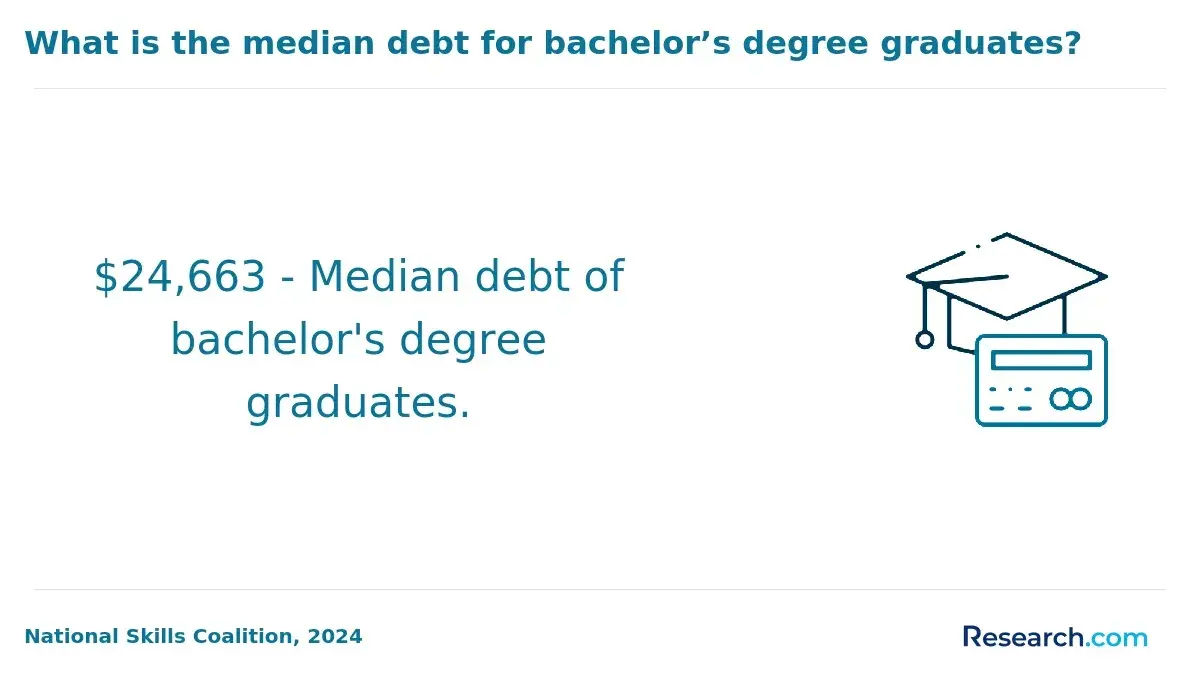
- Bachelor's Degree in Business Communications: A bachelor's degree typically requires four years of full-time study. Transfer students, summer enrollment, accelerated courses, or prior college credits can shorten the timeline. Part-time enrollment can extend it, especially if required courses are not offered every term.
- Master's in Business Communications: A master's program is generally completed in one to two years of full-time study. Some accelerated tracks allow completion in as little as 12 months. Online and part-time programs are common for working professionals, but students should confirm whether capstone projects, residencies, internships, or synchronous sessions affect scheduling.
- Doctorate in Business Communications: A doctorate can take anywhere from three to six years, depending on coursework, exams, research expectations, dissertation progress, and full-time or part-time enrollment. Hybrid and part-time formats may offer flexibility but often lengthen completion time.
When comparing timelines, look beyond the advertised program length. Ask how many credits are required, how often courses start, whether prerequisites are built into the plan, how transfer credits are evaluated, and whether the program has a required internship, thesis, capstone, or dissertation.
Are There Accelerated Business Communications Degree Programs?
Yes. Accelerated business communications degree programs are available at multiple U.S. institutions and can shorten the time needed to complete a credential. Some bachelor's pathways compress the traditional four-year schedule to as little as two to three years, while combined bachelor's-to-master's options may allow motivated students to earn both degrees in approximately five years.
Accelerated programs usually move faster because they use condensed terms, year-round scheduling, higher credit loads, transfer credits, or dual-credit graduate coursework. Courses are often structured in eight-week sessions, which can help students complete more credits annually. Summer sessions also reduce long breaks between fall and spring enrollment. Some programs accept up to 80 credits from previous college coursework or associate degrees, which can significantly reduce the number of classes still required.
Combined bachelor's-to-master's pathways may also allow selected graduate-level courses to count toward both undergraduate and master's requirements. This can be efficient for students who already know they want advanced study in strategic communication, corporate communication, marketing communication, public relations, or organizational training.
The trade-off is intensity. Accelerated students may take 15 to 18 credits per semester instead of the traditional 12-credit full-time schedule. That workload requires strong time management, consistent writing output, comfort with tight deadlines, and the ability to absorb feedback quickly. Programs may also require a minimum GPA, prerequisite coursework, or departmental approval.
An accelerated path can be a strong fit for students who have clear career goals, transferable credits, reliable study time, and the discipline to keep pace. It may be a poor fit for students who need more time to develop writing skills, work unpredictable hours, or want a traditional campus experience with more room for extracurricular involvement and internships.
One graduate of an accelerated business communications degree described the schedule as rewarding but demanding. “Balancing eight-week courses back-to-back meant there was little downtime,” he said, noting that planning assignments early was essential. He also found that the compressed format kept momentum high and made it easier to apply new skills quickly in professional settings.
Are Online Business Communications Degrees as Credible as Traditional Ones?
Online business communications degrees can be as credible as traditional on-campus degrees when they come from an accredited institution with strong academic standards, qualified faculty, and a curriculum aligned with communication careers. The format matters less than the quality of the school, the rigor of the coursework, and the evidence of skills students build while enrolled.
Many universities use the same faculty, syllabi, assignments, and assessments for online and campus-based courses. Accrediting bodies expect both formats to address core competencies such as strategic communication, leadership, digital literacy, research, writing, and ethical decision-making. A Babson Survey indicates that 77% of academic leaders believe online education delivers outcomes equal to or better than those of face-to-face classes.
Online programs can be especially useful for working adults because they often offer flexible schedules, asynchronous lectures, multimedia content, frequent assessments, and access to instructors or guest speakers from different locations. Students who are also considering a broader business degree should compare accreditation, curriculum, career support, and total cost rather than relying only on whether the program is online or in person.
Traditional programs may offer advantages that are harder to replicate online, including campus networking, in-person presentations, student media organizations, internship pipelines, and face-to-face collaboration. For students who learn best through live discussion or want a residential college experience, those factors may be important.
Employer acceptance of online business communications degrees has grown. Studies cited by Georgetown University reveal that graduates from online programs perform as well or better than those from traditional routes. Employers also increasingly value skills developed through online learning, including self-discipline, technical proficiency, written communication, and time management. More than 40% of community college courses now being offered online further reflects the broader acceptance of online education.
Before enrolling, verify that the institution is properly accredited, review graduation and career-support information, ask whether the transcript or diploma distinguishes the online format, and look for portfolio-building assignments. In most hiring situations, the institution’s reputation and your demonstrated communication ability will matter more than the delivery format.
How Much Does Each Type of Business Communications Degree Typically Cost?
Business communications degree costs vary widely by degree level, institution type, residency status, online or campus delivery, transfer credits, and financial aid. Students should compare total program cost, not just annual tuition, because fees, books, technology requirements, housing, transportation, and lost work time can change the real price of attendance.
- Associate Degree in Business Communications: Associate programs are commonly offered by community colleges, with tuition ranging between $3,000 and $10,000 per year. Public community colleges are generally less expensive than private institutions. Online formats may reduce transportation or housing costs, and students may qualify for federal grants, state-based financial aid, or local scholarships.
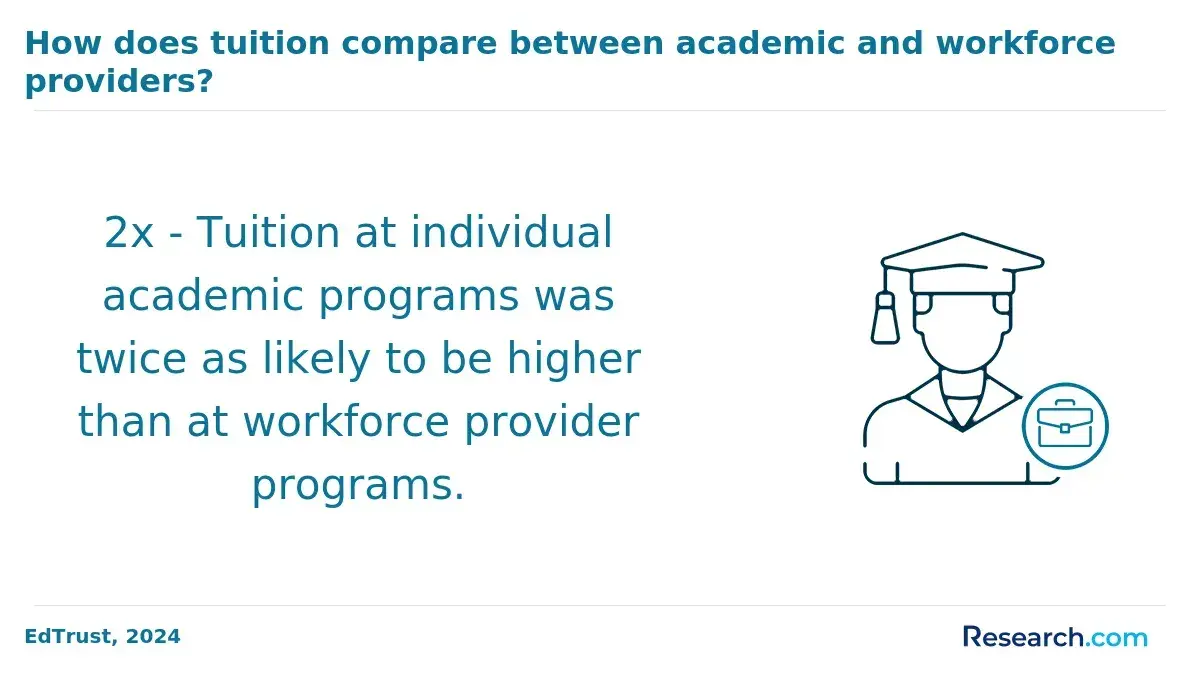
- Bachelor's Degree in Business Communications: Bachelor's degree tuition often ranges from $24,600 to $71,760 for the full four years, averaging about $17,709 annually at four-year institutions. Public universities typically charge lower in-state tuition, while private colleges usually cost more. Some online bachelor's programs may cost as low as $6,174 per year. Scholarships, grants, work-study, transfer credits, and employer support can reduce the net cost.
- Master's in Business Communications: Graduate tuition usually ranges between $15,000 and $40,000 for the entire program. Public universities often cost less than private institutions, and online programs may offer flexible payment plans. Students may use assistantships, employer tuition reimbursement, federal loans, and merit scholarships to manage costs.
- Doctorate in Business Communications: Doctoral studies typically cost between $30,000 and $60,000 in total tuition, depending on the institution and program length. Public universities usually charge less than private schools. Many doctoral students seek tuition waivers, stipends, fellowships, teaching assistantships, research assistantships, or institutional grants.
Cost should be evaluated against career goals. A lower-cost program may be the better choice if it offers strong writing instruction, relevant projects, internship support, and regional employer connections. A higher-cost program may be worthwhile only if it provides clear value through reputation, alumni networks, specialized coursework, or advancement opportunities.
One business communications graduate said careful planning made the degree financially manageable. She chose an online master's program at a public university to control expenses while continuing to work. “Balancing work and study wasn't easy, but employer tuition reimbursement helped tremendously,” she recalled. She combined that support with federal loans and merit-based scholarships, then focused on using the degree for career advancement.
What Jobs Can You Get with Each Type of Business Communications Degree?
The jobs available to business communications graduates depend on degree level, experience, portfolio quality, industry, and technical skills. Entry-level roles often focus on support, writing, coordination, or customer communication. Advanced roles usually involve strategy, leadership, research, crisis response, or executive advising.
- Associate degree in Business Communications: Graduates commonly pursue entry-level roles such as customer service representative, administrative assistant, office communications assistant, sales support specialist, or client support coordinator. These jobs often involve professional email writing, client interaction, scheduling, documentation, and basic business communication tasks.
- Bachelor's degree in Business Communications: A bachelor's degree can qualify graduates for roles such as public relations specialist, marketing coordinator, communications assistant, social media manager, internal communications associate, content coordinator, or media relations assistant. These positions usually involve campaign support, message development, content creation, stakeholder communication, and cross-platform writing.
- Master's degree in Business Communications: A master's degree can support movement into senior or specialized roles such as communications director, corporate communications manager, strategic communications consultant, public relations manager, employee communications lead, or crisis communications strategist. These roles often require planning, research, leadership, executive communication, and team management. Professionals comparing graduate options may also review cheap master's programs online when affordability is a priority.
- Doctorate in Business Communications: Doctoral graduates often pursue university professor, research director, senior consultant, policy researcher, or high-level organizational communication adviser roles. These paths emphasize original research, teaching, theory, publication, advanced analysis, and complex communication problem-solving.
For any degree level, students should build a portfolio while enrolled. Useful portfolio pieces include press releases, campaign briefs, internal memos, social media plans, presentation decks, communication audits, crisis plans, technical documentation, and research reports.
How Do Salaries Differ by Business Communications Degree Type?
Salary outcomes in business communications vary by education level, but the degree alone does not determine pay. Industry, location, job function, experience, management responsibility, digital skills, writing ability, and measurable campaign results all affect earnings. In general, higher degrees can open access to roles with greater responsibility and higher pay, especially when paired with relevant work experience.
- Associate Degree in Business Communications: Associate degree holders often begin in administrative, customer support, sales support, or junior communications roles. Typical salaries range from $33,000 to $40,000 annually. Advancement may require additional experience, specialized skills, or a bachelor's degree.
- Bachelor's Degree in Business Communications: Bachelor's graduates often start with median salaries between $43,000 and $58,000, depending on role and region. The national average salary is around $62,297, with top earners exceeding $100,000 in competitive industries such as marketing and digital media. Common advancement paths include communications specialist, marketing communications coordinator, public relations specialist, and corporate communications coordinator.
- Master's Degree in Business Communications: A master's degree can improve access to leadership and specialized roles. Communications managers and directors earn between $102,000 and $109,000, while public relations managers have median salaries near $132,870. Salary growth is strongest when graduate study is combined with experience in strategy, analytics, campaign management, crisis communication, or team leadership.
- Doctoral Degree (PhD) in Business Communications: A PhD can lead to academic, research, consulting, or executive-level opportunities. Academic salaries typically range from $70,000 to $120,000, depending on tenure and institution. Executive roles in large organizations may offer considerably higher compensation, especially for professionals with extensive expertise and leadership experience.
Students who want a shorter route into the workforce may also compare fast school programs that pay well. The best salary decision is not always the longest degree; it is the pathway that builds marketable skills, credible experience, and access to the roles you actually want.
Is There High Demand for Business Communications Degree Holders in the Job Market?
Yes, demand remains strong for business communications graduates who can combine clear writing, strategic thinking, digital fluency, and audience awareness. Organizations need professionals who can manage brand reputation, employee communication, public messaging, digital content, crisis response, and stakeholder engagement across increasingly complex channels.
The strongest candidates are not simply “good communicators.” They understand how to adapt messages for different audiences, use digital platforms effectively, interpret communication data, collaborate with marketing and leadership teams, and respond professionally under pressure. Employers increasingly value familiarity with AI tools, digital content management, social media strategy, analytics, and crisis communication.
Demand also varies by region and industry. Marketing managers in metropolitan hubs like New York City earn median salaries exceeding $91,000, compared with starting salaries closer to $59,000 in smaller markets. This difference reflects employer concentration, cost of living, industry mix, and competition for experienced communicators.
Overall employment figures support a favorable outlook, with about 109,500 annual job openings fueled by growth and replacement needs. High-paying roles, such as vice president of communications, command salaries between $124,500 and $202,500 per year. Technology, healthcare, sustainability, nonprofit, education, and corporate sectors all need communication professionals, though the specific job titles and salary ranges differ.
Some communication subfields may grow more slowly than others, so students should choose coursework and internships carefully. Skills in analytics, digital content, technical writing, stakeholder communication, project management, and crisis response can make a graduate more competitive. Students comparing workforce options outside the traditional college route may also review what are three careers that trade school can prepare you for? to understand alternative career pathways.
What Factors Should You Consider When Picking a Type of Business Communications Degree?
Choosing a business communications degree should start with the role you want, not the credential that sounds most impressive. An associate degree may be enough for entry-level support work, while a bachelor's degree is often the baseline for communications, PR, marketing, and digital media roles. A master's or doctorate makes more sense when your goal involves leadership, consulting, research, teaching, or specialized strategy.
- Career Goals: Match the degree level to the job you want. Associate degrees can support entry-level roles such as customer service or sales support. Bachelor's degrees open more opportunities in media, public relations, marketing, and corporate communications. Master's degrees can help with advancement into management or consulting. Doctorates are usually suited for research, academic, or high-level advisory careers.
- Salary Expectations: Higher degree levels generally offer greater earning potential, but only when they align with the right roles and experience. Business communications graduates with bachelor's degrees earned an average of $50,670 in 2022, whereas communications majors averaged $45,257. An MBA or master's degree may improve salary prospects in leadership roles, but students should weigh that potential against tuition cost and time away from full-time work.
- Time Commitment: Associate degrees usually take about two years, bachelor's degrees four years, master's programs one to two years beyond a bachelor's, and doctorates may require four to six additional years. Consider how soon you need to enter the workforce and whether part-time, online, or accelerated study is realistic for your schedule.
- Program Focus and Curriculum: Review course requirements before applying. Strong programs should build writing, presentation, audience analysis, research, ethics, digital media, and strategic communication skills. Advanced programs should add leadership, analytics, communication theory, and applied strategy.
- Professional Experience: Prior work experience can change the value of a degree. A working professional may gain more from a targeted master's or MBA than from another broad credential. A recent high school graduate or career changer may need a bachelor's program with internships, portfolio development, and career advising.
- Cost and Return on Investment: Compare tuition, fees, financial aid, transfer-credit policies, employer reimbursement, and likely career outcomes. The least expensive program is not always the best choice, but neither is the most expensive one. Look for a reasonable price, credible accreditation, and evidence that graduates move into relevant roles.
What Business Communications Graduates Say About Their Degree and Salary
- : "Completing my online business communications degree gave me the flexibility to balance work and family while gaining skills that employers truly value, like digital marketing and cross-cultural communication. The program's focus on real-world applications helped me confidently transition into a corporate communications role where I now lead projects that bridge gaps between diverse teams. I feel empowered knowing my education not only advances my career but also fosters inclusion in the workplace. — Jack"
- : "Reflecting on my experience earning a bachelor's in business communications, I realize how it shaped my approach to leadership and collaboration. The coursework challenged me to think critically about messaging and ethics, which has been invaluable in my nonprofit sector work. I'm passionate about using my skills to amplify underrepresented voices and create meaningful community impact, knowing that my degree prepared me to navigate complex societal conversations. — Ashley"
- : "Pursuing a master's degree in business communications was a game-changer for my career advancement. The program emphasized strategic communication and data analytics, equipping me to take on senior roles in corporate strategy departments. The professional development opportunities, like internships and networking events, helped me build a solid foundation of industry connections that continue to support my growth. This degree provided both the credibility and confidence to thrive in competitive environments. — Ravi"
Other Things You Should Know About Business Communications Degree Programs & Salaries
With a degree in business communications, you can pursue roles such as Public Relations Specialist, Corporate Communications Manager, Marketing Coordinator, or Social Media Manager. These positions utilize skills in strategic communication, marketing, and media relations to support organizational goals.
In 2027, a master's degree in business communications typically leads to higher salaries than a bachelor's degree due to advanced skills and specializations. Graduates can expect roles like communications director or marketing manager to offer salaries upwards of $75,000, depending on experience and industry.
In 2027, graduates with a bachelor's degree in business communications can expect an average salary range between $45,000 to $60,000 annually. Factors such as geographic location, industry, and additional skills can influence these figures, but this range represents a general starting point for most graduates entering the workforce.
References
- Accelerated Degree Program | Department of Communication | Baylor University https://communication.artsandsciences.baylor.edu/graduate/accelerated-degree-program
- Online Accelerated Undergraduate Degree in Communication | Mount St. Mary's University https://msmary.edu/academics/mount-online/online-accelerated-undergraduate-degree-in-communication.html
- The Ultimate Guide to Choosing the Right Business or Marketing Degree: A Pathway to Success https://urbeuniversity.edu/blog/the-ultimate-guide-to-choosing-the-right-business-or-marketing-degree-a-pathway-to-success
- Best jobs with a business communication degree | UCW https://www.ucanwest.ca/blog/education-careers-tips/top-job-roles-after-earning-a-business-communication-degree
- What is Business Communication: Types and Significance in the Contemporary Times https://www.bennett.edu.in/media-center/blog/what-is-business-communication-types-and-significance-in-the-contemporary-times/
- Field of degree: Communications https://www.bls.gov/ooh/field-of-degree/communications/communications-field-of-degree.htm
- Business Communication https://www.coursera.org/specializations/business-communication
- Communications Degree Salary Guide https://online.maryville.edu/online-bachelors-degrees/communications/careers/communications-degree-salary-guide/
- Trent University Catalog https://calendar.trentu.ca/programs/DmXzqKw54MFsC5IFluO7


