
2027 Is a 2-Year Biomedical Engineering Degree Worth It: Accelerated Bachelor's ROI & Time Trade-Offs

Co-Founder and Chief Data Scientist
Choosing to pursue a 2-year accelerated biomedical engineering degree raises critical questions about time and financial investment. With biomedical engineering jobs projected to grow 10% from 2022 to 2032-faster than average-many wonder if a shorter degree delivers sufficient skills and salary potential.
This article examines the return on investment (ROI) of an accelerated bachelor's in biomedical engineering, comparing career outcomes and time commitments to traditional programs. It aims to help prospective students make informed decisions aligned with their professional goals.
Key Benefits of a 2-Year Biomedical Engineering Degree
- Accelerated biomedical engineering degrees reduce time to employment by up to 40%, enabling quicker entry into a growing job market with a 7% projected annual growth rate.
- Lower overall tuition and living costs improve return on investment, often leading to higher net earnings within five years compared to longer degree paths.
- Shorter degree duration enhances career flexibility, allowing graduates to pursue advanced certifications or industry experience sooner, boosting long-term earning potential.
How Do 2-Year Biomedical Engineering Programs Work?
A two-year biomedical engineering program offers an accelerated path to earn a bachelor's degree by condensing the traditional curriculum into a shorter timeframe.
Understanding how this intensive program operates is essential for students aiming to balance the rigorous academic demands with their career goals and personal commitments.
Below is an overview of how accelerated 2-year biomedical engineering degree programs are structured to support focused and efficient learning.
- Accelerated Pacing and Year-Round Enrollment: These programs utilize continuous enrollment across fall, spring, and often summer terms, enabling students to take more courses annually than in conventional formats. This consistent pace helps reduce total time spent in school.
- Condensed Course Terms: Instead of standard 15-week semesters, courses typically run for 7-8 weeks, intensifying the learning experience and requiring students to adapt quickly.
- Credit Load Expectations: With shorter terms, students usually carry heavier credit loads each term-often exceeding 12-15 credits-which demands strong time-management and commitment given the workload.
- Instructional Format: Most instruction combines online lectures with in-person labs or hands-on workshops, providing flexibility while maintaining vital practical training important in biomedical engineering fields.
- Assessment Methods: Exams, quizzes, and project deadlines are compressed into tight schedules. Consistent study and active engagement are necessary to keep pace with the intensive biomedical engineering coursework and weekly workload.
- Curriculum Progression: Students follow a tightly sequenced curriculum emphasizing foundational sciences such as biology, chemistry, and engineering principles, alongside lab work, design projects, internships, and capstones to build real-world skills.
Data from the National Center for Education Statistics shows accelerated bachelor's degrees can cut completion time by 25-50%, allowing earlier entry into the workforce and potentially greater lifetime earnings.
For those interested in related fields, exploring educational options like a pharmacy degree online may also be worthwhile considerations.
What Are the Admission Requirements for a 2-Year Biomedical Engineering Degree?
For students evaluating the time commitment and investment needed for an accelerated bachelor's in biomedical engineering, understanding the admission requirements is essential.
Knowing what academic background and qualifications are expected helps prospective candidates prepare effectively and gauge their chances of acceptance.
Below is a breakdown of key admissions criteria commonly encountered in 2-year biomedical engineering degree programs.
- Prior Education: Applicants usually need some college-level coursework or an associate degree in a related field. This foundation ensures readiness for the accelerated curriculum and supports a smoother transition.
- GPA Expectations: Many programs require a minimum cumulative GPA between 2.5 and 3.0 to demonstrate adequate academic performance, particularly in prerequisite subjects. Maintaining a solid GPA is crucial for students seeking to get accepted into accelerated biomedical engineering degree tracks.
- Prerequisite Courses: Foundational studies in calculus, physics, chemistry, and biology are often mandatory. Some programs also expect candidates to have a basic understanding of engineering principles and computer programming, which form the basis for advanced biomedical engineering topics.
- Standardized Tests: SAT or ACT scores may be less emphasized in these accelerated pathways, especially for transfer students. However, a strong academic record overall remains an important factor in admissions decisions.
- Work Experience and Other Factors: While not typically required, relevant work or technical experience can strengthen an application. Admissions committees may also consider letters of recommendation and personal statements to assess a candidate's motivation and fit for the program.
The accelerated format aims to pack a traditional 4-year engineering degree into 2 years, reducing both tuition costs and time to employment.
For those interested in healthcare-related pathways, some students explore online classes for medical billing and coding with financial aid as a complementary or alternative option.
What Does a Typical Week Look Like in a 2-Year Biomedical Engineering Program?
Knowing the weekly demands and structure of a two-year biomedical engineering program helps students assess whether they can handle the intensity of an accelerated curriculum. The compressed timeline means a fast-paced schedule where staying organized and proactive is essential.
Below is a breakdown of typical weekly components to expect in such a program.
- Class Sessions and Lectures: Students attend multiple daily classes covering foundational topics in biology, math, engineering principles, and specialized biomedical subjects. These sessions require focused attention due to the volume and pace of material.
- Assignments and Assessments: Weekly homework, labs, and design projects challenge students to apply theoretical knowledge practically. Regular quizzes and exams monitor understanding and keep progress steady.
- Group Work: Collaborative projects mimic real-world engineering teams, requiring effective communication, task delegation, and coordination despite tight deadlines.
- Independent Study: Expect to spend several hours daily reviewing concepts, completing assignments, and preparing for evaluations to keep up with the accelerated learning.
- Instructor Interaction: Support is typically available through office hours or online forums, but students must actively seek help to clarify doubts and stay on track.
- Time Management: Balancing the rigorous coursework, labs, teamwork, and personal life demands disciplined planning and consistent effort throughout the week.
When asked about his experience, a professional who earned a biomedical engineering bachelor's in two years reflected on the intensity: "Some weeks felt like a marathon with no breaks. Managing group projects was especially challenging because everyone had tight schedules, so communicating effectively was critical."
He emphasized that "self-motivation became my best tool-I learned quickly to prioritize tasks and anticipate deadlines because waiting to ask for help usually meant falling behind."
Despite the pressure, he noted that the accelerated pace sharpened his problem-solving skills and resilience, preparing him well for demanding engineering roles.
Are 2-Year Biomedical Engineering Programs Available Online?
Students pursuing an accelerated biomedical engineering degree benefit greatly from understanding available delivery formats, as these impact flexibility, access, and how they manage their time.
Since these programs demand both theoretical knowledge and practical skills, the mode of instruction influences their ability to balance education with other responsibilities.
The following points clarify how online and hybrid options shape the learning experience.
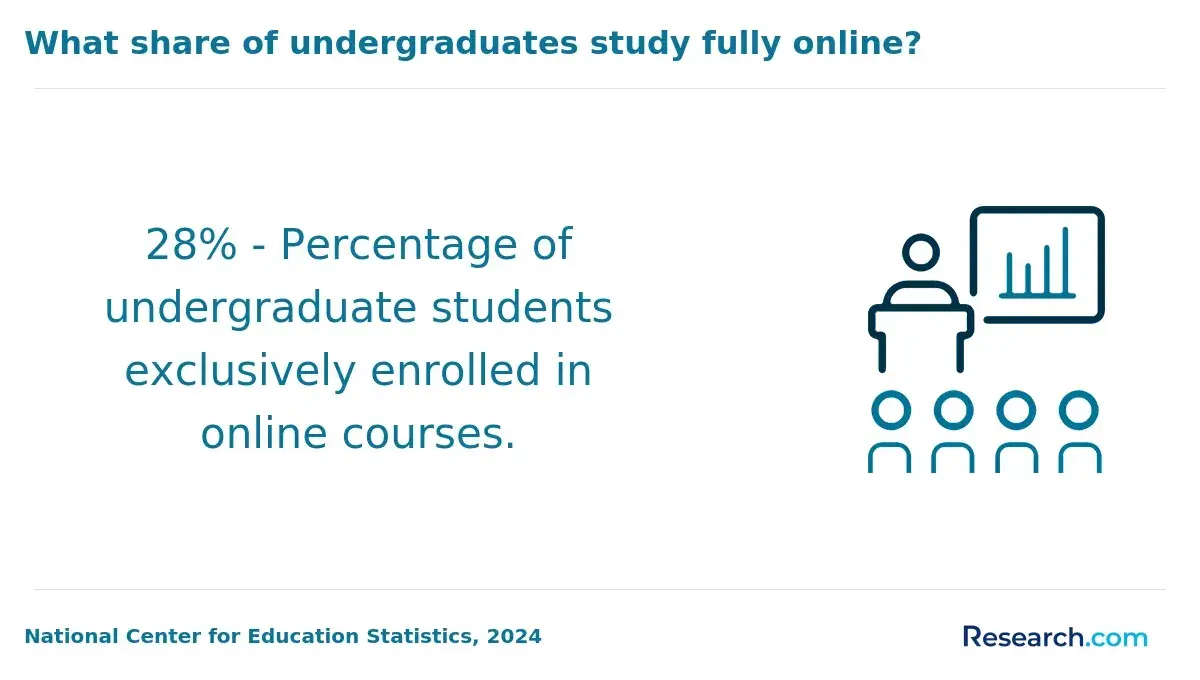
- Fully online vs. hybrid formats: Fully online two-year biomedical engineering programs are rare because hands-on work is essential. More common are hybrid models that combine asynchronous online study with scheduled live sessions or brief on-campus residencies to meet practical skill requirements.
- Asynchronous and synchronous learning: Asynchronous coursework offers flexibility, enabling students to access lectures and assignments anytime. Synchronous elements like live virtual classes or interactive labs enhance real-time engagement, which is key for grasping complex concepts.
- Technology requirements: Students must have reliable internet, up-to-date computers, and access to specific software or remote lab simulations to participate fully. These tools support both independent work and collaborative projects.
- Student support services: Robust virtual support-including tutoring, advising, and career counseling-helps learners overcome challenges unique to distance education and stay on track in intensive accelerated programs.
- Impact on pacing and engagement: Online two-year tracks intensify coursework compared to traditional paths and require strong discipline. While flexible, the format demands active participation to maintain motivation and absorb technical material efficiently.
How Much Does a 2-year Biomedical Engineering Degree Cost?
Evaluating the total expenses of a 2-year biomedical engineering degree is crucial for students aiming to maximize their return on investment in accelerated programs. Beyond tuition, understanding the comprehensive outlays-including fees, materials, and technology costs-helps gauge the true financial commitment required.
This overview breaks down significant cost factors for prospective students considering the tuition and fees for an accelerated biomedical engineering program.
- Tuition structure: Accelerated bachelor's degrees typically charge by credit hour, with course loads designed to be completed in around two years instead of four. This condensed timeline means tuition costs can be similar to traditional paths but paid over a shorter duration.
- Fees: Additional expenses like lab, technology, and administrative fees often add several hundred to thousands of dollars to the overall cost. These fees support essential resources unique to biomedical engineering studies.
- Textbooks and learning materials: Specialized textbooks, software, and access to digital resources are necessary for mastering biomedical engineering concepts and skills, representing an ongoing but predictable cost each term.
- Technology and lab costs: Hands-on experience in labs and simulation environments may increase program expenses but are vital for practical training and skill development.
- Accelerated pacing benefits: By completing degree requirements faster, students may save on living expenses and reduce opportunity costs related to delayed workforce entry. This can significantly influence the overall cost calculation compared to a traditional four-year schedule.
Prospective students assessing the cost of 2-year biomedical engineering degree options should also weigh potential earnings after graduation, with biomedical engineering roles reporting median salaries near $97,000 annually.
For individuals exploring related fields, check out whats the easiest nursing program to get into?
Can You Get Financial Aid for 2-Year Biomedical Engineering Programs?
Cost considerations play a crucial role for students weighing accelerated biomedical engineering degrees because financial aid availability can directly influence affordability and completion timelines.
Since these programs condense coursework into shorter periods, understanding how aid applies-and whether it aligns with accelerated formats-is essential for effective planning.
- Federal Student Aid Eligibility: Access to Pell Grants and Direct Loans generally depends on program accreditation and enrollment status. Even in accelerated formats, these forms of aid are often available, but the pace of study may affect when funds are disbursed since payments relate to credit hours per term.
- Scholarships and Grants: Financial awards targeting STEM or biomedical engineering students help reduce overall expenses. Many come from private foundations or industry groups focused on healthcare technology and remain a key funding source despite shorter program durations.
- Employer Tuition Assistance: For working adults, employer-sponsored aid can cover part or all tuition costs. Eligibility usually requires maintaining employment and relevant job duties, offering an important financial resource in tandem with personal funding.
- Impact of Accelerated Pacing: Compressed semesters mean aid disbursements may arrive on an adjusted schedule, which some students find challenging. Confirming that accelerated courses qualify within aid periods helps avoid unexpected funding gaps.
- Payment Plans: Many institutions offer installment plans to manage tuition costs across the shorter terms, easing financial strain amid the intensive coursework.
When I spoke with a professional who completed an accelerated bachelor's degree in biomedical engineering, she shared how critical timely financial aid was to her success.
"The compressed schedule meant federal aid wasn't always disbursed when I expected," she explained, "so I had to communicate closely with the financial office to make sure I stayed on track."
She also mentioned that combining scholarships focused on healthcare technology with her employer's tuition assistance helped her cover most expenses without taking on excessive loans.
Reflecting on the experience, she said, "Navigating the funding maze felt daunting at times, but having multiple financial avenues made the two-year path manageable.
Ultimately, it allowed me to graduate faster without compromising on the quality of my education or taking on undue stress." Her journey highlights the importance of proactive financial planning and leveraging all available aid options in accelerated biomedical engineering programs.
What Jobs Can You Get With a 2-Year Biomedical Engineering Degree?
Evaluating career outcomes is essential when considering an accelerated biomedical engineering bachelor's degree, especially one completed in two years.
Understanding the job prospects and opportunities helps prospective students gauge the practical return on investment and decide if the program aligns with their professional goals.
The following overview highlights key career pathways available with a 2-year biomedical engineering degree and how such accelerated programs prepare graduates for the workforce.
- Biomedical Equipment Technician: Graduates often qualify for roles maintaining and troubleshooting medical devices, ensuring these critical tools operate safely and effectively. This position is common in hospital maintenance departments and medical device manufacturing companies, offering hands-on technical experience.
- Engineering Assistant: Serving as support within engineering teams, these technicians assist in research and development projects. The accelerated biomedical engineering diploma emphasizes applied skills and industry-standard software.
- Quality Control Technician: Graduates may secure positions focused on ensuring compliance with industry standards and regulatory requirements. Working in manufacturing or regulatory organizations, these roles demand strong attention to detail and understanding of safety protocols.
- Industries with Demand: Career opportunities with accelerated biomedical engineering diplomas are often found in sectors such as medical device manufacturing, hospitals, and regulatory agencies. The growth outlook for technical roles in these industries remains steady, making it a viable entry point.
The accelerated format typically saves two years compared to traditional four-year degrees, allowing quicker entry into the workforce while minimizing tuition costs and potential debt.
However, advancement into more complex engineering roles usually requires further education or specialization. Many who start with a 2-year degree build valuable experience that can later support pursuing advanced degrees or certifications.
For students also interested in related health science fields, exploring options like a cheapest online health science degree can complement technical biomedical training and broaden career opportunities.
How Do Salaries Compare for 2-year Biomedical Engineering Degree vs. Traditional Bachelor's Degrees?
Salary outcomes are a critical factor when evaluating the return on investment (ROI) of accelerated versus traditional degree paths in biomedical engineering. Understanding these differences can help prospective students balance educational costs, time commitments, and career goals.
Below is a detailed comparison of salary outcomes between 2-year biomedical engineering degrees and traditional bachelor's degrees.
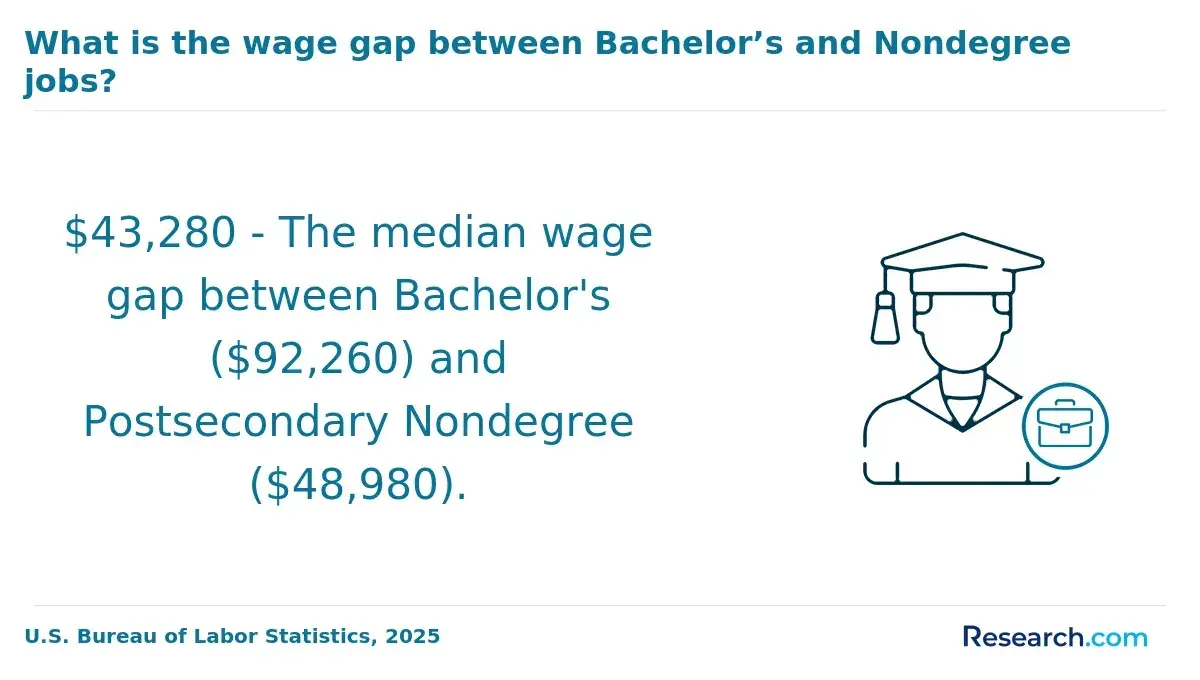
- Early-career earnings: Graduates with a 2-year biomedical engineering degree typically earn between $50,000 and $65,000 annually upon entering the workforce. In contrast, those with a traditional bachelor's usually start with salaries closer to $65,000 to $80,000, reflecting more extensive training and qualifications.
- Long-term earning potential: Traditional bachelor's degree holders often have greater opportunities for salary growth due to access to specialized roles in research, development, and management. These paths generally lead to higher compensation levels over time compared to most roles available to 2-year degree graduates.
- Employer perception: Employers frequently prefer candidates with a full bachelor's degree for advanced engineering positions. This preference can influence promotion chances and career advancement, giving bachelor's degree holders an edge in competitive job markets.
- Career progression timelines: Those with a 2-year biomedical engineering degree enter the workforce one to two years earlier than their bachelor's counterparts. While their starting salaries may be lower, this accelerated entry can provide practical experience sooner, which may benefit career momentum.
- Total lifetime earnings impact: Entering the workforce earlier helps 2-year graduates accumulate income sooner, partially offsetting lower starting pay. When combined with continuing education or relevant certifications, their cumulative career earnings may become competitive with bachelor's degree holders.
Industry demand for biomedical technicians and related support roles is projected to grow by 7% through 2031, offering sustained opportunities for those holding associate degrees (BLS).
For students weighing options, exploring alternatives like the cheapest dnp program online can also inform broader education investment decisions.
Which Factors Most Affect ROI for Accelerated Biomedical Engineering Degrees?
Evaluating the return on investment (ROI) is essential for students considering accelerated biomedical engineering programs because these degrees involve substantial financial and time commitments.
Understanding how various factors impact ROI helps in making informed decisions that align with career objectives and economic realities. Below is an overview of the primary elements shaping the ROI for accelerated biomedical engineering degrees.
- Time-to-Completion: Accelerated programs typically allow students to finish in about half the time of traditional degrees, often around two years. This shorter duration significantly reduces tuition expenses and living costs, boosting the overall value of the investment.
- Tuition and Total Cost: While some accelerated programs may charge higher rates per credit or have demanding course loads, the overall shorter timeframe often balances these higher fees. Prospective students should compare total costs against anticipated post-graduation earnings to assess affordability.
- Opportunity Cost Savings: Completing the degree faster means entering the workforce sooner, allowing graduates to begin earning a salary and gaining professional experience earlier. Given the relatively high median wages for biomedical engineers, this earlier start translates into meaningful financial gains over time.
- Employment Outcomes and Salary Growth: Programs that support strong job placement and connect students to industry networks help graduates achieve better salary trajectories. Continued expansion in medical technology and healthcare sectors sustains demand, which can accelerate career advancement.
- Transferability of Skills: Accelerated programs that emphasize hands-on learning and interdisciplinary knowledge enhance graduates' versatility. This adaptability can open doors to a wide range of roles beyond conventional biomedical engineering, adding long-term career flexibility and value.
How Do You Decide If a 2-year Biomedical Engineering Degree Is Right for You?
Choosing a 2-year biomedical engineering degree involves assessing your ability to handle an intense, fast-paced curriculum that condenses traditional four-year content into half the time. This route demands excellent time management and dedication, especially if you balance work or family responsibilities.
Reflect on your learning preferences and whether you thrive under pressure, as well as how quickly you want to enter the workforce. Career urgency plays a role, since accelerated programs may limit early opportunities for specialization. Make sure you are prepared for the challenge of maintaining a heavy workload over a shorter period.
Financially, these programs can lower overall tuition and living expenses, but it's essential to weigh these savings against post-graduation earnings and job prospects.
Median wages for biomedical engineers are around $97,000 annually, with steady employment growth expected, yet employer priorities often include hands-on experience and internships.
Confirm whether the accelerated path offers practical training to remain competitive. Consider how this faster timeline aligns with your goals, as it might restrict in-depth exploration but accelerates your entry into the field.
What Graduates Say About Their 2-Year Biomedical Engineering Degree
- Theo: "Choosing a 2-year accelerated bachelor's degree in biomedical engineering was the best decision for me because I wanted to enter the workforce quickly without compromising quality. Balancing intense coursework with part-time work was challenging, but the structured schedule kept me motivated and efficient. The degree significantly boosted my career opportunities, allowing me to secure a role in medical device design shortly after graduation. "
- Aries: "When I decided on a 2-year biomedical engineering degree, it was primarily to reduce the financial burden, especially knowing the average cost of attendance was a major factor. The fast pace required strict time management and dedication, which ultimately taught me valuable discipline. Reflecting on my journey, I see how this accelerated program gave me a competitive edge in R&D positions where innovation and speed matter. "
- Anthony: "The demanding schedule of a 2-year biomedical engineering program initially worried me, but I approached it with a professional mindset, staying organized and focused. I chose the accelerated track to match industry demands and avoid extra years of tuition expenses. Today, this degree has opened doors in biotech firms and proved critical in advancing my career with practical knowledge and hands-on experience. "
Other Things You Should Know About Biomedical Engineering Degrees
Completing an accelerated biomedical engineering degree in 2 years requires intense time management and may limit opportunities for internships or extracurricular projects.
The compressed timeline means students must handle a heavy course load and have less downtime to absorb complex concepts. This can increase stress and reduce the flexibility to explore specialized electives or research experiences.
An accelerated 2-year Biomedical Engineering degree in 2027 may intensify the challenge of balancing coursework with hands-on experience. The compressed schedule could limit time for laboratory work and internships, making it crucial for students to seek external opportunities to gain practical skills.
References
- Two-year degrees https://www.buckingham.ac.uk/study/undergraduate/two-year-degrees/
- How do you know if you want to be a biomedical engineer? https://www.careervillage.org/questions/81322/how-do-you-know-if-you-want-to-be-a-biomedical-engineer
- International Students Share Interest in Engineering and Health Care Programs, Affordability a Key Concern https://www.airc-education.org/international-students-share-interest-in-engineering-and-health-care-programs-affordability-a-key-concern
- Biomedical Engineering https://www.torontomu.ca/calendar/2025-2026/programs/feas/biomedical_eng/
- Two-Year Accelerated Degree https://www.kent.ac.uk/courses/undergraduate/two-year-accelerated-degree
- Bioengineers and Biomedical Engineers : Occupational Outlook Handbook: : U.S. Bureau of Labor Statistics https://www.bls.gov/ooh/architecture-and-engineering/biomedical-engineers.htm
- Biomedical Engineering BS / Biomedical Engineering MS https://catalog.drexel.edu/undergraduate/schoolofbioengscienceandhealthsystems/biomedicalengineeringbsms/
- Best Online Biomedical Engineering Master's Degrees for 2025 https://www.onlinemastersdegrees.org/best-programs/engineering/biomedical-engineering/


