2027 Graphic Design Degree vs. Certificate: Which Should You Choose?

Co-Founder and Chief Data Scientist
Today's students and professionals face critical choices when deciding between earning a degree or a certificate in graphic design. Both credentials can enhance a career, but they differ in duration, depth of study, and cost. For example, degrees typically require two to four years, offering broad knowledge, while certificates are shorter, focusing on practical skills.
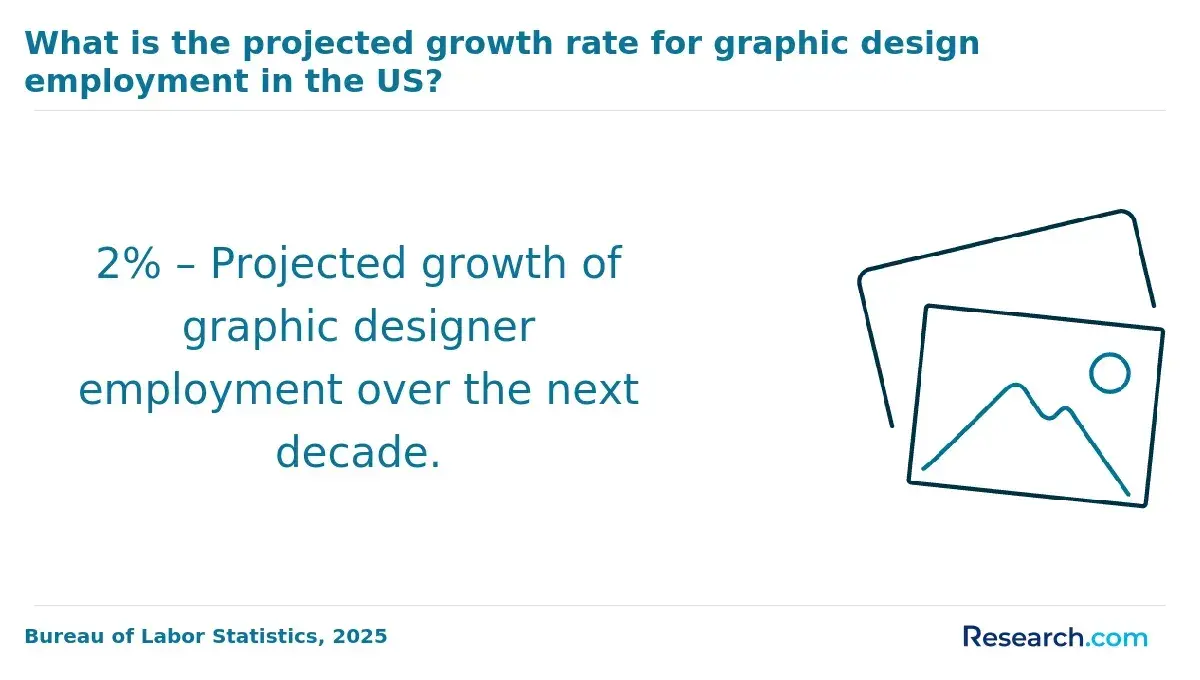
Degrees often provide opportunities for internships and advanced theory, appealing to those seeking comprehensive training. Certificates suit learners aiming for rapid entry or skill upgrades. Graphic design roles continue growing at 3% annually, making both paths relevant.
This article will compare key differences to guide learners toward the best fit for their career and lifestyle goals.
Key Points About Graphic Design Degree vs. Certificate Programs
- A graphic design degree offers comprehensive skill development and theory over 2-4 years, often leading to higher salary prospects and broader career opportunities in competitive markets.
- Certificate programs focus on practical skills and software proficiency, typically completed in under a year, making them ideal for quick entry or skill enhancement.
- Degree holders report 15-25% higher average earnings, but certificates provide flexible learning for those balancing work or seeking targeted upskilling.
What Are the Differences Between Graphic Design Degree and Certificate Programs?
Both a graphic design degree and a certificate program provide valuable career opportunities, but they differ significantly in structure, depth, and purpose. Understanding these distinctions is essential for students to select the educational path that aligns best with their career goals and available time.
Below are key differences between graphic design degrees and certificate programs to consider:
- Career Advancement: A degree often offers broader career flexibility and may open doors to higher-level roles, while certificates tend to target specific skills for quicker entry or advancement in specialized areas. Those aiming for comprehensive career growth may find a degree more advantageous.
- Depth of Learning: Degree programs cover a wide range of design theories, techniques, and related disciplines over an extended period, fostering a deep understanding. Certificate programs focus on practical skills, catering to learners seeking faster, skill-specific education.
- Time Commitment: Degrees require a longer commitment, suitable for students ready to invest several years in education, whereas certificates offer condensed timelines, ideal for professionals needing rapid upskilling or career shifts.
- Portfolio Development: Degree students typically produce more extensive portfolios through varied projects, which can be crucial for job applications. Certificate holders may have a narrower range of work but often with a strong focus on current industry tools and trends.
- Cost and Resource Investment: While not the focus here, degree programs usually demand more financial and time resources compared to certificates, influencing decisions based on personal circumstances.
How Long Does It Take to Complete a Graphic Design Degree vs. a Certificate Program?
Completion time is a crucial factor for students deciding between a graphic design degree versus a certificate. Understanding the typical duration and pacing flexibility helps align educational goals with personal and professional commitments.
- Typical Duration: The graphic design degree duration in the US usually spans about four years for a bachelor's program and around two years for an associate's degree. In contrast, how long to earn a graphic design certificate program typically ranges from several weeks to under a year, depending on the course intensity and curriculum breadth.
- Flexibility: Certificate programs often offer greater pacing flexibility, including part-time, evening, or online options designed for students balancing work or other responsibilities. Degree programs can be pursued part-time as well, but this can extend the time significantly beyond the typical two- or four-year tracks.
- Factors Affecting Timeline: Completion times depend on program structure, full- or part-time attendance, prior experience, and credit transfers. Students who transfer credits or take intensive course loads can shorten the graphic design degree duration in the US, while some certificates require portfolio development that may extend program length.
For those interested in exploring educational paths aligned with career goals, it's also useful to consider the most valuable college majors, which can influence both time commitment and future opportunities.
Can You Complete a Graphic Design Degree or Certificate Entirely Online?
Online education has expanded significantly, with many universities now offering both graphic design degrees and certificates fully online. Institutions like Southern New Hampshire University, Arizona State University, and Millersville University provide online graphic design degree programs that allow students to complete all coursework remotely while maintaining academic rigor comparable to on-campus programs.
Graduates receive diplomas without indicating the online format. Certificate options to earn a graphic design certificate online are widely accessible too, often through community colleges and technical schools, providing focused curricula for skill development or career advancement.
These flexible formats suit individuals seeking convenient learning pathways without traditional campus attendance.
However, students should consider practical elements such as hands-on design projects, developing a professional portfolio, and potential internships, which can be essential for career readiness.
Some programs include hybrid components or encourage local internships to supplement online learning. It's important to evaluate whether fully online study aligns with your learning preferences, especially if you seek direct mentorship or networking opportunities.
Choosing between a degree or certificate online depends on your desired skill depth, time commitment, and professional goals. For those unsure which path fits best, exploring the easiest associates degree to get might provide useful insights into accessible educational options.
What Are the Admission Requirements for a Graphic Design Degree vs. a Certificate Program?
Admission requirements are a key factor in deciding between pursuing a graphic design degree or a certificate program, as they highlight the academic and creative expectations for each path. Understanding these distinctions can help you select the option best suited to your background and career goals.
Below is a side-by-side comparison of typical admission requirements for both graphic design degree and certificate programs.
Admission Requirements for Graphic Design Degree Programs
- Educational Background: Applicants generally need a high school diploma or GED before applying to degree programs.
- Transcripts: Official transcripts from all previously attended institutions are mandatory, though unofficial copies may initially be accepted.
- Foundational Courses: Many programs require completion of foundational art and design courses such as Drawing, Design Fundamentals, and Digital Art, often with a minimum grade of C or better.
- Portfolio Submission: Most degree paths, particularly Bachelor of Fine Arts (BFA) programs, require a portfolio showcasing prior graphic design work to assess creativity and technical skills.
- Minimum GPA: Some programs specify a minimum cumulative GPA, commonly between 2.5 and 3.0, in both general and major-specific courses for eligibility.
- Additional Materials: Essays, artist statements, and letters of recommendation may be requested, especially for competitive or graduate-level admissions.
Admission Requirements for Graphic Design Certificate Programs
- Educational Background: Most certificate programs require only a high school diploma or GED with no further academic prerequisites.
- Portfolio Submission: Typically not required; some programs may assess interest through applications or interviews.
- Transcripts: Usually not requested, or only proof of high school completion is necessary.
- Application Form: Applicants complete a straightforward application, and nominal fees may apply in some cases.
- Work Experience: Some professional-oriented certificates ask for work experience or prior training, but this is not common for entry-level offerings.
These admission distinctions reflect the more rigorous standards expected in degree programs compared to the more accessible entry requirements for certificate pathways.
For those evaluating career opportunities, understanding these differences aids in making an informed choice aligned with educational and professional objectives. To explore how graphic design fits into broader career trends, consider reviewing the highest paying majors for context on potential earnings and market demand.
How Many Credits Do You Need to Complete a Graphic Design Degree vs. a Certificate?
Understanding how many credits you need for a graphic design program helps you effectively plan your academic schedule and manage the time you'll commit to finishing your studies. Knowing the credit requirements also clarifies the difference in scope and duration between degree and certificate options.
Here's a straightforward comparison of typical credit expectations for each path:
- Degree: Usually requires between 120 and 124 credits, encompassing general education, major courses, and electives. This typically translates to four years of full-time study at most universities.
- Certificate: Generally needs 12 to 30 credits focused on core design skills and software proficiency, often completed part-time within 6 to 12 months.
When asked about his experience, a student pursuing a graphic design certificate shared, "Deciding to go the certificate route was about focusing quickly on the skills I needed rather than spending years on a broad curriculum."
He explained that balancing part-time courses with work was challenging but rewarding, as each class was immediately relevant to his goals.
"It felt intense at times because you cover a lot in a shorter period, but I appreciated how targeted the program was-it made every credit count," he reflected. This focused approach helped him build confidence and practical abilities without the longer time commitment of a degree.
What Is the Average Tuition for a Graphic Design Degree vs. a Certificate?
Tuition costs play a crucial role when deciding between pursuing a graphic design degree or a certificate, as they have a direct impact on your financial investment and long-term return. Comparing these costs can help you determine the best educational path based on your budget and career objectives.
Below is a comparison of the average tuition ranges for each option, highlighting key factors that affect pricing.
Average Tuition for Graphic Design Degree Programs
- Tuition Range: The average cost of a graphic design degree in the US is about $10,190 annually for in-state students at public colleges, and roughly $31,241 for out-of-state students, according to College Tuition Compare's latest data.
- Private School Costs: Private institutions often charge significantly higher tuition, sometimes exceeding $40,000 per year depending on the school and location.
- Program Length: Most bachelor's degrees in graphic design require four years, so total tuition can range from approximately $40,000 to over $160,000, not including other expenses.
- Additional Fees: Students should budget for extra costs such as fees, supplies, books, and living expenses, which can substantially increase the overall price.
- Online vs. On-Campus: Online degree options may offer lower tuition costs, but prices vary widely depending on residency status and the university.
Average Tuition for Graphic Design Certificate Programs
- Tuition Range: Graphic design certificate program tuition fees generally fall between $5,000 and $15,000, with some shorter courses costing as low as $1,000 and intensive programs reaching around $13,500.
- Program Length: Certificates can typically be completed in a few months up to a year, providing a faster and often more affordable route.
- School Type: Costs vary depending on whether the program is offered through a university, private academy, or online provider.
- Online vs. On-Campus: Online certificates often come at a lower cost than in-person programs, though pricing depends on the provider and depth of curriculum.
- Additional Costs: Some programs may require minimal expenses for software or materials, which are usually far less than the fees associated with degree programs.
For those exploring various educational paths, it can also be useful to review options like a short PhD to understand advanced study timelines and costs.
Can You Transfer Certificate Credits Toward a Graphic Design Degree Later On?
Yes, transferring credits from a graphic design certificate to a degree is often possible but depends mainly on the institution's transfer policies. Typically, credits will transfer if the certificate was earned at an accredited college and the courses align closely with the degree program's content and skill requirements.
Institutions also consider whether a student achieved a minimum grade, often a B or higher, for those courses. However, transferability varies widely, so confirming specific policies with the school beforehand is essential.
Another important factor is that some schools impose limits on how many certificate credits can apply toward a degree, especially for studio art or design courses, which may require portfolio reviews in addition to transcripts.
Transfer caps, such as maximum studio art credits or total allowed transfer credits, often apply. Because of these restrictions and differences in evaluation, students should always request a written credit and portfolio assessment before enrolling. Doing so ensures they understand how their certificate credits will benefit their degree path.
When I spoke with a student who pursued a graphic design degree after finishing a certificate program, she described a detailed and sometimes stressful process. "I initially thought all my credits would move over smoothly," she explained, "but the school required a portfolio review and only accepted some studio credits."
After submitting her work and transcripts, she was pleased to learn that a significant portion, roughly two-thirds of her certificate credits, counted toward her degree. She mentioned feeling relieved but also advised future students to have clear, early conversations with admissions to avoid surprises. Her experience showed how proactive planning can make credit transfer much more manageable.
Are Certificate Programs Accredited the Same Way as Graphic Design Degrees?
Graphic design certificate programs are generally not accredited in the same manner as degree programs. Degree programs-like associate's or bachelor's degrees-receive accreditation from recognized regional or national bodies that verify academic quality and institutional standards.
This accreditation is essential for validating curricula, faculty expertise, and student support services, and it often affects eligibility for federal financial aid.
In contrast, certificate programs typically lack this formal academic accreditation and instead rely on the reputation of the institution or specialized industry certifications, such as Adobe Certified Professional. While certificate courses may prepare students for these industry exams, the certificates themselves do not carry traditional academic accreditation.
Accreditation matters because it guarantees educational standards, enables smoother credit transfer for continued education, and enhances employer acceptance of credentials.
Students should verify that degree programs are accredited by recognized agencies to ensure legitimacy. When considering certificate programs, evaluating the school's reputation and alignment with respected industry certifications is crucial.
Both options require scrutiny of curriculum quality, instructor qualifications, and available post-graduation assistance. To make informed decisions, students must confirm program accreditation status via recognized accrediting organizations before enrolling.
What Jobs Can You Get with a Graphic Design Degree vs. a Certificate?
Both graphic design degrees and certificates provide pathways to creative careers but qualify individuals for different roles and career levels. While each credential opens doors, they typically prepare graduates for distinct job opportunities. The following outlines common career options associated with each credential.
Jobs You Can Get with a Graphic Design Degree
- Graphic Designer: Develops visual concepts for various media, collaborating with clients or teams to communicate ideas effectively.
- Art Director: Oversees creative projects, manages design teams, and ensures visual consistency across campaigns.
- Creative Director: Leads creative strategy and vision for brands or agencies, guiding overall design direction.
- UX/UI Designer: Focuses on user experience and interface design for digital products, enhancing usability and aesthetics.
- Brand Designer: Creates visual identities for companies, including logos and marketing materials.
Jobs You Can Get with a Graphic Design Certificate
- Junior Graphic Designer: Supports senior designers by producing basic design work under supervision, often in agencies or in-house teams.
- Production Artist: Prepares final files for print or digital publishing, ensuring accuracy and quality.
- Design Assistant: Provides administrative and creative support to design teams, handling routine tasks and project coordination.
- Freelance Designer: Handles various short-term projects independently, typically working with small businesses or clients.
- Social Media Designer: Creates graphics tailored for social platforms to engage audiences and promote brands.
What Is the Average Starting Salary for a Certificate vs. Graphic Design Degree Graduates?
Salary potential often varies significantly between graduates holding a graphic design certificate and those with a graphic design degree. Understanding these differences can help students make informed decisions about which educational path aligns best with their career goals.
Below is a side-by-side comparison of the average starting salary for each program type along with key influencing factors and career outlooks.
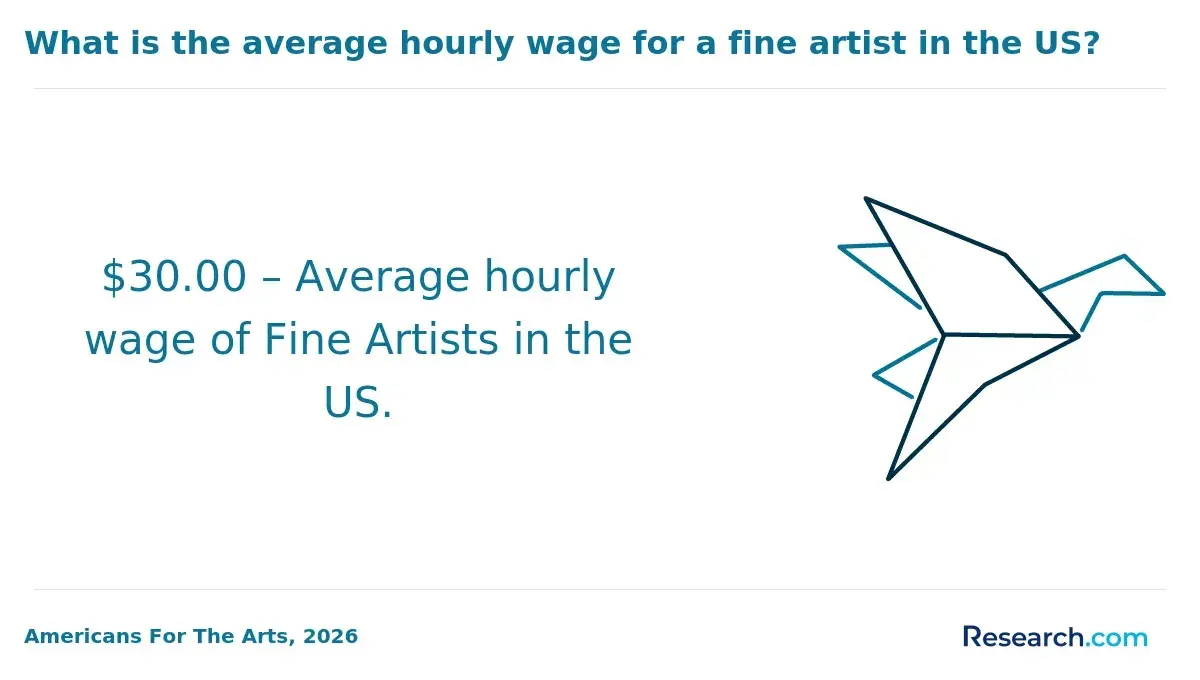
- Typical Salary Range: The average graphic design certificate salary in the United States typically falls between $41,500 and $55,951 per year, with an average hourly wage near $27. In contrast, those with a graphic design degree starting salary USA report a median starting income closer to $61,300 annually.
- Experience Impact: Even one or two years of industry experience can notably increase earnings across both certificate and degree holders, as practical skills and portfolio development improve.
- Industry Variation: Employment sectors such as advertising, technology, and specialized design services often offer higher starting wages, benefiting both certificate and degree graduates.
- Location Effects: Salaries tend to be higher in major metropolitan areas and tech hubs where the cost of living is greater, reflecting increased demand for design skills.
- Career Outlook: Degree holders generally access wider salary bands and advancement opportunities, thanks to more comprehensive training and portfolio preparation, while certificate holders may enter the workforce faster but often at lower starting salaries.
For prospective students exploring options, the top vocational schools online can be a valuable resource to identify certificate programs offering competitive training in graphic design.
Here's What Graduates of Graphic Design Programs Say About Their Degree or Certificate
- Caleb: "Choosing the graphic design certificate program was perfect for me because it offered a faster-paced, focused learning experience without the extended commitment of a degree. It was affordable compared to degree programs, which often cost thousands more, and allowed me to quickly boost my portfolio and land freelance gigs. I'd recommend this path to anyone who needs practical skills on a budget and timeline like I did."
- Dennis: "Opting for the graphic design degree program was a deliberate choice given its comprehensive curriculum and in-depth learning opportunities spread over several years. While the cost was significantly higher, the degree opened doors for me professionally by providing not only technical skills but also critical thinking and networking experiences that certificates typically lack. If you want a well-rounded education that supports long-term career growth, a degree is worth the investment."
- Thomas: "Having completed both the certificate and degree programs in graphic design, I can confidently say that each offers unique benefits depending on your goals. The certificate was cost-effective and fast for honing specific design tools, while the degree offered a broader artistic foundation and career-enhancing opportunities. Balancing cost against learning depth helped me tailor my education journey for maximum impact."
Other Things You Should Know About Graphic Design Degrees
Employer perceptions of graphic design certificates versus degrees in 2027 are influenced by factors like the depth of skills obtained, the reputation of the educational institution, industry-specific experience, and the candidate's portfolio. Degrees are often perceived as more comprehensive, but a strong certificate program paired with relevant work experience can be equally valuable.
Yes, a graphic design certificate can facilitate career advancement, especially for individuals seeking to upskill or specialize in a particular design area. It is often ideal for working professionals who want to gain new competencies without committing to a full degree. However, for higher-level positions or roles requiring comprehensive design knowledge, a degree may offer more significant long-term advantages.
In 2027, many graphic design certificate programs offer limited or no internship opportunities compared to degree programs. Degree programs often integrate internships as key components, providing valuable, hands-on industry exposure that is crucial for career readiness and networking, which may not be as readily available in shorter certificate programs.
References
- Transfer Credit - Department of Art & Art History https://www.art.utah.edu/students/transfer-credit/
- Graphic Design Certificate: Is It Worth It & Necessary for my Career? | Shillington Education https://www.shillingtoneducation.com/blog/graphic-design-certificate
- Graphic Design Transfer Advising Guide https://www.pdx.edu/transfer-center/graphic-design-transfer-advising-guide
- CE0002 Graphic Design Certificate https://ce.berkeleycollege.edu/public/category/courseCategoryCertificateProfile.do
- Understanding Graphic Design Course Fees for best Design Careers in 2024 https://www.animaster.com/blogs/graphic-design-course-fees/
- Graphic Design Diploma to Honours Bachelor of Arts & Sciences (Media, Film, & Communications major) Degree Transfer Program https://www.lakeheadu.ca/studentcentral/applying/general-admission-requirements/college-transfer-student/pathway/node/54272
- Graphic Design Transfer Opportunities https://www.cod.edu/academics/transfer/programs/graphic-design.html
- What's the Difference Between a Graphic Design Certificate and Degree? https://www.nyiad.edu/design-articles/graphic-design/what-s-the-difference-between-a-graphic-design-certificate-and-degree