
2027 Biomedical Engineering Degree Coursework Explained: What Classes Can You Expect to Take?

Co-Founder and Chief Data Scientist
Choosing a biomedical engineering degree often prompts questions about the specific coursework and its relevance to career goals. Approximately 85% of biomedical engineering programs in the U. S. emphasize interdisciplinary training in engineering, biology, and clinical sciences to meet industry demands.
This multidisciplinary approach equips students with technical and problem-solving skills vital for advancing medical technologies. Prospective students must understand course expectations to align education with workforce needs effectively.
This article outlines the typical classes in biomedical engineering curricula and explains how these courses prepare students for successful academic progress and employment in rapidly evolving healthcare technology fields.
Key Benefits of Biomedical Engineering Degree Coursework
- Biomedical engineering coursework integrates biology, engineering, and technology, equipping students with interdisciplinary problem-solving skills vital for innovation in medical device development.
- Courses emphasize hands-on experience with lab work and design projects, fostering practical skills that increase employability and readiness for specialized roles in healthcare industries.
- Graduates often command higher salaries, with the curriculum's focus on emerging technologies enhancing competitiveness in a field projected to grow 7% annually over the next decade.
What Types of Class Do You Take in a Biomedical Engineering Degree?
The curriculum of a biomedical engineering degree is designed to blend engineering fundamentals with biological sciences, creating a comprehensive program that equips students for various roles in healthcare technology. Educational trends indicate that over 70% of programs now emphasize interdisciplinary coursework, reflecting the field's evolving demands.
Students will typically encounter several key categories of courses that build both theoretical and practical expertise.
- Core Foundational Classes: These classes cover essential subjects such as mathematics, physics, biology, and basic engineering principles, forming a strong technical base. They develop analytical skills and deepen understanding of biological systems alongside engineering mechanics.
- Specialization or Elective Courses: Students choose electives aligned with specific interests like biomaterials or medical imaging, enabling focused expertise that supports diverse career paths and addresses specific areas within biomedical engineering coursework and career outcomes.
- Research and Methodology Coursework: These courses focus on experimental design, data analysis, and scientific research methods, preparing students to contribute to innovation and critically assess advancements in the biomedical field.
- Practicum, Internship, or Capstone Experiences: Hands-on training through internships or project-based courses lets students apply classroom knowledge to practical biomedical challenges, enhancing teamwork, communication, and professional skills vital for career success.
Prospective students considering a biomedical engineering degree can also find it helpful to explore related fields, such as pursuing a pharmacy degree online, to broaden their healthcare technology expertise and career opportunities.
What Are the Core Courses in a Biomedical Engineering Degree Program?
Core classes in a biomedical engineering degree curriculum establish essential knowledge and skills, enabling students to address complex biological and medical challenges through engineering approaches. These foundational courses integrate key scientific principles with hands-on techniques, fostering analytical thinking and problem-solving abilities.
Below is a summary of typical core biomedical engineering courses and the competencies they develop:
- Biology and Physiology: Covers human body systems and biological functions, providing vital context for engineering solutions that interface with living organisms.
- Engineering Mathematics: Focuses on developing advanced analytical and quantitative skills necessary for modeling and solving engineering problems.
- Biomechanics: Applies mechanical engineering principles to biological tissues and systems, helping students understand movement and structural behavior in the human body.
- Biomaterials: Studies properties and applications of materials compatible with biological tissues, essential for designing implants and prosthetics.
- Biomedical Instrumentation: Teaches design and evaluation of medical devices and sensors, emphasizing practical skills for developing healthcare technologies.
- Research Methods and Data Analysis: Introduces experimental design and statistical techniques to interpret biomedical data and support evidence-based decisions.
- Ethics and Professional Practice: Prepares students to navigate legal, ethical, and teamwork challenges within the biomedical engineering field.
For students interested in advancing their clinical expertise alongside biomedical engineering, exploring BSN to DNP programs offers a pathway to integrate nursing and technological skills effectively.

What Elective Classes Can You Take in a Biomedical Engineering Degree?
Elective courses in a biomedical engineering degree give students the flexibility to shape their education around personal interests and future job goals. Increasingly, more than 60% of students select electives to build expertise aligned with industry trends and emerging technologies.
Below are some of the popular electives that allow for deep specialization within the field:
- Biomechanics: This course delves into the mechanics behind human movement and biological systems, teaching methods for analyzing motion and designing prosthetic devices. Graduates often pursue roles in rehabilitation technology or sports equipment development.
- Biomaterials: Focused on understanding materials compatible with living tissue, this elective covers the science necessary for advances in medical implants and tissue regeneration. It prepares students for careers in medical device creation and biomaterial research.
- Medical Imaging: Covering techniques like MRI and CT scans, this class provides knowledge about imaging hardware and software crucial to diagnostic equipment design. It supports pathways toward radiology technology and diagnostic innovation.
- Cell and Tissue Engineering: Exploring cell culture methods and regenerative medicine, this course develops skills vital for biotechnology firms and pharmaceutical research. Students learn to engineer biological tissues with therapeutic applications.
- Neural Engineering: This electives focuses on neural communication systems and brain-computer interfaces, equipping students to work on neuroprosthetics and advanced neurological devices.
When speaking to a professional who completed a biomedical engineering degree, he shared that choosing electives was a daunting yet rewarding process. "I remember feeling overwhelmed by the options, but I knew these classes would define my career path," he recalled.
He described spending late nights researching course content and industry demands before settling on neural engineering and medical imaging electives. "Taking those classes challenged me to apply theory to real-world problems and gave me confidence in my technical skills. The hands-on projects were particularly intense, but they made the workload worthwhile."
His experience highlights how carefully selected electives can transform a generalized degree into a specialized toolkit tailored for specific biomedical technology sectors.
Are Internships or Practicums Required in Biomedical Engineering Programs?
Practical, hands-on experiences in biomedical engineering programs help students connect classroom learning with real-world challenges. These opportunities enable development of technical and professional skills essential for the field. Currently, around 70% of accredited programs require internships or practicums to enhance experiential learning.
Key aspects of these practical experiences include:
- Program requirements: Most biomedical engineering programs mandate or strongly recommend completing an internship or practicum, emphasizing applied learning beyond theory.
- Duration and hours: Placements usually span several weeks to an entire academic semester and require between 200 to 400 hours of supervised work.
- Types of experiences: Students engage with medical device companies, research laboratories, hospitals, or regulatory organizations, gaining exposure to diverse professional environments.
- Skills development: Internships foster critical abilities such as problem-solving, interdisciplinary teamwork, and expertise in industry regulations and quality standards.
Is a Capstone or Thesis Required in a Biomedical Engineering Degree?
Capstone projects and theses serve as significant culminating experiences in biomedical engineering programs, showcasing students' practical skills and academic knowledge. Nearly 70% of programs incorporate capstones to emphasize hands-on, team-based learning.
Here's a detailed look at how these final projects differ and what they entail:
- Capstone vs. Thesis: A capstone is a collaborative, application-focused project typically completed in the final year, where students develop real-world solutions using engineering tools. A thesis involves independent, scholarly research on a specific topic, directed by faculty, ideal for those interested in research or graduate studies.
- Typical Requirements: Capstones generally span one or two semesters with teamwork and practical problem-solving as core components. Theses take longer due to comprehensive literature reviews, experiments, or simulations, combined with formal academic writing and data analysis.
- Skills Developed: Both foster critical thinking, effective communication, and project management. The capstone hones collaboration and technical proficiency, while the thesis deepens research design and analytical skills.
- Time Commitment: The capstone's timeframe is more structured and shorter, focused on delivering a concrete solution within a set period. In contrast, the thesis demands extensive independent work, often extending beyond standard course durations due to its depth.
- Career and Academic Preparation: Capstones prepare students for immediate professional roles by simulating real engineering challenges. Theses better suit those aiming for research careers or further academic pursuits, as they emphasize original inquiry and scholarly contribution.
When I spoke with a professional who completed a biomedical engineering degree, she shared her personal journey through the culminating project phase. "Choosing the capstone was both exciting and intimidating," she recalled. "Our team had to quickly align on a project concept and divide responsibilities, which taught me a lot about collaboration and real-world problem-solving."
She described unexpected challenges with prototype development that required adapting designs under tight deadlines. Reflecting on the experience, she noted, "It felt rewarding to see our solution come together and realize how directly it related to professional engineering work."
For her, the hands-on emphasis of the capstone cemented her readiness for the workforce, while the process bolstered her confidence in managing complex projects.
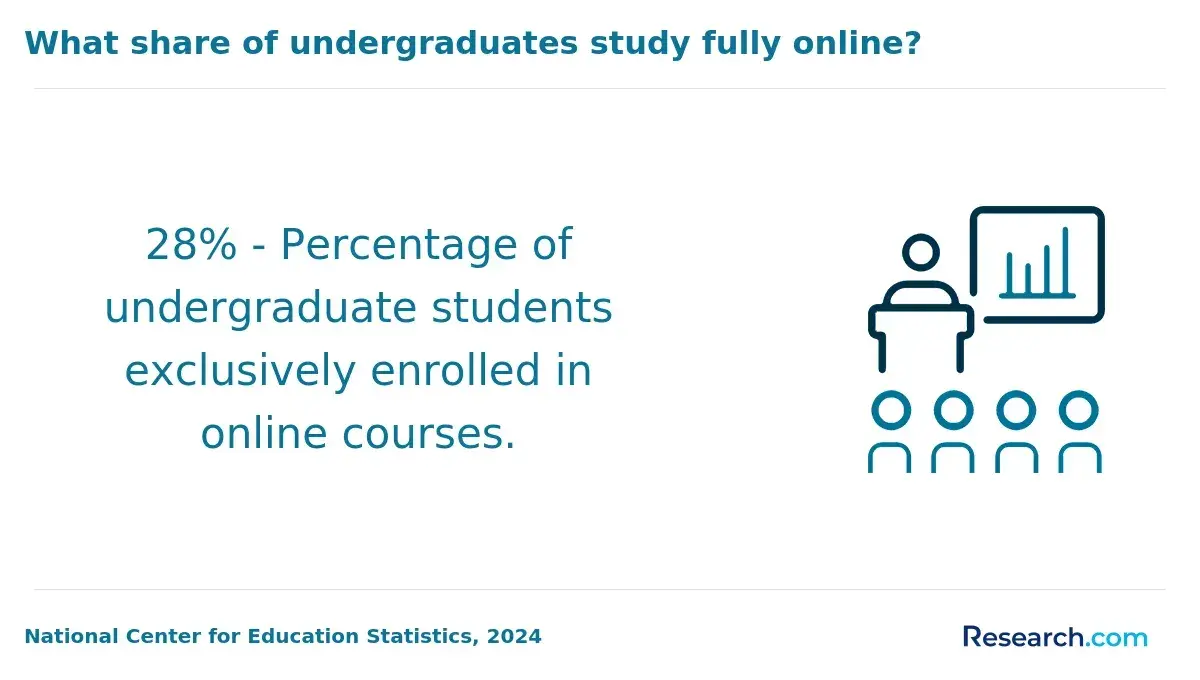
Is Biomedical Engineering Coursework Different Online vs On Campus?
Biomedical engineering coursework remains largely consistent in curriculum, learning objectives, and academic requirements, whether pursued online or on campus.
Both pathways cover essential topics like biomaterials, medical imaging, biomechanics, and systems biology, ensuring students acquire comparable knowledge and skills relevant to careers in healthcare technology and research. This uniformity helps maintain academic quality and prepares graduates similarly for professional opportunities.
Differences arise mainly in how courses are delivered and the student experience. On-campus programs provide direct interaction with instructors and classmates, hands-on laboratory sessions, and access to campus facilities and equipment.
Online courses offer greater scheduling flexibility, making them suitable for those balancing other commitments, and utilize virtual lectures, online labs, and remote collaboration tools.
Assessments for online learners often include open-book exams and project work, whereas on-campus students might take more in-person practical tests. While online practical components use simulations or take-home kits, they may not fully replicate the tactile experience of on-site labs.
How Many Hours Per Week Do Biomedical Engineering Classes Require?
Biomedical engineering classes typically require students to dedicate between 15 and 25 hours per week, depending on their enrollment status and course demands. This includes attending lectures, completing readings, working on assignments, collaborating in group projects, and engaging in applied learning such as labs or hands-on activities.
Below is a breakdown of how this time is often distributed:
- 3-5 hours attending lectures
- 4-6 hours on readings and study
- 3-5 hours completing assignments and problem sets
- 2-4 hours collaborating in group work
- 3-5 hours on lab work or practical projects
Several key factors influence the weekly time commitment for biomedical engineering classes, outlined as follows:
- Full-time vs. part-time enrollment: Part-time students or those taking fewer credits generally spend less time weekly, while full-time students face a more rigorous schedule.
- Course level: Higher-level courses often require more independent study and tackling complex projects, increasing time demands significantly.
- Course format: On-campus students may spend more time in structured labs and face-to-face discussions, while online students often allocate more hours to self-directed learning and virtual collaboration.
- Number of credits per term: Taking more credits naturally raises the overall weekly hours needed to keep pace with coursework and projects.
- Practicum and capstone projects: These hands-on components can substantially increase weekly hours during specific terms, requiring intense focus and time commitment.
For students exploring alternative healthcare education paths with manageable time commitments, considering an affordable medical billing and coding certification might offer a different balance of study hours and career objectives.
How Many Credit Hours Are Required to Complete a Biomedical Engineering Degree?
Total credit hour requirements significantly influence the duration of biomedical engineering degree programs, the student's semester workload, and their planned graduation timeline. These requirements vary depending on the degree level, undergraduate or graduate, and the structure of the program, including any experiential learning components.
Below is a summary of common components for the total credit hours to complete biomedical engineering degrees:
- Core coursework: Undergraduate programs generally require a significant portion of the 120 to 130 credit hours to be dedicated to foundational courses. These include biomedical instrumentation, biomechanics, biomaterials, systems physiology, biology, chemistry, mathematics, and engineering principles essential for the discipline.
- Electives: These allow students to explore complementary areas such as computer programming or regulatory affairs. Electives typically make up a smaller segment of the overall credit hour requirement but provide important interdisciplinary knowledge and skills.
- Experiential requirements: Practical experiences like internships, capstone design projects, and laboratory practicums usually account for 6 to 12 credit hours in undergraduate programs. These hands-on components are critical for translating theory into real-world biomedical engineering challenges.
- Graduate program credits: Graduate biomedical engineering degrees often require 30 to 45 credit hours, which focus more on specialized coursework, research seminars, and thesis work. These programs emphasize depth in research and independent projects over broad coursework coverage.
Prospective students looking into related fields can also consider an online nursing degree as an alternative pathway in healthcare education.
How Does Biomedical Engineering Coursework Prepare Students for Careers?
Biomedical engineering coursework equips students with a blend of technical knowledge, practical skills, and applied learning experiences, crucial for professional success. This preparation fosters career readiness by developing competencies that align with evolving industry demands.
Employment for biomedical engineers is projected to grow 13% from 2022 to 2032, emphasizing solid workforce opportunities in this field. The factors that enable biomedical engineering programs to promote career readiness include the following:
- Skill Development: Coursework emphasizes core scientific principles and engineering concepts essential for designing medical devices and technologies. These fundamental skills support problem-solving and innovation in real-world health care contexts.
- Applied Projects: Students engage in hands-on design projects, often using simulations and prototypes. This experiential learning mirrors workplace tasks, improving readiness for biomedical device development and clinical applications.
- Critical Thinking and Analysis: Biomedical engineering programs challenge students to assess complex problems and devise solutions, sharpening their ability to think critically under varied scenarios.
- Industry Tools and Technologies: Training includes exposure to industry-standard software and laboratory equipment, ensuring familiarity with the tools professionals use daily, accelerating the transition from academia to work environments.
- Professional Networking and Collaboration: Team-based projects and presentations cultivate communication and teamwork skills—key attributes that employers seek. These opportunities also help build connections within the biomedical engineering community.
Prospective students interested in shifting to nursing can explore affordable RN to BSN online programs as complementary pathways.
How Does Biomedical Engineering Coursework Affect Salary Potential After Graduation?
Completing biomedical engineering coursework directly enhances graduates' earning potential by providing specialized knowledge and skills vital to the healthcare and medical device sectors.
According to the most recent employment data from the U.S. Bureau of Labor Statistics, the median annual wage for biomedical engineers was approximately $106,950, with those possessing targeted expertise often earning above this median.
Several aspects of coursework contribute to increased salary prospects, including the following:
- Development of In-Demand Technical Skills: Courses teaching proficiency in CAD software and medical programming equip students with abilities highly valued by employers, improving job readiness and compensation offers.
- Completion of Specialized or Advanced Electives: Taking additional classes in biomechanics, biomaterials science, or emerging fields like regenerative medicine provides access to higher-responsibility roles and higher salaries.
- Applied Learning Experiences: Participating in practicums, internships, and capstone projects allows students to showcase practical skills to employers, often leading to stronger starting offers.
- Leadership and Project Management Training: Coursework that incorporates team leadership and project management prepares candidates for supervisory positions, accelerating career and salary growth.
- Preparation for Professional Certifications: Targeted study enabling eligibility for certifications such as Certified Biomedical Auditor or Six Sigma Green Belt opens pathways into specialized, better-paying roles.
What Graduates Say About Their Biomedical Engineering Degree Coursework
- Ishan: "The coursework for my biomedical engineering degree was quite an investment, averaging around $40,000 for the full program, but the value was undeniable. Taking classes online allowed me the flexibility to balance work and study, which made the experience very manageable. The practical skills and knowledge I gained have already propelled my career forward, giving me confidence in tackling real-world biomedical challenges. "
- Leo: "Reflecting on my journey through the biomedical engineering coursework, the cost was substantial but realistic considering the quality of education received. Attending on campus offered invaluable hands-on experiences and direct collaboration with professors and peers. This direct interaction profoundly shaped my career path, equipping me with both technical expertise and critical thinking skills essential in the medical device industry. "
- Min: "In terms of expense, the biomedical engineering program was a considerable commitment, roughly $38,000 in tuition, yet it was a strategic investment in my future. I completed my studies on campus, benefiting from extensive lab work and face-to-face mentorship from industry experts. These elements of the coursework have been fundamental in advancing my professional opportunities and developing a strong foundation in biomedical technologies. "
Other Things You Should Know About Biomedical Engineering Degrees
Biomedical engineering students engage in a variety of laboratory experiences designed to complement theoretical learning. These often include biomechanics labs, biomaterials testing, and bioinstrumentation labs where students gain hands-on experience with medical devices and biological systems. Such labs develop practical skills in measuring physiological signals, designing experiments, and analyzing biological data.
Mathematics and programming are integral parts of biomedical engineering coursework. Students often study differential equations, linear algebra, and statistics to model biological systems. Programming languages such as MATLAB, Python, or C++ are commonly taught to analyze biomedical data, develop simulations, and create software for medical applications.
In 2027, biomedical engineering programs typically integrate specialized labs focused on biomechanics, biomaterials, and medical imaging. These labs offer hands-on experience with real-world technologies, augmenting students’ understanding of device design and medical diagnostics.
In 2027, interdisciplinary courses enrich biomedical engineering programs by integrating knowledge from fields like medicine, biology, and computer science. This comprehensive approach cultivates versatile engineers adept at tackling complex biomedical challenges through collaboration and innovation across diverse disciplines.
References
- University of Glasgow - Undergraduate study - 2026 Degree programmes A‑Z https://www.gla.ac.uk/undergraduate/degrees/biomedicalengineering/
- Biomedical Engineering BEng https://www.ucl.ac.uk/prospective-students/undergraduate/degrees/biomedical-engineering-beng
- Major in Biomedical Engineering | Meinig School of Biomedical Engineering https://www.engineering.cornell.edu/bme/major/
- Online vs Hybrid vs Campus Learning in Healthcare: Which Is Right for You? https://www.edumed.org/articles/online-vs-hybrid-vs-campus/
- Master of Science (Biomedical Engineering) https://calendar.ualberta.ca/preview_program.php
- 2025-2026 Academic Catalog https://catalog.wit.edu/engineering/biomedical-engineering/biomedical-engineering-bs/
- BME Undergraduate Electives | University of Virginia School of Engineering and Applied Science https://engineering.virginia.edu/department/biomedical-engineering/academics/undergraduate-programs/bs-biomedical-engineering/bme-undergraduate-electives
- Biomedical Engineering: Salary, Outlook and Description | McKissock Learning https://www.mckissock.com/blog/professional-engineering/biomedical-engineering-salary-outlook-and-description/
- Your Guide to Biomedical Engineering Internships https://joinhandshake.com/blog/students/biomedical-engineering-internships/
- Internship Biomedical Engineering (start September 2025) • Sonion https://www.sonion.com/career/internship-biomedical-engineering-start-september-2025/


