
2027 Is an Agriculture Online Degree Worth It?

Co-Founder and Chief Data Scientist
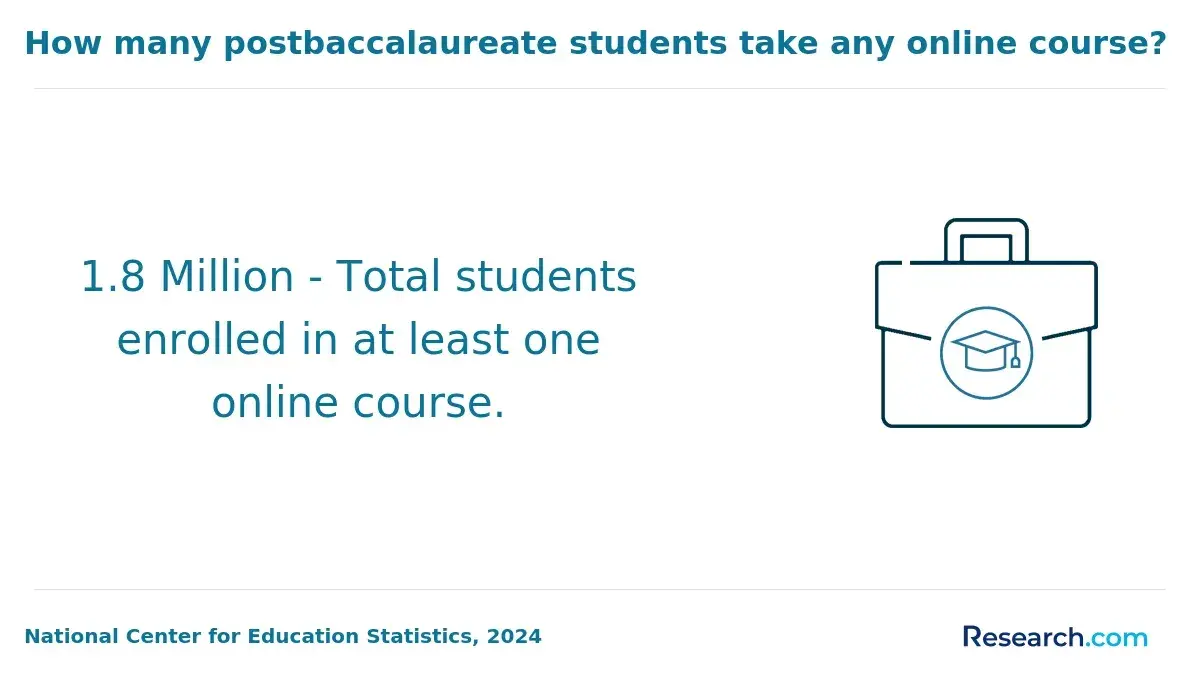
Online education has grown rapidly, with over 30% of college students now enrolled in at least one online course. Agriculture degrees have followed this trend, offering flexible learning options to meet the needs of busy students and working professionals. This shift allows more individuals to enter the agriculture field without relocating or pausing their careers.
This article will help you evaluate if pursuing an online agriculture degree is worth it by examining costs, program flexibility, accreditation, job-market trends, and how employers view online qualifications. Understanding these factors can guide your decision about investing time and money into this growing educational path.
Key Benefits of Online Agriculture Degree
- Online agriculture programs often offer flexible schedules and practical courses, enabling working professionals to balance education with job and family commitments.
- The degree aligns with growing sectors such as sustainable farming and agribusiness, fields expected to grow 5% over the next decade according to the US Bureau of Labor Statistics.
- Graduates typically gain skills in technology and resource management, improving career prospects in diverse roles from farm management to agricultural consulting.
Who Should Choose an Online Agriculture Degree Program?
Online learning has become an appealing option for many students due to its ability to offer academic rigor combined with flexibility. This approach suits individuals balancing different personal and professional commitments, allowing them to pursue education on their own terms.
Those who find online agriculture degree programs most suitable fall into several key categories.
- Working professionals in agriculture: These students continue their full-time roles while enhancing their skills and knowledge. The program's schedule and content let them apply latest methods and management practices directly to their current work.
- Rural residents and those with limited campus access: Online degrees break down geographic barriers, enabling learners from remote or underserved regions to connect with top-tier faculty and comprehensive curricula without relocating.
- Career changers and adult learners: Individuals transitioning from other fields or updating their expertise can study flexibly at their preferred pace, making career shifts possible without disrupting existing responsibilities.
- Learners seeking specialized knowledge: These programs often focus on areas like sustainability, leadership, and innovative agriculture management, catering to those wanting to deepen their expertise in evolving sectors.
What Are the Pros and Cons of an Online Agriculture Degree?
Online agriculture programs have surged in popularity as they offer flexibility for students and working professionals aiming to advance their careers without interrupting their lives. Access to a quality curriculum remotely enables learners to develop critical skills while managing employment and personal commitments.
Pros of an Online Agriculture Degree
- Flexibility for Working Learners: Online agriculture degree flexibility and cost savings allow students to balance coursework with jobs and family responsibilities. Professionals can complete assignments after work or join virtual labs on weekends, making it ideal for career changers or those already employed in agriculture.
- Cost and Time Efficiency: Many online programs have tuition rates between $250-$650 per credit hour, often less expensive than campus-based options. Transfer credits and in-state tuition discounts can further reduce costs and shorten the time to graduation.
- Specialized Curriculum Options: Online courses cover a broad range of topics including crop science, agribusiness, and sustainability with electives tailored to individual interests. This flexibility expands career opportunities in emerging agricultural fields.
- Digital and Industry-Relevant Skills: Online learning enhances digital literacy, a crucial asset in today's tech-driven agricultural sector, preparing students to use the latest data platforms and tools effectively.
Cons of an Online Agriculture Degree
- Limited Hands-On Experience: Hands-on experience in online agriculture programs can be limited. Though some offer local fieldwork or internships, many students may miss out on direct, practical training found in traditional programs, affecting preparedness for lab or farm operations.
- Geographic Employment Constraints: Agriculture jobs tend to be region-specific, primarily in the southern and southwestern U.S., which may restrict remote job opportunities after graduation.
- Self-Directed Learning Challenges: These degrees require strong self-motivation and time management skills. Students needing frequent in-person guidance may find the virtual format less supportive, especially for complex scientific concepts.
- Variable Employer Perceptions: While online degrees are gaining respect, some employers or regions still view them as less prestigious if the program lacks strong industry recognition or accreditation.
For those interested in accelerated options, consider exploring reputable 6-month associate degree programs online to quickly gain relevant credentials in agricultural fields.
How Do AI-Enhanced Virtual Classrooms Work in Online Agriculture Programs?
AI technologies have become central to modern online education because they significantly enhance personalized learning experiences. For agriculture students, these innovations create more engaging and practical learning environments that adapt to individual needs.
Below are key features of AI-powered virtual learning environments used in online agriculture programs that illustrate how these advances support student success.
- Adaptive Learning Tools: AI tailors content based on each student's progress, enabling personalized pathways that help learners master complex agricultural concepts efficiently.
- AI-Driven Feedback: Real-time analysis of assignments provides immediate, actionable feedback, helping students identify knowledge gaps and improve their skills quickly.
- Collaborative Problem-Solving: Virtual agriculture classroom technology and student engagement are enhanced as students work alongside AI to analyze real-world data, such as drone imagery for crop health, fostering practical application of their learning.
- Immersive Experiences: AI integrates with augmented and virtual reality to offer simulations of farming techniques and mechanization changes, giving students hands-on exposure without leaving their homes.
- Streamlined Course Development: AI assists instructors by automating material creation, allowing more time for meaningful interaction with students and refining course quality.
Students seeking flexible agriculture education will find programs utilizing AI-powered learning tools for online agriculture education an advancing frontier. For those researching options, exploring the best colleges offering open enrollment can open pathways to innovative virtual learning experiences.
What Technology Do You Need for an Online Agriculture Degree?
Having the right technology setup is essential for success in modern online agriculture programs. Students must be equipped to handle specialized software, virtual labs, and proctored exams to fully engage with coursework and practical applications.
Below is a list of specific tools, equipment, and software students should prepare before enrolling in an online agriculture program.
- Reliable Computer: A laptop or desktop with at least an Intel i5 12th Generation processor, 16 GB RAM, and 512 GB storage ensures smooth performance. This meets the minimum computer requirements for online agriculture degree students to run multiple applications, handle large data files, and use precision agriculture software and hardware for students such as GIS and remote sensing tools.
- Windows Operating System: Many agriculture programs require Windows 10 or later since certain software and learning platforms like D2L Brightspace are incompatible with Mac or tablet devices. This guarantees full access to all necessary digital resources and industry-standard programs.
- Integrated Webcam and Microphone: Used for live discussions, virtual presentations, and especially proctored online exams, a good webcam and microphone enable clear communication and verification during assessments.
- Smartphone with Camera and Reliable Data Plan: Smartphones serve as secondary devices for proctoring and to capture photos or videos of field assignments, supporting practical documentation needs. A robust data plan ensures connectivity for streaming and uploads in remote areas where Wi-Fi may be limited.
- Headset with Microphone: Clear audio is crucial for attending live classes and group work. Headsets help reduce background noise and improve focus during online sessions.
- Backup Storage Devices: USB flash drives or external hard drives protect against data loss by backing up assignments and large data files frequently used in agriculture studies.
- Specialized Software: Students should install GIS platforms like ArcGIS, data analytics tools, and remote sensing applications as part of their learning. Familiarity with these programs is key to leveraging advancements in digital agriculture and precision farming.
For those exploring affordable options to pursue these technology demands, there are resources highlighting cheap masters degrees online that can provide flexible pathways into agriculture fields requiring modern tech skills.
How Long Does It Take to Finish an Online Agriculture in 2027?
The length of an online agriculture degree is a key factor for many prospective students, as it affects how soon they can begin or advance their careers. Completion times can vary widely depending on the chosen online format and individual circumstances.
Below is an overview of typical timelines for finishing an online agriculture program.
- Full-Time Online Track: Usually takes about four years, similar to traditional programs. Students can benefit from structured coursework and steady progress through required classes.
- Transfer Credits: Those with prior college credits or an associate degree may finish in as few as two years. Transfer policies vary, so students should verify how many credits apply toward their degree.
- Accelerated and Flexible Formats: Many programs offer asynchronous classes and shorter terms, like 7-week sessions, allowing motivated learners to move faster and tailor their pace.
- Year-Round Scheduling: Taking advantage of summer and intersession courses enables students to reduce overall duration by spreading workloads across more terms.
- Part-Time Enrollment: For working adults or others with tight schedules, part-time study extends program length beyond four years but provides vital flexibility to balance commitments.
Can You Work Full-Time While Completing an Online Agriculture Degree?
Balancing full-time work with online study is a frequent concern for many prospective students, especially those currently employed in agriculture or related industries. Understanding the factors that influence this balance can help students make informed decisions about pursuing an online agriculture degree.
Key considerations for managing full-time employment while studying agriculture online include:
- Flexible Scheduling: Programs offering part-time enrollment or asynchronous courses allow students to complete assignments on their own time, helping to accommodate work hours and personal commitments.
- Program Pacing: The ability to adjust course loads based on work demands makes managing responsibilities more feasible, especially in programs designed specifically for working adults.
- Workload Expectations: Most online agriculture degrees require several hours weekly for study and assignments, so realistic assessment of available time is essential.
- Employer Support: Employers offering flexible hours or educational assistance can significantly ease the challenge of balancing both roles.
- Time Management Skills: Creating structured weekly plans with dedicated study times and using tools like calendars help maintain focus and meet deadlines.
Reflecting on this, a graduate who worked full-time while enrolled shared that juggling evening coursework with a demanding job was initially overwhelming. She emphasized that setting clear priorities and staying disciplined were vital, especially during busy seasons on the farm.
"It wasn't easy, but the flexibility of my program meant I could study after work or on weekends without falling behind," she recalled. Her experience demonstrates that with determination and the right program structure, working full-time and earning an online agriculture degree is achievable.
How Do Online Agriculture Degree Programs Help with Internships?
Internships are crucial for gaining practical skills and preparing for careers in agriculture, offering real-world experience that complements online learning. These hands-on opportunities help students apply theoretical knowledge in areas like sustainable farming, crop management, and agricultural technology.
Online agriculture degree programs provide various supports to ensure students can successfully secure and complete internships. Below are key strategies these programs use to facilitate meaningful internship experiences:
- Career Services Support: Dedicated career teams connect students with agricultural firms, research labs, and farms, guiding them to internships aligned with their focus areas such as agronomy or food science.
- Virtual Placement Coordination: Programs incorporate internship coordination within their curricula, assisting students in identifying and applying for suitable opportunities while managing schedules remotely.
- Mentorship and Coaching: Personalized coaching prepares students for workplace expectations, enhancing their readiness and confidence for practical assignments.
- Industry Partnerships: Collaborations with major employers like Cargill and Corteva Agriscience provide access to competitive internships, ensuring remote students enjoy the same vetted experiences as on-campus peers.
- Online Tracking Tools: Platforms monitor internship progress and facilitate communication between students, mentors, and institutions, promoting continuous support and evaluation throughout the practicum.
What Is the Average Tuition Cost of an Online Agriculture Program?
Knowing the average tuition cost is essential for students planning to pursue an online agriculture degree, as it often represents the largest financial commitment. Understanding these costs helps in budgeting and comparing different programs.
Below are key details about tuition expenses for online agriculture studies:
- Average Tuition Per Credit: Undergraduate programs at public universities generally charge between $320 and $385 per credit. For instance, Oregon State University rates $384 per credit, while Southwest Minnesota State University charges around $323.
- Annual Tuition Estimates: Full-time students taking 12 credits per term over three terms might pay approximately $12,000 to $15,000 annually. Oregon State's yearly cost is roughly $14,958, while schools like Utah State and University of Tennessee-Martin offer tuition in the $11,800 to $14,500 range.
- Graduate Tuition Costs: Graduate program credits vary significantly, from about $580 at some public institutions to over $1,100 at schools like Purdue University. Certificate programs at Purdue typically charge between $700 and $750 per credit.
- Public vs. Private Rates: Public universities often have lower rates, whereas private institutions may exceed $30,000 yearly, making them considerably more expensive.
- Residency Considerations: While many online programs charge uniform tuition regardless of residency, some still vary rates between in-state and out-of-state students, so confirming with the school is advisable.
- Additional Fees: Beyond tuition, expect costs for books, technology, and possibly lab or proctoring fees. Oregon State estimates about $600 per year for materials.
When I spoke with a student pursuing an online agriculture degree, he shared how managing tuition was a balancing act. "I had to carefully compare schools and plan my schedule to spread out costs," he said.
He appreciated the transparent fee details that helped him avoid surprises, especially with materials and tech fees. Although budgeting was sometimes stressful, he found value in the flexibility of online learning and the investment in his career.
"Knowing the full financial picture upfront made me feel more confident about my decision," he reflected, emphasizing that understanding tuition beyond just the per-credit rate helped him stay focused and motivated throughout his studies.
What Is the Average Salary for Someone with an Online Agriculture Degree in 2027?
Understanding potential earnings is essential when evaluating an online agriculture program, as it helps students gauge the return on their educational investment. Knowing the Agriculture degree salary outlook 2025 can make the difference between choosing a program that leads to financial stability and one that might not meet career expectations.
Below are key salary insights to consider:
- Average Entry-Level Salary: Graduates with an online agriculture degree can expect starting salaries ranging from approximately $43,710 to $55,660 annually. For instance, alumni from the University of Minnesota's online agriculture program report median starting pay near $43,710, while those from Colorado State University - Fort Collins average about $55,660.
- Mid-Career Salary Growth: As professionals gain experience, salaries can increase significantly. Jobs such as agricultural engineers or sustainability specialists frequently see median earnings between $83,260 and $128,620 per year, reflecting strong career potential within the field.
- Salary by Industry and Region: Earnings vary due to industry and location factors. Fields like sustainable food systems or agribusiness management often offer higher wages, especially in areas with robust agricultural sectors such as California, Texas, and the Midwest.
- Overall Salary Perspective: The average salary with an online agriculture degree in the United States is around $60,000 per year, based on U.S. Bureau of Labor Statistics data. As employers increasingly recognize the value of accredited online degrees equally to traditional ones, graduates can expect competitive salaries across the board.
Students looking to minimize financial burden may explore options at inexpensive online universities that accept FAFSA, which can open doors to quality programs without excessive cost.
Which Industries Hire Graduates From Online Agriculture Programs?
An online agriculture degree offers a versatile foundation that equips graduates with technical, scientific, and business skills applicable across many professional fields. This adaptability allows graduates to thrive in various sectors, demonstrating the broad appeal of agriculture jobs in California for online graduates and beyond.
Below are the primary industries hiring online Agriculture degree graduates.
- Agricultural technology (AgTech): Companies such as CropX Technologies and Pivot Bio hire graduates to work in digital agriculture, precision farming, and data analysis roles. These positions focus on sustainable food production and efficient resource management, reflecting the growing demand for innovation in agriculture.
- Food production and processing: Major firms involved in processing, distribution, and logistics employ graduates to manage operations, quality control, and supply chain functions. This sector values graduates' knowledge in streamlining food supply systems.
- Agricultural sales and marketing: Roles like sales representatives, project managers, and agronomists are needed to promote new agricultural products and services to growers and distributors, leveraging graduates' technical expertise combined with business acumen.
- Environmental and sustainability sectors: Consulting, greenhouse gas mitigation, and regenerative agriculture roles are expanding as industries prioritize climate resilience and sustainable practices. Graduates contribute essential scientific and management skills to these efforts.
- Government and policy organizations: Agencies such as the USDA offer positions related to agricultural science, resource management, and community outreach. These roles support rural development and food systems, benefiting from graduates' comprehensive training.
- Finance and agri-business: Companies bridging agriculture and finance-like ProducePay-seek graduates for analytics, supply chain finance, and risk management positions, reflecting the importance of financial literacy in modern agriculture.
Job opportunities with remote and online-capable roles in agriculture have increased, with entry-level to specialist positions offering wages from $18 to $50 per hour. This growth underscores the expanding industries hiring online Agriculture degree graduates.
For those interested in quick, valuable credentials, exploring online certificates that pay well might be a complementary step toward career advancement.
What Graduates of Online Agriculture Programs Say About Their Degree
- Eddie: "Pursuing an online agriculture degree offered me the flexibility to learn at my own pace while balancing work and family. The curriculum was thorough, and I appreciated that the cost was significantly less than attending on-campus programs, making it a smart financial decision. This degree has opened new doors in my career, especially in sustainable farming practices. "
- Sage: "The online agriculture program gave me a chance to deeply reflect on my passion for environmental stewardship and agriculture science. I found that learning remotely allowed me to absorb information more thoughtfully, and the lower tuition fees helped ease my financial concerns. Overall, it was a rewarding experience that deepened my knowledge and commitment. "
- John: "Completing my agriculture degree online was a professional turning point that enhanced my expertise without disrupting my job. The well-structured coursework and affordable nature of the program allowed me to advance my skills efficiently. This degree has not only improved my practical knowledge but also increased my competitiveness in the job market. "
Other Things You Should Know About Agriculture Degrees
Yes, online agriculture degrees from accredited institutions are generally recognized by employers, especially if the program is regionally accredited. Many agricultural employers value skills and knowledge over the mode of delivery, so completing an accredited online program can meet industry standards. It is important to verify the accreditation status of the specific program before enrollment to ensure employer recognition.
In 2027, an agriculture degree remains highly relevant. Technological advancements like precision farming, automation, and sustainable practices are transforming the industry. Graduates equipped with modern knowledge and skills are essential to adapt and lead in the evolving agricultural landscape.
References
- World Agriculture Forum - Cultivating Solutions for a Sustainable Future https://worldagricultureforum.org/internship
- College of Agriculture and Life Sciences https://catalog.ncsu.edu/undergraduate/agriculture-life-sciences/agricultural-human-sciences/agricultural-science-bs-online/
- Digital Technology for Sustainable Agriculture - Univacity https://www.univacity.com/en/programs/687b18ae0f05b8e61251de99___digital-technology-for-sustainable-agriculture
- Bachelors in agriculture - Online Degree Program https://www.aiu.edu/program/bachelor-in-agriculture-food-and-resources/
- AI In Agricultural Education https://www.meegle.com/en_us/topics/smart-agriculture/ai-in-agricultural-education
- Agriculture - Northwest Iowa Community College https://nwicc.edu/academics/programs-of-study/agriculture-online/
- 10 Agriculture Careers That Require a Master's Degree https://global.nmsu.edu/blog/agriculture-and-consumer-sciences/agriculture-careers-that-require-masters-degree/
- Bachelor of Science in Agriculture in Agricultural Studies https://degree.astate.edu/online-programs/undergraduate/agriculture-studies/bs-ag-study/


