
2027 How to Become a Sustainability Consultant: Education, Salary, and Job Outlook

Co-Founder and Chief Data Scientist
Becoming a sustainability consultant is a career decision for people who want to turn environmental and social goals into practical business action. The role sits at the intersection of climate strategy, operations, compliance, finance, reporting, and stakeholder management. Consultants help organizations measure impact, reduce risk, improve resource use, and communicate progress credibly.
This career can fit professionals coming from environmental science, engineering, business, public policy, data analysis, or corporate operations. It can also appeal to career changers who want mission-driven work but still want to solve concrete business problems. The strongest candidates usually combine technical knowledge with communication skills, project discipline, and the ability to explain sustainability trade-offs to decision-makers.
This guide explains the credentials, skills, career path, salary expectations, internships, workplaces, challenges, and self-assessment questions that matter most if you are considering sustainability consulting.
What are the benefits of becoming a sustainability consultant?
- The sustainability consultant role is projected to grow by 11% from 2023 to 2025, reflecting increasing corporate demand for environmental accountability.
- Average annual salary ranges from $60,000 to $90,000, varying by experience and geographic location.
- This career offers meaningful impact opportunities, combining strategic advisory skills with advancing global sustainability goals.
What credentials do you need to become a sustainability consultant?
Most sustainability consultant roles do not require one single license or degree. Employers typically look for a combination of relevant education, applied experience, technical skills, and credible certifications. The right credential path depends on whether you want to work in corporate ESG, climate and carbon accounting, green building, supply chain sustainability, environmental compliance, or nonprofit and public-sector work.
- Bachelor's degree: A bachelor's degree is the usual entry-level credential in the U.S. Common majors include environmental science, sustainability, engineering, business, economics, data analytics, public policy, and related fields. Coursework in statistics, environmental regulation, life cycle assessment, energy systems, and corporate strategy can be especially useful.
- Master's degree: A master's degree is not always required, but it can strengthen your candidacy for senior consulting, specialized technical, and leadership roles. Relevant options include sustainability, environmental management, environmental engineering, public policy, and an MBA with a sustainability focus.
- Certifications: Certifications can help demonstrate job-ready expertise in a crowded field. Credentials such as LEED or specialized certificates in energy management are valued by employers and clients, particularly for green building, energy efficiency, ESG reporting, and corporate sustainability work.
- Licensure: Formal professional licensure is generally not necessary in the U.S. for sustainability consulting itself. However, some regulated projects, technical engineering work, environmental assessments, or international roles may require additional qualifications depending on the jurisdiction and scope of work.
A practical credential strategy is to build in stages: earn a relevant degree or equivalent academic foundation, gain project experience, then add targeted certifications once you know your preferred specialization. For example, a consultant focused on buildings may prioritize LEED, while someone interested in carbon strategy may pursue energy, emissions, or ESG reporting credentials.
Short courses, workshops, and certificate programs can also help you stay current as reporting frameworks, climate disclosure expectations, and sustainability technologies change. If you want to compare accessible credential options that may strengthen your resume, review easy certifications that pay well.
The strongest sustainability consultant qualifications are not just academic. Employers and clients want evidence that you can analyze data, understand business constraints, communicate recommendations, and help organizations implement measurable improvements.
What skills do you need to have as a sustainability consultant?
Sustainability consultants need a mix of technical, analytical, strategic, and interpersonal skills. The job is not limited to recommending “green” practices. Consultants must interpret data, understand regulations, assess business risks, manage stakeholders, and convert complex sustainability goals into realistic action plans.
Core technical and analytical skills
- Double materiality assessment: You need to understand both sides of sustainability impact: how environmental, social, and governance issues affect an organization's financial performance, and how the organization affects people, communities, and the environment.
- Data analysis and visualization: Sustainability decisions depend on credible data. Tools like Tableau or Power BI can help you analyze emissions, energy use, waste, supplier performance, and other sustainability metrics, then present findings in a format leaders can act on.
- ESG reporting and ratings: Consultants are often asked to support disclosures, improve reporting quality, and help organizations respond to ESG rating expectations. Accuracy and consistency matter because weak reporting can damage credibility.
- Scope 3 emissions accounting: Many organizations now need to understand indirect emissions across their value chain. This work is complex because it depends on supplier data, assumptions, calculation methods, and transparent documentation.
- Regulatory and policy analysis: Sustainability consultants must track relevant environmental laws, reporting requirements, climate policies, and voluntary frameworks so their advice reflects current obligations and market expectations.
Consulting and implementation skills
- Project management: Consultants often manage timelines, budgets, deliverables, and multiple stakeholder groups at once. Strong project management helps turn strategy into implementation.
- Systems thinking: Sustainability work rarely has one isolated solution. You must be able to see how environmental, social, operational, financial, and reputational factors interact.
- Facilitation and stakeholder engagement: Consultants need to guide meetings, surface disagreements, build consensus, and translate technical issues for executives, employees, suppliers, and community partners.
- Adaptability and resilience: Client priorities, regulations, and data availability can shift quickly. Successful consultants remain flexible while still protecting the quality and integrity of their recommendations.
A common mistake is focusing only on sustainability knowledge while neglecting business communication. The best consultants can explain why a recommendation matters, what it costs, what risks it reduces, and how progress will be measured.
What is the typical career progression for a sustainability consultant?
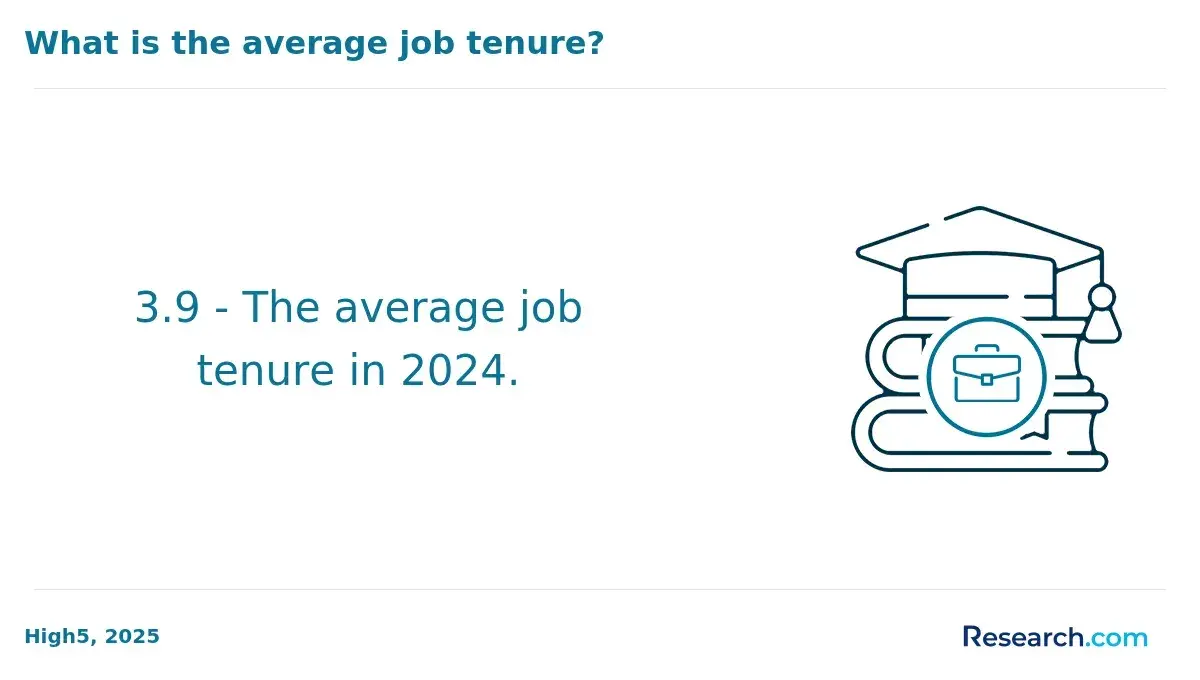
Sustainability consulting careers usually progress from data-heavy support roles to client-facing advisory work, then to project leadership, specialization, or management. The journey to senior roles in sustainability typically spans nearly a decade, though timelines vary based on education, industry, technical focus, and the size of the employer.
- Entry-level roles: Positions such as Sustainability Analyst or Junior Consultant usually last two to three years. Work often includes data gathering, environmental assessments, benchmarking, research, and support for reports or audits. This is where many professionals build familiarity with frameworks such as BREEAM and LEED, as well as carbon footprint and energy audit methods.
- Consultant-level roles: Roles such as Sustainability Consultant or Environmental Consultant often last around three to five years. Professionals begin managing parts of client relationships, leading workstreams, preparing sustainability plans, and presenting findings. Strategic thinking, negotiation, and communication become increasingly important.
- Manager and program roles: Experienced consultants may move into roles such as Sustainability Program Manager or Corporate Sustainability Manager. Responsibilities can include overseeing multiple projects, managing budgets, influencing policy, supervising teams, and coordinating implementation across departments.
- Specialized roles: Some professionals move into focused positions such as Sustainable Supply Chain Manager or Sustainability Reporting Manager. These roles can be valuable for consultants who want to deepen expertise in ethical sourcing, supplier performance, ESG disclosures, climate risk, or regulatory compliance.
- Corporate or internal sustainability roles: Many consultants eventually move from advisory firms into internal corporate roles. This can provide deeper ownership of implementation and may strengthen expertise in areas such as energy efficiency, procurement, product sustainability, real estate, or urban development.
Advancement depends heavily on your ability to produce measurable results. Early in your career, build a portfolio of projects that show the problem, your analysis, your recommendation, and the outcome. That evidence is often more persuasive than a general interest in sustainability.
How much can you earn as a sustainability consultant?
Sustainability consultant pay varies by experience, education, location, employer type, and specialization. Corporate consulting, ESG reporting, climate risk, energy management, and green building expertise can all affect compensation. Salaries also differ between full-time roles, contract consulting, nonprofit work, and large advisory firms.
When evaluating the sustainability consultant salary in the US, the average annual income typically ranges from $75,000 to $84,000, with some experienced professionals earning up to $98,500. Hourly wages usually fall between $26.50 and $43.40, depending on role structure and experience.
Entry-level consultants may start nearer to $56,000 annually, while seasoned experts with advanced credentials can surpass $100,000. These figures should be treated as broad benchmarks rather than guarantees, since sustainability consulting covers many different job titles and sectors.
| Factor | How it can affect earnings |
| Experience level | Entry-level roles tend to focus on data and research, while senior roles involve client strategy, project leadership, and higher-value advisory work. |
| Education and credentials | Graduate degrees or certifications in environmental science, engineering, business sustainability, energy, or ESG can improve access to specialized and leadership roles. |
| Location | Major metropolitan areas often offer more corporate sustainability and consulting opportunities, although competition and cost of living may also be higher. |
| Sector | Large corporations and consulting firms may pay more than some nonprofit or smaller-market roles, though mission fit and work-life priorities may differ. |
| Specialization | Skills in areas such as energy management, green building design, Scope 3 emissions, or ESG reporting can strengthen earning potential. |
If you are considering graduate education to improve your market value, compare program quality, cost, format, and admissions fit before enrolling. Some students begin by researching the easiest masters programs to get into, but selectivity should not be the only factor. Look for programs that build practical skills, industry connections, and a portfolio of applied sustainability work.
What internships can you apply for to gain experience as a sustainability consultant?
Internships are one of the best ways to test whether sustainability consulting fits your interests and work style. A strong internship should give you more than exposure to sustainability language. It should let you work with real data, produce deliverables, understand stakeholder constraints, and explain recommendations to a supervisor or client group.
Examples of internships that reflect the range of sustainability consulting experience include the following:
- University of Wisconsin-Madison's Corporate Sustainability Internship Program: Places interns within corporations to work on measurable projects such as water savings and energy reduction. This can help students understand corporate sustainability metrics, implementation barriers, and strategic communication.
- Caterpillar: Offers roles where interns evaluate climate strategies and benchmark performance, combining operational exposure with corporate sustainability planning.
- GVI Virtual Internships: Allows interns to support NGOs in developing water conservation and environmental management plans with global teams. This can be useful for building policy analysis, research, and stakeholder engagement skills.
- Casella: Focuses on waste management issues such as recycling contamination and regulatory assessments, helping interns learn how to create practical, industry-specific sustainability solutions.
- Government agencies and nonprofits: These internships may focus on policy development, compliance auditing, environmental education, public reporting, or community outreach. They are especially useful for understanding the regulatory and social context behind environmental consulting.
How to choose a useful sustainability internship
- Prioritize roles with concrete deliverables, such as an emissions inventory, waste audit, energy analysis, supplier assessment, or sustainability report section.
- Ask whether interns present findings to managers, community partners, or clients. Presentation experience is valuable for consulting.
- Look for exposure to data tools, reporting frameworks, environmental regulations, or project management systems.
- Choose internships that match your target specialization, whether corporate ESG, environmental compliance, energy, waste, supply chain, or climate strategy.
For those seeking environmental consulting internships in the US, the strongest opportunities usually combine technical work with communication responsibilities. If you are still building your educational foundation, you may also compare pathways such as what are the fastest online associate degrees available? to support your long-term career plan.
How can you advance your career as a sustainability consultant?
Career advancement in sustainability consulting depends on staying technically current while becoming more valuable to clients and employers. Early-career consultants are usually rewarded for accurate analysis and reliable execution. Senior consultants are expected to shape strategy, lead teams, manage risk, win trust, and influence decisions.
- Continuing Education: Take targeted workshops, courses, and seminars that deepen your understanding of sustainability frameworks, regulatory compliance, carbon accounting, ESG reporting, climate risk, and emerging technologies. Focus on training that improves the work you actually want to do.
- Certification Programs: Consider recognized credentials such as the Certified Sustainability Consultant (CSC) if they align with your target role. Certifications can validate knowledge in environmental assessment, strategic planning, or specialized practice areas, but they work best when paired with real project experience.
- Networking: Participate in sustainability-focused professional organizations, local climate groups, conferences, webinars, and industry events. Networking can lead to job openings, client referrals, mentorship, and insight into which skills employers are prioritizing.
- Mentorship: Seek guidance from experienced consultants, corporate sustainability leaders, policy professionals, or technical specialists. A mentor can help you avoid common mistakes, choose a specialization, and understand how consulting decisions are made in real organizations.
Practical ways to become more promotable
- Build a portfolio of sustainability projects with measurable outcomes.
- Learn to write concise executive summaries, not just technical reports.
- Develop one specialty that clients will pay for, such as Scope 3 emissions, ESG reporting, energy efficiency, circular economy, or green building.
- Ask to lead small workstreams before seeking full project management responsibility.
- Track regulatory and market changes so your advice remains current.
Where can you work as a sustainability consultant?
Sustainability consultants work in many settings because organizations across sectors face pressure to reduce environmental impact, manage climate risk, improve reporting, and respond to stakeholder expectations. Your workplace will shape the type of projects you handle, the pace of work, and the skills you use most often.
- Major Corporations: Large companies, including Fortune 500 firms, employ sustainability consultants and internal sustainability professionals to support climate strategy, ESG reporting, energy reduction, supply chain initiatives, and compliance. For example, EY offers services that help consultants embed sustainable practices within business operations.
- Nonprofits and NGOs: Environmental organizations may hire sustainability consultants to design programs, support conservation efforts, analyze community impact, or improve public awareness. These roles can be rewarding for professionals who prioritize mission-driven work.
- Government Agencies: Federal and local governments use sustainability expertise for green infrastructure, environmental protection, policy development, public reporting, resilience planning, and compliance programs.
- Educational Institutions: Universities and colleges increasingly invest in sustainable campus projects, energy efficiency, waste reduction, procurement improvements, and green building initiatives.
- Healthcare Systems: Hospitals and healthcare networks are working to reduce waste, lower energy use, improve procurement practices, and manage environmental health considerations.
- Private Consulting Firms: Firms like 3R Sustainability provide advisory services across industries. Consulting firms can offer broad project exposure, client variety, and faster skill development, but they may also involve tighter deadlines and heavier workloads.
The best cities for sustainability consultants in the US often combine strong green policies with employers that have formal sustainability goals. California remains a notable market for sustainability consultant jobs in California because of its progressive environmental standards and concentration of organizations investing in sustainability work.
If you are planning your education around this career, weigh cost as carefully as reputation. Exploring affordable college degrees can help you build a relevant foundation without taking on unnecessary financial burden.
What challenges will you encounter as a sustainability consultant?
Sustainability consulting can be meaningful, but it is not always straightforward. Consultants often work in environments where data is incomplete, regulations are changing, budgets are limited, and stakeholders disagree about priorities. Understanding these challenges before entering the field can help you prepare realistically.
- High workload intensity: Consultants may manage several projects at once, respond to tight deadlines, and produce data-backed insights that influence business strategy. Strong organization and boundary-setting are important for long-term sustainability in the role.
- Complex regulatory environment: Rules and frameworks such as the Corporate Sustainability Reporting Directive can require deep knowledge of ESG reporting, carbon accounting, documentation, and legal risk. Errors can affect compliance, reputation, and decision-making.
- Stiff competition: Many candidates are interested in sustainability careers. To stand out, you need more than enthusiasm. Employers look for practical experience, technical skills, relevant credentials, and evidence that you can deliver results.
- Emotional resilience: Progress can be slow. Consultants may face resistance from established business practices, conflicting stakeholder interests, budget limits, or skepticism about sustainability goals. Ethical clarity and persistence are essential.
Another challenge is avoiding overpromising. A credible consultant must distinguish between what is aspirational, what is measurable, and what is feasible for the client. Trust is built by giving recommendations that are ambitious but defensible.
What tips do you need to know to excel as a sustainability consultant?
To excel as a sustainability consultant, you need to become both technically credible and commercially practical. Organizations need advice that is scientifically informed, financially realistic, compliant, and understandable to people outside sustainability teams.
- Master double materiality assessment: Understand how ESG factors affect a client's financial health and how the client's activities affect the environment and society. This dual view is increasingly important under frameworks like ISSB and CSRD.
- Strengthen ESG data analysis and reporting: Learn how to evaluate sustainability data, compare performance metrics, identify gaps, and turn findings into useful recommendations. Good analysis helps organizations avoid vague claims and improve transparency.
- Commit to continuous learning: Sustainability standards, technologies, market expectations, and regulatory requirements change quickly. Certifications, conferences, professional groups, and industry research can help you stay relevant.
- Improve stakeholder communication: Consultants must translate complex ESG topics into clear messages for executives, operations teams, employees, suppliers, investors, and external partners. Strong communication turns analysis into action.
- Develop business judgment: Learn how sustainability recommendations affect cost, risk, operations, brand reputation, compliance, and long-term strategy. Clients are more likely to act when they understand the business case.
- Document assumptions carefully: Whether you are calculating emissions or comparing sustainability options, keep a clear record of methods, data sources, limitations, and assumptions. This protects credibility and supports better decision-making.
The consultants who stand out are not simply the most passionate. They are the ones who can help organizations make defensible decisions, implement change, and measure progress honestly.
How do you know if becoming a sustainability consultant is the right career choice for you?
Sustainability consulting may be a strong fit if you enjoy solving complex problems, working with data, influencing organizations, and balancing environmental goals with real-world constraints. It may be less suitable if you want highly predictable routines, minimal client interaction, or work that produces immediate visible change every time.
Use the following questions as a sustainability consultant career fit assessment:
- Passion and Problem-Solving: Do environmental and social challenges motivate you enough to work through technical, political, and operational obstacles?
- Analytical and Communication Skills: Are you comfortable interpreting data and then explaining your findings clearly to people with different priorities and backgrounds?
- Interpersonal Adaptability: Can you work independently, collaborate with teams, manage several projects, and adjust when client needs change?
- Comfort with Uncertainty: Are you willing to work in a field where regulations, frameworks, data quality, and organizational priorities continue to evolve?
- Work Style Preferences: Do you like client-facing work, deadlines, presentations, research, and ongoing learning? If not, a different sustainability role may be a better fit.
Asking is sustainability consulting right for me means looking honestly at your values, patience, communication style, and tolerance for ambiguity. This career can be rewarding for people who want purpose-driven work and are willing to operate inside complex organizations to create measurable change.
If you are comparing practical career options, it can also help to review related pathways and compensation trends, including trade careers that pay well, before committing to one education or training route.
What Professionals Who Work as a Sustainability Consultant Say About Their Careers
- Maurice: "Working as a Sustainability Consultant has provided me with incredible job stability in an industry that's only growing. Companies are increasingly investing in green initiatives, which means the demand for experts like us will remain strong. The salary potential aligns well with the expertise required, making it a rewarding career choice."
- Dorian: "The challenges in Sustainability Consulting keep me engaged daily; no two projects are the same, ranging from renewable energy implementation to waste reduction strategies. This diversity pushes me to continuously learn and adapt, offering unique professional growth opportunities I hadn't anticipated. It's truly fulfilling to see tangible environmental impacts from my work."
- Kaleb: "As a Sustainability Consultant, I've found abundant chances for career advancement through specialized training programs and certifications. The collaborative work environments foster learning from experts across disciplines, which enhances my skills and broadens my perspective. Reflecting on my journey, the continuous development has been the most valuable aspect of this profession."
Other Things You Should Know About Becoming a Sustainability Consultant
Yes, staying updated with regulations and policies is crucial for sustainability consultants in 2027. Legal requirements and environmental standards continuously evolve, and consultants must be informed to provide relevant and compliant advice to clients, ensuring the sustainability measures implemented are legally sound and effective.
Networking is crucial in 2027 for sustainability consultants as it facilitates connections with industry leaders and policymakers, helping them understand emerging trends and secure projects. It provides opportunities for knowledge exchange and partnerships, enhancing professional growth in the evolving sustainability landscape.
In 2027, technology plays a pivotal role in sustainability consulting by providing advanced tools for data analysis, environmental impact assessment, and sustainable solutions. The adoption of AI and machine learning enhances predictive modeling and helps consultants offer innovative, efficient strategies for sustainable practices.
References
- Sustainability Consultant: What is it and How to Be a Good One? | CCM https://www.uniccm.com/blog/sustainability-consultant-what-is-it-and-how-to-be-a-good-one-1
- Climate Internships - Find environmental, sustainability, and climate change internships! https://www.climateinternships.org
- How to Become a Sustainability Consultant https://www.learnbiomimicry.com/blog/how-to-become-a-sustainability-consultant
- Becoming a Sustainability Consultant: A Comprehensive Guide | Huzzle https://www.huzzle.app/blog/becoming-a-sustainability-consultant-a-comprehensive-guide
- Sustainability Consultant Salary in Poland (2025) https://www.erieri.com/salary/job/sustainability-consultant/poland
- 5 things I learned being a sustainability consultant - Quantis https://quantis.com/insights/5-things-i-learned-being-a-sustainability-consultant
- Top 10 Skills to Build A Successful Career in Sustainability https://www.imd.org/blog/sustainability/career-in-sustainability
- 3 Challenges ESG Consultants Can Help You Solve | Consultport https://consultport.com/business-excellence/3-challenges-esg-consultants-can-help-you-solve
- How to become a sustainability consultant in 2025 – Bioregional https://www.bioregional.com/news-and-opinion/how-to-become-a-sustainability-consultant-2025
- An interview with a Sustainability Consultant - EIT Campus https://eit-campus.eu/blog/an-interview-with-a-sustainability-consultant


