
2027 Different Types of Business Administration Degrees and Their Salaries

Co-Founder and Chief Data Scientist
Choosing a business administration degree is really a choice about timing, cost, career direction, and risk. An associate degree can help you enter business support roles sooner, a bachelor’s degree is the standard credential for many professional business jobs, an MBA can support advancement into management, and a doctorate is usually reserved for research, teaching, consulting, or senior leadership paths.
This guide explains the major business administration degree types, common specializations, typical timelines, online credibility, costs, job options, salary differences, and demand in the labor market. It is designed for students comparing degree levels, working adults considering a return to school, and professionals deciding whether a graduate credential is worth the investment.
Business and financial occupations remain a broad career category with opportunities across healthcare, technology, finance, retail, manufacturing, government, and nonprofit organizations. According to data from the U.S. Bureau of Labor Statistics, employment in business and financial occupations is projected to grow faster than the average for all occupations over the next decade. Still, outcomes vary widely by school quality, accreditation, work experience, location, specialization, and the specific role you pursue.
Key Points About Different Types of Business Administration Degrees and Their Salaries
- Individuals with an associate degree in business administration typically earn an average annual salary of around $40,000 and can find entry-level roles such as administrative assistants or sales coordinators, but growth and advancement opportunities are more limited compared to higher degrees.
- Those holding a bachelor's degree in business administration generally see increased job prospects and higher average salaries near $65,000 per year, qualifying for positions like business analyst, marketing specialist, or financial manager with better long-term career growth potential.
- Master's degree holders, particularly those with an MBA, often command salaries exceeding $100,000 annually and have access to executive roles and leadership positions, reflecting greater responsibility and strategic influence within organizations.
What Are the Different Types of Business Administration Degrees Available?
Business administration degrees are available at the associate, bachelor’s, master’s, and doctoral levels. The right option depends on whether you want a fast entry into the workforce, a broad undergraduate business foundation, advanced management preparation, or research-based expertise for complex organizational problems.
Each degree level builds a different kind of value. Lower-level degrees usually focus on practical business fundamentals, while graduate degrees emphasize strategy, leadership, analysis, and higher-level decision-making.
- Associate Degree in Business Administration: This is typically the shortest degree pathway and introduces core business concepts such as accounting, management, marketing, economics, and basic finance. It can prepare students for entry-level office, sales, customer service, and administrative roles. It may also serve as a transfer pathway into a bachelor’s program.
- Bachelor of Business Administration (BBA): A BBA provides broad preparation in business operations, management, communication, finance, marketing, and leadership. It is often a strong fit for students who want a general business degree that can lead to roles in management training, operations, sales, HR, marketing, or entrepreneurship.
- Bachelor of Science in Business Administration (BSBA): A BSBA often places more emphasis on analytical, quantitative, and technical business skills. Coursework may include economics, business analytics, accounting, finance, and data-driven decision-making. It can be useful for students targeting analysis-heavy roles or graduate study in business, finance, or analytics.
- Master of Business Administration (MBA): An MBA is a graduate degree for students and professionals seeking advanced business knowledge, leadership skills, and strategic decision-making ability. Coursework commonly includes corporate finance, operations management, organizational behavior, marketing strategy, and business strategy. Many MBA students already have professional experience and use the degree to move into management, consulting, entrepreneurship, or executive-track roles.
- Doctor of Business Administration (DBA): A DBA is designed primarily for experienced professionals who want to apply advanced research methods to real business problems. It typically focuses on evidence-based management, organizational theory, applied research, and executive-level problem-solving. It is different from a purely entry-level business credential and usually makes the most sense for senior professionals, consultants, executives, and some academic career paths.
According to the U.S. Bureau of Labor Statistics, median annual wages vary significantly by degree level, with those holding a bachelor's degree earning about $69,000 and MBA graduates seeing median salaries rise to $100,000 or more. These figures should be treated as broad indicators rather than guarantees, because salary depends heavily on job function, industry, location, prior experience, and employer size.
If you need a shorter credential before committing to a full degree, exploring 6 month programs that pay well can help you compare faster training options that may support career entry or advancement.
What Specializations Are Available in Business Administration Degrees?
Business administration specializations help turn a broad degree into a more targeted career tool. A general business curriculum can be useful, but employers often hire for specific capabilities: analyzing financial statements, managing supply chains, recruiting talent, building marketing campaigns, or improving operations.
The best specialization is not always the one with the highest perceived prestige. It should match your strengths, preferred work environment, target industry, and tolerance for quantitative, interpersonal, creative, or operational work.
- Accounting: This specialization focuses on financial record-keeping, reporting, auditing, taxation, accounting systems, and cost analysis. It can support careers in public accounting, corporate accounting, auditing, compliance, budgeting, and financial operations. Students considering licensure-related accounting careers should verify additional state and exam requirements.
- Finance: Finance emphasizes capital markets, investment analysis, financial planning, budgeting, risk management, and valuation. Graduates may pursue roles such as financial analyst, budget analyst, investment associate, corporate finance specialist, or financial planning professional.
- Marketing: Marketing covers consumer behavior, market research, branding, advertising, digital campaigns, analytics, and product positioning. It can lead to work in marketing coordination, brand management, digital marketing, content strategy, advertising, and market research.
- Human Resources Management: HR focuses on talent acquisition, employee relations, compensation, benefits, training, workforce planning, organizational development, and labor-related policies. It is a strong fit for students who want people-centered business roles with compliance, communication, and conflict-resolution responsibilities.
- Entrepreneurship: Entrepreneurship prepares students to develop business models, evaluate opportunities, write business plans, manage risk, seek funding, and launch or scale ventures. It can also be useful for professionals who want to lead innovation inside existing organizations.
- International Business: This concentration focuses on global markets, international trade, cross-cultural management, foreign exchange, international finance, and multinational strategy. It may be valuable for students interested in global firms, import-export businesses, international consulting, or roles requiring cross-border coordination.
- Operations Management: Operations management deals with process improvement, production planning, logistics, supply chain coordination, quality control, procurement, and workflow efficiency. Graduates often work in manufacturing, distribution, healthcare operations, retail operations, logistics, and service delivery.
Students who want to strengthen a specialization without earning another degree can also compare certifications that pay well without a degree. Certifications can be especially useful when they add a specific skill, such as analytics, project management, HR, accounting software, or digital marketing, to a broader business background.
How Long Does It Take to Complete Each Type of Business Administration Degree?
The time required to complete a business administration degree depends on the degree level, enrollment status, transfer credits, course load, academic calendar, and whether the program is traditional, online, part-time, or accelerated. Time-to-completion matters because it affects tuition planning, lost income, work schedules, family responsibilities, and when you can qualify for new roles.
- Associate Degree in Business Administration: This degree typically takes about two years of full-time study at a community college or technical school. Part-time students may need longer, while students with dual-enrollment, transfer, or prior college credits may finish sooner.
- Bachelor's Degree in Business Administration: A bachelor’s degree is usually completed in four years of full-time study. Students who transfer from an associate program may reduce the timeline to approximately two years after transfer, depending on credit acceptance and degree requirements. Part-time enrollment, major changes, course availability, or academic breaks can extend the timeline.
- Master's Degree in Business Administration (MBA): An MBA typically requires one to two years of full-time study after a bachelor’s degree. Part-time, executive, and online MBA formats can extend the duration to three or more years, but they may allow students to keep working while enrolled.
- Doctorate in Business Administration: A doctorate generally takes three to six years, including coursework and dissertation or applied research requirements. Many DBA programs are built for working professionals, so the timeline may vary based on research progress, enrollment intensity, and dissertation completion.
Before enrolling, ask the school how many students actually graduate within the advertised timeline. Also confirm whether required courses are offered every term, whether internships or capstone projects are mandatory, and how transfer credits are evaluated.
Are There Accelerated Business Administration Degree Programs?
Yes. Accelerated business administration degree programs are available at the undergraduate and graduate levels. They are designed for students who want to complete a credential faster than a traditional academic schedule allows, often by using shorter terms, year-round enrollment, heavier course loads, transfer credits, or credit for prior learning.
These programs commonly use condensed courses that may last anywhere from five to nine weeks. Some also operate without long summer breaks, allowing students to complete more credits in a calendar year. For transfer students, especially those entering with an associate degree or substantial prior credits, some bachelor's degree options can be finished in as little as 17 months or two years.
Accelerated MBA options are also common. Certain MBA programs allow completion within 12 to 18 months, while some dual-degree tracks make it possible to earn both bachelor's and MBA degrees in just over four years. These timelines can be attractive for students who want faster career mobility, but they require realistic planning.
When an accelerated program makes sense
- You already have transfer credits or an associate degree.
- You can study consistently without long breaks.
- You have strong time-management skills and reliable weekly availability.
- Your employer supports your schedule or offers tuition assistance.
- You are comfortable learning in compressed formats with frequent deadlines.
When it may not be the best fit
- You are working unpredictable hours or carrying heavy family responsibilities.
- You need more time to absorb quantitative subjects such as finance, accounting, or analytics.
- You depend on a lighter course load to maintain financial aid eligibility or academic performance.
- You want extensive campus involvement, internships, networking events, or study-abroad options that may be harder to fit into compressed schedules.
Eligibility requirements often include prior college coursework, a minimum GPA, relevant professional experience, or a specific number of transferable credits. Some programs limit enrollment so advisors can monitor student progress more closely.
When speaking with a graduate of an accelerated business administration degree program, he described the experience as both demanding and rewarding. He recalled how the fast pace left little room to procrastinate, saying, "Each week felt like a sprint rather than a marathon." Managing coursework alongside a full-time job meant late nights and careful planning. He said the program's clear deadlines and online support helped him stay on track, and the compressed format pushed him to apply business concepts quickly in workplace situations. His main takeaway was practical: finishing early helped him move faster in a competitive job market, but only because he treated the program like a major weekly commitment.
Are Online Business Administration Degrees as Credible as Traditional Ones?
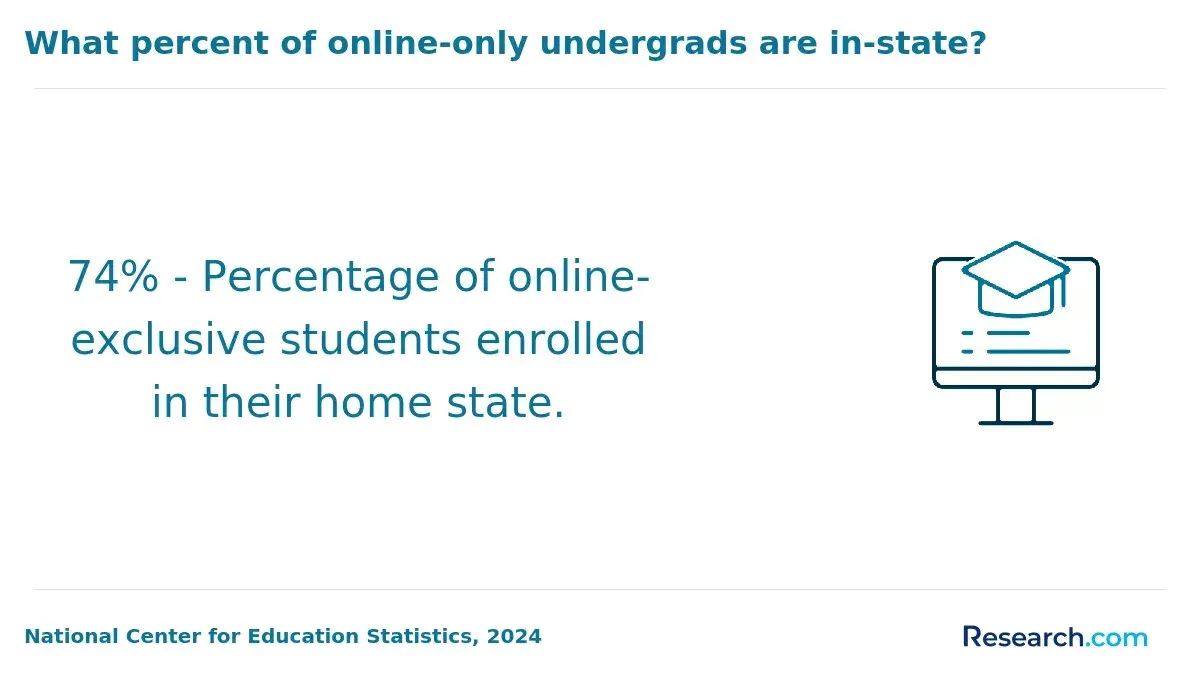
Online business administration degrees can be as credible as traditional campus-based degrees when they come from properly accredited institutions with strong academic standards. The delivery format matters less than accreditation, curriculum quality, faculty qualifications, student support, employer recognition, and the reputation of the school awarding the credential.
Accredited online programs, especially those offered by established institutions, generally follow the same academic expectations as comparable on-campus programs. Accreditation bodies like the Accreditation Council for Business Schools and Programs (ACBSP) help evaluate whether business programs cover essential competencies such as finance, marketing, management, ethics, leadership, and strategic decision-making.
The main difference is the learning experience. Online programs often use learning management systems, recorded lectures, discussion boards, simulations, virtual group projects, and asynchronous assignments. This format can be a strong fit for working adults, parents, military students, and learners who cannot relocate. Traditional campus programs may offer more in-person networking, student organizations, face-to-face faculty access, recruiting events, and campus-based collaboration.
Employer acceptance has improved, especially for online degrees from recognized colleges and universities. A 2024 survey revealed that 83% of business leaders view online degrees from well-known schools as equally credible to on-campus credentials. However, 58% of employers prioritize the institution's reputation over the mode of delivery when assessing a degree's value. Online degrees from traditional, brick-and-mortar schools receive the highest approval, with 92% favorable perception, whereas online-only schools see only 42% acceptance.
Before enrolling in an online business administration program, verify institutional accreditation, business program accreditation if applicable, graduation and retention information, career services, faculty access, internship or project options, and whether the diploma or transcript distinguishes online delivery. A credible online degree should not feel like a shortcut; it should feel like a flexible version of a serious academic program.
How Much Does Each Type of Business Administration Degree Typically Cost?
Business administration degree costs vary by degree level, institution type, residency status, enrollment format, transfer credits, and financial aid. The lowest posted tuition is not always the best value, and the most expensive program is not automatically the strongest investment. Students should compare total cost, completion time, reputation, accreditation, employer connections, and expected career outcomes.
- Associate Degree in Business Administration: Tuition for associate programs generally ranges from $3,000 to $10,000 per year at public community colleges, with total program costs often between $6,000 and $20,000.
- Bachelor's Degree in Business Administration: The average cost for a four-year bachelor's degree is around $16,600 annually. Public schools usually charge about $11,600 per year for in-state students and up to $30,700 for out-of-state, while private colleges often have higher tuition rates.
- Master's in Business Administration (MBA): MBA tuition typically ranges from $10,800 to $19,500 annually at public universities, with total costs between $22,000 and $60,000. Prestigious private programs often exceed $100,000 in total tuition.
- Doctoral Degree in Business Administration: Doctoral programs like a DBA or PhD often cost between $20,000 and $60,000 total at public schools, with higher fees at private institutions. Tuition waivers, stipends, and research assistantships are commonly available to reduce student expenses considerably.
When comparing programs, look beyond tuition. Add mandatory fees, books, technology costs, residency or travel requirements, lost work hours, exam fees, and interest if you borrow. Also ask whether the school accepts transfer credits, offers employer partnership discounts, provides scholarships for adult learners, or supports federal financial aid.
When I spoke with a graduate of a business administration degree program, she shared how tuition planning shaped her decision. The sticker price initially felt daunting, but scholarships and employer tuition reimbursement made a master's degree attainable without overwhelming debt. "It wasn't just about finding the cheapest option," she explained, "but understanding what financial resources I could tap into and how the investment would pay off in my career." Her experience shows why students should research aid early, compare total net cost, and connect the degree to realistic career goals before committing.
Breakdown of Private Fully Online For-profit Schools

What Jobs Can You Get with Each Type of Business Administration Degree?
Business administration is a flexible field, but degree level affects the roles you can realistically target. An associate degree often supports entry-level business operations work. A bachelor’s degree is the common baseline for many professional business roles. An MBA may help experienced professionals move into management, consulting, or specialized leadership. A doctorate is more specialized and usually supports research, teaching, consulting, or senior-level organizational work.
- Associate Degree in Business Administration: Graduates usually qualify for entry-level roles such as administrative assistant, sales associate, customer service representative, office assistant, or office manager. These roles focus on daily operations, scheduling, records, customer communication, basic reporting, and administrative coordination.
- Bachelor's Degree in Business Administration: A bachelor’s degree can lead to roles such as management trainee, marketing coordinator, financial analyst, human resources specialist, sales representative, business analyst, operations coordinator, or project coordinator. Responsibilities may include budgeting, reporting, market research, team coordination, HR support, sales planning, and process improvement.
- Master's Degree in Business Administration (MBA): An MBA can support advancement into roles such as operations manager, financial manager, marketing manager, business consultant, product manager, strategy analyst, or general manager. The strongest outcomes usually come when the MBA is combined with relevant work experience, leadership experience, and a clear specialization.
- Doctorate in Business Administration (DBA or PhD): Doctorate holders often pursue careers in academia, applied research, consulting, executive leadership, or organizational strategy. For students considering this path, exploring affordable doctorate programs can be a useful step in comparing doctoral options before committing to a long and demanding program.
Job titles alone do not tell the full story. A bachelor’s graduate with strong internships, technical skills, and industry experience may outperform a less experienced graduate with a higher degree. Employers often value a combination of education, communication skills, data literacy, software proficiency, leadership potential, and evidence that you can solve business problems.
How Do Salaries Differ by Business Administration Degree Type?
Salaries in business administration tend to rise with higher levels of education, but degree level is only one factor. Job function, years of experience, industry, location, school reputation, specialization, performance, and professional network can all have a major effect on pay.
- Associate Degree in Business Administration: Graduates with an associate degree generally start with average salaries around $58,600 per year. Earnings may vary depending on industry, region, employer size, and whether the role is administrative, sales-focused, or operations-focused.
- Bachelor's Degree in Business Administration: Those holding a bachelor's degree tend to earn an average annual salary near $69,100, with a range from about $47,500 to $83,500 based on experience, job title, region, and specialization.
- Master of Business Administration (MBA) and Other Graduate Degrees: An MBA or equivalent graduate degree significantly boosts starting salaries, often beginning close to $120,000 per year. Outcomes can be influenced by the prestige of the graduate school, previous work experience, leadership background, internship access, alumni network, and concentration.
- Doctorate in Business Administration (DBA/PhD): Doctoral graduates pursue careers in academia, consulting, or upper management. While average salaries reported are around $69,100, professionals at the top of their fields, especially in consulting or university administration, may earn considerably more.
Students should compare salary expectations against total program cost and time out of the workforce. Resources on top affordable online courses & degree programs can help with early planning, especially for learners balancing tuition, work, and long-term career goals.
Is There High Demand for Business Administration Degree Holders in the Job Market?
Yes, business administration degree holders continue to see broad demand because nearly every industry needs people who can manage budgets, coordinate teams, analyze performance, improve processes, communicate with stakeholders, and adapt to changing technology. The degree is not tied to one single occupation, which is one reason it remains a common choice for students seeking career flexibility.
Fields like business analytics are experiencing rapid growth, with an 11% projected rate and average salaries nearing $99,410. Technologies such as artificial intelligence, data analytics, and automation are changing business functions and increasing the need for graduates who can connect technical tools to practical business decisions.
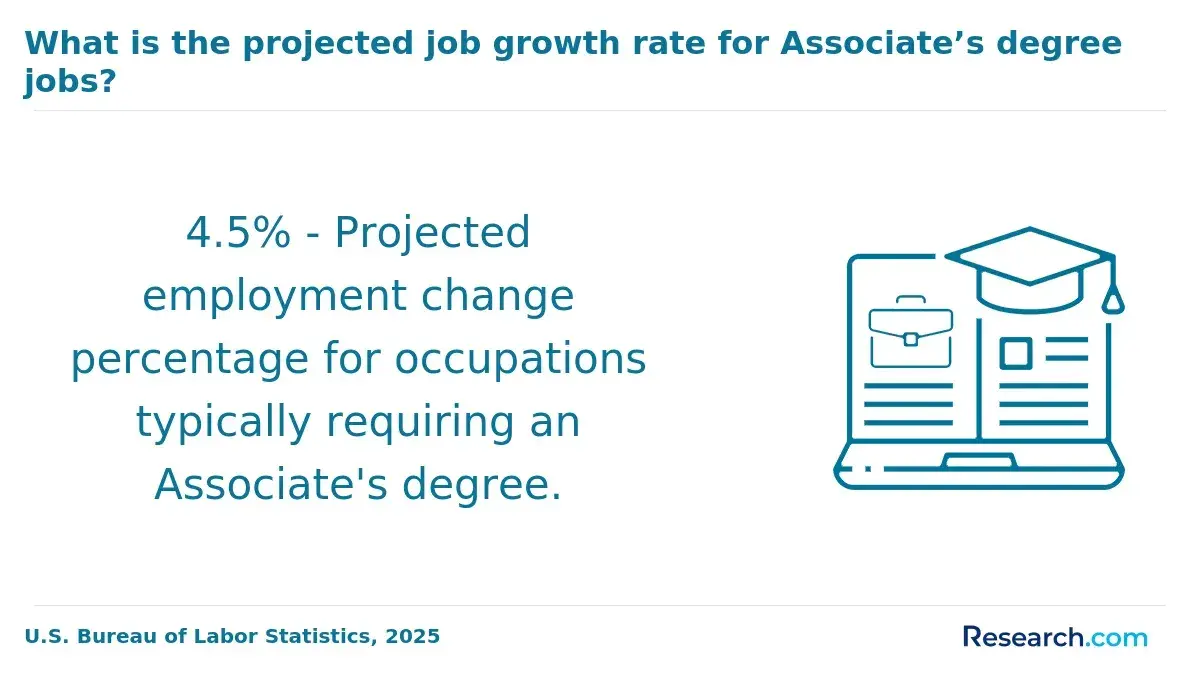
Employers particularly value strategic thinking, data analysis, communication, problem-solving, project coordination, and digital fluency. This demand is reflected in job projections like the Bureau of Labor Statistics' forecast of 911,400 new openings per year in business and financial occupations.
Demand is not equal everywhere. Metropolitan areas and states with corporate headquarters, financial institutions, healthcare systems, logistics hubs, consulting firms, and technology companies often offer more business roles and stronger salary potential. For example, the median annual wage for business management roles is $76,570, with master of business administration (MBA) graduates often earning $142,000 or more.
Demand is especially strong for specialized roles such as financial analysts, management consultants, and graduates focusing on marketing, human resources, or finance. Students comparing business administration with other career-focused options may also benefit from reviewing careers to purse with a vocational degree to understand how academic and technical pathways differ.
Overall, the outlook for business administration graduates is positive, but the strongest candidates usually pair the degree with internships, measurable projects, technical tools, industry knowledge, and a specialization that matches employer needs.
What Factors Should You Consider When Picking a Type of Business Administration Degree?
The best business administration degree is the one that fits your career target, budget, timeline, academic background, and life responsibilities. A student seeking a quick entry-level business role may not need the same credential as a professional pursuing executive leadership or consulting.
- Career Goals: Start with the job you want, then work backward. An associate degree may help with entry-level administrative or support roles. A bachelor’s degree is often required for professional business jobs. An MBA may be useful for advancement, management, consulting, or career switching. A doctorate is usually best for research, teaching, high-level consulting, or senior leadership interests.
- Salary Potential: Higher degrees often correspond with greater earning power, but not automatically. MBA holders often earn over $100,000 annually, whereas bachelor's graduates typically start between $50,000 and $70,000, depending on role and location. Compare likely salary gains with tuition, time, debt, and your current earning power.
- Time Commitment: Degree timelines vary widely. Associate programs usually take about 2 years, bachelor's degrees about 4 years, and master's degrees add 1 to 2 more years. Accelerated programs can shorten the timeline, but they also increase weekly workload.
- Cost and Return on Investment: Compare total cost, not just tuition. Include fees, books, technology, commuting, travel, borrowing costs, and time away from work. If affordability is your main concern, researching a business bachelor online can help you evaluate lower-cost pathways while still focusing on accreditation and program quality.
- Accreditation and Program Reputation: Accreditation and school reputation can affect transferability, employer confidence, graduate school admission, and financial aid eligibility. Programs accredited by organizations like AACSB or ACBSP may carry additional value in business education, especially for students targeting competitive employers or graduate study.
- Flexibility and Learning Format: Online and hybrid programs can work well for adults with jobs, caregiving responsibilities, or location constraints. Campus programs may offer stronger in-person networking, student organizations, and recruiting access. Choose the format you can complete successfully, not just the one that appears most convenient.
- Specializations and Curriculum: Look for concentrations that align with real job markets, such as finance, accounting, marketing, human resources, international business, analytics, entrepreneurship, or operations. Review course descriptions, not just concentration names, to confirm the curriculum teaches practical and current skills.
- Admissions Requirements: Associate and bachelor’s programs usually focus on prior academic records and general admission criteria. MBA programs may require professional experience, recommendations, essays, interviews, or test scores. Doctoral programs may require a master’s degree, research interests, professional experience, and a strong academic record.
- Student Support and Career Services: Strong advising, tutoring, internship placement, alumni networks, resume support, and employer partnerships can improve the value of the degree. This is especially important for online students, transfer students, and first-generation college students.
A practical way to decide is to compare three schools side by side using the same criteria: total cost, completion time, accreditation, transfer credit policy, specialization options, graduation support, career services, and likely job outcomes. The right choice should be affordable, credible, realistic to complete, and clearly connected to the work you want to do.
What Business Administration Graduates Say About Their Degree and Salary
- Greta: "Completing my business administration degree with a focus on entrepreneurship has been a transformative journey. The program equipped me not only with essential financial and marketing skills but also with the confidence to launch my own start-up. What stood out most was the hands-on experience and mentorship that connected classroom theory with real-world challenges. It's empowering to know that my education has laid such a strong foundation for both professional success and personal growth."
- LeAnn: "Graduating with a degree in international business administration gave me a truly global perspective, opening doors to incredible opportunities abroad. Navigating cross-cultural communication and global market strategies prepared me to take on leadership roles that require adaptability and innovative thinking. This degree pushed me to grow professionally and personally, fostering a deeper understanding of how businesses operate worldwide. I'm proud to contribute to projects that bridge cultures and drive international collaboration."
- Mahershala: "My experience earning a degree in healthcare business administration was deeply rewarding, as it merged my passion for healthcare with strong business acumen. It prepared me to improve operational efficiency in medical settings while focusing on patient-centered care. This blend of skills has allowed me to make a tangible difference in my community, enhancing healthcare access and management. The degree has opened doors to leadership roles and ongoing professional development that I find truly fulfilling."
Graduate experiences vary, but these reflections point to a common theme: the strongest value of a business administration degree comes when students connect coursework to a specific field, build practical experience, and use the credential to support a clear career move. Salary matters, but so do career fit, advancement potential, professional confidence, and the ability to apply business skills in real organizations.
Other Things You Should Know About Business Administration Degree Programs & Salaries
As of 2027, Business Administration degrees include associate, bachelor's, master's (MBA), and doctoral levels. Bachelor's degree holders earn around $57,000 annually, while MBAs can earn an average of $135,000. Salaries vary based on position and experience level.
In 2027, Business Administration graduates with an MBA generally earn the highest salaries, often surpassing $100,000 annually depending on experience and industry. Specializations like Finance or Technology Management in MBA programs tend to attract even higher salaries due to their demand in the job market.
Starting salaries for Business Administration graduates in 2027 can vary due to factors like geographical location, industry type, and specific job roles. Economic conditions and the demand for business talent in the job market also significantly influence starting pay. Additionally, internships or work experience during studies can impact initial salary offers.
References
- Everything you need to know before choosing an undergraduate business degree - Penn State World Campus https://www.worldcampus.psu.edu/about-us/news-and-features/choosing-a-business-degree-program
- Accelerated BBA Program | Thomas More University https://www.thomasmore.edu/program/business-administration-accelerated/
- Which business major is most in demand? - The Advisor https://tippie.uiowa.edu/about/who-we-are/advisor/bba/which-business-major-most-demand
- 10 Surprising Business Administration Degree Career Paths https://ftccollege.edu/blog-post/10-surprising-business-administration-degree-career-paths/
- 8 Factors to Consider When Choosing a Bachelor in Business https://www.eseibusinessschool.com/bachelor-in-business-8-factors-esei/
- Different Types of Business Degrees | University of Phoenix https://www.phoenix.edu/articles/business/types-of-business-degrees-and-salaries.html
- 4 Types of Business Administration Programs | Goodwin University https://www.goodwin.edu/enews/types-of-business-administration-programs/
- Is a Business Administration Degree Right for Me? Five Things You Should Know | Cornerstone University https://www.cornerstone.edu/blog-post/is-a-business-administration-degree-right-for-me-five-things-you-should-know/
- Business Administration Bachelor Degree - Accelerated Program https://www.baker.edu/academics/undergraduate-studies/college-of-business/business-administration-accelerated/
- 10 Highest Paying Jobs with a Business Administration Degree | Nexford University https://www.nexford.edu/insights/highest-paying-jobs-with-business-administration-degree


