2027 Highest-Paying Jobs You Can Get With a Geographic Information Systems Degree

Co-Founder and Chief Data Scientist
Choosing a career in geographic information systems poses a critical question-does investing in advanced credentials truly yield a higher salary? Graduates often face uncertainty about whether a master's degree or professional certification justifies the additional cost and time compared to entry-level positions or alternative credential paths. Recent data indicates that certified GIS professionals earn up to 20% more annually than their uncertified peers, highlighting the tangible wage premium linked to licensure and graduate-level expertise.
This article explores how graduate degrees, certification, industry sectors, and geography shape earning potential-equipping readers to make informed decisions about the financial value of a geographic information systems degree.
Key Things to Know About the Highest-Paying Jobs You Can Get With a Geographic Information Systems Degree
- Graduate credentials in geographic information systems confer an average wage premium of 15% to 25% over bachelor's-only holders, significantly impacting earning potential in competitive markets.
- Professional licensure and certification-such as GISP accreditation-can boost salaries by 10% to 20%, demonstrating the value of recognized expertise in advancing compensation.
- The return on investment for a geographic information systems degree surpasses alternative pathways like certificate programs-driven by higher initial salaries and expanded job opportunities across industries.
What Exactly Does a Geographic Information Systems Degree Qualify You to Do in Today's Job Market?
A Geographic Information Systems degree offers graduates a distinct professional profile recognized by the U.S. Bureau of Labor Statistics (BLS) and leading industry associations. Employers consistently seek candidates who combine technical expertise, analytical skills, and interpersonal communication-qualities that clearly set degree holders apart from those relying solely on practical experience or alternative credentials. This blend of competencies supports a competitive advantage in today's job market, including the highest-paying geographic information systems career opportunities in the United States.
- Technical Expertise: Mastery of GIS software, spatial data analysis, cartography, and database management enables graduates to build precise geographic models and tackle complex spatial challenges.
- Analytical Skills: Focus on data interpretation, statistical techniques, and geographic modeling equips professionals to extract actionable insights across sectors such as urban planning, environmental science, and logistics.
- Interpersonal Abilities: Strong communication skills facilitate translating technical findings for non-experts and collaborating across disciplines-essential for integrated decision-making in government, private industry, and nonprofit organizations.
- Credential Clarity: Although a GIS degree opens many technical and analytical roles, it does not replace licensure for engineering or surveying, which require additional certification.
- Career Pathways: Job options range from open-entry roles emphasizing practical skills to credential-gated positions where bachelor's, master's, or doctoral degrees significantly boost salary and advancement potential.
- High-Earning Roles Preview: Top-paying positions-explored further in this article-typically demand advanced degrees and specialized expertise, including GIS Managers, Spatial Data Scientists, and Remote Sensing Analysts.
For those evaluating the financial returns of this field, comparing a Geographic Information Systems degree with alternative credentials is critical. Many individuals pursuing online degrees that pay well will find GIS offers a strong wage premium, especially when paired with professional certification. Understanding these variables enables career changers, military veterans, mid-career professionals, and college-bound students to make informed enrollment decisions aligned with their income goals and long-term growth ambitions.
Which Geographic Information Systems Jobs Command the Highest Salaries Right Now?
Geographic information systems (GIS) degree holders find some of the highest paying opportunities in specialized occupational roles-each shaped by experience, education, and industry factors. Based on the latest Bureau of Labor Statistics Occupational Employment and Wage Statistics data, along with insights from the National Compensation Survey and salary benchmarking reports, the highest paying geographic information systems jobs in the US include several distinct career paths.
- Geographic Information Systems Managers: These professionals lead with median salaries near $95,000, soaring to $130,000 at the 75th percentile and exceeding $160,000 at the top decile.
- Cartographers and Photogrammetrists: Median pay is around $68,000, with the 75th percentile near $87,000 and top salaries above $110,000.
- Geospatial Analysts: Employed widely in defense, utilities, and natural resource sectors, median earnings reach about $72,000, with top earners exceeding $115,000 annually.
- Urban and Regional Planners with GIS Expertise: Median pay averages $75,000, with highly experienced planners surpassing $105,000.
It is vital to recognize that salary in GIS-related careers depends heavily on the degree level-bachelor's versus graduate-as well as specialization within GIS, the geographic labor market's cost of living and demand, and sector of employment, whether public, private, or nonprofit. Advanced credentials like professional licensure or certifications often produce measurable wage improvements. This nuanced interplay of factors helps applicants realistically evaluate the financial benefits of pursuing a Geographic Information Systems degree compared to alternative credentials or career pathways.
For those weighing options, the financial outlook of a Geographic Information Systems degree is a critical consideration in choosing a career aligned with top salary geographic information systems careers by specialization. Some candidates may want to explore additional educational tracks-such as marriage and family therapy online programs-to compare long-term return on investment across different fields.
How Does Degree Level-Bachelor's vs. Master's vs. Doctoral-Affect Geographic Information Systems Earning Potential?
Prospective students should calculate the time-to-payoff before undertaking graduate studies, weighing tuition costs and foregone salary against expected wage premiums. For those with related bachelor's degrees, a master's often offers a cost-effective path to higher pay, whereas career changers may benefit from entering the workforce first to build experience prior to pursuing advanced degrees.
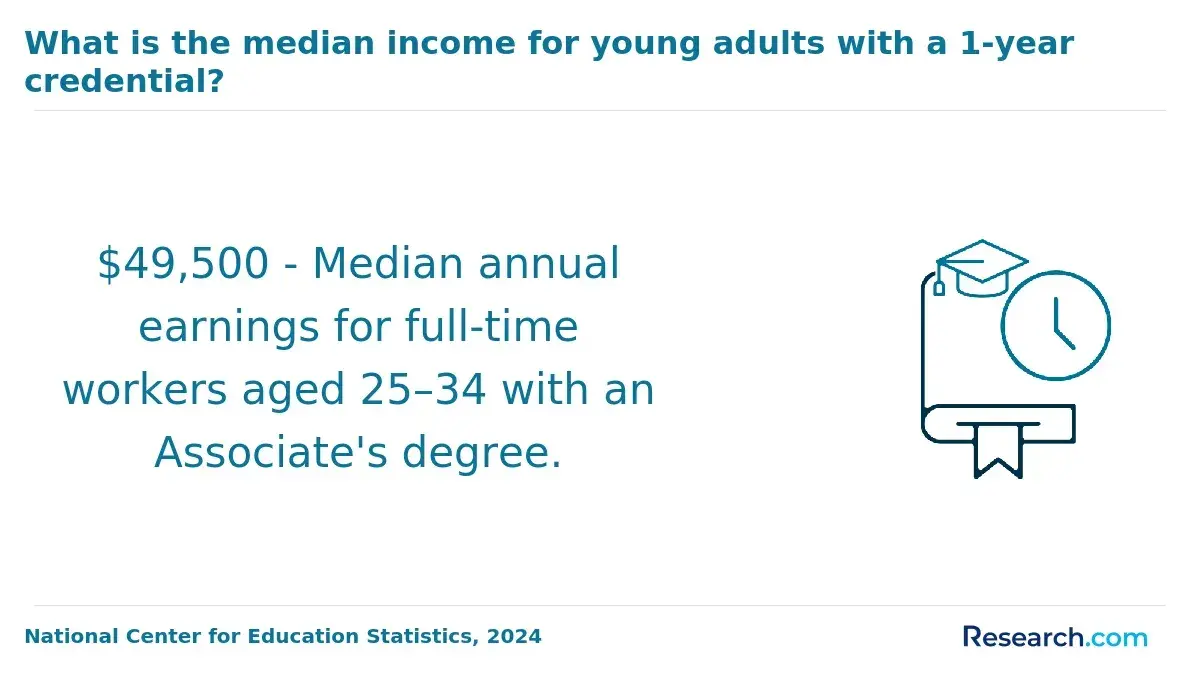
Bachelor's Degree: Professionals with a bachelor's in geographic information systems often secure roles like GIS analyst, technician, or cartographer, earning median salaries between $50,000 and $70,000 annually. Salary variations depend on industry sectors and location, with career growth achievable through certifications and experience.
Master's Degree: Holding a master's usually commands a 15-25% salary increase above bachelor's level, especially for positions requiring advanced expertise such as GIS project manager, geospatial data scientist, or specialized urban planning and environmental analysts. These roles emphasize leadership and deep technical skills, with salaries ranging from $70,000 up to $90,000 or more, depending on the employer and field.
Doctoral Degree: Doctorates enable access to high-level research, university faculty, and senior consultancy roles that often exceed $100,000 annually. These positions demand original research contributions or policy development influence and are necessary for academic or specialized government GIS roles. Despite the financial and time investment required, doctoral credentials represent the pinnacle of expertise in the field.
Certain GIS careers require advanced degrees to satisfy licensing boards or employer mandates-particularly in urban planning and environmental sectors-while many technical GIS jobs reward demonstrable skills and professional certifications, allowing bachelor's degree holders to achieve significant compensation.
One professional who successfully attained a geographic information systems degree reflected on his journey: "Balancing part-time work with coursework was tough, but staying focused on the long-term gains helped. Early on, I doubted if the master's was worth it, considering the extra years and expense. Yet, once I landed a GIS project management role, the salary boost confirmed it was the right path. The key challenge was not just learning the technical skills but also developing leadership and project coordination abilities-which the advanced curriculum emphasized heavily." His experience underlined how degree level strongly shaped earning potential and career trajectory in geographic information systems.
Which Industries and Employers Pay Geographic Information Systems Graduates the Most?
Several industries consistently offer some of the top salaries to geographic information systems graduates, shaped by organizational scale, regulatory demands, and workforce scarcity. Private sector leaders include energy and natural resources companies-especially oil, gas, and mining-where robust revenues and reliance on geospatial data drive lucrative compensation packages. Advanced degrees and certifications often push incomes into six figures in these fields.
- Government Agencies: Federal and state employers provide GIS roles in defense, homeland security, and environmental management. Though base salaries may be moderate, agencies with substantial budgets and technical requirements-like the Department of Defense-reward holders of security clearances and certifications with higher pay.
- Technology and IT Services: Firms focused on software, data analytics, and location-based applications increasingly value GIS expertise, offering competitive compensation fueled by demand for spatial data in smart cities and urban planning initiatives.
- Environmental Consulting and Nonprofits: These sectors typically offer lower salaries but may yield higher earnings for GIS professionals with specialized regulatory knowledge, especially in senior or contract roles. Budget limitations often constrain compensation in nonprofit organizations dedicated to conservation and land stewardship.
- Self-Employment and Contracting: Experienced GIS workers operating independently in niche markets such as drone mapping or consulting can achieve significant income through skillful networking, certifications, and client acquisition.
Salary disparities also hinge on job titles and educational credentials. For example, a GIS analyst holding a bachelor's degree might earn between $55,000 and $75,000 annually, whereas GIS managers or senior specialists with master's degrees and professional licenses-like the Certified Geographic Information Systems Professional (GISP)-can surpass $100,000 in annual pay. Pursuing industry-specific certifications and developing relevant skills strengthens earning potential.
Graduates targeting the highest-paying employers should focus on building experience aligned with sectors known for superior compensation and cultivate professional networks during their studies and beyond. Navigating the geographic information systems labor market with strategic credentialing and connections maximizes financial outcomes for degree holders weighing investments against income prospects. Those exploring educational options may also consider the best online criminal justice degree programs as an alternative pathway depending on career goals and market demands.
What Geographic Markets Offer the Best-Paying Geographic Information Systems Jobs?
Top-paying geographic information systems jobs cluster mainly in metropolitan regions with strong technology, government, and natural resource sectors. Using Bureau of Labor Statistics data combined with cost-of-living adjustments from sources like C2ER, several markets stand out for their real wage value and employer density.
- San Francisco Bay Area: A hub for tech companies and startups, this metro commands high median GIS salaries. Although expenses are steep, adjusted wages remain attractive thanks to ample opportunities.
- Washington, D.C. Metro: Federal agencies and contractors drive demand here. Moderate living costs versus salary levels make this area financially competitive for professionals in public-sector GIS roles.
- Denver, Colorado: Denver's GIS jobs benefit from energy, environmental consulting, and urban planning sectors, with cost-of-living and wage growth balanced for solid real income.
- Seattle, Washington: This tech-heavy region offers high pay, albeit offset somewhat by living costs. Expanding hybrid work allows specialists to live in less expensive nearby areas without sacrificing salary.
- Houston, Texas: Energy and infrastructure projects underpin Houston's GIS market. Lower nominal wages are offset by significantly cheaper living expenses, increasing take-home purchasing power.
Remote work is changing how location impacts GIS salaries. Roles focused on data analysis, software, or cloud mapping can often be done remotely-opening access to high wages from low-cost regions. Conversely, GIS positions requiring fieldwork, licensing, or client proximity tend to stay concentrated in metropolitan hubs.
Choosing between relocating to a high-paying urban center or working remotely from a cost-effective area involves assessing both nominal and real wages alongside personal lifestyle. Graduate degrees and certifications also influence earnings and can compensate for regional wage differences, empowering GIS graduates to align their career moves with long-term income and quality-of-life goals.
When I spoke with a professional who built her career after earning a Geographic Information Systems degree, she reflected on the complexities of choosing where to work. "Initially, I was tempted by high salaries in big cities, but the cost of living was daunting," she shared. The option to pursue remote roles allowed her to maintain a comfortable lifestyle while growing her expertise. Her experience highlights how flexible work arrangements and thorough cost comparisons are vital when deciding where to cultivate a GIS career. She emphasized that understanding local market nuances helped her identify opportunities that matched her financial needs without sacrificing work-life balance.
How Do Professional Certifications and Licenses Boost Geographic Information Systems Salaries?
Certifications and licenses in Geographic Information Systems can substantially enhance earning potential by verifying specialized expertise and increasing employer trust. Salary data consistently shows noteworthy wage boosts for professionals holding recognized credentials, making them strategic investments for those with GIS degrees.
- GIS Professional (GISP): Administered by the GIS Certification Institute, this credential demands a mix of education, experience, and professional achievements. The exam, lasting about four hours, tests foundational GIS knowledge. Renewal every three years requires continuing education. Costs range from $250 to $450. Holders typically see median salary increases between 10% and 15% over non-certified peers.
- Esri Technical Certification: Designed to validate skills in Esri software, it offers Associate, Professional, and Expert levels with varying prerequisites. Exams last 2 to 3 hours and require biennial renewal. Fees generally fall between $225 and $400. Certified individuals report salary premiums of 5% to 12%, especially within organizations dependent on Esri tools.
- Certified Photogrammetrist: Granted by the American Society for Photogrammetry and Remote Sensing, this certification necessitates a relevant degree and significant work experience. The exam focuses on applied photogrammetry techniques. Renewal occurs every five years, with costs in the several hundred-dollar range. Specialists note salary uplifts of 15% to 20% because of the role's niche nature.
- Licenses and Accreditation: Certain government and engineering GIS roles require state-level professional engineering licenses or related certifications, enhancing salary and job stability by qualifying candidates for advanced responsibilities.
Confirming that certifications are accredited by reputable bodies like ANSI or NCCA is essential. Prioritize credentials employer-preferred or mandated within your sector to maximize financial returns. Weighing costs, renewal demands, and salary benefits enables a credentialing approach that aligns with your career objectives and income targets in Geographic Information Systems.
What Is the Salary Trajectory for Geographic Information Systems Professionals Over a Full Career?
The salary trajectory for geographic information systems professionals typically moves upward as experience and specialized skills accumulate. Entry-level roles-often filled by recent graduates-start with annual salaries ranging from $50,000 to $60,000, based on data from the Bureau of Labor Statistics. Within five years, earnings generally reflect increased technical capabilities and stronger industry knowledge.
- Mid-Career Growth: By around ten years of experience, professionals often advance to higher-responsibility positions, earning between $75,000 and $90,000. This growth frequently coincides with promotions to project lead or senior analyst roles. Those who pursue advanced certifications like GIS Professional (GISP) or graduate-level education tend to accelerate their earnings more rapidly during this phase.
- Career Inflection Points: Several pivotal transitions reliably boost salary trajectories:
- Promotion to management or supervisory roles
- Developing expertise in specialized niches such as remote sensing or spatial data science
- Assuming responsibilities in business development or strategic planning
- Senior-Level Earnings: With 15 to 20 years of experience, top-tier professionals can surpass $100,000 annually-especially when holding leadership roles or recognized as industry experts. The highest earners often combine deep technical mastery with a strong professional network and business acumen.
- Strategic Decisions: GIS professionals who actively build their networks, contribute to high-profile projects, and maintain current credentials typically outperform peers. Employment in high-demand sectors like environmental consulting, government agencies, or technology firms also enhances long-term salary outcomes.
Which Geographic Information Systems Specializations and Concentrations Lead to the Highest-Paying Roles?
Specializations within geographic information systems that lead to the highest-paying roles often align with sectors facing complex regulatory demands or technical challenges. Geospatial data science-combining GIS with advanced analytics and machine learning-commands a premium because employers highly prize the ability to extract actionable insights from large datasets. Environmental GIS is another lucrative concentration, where expertise navigates strict environmental regulations, manages natural resources, and supports sustainable development projects. Urban planning and infrastructure GIS specialists earn top salaries due to the critical role GIS plays in designing smart cities, optimizing transportation networks, and supporting emergency management systems. These remain among the top geographic information systems concentrations for salary growth.
Market conditions driving compensation include talent scarcity-especially for professionals skilled in integrating GIS with emerging technologies like remote sensing and spatial AI. Complexity in regulatory environments-such as land use or environmental compliance-requires specialists who understand both technical and legal frameworks, increasing their value. Technical depth in software development and database management within GIS also corresponds with higher earnings due to demand for customized, scalable geospatial solutions.
Students early in their academic journey should evaluate labor market demand, growth projections, and employer preferences rather than select specializations based solely on interest. Industry data for the highest-paying GIS specializations in the United States highlight certifications and software proficiency as key factors enhancing employability and wage potential.
Those already enrolled in general geographic information systems programs can boost earning potential by pursuing targeted internships in high-demand sectors, completing certificate programs in coveted subfields, and stacking credentials like Certified GIS Professional (GISP) or Esri Technical Certifications. These strategies enable entry into specialized, well-compensated roles without requiring additional degrees. Many also explore degree alternatives such as an MBA in entrepreneurship online to develop complementary skills that expand career opportunities.
How Does the Geographic Information Systems Job Market's Growth Outlook Affect Long-Term Earning Stability?
The GIS job market demonstrates strong long-term earning stability-underscored by the U.S. Bureau of Labor Statistics' ten-year employment growth projections. Most GIS occupations are expected to grow at or above the average for all fields, driven by increasing demand for spatial data in urban planning, environmental management, and emergency response. This steady growth signals rising employer demand, which supports higher job availability and wage increases over time, making a GIS degree a financially sound choice for many career paths.
Several high-paying roles within GIS stand out with strong growth, low automation risk, and stable employer demand. For example, GIS analysts and geospatial data scientists benefit from the need for expert interpretation and nuanced decision-making-tasks that resist full automation. These positions are bolstered by wider public and private sector reliance on big data and location intelligence, particularly in infrastructure, defense, and healthcare industries.
- Growth Stability: GIS analysts and specialists enjoy consistent income potential due to expanding roles in vital sectors.
- Low Automation Risk: Positions requiring complex spatial reasoning and custom modeling remain resilient against automation threats.
- Employer Demand: Public sector roles often provide steady employment backed by government funding, though budget fluctuations require professionals to diversify skills to stay competitive.
- Risk Segments: Routine data entry or basic cartography roles face outsourcing risks and credential inflation that may depress wages or job availability.
- Credential Impact: Advanced degrees and certifications significantly enhance earning potential and distinction in this competitive labor market.
To maintain competitiveness, GIS professionals should develop advanced analytical skills, pursue recognized certifications, and stay abreast of evolving geospatial technologies. Differentiation through specialization in high-demand sectors helps shield against market volatility and supports stable, high-paying career trajectories. Individuals exploring educational options may consider programs like the online environmental engineering degree science and engineering as complementary paths that enhance interdisciplinary expertise.
Ultimately, the evidence-based GIS job market growth projections reveal that investing in a Geographic Information Systems degree aligns well with goals of long-term earning stability for GIS professionals, providing a clear wage premium and career security when paired with strategic credentialing.
What Leadership and Management Roles Are Available to High-Earning Geographic Information Systems Graduates?
Leadership positions in geographic information systems represent the apex of career achievement-roles like GIS manager, director of GIS services, and chief GIS officer typically populate senior and executive tiers. Professionals in these roles oversee enterprise-wide GIS strategies, manage multi-million-dollar budgets, and lead diverse teams across sectors.
Salary Premium: Data from the Bureau of Labor Statistics highlights a substantial wage advantage for GIS managers-often earning 30% to 50% more than mid-level analysts or technicians. Comparable to computer and information systems managers, median annual compensation for these leaders exceeds $160,000, compared to roughly $75,000 to $90,000 for individual contributors. These salary differences reflect the critical responsibilities in decision-making, project accountability, and resource allocation.
Career Pathways: Progression typically spans 7 to 10 years, requiring accumulating both technical expertise and managerial skills. Many candidates enhance their GIS degrees with advanced business education-such as an MBA-or project management coursework, preparing them for executive challenges. Professional certification like GISP boosts credibility and competitiveness.
Professional Development: Successful leaders exhibit strengths in team leadership, budget management, stakeholder engagement, and strategic planning. Active participation in leadership training, networking within GIS communities, and involvement in cross-functional projects expedite advancement.
Strategic Career Decisions: Early-career GIS professionals should seek supervisory roles and gain experience in financial oversight. Mid-career candidates benefit from pursuing graduate degrees and certifications tailored for leadership functions. These deliberate steps increase access to premium salaries and executive opportunities within the GIS field.
Which Emerging Geographic Information Systems Career Paths Are Positioned to Become Tomorrow's Highest-Paying Jobs?
Technological advancements and shifting market needs are creating new high-paying careers within the geographic information systems (GIS) field-roles expected to grow substantially over the next decade. Among these emerging opportunities are geospatial data scientists who use GIS combined with sophisticated data analytics to build predictive tools for urban development, climate modeling, and resource allocation. Smart city analysts integrate GIS with IoT and real-time data streams, driving efficiencies in infrastructure management and sustainability as urban populations expand.
Climate resilience specialists apply GIS to develop adaptive environmental strategies, addressing increasing climate-related risks. Location intelligence consultants leverage spatial data to optimize corporate market strategies and logistics, blending GIS expertise with business analytics. The growing use of drones has also introduced unmanned aerial systems (UAS) GIS technicians, skilled in aerial data capture and processing to support industries from agriculture to emergency response.
GIS degree programs are evolving-incorporating machine learning, remote sensing, and programming languages like Python-to equip students for these specialized roles. Prospective candidates benefit from pursuing additional training, such as data analytics boot camps, certification in cloud services, and micro-credentials in drone operations, to enhance their marketability.
Emerging GIS roles carry risks, including uncertain timelines for adoption and potential shifts from disruptive technologies. Evaluating opportunities requires balancing early mover advantages against long-term viability and labor market demand.
Following professional organizations and labor market data platforms such as Lightcast, Burning Glass, and LinkedIn Economic Graph is crucial for tracking salary trends and occupational shifts, helping GIS professionals and students stay informed about lucrative emerging positions.
What Graduates Say About the Highest-Paying Jobs You Can Get With a Geographic Information Systems Degree
- Ivy: "One of the most eye-opening things I learned after completing my geographic information systems degree was the significant wage premium that comes with graduate credentials-employers really value that advanced knowledge. Adding professional certifications afterward boosted my salary even more, opening doors to senior roles I hadn't imagined when I first started. It's clear to me now that investing in this degree was not just about passion; it was a smart financial decision that continues to pay off."
- Rowan: "Reflecting on my career path, I realize how profoundly industry type and geographic location influenced salary potential in the GIS field. Working in energy and urban planning sectors-especially in metropolitan areas-offered far more lucrative opportunities than other industries or rural regions. My degree gave me the flexibility to pivot between these sectors and maximize my earnings, which has been incredibly rewarding."
- Brooks: "Choosing a geographic information systems degree over alternative learning routes was a deliberate decision after comparing return on investment. While some certifications and bootcamps offer quicker entry, the comprehensive education I received enabled me to qualify for high-paying positions with increased responsibility. It's professional-yet deeply practical-and I often find myself grateful for the foundation it set in motion when negotiating salary and benefits."
Other Things You Should Know About Geographic Information Systems Degrees
Internships and practicums provide hands-on training and real-world experience that significantly increase a graduate's value to employers. Candidates who have completed quality placements tend to command higher starting salaries because they require less training and can contribute immediately. Early work experience also helps Geographic information systems graduates develop professional networks, improving job prospects and salary negotiations.
Employer type has a notable impact on compensation for Geographic information systems professionals. Private-sector jobs often offer higher salaries, especially in industries such as oil and gas, technology, and consulting. Public sector positions-such as government agencies-may provide lower base pay but often include better benefits and job stability. Nonprofit organizations usually have more limited salary ranges but can offer rewarding mission-driven work environments.
Entrepreneurship enables Geographic information systems graduates to leverage their technical skills into consulting, freelance mapping, and custom GIS solutions. Self-employment allows individuals to set their rates and scale their work according to market demand. While riskier than traditional employment, entrepreneurship can substantially increase income-especially for those who develop a strong client base and specialize in niche applications.
References
- Greener Careers https://greenercareers.co.uk/blog/what-are-gis-jobs-explore-roles-in-mapping-data-and-environment-work
- GIS Salaries: Skills for Higher Pay | Bootcamp GIS https://geographicai.com/gis-salaries-which-skills-get-you-higher-pay/
- Guide to Geographic Information Systems (GIS) Degrees https://www.umassglobal.edu/blog-news/guide-geographic-information-systems-gis-degrees
- GIS Jobs Report for 2025 | Trends in Geospatial Careers https://bootcampgis.com/gis-jobs-report/
- The Future of GIS Work in the Age of AI: Evolution, Transformation, and Potential Displacement https://geospatialtraining.com/the-future-of-gis-work-in-the-age-of-ai-evolution-transformation-and-potential-displacement/
- How Do Certifications Influence Salary Increases? https://certiprof.com/blogs/news/how-do-certifications-influence-salary-increases
- GIS Salary Expectations: Climb the GIS Career Ladder - GIS Geography https://gisgeography.com/gis-salary-expectations-gis-career/
- Geospatial Careers: A Guide to the Most In-Demand Jobs https://www.duncan-parnell.com/blog/10351/geospatial-careers-in-highest-demand-duncan-parnell
- Is a GIS Career Good Today for Future Prospects - Orion Terrametrics Spatial Inisghts https://orionterrametrics.co.ke/blog/is-a-gis-career-good-today-unpacking-the-2025-job-market-future-outlook/
- Salary Information https://www.gisci.org/Employers/Salary-Information