
2027 Return on Investment (ROI) of a Geographic Information Systems Degree Program

Co-Founder and Chief Data Scientist
Many professionals consider pursuing a Geographic Information Systems degree to boost their career but face uncertainty about its financial payoff. For instance, while the demand for GIS analysts grows, with employment projected to increase 10% from 2022 to 2032, the costs and time investment remain significant concerns. This imbalance prompts questions about whether the degree offers sufficient return on investment given the salary prospects and job stability.
This article examines the ROI of a geographic information systems degree program, evaluating cost, employment trends, salary potential, and career growth to guide informed decisions on this educational path.
Key Things to Know About Geographic Information Systems Degree ROI
- GIS degree holders see a median salary increase of 15-25% compared to related fields, reflecting strong earning potential in tech, environmental, and urban planning sectors.
- Career advancement is common, with many professionals moving into management or specialized technical roles within 5 years, enhancing job stability and long-term growth.
- GIS skills apply across industries like government, defense, and utilities, offering diverse opportunities and flexibility amidst evolving job markets and technological demands.
How Is ROI Calculated for a Geographic Information Systems Degree Program?
Return on investment (ROI) in higher education assesses the financial gains a student achieves relative to the total cost and time invested in completing a degree. This metric helps students weigh the value of pursuing a geographic information systems degree by comparing expected earnings against expenses and time commitments.
Several important factors contribute to calculating the gis degree program return on investment calculation. These include:
- Tuition and Fees: All direct educational costs such as tuition, textbooks, and technology fees are included. This shows the initial financial outlay required to complete the program.
- Opportunity Cost: The income a student foregoes while studying instead of working is considered. This varies based on whether the student attends full-time or part-time and influences the overall investment.
- Time to Completion: The duration of the program affects both direct costs and opportunity costs. Accelerated tracks may improve ROI by reducing time and expenses.
- Post-Graduation Salary Outcomes: Average starting salaries for graduates indicate potential income increases, which positively impact ROI.
- Career Advancement: The degree's capacity to enable promotions or specialized roles contributes to long-term earning potential and overall value.
Students considering their options might also explore related programs, such as an edd degree, to understand different investment scenarios across fields.
How Much Does a Geographic Information Systems Degree Program Cost?
Calculating the full cost of a geographic information systems degree is vital for assessing its financial return on investment, especially as graduate tuition in the U.S. has risen almost 3% annually over the last ten years, frequently leaving students with considerable debt. Accurately evaluating expenses beyond tuition helps clarify whether the degree's benefits outweigh its price.
Several key factors influence the total cost and impact the ROI of a geographic information systems degree program:
- Tuition and fees: These typically form the largest expenditure and can vary greatly based on the school's prestige and program duration, directly affecting overall investment.
- Books and materials: Costs for specialized GIS software licenses and up-to-date textbooks often add several hundred dollars each semester, an expense sometimes overlooked in budgeting.
- Living or relocation expenses: For those moving or living off-campus, rent, commuting, and daily expenses must be factored in, which can significantly increase the total cost.
- Opportunity cost: Time dedicated to coursework may reduce earnings from employment, indirectly raising the financial sacrifice required for degree completion.
- Hidden or additional charges: Application fees, technology upgrades, and certification costs after graduation can add unexpected financial burdens that affect the net benefits of the degree.
A graduate I spoke with shared that balancing a part-time job while enrolled posed a major challenge in covering both tuition and living costs. He recalled feeling stressed by unforeseen expenses like software upgrades and the cost of professional exams after finishing the program. Despite these hurdles, he emphasized that carefully tracking all related costs early on helped him plan better and ultimately made his investment more manageable.
What Financial Aid Is Available for Geographic Information Systems Degree Programs?
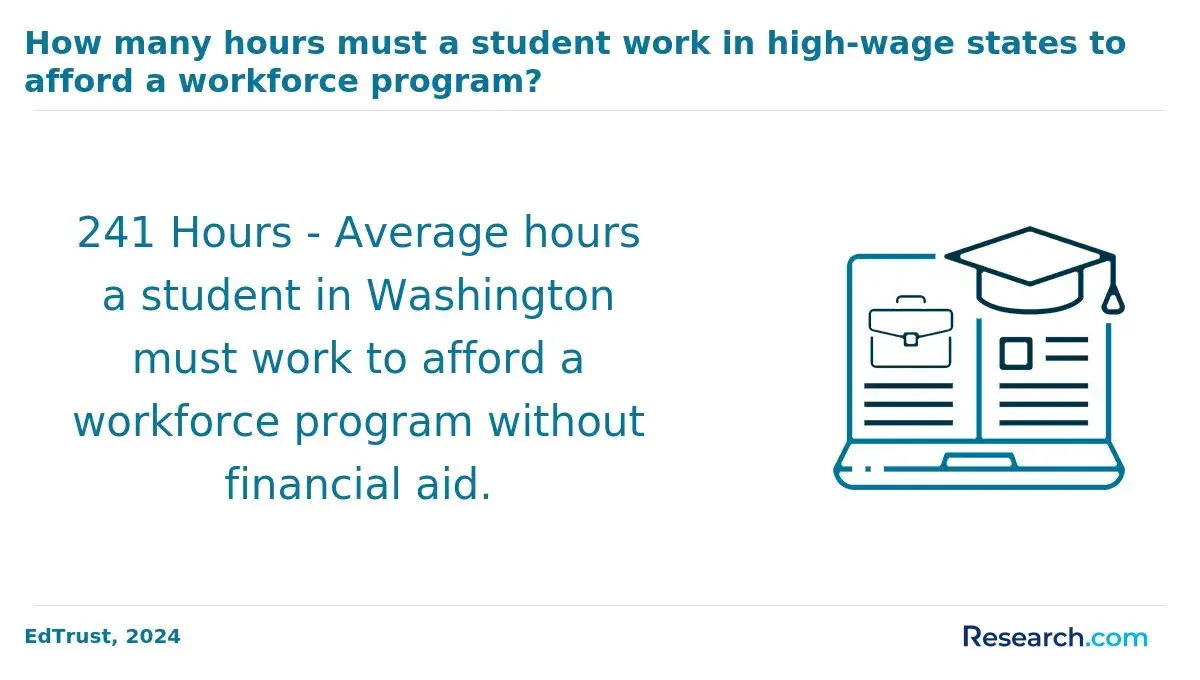
Financial aid reduces initial expenses and lowers the need for heavy borrowing, which strengthens the long-term return on investment (ROI) for geographic information systems degree programs. Data shows nearly 85% of graduate students in the U.S. benefit from some form of financial aid, helping them avoid overwhelming debt and improve financial outcomes.
Here are common financial aid options that can boost ROI for geographic information systems students:
- Scholarships: Usually merit-based and not repayable, scholarships directly cut down tuition fees, reducing the overall cost and enhancing ROI.
- Grants: Awarded based on financial need, grants require no repayment and help make education more affordable by lowering debt levels.
- Fellowships: These funds often include stipends or tuition waivers that decrease financial pressure, enabling recipients to focus on academics or research.
- Employer tuition assistance: Many working professionals can access employer support that covers part or all tuition, cutting out-of-pocket costs and potentially advancing career prospects.
- Federal loans: Offering lower interest rates and flexible repayment, these loans assist with education financing while helping keep future debt manageable.
Utilizing these financial aid resources can significantly reduce total educational expenses, thereby improving the financial viability and ROI of pursuing a geographic information systems degree.
How Long Does It Take to Complete a Geographic Information Systems Degree?
The duration required to complete a geographic information systems degree significantly impacts its return on investment by influencing opportunity costs, potential earnings, and the accumulation of expenses. Finishing earlier often means entering the workforce sooner, which can enhance lifetime income and reduce overall costs. Conversely, longer study periods might increase tuition and living expenses, diminishing financial returns.
Several factors shape the time needed to earn this degree and affect its overall value:
- Enrollment status: Committing to full-time study generally shortens the path to completion, whereas part-time enrollment extends the timeline but offers greater flexibility for those balancing work or personal obligations.
- Program format: Choosing online or accelerated tracks can cut down on study duration and save costs related to commuting or housing, supporting a faster return on investment.
- Transfer credits: Applying previously earned credits from related coursework can significantly reduce both the time and fees required to finish the degree.
- Practical requirements: Obligations such as internships or thesis projects may lengthen study time, but they often enhance employment prospects and earning potential post-graduation.
- Class scheduling: Evening or weekend course options provide added convenience for working students, though this flexibility might result in a longer completion timeline.
When I spoke with a recent geographic information systems graduate about how long completing the degree took her, she shared a nuanced perspective. Balancing a part-time schedule with a demanding job stretched her studies over three years rather than the standard four-semester track she initially hoped for. She recalled feeling both challenged and motivated, noting that the flexible course times allowed her to maintain steady income while progressing academically. "It wasn't a straightforward path," she admitted, "but having the ability to adjust my pace made it manageable." Additionally, her internship experience, though adding months to her studies, opened doors professionally and affirmed the value of investing extra time. She reflected that the length of her journey was less about speed and more about blending education with real-life commitments and opportunities, ultimately enhancing her career readiness and financial outlook.
Is ROI Higher for Online or On-Campus Geographic Information Systems Programs?
Return on investment (ROI) for geographic information systems degree programs is influenced by delivery format, mainly through differences in cost, flexibility, and career outcomes. Online enrollment has surged, with over one-third of U.S. higher education students participating in some form of online learning, making it a significant factor in evaluating program options. This trend impacts tuition pricing and accessibility, shaping the comparison of ROI for GIS degree programs.
Key areas to consider when comparing online and on-campus GIS programs include:
- Tuition and fees: Online programs typically offer lower tuition and avoid commuting expenses, reducing the upfront financial burden significantly compared to on-campus options.
- Opportunity cost: Flexible scheduling in online programs allows students to maintain employment, minimizing lost income while studying, which improves net ROI.
- Time to completion: Some online programs provide accelerated pathways, enabling quicker entry into the workforce and faster return on educational investment. For those interested, related benefits can be seen in an accelerated social work degree online as well.
- Networking and career services: Traditional on-campus programs often offer more direct personal connections and easier access to career support, which can enhance job placement and long-term earnings potential.
- Employer perception: Although acceptance of online degrees has grown, certain employers still favor on-campus credentials, potentially impacting early career opportunities and salary growth.
What Is the Average Salary After Earning a Geographic Information Systems Degree?
Post-graduation salary is a crucial factor in calculating the return on investment (ROI) for a geographic information systems degree, as higher earnings enable graduates to recoup education costs faster and achieve financial stability sooner. In the United States, the average salary GIS degree graduates typically see ranges from $50,000 to $90,000 annually, depending on several variables.
Various factors influence these salary outcomes and the overall ROI of a geographic information systems degree:
- Industry: GIS professionals working in government or environmental sectors may encounter different salary scales compared to those in private industries such as technology or engineering, which often offer higher pay.
- Geographic location: Job markets in urban areas or regions with strong tech or natural resource sectors usually provide better compensation, impacting the GIS degree salary by geography significantly.
- Prior experience: Having relevant internships or work experience before graduation can lead to higher starting salaries, enhancing the degree's financial return.
- Specialization: Mastery in areas like spatial analytics, remote sensing, or cartography opens doors to more lucrative opportunities and increases earning potential.
- Career level: Graduates advancing into senior or leadership roles benefit from substantially higher incomes, which markedly improve ROI.
For students exploring options related to geographic information systems, comparing fields like a mlis degree may also provide insight into educational investments and salary prospects.
Does a Geographic Information Systems Degree Lead to Promotions?
Promotions significantly enhance the return on investment (ROI) of a Geographic Information Systems degree by offering higher salaries, expanded responsibilities, and greater career mobility. These advancements directly increase earning potential and professional growth, making a GIS degree a valuable asset for career advancement with a GIS degree. A notable workforce trend is the growing emphasis on credential-based promotions, where employers prioritize formal degrees and certifications when considering candidates for leadership roles.
Several factors illustrate how a Geographic Information Systems degree can support promotions and improve ROI. Consider the following key points:
- Credential Requirements: Many advanced roles require formal qualifications that blend technical skills with managerial tasks, making a GIS degree essential for meeting these standards and improving promotion prospects.
- Leadership Preparation: Degree programs often include project management and strategic planning components, equipping graduates with the skills necessary for supervisory and leadership positions.
- Employer Tuition Support: Utilization of employer tuition assistance programs can lower the financial barriers of earning a GIS degree, encouraging employees to pursue education that prepares them for promotions.
- Internal Promotion Policies: Companies frequently favor candidates with relevant degrees for specialist or supervisory roles, aligning career advancement with formal education credentials.
- Experience-Education Synergy: A GIS degree complements practical, on-the-job experience, creating a powerful combination that can fast-track promotions and career development.
Incorporating a GIS degree into your career path not only boosts your chances for promotions after Geographic Information Systems education but also enhances overall financial returns. For those looking to balance cost and career benefits, exploring the cheapest edd programs might provide useful insights into affordable educational options that support career advancement.
Which Industries Offer the Best ROI for Geographic Information Systems Graduates?
The return on investment (ROI) for graduates with a geographic information systems (GIS) degree varies significantly across industries due to differences in starting salaries, career advancement opportunities, and the demand for specialized skills. Industries with a strong focus on data analysis, technology integration, and spatial problem-solving usually provide the highest financial and career returns.
Several industries commonly deliver strong ROI for GIS graduates, reflecting compensation growth, promotion potential, and sustained demand for expertise.
- Environmental Management and Conservation: This sector demands GIS skills to support natural resource management, climate change research, and urban planning initiatives. It offers meaningful work and steady career progression as sustainability concerns grow.
- Oil and Gas Exploration: Energy companies utilize GIS to improve exploration and production efficiency, often providing above-average salaries and clear advancement paths toward technical leadership roles.
- Urban and Regional Planning: GIS professionals here are critical to infrastructure development, transportation strategy, and public policy, with opportunities rising alongside urban expansion and sustainable development efforts.
- Government and Public Sector: Federal, state, and local agencies employ GIS specialists for emergency management, land use planning, and public health, offering job security and incremental salary increases.
- Technology and Telecommunications: Rapid innovation in these fields creates diverse GIS roles in network design and spatial analytics, accompanied by competitive pay scales and career diversity.
For those considering GIS education, exploring programs through online college courses can provide accessible pathways for entering these top industries for GIS degree ROI. Understanding the best career paths for GIS graduates aids in aligning skills and goals with sectors offering rewarding progression and stability.
Does Accreditation Affect ROI for a Geographic Information Systems Degree?
Accreditation is a process where an independent organization reviews a geographic information systems degree program's curriculum, faculty, and resources to ensure they meet established academic and industry standards. This validation is crucial because many employers prefer candidates who have graduated from accredited programs, enhancing job prospects after graduation. Additionally, a growing workforce trend emphasizes that graduates from accredited programs are better positioned to meet licensure and certification requirements within the geographic information systems field, which can be essential for career advancement.
Accreditation also impacts the long-term return on investment by improving access to federal financial aid, which lowers upfront educational costs. It supports smoother credit transfers if students decide to continue their education elsewhere, preserving time and money. Furthermore, completing an accredited program increases the likelihood of employer trust and recognition, boosting career mobility and eligibility for professional certifications and licensure critical for many geographic information systems careers.
Is a Geographic Information Systems Degree Worth It?
Costs and career outcomes significantly impact the return on investment for a geographic information systems degree. Typically requiring two to four years to complete, these programs involve tuition and living expenses that vary considerably. Graduates often earn median salaries between $55,000 and $85,000 annually, depending on their industry and location, which tends to offer a strong financial payoff compared to many technical fields. Additionally, job growth in GIS-related occupations is projected to outpace the average for all professions, enhancing prospects for advancement in sectors such as urban planning and environmental management.
The degree's value depends largely on individual circumstances like industry demand, mode of study, and funding availability. Part-time or online programs can reduce opportunity costs, while scholarships and financial aid lessen upfront expenses. Those aligned with careers that utilize GIS technology generally see better returns, but the investment may be less worthwhile for individuals requiring immediate income or working in fields with minimal GIS applications. Assessing clear professional goals and financial realities is crucial to ensuring the degree contributes positively to long-term career growth and financial stability.
What Graduates Say About The ROI of Their Geographic Information Systems Degree
- Kian: "Choosing a traditional geographic information systems degree felt like a major investment at first, especially given the average cost of attendance around $30,000 per year. However, seeing the clear long-term ROI through my expanded career opportunities and salary growth made every dollar well worth it. Now, I confidently work as a GIS analyst at a leading firm, and I attribute this success directly to the comprehensive education I received. "
- Leonard: "Enrolling in an online geographic information systems program was a strategic decision given my budget and work schedule. Considering the degree's moderate costs and the flexibility it offered, it was undoubtedly a smart long-term investment. This choice has enabled me to advance into GIS project management, proving that the time and money spent truly pay off in professional growth. "
- David: "Opting for a part-time geographic information systems degree was a calculated move to balance finances and career development. Despite the tuition fees being somewhat high, the degree's ROI became evident as my skills opened doors to specialized roles in environmental mapping. Completing the program has been pivotal in elevating my professional credibility and earning potential. "
Other Things You Should Know About Geographic Information Systems Degrees
Certifications can significantly enhance the Return on Investment for a GIS degree by making graduates more competitive in the job market. Specialized certifications like Esri or GISCI can validate a candidate's skills and expertise, potentially leading to higher salaries and faster career advancement in 2027.
Yes, experience significantly affects the ROI of a geographic information systems degree. Entry-level positions may offer moderate salaries, but as professionals gain practical skills and industry experience, their earning potential typically rises. Experience also enhances opportunities for leadership roles, which contribute to a higher financial return on the initial educational investment.
Certifications such as those offered by the GIS Certification Institute or Esri Specialist programs can increase a graduate's marketability and salary prospects. These certifications demonstrate specialized knowledge and skills beyond the degree, often leading to better job offers and faster career advancement. They can improve ROI by opening doors to more competitive positions within the GIS field.
References
- USGIF Scholarship Program 2025 - USGIF https://usgif.org/usgif-scholarship-program/
- Is a Master's in GIS Degree Worth It? | Elmhurst University Blog https://www.elmhurst.edu/blog/masters-gis-worth-it/
- What Can You Do with a GIS Degree? - GIS Geography https://gisgeography.com/gis-degree/
- Why ROI Matters https://agb.org/trusteeship-article/why-roi-matters/
- Which route will provide the best education and return on investment for a GIS career? https://gis.stackexchange.com/questions/126553/which-route-will-provide-the-best-education-and-return-on-investment-for-a-gis-c
- Guide to Geographic Information Systems (GIS) Degrees https://www.umassglobal.edu/blog-news/guide-geographic-information-systems-gis-degrees
- Geography - MGIS - Course https://grad.ucalgary.ca/future-students/explore-programs/geography-mgis-course
- Bootcamp vs CS Degree: 14-Month vs 5-Year ROI https://thisisanitsupportgroup.com/blog/it-bootcamp-vs-computer-science-degree-roi-analysis-2026/
- Best Careers in Geographic Information Systems https://potomac.edu/best-careers-in-geographic-information-systems/
- Geographic Information Systems - BCIT https://www.bcit.ca/programs/geographic-information-systems/


