2027 Highest-Paying Jobs You Can Get With a Pharmacy Degree

Co-Founder and Chief Data Scientist
Choosing a pharmacy degree is really a decision about licensure, time in school, debt risk, and the type of healthcare work you want to do. The highest-paying pharmacy careers usually require more than a general science background: they depend on a Doctor of Pharmacy credential, state licensure, clinical experience, and in some cases specialty certification or management training.
The payoff can be substantial. Licensed pharmacists in the United States earn a median annual salary of approximately $128,000, and some clinical, industry, consulting, and leadership roles pay more. But salary outcomes vary widely by employer, specialization, geographic market, and whether the role is patient-facing, research-focused, regulatory, or managerial.
This guide explains what a pharmacy degree can qualify you to do, which pharmacy jobs tend to pay the most, how degree level affects earning potential, and how certifications, location, industry choice, and long-term market trends should shape your decision.
Key Things to Know About the Highest-Paying Jobs You Can Get With a Pharmacy Degree
- Pharmacy graduates earn a wage premium of 15-25% compared to bachelor's-only holders, reflecting advanced expertise valued in clinical and industry roles.
- Professional licensure and certifications-such as BCPS or immunization training-boost salaries by up to 20%, emphasizing credential-gated career advancement.
- Return on investment for pharmacy degrees exceeds many STEM fields, with median salaries around $128,000 and strong job growth supporting financial feasibility.
What Exactly Does a Pharmacy Degree Qualify You to Do in Today's Job Market?
A pharmacy degree can qualify you for medication-focused healthcare careers, but the exact jobs you can pursue depend on the degree level and whether you meet licensure requirements. For most people aiming to become practicing pharmacists, the key credential is the Doctor of Pharmacy, followed by passing required licensing exams and meeting state board requirements.
In licensed pharmacist roles, graduates are trained to dispense medications, evaluate drug interactions, counsel patients, collaborate with physicians and nurses, support medication therapy management, and improve safe medication use. The degree signals formal preparation in pharmacology, therapeutics, patient care, ethics, and pharmaceutical systems.
Core capabilities employers expect
- Medication expertise: Pharmacists must understand drug chemistry, pharmacology, dosing, contraindications, therapeutic protocols, and medication management systems.
- Clinical judgment: They use patient histories, lab data, medication profiles, and care plans to help optimize therapy and prevent avoidable harm.
- Patient and provider communication: Pharmacists explain medication use, side effects, adherence strategies, and safety concerns to patients and healthcare teams.
- Regulatory and ethical practice: Licensed roles require compliance with controlled substance rules, documentation standards, privacy requirements, and state-specific pharmacy laws.
What a pharmacy degree does not automatically allow
A pharmacy degree alone does not give someone legal authority to practice as a pharmacist. Licensure through exams and state-specific requirements is mandatory. It also does not qualify a graduate to work as a physician, independent medical researcher, or any other regulated healthcare professional without the required additional credentials.
Some pharmacy-adjacent jobs, including pharmaceutical sales, regulatory affairs, medical writing, and some industry support roles, may not require a pharmacy degree. That distinction matters: some jobs are credential-gated, while others are open to candidates with related science, business, or healthcare backgrounds.
The highest-paying pharmacy jobs in North America usually favor advanced preparation. A PharmD is often essential for clinical practice, while master's or doctoral degrees can support roles in pharmaceutical research, pharmacoeconomics, regulatory strategy, and executive leadership.
Candidates comparing pharmacy with shorter healthcare pathways can also review medical coding certification options to understand the trade-off between education length, licensure barriers, flexibility, and return on investment.
Which Pharmacy Jobs Command the Highest Salaries Right Now?
The highest-paying pharmacy jobs are usually those that combine licensure, advanced clinical responsibility, scarce technical expertise, leadership duties, or direct value to pharmaceutical and healthcare organizations. Retail pharmacy can provide strong earnings, but the biggest salary upside is often found in specialized clinical practice, management, consulting, and industry roles.
- Clinical pharmacists: Clinical pharmacists are among the best-paid pharmacy professionals, with median wages often exceeding $130,000 annually, 75th-percentile salaries approaching $150,000, and top-decile earners surpassing $160,000. These roles generally require a PharmD and licensure, and they are common in hospitals, health systems, and specialty care settings. Board certification or deep experience in areas such as oncology, infectious diseases, or critical care can improve competitiveness and compensation.
- Pharmacist managers and directors: Pharmacy managers, directors, and department leaders earn more because they are accountable for staffing, budgets, operations, compliance, inventory systems, and performance. Median salaries range from $125,000 to $135,000, with upper percentiles exceeding $145,000. These roles usually require pharmacy credentials plus management experience; some candidates add business, healthcare administration, or leadership training.
- Pharmaceutical scientists and researchers: Research roles in industry, academia, or government may require a PharmD, PhD, master's degree, or another advanced scientific credential. Median earnings range from $100,000 to $120,000, while top researchers with niche expertise, patents, or high-value industry experience can earn upwards of $140,000. A pharmacy background is especially useful when the role connects drug development, clinical application, and patient outcomes.
- Consultant pharmacists: Consultant pharmacists advise long-term care facilities, insurers, healthcare systems, and specialized medication management programs. Median wages are near $110,000, rising above $130,000 in the top 25 percent. Earnings depend on clinical credibility, licensure, certifications, client base, and the complexity of the populations served.
- Specialized pharmacy roles: Nuclear pharmacy, oncology pharmacy, pharmacogenomics, specialty infusion, and similar niches often pay premiums because they require advanced knowledge and carry higher clinical or regulatory complexity. Median wages often exceed $125,000, with additional upside for board certification and experience.
What separates higher-paid pharmacy roles from average roles
- Degree level: Doctoral credentials and postgraduate training generally create access to the strongest salary bands.
- Specialization: Niche expertise, board certification, and experience with complex therapies can increase market value.
- Industry sector: Pharmaceutical manufacturing, biotech, and large hospital systems often pay more than many traditional retail settings.
- Geographic market: Pay differs by state, metro area, cost of living, and local competition for pharmacists.
- Employer type: Private-sector employers may offer more competitive salaries, while government and nonprofit roles may compensate through stability, benefits, and mission fit.
For mid-career pharmacists, salary growth often comes from moving beyond dispensing into clinical specialization, supervision, operations, informatics, consulting, or administration. The right choice depends on risk tolerance: industry and consulting can pay well but may be more competitive or less predictable than established health-system roles.
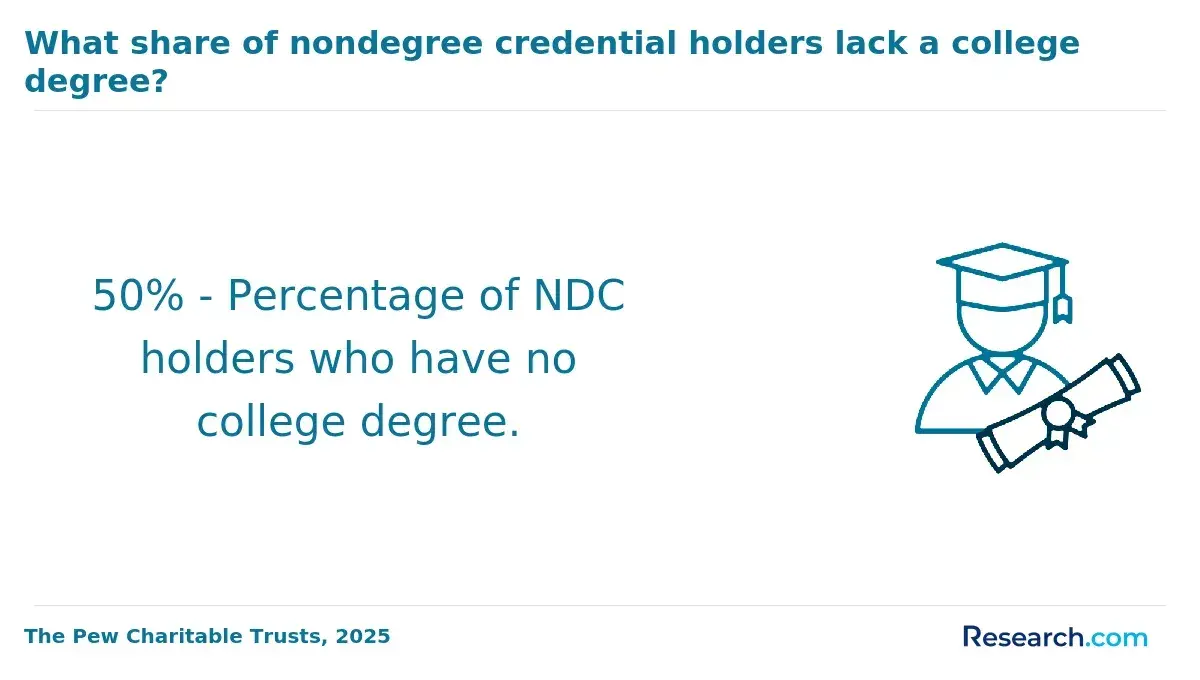
How Does Degree Level-Bachelor's vs. Master's vs. Doctoral-Affect Pharmacy Earning Potential?
Degree level has a direct effect on pharmacy earning potential because many of the highest-paying roles are legally or practically restricted to candidates with advanced credentials. A bachelor's degree can support entry into related science or business roles, but it generally does not provide the same earning ceiling as a PharmD and pharmacist licensure.
- Bachelor's degree: Pharmacy-related jobs available with a bachelor's degree often include entry-level technician work, pharmaceutical sales, lab support, or healthcare business roles. These positions generally offer median wages under $60,000 annually and rarely reach the pay level associated with licensed pharmacists.
- Master's degree: A master's in pharmaceutical sciences, pharmacy-related research, regulatory affairs, or a similar field can lead to specialized jobs in research, clinical support, quality, compliance, and industry operations. Salaries typically span $70,000 to $100,000. However, a master's degree usually does not authorize independent pharmacy practice or medication dispensing.
- Doctoral degree: The Doctor of Pharmacy is the standard professional credential for pharmacist licensure. PharmD professionals generally command median salaries exceeding $120,000 because they carry clinical responsibilities and legal authority that bachelor's- and master's-level roles do not. Higher doctorates such as PhDs in pharmaceutical sciences can support academic, biotech, and advanced research careers with compensation often above $130,000 depending on employer and expertise.
- Credential-gated roles: Licensed pharmacist positions require a PharmD plus state licensure. Pharmaceutical research scientist roles often prefer or require PhDs for independent research leadership. Clinical pharmacy specialist jobs commonly combine a PharmD, postgraduate experience, and board certification.
How to evaluate the education investment
Prospective students should compare tuition, living expenses, prerequisite courses, exam costs, lost income while studying, and the time required to enter the workforce. Students who already have the necessary prerequisites may move more efficiently into a PharmD pathway, while career changers may need additional coursework before admission.
Program format also matters. Students considering online pharmd programs should verify accreditation, in-person clinical requirements, experiential rotations, state licensure alignment, and whether the program's structure fits their work and family obligations.
The simplest rule is this: if your goal is to practice as a pharmacist, the PharmD and licensure pathway is typically essential. If your goal is research, policy, analytics, sales, or regulatory affairs, a master's or PhD may be more appropriate depending on the exact role.
Which Industries and Employers Pay Pharmacy Graduates the Most?
Pharmacy salaries vary sharply by industry because employers pay for different types of value. Hospitals pay for clinical judgment and patient safety. Pharmaceutical and biotech companies pay for expertise that can support drug development, regulatory approval, commercialization, and risk management. Consulting clients pay for specialized advice that reduces cost, improves outcomes, or solves compliance problems.
- Private sector: Pharmaceutical companies, biotech firms, medical device companies, and large healthcare corporations can offer strong compensation because the work connects directly to product development, revenue, regulatory strategy, and market access. Pharmacy graduates in research, medical affairs, pharmacovigilance, and regulatory roles may see top-tier pay.
- Healthcare and hospitals: Hospitals and health systems employ clinical pharmacists, specialists, informatics pharmacists, and pharmacy leaders. Average pay may be lower than some industry roles, but specialists in areas such as infectious diseases or oncology can command substantial salaries, especially in large metropolitan systems.
- Government agencies: Federal and state agencies may offer stable employment, strong benefits, and mission-driven work. Senior positions, including pharmacy consultants at agencies such as the FDA, can provide above-average salaries along with job security.
- Nonprofit organizations: Nonprofits often pay less than private industry, but select public health, global medicine, and community health organizations with strong funding may offer competitive roles for pharmacy professionals.
- Self-employment and consulting: Experienced pharmacists may earn significant income by consulting for long-term care facilities, insurers, legal teams, health systems, or pharmaceutical companies. Earnings can surpass traditional employment, but income depends on reputation, client development, and demand.
Industry choice can create a large salary gap even among professionals with similar credentials. A hospital-based clinical pharmacist may earn around $120,000 annually, while a regulatory pharmacist in biotech might exceed $140,000. The higher-paying option is not automatically the better one: candidates should also weigh job stability, hours, benefits, promotion paths, travel, and tolerance for corporate or regulatory pressure.
Pharmacy graduates who want to maximize earnings should build skills that transfer into premium sectors: regulatory knowledge, clinical trial literacy, pharmacoeconomics, leadership, data interpretation, specialty therapeutics, and communication with both clinical and business stakeholders.
Students comparing pharmacy with other healthcare credentials may also review fast track LPN programs online as a shorter alternative with a different cost, timeline, and scope of practice.
What Geographic Markets Offer the Best-Paying Pharmacy Jobs?
Geography affects pharmacy pay through local demand, cost of living, employer concentration, state licensing rules, and the mix of healthcare, biotech, retail, and hospital jobs in the area. A high nominal salary is not always the best financial outcome if housing, taxes, transportation, and relocation costs absorb the premium.
- San Jose, CA Metro Area: This market offers some of the highest nominal pharmacist salaries, supported by nearby biotech, technology, and healthcare employers. The trade-off is steep housing and living costs, which can reduce real purchasing power.
- Anchorage, AK: Anchorage can stand out for strong real wages after cost-of-living considerations, partly because of geographic isolation, fewer pharmacy professionals per capita, and competitive healthcare demand.
- Boston, MA and surrounding metro areas: Boston's concentration of hospitals, research institutions, biotech companies, and academic medical centers supports high median wages and specialty pharmacy opportunities.
- Houston and Dallas, TX: These markets can offer a useful balance of solid pharmacist salaries and more moderate living costs, making them attractive for professionals who want earning power without the highest coastal expenses.
- Raleigh-Durham, NC Region: This region has become a strong market for pharmaceutical research, clinical trials, and life sciences employers, supporting above-average opportunities for pharmacists with advanced credentials or certifications.
Remote and hybrid work are changing the location decision
Some pharmacy-related jobs are less tied to a single location than traditional retail or hospital roles. Clinical research, telepharmacy, pharmacy informatics, medical affairs, regulatory consulting, and some pharmaceutical consulting roles may allow remote or hybrid work. That can help pharmacists earn competitive salaries while living in lower-cost areas.
- Remote-compatible roles: Clinical trial management, telehealth pharmacy, medication therapy management, informatics, consulting, and some industry roles may offer flexibility.
- Location-dependent roles: Hospital pharmacy, retail dispensing, compounding, and many direct patient care roles usually require physical presence and state-specific licensure.
The best geographic choice depends on more than pay. Compare licensure portability, employer density, career growth, cost of living, family needs, commute time, and whether the market has enough senior roles to support advancement.
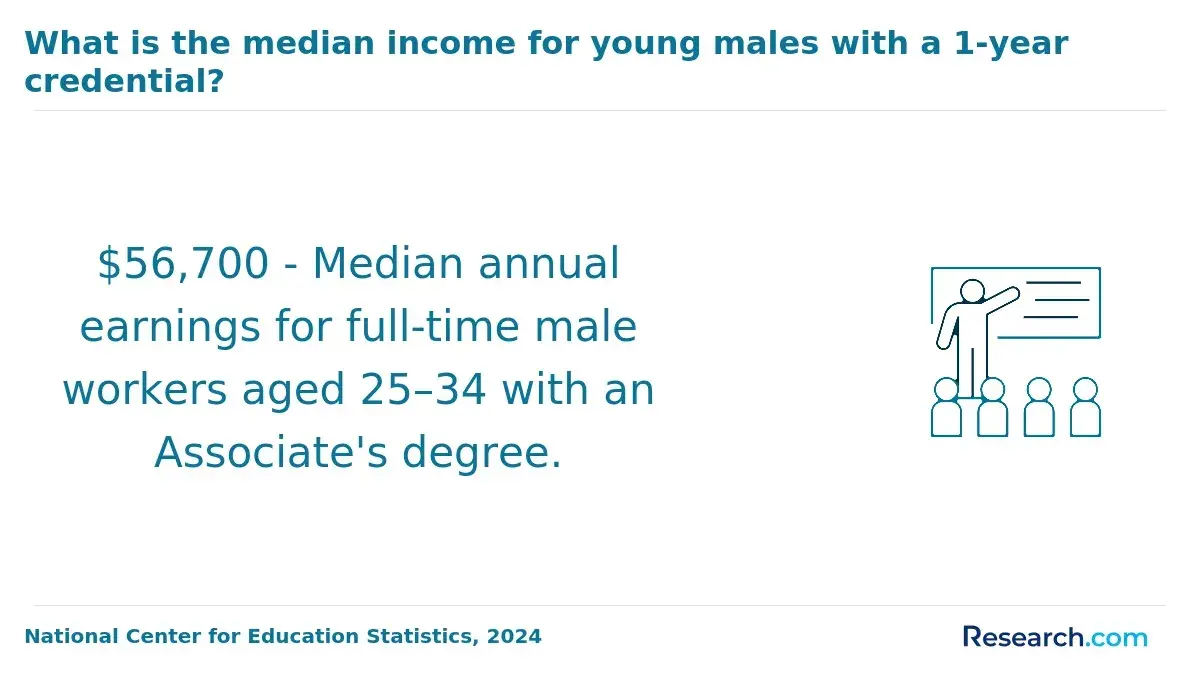
How Do Professional Certifications and Licenses Boost Pharmacy Salaries?
Licensure is the foundation for pharmacist pay because it is the legal requirement for practice. Certifications build on that foundation by proving advanced expertise in a specialty area. They can make a pharmacist more competitive for clinical specialist, leadership, consulting, and high-acuity care roles.
Common credentials associated with wage premiums include Board Certified Pharmacotherapy Specialist (BCPS), Board Certified Ambulatory Care Pharmacist (BCACP), and Certified Geriatric Pharmacist (CGP). These credentials typically require a PharmD or equivalent preparation, active pharmacist licensure, relevant experience, and a comprehensive exam.
For example, earning BCPS certification commonly results in a salary boost of about 10-15%, based on data from the Board of Pharmacy Specialties. The actual impact depends on employer policy, specialty demand, region, and whether the credential is required for promotion.
- Eligibility: Candidates generally need pharmacist licensure, specific practice experience, and documentation that meets the certifying body's standards.
- Exam structure: Exams are generally 3-4 hours long and focus on clinically applied multiple-choice questions.
- Renewal: Certifications require renewal every five years through continuing education or re-examination.
- Cost: Fees range from $300 to $600, not including prep courses, study materials, or time away from work.
- Salary impact: Specialty certifications can increase median earnings by $10,000 or more annually, though the premium varies by employer and market.
- Employer preferences: Some jobs require certification; others use it as a preferred qualification for promotions, bonuses, or specialist status.
- Accreditation: Pharmacists should verify whether a credential is recognized by authoritative bodies such as ANSI or NCCA before investing time and money.
The best certification is not always the most famous one. Choose credentials that match your target job postings, employer promotion criteria, patient population, and long-term specialty plan.
What Is the Salary Trajectory for Pharmacy Professionals Over a Full Career?
Pharmacy careers often begin with strong salaries, but the biggest long-term gains usually come from specialization, leadership, industry movement, consulting, or advanced credentials. Early-career pharmacists typically start with salaries ranging from $90,000 to $120,000 annually. During the first few years, earnings are shaped by licensure, practice setting, shift differentials, region, and the ability to build reliable clinical judgment.
Early career
The first five years are usually about becoming an effective practitioner: learning workflow, patient care standards, documentation, medication safety, and collaboration with providers. Salary growth can be steady but modest unless the pharmacist moves into a hard-to-staff market, specialty setting, residency-trained role, or higher-paying employer.
Mid-career
Between five and ten years of experience, pharmacists often see stronger income growth if they move into specialty practice, supervision, informatics, industry, or management. Board certification, advanced clinical responsibility, and employer changes can be major turning points.
- Specialization: Fields such as oncology or infectious diseases can add a 15% to 25% salary premium.
- Leadership: Pharmacists who manage staff, budgets, compliance, or service lines often qualify for higher compensation packages.
Senior career
For pharmacists with 15 or more years of experience, salaries often exceed $150,000, especially for those with advanced degrees such as a PharmD combined with an MBA, recognized specialty expertise, executive responsibility, or business development roles in pharmaceutical companies. Peak-career roles may include director positions, research and development leadership, large clinical team management, consulting, or executive healthcare operations.
Current benchmarks informed by BLS and professional surveys show median salaries around $115,000 at five years, $135,000 at ten years, and $150,000 or more at senior stages, although location and sector remain significant variables.
Decisions that influence lifetime earnings
- Networking and visibility: Relationships with clinical leaders, residency directors, industry contacts, and professional associations can open higher-level opportunities.
- Niche development: Pharmacists who become known for a specialty area often have more leverage than generalists competing in crowded markets.
- Consulting and policy work: Experienced professionals may build additional income through advisory roles, expert review, payer consulting, or healthcare policy involvement.
- Strategic employer moves: Staying too long in a role without advancement can limit earnings; moving into sectors with stronger compensation can change the trajectory.
Which Pharmacy Specializations and Concentrations Lead to the Highest-Paying Roles?
The highest-paying pharmacy specializations tend to sit at the intersection of clinical complexity, scarce expertise, regulatory importance, and employer demand. Choosing a concentration should not be based on interest alone; students should also examine job postings, labor market data, residency availability, board certification pathways, and regional employer demand.
- Clinical pharmacy: Oncology, infectious diseases, critical care, cardiology, and transplant pharmacy can command premium compensation because specialists manage high-risk therapies and collaborate closely with healthcare teams.
- Pharmacogenomics: Pharmacists in this area use genetic information to support personalized medication selection. Scarcity and technical complexity can create strong salary potential as adoption grows.
- Industrial pharmacy: Roles in biotechnology, pharmaceutical manufacturing, research, quality, and regulatory strategy can pay well because they require understanding of drug development, clinical trials, compliance, and commercialization.
- Nuclear pharmacy: This specialization involves radioactive materials and highly regulated workflows, which can create wage premiums for qualified professionals.
- Pharmacy informatics: Informatics pharmacists connect medication systems, electronic health records, data governance, safety alerts, and clinical decision support.
Regional differences matter. Pharmacy concentration salary differences by region often reflect where biotech hubs, academic medical centers, federal agencies, and specialty hospitals are concentrated. A niche that pays well in one market may have limited openings in another.
Students already enrolled in general pharmacy programs do not always need another full degree to move toward a higher-paying niche. Useful steps can include specialized internships, residencies, certificate programs, research experience, elective coursework, and board certification such as Board Certified Pharmacotherapy Specialist (BCPS).
- Return On Investment: Top online pharmacy programs often combine affordability with strong alumni salary growth, which can improve ROI compared with higher-cost traditional pathways.
- Licensure Impact: Board certifications and state licenses can significantly enhance earning potential by validating advanced expertise.
- Industry Demand: Hospital pharmacy, biotech, and federal healthcare agencies often show wage premiums tied to regulatory complexity and talent scarcity.
Students comparing broader healthcare pathways can also examine ASN programs online to understand how nursing education, licensure, timeline, and compensation differ from pharmacy training.
How Does the Pharmacy Job Market's Growth Outlook Affect Long-Term Earning Stability?
The pharmacy job market's growth outlook affects not only whether graduates can find work, but also which roles are likely to offer stable income over time. The Bureau of Labor Statistics projects modest employment growth over the next decade, with demand supported by an aging population, chronic disease management, and the continued need for medication expertise.
The strongest long-term stability is likely to come from roles that are harder to automate and more closely tied to patient outcomes, clinical decision-making, technology integration, or regulatory complexity.
- Demographic Demand: An aging society and increased chronic disease prevalence support continued need for medication management, especially in clinical, ambulatory, and specialty care settings.
- Automation Risk: Routine dispensing remains more exposed to robotics, digital prescribing, centralized fulfillment, and workflow automation. Pharmacists seeking stability should build advanced clinical and patient-facing skills.
- Legislative Changes: Expanded prescribing authority, vaccination services, and pharmacist involvement in chronic disease management may strengthen job security and wages for professionals with advanced credentials.
- Technology Transformation: Telehealth, pharmacy informatics, data analytics, and personalized medicine are creating roles for pharmacists who can combine clinical knowledge with digital systems.
- Growth-Oriented Roles: Clinical pharmacists in hospitals and outpatient settings, pharmacogenomics specialists, medication therapy management professionals, and pharmacy informatics specialists are positioned for stronger resilience.
- Structural Headwinds: Retail pharmacy and traditional dispensing face pressure from budget cuts, outsourcing, workload strain, and credential inflation.
- Risk vs. Reward Distinction: Some high-paying jobs, especially in emerging industry niches, may offer strong compensation but fewer openings or greater market volatility.
For career changers, veterans, or current healthcare workers, the best approach is to compare pharmacy with alternative credentials by total cost, completion time, licensure demands, job stability, and salary ceiling. Reviewing options such as online ABSN programs can help clarify whether pharmacy is the right investment compared with other healthcare paths.
What Leadership and Management Roles Are Available to High-Earning Pharmacy Graduates?
Leadership is one of the clearest ways for pharmacy graduates to move beyond the salary ceiling of individual contributor roles. Management positions pay more because they add responsibility for people, budgets, compliance, strategy, quality metrics, and operational performance.
- Pharmacy Director: Oversees pharmacy services, staffing, budgeting, quality improvement, compliance, and strategic planning in hospitals, health systems, or large organizations.
- Clinical Manager: Leads clinical pharmacy teams, specialty programs, medication safety initiatives, formulary work, and interdisciplinary care improvements.
- Chief Pharmacist: Manages pharmacy operations, policy implementation, regulatory compliance, and service performance.
- Vice President of Pharmacy Services: Directs pharmacy strategy across a large health system, payer, retail chain, or healthcare enterprise.
- Chief Pharmacy Officer: Sets systemwide pharmacy strategy, aligns pharmacy services with organizational goals, and often reports to senior healthcare executives.
Data from the Bureau of Labor Statistics show that pharmacy managers and directors earn salaries 10% to 30% higher than senior clinical pharmacists. Executives can command annual pay exceeding $150,000 because they are responsible for large-scale budgets, compliance oversight, talent management, service quality, and organizational strategy.
How pharmacists move into leadership
- Early experience: Build strong clinical credibility while volunteering for projects, committees, precepting, workflow improvements, or small-team supervision.
- Credential enhancement: Add credentials such as Board Certified Pharmacotherapy Specialist (BCPS), a Master's in Healthcare Administration, an MBA, or a Master's in Public Health when aligned with target roles.
- Operational exposure: Learn scheduling, inventory, reimbursement, quality metrics, safety reporting, payer requirements, and regulatory inspections.
- Professional development: Seek mentoring, leadership training, association involvement, and cross-functional projects.
- Strategic employer choice: Employers with leadership rotations, tuition support, residency programs, and clear promotion ladders can accelerate advancement.
The main trade-off is that leadership roles often move pharmacists away from direct patient care and into meetings, staffing issues, budget decisions, and organizational politics. Candidates should pursue management because they want that responsibility, not only because the pay is higher.
Which Emerging Pharmacy Career Paths Are Positioned to Become Tomorrow's Highest-Paying Jobs?
Emerging pharmacy careers are growing around precision medicine, digital health, data, regulation, and new care delivery models. These roles may become tomorrow's highest-paying opportunities because they require skills that many traditional pharmacy programs only recently began emphasizing.
- Precision Medicine Specialist: These pharmacists use genetic and molecular information to help tailor drug therapy to individual patients. Pharmacogenomics, bioinformatics, and personalized therapeutics are important preparation areas.
- Pharmacy Data Analyst: These professionals use big data, AI, and machine learning to improve medication safety, utilization, adherence, and outcomes. Additional training in health informatics and data science can strengthen competitiveness.
- Regulatory Compliance Consultant: Pharmacists with expertise in healthcare law, regulatory science, quality systems, and policy can advise organizations navigating changing requirements.
- Telepharmacy and Digital Health Expert: Remote pharmaceutical services, digital care platforms, and virtual medication management are expanding opportunities for pharmacists comfortable with technology-enabled care.
Many pharmacy programs are adding elective tracks, certificates, and experiential learning related to these fields. Still, emerging roles carry uncertainty. Adoption can be uneven, job titles may vary by employer, and some opportunities may concentrate in specific regions or sectors.
Prospective pharmacy professionals should monitor labor market intelligence platforms and professional associations that track workforce trends. Resources such as Lightcast, Burning Glass, and pharmacy organizations can help candidates identify which skills are gaining traction before committing time and money to a specialization.
What Graduates Say About the Highest-Paying Jobs You Can Get With a Pharmacy Degree
- : "Completing my online pharmacy degree helped me understand the wage premium tied to graduate credentials. The title mattered, but the bigger difference was access to roles that required advanced preparation and certification. For anyone comparing healthcare pathways, the degree can offer a strong return when it leads to licensed or specialized work. — Major"
- : "The salary impact of professional licensure and certification changed my career options. I also learned that industry choice and geography can shift earnings significantly, especially when moving between urban and rural markets. The degree helped me evaluate those variables more strategically. — Douglas"
- : "I looked at pharmacy through a financial lens from the beginning. The upfront cost was serious, but the long-term return made sense compared with several other credentials I considered. Specializing in a high-demand area had the biggest effect on my salary growth. — Ezra"
Other Things You Should Know About Pharmacy Degrees
A pharmacy degree generally offers a strong return on investment, especially when compared to alternative healthcare credentials such as nursing or medical assisting. This is due to a higher average starting salary and the potential for substantial wage growth with experience and specialization. However, the cost and length of pharmacy education-often requiring a Doctor of Pharmacy (PharmD)-mean that students should carefully consider tuition expenses and time to licensure against projected lifetime earnings.
Entrepreneurship widens earning potential by allowing pharmacy graduates to open independent pharmacies or develop consulting services. Self-employment enables greater control over business decisions and profit margins, often resulting in higher income than salaried positions. Additionally, entrepreneurial pharmacists can diversify income streams through product sales, clinical services, and partnerships within healthcare networks.
Internships and practicums provide critical hands-on experience that enhances employability and starting salary offers for pharmacy graduates. Employers value early clinical exposure as it reduces training time and demonstrates practical competence. Graduates with well-supported practicum placements-especially in high-demand specialties-often negotiate better compensation packages and faster career advancement.
References
- Future of Pharmacy Workforce: Beyond Shortages | Visante https://www.visante.com/insights/blogs-videos/future-pharmacy-workforce/
- 15 Highest Paying Countries for Pharmacists https://finance.yahoo.com/news/15-highest-paying-countries-pharmacists-105613723.html
- Highest Paid Pharmaceutical Jobs https://www.hyperec.com/blog/highest-paid-pharmaceutical-jobs/
- Top 10 countries with the highest Pharmacist salary https://pharmacistmigration.com/highest-wage-countries-for-pharmacists/
- 15 Highest Paying Pharmacy Jobs in the UK 2026-2027: Well-Paid Careers in Pharmacy | Royal Open College https://royalopencollege.org/blog/healthcare/highest-paying-pharmacy-jobs-uk/
- What are the benefits of earning a professional certification? https://gmdpacademy.org/news/what-are-the-benefits-of-earning-a-professional-certification/
- Top 10 Careers in the PharmaField: Your Next Step https://www.mguindia.com/blogs/top-10-careers-in-the-pharmafield-your-next-step
- Top 3 Highest-Paid Pharmacy Jobs: Are They Worth It? - The Happy PharmD https://thehappypharmd.com/top-3-highest-paid-pharmacy-jobs/
- Top 7 Pharmacy Careers in 2025: Opportunities, Salaries, and Growth https://academically.com/blogs/top-pharmacy-careers/
- Highest Paying Countries for Pharmacists: Global Salary Insights https://eliteexpertise.com/blog/highest-paying-countries-for-pharmacists-global-salary-insights/