2027 Highest-Paying Jobs You Can Get With a Biology Degree

Co-Founder and Chief Data Scientist
Choosing a biology degree without understanding its earnings potential can leave graduates undervaluing critical factors like advanced degrees and licensure. Those with graduate credentials often see a wage premium-medical scientists with a master's or PhD earn up to 30% more than bachelor's-only holders. Additionally, professional certifications in fields such as biotechnology or environmental science can boost salaries significantly. Geographic location and industry also influence income, with jobs in metropolitan biotech hubs typically paying higher than those in rural areas. This article explores these elements-examining salary outcomes, credential impacts, and ROI versus alternative career pathways-to guide readers toward financially informed biology-related career decisions.
Key Things to Know About the Highest-Paying Jobs You Can Get With a Biology Degree
- Graduate degrees in Biology can increase wages by up to 25% compared to bachelor's holders-especially in research and healthcare sectors with high credential demands.
- Professional licensure or certifications like clinical laboratory scientist credentials often boost salaries by 15-30%, reflecting employer preferences for verified expertise.
- Compared to vocational or associate-level programs, a Biology degree offers a higher long-term return on investment-despite upfront costs-due to greater access to specialized and high-paying roles.
What Exactly Does a Biology Degree Qualify You to Do in Today's Job Market?
A biology degree opens doors to a wide array of career opportunities in scientific, healthcare, education, and industrial sectors-its reach shaped heavily by degree level and necessary professional licensing. According to the U.S. Bureau of Labor Statistics and key professional associations, biology graduates are sought for roles demanding strong technical expertise, sharp analytical skills for research and data interpretation, and effective interpersonal communication within interdisciplinary teams.
These competencies distinguish biology degree holders from candidates relying solely on on-the-job experience or alternative credentials, as employer job postings from Lightcast and LinkedIn Insights confirm.
- Core Competencies: Biology graduates typically possess in-depth knowledge of molecular biology, genetics, physiology, and ecology, paired with proficiency in laboratory techniques and quantitative data analysis. This foundation supports contributions across research, healthcare diagnostics, environmental consulting, and biotechnology development.
- Licensure and Credential-Gated Careers: While many scientific roles require a biology degree, higher-paying jobs such as clinical laboratory technologists or healthcare practitioners often need additional certifications or licenses. Other positions in sales, technical writing, or environmental education may not require licensure but still value a biology degree as a critical qualification.
- Common Misconceptions: Holding a biology degree alone does not enable graduates to practice medicine, pharmacy, or law without specialized training and licensing. Instead, the degree serves as a platform for advanced education or credentialing to access top-paying jobs.
- Market Insights: Analysis of highest-paying jobs with a biology degree in the United States shows that advanced degrees-master's and doctorates-align most closely with premium salaries. Roles in biological science, biotechnology, and research fields stand out.
Throughout this article, careers like biomedical researchers, pharmaceutical scientists, and bioinformatics specialists are examined-each strongly benefiting from graduate credentials and certification.
For individuals exploring career opportunities for biology graduates in today's job market, it can be valuable to compare pathways, including options like online DNP programs without clinicals, which may complement or expand their career trajectories.
Which Biology Jobs Command the Highest Salaries Right Now?
Several biology jobs stand out as the highest paying in the US according to the latest BLS Occupational Employment and Wage Statistics (OEWS), supplemented by the National Compensation Survey and industry salary benchmarks. These roles blend advanced expertise, licensure, and industry demands that significantly shape earning potential across career stages-key distinctions for those exploring top biology careers with best salaries.
- Medical Scientist: Typically requiring a PhD or MD/PhD, these professionals conduct research advancing medical treatments and public health. Median salaries hover near $90,000 annually, with the 75th percentile above $110,000 and the top decile exceeding $150,000 Salary growth is robust when tied to grant-funded projects and pharmaceutical industry roles
- Pharmaceutical Scientist: Experts in drug development, often holding advanced biology-related degrees. Median pay commonly surpasses $100,000 for holders of master's or doctoral degrees Private sector biotech and research labs offer top earners upward of $140,000
- Environmental Scientist: Accessible with a bachelor's degree, though graduate degrees can improve compensation and mobility. Median salaries around $73,000, 75th percentile approaching $95,000 and upper decile near $120,000 Higher salaries prevail in consulting and government agencies in expensive urban areas
- Biochemist and Biophysicist: Specialists often holding PhDs working at biology's intersection with chemistry. Median salaries near $95,000, with top decile earnings above $150,000 Premium wages found in pharmaceutical manufacturing and academic research
- Clinical Laboratory Technologist: Usually requiring certification and a bachelor's degree in biology or related fields. Median pay around $58,000, with certified professionals in hospitals earning $80,000 or more Salary premiums are common in urban hospitals and private diagnostic labs
Biology degree holders often compete with candidates from chemistry, health sciences, and engineering fields-especially in environmental science positions. Here, possessing specialized biology credentials or professional certifications yields a measurable salary advantage. Graduate degrees generally confer wage premiums, particularly in research, pharmaceutical, and clinical sectors.
Salary outcomes in biology are strongly influenced by key factors: level of degree attained, area of specialization-such as molecular biology or ecology-alongside geographic market and employer type. Biotech hubs and metropolitan areas tend to offer significantly higher wages, with private biotech and pharmaceutical companies frequently outpacing government and academic employers.
Prospective students should consider these variables carefully when evaluating the return on investment relative to alternative career paths, including options like a master of healthcare administration programs.
How Does Degree Level-Bachelor's vs. Master's vs. Doctoral-Affect Biology Earning Potential?
Graduate study calls for careful calculation of forgone wages, tuition expenses, and the salary boost from higher credentials. Master's programs often span 2 years; doctorates can require 4-6 years. Those starting with related bachelor's degrees might expedite entry to top jobs, while career changers should consider accelerated or combined graduate programs to reduce time and costs.
Choosing the right path depends on balancing immediate earnings against long-term financial gain.
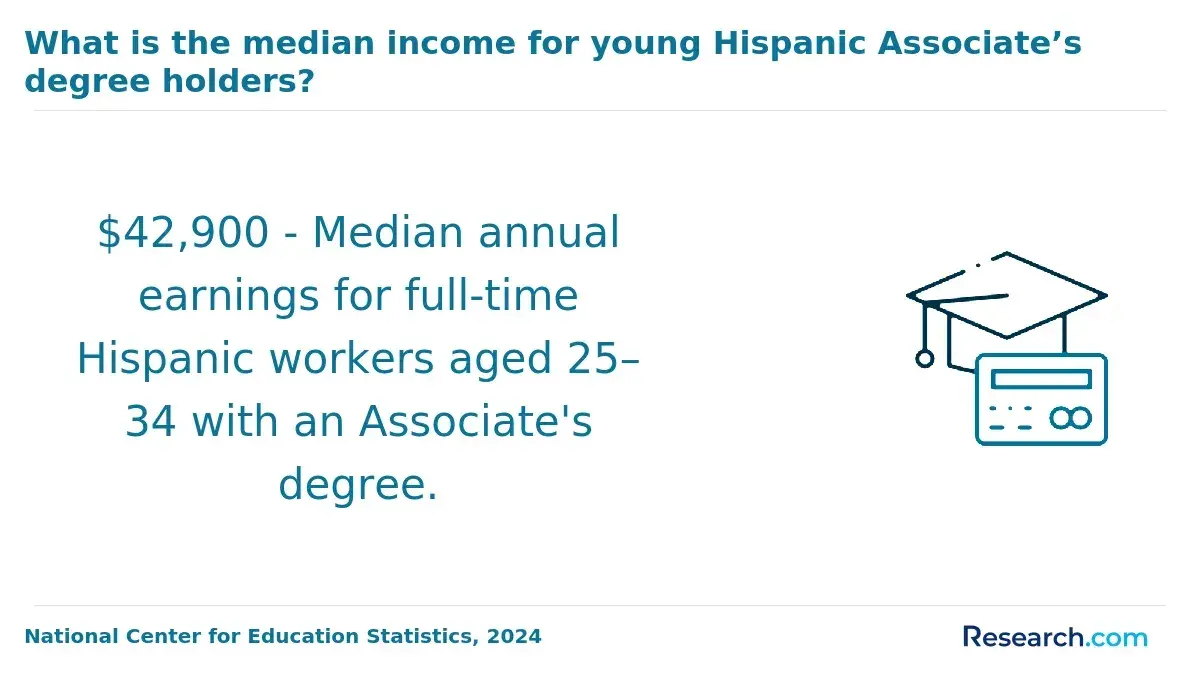
- Bachelor's Degree: Graduates with a biology bachelor's typically earn between $40,000 and $60,000 initially. Positions such as biological technicians, environmental scientists, and quality control analysts often offer competitive salaries without requiring further credentials. Many applied biology roles reward bachelor-level education adequately, especially in entry-to-mid level jobs.
- Master's Degree: Attaining a master's usually boosts salaries by 15% to 30%, raising average pay to $60,000-$90,000. Advanced roles in biotechnology, public health, and pharmaceuticals frequently demand this level of education. Jobs involving data analysis, regulatory compliance, or project management especially value a master's to gain specialized skills, enhance job security, and open career advancement opportunities.
- Doctoral Degree: Doctorates-including Ph.D.s for research and professional doctorates for clinical fields-can command salaries exceeding $100,000, sometimes $130,000 or more in academia, biotech research, or healthcare leadership roles. These credentials are often required for principal investigator status, clinical lab directorships, and other licensed positions where in-depth research expertise and independent scientific judgment are essential.
Credential-gated roles are positions that require specific certifications, licenses, or academic qualifications before employment:
- Research scientist and university professor roles almost always require a Ph.D. due to grant and original research demands.
- Healthcare specialties like genetic counseling or clinical laboratory science generally need a master's or professional doctorate coupled with licensure or certification.
- Leadership positions in regulatory affairs or biotechnology project management prefer graduate degrees to manage complex compliance and team oversight.
Which Industries and Employers Pay Biology Graduates the Most?
Several industries stand out for offering the highest-paying industries for biology graduates, driven by market demand, organizational scale, and regulatory complexity. Private-sector pharmaceutical and biotechnology companies top the pay chart-these firms benefit from substantial revenues and a sharp focus on R&D. Biology graduates with advanced degrees and skills in areas such as drug development or genetic engineering often earn salaries significantly above average.
- Healthcare and Medical Services: Hospitals, clinical labs, and medical device firms pay well-especially to those with clinical science or pathology certifications. Regulatory oversight and the essential nature of healthcare contribute to elevated compensation.
- Government Agencies: Federal and state employers provide stable salaries supplemented by benefits. While initial pay may trail biotech levels, senior or specialized roles can be competitive given budget priorities.
- Nonprofit and Conservation Groups: Though less financially robust overall, large nonprofits engaged in environmental or biotech research sometimes offer attractive pay, particularly via grant-funded roles.
- Self-Employment and Consulting: Experienced biology graduates who launch consulting businesses can command fees that reflect their expertise and market niche, though income varies widely by reputation, location, and client base.
Compensation varies widely based on industry, job title, and degree level. For example, a senior research scientist in pharmaceuticals with a master's or doctorate may earn between $90,000 and $130,000 yearly, whereas entry-level biologists working for government environmental agencies might start closer to $50,000. Professional licensure or certification-such as clinical laboratory credentials-boosts earning potential across sectors.
Biology graduates seeking the highest salaries should cultivate relevant skills like bioinformatics and clinical trial management while acquiring certifications during or after their degree program. Building networks within top-paying sectors-particularly biotech and healthcare-improves access to the most lucrative opportunities.
For those exploring educational choices that can maximize earning power, considering accredited options like online universities with no application fee can be a strategic starting point.
What Geographic Markets Offer the Best-Paying Biology Jobs?
The highest-paying biology positions tend to concentrate in metropolitan regions renowned for their biotech industries, research institutions, and healthcare sectors. Adjusting salary data for local living costs reveals which areas truly offer superior real income, not just nominal wages.
- San Francisco Bay Area, California: Dominates with top median salaries fueled by a dense network of biotech companies and universities. Despite a steep cost of living, adjusted wages here stay among the nation's best due to premium compensation.
- Boston-Cambridge, Massachusetts: Known for leading medical research and numerous biotech startups, this metro offers strong pay scales. While expenses are high, they're still slightly more manageable than the Bay Area's, allowing for notable purchasing power.
- Research Triangle, North Carolina: Encompassing Raleigh, Durham, and Chapel Hill, this area benefits from growing biotech activity and major universities. Lower living costs produce a favorable balance of salary to expenses for biology professionals.
- Seattle, Washington: Its expanding life sciences and health sectors offer competitive compensation. Rising housing costs challenge this market, yet real wages remain above average after cost adjustments.
- Houston and Dallas, Texas: These cities leverage strong medical research and biology roles in energy industries. Their comparatively low living costs enhance take-home pay, making them appealing markets.
Remote and hybrid arrangements are shifting traditional salary patterns-positions in genomics, data analysis, and environmental biology increasingly allow location flexibility. Meanwhile, lab-based and clinical roles remain anchored to physical sites due to licensing and equipment needs.
Professionals able to work remotely can optimize earnings by residing in affordable areas while drawing salaries associated with premium markets.
How Do Professional Certifications and Licenses Boost Biology Salaries?
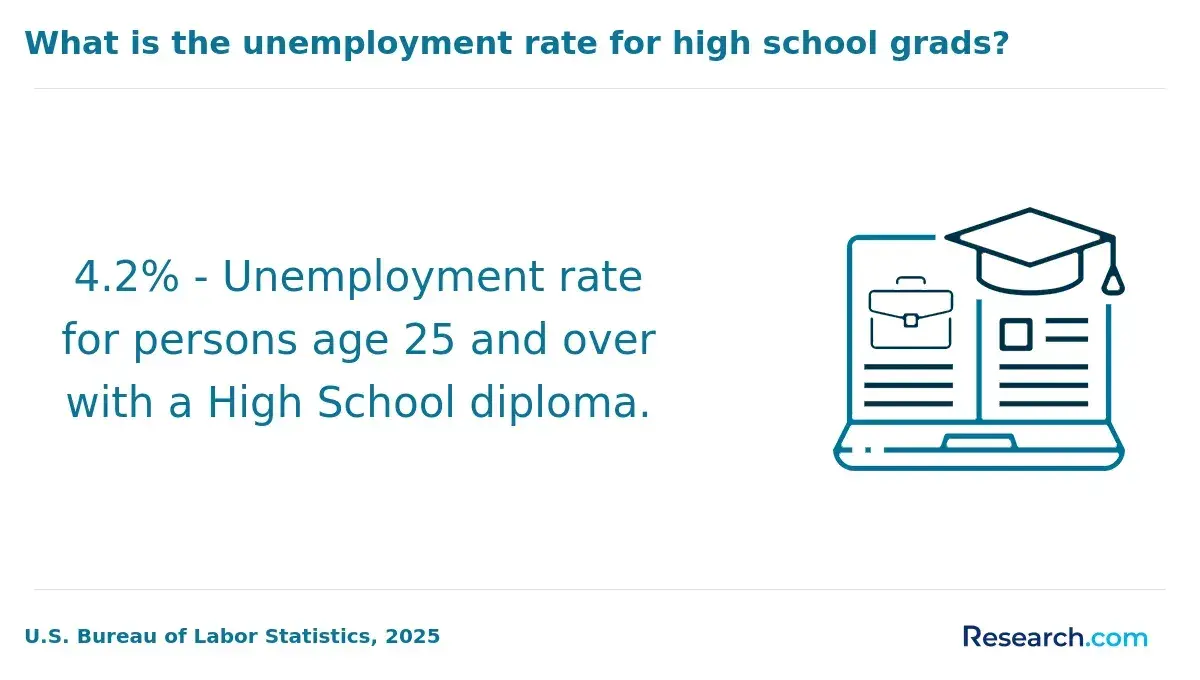
Certifications and licenses can enhance biology professionals' salaries by validating expertise and improving job prospects in competitive sectors. Research from professional societies and compensation analysts shows credentials often raise salaries by up to 20% compared to uncertified peers.
- Certified Biological Safety Professional (CBSP): Administered by the American Biological Safety Association, candidates must have a bachelor's degree in biology or a related field plus relevant experience. The exam focuses on lab safety and biohazard rules, with fees near $300. Continuing education is required for recertification every five years. Holders see salary premiums of roughly 10-15% over non-certified colleagues.
- American Society for Clinical Pathology (ASCP) Certification: Required for clinical biologists and medical lab scientists, this credential entails graduating from an accredited program and passing an exam. Renewal occurs every three years with ongoing education and a $200 fee. Median salaries for certified professionals are about 12-18% higher than those without certification.
- Registered Scientist (RSci): A UK credential recognized internationally-candidates present a biology degree and verified skills through exams and portfolios. Annual renewal with professional development documentation is necessary. This status can boost earnings by 8-12%, particularly in industrial and research roles.
- Accreditation and Validity: Verify certifications hold accreditation by bodies like ANSI or NCCA to ensure value and avoid low-credibility providers offering limited salary benefit.
- Employer Requirements: Some roles mandate licensure, especially clinical or environmental biology jobs; others view certification as a mark of professionalism. Understanding industry-specific preferences helps prioritize credentials with the highest financial return.
What Is the Salary Trajectory for Biology Professionals Over a Full Career?
The salary progression for biology professionals reflects a steady trajectory influenced by experience, credential attainment, and leadership roles. Early-career biology graduates frequently begin in research assistance, laboratory operations, or environmental analysis positions-earning modest salaries while building foundational skills.
- Early Career: Around five years in, biology professionals see salary increases as technical expertise grows and certifications, such as Clinical Laboratory Scientist credentials or biotechnology training, are pursued. Average earnings typically reach the low to mid five figures, varying by region and sector.
- Mid-Career Growth: By the ten-year mark, many achieve significant salary jumps by obtaining advanced degrees like master's or PhDs, or by moving into management and project leadership roles. Roles such as research scientists, biotechnologists, and healthcare specialists often move into six-figure salary territory. Professional licensure and specialized certifications in clinical or pharmaceutical fields further accelerate pay.
- Peak Career Earnings: With 15 to 20 years of experience, senior biology professionals combine deep expertise with leadership - overseeing departments, leading business development, or acting as principal investigators. Top earners in biotechnology management, pharmaceutical development, and senior healthcare science frequently surpass six figures significantly. Building reputation through publications, patents, or industry recognition bolsters compensation at this stage.
- Strategic Decisions: Those who invest early in advanced education, specialize in niches like genomics or bioinformatics, and embrace leadership or entrepreneurial roles consistently separate themselves as high earners.
Which Biology Specializations and Concentrations Lead to the Highest-Paying Roles?
Specializations like biotechnology, molecular biology, biomedical engineering, and pharmacology consistently yield some of the highest-paying roles within the sphere of biology. Molecular biology and genetics careers often connect to pharmaceuticals or genetic counseling-fields driven by advances in personalized medicine and gene editing technologies. The complex regulatory frameworks in these areas, combined with specialized expertise, support higher wages.
Biotechnology professionals skilled in drug development and bioinformatics command premium pay due to the rarity of cross-disciplinary expertise in both biology and data analysis. Biomedical engineers-who merge biology with engineering principles-develop cutting-edge medical devices, often receiving salary boosts tied to innovation and leadership within healthcare technology. These concentrations rank among top-paying biology concentrations for career growth, reflecting strong employer demand.
Students early in academic planning should assess labor market demand and growth projections to select concentrations such as bioinformatics, pharmacology, or environmental biology. Choosing based solely on interest may limit earning potential.
Those pursuing a general biology degree can use targeted internships, continuing education, or professional certifications in genomics or clinical research to pivot into higher-paying niches without completing another degree.
- Talent Scarcity: High demand and low supply inflate compensation in precision medicine and bioinformatics.
- Regulatory Complexity: Fields like pharmacology require knowledge of strict compliance, justifying higher pay.
- Technical Depth: Advanced molecular biology or biomedical engineering roles demand significant expertise and thus command wage premiums.
- Return on Investment: Top online biology programs offering specializations in bioinformatics and biomedical sciences provide flexible, cost-efficient pathways to high-paying roles.
Top online biology programs offering specialized tracks provide flexible, cost-efficient opportunities to enter lucrative fields. For example, military veterans or career changers might explore online sonography programs as part of a broader career strategy.
How Does the Biology Job Market's Growth Outlook Affect Long-Term Earning Stability?
The ten-year employment outlook for biology-related occupations, as projected by the Bureau of Labor Statistics, reflects a generally positive trajectory that supports long-term earning stability for biology graduates. Several high-paying roles-such as biomedical engineers, environmental scientists, and biochemists-are expected to grow at or above the national average, driven by technological innovation and increased demand in healthcare and environmental sectors. This outlook aligns well with the broader biology job market growth forecast.
Automation presents a nuanced challenge within the field. Routine laboratory or data processing tasks face significant automation risk, but roles involving complex analysis, research design, and regulatory compliance demonstrate greater resilience. Specialists in cutting-edge areas like genetic engineering or bioinformatics, who continuously update their skills, stand to benefit the most.
- Demographic Demand: Aging populations drive sustained need for biomedical research and healthcare professionals, aiding employment expansion.
- Legislative Changes: New environmental protection and public health regulations foster steady opportunities for compliance-focused experts.
- Technological Transformation: Advances in biotechnology and data analytics increase job openings while requiring ongoing skill development.
However, some segments face structural headwinds due to outsourcing, budget cuts, or credential inflation. Entry-level roles increasingly require advanced degrees, raising barriers for newcomers and challenging long-term job flexibility.
- Strong Growth Roles: Careers in biomedical engineering, genetic counseling, and environmental science typically feature robust job openings and low automation risk.
- Structural Challenges: Laboratory technician jobs are vulnerable to outsourcing; academic research roles depend heavily on grant funding.
- Risk Versus Reward: High-paying roles in pharmaceutical research may experience volatility despite offering wage premiums.
- Skill Positioning: Emphasizing interdisciplinary expertise, licensure, and technology fluency enhances competitiveness and earning potential.
For those seeking to maximize outcomes with a biology degree, understanding labor market dynamics-including how professional credentials and experience impact salary-is essential. Prospective students may also consider related pathways such as an online nutrition degree as alternative investments tailored to their career goals and income expectations.
What Leadership and Management Roles Are Available to High-Earning Biology Graduates?
Leadership roles in biology-such as research director, laboratory manager, biotechnology project lead, and chief scientific officer-typically reside at senior management or executive levels. These positions span industries including pharmaceuticals, healthcare, biotech, and environmental agencies. Professionals ascending to these roles usually hold advanced degrees like master's or PhDs and combine scientific expertise with strong leadership and business acumen.
- Salary Premium: Management roles in biology yield a significant wage advantage. While individual contributors like biologists earn median salaries near $80,000 annually, managers in related fields often command $120,000 to $140,000, reflecting their responsibilities in overseeing large teams, managing multimillion-dollar budgets, and ensuring regulatory compliance.
- Organizational Impact: Leaders in biology align scientific goals with corporate strategy, coordinate cross-disciplinary teams, and handle financial oversight-budget planning, resource allocation, and evaluating return on investment for research projects are core duties that justify the higher compensation.
- Career Progression: Transitioning from entry- or mid-level positions to management usually takes 7 to 12 years, requiring professionals to pursue advanced education and develop managerial skills through certifications and leadership training.
- Strategic Advancement: To maximize executive compensation potential, aspiring leaders should consider earning an MBA or specialized graduate degree to complement their biology knowledge. Early roles with supervisory duties and cross-functional team leadership strengthen candidacy for senior positions, while ongoing development in communication and strategic planning is essential.
Which Emerging Biology Career Paths Are Positioned to Become Tomorrow's Highest-Paying Jobs?
Emerging roles within the biology field reflect breakthroughs in technology, shifting regulations, and evolving market demands-creating high-growth, high-paying career opportunities expected to expand rapidly in the next five to ten years.
- Synthetic Biology: This area focuses on redesigning living organisms using genetic engineering combined with computational design, unlocking innovations in healthcare and agriculture.
- Bioinformatics: Specialists skilled in big data analytics, artificial intelligence, and programming are essential for interpreting complex genomic and proteomic datasets transforming biological research.
- Precision Medicine: Careers tailored around genetic profiles to customize treatments are reshaping drug development and patient care, rewarding biology graduates with genomics and medical training.
- Environmental Biotechnology: Growing demand for sustainable bioprocesses drives roles in bioremediation and renewable bioresources, integrating biology with environmental engineering disciplines.
- Regulatory Affairs: Increasing biotech product regulations require experts adept at navigating legal frameworks to ensure compliance and market access.
Degree programs in biology increasingly incorporate interdisciplinary coursework-such as coding, statistics, and ethics-to align with these emerging specialties. Pursuing micro-credentials, boot camps in gene-editing technologies, or certifications in clinical trial management offers a competitive advantage.
Targeting an emerging biology career involves strategic risk assessment: some fields may face delayed mainstream adoption or regulatory obstacles. Prioritizing specialties with strong venture capital backing and clear industry adoption prospects enhances the early mover benefit.
Staying connected to professional societies and using labor market tools like Lightcast, Burning Glass, and LinkedIn Economic Graph helps track emerging high-paying roles and evolving skill demands. This intelligence supports informed, financially sound decisions when selecting a biology career path aligned with long-term goals.
What Graduates Say About the Highest-Paying Jobs You Can Get With a Biology Degree
- Otto: "Graduating with a biology degree truly opened doors I hadn't anticipated-especially because of the significant wage premium that graduate credentials bring. I learned firsthand that investing in my education helped me qualify for roles with salaries well above those requiring only an associate degree. If you're considering your options, know that this degree pays off in ways that go beyond just passion for the subject."
- Colsen: "Looking back, I realize how vital professional licensure and certification were in boosting my salary potential. Biology jobs vary widely, but obtaining specialized credentials gave me access to the highest-paying positions. It's not just what you know but the official proof of your expertise that makes a real impact on earnings-and this shaped my career trajectory more than I expected."
- Isaiah: "I've thought a lot about the return on investment when choosing biology over alternative career paths-and the results surprised me. While some routes promise quicker entry into the workforce, my biology degree unlocked opportunities in diverse industries and locations where salaries are notably higher. This combination of industry type and geography made the effort worth every hour of study in my experience."
Other Things You Should Know About Biology Degrees
For 2027, internships, practicums, and early work experience are significant for biology graduates seeking higher starting salaries. These experiences provide practical skills and industry knowledge, making graduates more attractive to employers and potentially leading to better job offers and quicker career advancement.
Entrepreneurship and self-employment offer biology graduates opportunities to increase their income beyond traditional roles. By starting consulting firms, biotech startups, or specialized laboratories, graduates can capitalize on niche expertise and market needs. While this path involves higher risk and requires business skills, successful ventures often yield higher earnings than typical salaried positions in research or healthcare.
Employer type significantly influences salary levels for biology graduates. Private sector jobs, especially in pharmaceutical and biotechnology industries, often provide higher wages and bonuses compared to public or nonprofit positions. However, nonprofit and public employers may offer more stable employment and better benefits, which can offset lower salaries in some cases.
Practical experience through internships and practicums directly enhances a biology graduate's starting salary. Employers value hands-on skills and familiarity with laboratory techniques or clinical procedures, which reduce training time. Graduates with documented experience often secure higher entry-level positions and more competitive offers than those without such exposure.
References
- 15 Biotech Jobs of the Future You Should Be Ready For + Skills Needed - Download PDF https://www.biotecnika.com/biotech-jobs-of-the-future/
- Biology Boomtowns: 10 Best US Cities for Job Opportunities https://www.bioexplorer.net/best-us-cities-for-biology-jobs.html/
- Life Sciences Job Report Shows Growth Slowing, but Firms Still Invest in Talent - SCbio https://www.scbio.org/life-sciences-job-report-shows-growth-slowing-but-firms-still-invest-in-talent/
- Biology Degree Careers and Salary in Europe - StudyinEurope.eu https://www.studyineurope.eu/biology/biology-degree-careers-salary-europe/
- Industries & Fields - Vault https://vault.com/industries/biology-and-life-sciences/industry-outlook
- Most In-Demand Biology Career Options for 2026 https://www.careerplanneredufair.com/biology-career-options/
- The Life Sciences Job Market in 2025: Trends, Opportunities, and Career Paths | IntuitionLabs https://intuitionlabs.ai/articles/life-sciences-job-market-2025
- What Can You Do With A Biology Degree? Best Job Options https://www.immerse.education/career-exploration/biology/careers-in-biology/
- 5 High-Paying Jobs with a Biology BS | University of Bridgeport https://www.bridgeport.edu/news/high-paying-jobs-with-a-bachelors-in-biology/
- Top 15 Highest‑Paying Pharmacy Jobs in the UK 2025 (Including Salaries) https://apexlearning.org.uk/highest-paying-biology-degree-jobs-2025-2026/