
2027 Biology Degree Programs for Career Changers

Co-Founder and Chief Data Scientist
Many working professionals face uncertainty when considering a shift to a biology-related career. For example, someone with a background in business may wonder how their skills translate to laboratory work or ecological research. Nearly 40% of adult learners pursuing biology degrees aim to change careers, reflecting growing interest in life sciences amid evolving job markets. This article explores biology degree programs tailored for career changers, focusing on how flexible curricula, practical training, and industry-relevant certifications can help streamline transitions. Readers will gain insight into selecting programs that build confidence and competence for securing biology-sector roles efficiently.
Key Things to Know About Biology Degree Programs for Career Changers
- Many biology degree programs offer flexible schedules, including evening, weekend, and part-time options, allowing working adults to balance education with job and family responsibilities.
- Online or hybrid formats are increasingly common, providing accessibility and convenience while maintaining rigorous coursework, with 42% of career changers preferring these models.
- Programs often emphasize employer-relevant skills and accelerated pacing, enabling career changers to enter the workforce faster and meet current industry demands efficiently.
What Biology Programs Accept Career Changers?
Many biology degree programs cater to working adults and professionals changing careers by offering flexible admission criteria and practical coursework designed to fit diverse schedules. Adult learners now make up nearly 40% of all graduate students in the U.S., highlighting the increasing demand for programs that support career transitions and skill development.
Four types of biology programs commonly accept career changers and provide adaptable paths to degree completion:
- Accelerated Bachelor's Completion Programs: These are tailored for individuals with prior college credits or degrees, offering a streamlined curriculum that focuses on core biology concepts with flexible scheduling options, ideal for nontraditional students balancing other responsibilities.
- Master's Programs: Designed with flexible admission requirements, these programs often allow entry without an extensive biology background and emphasize applied skills through practical curricula suited to career changers updating their expertise.
- Post-Baccalaureate Certificate Programs: Offering intensive foundational biology knowledge and hands-on labs, these programs help career changers bridge gaps before pursuing advanced degrees or certifications, supporting practical skill acquisition.
- Competency-Based or Self-Paced Programs: Allowing learners to progress based on mastery rather than seat time, these programs accommodate different professional backgrounds and schedules by enabling personalization of the learning timeline and integration of prior experience.
Such flexible biology degree programs for nontraditional students admissions empower those seeking new career opportunities without traditional prerequisites. Working professionals may also explore pathways similar to RN to BSN online programs without clinicals, which illustrate how accessible education models can facilitate career advancement in life sciences fields.
What Biology Specializations Are Best for Career Changers?
Selecting the right biology specialization is essential for career changers because it helps align new skills with market demand while leveraging existing experience for a smoother transition. The U.S. Bureau of Labor Statistics projects an 8% growth in biological sciences careers from 2022 to 2032, highlighting strong future opportunities. Below are four top biology degree specializations that support career transitions effectively:
- Environmental Biology: Ideal for those with backgrounds in policy, engineering, or business, this specialization focuses on sustainability and ecosystem management. It leverages transferable skills and offers practical career mobility in sectors that prioritize environmental stewardship.
- Molecular Biology: This appeals to professionals interested in laboratory work, biotechnology, or pharmaceuticals. It capitalizes on analytical and technical skills, making it accessible for newcomers seeking careers in fast-growing scientific fields.
- Public Health Biology: Suited for individuals with experience in healthcare, social work, or education, this specialization emphasizes disease prevention and community health. It offers practical applications and pathways to public health roles requiring interdisciplinary expertise.
- Marine Biology: Perfect for those passionate about conservation and field research, marine biology provides hands-on scientific methods and supports career mobility in environmental and marine sciences.
Each specialization offers meaningful opportunities for adults exploring new career paths. For those considering a shift into related healthcare fields, exploring educational options such as medical billing and coding schools online with financial aid can also provide valuable training to complement biology studies.
What Are the Admission Requirements for Career Changers Applying to a Biology Program?
Career changers pursuing a biology degree benefit from clearly understanding admission requirements to navigate application processes more efficiently, avoiding delays that can arise from missing documents or prerequisites. Notably, over 40% of undergraduate enrollees are adult learners, highlighting expanding opportunities for nontraditional applicants. Below are key biology program admission prerequisites for nontraditional students relevant to career changers.
- Undergraduate Transcripts: Most programs require official transcripts to review academic history. Working professionals should emphasize any previous coursework in relevant sciences to fulfill biology program admission prerequisites for nontraditional students.
- Standardized Testing: While many institutions have test-optional policies, some may still request SAT or ACT scores. Career changers can benefit from programs that recognize transferable experience and alternative qualifications.
- Letters of Recommendation: Recommendations often come from academic or professional contacts who can vouch for maturity and readiness. These help meet application requirements for career changers in biology degrees by validating relevant skills and commitment.
- Prerequisite Coursework: Foundational courses in chemistry, physics, or math are frequently required. If prior education lacks these, alternative pathways like postbaccalaureate or certificate programs can fulfill prerequisite needs.
- Flexible Scheduling: Programs offering evening, weekend, or online classes are ideal for adults balancing work and family. For options on related fields, consider exploring online healthcare degrees for alternative or complementary study paths.
What Is the Coursework for a Biology Degree for Career Changers?
For those shifting careers, knowing what to expect in a biology degree program is essential to plan effectively and manage new educational demands alongside existing responsibilities. Programs aimed at working adults often provide adaptable options and emphasize practical learning suited to first-time biology students. The main coursework components typically cover the following areas:
- Foundational Courses: These courses introduce core scientific disciplines such as general chemistry, physics, and basic biology, establishing the groundwork needed for more advanced material.
- Core Biology Classes: Key subjects like cell biology, genetics, microbiology, and ecology focus on essential concepts about organisms and their biological processes.
- Laboratory Work: Practical sessions involve conducting experiments and research, enabling students to connect theory with hands-on application in a controlled environment.
- Electives and Specializations: Depending on individual interests, students can explore areas like environmental biology, physiology, or biotechnology to tailor their learning experience.
- Capstone or Research Projects: Many programs culminate with an integrative project that requires applying knowledge to a specific topic, showcasing competence in the chosen field.
A professional who completed an online biology degree for career transition described the experience as demanding but rewarding. "Balancing work, family, and coursework was tougher than I anticipated," he shared. He noted the flexibility of the program was crucial: "Being able to access lectures anytime allowed me to keep up despite my busy schedule." The lab assignments, though challenging remotely, pushed him to develop new problem-solving approaches. Reflecting on the journey, he said, "It was intimidating at first, especially since I hadn't studied science in years, but the structure and support made it manageable and worthwhile." This perspective highlights how thoughtfully designed biology coursework can support career changers navigating both academic and personal hurdles.
What Biology Program Formats Are Available for Career Changers?
For professionals shifting careers, recognizing the various formats of biology degree programs is key to balancing education with work and personal obligations. Nearly 40% of higher education students are adult learners, highlighting a growing preference for adaptable study options. The options below outline flexible formats to consider.
- Online Degree Programs: Entire courses are delivered through digital platforms, allowing students to study at their own pace and location. This convenience suits those juggling busy schedules or remote living arrangements.
- Part-Time Studies: These programs reduce the course load each term, making it possible for students to continue employment while steadily moving toward degree completion.
- Evening and Weekend Classes: Tailored to working adults, these sessions occur outside standard business hours, providing opportunities for in-person learning and interaction with faculty and peers.
- Hybrid Programs: Blending online lessons with face-to-face labs and sessions, hybrid formats combine flexibility with essential hands-on experiences for biology fields.
What Skills Do Career Changers Gain in a Biology Program?
As career changers enter new industries, developing adaptable skills becomes crucial. Research from the World Economic Forum shows that 94% of employees will require reskilling or upskilling by 2025 to stay relevant. The following skills gained through a biology program are particularly effective in supporting smooth career transitions.
- Analytical Thinking: Biology programs sharpen the ability to analyze data and solve complex problems, capabilities that translate well into healthcare, environmental roles, and beyond.
- Laboratory Techniques: Practical experience with experiments builds precise technical skills applicable in sectors such as research, biotech, and quality assurance.
- Research Skills: Students learn to design studies and critically assess scientific information, enhancing decision-making and communication in consulting, education, or policy development.
- Communication: Crafting clear reports and presenting scientific concepts prepares learners to convey complicated ideas effectively across diverse professional settings.
- Team Collaboration: Group projects foster cooperation and project management skills essential for multidisciplinary work environments.
One career changer who completed a biology degree described how these skills transformed her approach to work. She recounted feeling overwhelmed at first by the new scientific language and lab procedures, but gradually found confidence as she mastered hands-on techniques and learned to interpret data critically. "Communicating my findings clearly was a challenge initially, especially when working with non-scientific colleagues," she recalled. However, the program's focus on both teamwork and presentation enabled her to bridge those gaps effectively. Reflecting on her journey, she emphasized, "The adaptability I gained through biology's rigorous skill set didn't just prepare me for a job change-it reshaped how I approach problem-solving and collaboration in any field."
How Much Does a Biology Degree Cost for Career Changers?
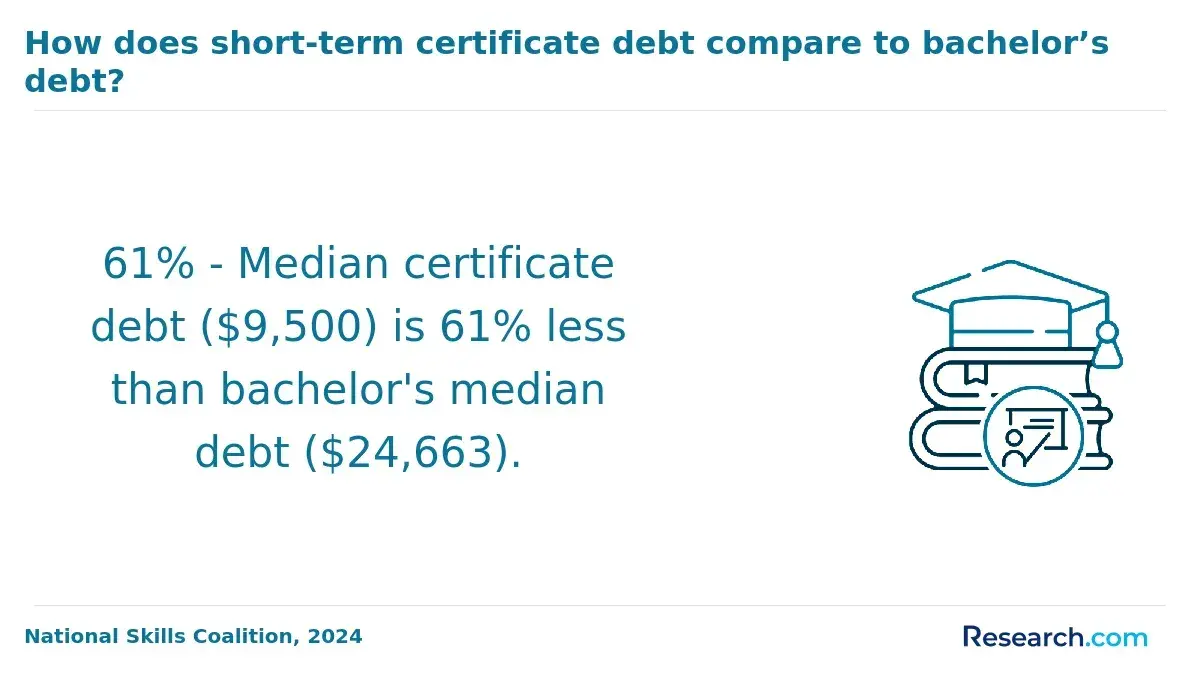
Cost considerations are especially important for career changers pursuing a biology degree, as many balance education with ongoing financial responsibilities. Graduate education in the U.S. averages over $30,000 annually, contributing to a national student loan debt exceeding $1.7 trillion, which highlights the need for careful planning. Below are the main components that influence the overall biology degree cost for career changers.
- Tuition and Fees: Tuition typically ranges from $10,000 to $50,000 per year depending on the institution and enrollment status (full or part time). Many programs offer flexible payment plans or part-time options, ideal for working professionals seeking to minimize financial strain.
- Textbooks and Supplies: Course materials can be a significant expense, especially for biology programs that require up-to-date textbooks and specialized supplies. Digital resources and open educational materials can sometimes reduce these costs.
- Laboratory Expenses: Labs often require additional fees for equipment and consumables, potentially adding several hundred to a few thousand dollars annually. Programs accommodating working adults may offer some flexibility here with evening or weekend lab sessions.
- Technology and Software: Certain courses may require technology tools or software licenses for simulations and data analysis. These costs vary but should be factored in, especially if pursuing an accelerated degree path or online courses.
- Employer Assistance and Funding: Many career changers benefit from employer tuition reimbursement or education assistance programs, which can substantially lower out-of-pocket expenses. Additionally, credit for prior learning can shorten program duration and save money, helping working professionals complete their biology degree more efficiently.
For adult learners exploring options, some pursue fields related to biology through alternative routes such as an online nursing degree to complement their scientific background. Considering all direct and indirect costs-including potential income loss or childcare-is essential to making a sustainable investment in education while transitioning careers.
How Does a Biology Curriculum Support Career Transitions?
Curriculum design is especially important for career changers because it must accommodate diverse backgrounds and varied learning speeds, helping adult learners transition efficiently. A well-structured biology degree curriculum for career changers balances foundational knowledge with practical skills, ensuring adaptability in new professional contexts. The following key features illustrate how a biology curriculum supports career transitions:
- Applied Learning: Laboratory work and field exercises simulate real professional environments, giving learners practical experience that bridges theory and practice.
- Transferable Skills: Emphasis on critical thinking, data analysis, communication, and problem-solving equips students with competencies valuable across healthcare, environmental science, biotechnology, and research sectors.
- Flexible Pacing: Offers part-time and accelerated course options to fit varied schedules, allowing working adults to balance education with existing commitments.
- Project-Based Assignments: Encourages real-world problem-solving and interdisciplinary collaboration, fostering skills directly applicable to workplace challenges.
- Experiential Opportunities: Internships, cooperative education, and partnerships with communities provide hands-on learning and professional networking crucial for successful career shifts.
Incorporating these elements helps adult learners translate academic concepts into marketable skills aligned with their career goals. Many find that selecting programs alongside resources such as the cheapest BSN programs also supports efficient career mobility by minimizing financial barriers during the transition.
What Careers Can Career Changers Pursue With a Biology?
Career changers must consider potential job outcomes to align their education with labor market needs and personal aspirations. The U.S. Bureau of Labor Statistics forecasts a 7% increase in life science occupations through 2032, indicating steady employer demand. Below are several career paths well suited for those with a biology degree.
- Healthcare Professions: These roles involve patient care or medical research, applying biology knowledge to support diagnosis, treatment planning, and clinical studies. Transferable skills like critical thinking and communication ease the transition for professionals entering healthcare.
- Environmental Science Specialists: Professionals assess natural systems and design sustainable solutions by combining analytical expertise with practical fieldwork. This career benefits those with adaptability and problem-solving experience from prior work.
- Biotech Industry Roles: Working in research and development, these positions require lab skills and innovation to create biological products. Individuals changing careers can leverage their analytical and technical acumen to thrive here.
- Science Education: Teaching or curriculum design roles utilize communication skills to convey complex biological concepts effectively. This path suits career changers with a passion for education and explaining science to diverse audiences.
- Pharmaceutical Research: In this field, professionals conduct drug testing and analyze biological responses, blending scientific knowledge with regulatory understanding. It offers a strong fit for those with attention to detail and prior experience in structured environments.
What Is the Average Salary After Earning a Biology Degree as a Career Changer?
Salary expectations play a vital role for professionals shifting careers by earning a biology degree, as they help assess the investment of time and resources against future income potential. Research indicates that individuals who reskill can see a median salary boost of about 14% after completing new educational qualifications. Below are key salary insights relevant to biology degree holders entering new fields.
- Entry-Level Salaries: Typically range from $40,000 to $60,000 annually, depending on the position and location. Fresh graduates often start at the lower end but can progress quickly with experience.
- Experienced Professionals: Those with several years of related work or advanced degrees can expect salaries between $60,000 and $90,000. Experience and higher education credentials often translate to better pay.
- Industry Variation: Sectors like pharmaceuticals, biotechnology, and environmental consulting generally offer more lucrative compensation compared to basic research roles, reflecting demand and specialization.
- Geographic Influence: Urban areas and regions with a strong presence of biotech companies tend to provide higher wages, reflecting cost of living and local industry strength.
- Transferable Skills Impact: Career changers with previous management or technical experience may negotiate salaries above median levels, leveraging their broader skill set to enhance earning potential.
What Graduates Say About Their Biology Degrees for Career Changers
- Miller: "Switching careers felt daunting, but enrolling in a biology degree program gave me clear direction. Although the average cost of attendance was around $30,000, I felt the investment was worthwhile for long-term growth. Completing the program helped me land a role in environmental research, which I find deeply fulfilling now. "
- Emery: "Reflecting on my decision to pursue a biology degree, I recognized it was an expensive but necessary step to pivot my career. The $25,000 to $35,000 cost range was intimidating, yet the knowledge and credentials I gained transformed my professional opportunities in healthcare biotech. It was a challenging but rewarding journey. "
- Gabriel: "My professional shift to biology was driven by a desire to contribute more meaningfully to science. Despite concerns about the $28,000 average tuition, earning my degree significantly boosted my confidence and credibility. Today, I work in genetic counseling, and this change would not have been possible without my biology education. "
Other Things You Should Know About Biology Degrees
Many institutions offer scholarships specifically for non-traditional students, including career changers. Additionally, federal aid options like the FAFSA and specific grants for adult learners can help offset costs. It's advisable to check with individual universities for tailored programs supporting career changers in 2027.
In 2027, various resources support career changers pursuing biology degrees. Universities often offer tailored advising, foundational courses, and workshops to bridge knowledge gaps. Online platforms and peer study groups are also popular, providing flexibility and a community for non-traditional students to adjust and thrive.
References
- What Are the Benefits of Being a Performing Arts Major? | Barton College https://www.barton.edu/what-is-possible-with-a-biology-degree/
- LibGuides: Biology: Biology Careers: What You Can Do with a Biology Degree https://libguides.csun.edu/biol
- Most In-Demand Biology Career Options for 2026 https://www.careerplanneredufair.com/biology-career-options/
- Biology Majors Explained: Fields, Careers & Study Paths https://theredpen.in/blog/the-diverse-world-of-biology-majors-a-comprehensive-guide/
- Sample Pathways to Four-Year Biology Degree | Department of Biology https://biology.tcnj.edu/sample-pathways-to-four-year-biology-degree/
- Major Specializations — Biological Sciences Undergraduate Program https://bsci.umd.edu/specialize
- Guide to Transitioning to Science Career - Luma Recruiting https://lumarecruiting.com/guide-to-transitioning-to-science-career/
- How To Become A Biologist | Biology Degrees And Careers https://www.learnhowtobecome.org/science-technology-careers/biology/
- One-Year Program for Career Changers https://www.colorado.edu/ceprehealth/one-year-program-career-changers
- How to Create a Biology Course Plan for Accelerated Degree Completion https://straighterline.com/blog/how-to-create-an-efficient-biology-course-plan-for-accelerated-degree-completion


