
2027 Most Popular Concentrations in Pharmacy Degrees

Co-Founder and Chief Data Scientist
Pharmacy students are not just choosing a degree; they are choosing the kind of medication expert they want to become. A concentration can shape clinical rotations, research exposure, residency competitiveness, industry opportunities, and the settings where graduates are most likely to work.
That choice matters as healthcare systems rely more heavily on pharmacists for medication management, specialty therapies, data-informed care, and cost-effective treatment decisions. With a reported 12% growth in demand for specialized pharmacy professionals, students should compare concentrations by career fit, academic difficulty, accreditation expectations, admissions requirements, and long-term salary potential.
This guide explains the most popular pharmacy concentrations, the skills they require, how online and campus-based tracks compare, which options tend to be most demanding, and how to choose a path that matches your strengths and career goals.
Key Benefits of Popular Concentrations in Pharmacy Degrees
- Specialized concentrations in pharmacy improve employment rates by 15% due to alignment with high-demand sectors like oncology or clinical pharmacy.
- Advanced training sharpens skills in patient management and pharmaceutical technology, essential for leadership roles and innovative care solutions.
- Concentrations respond to evolving industry needs, ensuring graduates remain competitive as pharmacy practice increasingly integrates data analytics and personalized medicine.
What Are the Most Popular Pharmacy Concentrations in 2027?
The most popular pharmacy concentrations are the ones that connect directly to major workforce needs: patient care, drug development, specialty therapies, health system efficiency, and regulatory oversight. Students should not choose a concentration only because it sounds prestigious. The better question is whether the concentration builds the experience, rotations, and professional network needed for the role they want after graduation.
Commonly selected pharmacy concentrations include the following:
- Clinical Practice: Acute care and ambulatory care pharmacy remain widely chosen because hospitals, clinics, and outpatient care teams need pharmacists who can evaluate medication therapy, monitor outcomes, counsel patients, and work with physicians and nurses. This path is strongest for students who want direct patient care and may pursue residency training.
- Pharmaceutical Sciences: Research-focused tracks appeal to students interested in drug discovery, formulation, pharmacology, and translational science. With 1,798 graduates in pharmaceutical sciences and 542 in pharmaceutics and drug design recently, these concentrations continue to support careers tied to drug development and therapeutic innovation.
- Health Economics and Outcomes Research (HEOR): HEOR prepares students to evaluate whether treatments are clinically effective, economically reasonable, and valuable to patients and healthcare systems. It is a strong fit for students interested in managed care, pharmaceutical industry roles, payer strategy, policy, or evidence generation.
- Specialty Pharmacy: Specialty pharmacy focuses on complex, high-cost, or closely monitored therapies for conditions such as HIV, diabetes, rare diseases, cancer, and immune disorders. Students drawn to patient education, adherence support, insurance navigation, and advanced therapies often find this concentration practical and market-aligned.
- Pharmacy Administration and Regulatory Affairs: With 266 graduates, this concentration supports students interested in pharmacy leadership, compliance, quality systems, health policy, and regulatory processes. It can lead to roles in health systems, pharmaceutical companies, insurers, government agencies, and large pharmacy organizations.
When comparing concentrations, consider how each one affects your likely work setting, need for residency or fellowship training, exposure to research, and tolerance for patient-facing versus systems-level work. It can also help to compare pharmacy against other employable college majors when evaluating long-term career flexibility.
What Skills Are Required for the Top Pharmacy Concentrations?
The top pharmacy concentrations require a shared foundation in pharmacology, patient safety, ethics, evidence-based practice, and communication. The difference is in how those skills are applied. A clinical pharmacy student may use evidence to adjust a medication plan at the bedside, while a pharmaceutical sciences student may use similar reasoning to interpret laboratory results or evaluate a drug candidate.
Students should assess both their current strengths and the skills they are willing to build over several years of demanding coursework, labs, rotations, and professional practice experiences.
- Analytical Thinking: Pharmacists must interpret lab values, medication histories, clinical trial data, adverse effects, dosing guidelines, and research findings. This skill is especially important in clinical pharmacy, HEOR, pharmaceutical sciences, and drug safety roles.
- Effective Communication: Pharmacy professionals explain complex information to patients, physicians, nurses, researchers, regulators, and business teams. Clinical and specialty pharmacy require strong patient counseling skills, while regulatory affairs and industry roles demand precise written documentation.
- Technical Proficiency: Students may need to use electronic health records, pharmacy dispensing systems, sterile compounding tools, laboratory equipment, statistical software, or data platforms. The required tools vary by concentration, but comfort with technology is increasingly important across the field.
- Problem-Solving Skills: Pharmacy work often involves incomplete information, medication conflicts, insurance barriers, adverse reactions, or research setbacks. Strong students can identify the problem, evaluate options, and recommend a safe, evidence-based solution.
- Ethical Judgment and Professionalism: Pharmacists handle sensitive health information, controlled substances, patient safety risks, conflicts of interest, and high-stakes treatment decisions. Ethical judgment is not optional; it is central to licensure, patient trust, and professional credibility.
- Scientific Writing and Documentation: Research, regulatory affairs, HEOR, and clinical practice all require accurate documentation. Students should be prepared to write care notes, research summaries, protocols, formulary reviews, or compliance reports depending on their concentration.
- Collaboration: Most pharmacy roles are team-based. Clinical pharmacists work with healthcare teams, industry pharmacists work with scientists and regulatory specialists, and administrators coordinate with operations, finance, compliance, and patient care leaders.
Students considering additional graduate study should remember that pharmacy preparation differs from general master’s programs. Resources on the easiest master’s degree pathways may help with broad academic planning, but pharmacist preparation usually requires meeting PharmD, accreditation, rotation, and licensure expectations.
Do Different Pharmacy Concentrations Have Different Admission Requirements?
Most pharmacy concentrations do not have completely separate admissions requirements at the point of entry. In many PharmD programs, applicants are admitted to the professional program first and later select electives, tracks, certificates, rotations, or concentration-related experiences. That means the core admissions requirements usually apply to all applicants, regardless of whether they are interested in clinical practice, pharmaceutical sciences, HEOR, regulatory affairs, or specialty pharmacy.
Applicants should still check each school carefully. Program requirements can vary by institution, and some schools may expect stronger preparation in certain subjects based on their curriculum design, research strengths, or professional focus.
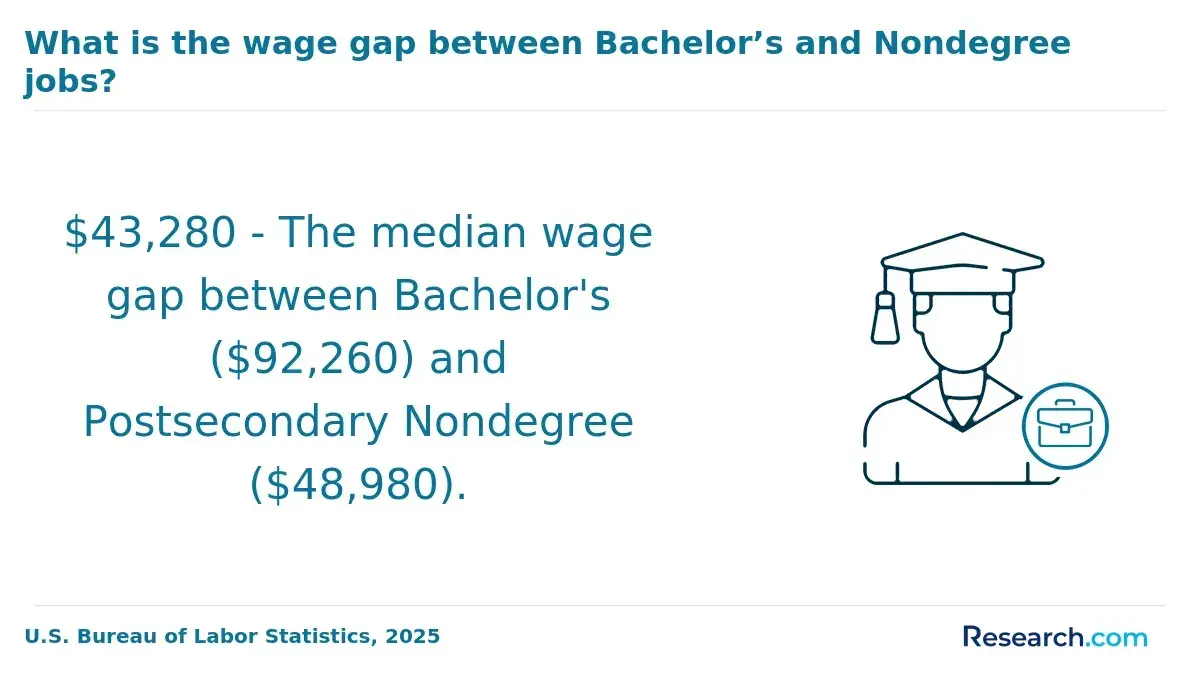
Typical admissions factors include prerequisite coursework in sciences and related subjects, GPA standards, interviews, professional experience, recommendation letters, and evidence of readiness for patient-centered and scientifically rigorous study. Prerequisites usually range from 26 to 92 credit hours, so students should map requirements early instead of assuming that one school’s checklist applies everywhere.
Concentration-specific differences are more likely to appear after admission. For example, a research-focused path may expect students to complete lab work, faculty-supervised projects, or advanced statistics. A clinical concentration may place more emphasis on rotation performance, communication, and readiness for direct patient care. A regulatory or administration focus may value writing, policy awareness, leadership, or prior work experience.
Students using community college or associate-level coursework to complete prerequisites should confirm transferability before enrolling. A low-cost online associate degree may help some students complete general education or prerequisite credits, but PharmD programs decide which credits meet their admissions standards.
Do Specific Pharmacy Concentrations Require Accredited Programs?
Yes. Accreditation matters for pharmacy education, but the key requirement usually applies to the pharmacy program itself rather than only to an individual concentration. Students who plan to become licensed pharmacists should prioritize programs that meet the accreditation expectations required for licensure, clinical training, financial aid eligibility, and employer recognition.
- Licensure Eligibility: Graduating from an ACPE-accredited pharmacy program is mandatory to sit for licensing exams like the NAPLEX®, enabling graduates to practice legally.
- Employer Confidence: Hospitals, health systems, community pharmacies, industry employers, and managed care organizations often use accreditation as a baseline signal that the program met recognized educational standards.
- Certification and Residency Preparation: Specialty certifications, residencies, and advanced practice opportunities may require or strongly prefer graduates from accredited programs with appropriate clinical preparation.
- Federal Financial Aid: Accreditation affects access to federal student loans and grants, which can be essential for students pursuing advanced pharmacy education.
- Curriculum Quality: Accredited programs must maintain structured academic, experiential, and assessment standards. This is especially important in fields where patient safety, medication accuracy, and professional judgment are central.
- Credit Transfer and Academic Mobility: Students are more likely to receive meaningful recognition for completed coursework when moving between recognized institutions, although transfer decisions remain school-specific.
Students should verify accreditation status directly before applying, especially when considering newer, hybrid, or online-heavy programs. A concentration title may sound attractive, but it should not outweigh the importance of accredited preparation for licensure and professional credibility.
Is the Quality of Online Pharmacy Concentration Tracks the Same as On-Campus Programs?
Online and on-campus pharmacy concentration tracks can be comparable in academic quality when they share the same accreditation standards, qualified faculty, assessment expectations, and required experiential training. The format itself is not the main issue. The better measure is whether the program provides rigorous coursework, supervised practice, reliable student support, and access to required labs and clinical experiences.
Students comparing hybrid PharmD options and online pharmacist programs should look closely at how the program handles in-person requirements, clinical placements, laboratory work, and state authorization.
- Curriculum Standards: High-quality online and campus-based tracks should cover the same essential competencies, including pharmacotherapy, patient safety, calculations, ethics, communication, and evidence-based practice.
- Accreditation Compliance: Accreditation expectations apply regardless of delivery format. Students should confirm that online or hybrid delivery does not weaken licensure preparation.
- Faculty Expertise: Faculty quality matters in every format. Strong programs provide access to instructors, preceptors, advisors, and mentors who understand both academic expectations and pharmacy practice.
- Learning Outcomes: Programs should be able to explain how they assess competency, exam readiness, clinical decision-making, and professional behavior across online and in-person components.
- Technology Integration: Online coursework can work well for lectures, case discussions, simulations, exams, and collaborative assignments when the platform is reliable and faculty are trained to teach effectively online.
- Student Support Services: Advising, tutoring, career planning, technical support, and rotation coordination are especially important for online learners who may not have easy access to campus offices.
- Hands-on Training: Pharmacy education cannot be entirely theoretical. Labs, simulations, introductory pharmacy practice experiences, and advanced clinical rotations remain essential, even in hybrid or online-oriented programs.
A hybrid format can be a strong option for students who need scheduling flexibility, but it requires self-discipline and careful planning. Before enrolling, ask where in-person sessions occur, how often travel is required, who arranges clinical sites, and what happens if a placement is unavailable in your area.
Which Pharmacy Concentration Is the Hardest to Complete?
The hardest pharmacy concentration depends on the student’s strengths, but concentrations tied to advanced clinical care, intensive research, oncology, critical care, pharmacotherapy, and regulatory complexity are often among the most demanding. Difficulty usually comes from the volume of material, the consequences of error, the amount of independent work required, and the intensity of rotations or research expectations.
- Pharmacotherapy Complexity: Advanced clinical paths require students to understand drug interactions, organ function, dosing adjustments, treatment guidelines, monitoring parameters, and multiple disease states at the same time.
- Research and Laboratory Demands: Pharmaceutical sciences and related research tracks may require lab work, study design, statistical analysis, technical writing, and original research beyond standard coursework.
- Clinical Rotation Intensity: Acute care, critical care, infectious disease, and oncology rotations can require fast clinical reasoning, strong communication, and the ability to make recommendations under pressure.
- Regulatory and Compliance Knowledge: Regulatory affairs and quality-focused tracks require attention to evolving FDA regulations, documentation standards, safety requirements, and industry processes.
- Prerequisite Foundation: Students who are less confident in organic chemistry, biochemistry, physiology, statistics, or pharmacology may find certain concentrations more difficult because advanced coursework builds quickly on those subjects.
Students should not avoid a concentration only because it is difficult. Instead, they should ask whether the challenge matches their goals. A demanding concentration may be worthwhile if it leads to the rotations, residency competitiveness, research experience, or industry preparation needed for a specific career path.
What Careers Can You Get with Each Pharmacy Specialization?
Each pharmacy specialization points toward different work settings and career paths. Some lead to direct patient care, while others prepare graduates for research, policy, management, drug safety, or industry roles. The best concentration is the one that builds the credentials and experience employers in your target setting actually value.
- Clinical Pharmacy: Graduates may work as clinical pharmacists, ambulatory care pharmacists, medication therapy management specialists, or hospital-based pharmacy team members. These roles often involve optimizing medication plans, monitoring outcomes, and collaborating with physicians and nurses.
- Oncology Pharmacy: This path prepares students for work in cancer centers, hospitals, infusion clinics, and specialty pharmacy settings. Oncology pharmacists help manage complex regimens, side effects, supportive care medications, and patient counseling.
- Geriatric Pharmacy: Geriatric specialists focus on medication safety for older adults, especially patients taking multiple prescriptions. Career settings may include long-term care, assisted living, home health, consulting pharmacy, and primary care teams.
- Pediatric Pharmacy: Pediatric pharmacists specialize in child-specific dosing, formulations, safety concerns, and communication with families. They may work in children’s hospitals, pediatric clinics, specialty practices, or pharmaceutical settings focused on pediatric therapies.
- Pharmaceutical Industry and Research: Students in pharmaceutical sciences, regulatory affairs, pharmacoeconomics, or related tracks may pursue roles in drug development, biotechnology, medical affairs, regulatory strategy, pharmacovigilance, clinical research, or health outcomes research.
- Health Economics and Outcomes Research: HEOR graduates may work with payers, pharmaceutical companies, consulting firms, health systems, or policy organizations to evaluate clinical value, cost-effectiveness, real-world evidence, and treatment outcomes.
- Pharmacy Administration: Administration-focused graduates may move into pharmacy operations, compliance, medication-use policy, leadership, purchasing, quality improvement, or health system management.
Career outcomes also depend on residency, fellowship, board certification, location, networking, and prior experience. A concentration can open doors, but students should pair it with rotations, projects, and mentors that match their intended career setting.
What Market Trends Are Shaping the Top Pharmacy Concentrations in 2027?
Market trends are pushing pharmacy education toward more specialized, data-literate, and patient-centered training. Students should use these trends as context, not as the only basis for choosing a concentration. A high-demand area is most useful when it also matches your strengths and preferred work environment.
- Specialty and Clinical Focus: Healthcare systems continue to need pharmacists who can manage complex therapies, high-risk medications, chronic conditions, and transitions of care. Acute care, ambulatory care, oncology, infectious disease, and critical care concentrations align with this shift.
- Health Systems and Management: As organizations focus on medication safety, cost control, quality metrics, and care coordination, pharmacy administration and outcomes-focused concentrations are becoming more relevant for students interested in leadership and system improvement.
- Pharmaceutical Industry and Entrepreneurship: Growth in pharma, biotech, and advanced therapeutics supports interest in pharmaceutical sciences, regulatory affairs, drug development, medical affairs, and entrepreneurship. These paths can suit students who want impact beyond direct patient care.
- Research and Data Analytics: Evidence-based practice increasingly depends on biostatistics, real-world evidence, informatics, outcomes research, and data interpretation. Students with strong analytical skills may find HEOR, informatics, and research concentrations especially useful.
- Patient Access and Medication Affordability: Specialty therapies and complex insurance processes have increased the need for pharmacists who understand prior authorization, adherence barriers, patient assistance, and value-based care.
The safest approach is to compare trends with local employer demand, residency availability, faculty expertise, and the kinds of rotations your program can provide. A concentration is more valuable when the school has the infrastructure to support it well.
What Are the Average Salaries for Popular Pharmacy Concentrations?
Average salaries for pharmacy concentrations vary by role, employer, region, experience, residency training, certification, and whether the pharmacist works in retail, hospital, ambulatory care, managed care, industry, or research. Salary should be one factor in your decision, but not the only one. Work schedule, burnout risk, advancement options, and fit with your strengths matter too.
- Clinical Pharmacy: Clinical pharmacists in ambulatory care earn about $150,110 annually, while those in hospitals make around $144,460. Additional board certifications can boost salaries by 5-15%, reflecting the increased demand for expertise in medication management and patient care.
- Hospital Pharmacy: Hospital pharmacists typically earn the highest base salaries, ranging from $135,000 to $150,000. Those with certifications command premiums that recognize the complexity of hospital work, sustaining steady demand for this specialization.
- Retail Pharmacy: Salaries in retail pharmacies range between $120,000 and $141,880, depending on the employer type. General merchandise retailers offer higher pay than traditional drug stores, though retail positions usually have lower earning potential compared to clinical or hospital roles.
- Pharmaceutical Industry and Managed Care: These sectors offer the top salaries, often exceeding $160,000 for experienced professionals. Specialized roles in drug development and regulatory affairs drive these premium compensations in a highly competitive market.
Students should compare salary data by location and employer type because regional differences can be significant. Pharmacy concentration salaries in California versus other states, for example, may influence whether a higher-paying role also comes with higher living costs or different licensing considerations. Students comparing pharmacy with other fast-return education paths may also review options for a quick degree that can lead to strong salaries, while recognizing that pharmacist licensure follows a more regulated and specialized route.
How Do You Choose the Best Concentration in a Pharmacy Program?
Choose a pharmacy concentration by working backward from the role you want, then testing whether the concentration gives you the coursework, rotations, mentorship, and credentials needed for that role. A good concentration should fit your interests, but it should also be realistic based on your academic strengths, program resources, and willingness to complete additional training such as residencies or fellowships.
- Career Aspirations and Specialty Interest: Identify your preferred setting first: hospital, clinic, community pharmacy, long-term care, research lab, pharmaceutical company, managed care organization, government agency, or leadership role. Then choose the concentration most likely to prepare you for that environment.
- Skill Development and Aptitudes: Match the concentration to how you work best. Clinical pharmacy rewards communication and rapid decision-making. Pharmaceutical sciences requires patience with research and technical detail. HEOR favors data analysis and policy thinking. Administration requires leadership, operations awareness, and sound judgment.
- Industry Demand and Job Market Trends: Review job postings, residency placements, fellowship options, and employer needs in your target region. Specialty pharmacy areas including oncology and infectious disease have consistent demand, and management-oriented roles can be attractive for students interested in operations or healthcare systems.
- Program Flexibility and Electives: A strong program should offer electives, experiential rotations, faculty mentorship, and projects that support your concentration. If the school lists a track but has limited faculty, limited clinical sites, or few related placements, ask deeper questions before relying on that concentration.
- Admission Requirements and GPA Standards: Most concentration choices occur after admission, but students should still understand academic expectations. Some tracks may be competitive, require strong performance in prerequisite or professional coursework, or expect research, leadership, or practice experience.
- Residency, Fellowship, or Certification Plans: Some careers are easier to enter with postgraduate training. Clinical specialties often benefit from residency preparation, while industry roles may align with fellowships, research experience, or regulatory projects.
- Cost and Time Commitment: Consider tuition, living expenses, travel for clinical placements, licensing costs, and the opportunity cost of additional training. The best concentration should support a career outcome that justifies the investment for your circumstances.
Students still exploring education formats may find broader comparisons of online vocational school options useful for understanding program delivery and career-focused training, but pharmacy concentration decisions should be based on accredited pharmacy education, licensure goals, and professional practice requirements.
What Graduates Say About Their Popular Concentrations in Pharmacy Degrees
- Lennon: "Pursuing a concentration in pharmaceutical sciences was a truly enlightening experience. The hands-on lab work and research opportunities deepened my understanding far beyond textbooks. Although the average cost of attendance hovered around $30,000 per year, the knowledge and career prospects I gained were invaluable."
- Forest: "The clinical pharmacy concentration challenged me to think critically and communicate effectively with patients and healthcare teams. Reflecting on the costs, which typically range from $25,000 to $35,000 annually, I found the investment worthwhile for the doors it opened toward hospital and community pharmacy roles. This degree shaped both my professional path and personal growth."
- Leonie: "Opting for a focus in pharmacoeconomics provided me with a unique lens on healthcare resource management. While the tuition fees were significant, averaging about $28,000 each year, the analytical skills and career flexibility it afforded made the expense manageable and rewarding. It's a smart choice for anyone interested in the business side of pharmacy."
Other Things You Should Know About Pharmacy Degrees
Yes, pharmacy students can change their concentration during their degree program, although the feasibility depends on the institution's policies and timelines. Students should consult their academic advisors to ensure they meet any specific requirements or deadlines associated with changing concentrations.
In 2027, the most trending specialties in Pharmacy Degrees include clinical pharmacy, pharmacotherapy, informatics, and pharmaceutical research. These areas are gaining popularity due to the increasing demand for specialized pharmaceutical knowledge and the evolving landscape of healthcare technology.
References
- Verifying that you are not a robot... https://www.idstewardship.com/5-hardest-things-pharmacy-school/
- 37 In-Demand Skills Every Pharmacy Technician Needs https://ccitraining.edu/blog/top-37-pharmacy-technician-skills-to-boost-your-resume-in-2025/
- Accreditation in Specialty Pharmacy: No Longer Optional | Pharmacy Times https://www.pharmacytimes.com/view/accreditation-in-specialty-pharmacy-no-longer-optional
- Exploring the Experiences of Pharmacy Students and Their Transition to Online Learning during COVID-19 https://pmc.ncbi.nlm.nih.gov/articles/PMC9498674/
- Two-Minute Takeaway: Pharmacy | 2025 Market Trends https://www.bbrown.com/us/insight/two-minute-takeaway-pharmacy-2025-market-trends/
- Top Skills You Will Learn In A B.Pharm Program - Alpine Group Of Institutes https://alpinecollege.edu.in/top-skills-you-will-learn-in-a-b-pharm-program/
- Pharmacy Professional Skills | Top Skills for Success in Pharma https://xpresshealth.ie/top-skills-for-success-in-pharma
- Pharmacy Accreditation: Is It Worth the Effort? https://www.wolterskluwer.com/en/expert-insights/pharmacy-accreditation-is-it-worth-the-effort
- 100+ Pharmacy Careers https://pharmacy.llu.edu/100-pharmacy-careers
- Best 15 Pharmacy Courses to Boost Your Career in 2025 | Elite Expertise https://www.eliteexpertise.com.au/15-top-pharmacy-courses-for-advancing-your-career-in-healthcare


