
2027 Different Types of Biotechnology Degrees and Their Salaries

Co-Founder and Chief Data Scientist
The biotechnology field is experiencing rapid growth, driven by advancements in healthcare, agriculture, and environmental science, creating a high demand for skilled professionals. According to recent labor statistics, employment in this sector is projected to grow significantly faster than the average for all occupations over the next decade. Selecting the right educational path is crucial for those aiming to enter this dynamic industry and maximize their career potential. This article provides an expert overview of the various types of biotechnology degrees available and explores the earning prospects graduates can anticipate in each area, helping prospective students make informed decisions aligned with their career goals.
Key Points About Different Types of Biotechnology Degrees and Their Salaries
- Individuals with an associate degree in biotechnology often qualify for entry-level laboratory technician roles, earning an average salary of around $45,000 annually, but may face limited advancement opportunities compared to those with higher degrees.
- Bachelor's degree holders in biotechnology have access to a wider range of positions including research associate and quality control analyst, with median salaries typically ranging from $60,000 to $75,000, reflecting increased responsibilities and more competitive job prospects in the rapidly growing biotech sector.
- Professionals holding a master's degree in biotechnology or related fields generally experience significant salary growth, often exceeding $90,000 per year, and enjoy enhanced career growth potential in specialized research, development, and managerial roles within both industry and academia.
What Are the Different Types of Biotechnology Degrees Available?
Understanding the different biotechnology degree types and levels is important for students to make informed decisions that suit their unique career aspirations and educational needs. Each degree option offers a tailored academic experience with varying depths of study and practical knowledge relevant to different roles in the biotechnology field.
To clarify these distinctions, here are the main types of biotechnology degrees and what makes each one unique.
- Associate Degree in Biotechnology: This foundational program introduces fundamental biological and chemical principles, laboratory techniques, and basic concepts of biotechnology. Coursework typically covers general biology, chemistry, and introductory biotechnology labs, setting a groundwork for further study or entry-level lab work.
- Bachelor's Degree in Biotechnology: Focused on building a broad understanding of molecular biology, biochemistry, genetics, and bioengineering, this degree emphasizes hands-on lab work and interdisciplinary courses. Students study subjects like cell biology, microbiology, organic chemistry, and immunology, preparing them for analyzing complex biological systems.
- Master's Degree in Biotechnology: This advanced degree delves into specialized topics such as biopharmaceutical technologies, molecular analytics, and biotechnology operations. Coursework often includes research methodology, advanced lab techniques, and interdisciplinary electives to deepen expertise and practical skills.
- Doctoral Degree in Biotechnology: Emphasizing original research and theoretical knowledge, doctoral programs require independent research, thesis or dissertation work, and specialized seminars. The curriculum aims to foster innovation and critical thinking at the highest academic level to contribute new knowledge to the field.
- Post-Doctoral Training in Biotechnology: This stage involves focused research projects and advanced technical training beyond the doctoral level. Participants engage in pioneering investigations and further refine their expertise while collaborating closely with established scientists to advance biotechnology research.
Salary prospects in biotechnology vary with degree level, with master's degree holders often earning more than those with bachelor's degrees, making it helpful to consider advanced education options.
For students interested in short-term skill advancements, exploring 6 month certifications that pay well can also be a worthwhile option.
What Specializations Are Available in Biotechnology Degrees?
Choosing a specialization within a biotechnology degree is a crucial decision that helps students tailor their education to specific career objectives and industry demands. Specializations not only guide course selection and skill development but also open pathways to targeted professional roles with enhanced salary potential.
Here are several common specializations available in biotechnology degrees:
- Biotechnology - Molecular Genetics: Focuses on the structure, function, and manipulation of genes. Students develop skills in genome analysis and genetic engineering, preparing for roles in genetic testing, molecular diagnostics, and gene therapy research.
- Biotechnology - Bioinformatics: Combines biological sciences with computational techniques to analyze complex datasets. Graduates gain expertise in computational modeling and statistical analysis, pursuing careers in pharmaceutical research, genomics, and medical informatics.
- Biotechnology - Bioprocess Engineering: Centers on optimizing biological manufacturing processes such as fermentation and cell culture. This specialization equips students for positions in industrial production, quality control, and process development within biotech companies.
- Biotechnology - Environmental Biotechnology: Emphasizes applying biological systems to solve environmental problems like pollution and sustainability. Careers often include environmental consulting, regulatory affairs, and governmental roles focused on bioremediation.
- Biotechnology - Computational Health Informatics: Integrates computer science with healthcare to manage medical imaging, wearable sensor data, and electronic health records. Graduates find opportunities in health technology companies and clinical data management.
- Biotechnology - Plant and Agricultural Biotechnology: Specializes in plant genetics, crop development, and pest management strategies. This prepares students for work in agribusiness, seed companies, and research focused on food production and crop improvement.
For those seeking guidance on selecting the easiest bachelor degree to get online, reviewing biotechnology specializations can provide clarity on which pathway best fits their career goals and interests.
How Long Does It Take to Complete Each Type of Biotechnology Degree?
Understanding the typical duration of biotechnology degree programs is crucial for students as they plan their educational and career paths. Knowing how long each type of program generally takes helps learners manage their time, finances, and expectations effectively.
Below is an overview of the main biotechnology degree types and their usual completion times:
- Associate Degree in Biotechnology: This program typically requires about two years of full-time study at a community college or technical school. Part-time attendance can extend the duration, while transfer credits from previous coursework may shorten it. Some institutions offer accelerated or online options to accommodate working students.
- Bachelor's Degree in Biotechnology: Usually completed in four years of full-time study, this undergraduate degree provides a comprehensive foundation in biotechnology. Students attending part-time or those who change majors may take longer, while some universities offer accelerated tracks or hybrid online courses.
- Master's in Biotechnology: A master's degree generally takes 1.5 to 2 years full-time beyond the bachelor's degree. Part-time study and research commitments can extend this period. Many programs now offer online or evening classes for working professionals seeking flexibility.
- Doctorate (PhD) in Biotechnology: Earning a doctorate usually takes 4 to 6 years after the master's or bachelor's degree, largely depending on research progress and dissertation completion. Some students may finish faster with focused projects, while others extend their timeline due to complex research. Part-time doctoral options are less common but occasionally available.
Are There Accelerated Biotechnology Degree Programs?
Yes, accelerated biotechnology degree programs do exist at several U.S. institutions, designed to help motivated students complete their education faster than traditional timelines.
These programs often allow undergraduates to start graduate-level biotechnology courses during their final years, with some credits counting toward both bachelor's and master's degrees simultaneously. This approach can reduce the usual six or more years required for separate degrees to about five years.
Common formats that enable this accelerated completion include condensed courses that cover material more intensively over shorter periods, year-round academic terms such as trimesters or quarters which minimize lengthy breaks, and the strategic use of transfer or double-counted credits.
These strategies combined can cut significant time from degree completion while ensuring students meet graduate-level competencies. However, accelerated biotechnology programs typically come with heavier workloads and more demanding schedules.
Students need to manage advanced coursework sooner and often deal with fewer opportunities for rest or downtime. Eligibility requirements are generally stringent, including maintaining a strong cumulative GPA-commonly around 3.0 to 3.5-and completing a required number of undergraduate credits before transitioning to graduate-level studies.
Such programs are not ideal for everyone, as they require robust time-management skills and the ability to thrive under pressure. Nonetheless, they offer the advantage of early entry into the biotechnology workforce, where master's degree holders can expect median annual salaries ranging between $75,000 and $95,000, depending on specialization and location.
An accelerated biotechnology degree program graduate I spoke with shared insightful reflections on his journey. He described the experience as intense but rewarding, noting that the compressed timeline "forced me to become much more disciplined and organized than I had ever been."
Balancing condensed courses and continuous terms meant little room for error, and he often found himself "studying late into the night just to keep up with the pace." Yet, the opportunity to double-count credits saved him from an extra year of tuition and allowed him to enter the job market sooner than his peers.
He appreciated the challenge, saying it "felt like climbing a steep hill, but the view from the top was worth every difficult step." His story highlighted the reality that accelerated biotechnology programs demand commitment but can accelerate both learning and career advancement significantly.
Are Online Biotechnology Degrees as Credible as Traditional Ones?
Both traditional and online biotechnology degree programs in the United States aim to uphold rigorous academic standards, but they do so through different approaches.
Traditional programs emphasize hands-on laboratory experiences, direct face-to-face instruction, and well-established academic frameworks, which are often viewed as important for professional licensure and partnerships within the industry.
Online biotechnology degrees, on the other hand, use digital platforms, virtual labs, and remote assessments to deliver course content. Recent research shows that well-designed online courses can be as effective as traditional ones, with no significant differences in student outcomes like final grades or knowledge retention.
However, online formats may experience higher attrition rates in lab components and require more self-motivation from students. Hybrid models that blend online coursework with periodic in-person sessions have grown in popularity as a way to balance flexibility with the need for practical skills.
Employer acceptance of online biotechnology degrees has improved significantly, particularly when the degree comes from a reputable, accredited institution. The COVID-19 pandemic helped normalize online education, leading many employers to focus on program quality and institutional reputation rather than how the degree was earned.
Median salaries for biotechnology graduates range between $50,000 and $85,000 for those holding bachelor's degrees, with higher earnings for advanced degrees, regardless of whether the education was online or traditional.
Ultimately, the credibility of a biotechnology degree depends more on the institution's accreditation and industry standing than on whether coursework was completed on campus or online. Prospective students should prioritize program quality, faculty expertise, and alignment with industry standards over the delivery format.
How Much Does Each Type of Biotechnology Degree Typically Cost?
Understanding the differences in tuition costs across biotechnology degree levels is essential for effective budgeting and financial planning. Tuition varies significantly depending on the degree type, institution, and residency status, making it crucial to know typical costs in advance.
The following list outlines typical tuition ranges and considerations for each type of biotechnology degree:
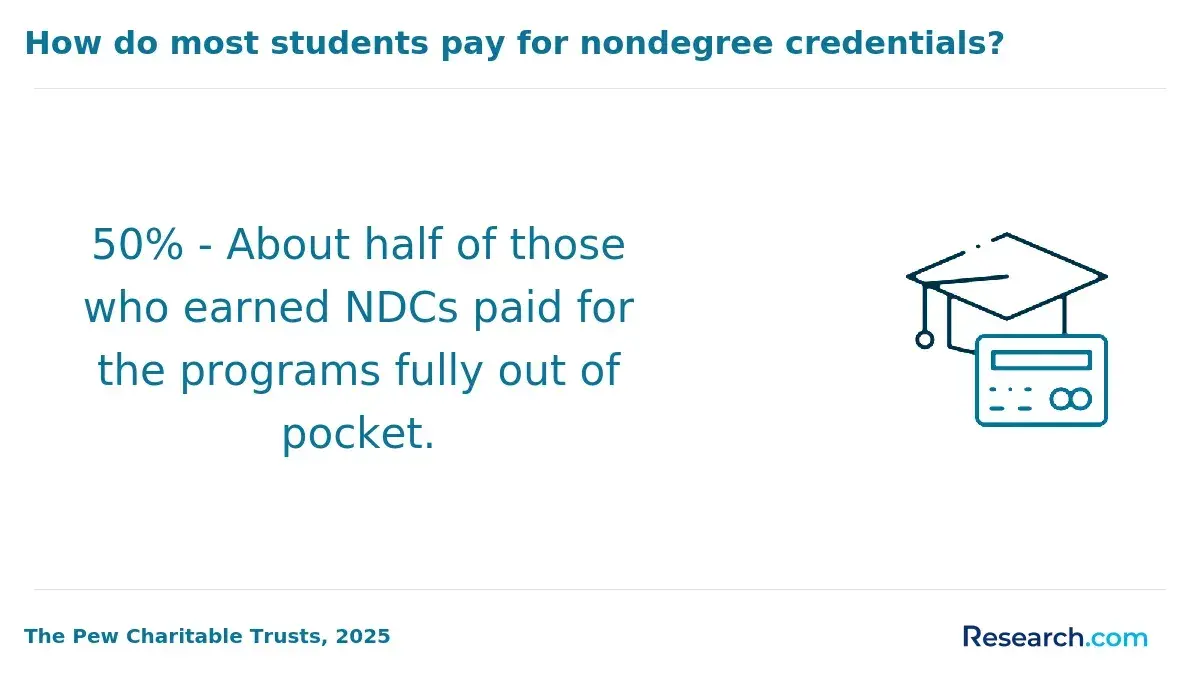
- Associate Degree in Biotechnology: Tuition at community colleges for associate-level biotechnology programs generally ranges from $3,000 to $10,000 per year for in-state students. Out-of-state and private college rates may be higher, but federal Pell Grants, state aid, and community college scholarships often help reduce these expenses.
- Bachelor's Degree in Biotechnology: Undergraduate tuition averages around $10,693 per year for in-state students attending public universities, with out-of-state rates roughly $26,736. Private universities typically charge more-sometimes exceeding $48,000 yearly. Many students rely on merit scholarships, federal and state grants, and work-study options to manage costs.
- Master's in Biotechnology: Graduate tuition for in-state students usually averages $11,563 annually at public institutions, with out-of-state students paying about $28,001. Private programs may charge per-credit fees, leading to total costs between $24,000 and $61,000 depending on program length. Merit-based scholarships, graduate assistantships, and federal loans are common financial aid options.
- Professional Science Master's (PSM) in Biotechnology: Total tuition costs for PSM programs often range from $24,000 to $61,000, with per-unit fees varying by institution. Some programs charge as high as $1,695 per unit, while others are closer to $1,100. Available funding might include limited merit scholarships and employer tuition assistance programs.
- Doctoral (PhD) Programs in Biotechnology: Most U.S. PhD programs provide tuition waivers and offer stipends to admitted students, especially at research universities. Students typically pay only incidental fees, supported through competitive fellowships, teaching assistantships, and grants.
When speaking with a graduate of a biotechnology degree program about tuition costs, she reflected on her experience balancing expenses and opportunities. "I found the upfront tuition estimates daunting, but I was fortunate to secure several scholarships and research assistant positions that eased the financial load," she shared.
She emphasized that seeking out on-campus jobs and assistantships not only helped finance her degree but also enriched her learning. Her journey highlights the importance of exploring diverse aid options and being proactive in managing costs, ultimately enabling her to focus on career-building rather than debt.
She noted, "Understanding the full cost upfront, and then tailoring my financial strategy around that, made all the difference in completing my degree with manageable expenses."
What Jobs Can You Get with Each Type of Biotechnology Degree?
The level of biotechnology degree you earn significantly influences the types of career opportunities available and the responsibilities you can expect to handle. Higher degrees generally qualify graduates for more specialized and senior roles, while lower-level degrees provide foundational technical positions and pathways for advancement.
Below is an outline of common jobs associated with each major type of biotechnology degree.
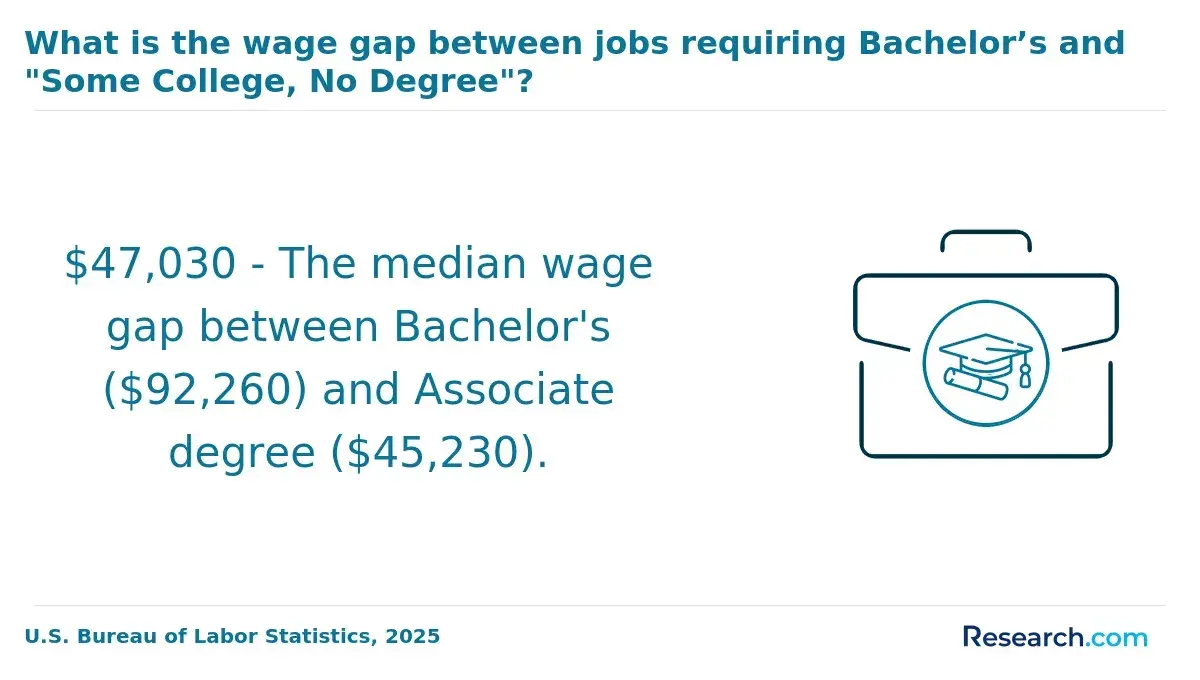
- Associate Degree in Biotechnology: Graduates often qualify for entry-level technician roles such as laboratory technician, manufacturing associate, or agricultural technician. These positions typically involve supporting experiments, operating lab equipment, and assisting with production in pharmaceutical manufacturers, research labs, or agricultural companies. Clinical technicians with this degree earn an average salary of about $45,000 per year.
- Bachelor's Degree in Biotechnology: This degree opens access to roles like associate scientist, process development associate, genomics technician, or product development technician. Responsibilities may include conducting research, analyzing data, and helping with product development at biotech startups, pharmaceutical firms, or government agencies. Salaries for entry-level bachelor's graduates usually start between $50,000 and $65,000 annually.
- Master's Degree in Biotechnology: Holding a master's degree allows professionals to pursue mid- and upper-level jobs such as project manager, bioprocess engineer, regulatory affairs specialist, and data analyst. Individuals often oversee teams, manage biomanufacturing processes, or ensure regulatory compliance. Master's graduates frequently earn salaries above $80,000, with some exceeding $100,000 per year. For those interested in advancing further without relocating, exploring a cheap online doctorate can be a valuable option.
- Doctoral Degree (PhD) in Biotechnology: A PhD is essential for roles like research scientist, principal investigator, or academic faculty. These professionals design and lead research projects, publish scientific findings, and may teach at the university level. Senior research scientists and professors often earn from $90,000 to $150,000 or higher, especially in industry or major research institutions.
How Do Salaries Differ by Biotechnology Degree Type?
Degree level often influences earning potential within the biotechnology field, making it a critical factor for students to consider when planning their education and careers. Understanding how salaries differ by degree type can help students make informed decisions about their paths and future opportunities.
Below is an outline of typical salary ranges for each biotechnology degree:
- Associate Degree in Biotechnology: Graduates with an associate degree usually qualify for entry-level technician positions. Starting salaries average between $34,000 and $45,000 per year, though advancement and earning potential tend to be limited without further education.
- Bachelor's Degree in Biotechnology: Holding a bachelor's degree opens opportunities for roles such as laboratory technologists and research assistants, with median starting salaries near $59,896. Experienced professionals can earn up to $104,000 depending on job title and location, with higher pay often found in high-cost regions or major biotech companies.
- Master's Degree in Biotechnology: Master's graduates often access mid-level research and management roles, with starting salaries typically ranging from $75,000 to $85,000. Many advance to six-figure incomes, especially in pharmaceuticals and biotechnology sectors that offer premium compensation for advanced degrees.
- Doctoral Degree (PhD) in Biotechnology: Earning a PhD is frequently required for senior research, academic, or specialized industry roles. Salaries usually start above $90,000 and can exceed $155,000, particularly in leadership or principal scientist positions. Doctoral graduates benefit from the highest long-term earning potential and widest career scope. Some may pursue 1-year PhD programs online Canada to accelerate this advanced education.
Is There High Demand for Biotechnology Degree Holders in the Job Market?
There is moderate to high demand for biotechnology degree holders in the US job market, driven largely by emerging technologies such as gene editing, bioinformatics, and bioprocess engineering.
Innovations in personalized medicine, artificial intelligence, and biomanufacturing have transformed the industry, creating specific needs for professionals who can integrate science with cutting-edge technology.
Employment in biological sciences is projected to grow by 7% through 2032, exceeding the average growth rate for all occupations and reflecting steady expansion. Workforce demand is especially robust in specialized roles like bioinformatics scientist, bioprocess engineer, and medical science liaison, which offer competitive salaries ranging from $110,000 to $140,000.
However, opportunities vary depending on specialization and skill sets, underscoring the importance of adaptability and continuous learning to stay aligned with industry advances.
The demand for biotechnology professionals also depends significantly on geographic location. Major biotech hubs such as Boston, San Diego, and San Francisco maintain the highest concentration of jobs, while positions outside these areas tend to be fewer and more competitive.
Despite growth in niche fields involving AI and large-scale data analysis, entry-level roles are limited, reflecting recent industry layoffs and a shift away from remote work.
Meanwhile, biotech markets in the Asia-Pacific region, including Singapore and Shanghai, are growing rapidly, though the U.S. remains a competitive environment favoring candidates with advanced skills.
Students and graduates interested in this field would benefit from exploring the best career for introvert opportunities within biotechnology, as roles increasingly require a blend of technical expertise and scientific innovation to succeed.
What Factors Should You Consider When Picking a Type of Biotechnology Degree?
Choosing the right biotechnology degree level is a critical decision that directly impacts your future career opportunities, earning potential, and the time you invest in education. Aligning your educational path with your career goals and personal circumstances ensures the best return on your effort and resources.
Here are key factors to evaluate when selecting a biotechnology degree:
- Career goals: Different roles in biotechnology require varying degree levels. Entry-level positions often need a bachelor's degree, while advanced research, management, or academic roles typically demand a master's or doctoral degree. Understanding your desired career path helps you choose the degree that opens the right doors.
- Time commitment: Bachelor's programs usually take four years, master's degrees add about two more years, and doctoral studies require an additional four to six years. Assess how much time you can dedicate before starting your career to make a realistic decision.
- Salary expectations: Advanced degrees generally lead to higher salaries. For instance, biomedical engineers with bachelor's degrees earn a median wage around $97,410, while those with master's or PhDs qualify for better-paying, specialized roles in research or management.
- Specialization and concentrations: Some programs offer focused tracks like agricultural biotechnology or bioinformatics. Choosing a specialization can enhance job prospects in niche areas, whereas a broader degree provides flexibility across multiple sectors.
- Hands-on experience: Programs that include internships, co-ops, or research projects give valuable practical skills. This experience is highly prized by employers and can significantly boost your chances of employment after graduation.
What Biotechnology Graduates Say About Their Degree and Salary
- Jim: "Completing my bachelor's degree in biotechnology opened the door to exciting career paths in the pharmaceutical industry. The hands-on lab experience I gained was invaluable, enabling me to confidently contribute to innovative drug development projects right after graduation. What truly stands out is the stability this field offers and the constant evolution of technology, making every workday unique and challenging. I feel proud knowing that my work helps improve global health and saves lives daily. "
- Saab: "Enrolling in a master's program in biotechnology was a transformative experience that deepened my scientific expertise and broadened my professional network. The interdisciplinary nature of the degree allowed me to collaborate with engineers and computer scientists, fostering a holistic approach to solving real-world problems. This journey also strengthened my leadership skills as I eventually led a research team dedicated to sustainable agriculture. Pursuing this degree empowered me to make a tangible impact on food security and environmental conservation. "
- Candy: "My doctorate in biotechnology has been instrumental in advancing my career in academia and research. The rigorous training challenged me intellectually while teaching me perseverance and critical thinking. Beyond the labs, I developed a passion for mentoring students, helping the next generation of scientists find their path in this ever-changing field. Having a doctorate has opened doors to collaboration with industry leaders, fostering innovation that bridges science with practical application. "
Other Things You Should Know About Biotechnology Degree Programs & Salaries
Yes, biotechnology degree salaries typically increase with experience. Entry-level positions for bachelor's graduates may start around $50,000-$60,000 annually. With a few years of experience or advanced degrees, such as a master's or Ph.D., professionals can earn significantly more, with median salaries reaching over $100,000, depending on their role and industry.
In 2027, biotechnology degrees include Bachelor's, Master's, and Doctoral degrees. A Bachelor's degree might offer starting salaries around $50,000 annually, while a Master's degree could begin at $70,000. Those with a Doctoral degree can expect to start at approximately $90,000. Salary variations depend on the specialization and industry demand.
References
- Lodz University of Technology https://study.gov.pl/lodz-university-technology-13
- Five-Year Biotechnology Program | Marywood University https://www.marywood.edu/programs/featured/5-year-biotechnology
- Online vs Traditional Degrees: Similarities and Differences https://www.aiu.edu/blog/online-vs-traditional-degrees/
- Accelerated Bachelor/Master Program https://units.cals.ncsu.edu/master-of-microbial-biotechnology/accelerated-bachelor-master-program/
- 15 In-Demand Biotechnology Career Paths to Consider https://jobsblog.danaher.com/blog/biotechnology-career-paths/
- Biotechnology salary: This is how your payslip can look – IDA Studerende https://studerende.ida.dk/english/about-to-graduate/salary/biotechnology-salary-this-is-how-your-payslip-can-look/
- MSc in Biotechnology https://www.studyinpoland.pl/en/programme
- Silesian University of Technology | Biotechnology https://www.polsl.pl/rie/en/studies-and-specialities/biotechnology/
- What can you expect from your studies? https://www.imc.ac.at/en/study/bachelor/science-technology/medical-and-pharmaceutical-biotechnology/
- Biotechnology - Advanced (fast-track) - Durham College https://durhamcollege.ca/programs/biotechnology-advanced-compressed-fast-track


