
2027 Is a Physics Online Degree Worth It?

Co-Founder and Chief Data Scientist
The growth of online education has transformed how students pursue degrees, with enrollment in online programs increasing by over 50% in recent years. Physics, traditionally a hands-on science, now offers several online degree options, appealing to those seeking flexible study schedules without sacrificing quality. This shift raises questions about the value of an online physics degree compared to on-campus programs.
This article explores whether an online physics degree is worth it by examining key factors such as cost efficiency, program accreditation, flexibility, job market trends in STEM fields, and how employers view online qualifications. Understanding these elements will help prospective students make informed decisions about their educational and career paths.
Key Benefits of Online Physics Degree
- Online physics degrees offer flexible schedules and self-paced learning, ideal for working professionals and non-traditional students balancing education with other commitments.
- Programs emphasize core concepts and practical applications, preparing graduates for careers in research, engineering, and technology sectors with a strong STEM job growth outlook.
- Graduates often see long-term benefits, with median salaries exceeding $120,000 in physics-related fields, reflecting the degree's value despite an online format.
Who Should Choose an Online Physics Degree Program?
Online learning has become a convenient and effective option for many students due to its adaptable scheduling and remote accessibility. This flexibility attracts individuals with diverse personal and professional circumstances who need to balance education with other responsibilities.
Below are key groups who find an online physics degree particularly advantageous:
- Working Professionals: These learners can enhance their expertise or change careers without interrupting their current jobs. Online programs often provide self-paced courses, allowing them to integrate study time smoothly into busy workdays.
- Parents and Caregivers: Those managing family duties appreciate the ability to set their own pace and timing, ensuring that education fits around their home life without causing disruption.
- Students in Remote Areas: Individuals living far from campuses can access comprehensive physics instruction without the need to relocate, overcoming geographic barriers to quality education.
- Career Changers: People aiming to transition into science and technology fields from different careers benefit from the accommodating nature of online study, making a shift more attainable.
What Are the Pros and Cons of an Online Physics Degree?
Online physics programs have grown in popularity as they offer the flexibility that busy students and professionals need to advance their science careers without interrupting work or relocating. These programs provide an accessible pathway for those seeking quality education along with convenient scheduling.
Pros of an Online Physics Degree
- Flexible Scheduling: Online physics degrees enable students to attend lectures, submit assignments, and take exams on their own timetables. This is ideal for working professionals or parents who need to balance education with personal commitments, making it a key benefit often highlighted in discussions about online physics degree benefits and drawbacks.
- Reduced Costs: Tuition rates for online physics programs generally fall between $300 and $600 per credit hour. Students also save money on commuting, housing, and campus fees, making it a more affordable way to earn a degree without sacrificing quality.
- Broader Access and Customization: Students can choose from a wider array of accredited programs nationwide, often tailoring their curriculum to interests like computational physics or engineering physics. Some institutions allow switching between BA and BS tracks to suit shifting career goals.
- Transferable Skills: These programs emphasize analytic skills, problem-solving, and data interpretation, which are valuable across science, technology, engineering, and math careers.
Cons of an Online Physics Degree
- Limited Hands-On Lab Experience: Physics education relies heavily on laboratory work. While some schools use virtual labs or require brief campus visits, online students may miss out on essential hands-on experiences, which may be a drawback for research-driven career paths.
- Potential for Isolation: Despite virtual discussion boards and support, online physics students may feel disconnected from peers and faculty, possibly limiting networking opportunities compared to in-person programs.
- Competitive Job Market: Graduates might face competition from those with traditional lab experience, as employers often value hands-on skills. However, this depends on the employer and the reputation of the online program.
- Self-Discipline Required: Online learning demands strong time management and motivation. Students lacking these skills could struggle to keep pace with the demanding curriculum.
For those considering further advancement, exploring 1 year masters programs can be a strategic next step following an online physics degree.
How Do AI-Enhanced Virtual Classrooms Work in Online Physics Programs?
AI technologies have become central to modern online education by creating more engaging and efficient learning experiences for physics students. These innovations improve understanding by tailoring content and interaction to individual needs.
Below are key features of AI-powered virtual learning environments used in online physics programs:
- Adaptive Learning Tools: AI algorithms analyze student performance in real time, adjusting lesson difficulty and content to match each learner's pace. This personalized approach supports mastery of complex concepts such as quantum mechanics through targeted feedback and tailored explanations.
- Virtual physics simulations and interactive experiments: Immersive AI-driven simulations allow students to conduct virtual experiments and visualize abstract ideas using realistic models. This hands-on interaction helps deepen comprehension without physical lab access, making challenging topics more accessible.
- AI-powered physics tutoring for personalized learning: Intelligent tutoring systems provide instant help, guide problem-solving steps, and identify knowledge gaps early. This ongoing support accelerates skill acquisition and boosts confidence.
- Collaborative AI Platforms: AI-enhanced discussion forums and group projects connect students and instructors globally, fostering community and teamwork. Automated grading and feedback streamline evaluation, allowing educators to focus on mentorship.
For students exploring options, understanding these innovations is vital, especially when considering the easiest doctorate pathways integrating such advanced AI tools.
What Technology Do You Need for an Online Physics Degree?
Having the right technology setup is essential for success in modern online physics programs. It ensures students can fully engage with virtual lessons, labs, and collaborations without technical barriers.
Below is a detailed list of the technology requirements for online physics degree students to prepare before enrolling:
- Reliable Computer (Windows or Mac): A modern computer with a powerful processor and sufficient RAM is crucial for handling physics software, video lectures, and virtual labs efficiently. This ensures smooth performance when running simulations or data analysis tools commonly used in online physics coursework.
- High-Speed Internet Connection: Stable, high-speed internet supports uninterrupted access to live discussions, video streaming, and cloud-based lab simulations. This is a must-have to avoid disruptions during lectures and ensure timely submission of assignments.
- Webcam and Microphone: Necessary for participating in group projects, virtual office hours, and proctored exams, clear audio and video quality help maintain effective communication with instructors and peers in a remote learning environment.
- Home Lab Kits for Online Physics Students: Some programs provide specialized electronic sensor kits for at-home experiments, allowing students to collect real-world data and engage in hands-on activities similar to campus labs. These kits help bridge the gap between theoretical knowledge and practical skills.
- Specialized Software: Tools like MATLAB, LaTeX, and physics simulation software are often required for assignments and project work. Many universities either provide access or offer these programs at discounted rates to support students' academic needs.
- Digital Textbooks and E-Readers: Access to electronic textbooks and online resources is common in physics programs. Having a device that supports digital reading and annotation facilitates easy study and reference.
For students researching cost-effective options for advanced degrees, exploring cheap online PhD programs in related fields might provide additional pathways for academic advancement.
How Long Does It Take to Finish an Online Physics in 2027?
Program length is a key consideration for prospective students when choosing an online physics degree, as it impacts career planning and personal commitments. Timelines for completion vary widely due to the flexible formats offered by different institutions.
Below is a breakdown of typical durations for online physics degrees:
- Full-Time Online Track: Most programs mimic traditional timelines, requiring about four years to complete roughly 120 credit hours. These courses often follow a structured schedule but still offer asynchronous learning for task completion within deadlines.
- Part-Time Enrollment: Designed for students balancing work or family, part-time study extends the duration beyond four years. This flexible approach adjusts workload and pacing, allowing learners to progress at a manageable speed without sacrificing course quality.
- Accelerated and Self-Paced Options: Some universities provide accelerated paths through credit transfers, heavier course loads, or competency-based progression. For example, motivated students at certain institutions can finish in under three years by leveraging these self-directed formats.
Can You Work Full-Time While Completing an Online Physics Degree?
Balancing a full-time job with pursuing an online physics degree is a frequent worry for many adult learners. The challenge often lies in managing work responsibilities alongside academic demands. There are key factors that influence how well students can juggle both roles effectively.
- Flexible Scheduling: Asynchronous classes allow students to complete assignments on their own time, making it easier to fit study hours around work commitments.
- Program Pacing: Choosing part-time enrollment spreads coursework over a longer period, reducing weekly workload and preventing burnout.
- Workload Management: Realistic assessment of available study hours each week helps maintain a sustainable balance between job and education.
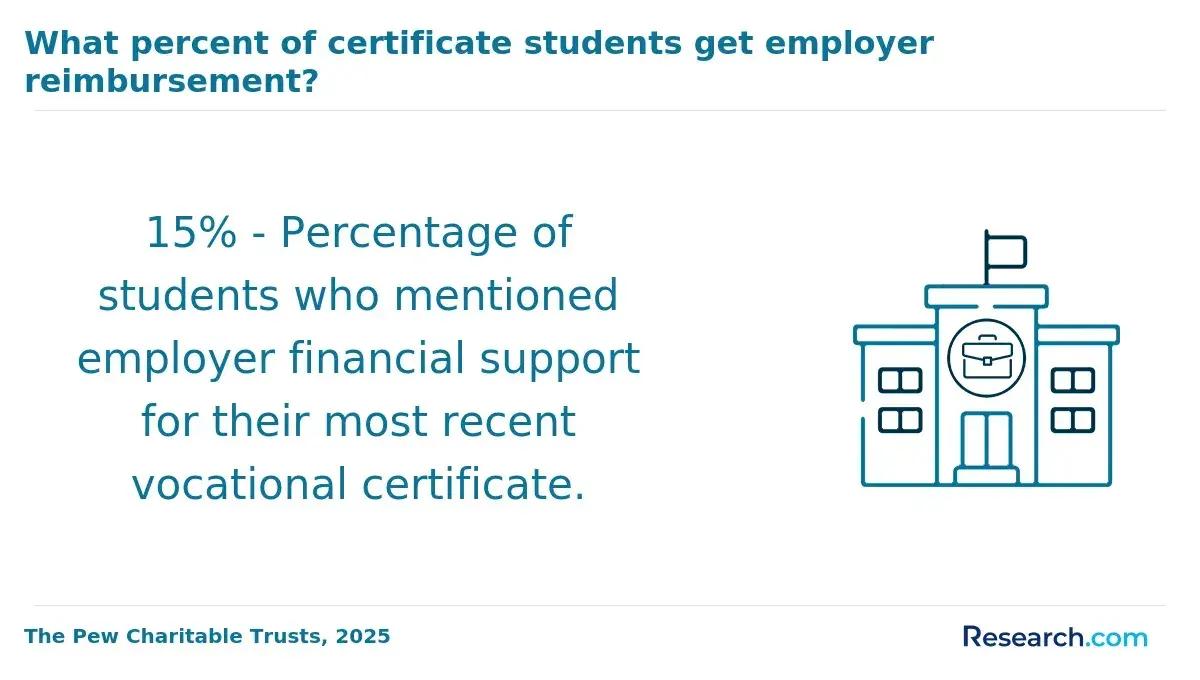
- Employer Support: Access to tuition assistance or flexible work hours can alleviate stress and provide needed resources.
- Time Management Skills: Maintaining a structured routine, separating work and study time, and staying disciplined improves academic success alongside professional duties.
When I spoke with a student who completed an online physics degree while working full-time, she emphasized how demanding the experience was but rewarding.
"Some weeks felt overwhelming, especially juggling labs and deadlines after my day job," she recalled. She found discipline and planning essential, often studying late into the night and using weekends strategically.
Despite occasional frustration, she appreciated the program's flexibility and employer support, which made the balancing act possible. Reflecting on her journey, she noted, "It was tough but completely doable with the right mindset and tools."
How Do Online Physics Degree Programs Help with Internships?
Internships play a vital role in providing hands-on experience and career preparation for physics students. They connect academic knowledge with real-world applications, equipping students with practical skills and professional networks essential for success.
Online physics degree programs use a variety of methods to help students secure and excel in these opportunities, including:
- Career Services Support: Dedicated advisors assist students with resume building, interview preparation, and personalized job searches to enhance application competitiveness for internships.
- Partnership Networks: Many programs collaborate with national labs, tech firms, and government agencies to offer students access to a wide range of both in-person and remote internship positions.
- Virtual Placement Coordination: Online platforms track internship applications, deadlines, and progress, ensuring students stay organized and meet academic requirements for credit.
- Faculty Mentorship: Assigned mentors guide students through the internship process, providing academic support and ensuring practical experiences align with degree goals.
- Remote Research Opportunities: Students can engage in virtual internships or research projects, allowing flexible participation without geographic limitations, ideal for balancing other commitments.
What Is the Average Tuition Cost of an Online Physics Program?
Understanding tuition expenses is crucial for anyone considering an online physics degree. Knowing these costs upfront helps students budget effectively and select programs that fit their financial situation. Below are key details about tuition fees and related expenses for online physics programs:
- Average Tuition Per Credit: Public universities typically charge around $337 per credit hour for in-state online students, aligning with their on-campus pricing. Private institutions tend to be higher, averaging approximately $516 per credit, which significantly affects the overall degree cost.
- Annual Tuition Costs: For public university students pursuing online physics degrees, yearly fees average $40,536 for in-state residents and $59,011 for out-of-state. These numbers reflect full program costs rather than just tuition.
- Private Institution Pricing: Completing a physics degree online at private colleges generally costs about $63,185, a premium compared to public options due to additional resources and smaller class sizes.
- In-State vs. Out-of-State: Tuition varies widely based on residency, with out-of-state students often paying more than double the in-state rates at public schools, impacting affordability.
- Additional Fees: While most schools price online and on-campus programs similarly, around 16% charge more for online courses. Additional costs may include technology fees or materials, which students should anticipate.
- Affordable Alternatives: Some universities, like Western Governors University, offer bachelor's tuition around $8,300 annually, nearly half the national average, providing cost-effective paths for many learners.
When I spoke with a student enrolled in an online physics degree program, he shared how balancing tuition payments with work was challenging but rewarding.
"I had to carefully plan each semester's budget and apply for scholarships continuously," he explained. The flexibility of online learning helped him manage expenses without sacrificing progress, yet he remained mindful of fees that weren't always obvious at the start.
His experience underscored how understanding detailed cost structures upfront made a significant difference in sustaining his educational journey.
What Is the Average Salary for Someone with an Online Physics Degree in 2027?
Understanding potential earnings is crucial when evaluating an online physics degree program. Knowing the average salary for online physics degree graduates helps prospective students make informed decisions about their education investments. Below are key insights that shed light on the earning potential in this field:
- Average Entry-Level Salary: Graduates with an online physics degree typically start with salaries around $60,000 per year nationally, with entry-level figures often lower in states like California. This reflects the competitive nature of starting roles and the need to acquire experience before advancing.
- Mid-Career Salary Growth: Physics professionals who gain experience and specialize in areas like engineering, data science, or technology can expect their salaries to exceed $90,000 annually. This steady growth highlights the strong demand for analytical and technical skills in various sectors.
- Salary by Industry and Location: Earnings vary greatly depending on the sector and region. Physicists working in federal government agencies or research laboratories often enjoy higher starting salaries compared to those in education or technical writing. The U.S. Bureau of Labor Statistics reports a median annual wage of $166,290 for physicists, though this typically applies to those with advanced degrees or specialized expertise.
- Online Physics Degree Median Salary After Graduation: According to Arizona State University Online, a leading provider of online physics degrees, the median salary for graduates four years after completing their degree is about $73,544 per year. This figure underscores the strong market value of online programs in physics.
Students seeking affordable education options may consider cheap accredited online colleges that offer quality physics degrees and strong career support. These insights can help align expectations and career goals with the realities of earning potential in physics careers.
Which Industries Hire Graduates From Online Physics Programs?
An online physics degree offers exceptional versatility, equipping graduates with strong problem-solving skills and analytical thinking that open doors to a variety of professional fields. This makes physics graduates competitive candidates in multiple industries hiring online physics graduates.
Below is an overview of the main sectors actively recruiting these graduates:
- Technology and Software Development: Employers in game development, artificial intelligence, and machine learning highly value physics graduates for their understanding of physics engines, 3D mathematics, and quantitative analysis. Roles include AI trainers, research scientists, and software developers, with pay rates ranging from $40 to $80 per hour in specialized positions.
- Education: Online physics graduates frequently find opportunities as instructors, tutors, and adjunct professors. The growth of distance learning has increased demand for educators with master's degrees or equivalent graduate coursework in physics, expanding traditional teaching roles into remote formats.
- Engineering Fields: Physics graduates qualify for engineering roles in electrical, nuclear, and chemical fields, as well as aerospace, telecommunications, and energy sectors. Their analytical foundation supports problem-solving and innovation within these technical industries.
- Business and Finance: The quantitative skills developed during physics studies enable graduates to transition into business analytics, finance, and consulting. These fields prize the logical reasoning and data analysis capabilities that physics majors bring.
For students exploring interdisciplinary paths, combining physics with other areas through joint degree programs undergraduate offers enhanced marketability and expands physics degree job opportunities in the US. This confirms that an online degree prepares graduates not only for specific roles but for evolving job markets across diverse industries.
What Graduates of Online Physics Programs Say About Their Degree
- Paolo: "Pursuing my online physics degree was a game-changer because I could learn at my own pace without the stress of a traditional classroom. The program's flexibility made it easy to balance work and study, and the cost was surprisingly affordable compared to on-campus programs. This degree has opened doors for me in research and development roles I once thought were out of reach. "
- Jericho: "Reflecting on my online physics studies, what stood out most was the quality of instruction paired with the convenience. The curriculum was rigorous yet designed to fit my schedule, making advanced concepts accessible. Given that the entire degree costs less than $20,000, I feel it was a worthwhile investment in my career growth. "
- Alden: "The professional impact of earning my online physics degree has exceeded my expectations. I appreciated the focused learning modules and how they allowed me to deepen my knowledge without unnecessary distractions. Plus, the cost savings were significant compared to traditional programs, which made pursuing this degree a smart financial decision. "
Other Things You Should Know About Physics Degrees
In 2027, the recognition of an online physics degree by employers largely depends on the accreditation of the institution and the program's quality. Reputable universities offering accredited online physics degrees are generally well-regarded and should be recognized positively in the job market, especially with the growing acceptance of online education.
In 2027, many employers recognize online physics degrees as long as they come from accredited institutions. Accreditation ensures that the program meets educational standards. Thus, a reputable online degree can be just as valuable as a traditional one in the job market.
References
- Physics Today Jobs | jobs | Choose from 1,890 live job openings https://jobs.physicstoday.org/
- Can I Work Full-Time While Earning an Online Degree? https://www.athens.edu/online-degree-completion-programs-working-adults/can-i-work-full-time-while-earning-an-online-degree/
- Virtual internships for physics students present challenges, build community | Princeton Plasma Physics Laboratory https://www.pppl.gov/news/2020/virtual-internships-physics-students-present-challenges-build-community
- Explore online physics courses and programs | edX https://www.edx.org/learn/physics
- 2025 Best Online Degrees in Physics https://www.onlineu.com/degrees/physics
- Physics Degree Online - Edubrain https://edubrain.ai/blog/physics-degree-online/
- The Way the World Works: Online Degrees in Physics - Peterson's https://www.petersons.com/blog/the-way-the-world-works-online-degrees-in-physics/
- How can a first year BSc physics student get started with research or internships? https://academia.stackexchange.com/questions/219900/how-can-a-first-year-bsc-physics-student-get-started-with-research-or-internship
- The use of digital technologies in education: the case of physics learning https://journals.us.edu.pl/index.php/IJREL/article/view/15774
- Online Physics Degrees: Are They Useful in Today’s Scenario? https://www.allassignmenthelp.com/blog/online-physics-degrees-in-todays-scenario/


