
2027 Clinical Psychology Degree vs. Certificate: Which Should You Choose?

Co-Founder and Chief Data Scientist
Today's students and professionals face crucial choices when deciding between earning a degree or a certificate in clinical psychology. Both routes can enhance career prospects, yet they differ in duration, cost, and depth of study. Clinical psychology degrees typically demand more extensive training and offer licensure opportunities, while certificates provide focused skill development in less time.
Approximately 70% of clinical psychologists hold doctoral degrees, reflecting the field's emphasis on advanced qualifications. However, certificates attract those seeking specialization or career shifts without committing to lengthy programs. This article explores these key differences to help you determine which educational path aligns best with your career ambitions and lifestyle needs.
Key Points About Clinical Psychology Degree vs. Certificate Programs
- Clinical psychology degrees provide comprehensive training, essential for licensure and often lead to higher earning potential, with median salaries about 20% greater than certificate holders.
- Certificate programs offer targeted skill development, ideal for professionals seeking specific competencies without the time or financial commitment of a full degree.
- Degree programs support broader research and clinical practice opportunities, while certificates enhance practical skills for existing practitioners focusing on career advancement or specialization.
What Are the Differences Between Clinical Psychology Degree and Certificate Programs?
Both clinical psychology degrees and certificate programs can lead to meaningful career paths, yet they vary significantly in several key aspects. Understanding these distinctions allows students to select the educational route that best fits their professional goals and the time they can dedicate to study.
Below is a comparison highlighting the main differences between pursuing a clinical psychology degree and a certificate.
- Depth of Learning: Degree programs offer comprehensive, in-depth study covering theory, research, and practical skills ideal for those seeking a thorough understanding of clinical psychology. Certificates provide focused training on specific topics, suitable for professionals wanting to enhance their knowledge without committing to full degree coursework.
- Career Advancement: Degrees often open doors to advanced roles and licensure opportunities within the field, appealing to learners aiming for clinical practice or academic careers. Certificates may boost credentials and skills but typically do not qualify holders for licensure or highly specialized positions.
- Time Commitment: Degree programs require a longer investment, usually involving multiple years of study and training. Certificate programs are shorter, making them attractive to individuals needing flexible options or quicker completion.
- Cost and Accessibility: Certificates are generally more affordable and easier to access, often without extensive prerequisites. Degrees tend to involve higher costs and stricter entry standards, reflecting their depth and credentialing value.
How Long Does It Take to Complete a Clinical Psychology Degree vs. a Certificate Program?
Completion time is a crucial factor for students deciding between a clinical psychology degree and a clinical psychology certificate program length. Understanding how many years for a clinical psychology degree compare to the shorter certificate options can help clarify educational paths and career planning.
- Typical Duration: A clinical psychology degree often requires 13-17 years, including a bachelor's (4-5 years), master's (2-4 years), doctoral degree (7-8 years), and supervised postdoctoral experience (1-2 years) necessary for licensure. Conversely, certificate programs can be completed within a few months to one year, focusing on specific skills without the full clinical training requirements.
- Flexibility: Degree programs generally have a structured timeline with full-time study, though part-time options exist. Certificate programs frequently offer more flexible pacing, allowing students to study part-time or while working. Many online certificates provide accelerated options, such as various 1 year masters degrees, accommodating different personal schedules and backgrounds.
- Factors Affecting Timeline: Both paths are influenced by program design, transfer credits, prior mental health experience, and course sequencing. A clinical psychology degree's length depends heavily on completing extensive supervised clinical hours and research training, while certificate programs mostly avoid these requirements, significantly shortening the timeline.
The substantial difference in completion time reflects the degree's comprehensive preparation for licensure and independent practice, as opposed to certificates aimed at specialized skill development or exploratory study.
Can You Complete a Clinical Psychology Degree or Certificate Entirely Online?
The rapid growth of online education has made clinical psychology programs increasingly accessible. Many universities now offer online clinical psychology degree programs, including master's degrees that can be completed 100% online through both synchronous and asynchronous formats.
For example, Notre Dame de Namur University and Capella University provide fully online master's programs suitable for students not seeking clinical licensure. However, doctoral programs accredited by the American Psychological Association (APA) cannot be completed entirely online; these require hybrid or on-campus components, such as in-person residencies, to maintain accreditation and licensure eligibility.
Additionally, short-term certificate programs are often available as a fully online clinical psychology certificate, especially when focused on theory or applied skills rather than clinical practice.
Licensure as a clinical psychologist generally requires hands-on training, supervised internships, and direct client contact, which cannot be fulfilled solely online. Even students in online degree programs typically must complete practicum experiences or residencies at approved clinical sites.
Those seeking a degree or certificate for personal growth or non-licensed roles may find fully online options appropriate. For clinical licensure goals, however, choosing a program with in-person training that meets state requirements is essential.
Always verify program accreditation and state licensing board regulations. To explore options, consider researching colleges with open admissions for flexible entry pathways.
What Are the Admission Requirements for a Clinical Psychology Degree vs. a Certificate Program?
Admission requirements play a crucial role when deciding between a clinical psychology degree and a certificate program because they define who qualifies to apply and the level of academic and professional preparation needed. Understanding these differences helps students select the program that best fits their experience and career goals.
Below is a side-by-side comparison of typical admission requirements for each program type.
Admission Requirements for Clinical Psychology Degree Programs
- Educational Background: Applicants must possess a bachelor's degree from an accredited institution, usually with 12-15 undergraduate credits in psychology, including statistics and research methods courses. A psychology major or minor is preferred.
- GPA Standards: Most doctoral programs require a minimum undergraduate GPA of 3.2, though competitive applicants often have GPAs of 3.5 or higher.
- Relevant Experience: Substantial research or clinical experience is highly favored and can be demonstrated through internships, assistantships, or volunteer work with populations facing emotional or behavioral challenges.
- Letters of Recommendation: Three letters are typically required, preferably from professors or supervisors familiar with clinical psychology graduate education demands.
- Personal Statements/Essays: Applicants must submit essays addressing career objectives, research interests, and motivation for pursuing clinical psychology.
- Prerequisite Coursework: Those without a psychology degree may need to complete specific courses or achieve a strong score on the psychology GRE subject test.
Admission Requirements for Clinical Psychology Certificate Programs
- Educational Background: A bachelor's degree is generally required but not necessarily in psychology. Some programs accept applicants with relevant professional or academic experience in related fields.
- GPA Standards: Minimum GPAs are typically lower, around 2.7 to 3.0 depending on the institution.
- Professional Experience: Relevant work or volunteer experience in mental health settings may be considered but is less stringent than in degree programs.
- Letters of Recommendation: One to two letters may be requested, with less emphasis compared to degree programs.
- Personal Statement: A brief statement of interest focusing on professional development goals is often sufficient.
These clinical psychology degree admission requirements and clinical psychology certificate program prerequisites reflect the differing goals of each pathway. For students aiming for advanced careers in clinical psychology, degree programs demand rigorous academic and research experience.
In contrast, certificate programs offer a streamlined admissions process designed for professionals seeking to enhance specific skills. For those considering their options, reviewing requirements alongside career objectives is essential.
Prospective students can also explore the highest paying online master's degrees as part of planning their educational journey.
How Many Credits Do You Need to Complete a Clinical Psychology Degree vs. a Certificate?
Knowing the number of credits required for clinical psychology programs helps students effectively plan their educational paths and manage time commitments. Understanding these credit demands clarifies the scope and intensity of degree versus certificate options.
Here is a comparison of typical credit requirements for clinical psychology degrees and certificates:
- Degree programs: Generally spanning from 36 to 120 credits, depending on the academic level-from bachelor's through doctoral studies. Bachelor's degrees often require around 120 credits, while doctoral programs such as Psy.D. or Ph.D. range from 83 to 120 credits, including coursework, internships, and research.
- Certificate programs: Much shorter in duration, certificates typically demand 12 to 18 credits focused on specific clinical skills. These are ideal for professionals seeking specialized training without the extensive coursework of a full degree.
A student who completed a clinical psychology certificate shared insights after weighing the credit contrasts. He described the certificate as "a manageable way to deepen my expertise without the long-term commitment of a degree." Balancing work and study, he appreciated the focused curriculum and quicker completion timeline.
"The certificate pushed me to master practical skills efficiently. It felt rewarding to gain targeted knowledge that I could immediately apply," he reflected. While the certificate lacked the extensive research elements of a Ph.D., it provided relevant training that suited his career goals and personal schedule. This experience highlights how credit requirements directly influence the educational journey and decision-making process for prospective clinical psychology students.
What Is the Average Tuition for a Clinical Psychology Degree vs. a Certificate?
Tuition costs are a critical factor when deciding between pursuing a clinical psychology degree or enrolling in a certificate program, as they significantly impact your educational investment and future career options. Comparing these costs can help students and professionals choose the most appropriate path for their goals and financial situation.
Below is a breakdown comparing the average tuition ranges for clinical psychology degree programs versus certificate programs.
Average Tuition for Clinical Psychology Degree Programs
- Undergraduate Tuition Range: In-state students typically pay an average annual tuition of $13,818, while out-of-state tuition ranges from $36,146 to $37,330.
- Graduate Tuition Range: Master's programs average about $11,729 per year for in-state students and $23,627 for out-of-state; the total cost to complete a master's degree is nearly $62,650.
- Doctoral Tuition Range: Doctoral programs generally cost a total average of $115,500, reflecting a significant financial commitment.
- Public vs. Private Institutions: Tuition at private universities is often considerably higher than at public schools, especially for out-of-state students, which raises the average cost of a clinical psychology degree.
- Online vs. On-campus: Online degrees may be cheaper but vary widely depending on the institution; some students opt for the shortest doctoral programs to reduce costs and time.
Average Tuition for Clinical Psychology Certificate Programs
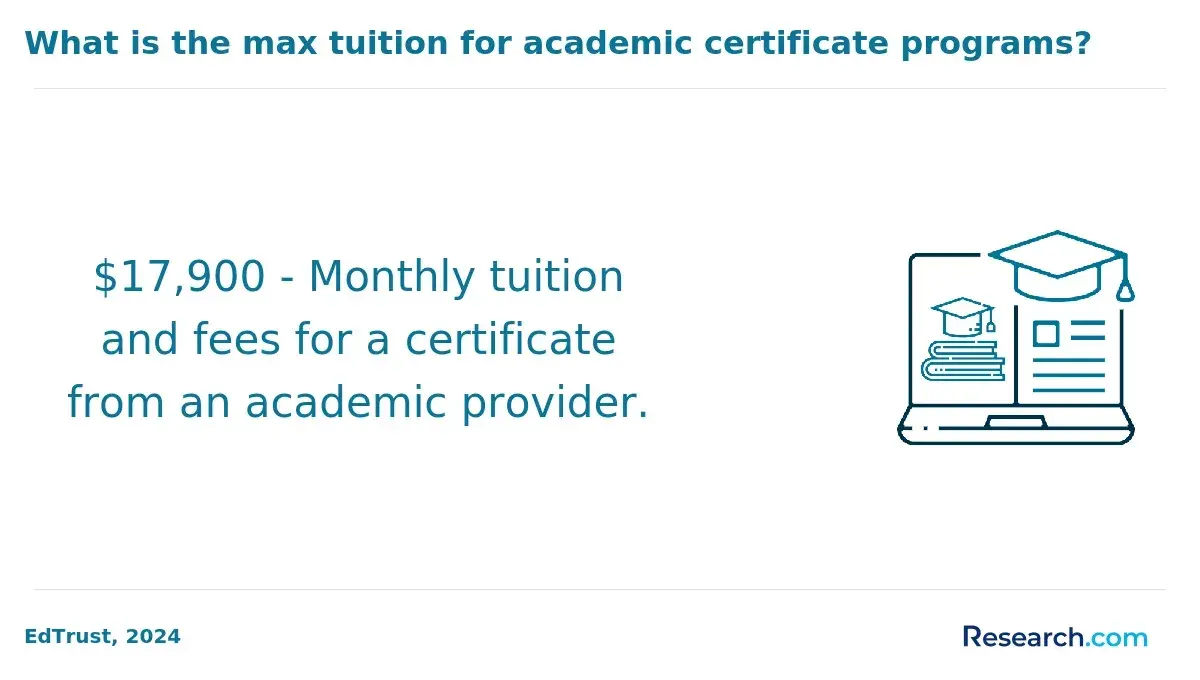
- Undergraduate Certificate Tuition: Programs often charge between $324 and $499 per credit, amounting to roughly $5,832 to $8,982 for an 18-credit certificate.
- Graduate Certificate Tuition: Graduate certificates can cost about $1,175 per credit, totaling approximately $17,625 for a 15-credit program.
- Total Program Cost: Clinical psychology certificate program tuition typically ranges from $5,000 to $20,000, depending on specialization and school.
- Program Length: Certificates usually take less than a year to complete, reducing overall expenses compared to multi-year degree programs.
- Online vs. On-campus: Many certificate programs are available online, offering more flexible schedules and sometimes lower tuition than traditional on-campus options.
Can You Transfer Certificate Credits Toward a Clinical Psychology Degree Later On?
It is possible to transfer certificate credits toward a clinical psychology degree, but this depends heavily on institutional policies and accreditation status. Credits usually must come from graduate-level courses taken at regionally accredited schools. Additionally, the coursework should closely align with the clinical psychology program's curriculum and academic standards.
Transfer approval varies widely, and not all programs accept certificate credits, especially if the courses lack comparable rigor or relevance. Therefore, each institution's specific guidelines ultimately determine if and how credits can be applied toward a degree.
Key factors influencing credit transfer include limits on the number of transferable credits, minimum grade requirements (often a B or higher), and the recency of coursework, typically within the last 5 to 10 years. Some programs restrict the transfer of specialized or clinical training courses.
Prospective students must confirm transfer policies with admissions offices before enrolling to avoid surprises later. Proactively verifying which credits are eligible helps students safeguard their time and financial investment in advancing their education.
One student who pursued a clinical psychology degree after completing a certificate program shared her experience. She described the transfer process as challenging but ultimately rewarding, noting she had to provide detailed syllabi and proof of accreditation to the graduate school.
"It was eye-opening how meticulous the review was," she recalled, emphasizing the importance of communication with advisors. Though only a portion of her certificate credits transferred, those that did reduced her course load significantly. She found the experience valuable, advising others to thoroughly research transfer options to make the most of their initial coursework.
Are Certificate Programs Accredited the Same Way as Clinical Psychology Degrees?
Certificate programs in clinical psychology are generally not accredited in the same manner as clinical psychology degree programs. Clinical psychology degrees, especially doctoral ones, receive accreditation from prominent organizations like the American Psychological Association (APA) and the Psychological Clinical Science Accreditation System (PCSAS), which are acknowledged by the Council for Higher Education Accreditation (CHEA).
These accreditors enforce strict criteria related to curriculum, faculty expertise, clinical training, and program outcomes, which influence eligibility for licensure. In contrast, certificate programs seldom have specialized programmatic accreditation and are often only covered under a school's broader regional accreditation. While some certificates in related fields may hold niche accreditations, they usually do not carry the same professional weight as degree programs.
Accreditation is vital because it confirms a program meets established academic and clinical standards, facilitating credit transferability and employer recognition. It also ensures students have access to supervised clinical experiences crucial for professional development and licensure.
Prospective students should verify that degree programs hold accreditation from recognized bodies like APA or PCSAS and review state licensure requirements relevant to their career goals. For certificate programs, it is important to check for practical training opportunities and recognition by relevant professional organizations if the goal is support roles in clinical settings. Always confirm program accreditation through officially recognized accrediting agencies before committing to a program.
What Jobs Can You Get with a Clinical Psychology Degree vs. a Certificate?
Both clinical psychology degrees and certificates open doors to various careers in mental health and social services, but they prepare graduates for different levels of responsibility and roles. Degrees often lead to advanced clinical positions requiring licensure, while certificates support entry-level or specialized functions.
Below is a comparison of potential jobs associated with each credential.
Jobs You Can Get with a Clinical Psychology Degree
- Clinical psychologist: Provides therapy, diagnosis, and treatment for mental health disorders, usually working in hospitals, private practice, or clinics and requiring a doctoral degree and licensure.
- Licensed professional counselor: Offers counseling services to individuals or groups, often in community agencies or private settings, with state licensure.
- Marriage and family therapist: Focuses on relational and family dynamics, delivering therapy in clinics or counseling centers with a relevant license.
- Mental health counselor: Assesses and treats emotional or psychological issues, typically employed in outpatient facilities or social service organizations.
- Researcher or research assistant: Conducts or supports psychological research usually in academic or clinical environments.
Jobs You Can Get with a Clinical Psychology Certificate
- Behavioral health technician: Assists in implementing treatment plans under supervision, often in inpatient or residential care facilities.
- Case manager: Coordinates care and resources for clients in healthcare or social service agencies to support recovery and well-being.
- Research assistant: Supports data collection and analysis in psychological studies, typically in academic or healthcare settings.
- Mental health support staff: Provides non-clinical assistance to clients within mental health programs or community organizations.
- Peer counselor: Offers support and shared experiences to individuals facing mental health challenges, often in nonprofit or advocacy groups.
What Is the Average Starting Salary for a Certificate vs. Clinical Psychology Degree Graduates?
Salary potential often varies significantly between clinical psychology certificate and degree holders. Understanding these differences can help prospective students and professionals make informed decisions about their education and career paths.
The following compares the average starting salary ranges and key factors for graduates holding a certificate versus a clinical psychology degree.
- Typical Salary Range: The average starting salary for clinical psychology degree graduates typically falls between $48,820 and $66,050 annually, with a national average for all clinical psychologists near $96,100. In contrast, clinical psychology certificate graduate salary usually ranges from $32,000 to $45,000 per year, as certificate holders often qualify for support roles rather than licensed psychologist positions.
- Influencing Location: Salaries are generally higher in major metropolitan areas and states such as California and New Jersey, sometimes 20-40% above the national average, benefiting degree holders who qualify for licensed roles.
- Experience Impact: Degree holders see substantial salary growth with experience, especially when pursuing licensure and specialization. Certificate holders have limited upward mobility in salary due to restricted job roles.
- Industry Variation: Private practice and home healthcare jobs tend to pay more than institutional settings, influencing earnings primarily for degree holders.
- Career Outlook: Those with a clinical psychology degree have greater long-term earning potential and professional opportunities compared to certificate holders, who mostly fill entry-level support roles.
- Educational Access: For those exploring affordable pathways, programs such as cheap online bachelor degrees can be a practical starting point toward gaining a clinical psychology degree.
Here's What Graduates of Clinical Psychology Programs Say About Their Degree or Certificate
- Khai: "Pursuing a clinical psychology certificate was an excellent choice for me because it offered a more focused learning experience at a faster pace than a full degree program. While the certificate didn't cover as much material as a degree would, the affordability and condensed timeline - with costs generally much lower than degree programs - made it a practical option given my career goals in mental health support. It allowed me to quickly gain relevant skills and apply them in my current job. "
- Julio: "Choosing the clinical psychology degree program was a significant commitment, both in time and finances, but it gave me a thorough and in-depth education that the certificate alone couldn't match. The degree's extended curriculum and research opportunities really enhanced my professional qualifications, opening doors to advanced clinical roles. Although the cost and duration were considerable, I view it as a long-term investment in my career. "
- Jayden: "Having completed both the clinical psychology certificate and degree programs, I truly appreciate how their distinct structures impact the learning journey and career outcomes. The certificate's affordability and quicker completion helped me build a foundation, while the degree's comprehensive scope equipped me with critical thinking and research skills at a higher cost and longer pace. Balancing both paths has broadened my expertise and flexibility in the field. "
Other Things You Should Know About Clinical Psychology Degrees
Clinical psychology certificates generally do not qualify holders for licensure as a clinical psychologist. Licensing boards typically require a doctoral degree (PhD or PsyD) and supervised clinical hours. Certificates may enhance knowledge or skills but are not substitutes for the formal education and training needed for licensure.
In 2027, a clinical psychology degree can lead to positions such as licensed psychologist or therapist, while a certificate may open up roles like mental health assistant. Degrees often offer broader opportunities and higher salary potential compared to certificate programs.
In 2027, a clinical psychology degree often leads to roles such as licensed psychologist, researcher, or academic positions. In contrast, a certificate may prepare you for paraprofessional roles or support positions within mental health settings, limiting opportunities without further education.
Certificate programs in clinical psychology typically do not prepare you for independent clinical practice roles, as they often lack the depth and comprehensive training provided in a degree program. Certificates might enhance specific skills or knowledge but generally do not meet licensing board requirements for clinical practice.
References
- How Much Does a Psychology Diploma Cost? (U.S. Guide 2025) https://achology.com/general-interest/psychology-diploma-cost-us/
- How to Choose a Psychology Program in 2025 https://careersinpsychology.org/choosing-a-school/
- Best Types Of Online Psychology Degrees 2025 https://www.psychology.org/degrees/
- Transferring Credit https://www.fielding.edu/office-of-registrar/transferring-credit/
- What they don’t tell you about psychology careers… | BPS https://www.bps.org.uk/psychologist/what-they-dont-tell-you-about-psychology-careers
- Clinical Psychology: Course, Eligibility, Duration and Syllabus https://www.virohan.com/blog/clinical-psychology-course-eligibility-duration-and-syllabus
- Clinical Psychology Transfer Credit FAQ | Fuller Seminary https://fuller.edu/academics/school-of-psychology/clinical-psychology-transfer-credits-faqs/
- Compare Online Clinical Psychology Degree Programs https://www.counselingpsychology.org/psychology/degrees/clinical-psychology/


