2027 Best Online Physical Therapy Assistant Degrees for Jobs

Co-Founder and Chief Data Scientist
Many prospective students face uncertainty when selecting an online physical therapy assistant degree-navigating accreditation standards, curriculum rigor, and cost-effectiveness can be daunting. With over 15% of graduates entering the workforce without adequately vetted credentials, the risk of compromised career outcomes looms large. Practical experience requirements and student support structures vary widely, impacting readiness and success on licensure exams. This article addresses these challenges by evaluating the best online physical therapy assistant degree programs through detailed analysis of crucial factors such as return on investment and post-graduation employment rates. It equips readers to make informed decisions tailored to their unique career aspirations.
Key Things to Know About the Best Online Physical Therapy Assistant Degrees for Jobs
- Programs accredited by CAPTE ensure graduates meet licensure eligibility-a critical factor as 99% of physical therapy assistant jobs require certification from these standards.
- Curriculum rigor incorporates both extensive theoretical knowledge and clinical skill development, preparing students effectively for evolving healthcare demands.
- Cost varies widely; however, programs with robust student support infrastructure and strong career placement result in higher return on investment, with median salaries around $60,000 in early career stages.
What Is a Physical Therapy Assistant Degree, and What Can It Do for Your Career?
A physical therapy assistant degree prepares students to support licensed physical therapists in helping patients regain mobility, manage pain, and improve physical function. Accredited by organizations such as the Commission on Accreditation in Physical Therapy Education (CAPTE), these programs deliver essential knowledge in anatomy, physiology, therapeutic exercises, and patient care ethics-combining theoretical understanding with hands-on skills. This foundation clearly distinguishes physical therapy assistant roles from related fields like occupational therapy and physical therapy aides, which differ in scope and educational requirements. The best online physical therapy assistant degree programs for career advancement emphasize this blend of rigorous academics and practical training.
Key components of a physical therapy assistant degree include:
- Foundational Knowledge: Learning anatomy, kinesiology, patient safety, and rehabilitation principles.
- Theoretical Frameworks: Developing understanding of treatment planning, musculoskeletal and neurological conditions, and evidence-based therapy techniques.
- Applied Competencies: Acquiring clinical skills, effective communication, and accurate documentation essential for patient care.
Physical therapy assistant degree programs span several credential levels, catering to different career goals and job opportunities. An associate's degree is the most common entry point, required for licensure. Bachelor's degrees provide broader knowledge and can lead to supervisory or specialized roles. While less typical for PTAs, master's and doctoral degrees support advanced clinical practice, research, or leadership positions. This flexible range allows students-including working adults and veterans using education benefits-to align their education with their aspirations.
This guide focuses on online physical therapy assistant degree benefits for job opportunities, providing an evidence-based framework evaluating accreditation, curriculum strength, affordability, clinical experience options, and student support services. With this approach, prospective students will be well-equipped to assess program quality and career outcomes confidently. For related fields, learners curious about advanced clinical doctoral pathways might also explore the easiest DNP programs available.
How Do Online Physical Therapy Assistant Degree Programs Compare to Traditional Campus Programs?
When comparing online Physical Therapy Assistant degree programs to traditional campus-based options, several critical factors impact educational quality and career readiness.
- Curriculum Depth and Rigor: Accredited online programs uphold standards comparable to campus counterparts, covering anatomy, kinesiology, and therapeutic techniques with equivalent comprehensiveness. Accreditation bodies like CAPTE (Commission on Accreditation in Physical Therapy Education) ensure coursework consistency and learning outcomes, crucial for differences in accreditation and practical experience requirements for online versus campus-based physical therapy assistant degrees.
- Faculty Qualifications: Both formats employ qualified instructors with clinical experience and advanced degrees. Top online programs feature faculty skilled in remote instruction, enhancing engagement via tailored pedagogies without compromising expertise.
- Student-Faculty Interaction: Campus programs offer immediate in-person access to instructors, yet reputable programs at online colleges innovate through synchronous sessions, video conferencing, and digital office hours to maintain meaningful dialogue.
- Peer Collaboration: While campus environments naturally promote spontaneous peer interaction, quality online programs foster community through cohort models, group projects, and virtual discussion boards.
- Clinical or Practicum Requirements: Hands-on clinical experiences are vital for licensure in both formats, generally arranged locally for online students. Some online programs supplement this with on-campus residencies or intensives to support direct skill application under professional supervision.
- Employer Perception: Increasingly, employers equate CAPTE-accredited online degrees with traditional ones, especially when graduates demonstrate clinical competence and clear national licensure success.
- Structural Advantages for Specific Learners: Online physical therapy assistant programs offer genuine flexibility and access for working adults, caregivers, veterans, and those living far from campuses-removing geographic constraints without sacrificing educational quality. This accessibility aligns well with those researching the best online nursing school and allied health programs.
- Limitations and Innovations: Online education faces challenges such as limited spontaneous interaction and technology reliance. Leading institutions mitigate these through immersive technologies, blended learning, cohort engagement, and in-person skill labs, ensuring comprehensive training.
What Are the Accreditation Standards That Define a Reputable Online Physical Therapy Assistant Degree?
Accreditation serves as the definitive benchmark distinguishing credible online physical therapy assistant degree programs from inferior ones. It confirms that a program adheres to nationally recognized quality standards valued by employers and advanced education institutions.
- Regional Accreditation: These accreditors evaluate entire colleges and universities. They hold substantial influence over credit transferability and employer recognition. Key regional accreditors include:
- Middle States Commission on Higher Education (MSCHE): Oversees institutions primarily in the Mid-Atlantic region.
- New England Commission of Higher Education (NECHE): Covers schools in New England.
- Southern Association of Colleges and Schools Commission on Colleges (SACSCOC): Accredits institutions in the Southern US.
- Higher Learning Commission (HLC): Accredits colleges across the Midwest.
- Programmatic Accreditation: Especially critical for physical therapy assistant degrees, this ensures curricula meet industry-specific standards. The vital accreditor here is:
- Commission on Accreditation in Physical Therapy Education (CAPTE): This national accreditor is essential for eligibility to obtain professional licensure and guarantees program quality aligned with professional requirements.
Choosing a non-accredited or substandard program can lead to obstacles such as difficulties obtaining licensure-since most states mandate CAPTE-accredited credentials-hindered credit transfers, and diminished recognition by potential employers.
To confirm a program's accreditation, students should consult both the U.S. Department of Education's Database of Accredited Postsecondary Institutions and Programs and the Council for Higher Education Accreditation (CHEA) directory, ensuring listings are current and official.
Accreditation must be a non-negotiable factor when selecting any online physical therapy assistant degree-prioritizing quality and professional legitimacy above attractive pricing or marketing promises.
A professional who graduated from an online physical therapy assistant program shared his experience: "Navigating the application process was daunting, especially verifying program legitimacy. I remember feeling uncertain until I confirmed CAPTE accreditation. That validation gave me confidence-it wasn't just about earning a degree but ensuring it would open doors for licensure and employment. Without that, I couldn't have moved forward in my career. Even after enrollment, the program's rigorous standards reflected that accreditation-it wasn't easy, but it prepared me well."
Which Types of Physical Therapy Assistant Degrees Are Available Online-Bachelor's, Master's, or Doctoral?
Online physical therapy assistant degree options span several credential levels tailored to diverse student needs and career goals.
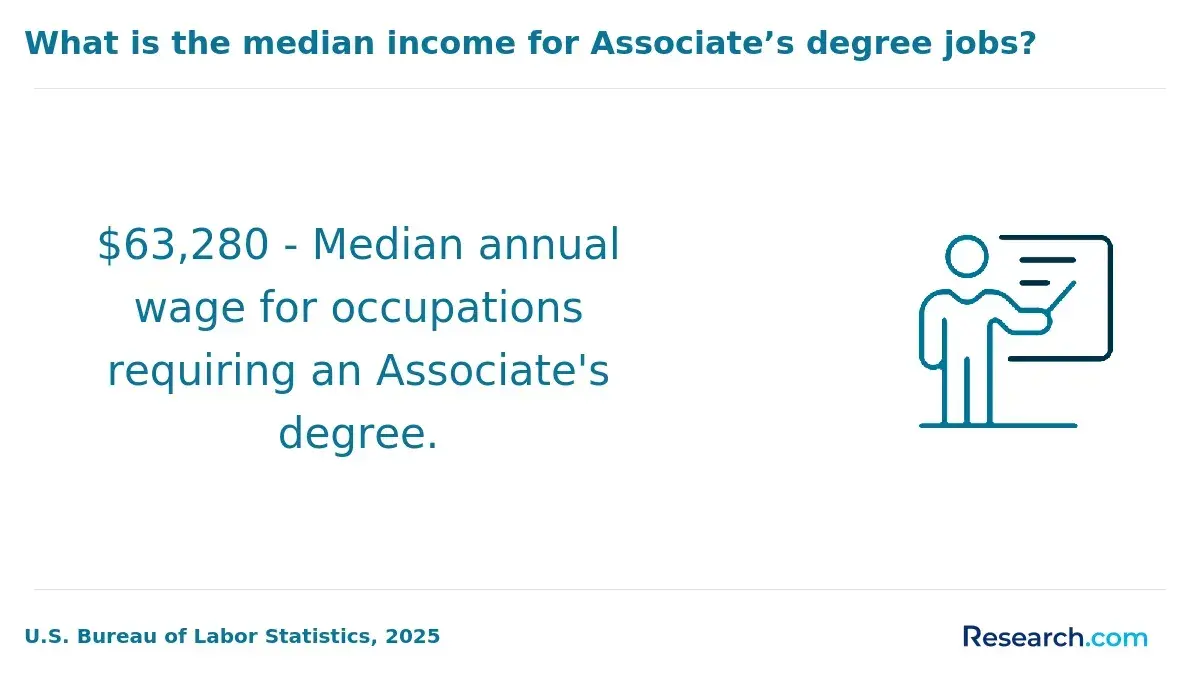
- Associate's Degree: The primary entry-level route requiring a high school diploma or GED, these two-year programs blend foundational classes with clinical practice. Graduates qualify for licensure as physical therapy assistants and typically start in supportive roles earning median salaries near $60,000 annually.
- Bachelor's Completion Programs: Designed for licensed physical therapy assistants seeking further education, these 1.5 to 2-year degrees enhance leadership, healthcare management, and evidence-based practice skills, enabling progression into supervisory positions with increased earning potential.
- Master's Degree: Less frequently pursued online, these programs demand a related bachelor's degree and emphasize advanced clinical expertise, research, and administration. Master's graduates often target specialized or managerial roles, sometimes transitioning toward physical therapist careers. Program length varies but usually spans around two years full-time.
- Doctoral Programs: Rare in online formats, doctoral pathways cater to seasoned clinicians aiming for academic, executive, or research-intensive careers. Entry typically requires a master's degree or substantial clinical experience and involves practical training components.
- Post-Baccalaureate Certificates: These credentials assist those holding unrelated bachelor's degrees to pivot into physical therapy assisting, often completing within a year. They offer stackable credits that can transfer toward advanced degrees, supporting smooth career advancement.
While associate's degrees attract higher enrollment with completion times usually under three years, advanced programs extend between two and four years with more specialized outcomes. Students evaluating accredited online physical therapy assistant programs should consider curriculum rigor, clinical requirements, student support, and cost-effectiveness relative to career objectives. For those comparing options, reviewing related fields such as the best online medical billing and coding schools can also provide insight into healthcare education pathways.
What Is the Typical Cost of an Online Physical Therapy Assistant Degree, and How Can You Finance It?
Tuition costs for an online physical therapy assistant degree vary widely by institution type. Public in-state programs generally fall between $5,000 and $15,000 for the full degree. Out-of-state students often face rates two to three times higher than in-state tuition. Private nonprofit colleges usually charge from $15,000 up to $30,000 or more, while for-profit schools may have similar tuition but with added fees. Beyond tuition, additional expenses include technology fees, learning materials, and potential travel and lodging for any required on-campus residencies or clinical placements. These expenses can push the total cost beyond what's reflected by per-credit-hour charges, so calculating the full program cost is essential for accurate budgeting.
Key federal aid options make financing more accessible for many students pursuing this degree:
- Pell Grants: Need-based grants that don't require repayment and aid many eligible undergraduates.
- Federal Student Loans: Subsidized loans have the advantage of interest paid by the government during enrollment, while unsubsidized loans start accruing interest immediately; both must be repaid after graduation.
- GI Bill Benefits: For qualified veterans and active-duty service members, these benefits can cover tuition, fees, and some living costs.
Physical therapy assistant students can also explore scholarships tailored to the field, such as those from professional associations focused on the discipline, state workforce programs promoting healthcare careers, and merit-based awards offered by colleges and universities.
Utilizing net price calculators like the College Scorecard's tool helps prospective students compare true out-of-pocket expenses after aid-helping avoid surprises and supporting smarter financial decisions when choosing a program.
When reflecting on what the cost and financing process felt like, one professional who launched her career after completing her physical therapy assistant degree shared that budgeting was a complex, sometimes stressful experience. "Balancing tuition with unexpected fees and planning for travel requirements added layers I hadn't fully anticipated," she said. Accessing federal aid and scholarships was crucial, but navigating applications required patience and persistence. Ultimately, she found the investment worthwhile, emphasizing that thorough research and proactive financial planning made the costs manageable and the degree a solid foundation for her career.
How Long Does It Take to Complete an Online Physical Therapy Assistant Degree Program?
Online physical therapy assistant associate degree programs typically take about two years for full-time students, with some accelerated or year-round options reducing this to around 18 months. These programs combine essential theory with hands-on clinical practicums that require in-person attendance. Advanced degrees-such as bachelor's or post-professional credentials-can add two to four years, depending on enrollment status and program design. Doctoral programs aimed at licensed physical therapists generally require three years post-bachelor's, though they are uncommon for physical therapy assistants.
- Transfer Credits: Many programs accept credits from prior college courses or certifications, which can significantly shorten the time needed to graduate.
- Enrollment Status: Full-time students usually complete their degrees faster than part-time students balancing outside responsibilities like work or family.
- Pace and Progression: Some online programs use competency-based or self-paced models, allowing students to move more quickly by demonstrating mastery rather than following fixed semesters.
- Accelerated Formats and PLA: A growing number of schools accommodate working adults with accelerated terms, ongoing enrollment options, and prior learning assessment credits that recognize work experience.
- Program Length Limits: Students should be mindful of minimum and maximum completion periods-commonly 18 months minimum and up to six years maximum-to maintain financial aid eligibility and meet academic progress standards.
- Typical Completion Times: Real-world data from accredited online physical therapy assistant programs show most students finish associate degrees between two and three years, with part-time and transfer students often taking longer-providing a more accurate expectation than idealized "fast track" claims.
What Core Curriculum and Coursework Should a Quality Online Physical Therapy Assistant Program Include?
High-quality online physical therapy assistant programs align closely with curriculum standards set by the Commission on Accreditation in Physical Therapy Education (CAPTE), ensuring students receive thorough and relevant training. These programs feature a balanced core of courses and integrative experiences designed to build practical skills and critical thinking abilities needed for today's healthcare environments.
- Core Science and Anatomy: Foundational studies in anatomy, physiology, and kinesiology provide essential understanding of human movement and injury mechanisms.
- Therapeutic Modalities: Instruction includes therapeutic exercises and manual techniques, preparing students to assist licensed physical therapists in patient care plans.
- Clinical Neuroscience and Pathology: Courses address neurological and musculoskeletal disorders, fostering adaptability in treatment approaches.
- Professional Practice and Ethics: Emphasis on legal issues, ethical standards, and professional communication reflects real-world clinical responsibilities.
- Integrative Learning Experiences: Capstone projects and simulated clinical scenarios challenge students to apply knowledge comprehensively, bridging theory with practice.
- Clinical Education: Progressive, supervised clinical placements develop practical skills, patient interaction, and critical thinking highly valued by employers.
- Competency-Based Outcomes: Graduates demonstrate key abilities such as patient assessment, implementing interventions, and accurate documentation-skills directly tied to workplace safety and performance.
- Curriculum Currency: Leading programs review and update coursework regularly every 3-5 years, integrating feedback from advisory boards of practicing clinicians. This keeps curricula aligned with advancements in telehealth, rehabilitation technologies, and evolving healthcare regulations.
- Transparency and Due Diligence: Prospective students should request detailed course sequences, syllabi, and outcomes maps rather than relying on promotional materials alone to verify program rigor and accreditation compliance.
Employment for physical therapist assistants is expected to grow 27% between 2021 and 2031, according to the U.S. Bureau of Labor Statistics-underscoring the value of selecting programs that offer comprehensive, up-to-date education and practical experience for long-term career success.
Which Online Physical Therapy Assistant Programs Offer the Best Return on Investment for Working Adults?
Evaluating the return on investment of top online physical therapy assistant programs requires a careful comparison of program costs against post-graduation salary data, employment rates, and loan default rates pulled from authoritative institutional outcome reports. Prioritizing programs offered by public universities with competitive tuition and strong employer networks often produces the best long-term value. These institutions tend to have the advantage of state funding and reduced in-state rates, making them a cost-effective choice without compromising quality.
- Cost Efficiency: Programs at public universities frequently offer affordable tuition for working adults, especially when combined with in-state reciprocity agreements. This affordability helps students minimize upfront expenses while maintaining access to rigorous curriculum standards.
- Employment Outcomes: Schools that maintain high post-graduation employment rates in healthcare environments reliably convert education into meaningful careers. Graduates from these programs typically experience faster job placement and salaries that make the financial investment worthwhile.
- Loan Default Rates: Lower default rates indicate that students successfully manage their debt after completing their degrees. Programs with robust financial counseling and career services contribute to these positive outcomes.
- Employer Networks: Strong partnerships with healthcare providers and clinics not only enhance clinical training but can also lead to direct job offers. These connections are pivotal for practical experience and securing employment.
- Financial Support: Access to employer tuition reimbursement programs, scholarships tailored for non-traditional students, and in-state tuition reciprocity can dramatically improve the ROI of an online physical therapy assistant degree by reducing out-of-pocket costs and accelerating loan repayment.
- Outcome Transparency: Prospective students should go beyond general rankings to assess detailed program-specific data, such as median earnings six to ten years after enrollment. This approach offers a clearer perspective on the sustained value of their educational investment.
Working adults considering top accredited online physical therapy assistant degrees for career advancement will benefit by evaluating accreditation status, curriculum rigor matched to individual goals, and available student support services that accommodate busy schedules. For those exploring programs, additional insight can be gained by reviewing guides like the best online MHA programs, which emphasize quality and outcomes in healthcare education.
This data-informed framework empowers career-focused students-including recent high school graduates, military veterans using education benefits, professionals seeking leadership credentials, and those pursuing career changes-to select online physical therapy assistant programs that not only grant a credential but also provide sustainable career growth and financial stability.
What Admissions Requirements Do the Top Online Physical Therapy Assistant Programs Typically Require?
Admissions requirements for competitive online physical therapy assistant programs vary notably across institution types-but share several core elements important for assessing readiness. Many programs set a minimum GPA threshold-typically between 2.5 and 3.0 on a 4.0 scale. Graduate-level programs, especially those at rigorous research universities, often expect higher GPAs, sometimes above 3.3. Community colleges with open enrollment tend to be more flexible but maintain academic standards reflecting the demands of the curriculum.
Standardized test requirements-such as the ACT, SAT, GRE, or TEAS-vary widely. A growing number of physical therapy assistant degree entry requirements have embraced test-optional policies, particularly at the graduate level. Nonetheless, some programs still request exam scores or use them in a holistic admission process.
Letters of recommendation are typically requested-often two or three-to gauge applicants' academic potential and character. These usually come from instructors, employers, or healthcare professionals who know the applicant's skills and work ethic. Personal statements are also common, especially for graduate-level programs, allowing candidates to explain their motivation, relevant experience, and career objectives.
Professional experience is generally preferred or required by graduate PTA programs. This exposure can take the form of paid work, internships, or volunteer roles in healthcare settings and helps ensure familiarity with clinical environments. Prerequisite coursework often includes biology, anatomy, physiology, and sometimes chemistry or medical terminology. Applicants lacking prior PTA-related education may need to complete these courses before or alongside their graduate curriculum.
Admissions criteria differ significantly between open-enrollment community college programs and selective research-university options, so prospective students should honestly assess their credentials against program standards. Because policies-such as test-optional status, GPA minimums, and prerequisite expectations-can change this cycle or the next, contacting admissions advisors directly remains the best way to verify up-to-date requirements. Working adults and career-changers may also explore alternative pathways; for example, accelerating access through ABSN programs online have become a flexible option in related healthcare fields.
What Career Paths and Job Titles Are Available to Online Physical Therapy Assistant Degree Graduates?
Graduates of online physical therapy assistant degree programs find a wide range of career opportunities across various healthcare environments. These roles generally begin as entry points into patient care, with chances to grow into more specialized or leadership positions through additional education and certification.
- Entry-Level Clinical Roles: Many start working directly under physical therapists in settings such as hospitals, outpatient centers, nursing facilities, rehabilitation clinics, and home health services. Their primary duties involve delivering therapy treatments and aiding patient recovery efforts.
- Specialist and Support Roles: With accrued experience, some physical therapy assistants focus on niche areas-including pediatric, geriatric, orthopedic, or neurological therapy-where tailored approaches to patient care are essential.
- Management and Supervisory Positions: Those who pursue further certifications or degrees often advance into supervisory capacities, overseeing therapy staff, managing schedules, and ensuring clinical practices comply with healthcare standards.
- Research and Education: Although advanced academic roles usually require graduate-level education, seasoned physical therapy assistants may support clinical research, contribute to training programs, or assist licensed professionals in continuing education efforts.
- Career Pivot Opportunities: The degree acts as a bridge for individuals from related disciplines-such as athletic training, occupational therapy aides, or fitness instruction-to transition into physical therapy assistant roles through focused upskilling and meeting licensure requirements.
- Employment Sectors: Common workplaces include:
- Acute care hospitals and rehabilitation units
- Outpatient physical therapy clinics
- Long-term care and skilled nursing facilities
- Home healthcare agencies
- Educational settings and pediatric therapy centers
- Typical Career Progression: Over five to ten years, many move from entry-level assisting roles into senior or lead positions, with options to specialize clinically or shift into administrative duties. Some may further their education to become licensed physical therapists or explore allied healthcare professions.
What Is the Salary Outlook for Professionals with an Online Physical Therapy Assistant Degree?
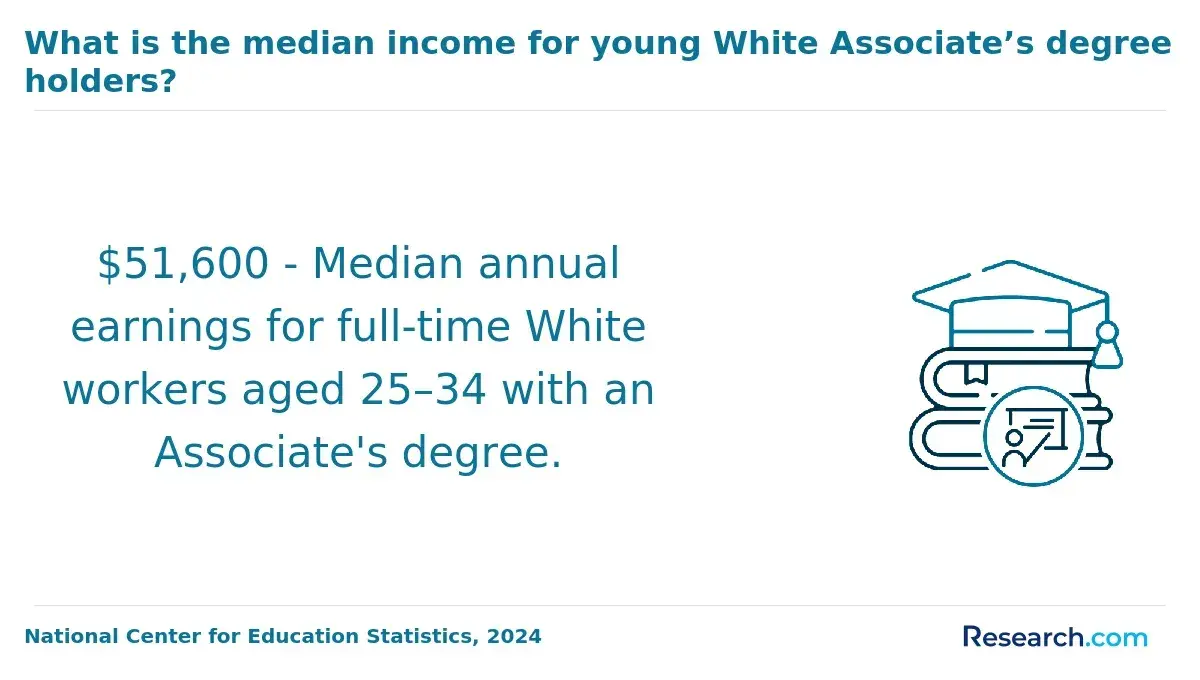
The median annual salary for professionals with an online physical therapy assistant degree is around $62,000, with entry-level roles starting near $45,000 and seasoned specialists earning over $80,000 annually. Compensation varies notably based on education, experience, industry, location, and certifications.
- Degree Level: Most physical therapy assistants hold an associate degree, yet those completing bachelor's programs or advanced certifications tend to receive higher pay, particularly in competitive urban markets.
- Years of Experience: Salaries typically increase with work tenure, with professionals gaining five to ten years of experience often earning 15-25% more than new graduates due to enhanced skills and responsibilities.
- Industry Sector: Wage differences exist across job settings-outpatient care centers and specialty clinics generally offer better pay than nursing homes or home healthcare. Fields like pediatric therapy and sports medicine often provide premium compensation.
- Geographic Market: Salary levels are influenced by regional demand and living costs. Urban areas with strong rehabilitation service needs and regions with tight labor markets tend to pay more.
- Specialization and Certification: Credentials such as the Board of Certification's PTA Advanced Proficiency Certificate can lead to notable salary premiums. Graduates of online programs can pursue these certifications after fulfilling supervised clinical experience and exam requirements, boosting income potential.
- Future Outlook: Employment growth in physical therapy assisting is expected to outpace average rates through the next decade-with salary increases aligned to rising demand from aging populations. However, it is essential for job seekers to consult current BLS data and industry wage surveys to stay informed of evolving compensation trends.
What Graduates Say About the Best Online Physical Therapy Assistant Degrees for Jobs
- Danny: "I was really impressed by how strict the accreditation standards were for the program I chose-knowing it met national benchmarks made me confident it was valued by employers. The curriculum rigor pushed me beyond what I thought I was capable of, ensuring I gained a deep understanding of physical therapy assistant principles. The blend of theory and practical tasks made me feel truly ready to start my career with confidence."
- Jamir: "Choosing a program with strong student support infrastructure was a game-changer for me-having access to tutors and responsive advisors kept me motivated when the material got tough. The practical experience requirements ensured I wasn't just learning from books but actually applying my knowledge in clinical settings, which solidified my skills. Honestly, the return on investment was remarkable since the tuition was affordable and the job opportunities I landed quickly made it all worthwhile."
- Ethan: "From a professional standpoint, career outcomes were the key factor that drew me in-graduates from my program had impressive job placement rates in various healthcare settings. The curriculum rigor was balanced well with hands-on training, making sure I developed the competencies employers demand. Plus, the costs were transparent upfront, so I didn't face any surprises, and that financial clarity helped me plan my next steps effectively."
Other Things You Should Know About Physical Therapy Assistant Degrees
The best online physical therapy assistant programs focus on building both technical and interpersonal skills. Students gain hands-on knowledge of therapeutic exercises, patient care techniques, and clinical documentation. Additionally, programs emphasize communication skills and ethical practice, preparing graduates to work effectively in diverse healthcare settings.
Though the coursework is delivered online, accredited physical therapy assistant programs require students to complete practicum or clinical experiences in person. These placements-often arranged through partnerships with local clinics or hospitals-allow students to apply their learning in real-world environments under supervision. Schools typically assist in securing sites to ensure students meet state licensing requirements.
Top online programs offer robust student services, including academic advising, tutoring, and career counseling tailored to physical therapy assistant students. Many also facilitate virtual networking events, alumni groups, and mentorship programs to connect students with practitioners and potential employers. These resources help maintain engagement and assist with job placement after graduation.
References
- PT vs PTA difference Archives https://blog.stanbridge.edu/tag/pt-vs-pta-difference/
- How Much Does Physical Therapy School Cost? (2026 Breakdown) https://www.highbarhealth.com/physical-therapy-school-cost/
- Top Online PTA Programs in 2026 (Ranked) https://physical-therapy-assistant.org/physical-therapy-assistant-schools-online/
- How to become a Physical Therapy Assistant - Better Nurse https://betternurse.org/best-online-physical-therapy-assistant-programs/
- The Best Online Physical Therapy Assistant Programs - VitaWerks https://www.vitawerks.com/blog/the-best-online-physical-therapy-assistant-programs/
- Physical Therapist Assistant, AS | Loma Linda University https://llu.edu/academics/programs/school-allied-health-professions/physical-therapist-assistant
- Importance of CAPTE Accreditation https://www.capteonline.org/about-capte/what-we-do/importance-accreditation
- Can You Get a Physical Therapy Assistant Degree Online? - CBD College https://www.cbd.edu/blog/physical-therapist-assistant/can-you-get-a-physical-therapy-assistant-degree-online/
- Physical Therapy (PT) Careers and Salaries https://teach.com/online-ed/healthcare-degrees/online-dpt-programs/pt-careers-and-salary/