2027 Physical Therapy Assistant Internship Requirements: Hours, Placements, and Supervision

Co-Founder and Chief Data Scientist
What do the internship requirements for physical therapy assistant programs typically involve? Many students wonder about the number of clinical hours needed, the process for securing placements, and the level of supervision expected during their hands-on training.
With the Bureau of Labor Statistics projecting a 21% job growth in this field through 2032, understanding these components becomes crucial for successful professional preparation. Internships commonly take place in settings such as outpatient clinics or rehabilitation centers, under the direct oversight of licensed physical therapists. This article explores the key elements of internship hours, placement procedures, and supervision criteria essential for physical therapy assistant degree completion.
Key Things to Know About Physical Therapy Assistant Internship Requirements
- Internship hours typically range from 500 to 700, requiring careful scheduling to balance clinical practice with academic coursework and personal commitments.
- Placement availability varies by region; students often compete for sites with specialized populations, influencing internship location and experience diversity.
- Supervision mandates licensed physical therapy professionals oversee students, with evaluations focusing on clinical skills, professionalism, and patient interaction to ensure competency development.
Do All Physical Therapy Assistant Degrees Require an Internship?
Internships are a common part of physical therapy assistant degree programs, offering essential hands-on experience to complement classroom learning. According to a survey by the American Physical Therapy Association, over 90% of CAPTE-accredited programs require students to complete at least one clinical internship or equivalent experience before graduation.
The necessity of internships, however, varies depending on several program-specific factors.
- Program Accreditation: The accreditation status of a physical therapy assistant degree heavily influences internship requirements. CAPTE-accredited programs usually mandate clinical internships as part of their standards, ensuring students gain real-world experience to meet licensure and employment expectations.
- Program Type and Level: Associate degree programs typically enforce more rigorous internship components compared to certificate or hybrid programs. Some certificate pathways might incorporate alternative experiential learning while still preparing students adequately for clinical roles.
- Specialization Tracks: Programs that focus on specialized areas within physical therapy may require targeted clinical experiences tailored to that specialty, which can sometimes replace or supplement traditional internships.
- Alternative Learning Models: Certain programs offer options such as simulation labs or service-learning projects that partially fulfill experiential learning requirements, potentially reducing the need for a conventional internship.
Prospective students exploring physical therapy assistant internship requirements in the United States should carefully consider these factors and review program-specific curricula to understand the clinical experience expectations that align with their educational goals.
For those interested in related healthcare fields, researching online pharmacy schools can provide insight into comparable clinical education models.
What Requirements Must Be Met Before Starting a Physical Therapy Assistant Internship?
Programs require specific prerequisites before students begin a physical therapy assistant internship to ensure they are well-prepared and capable of providing safe patient care. According to the Commission on Accreditation in Physical Therapy Education (CAPTE), accredited programs typically expect students to complete at least 60 to 75% of their coursework prior to clinical placements.
Below are key eligibility criteria commonly required before starting an internship.
- Completed Coursework: Students must finish foundational classes including anatomy, physiology, kinesiology, therapeutic exercises, and pathology to build essential knowledge needed in clinical settings.
- Minimum GPA: A grade point average of 2.5 to 3.0 is often required to demonstrate academic competence and readiness for hands-on training.
- Application Approval: Securing an internship placement usually involves a formal application process where students submit documents verifying immunizations, health insurance, and other compliance factors.
- Background Checks: Many programs mandate passing criminal background checks and providing health documentation to meet legal and facility safety standards.
- BLS/CPR Certification: Current Basic Life Support or cardiopulmonary resuscitation certification is necessary to ensure that interns can respond effectively to emergencies during their clinical experience.

How Many Internship Hours Are Required for Physical Therapy Assistant Degrees?
Internship hours are a crucial component of physical therapy assistant degrees, designed to provide hands-on clinical experience needed to develop essential skills. Most programs require between 500 and 700 clinical hours, often translating to about 12 academic credits where each credit represents roughly 45 to 60 hours of practical work.
Below are some key factors that influence these hour requirements.
- Accreditation Standards: Accreditation bodies set minimum clinical hour requirements to ensure students receive adequate exposure to patient care and therapy techniques. These standards help maintain program quality and consistency nationwide.
- Credit Hour Equivalency: Internship hours correspond to academic credits, linking practical experience to degree progress. For example, a program requiring 12 clinical credits may expect anywhere from 540 to 720 internship hours.
- Program Structure: Full-time programs often condense clinical hours into shorter periods, while part-time options may spread hours over a longer timeframe, affecting how students schedule their internships.
- Curriculum Balance: The ratio of classroom theory to clinical practice varies by institution, influencing total internship hours. Programs emphasizing experiential learning typically require more hands-on time.
- State Regulations: Some states impose their own clinical hour minimums for licensure eligibility, which can affect internship hour requirements within degree programs.
When asked about how many internship hours are required for physical therapy assistant degrees, a recent graduate shared that managing the required hours felt both challenging and rewarding. He described balancing coursework with clinical obligations as a "constant juggle," with some weeks packed with patient sessions and others lighter to accommodate academic demands.
He appreciated how these hours built his confidence, but also noted the pressure to meet rigorous hour minimums within tight scheduling windows. Overall, he felt the demanding internship hours were vital in preparing him for professional practice.
Where Do Physical Therapy Assistant Students Complete Internships?
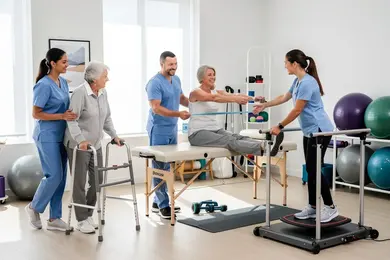
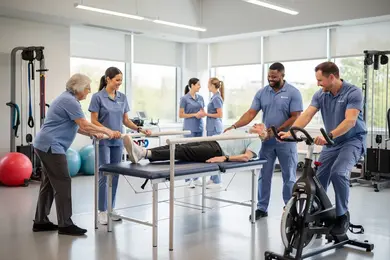
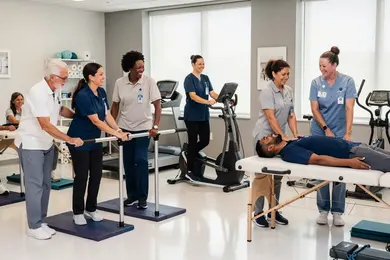
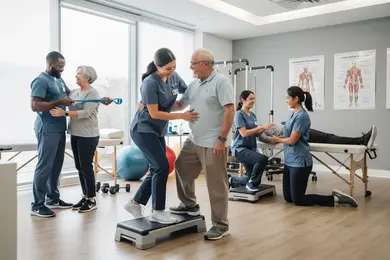
Internship placement environments play a crucial role in shaping practical skills for physical therapy assistant students. Over 60% of their clinical education hours occur in outpatient or inpatient rehabilitation centers, highlighting key sectors for hands-on learning. These diverse settings expose students to a range of patient needs and therapeutic approaches, enriching their clinical experience.
Below are common physical therapy assistant student clinical placement locations.
- Outpatient Clinics: These facilities offer rehabilitation services to ambulatory patients, allowing students to work on mobility, pain management, and recovery protocols in fast-paced, community-focused environments.
- Hospitals and Acute Care Centers: Internships in these settings involve assisting with acute injury and post-surgical rehabilitation, providing exposure to interdisciplinary care and complex medical conditions.
- Corporate Wellness Programs: Corporate environments emphasize preventative care and employee health, where students learn to apply therapeutic interventions aimed at improving workplace ergonomics and reducing injury risks.
- Government and Military Agencies: These placements often focus on veteran and active-duty populations, offering insight into specialized rehabilitation services tailored to unique physical and psychological needs.
- Research Institutions: In these settings, students may contribute to studies on rehabilitation techniques, gaining exposure to evidence-based practice and advancing therapeutic knowledge.
Prospective students interested in educational costs related to healthcare programs can explore more on MHA degree cost.
How Are Internship Placements Assigned in Physical Therapy Assistant Programs?
Internship placements in physical therapy assistant programs are carefully designed to align student learning goals with clinical opportunities. These processes ensure that students gain meaningful experiences while meeting program requirements.
A 2023 survey revealed that about 70% of programs rely on structured partnerships with healthcare facilities to guide placements. Below are common methods institutions use to assign internships.
- Faculty-Guided Matching: Program coordinators review student profiles, including interests and skills, to personally recommend site placements that complement each learner's educational objectives.
- Student-Driven Applications: Some programs empower students to select or apply for sites directly, fostering increased engagement and ownership of their clinical experiences.
- Centralized Placement Systems: Certain schools utilize software or centralized databases to streamline matching by considering availability, location, and program needs.
- Partnership-Based Assignments: Institutions maintain long-term affiliations with specific clinics or hospitals, assigning students based on prearranged agreements and facility capacity.
When asked about how internship placements were assigned, a physical therapy assistant degree student shared that her program combined faculty recommendations with her preferences. She recalled feeling a bit anxious initially, unsure if her input would be valued, but appreciated how coordinators balanced student choice with practical considerations.
"They definitely wanted to ensure I'd be in a place where I could thrive and get hands-on experience," she reflected. Navigating the process required patience and clear communication but ultimately felt supportive. This approach helped her feel confident entering her clinical rotation, knowing it was thoughtfully arranged to match her goals and strengths.

Are Virtual or Remote Internships Available?
Remote work has increasingly influenced healthcare education, leading to more virtual or hybrid internship options in physical therapy assistant programs. A 2023 survey from the Association of American Physical Therapy Schools revealed that about 35% of these programs now include some form of remote or blended clinical training.
This shift reflects broader trends in digital collaboration and flexible learning within the healthcare sector. Such developments open new possibilities for students pursuing practical experience in their field.
Virtual or remote internships for physical therapy assistants typically blend online coursework with supervised clinical tasks completed at home or local outpatient locations. These experiences depend on video conferencing, electronic health records, and other digital platforms to enable real-time instruction, case discussions, and interaction with clinical supervisors.
The flexibility inherent in remote formats allows students to access placements beyond their immediate area and balance internship demands with personal schedules. However, the extent to which virtual internships are offered varies based on each program's policies, as well as state regulations and accreditation requirements.
Are Part-Time Internships Allowed for Working Students?
Students pursuing physical therapy assistant programs often juggle work alongside their education, making part-time internships a valuable option. Studies show nearly 70% of college students hold employment during their studies, highlighting the need for flexible clinical placement options.
These programs frequently adapt internship structures to fit working students' varied schedules, helping them meet clinical hour requirements without sacrificing their job or academics.
Important features of part-time internships include:
- Scheduling Flexibility: Students can select clinical hours that work around their classes and employment, often spreading required hours over a longer period to reduce weekly time commitments.
- Employer Accommodations: Many clinical sites accommodate working students by offering shifts during evenings or weekends, enhancing students' ability to balance internships with paid work.
- Academic Workload Balance: Physical therapy assistant programs usually coordinate closely with students to prevent internship demands from overwhelming their course responsibilities, fostering a manageable study experience.
- Program-Specific Restrictions: Some institutions enforce minimum weekly hour requirements or cap the total internship duration, ensuring that students still gain sufficient hands-on clinical exposure while working part time.
By providing these flexible internship arrangements, physical therapy assistant programs support students in successfully completing clinical training while maintaining employment and academic progress.
What Supervision Is Required During a Physical Therapy Assistant Internship?
Supervision during a physical therapy assistant internship is essential for ensuring both patient safety and professional growth. Studies, such as a 2022 American Physical Therapy Association survey, show that interns receiving consistent mentorship are 35% more likely to achieve early clinical competency.
This structured oversight involves several key elements designed to align academic learning with clinical practice.
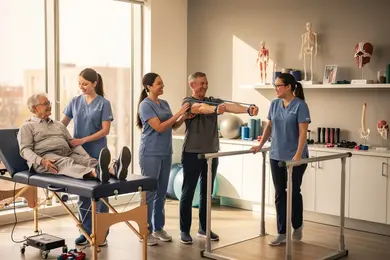
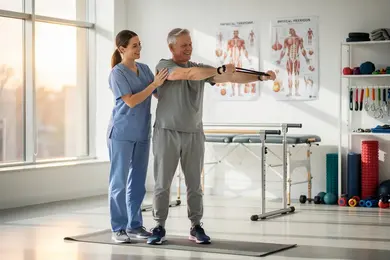
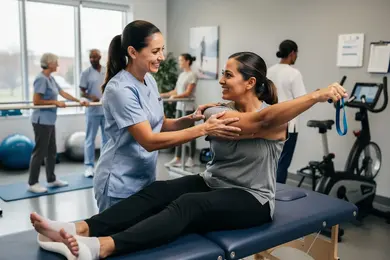
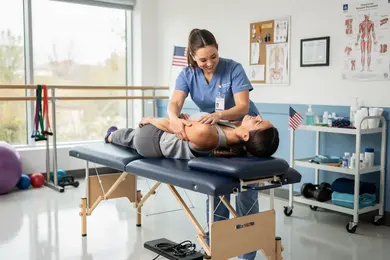
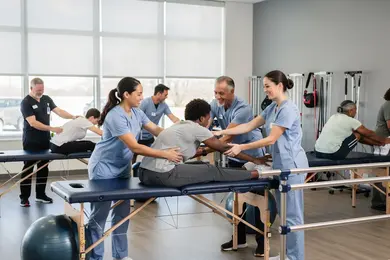
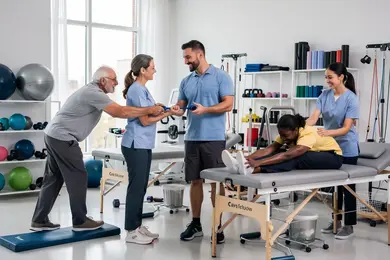
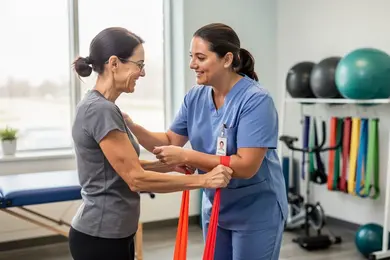
- Direct Clinical Supervision Guidelines: Licensed physical therapists or experienced assistants provide continuous direct supervision, guiding students through clinical tasks while ensuring adherence to safety protocols and best practices. This approach meets specific direct clinical supervision guidelines for physical therapy assistant students to safeguard patient welfare.
- Faculty Oversight: Educational institution faculty coordinate with onsite supervisors to track intern progress, maintaining regular communication to address learning needs and ensure academic objectives are met. This involvement fosters a bridge between classroom knowledge and clinical application.
- Workplace Mentorship: Daily mentorship offers real-time guidance, models professional behavior, and delivers immediate feedback. Such consistent mentorship directly correlates with improved clinical competency and confidence in new professionals.
- Progress Monitoring: Supervisors conduct observations and formal check-ins to identify strengths and areas for improvement. This systematic monitoring supports accountable skill development aligned with professional standards.
- Performance Feedback: Feedback, both informal and scheduled, supports interns in refining their skills and encourages reflective practice critical for career growth.
Those seeking to fast-track their education and clinical experience can explore fast track programs available in the United States, which integrate these supervision requirements to enhance learning outcomes in physical therapy assistant internships.
How Are Physical Therapy Assistant Internships Evaluated?
Evaluating physical therapy assistant internship performance is critical to ensuring students develop the competence required for clinical practice. Over 90% of graduates credit structured evaluation methods with helping them achieve clinical readiness.
The following physical therapy assistant clinical evaluation methods are commonly used to measure student learning and skill development during internships.
- Supervisor Reviews: Clinical instructors conduct detailed assessments by observing students' technical skills, communication, and compliance with clinical protocols. These evaluations frequently utilize standardized scoring rubrics, supporting consistency across placement sites.
- Reflective Assignments: Students submit written reflections that analyze their clinical experiences and professional growth. This approach deepens the assessment by highlighting students' critical thinking and understanding of their roles beyond practical tasks.
- Performance Benchmarks: Clear competency goals aligned with accreditation standards define requirements such as patient handling techniques and accurate documentation. Meeting these benchmarks guarantees students fulfill essential competencies before program completion.
- Faculty Assessments: Faculty review submitted documentation, including logs and evaluations, to supplement clinical evaluations. This ensures academic standards are maintained and experiential learning outcomes are achieved comprehensively.
- Data-Driven Outcomes: Programs increasingly rely on data from clinical evaluations to identify student strengths and weaknesses systematically. This continuous feedback loop supports ongoing improvement and program credibility.
Optimizing physical therapy assistant internship performance criteria through these evaluation methods strengthens students' readiness and trust in program quality. Students interested in related health fields might also consider pursuing a HIM degree online to diversify their healthcare expertise.
What Challenges Do Physical Therapy Assistant Students Face During Internships?
Internships provide essential hands-on experience for physical therapy assistant students but are often accompanied by significant challenges. Around 65% of students report increased anxiety related to clinical workload and expectations.
Below are some common difficulties encountered during the demanding internship period.
- Balancing Schedules: Managing physical therapy assistant internship time management difficulties is a frequent struggle. Students must coordinate lengthy clinical hours with coursework, part-time work, and personal obligations, which can lead to overwhelming stress and fatigue.
- Adapting to Workplace Culture: Learning professional communication, time management, and clinical protocols swiftly is necessary. This transition from academic settings to real-world patient care tests both confidence and competency.
- Transportation and Finances: Many internship sites are located far from campus or home, causing extended commutes and added expenses. Since clinical placements are often unpaid, students face financial strain without compensation for their clinical hours.
- Professional Responsibilities: First-time management of patient interactions, confidentiality, and clinical tasks can feel daunting. The pressure to perform safely and effectively contributes to the overall internship challenges.
Being aware of these common internship challenges for physical therapy assistant students can help them prepare better and navigate through the clinical requirements more successfully. Those considering advanced nursing pathways may also explore RN to NP programs as an option for career growth.
What Graduates Say About Physical Therapy Assistant Internship Requirements
- Danny: "My experience with my physical therapy assistant degree internship was truly eye-opening. Completing the required hours in diverse clinical placements allowed me to apply classroom knowledge in real-world settings, which greatly boosted my confidence. Supervised internships ensured I received valuable feedback that refined my skills every step of the way."
- Jamir: "Reflecting on my physical therapy assistant internship, I appreciated how structured and supportive the environment was. The supervision I received helped me understand the nuances of patient care, while the variety of placement locations gave me a broader perspective on potential career paths. This hands-on experience was pivotal in shaping my approach as a professional."
- Ethan: "Having completed my physical therapy assistant degree internship, I can confidently say it was a critical turning point in my career. The combination of rigorous supervised hours and diverse clinical assignments prepared me to handle real patient scenarios effectively. This internship not only improved my technical abilities but also reinforced the importance of empathy in patient interactions."
Other Things You Should Know About Physical Therapy Assistant Degrees
Yes, many physical therapy assistant internships offer placements in specialty areas such as orthopedics, pediatrics, neurology, and geriatrics. These specialized settings provide students with focused clinical experience that complements general practice knowledge.
Yes, physical therapy assistant students are typically required to maintain detailed records of their clinical hours and patient interactions. Accurate and timely documentation is essential for program compliance and for supervisors to evaluate student progress.
The licensed physical therapist oversees the clinical education of the physical therapy assistant student. They provide guidance, ensure compliance with treatment protocols, and assess student competency throughout the internship period.
In 2027, physical therapy assistant internships monitor ethical standards including patient confidentiality, professional interactions, and adherence to practice guidelines. Interns are expected to abide by the APTA Code of Ethics, ensuring that they conduct themselves with integrity and respect toward all patients and healthcare providers.
References
- | NRR | Dove Medical Press https://www.dovepress.com/internship-challenges-encountered-by-nursing-students-a-qualitative-st-peer-reviewed-fulltext-article-NRR
- Physical Therapy Internships https://www.worldendeavors.com/intern-abroad/health-life-sciences/physical-therapy/
- Physical Therapist/ Physical Therapist Assistant Internship Opportunities - CAM Physical Therapy - Maryland https://camphysicaltherapy.com/physical-therapist-physical-therapist-assistant-internship-opportunities/
- Physical Therapy Internship Guide for Pre-PT Students Abroad https://crismamexico.org/physical-therapy-internship-abroad-guide/
- The Ultimate Guide To Physical Therapy Internships Abroad https://www.therapyabroad.org/the-ultimate-guide-to-physical-therapy-internships-abroad/
- Physical therapy internships https://www.theraplatform.com/blog/1293/physical-therapy-internships
- 5 Physical Therapy Jobs That Allow You to Work Remotely | USAHS https://www.usa.edu/blog/5-physical-therapy-jobs-that-allow-you-to-work-remotely/
- Physical Therapist Assistant Clinical Internship https://slchc.edu/physical-therapy/physical-therapist-assistant-clinical-internship/
- Physical Therapy Internships | Programs For Students, Undergrads, & Grads https://www.internhq.com/fields/physical-therapy/
- Therapy Comply https://therapycomply.com/Massachusetts/Physical-Therapy/Supervision-Definitions