2027 Best Online Healthcare Management Degrees for Jobs

Co-Founder and Chief Data Scientist
Choosing an online healthcare management degree can feel overwhelming-especially when accreditation, curriculum quality, costs, and career outcomes vary widely across programs. Many working adults struggle to identify programs that balance affordability with rigorous training and strong job placement support. Research shows that graduates of accredited healthcare management programs experience up to 25% higher employment rates within six months of graduation. Practical experience requirements and student services often determine real-world readiness. This article examines top online healthcare management degrees through a data-driven lens-offering readers the tools to discern program value and align choices with their career goals and personal circumstances.
Key Things to Know About the Best Online Healthcare Management Degrees for Jobs
- Accreditation-especially from CAHME or regionally recognized bodies-ensures programs meet rigorous industry standards and enhances graduate employability in competitive healthcare markets.
- Curriculum rigor combining healthcare policy, management principles, and data analytics prepares students to tackle complex operational challenges effectively.
- Cost-effective programs with strong return on investment show graduates earning 20% higher salaries within five years compared to peers without specialized degrees.
What Is a Healthcare Management Degree, and What Can It Do for Your Career?
A healthcare management degree equips students with essential knowledge and skills to oversee healthcare organizations effectively. Leading professional bodies, such as the American College of Healthcare Executives, define this discipline as an interdisciplinary field combining business administration, public health, and medical sciences to prepare graduates for leadership roles in hospitals, clinics, insurance firms, and related sectors.
The core curriculum emphasizes healthcare policy, organizational behavior, financial management, health information systems, and regulatory compliance-offering a blend of theory and practical leadership competencies that set it apart from clinical or public health degrees. This focus supports strategic decision-making and administrative leadership rather than direct patient care. Earning a healthcare management degree benefits job opportunities by opening doors to a variety of administrative and executive roles.
- Associate's Degree: Entry-level preparation for administrative roles like medical office management or health services coordination.
- Bachelor's Degree: Comprehensive foundation qualifying graduates for supervisory and managerial positions across healthcare settings.
- Master's Degree: Advanced leadership training focusing on strategy, policy analysis, and organizational management suitable for senior roles.
- Doctoral Degree: Tailored for research, academic careers, or consultancy at the highest levels in healthcare.
This guide concentrates on the growing number of online healthcare management degree programs-designed for working adults, military veterans, and career changers seeking flexible education that balances with personal commitments. Factors such as accreditation, curriculum rigor, cost-effectiveness, career outcomes, hands-on experience requirements, and student support are examined to identify the best online healthcare management degree programs for career advancement.
For those considering a swift alternative pathway in healthcare education, exploring a medical assistant degree online 6 weeks offers a valuable comparison in terms of program duration and career entry point.
How Do Online Healthcare Management Degree Programs Compare to Traditional Campus Programs?
Comparing online healthcare management degree versus traditional campus programs reveals critical distinctions for prospective students. Accredited online programs maintain curriculum depth and rigor equivalent to campus degrees-often taught by the same qualified faculty ensuring comprehensive coverage of healthcare policy, administration, and finance. Students enrolling in online programs benefit from professors with industry and academic credentials comparable to those on campus, who engage learners via live virtual sessions, recorded lectures, and scheduled office hours.
- Student-Faculty Interaction: Campus programs enable face-to-face engagement, but leading online programs replicate this connection through interactive discussion boards, video conferencing, and small cohorts. However, online interaction can feel less spontaneous for some learners.
- Peer Collaboration: While on-campus students naturally form informal networks, online students actively collaborate through group projects and virtual study teams. Cohort models in online programs foster strong professional communities despite physical distance.
- Clinical or Practicum Requirements: Both formats include practicum opportunities, with online programs partnering with healthcare facilities near students to satisfy hands-on experience without campus visits.
- Employer Perception: Employer surveys show increasing acceptance of online healthcare management degrees from accredited institutions with solid reputations-though some high-level leadership roles may still favor traditional credentials.
- Structural Advantages: Online delivery uniquely supports working adults, caregivers, military veterans, and remote learners by offering schedule flexibility and eliminating relocation needs, accommodating those who cannot easily access traditional campus settings.
- Limitations and Solutions: Practical exposure and in-person networking challenges in online formats are addressed by residency intensives, advanced learning technologies, and hybrid designs combining online coursework with brief campus sessions.
Prospective students evaluating differences between online and on-campus healthcare management education should consider these factors while consulting accreditation data and graduate employment surveys. For those seeking the cheapest online nursing programs as an example of comparable online healthcare education, the balance between flexibility, rigor, and employer recognition remains paramount.
What Are the Accreditation Standards That Define a Reputable Online Healthcare Management Degree?
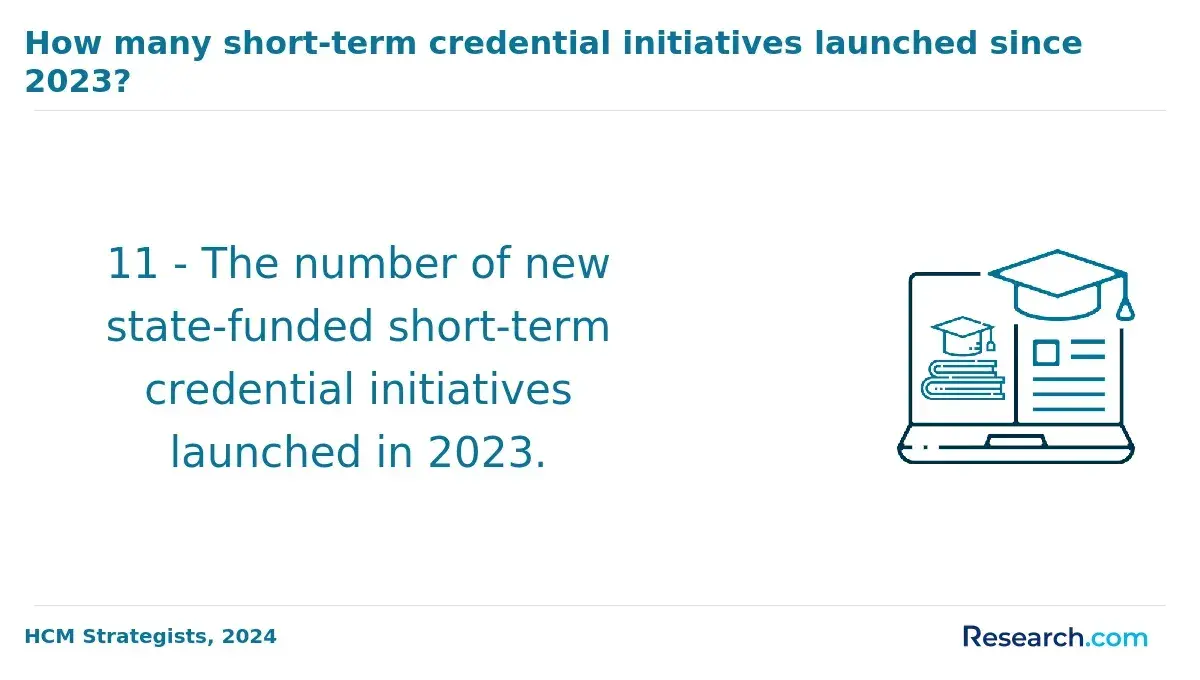
Accreditation marks the essential benchmark for reputable online healthcare management programs in the U.S., established through both regional and programmatic agencies. Regional accreditors assess entire institutions-ensuring overall academic quality, faculty expertise, student support, and outcomes-and hold considerable respect among employers and graduate programs. Key regional accreditors endorsed by the U.S. Department of Education include the Higher Learning Commission (HLC), Middle States Commission on Higher Education (MSCHE), and Southern Association of Colleges and Schools Commission on Colleges (SACSCOC). Degrees from such institutions typically carry more weight for career advancement and further education.
- Regional Accreditors: These bodies conduct comprehensive institutional evaluations and are critical in affirming an institution's educational legitimacy.
- Programmatic Accreditors: Focused specifically on healthcare-related curricula, organizations like the Commission on Accreditation of Healthcare Management Education (CAHME) ensure that programs meet industry leadership standards.
Choosing an unaccredited online healthcare management program can hinder licensure eligibility, restrict credit transfer, and decrease employer confidence-posing significant obstacles for career growth and academic progression.
Prospective students should confirm accreditation by consulting two main resources: the U.S. Department of Education's database of accredited postsecondary institutions and the Council for Higher Education Accreditation (CHEA) directory. Both provide authoritative verification of institutional and programmatic credentials.
Ultimately, accreditation should remain a non-negotiable requirement regardless of cost or convenience, guaranteeing a program's recognized quality and maximizing future opportunities.
Reflecting on these standards, a professional who earned a healthcare management degree shared that the verification process felt overwhelming at first-"Making sure the program was properly accredited wasn't just a box to check; it was crucial to avoid wasting time and resources." They recalled encountering dubious programs early on and emphasized how rigorous accreditation helped build their confidence in the education's value and eligibility for pivotal certifications. This vetting, they noted, ultimately shaped their ability to secure meaningful roles and succeed in their career journey.
Which Types of Healthcare Management Degrees Are Available Online-Bachelor's, Master's, or Doctoral?
Online healthcare management degrees are widely available across all academic tiers, providing flexible virtual pathways to lead and optimize medical organizations. These remote programs range from foundational bachelor’s degrees for entry-level clinic operations to highly popular master's options (like the MHA or MBA) and professional doctorates (such as the DHA or PhD) designed for top-tier hospital systems and executive healthcare leadership.
Associate's Degrees: These entry-level programs usually require a high school diploma or GED and take around two years to complete. They serve recent graduates, working adults, and military veterans seeking foundational skills for healthcare administration roles.
Bachelor's Completion Programs: Designed for students with some college credit or an associate's degree, these programs typically last 1-2 years. They provide essential healthcare management competencies, preparing learners for supervisory positions. Many accelerated options exist, including 1 year degree programs that help students progress swiftly.
Master's Degrees: Requiring a bachelor's degree, these 1.5 to 3-year programs focus on leadership, policy, and advanced management skills. They cater to professionals aiming for executive roles or career transitions and usually report higher completion rates due to targeted admissions and support.
Doctoral Programs: Spanning 3-5 years beyond a master's, these programs prepare graduates for research, academia, and policy development. Admission demands significant professional experience and prior graduate study, aligning with candidates focused on advanced scholarship or thought leadership.
Post-Baccalaureate Certificates: Offering specialized training in 6 months to a year, these certificates allow professionals to gain specific expertise or pivot fields without committing to a full degree.
Stackable Credentials: Many programs offer pathways that apply credits from certificates through bachelor's and master's degrees, enabling flexible advancement tailored to individual goals.
Academic & Career Prerequisites: Undergraduate options require high school or some college credits, while graduate and doctoral studies insist on relevant prior degrees and experience. IPEDS data reveal that undergraduate healthcare management enrollment is higher, but these programs often see lower completion rates compared to graduate-level studies.
What Is the Typical Cost of an Online Healthcare Management Degree, and How Can You Finance It?
Tuition for an online healthcare management degree varies significantly based on institution type and residency status. Public in-state programs are usually the most cost-effective, with total expenses ranging between $5,000 and $15,000. Attending public out-of-state institutions often doubles those costs. Private nonprofit universities typically charge from $20,000 up to $50,000, while for-profit schools can exceed $30,000, often offering more flexible payment schedules or accelerated formats.
Beyond tuition, students should account for additional fees such as technology costs, course materials, and potential on-campus residencies or intensive sessions-which might add several hundred to a few thousand dollars to the overall price. Focusing on the total program cost rather than per-credit-hour charges provides a clearer understanding of financial obligations.
Federal financial aid options play an essential role in supporting students. Key programs include:
- Pell Grants: Need-based awards that don't require repayment and can cover thousands annually for qualifying undergraduates.
- Federal Direct Loans: Subsidized loans offer lower interest rates and deferred interest during study, while unsubsidized loans accumulate interest immediately regardless of financial need.
- GI Bill Benefits: Military veterans and active-duty personnel may use these funds toward tuition and housing costs in eligible programs.
Scholarships targeted at healthcare management students are also available from professional associations, state workforce agencies aiming to enhance healthcare leadership, and many institutions awarding merit-based aid for academic performance or professional experience.
Prospective students are encouraged to use resources like the College Scorecard's net price calculator to estimate their actual expenses after aid, assisting them in selecting programs aligned with both their financial capacity and career goals.
One healthcare management professional I spoke with reflected on her journey financing the degree. She described navigating a mix of grants and loans while carefully budgeting for unexpected expenses like required software and travel to brief residencies. "At times, it felt overwhelming balancing work, studies, and finances," she shared, "but staying organized and using financial aid resources made it manageable." Her experience illustrated that, although the costs can be daunting initially, thorough planning and leveraging available aid create viable pathways to completing the degree and advancing a career in healthcare leadership.
How Long Does It Take to Complete an Online Healthcare Management Degree Program?
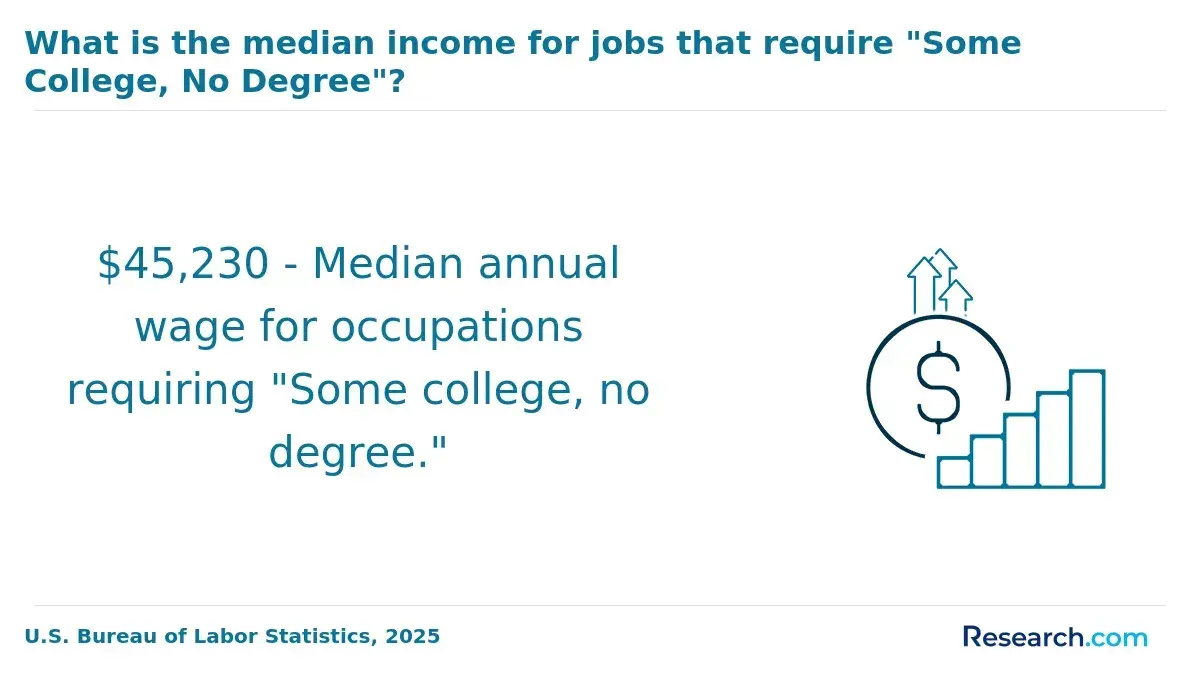
The time needed to complete an online healthcare management degree depends largely on the degree level-associate's degrees usually require around two years, bachelor's degrees about four, master's programs range from 1.5 to 2 years, and doctorates can take between 3 and 6 years depending on research demands and specialization.
- Degree Level: Each level has a typical timeframe; yet, online formats often allow flexibility tailored to working professionals.
- Enrollment Status: Full-time students generally graduate within standard periods, while part-time learners take longer but benefit from balancing work or family responsibilities.
- Transfer Credits: Prior college or military training credits can reduce time to graduation significantly.
- Competency-Based Progression: Some programs enable learners to advance faster by proving mastery of course material.
- Accelerated Options: Several accredited online healthcare management degrees offer year-round enrollment, accelerated tracks, or prior learning assessments (PLA), ideal for adult learners and those with relevant experience.
- Program Time Limits: Institutions often set minimum and maximum enrollment periods to maintain financial aid eligibility; surpassing these limits risks affecting satisfactory academic progress (SAP) and funding.
- Average Completion Data: Real-world graduate timelines frequently extend slightly beyond advertised program lengths, reflecting life circumstances and course scheduling.
Students should consider how these factors-especially flexible pacing, transfer credit policies, and support services-impact their ability to complete a healthcare management degree in a timeframe that suits their personal and professional goals.
What Core Curriculum and Coursework Should a Quality Online Healthcare Management Program Include?
High-quality online healthcare management programs distinguish themselves through rigorous core curricula aligned with standards set by accrediting bodies like the Commission on Accreditation of Healthcare Management Education (CAHME). These programs emphasize foundational and advanced competencies essential for today's healthcare industry challenges-far beyond superficial or outdated content.
Key curriculum components include:
- Healthcare Systems and Policy: Deep understanding of U.S. healthcare structure, financing, and regulatory environments prepares students to navigate complex policy landscapes.
- Healthcare Finance and Economics: Mastery of budgeting, reimbursement models, and economic principles critical for managing resources efficiently.
- Leadership and Organizational Behavior: Training in leadership theories, team dynamics, and ethical decision-making essential for effective administration.
- Data Analytics and Information Systems: Hands-on experience with healthcare data analysis and electronic health records to support informed decision-making.
- Quality Improvement and Patient Safety: Instruction on methodologies to enhance care quality and implement safety protocols.
- Legal and Regulatory Compliance: Comprehensive coverage of healthcare laws such as HIPAA and ethical frameworks ensuring graduates understand compliance obligations.
- Capstone or Integrative Projects: Real-world projects or practicums encouraging application of knowledge, assessing competency and workplace readiness.
Graduates should demonstrate measurable outcomes including strategic decision-making, effective communication, financial acumen, and ethical leadership-skills highly valued by healthcare management employers for leading multidisciplinary teams and managing complex projects. Top programs maintain curriculum currency through review cycles every three to five years and collaborate with industry advisory boards of healthcare executives to integrate emerging trends, evolving methodologies, and regulations.
Prospective students are advised to request detailed course sequences, syllabi, and outcomes maps directly from programs rather than relying on marketing materials, ensuring alignment with career goals. Notably, the U.S. Bureau of Labor Statistics projects a 17% growth rate for medical and health services managers between 2022 and 2032, underscoring demand for graduates from robust programs.
Which Online Healthcare Management Programs Offer the Best Return on Investment for Working Adults?
Working adults seeking the best return on investment (ROI) from online healthcare management programs should carefully evaluate data-driven factors beyond institutional prestige. Public universities often emerge as leaders by offering competitive tuition rates combined with extensive employer networks that boost career advancement opportunities. This balance ensures strong employment outcomes relative to cost, making them attractive options for affordable online healthcare management degrees for career advancement.
- Cost Efficiency: Online healthcare management programs at public institutions usually provide lower tuition, especially for in-state students benefiting from reciprocity agreements. These reduce upfront educational expenses, which is critical when calculating ROI. Many employers also offer tuition reimbursement programs-substantially lowering net education costs for working adults pursuing credentials.
- Employment Rates: Top programs consistently report strong graduate outcomes within six to twelve months of graduation. Practical experience requirements and partnerships with healthcare organizations help ensure job placement success.
- Salary Outcomes: Median earnings measured at six and ten years after enrollment provide a clearer picture of long-term ROI. Leading programs yield graduates with significant salary growth, key to recouping education investments.
- Loan Default Rates: Institutions with low loan default rates signal financial sustainability. They typically emphasize career services and financial counseling tailored for working adult learners, reducing financial risk.
- Scholarship Availability: Scholarships aimed at veterans, professionals, and other non-traditional students improve ROI by lowering financial barriers and reducing reliance on loans.
When assessing healthcare management programs, prospective students-including veterans and career changers-should scrutinize accredited programs' outcome data over rankings. Factors such as job placement rates and median salaries provide a more comprehensive understanding of true value. Working adults can confidently invest time and money in programs aligned with their professional goals and financial realities by applying this rigorous approach.
Many working adults transitioning into healthcare management careers may also consider related pathways-such as CMA to LPN-to maximize career advancement opportunities within the healthcare sector.
What Admissions Requirements Do the Top Online Healthcare Management Programs Typically Require?
Admissions requirements for top online healthcare management programs vary but share several common elements across competitive graduate programs. Applicants must demonstrate strong academic performance, relevant experience, and a clear dedication to advancing their healthcare careers.
- Minimum GPA: Many selective programs require a minimum undergraduate GPA-typically around 3.0 on a 4.0 scale-though some may accept a lower GPA when paired with additional work experience or qualifications.
- Standardized Tests: Test-optional policies are increasingly common, allowing candidates to submit applications without GRE or GMAT scores. Nevertheless, submitting strong scores can still improve an application's competitiveness, particularly at research-focused universities.
- Letters of Recommendation: Programs usually request two to three letters from professors or supervisors who can attest to leadership potential, work ethic, and suitability for graduate study in healthcare management.
- Personal Statement or Essay: Applicants must express career goals, motivation to pursue healthcare management, and alignment with the program's objectives, which often distinguishes candidates in the admissions process.
- Professional Experience: While some programs admit recent graduates directly, many prefer candidates with healthcare or management backgrounds-from clinical roles to administrative positions-to enrich class discussions and applied learning.
- Prerequisite Coursework: Without prior healthcare or business experience, applicants may need foundational courses in healthcare systems, statistics, or management principles before enrolling in advanced classes.
Admissions criteria differ widely by program tier. Lower-tier or community college options often feature open enrollment or flexible standards designed to support working adults, military veterans, or career changers using education benefits. Conversely, highly selective research universities enforce rigorous standards to ensure students thrive academically and leverage professional networks. Prospective students exploring top online healthcare management program admissions criteria should honestly assess their GPA, experience, and preparedness to identify programs best aligned with their profile.
Because policies around test requirements and prerequisites evolve regularly, applicants should contact admissions advisors for the latest personalized guidance. For working adults aiming to accelerate credential completion, considering online ABSN programs can offer insight into educational pathways that balance rigor, support, and accessibility.
What Career Paths and Job Titles Are Available to Online Healthcare Management Degree Graduates?
Graduates of online Healthcare Management degree programs access diverse career opportunities spanning multiple healthcare sectors. Entry-level positions, suited to those with a bachelor's degree, include healthcare administrator, medical office manager, and health services coordinator-roles centered on overseeing daily operations, maintaining regulatory compliance, and managing patient services within hospitals, clinics, or physician offices.
Health Information Management: Graduates can work as medical records supervisors or health information analysts, combining administrative duties with technology by managing patient data securely and supporting health informatics systems essential to modern healthcare delivery.
Clinical Support and Coordination: Job titles such as patient care coordinator or clinical services manager involve facilitating communication among medical teams and patients, enhancing care quality through strong organizational and healthcare knowledge, although these roles are typically non-clinical.
Advanced Leadership and Specialist Roles: Positions including healthcare project manager, compliance officer, or consultant generally demand graduate education or specialized certifications, focusing on strategic initiatives, regulatory adherence, and optimizing healthcare processes.
Research and Policy Development: With additional experience or education, careers in healthcare research, policy analysis, or public health program management allow graduates to influence practices and shape policies at institutional or wider community levels.
Career Pivot Opportunities: The degree acts as a gateway for professionals from fields like business, nursing, or military service to enter healthcare management, leveraging targeted upskilling or certifications to transition effectively into healthcare-specific roles.
Typical Career Progressions: Over five to ten years, professionals often advance from entry positions to management, director, or executive roles such as chief operations officer or hospital administrator. Lateral moves into specialties like quality assurance or health informatics are also common, reflecting individual interests and sector demands.
Employment Sectors: Graduates find varied opportunities in hospitals, outpatient centers, long-term care facilities, insurance companies, and government agencies-each presenting unique growth pathways influenced by the evolving needs of the healthcare industry.
What Is the Salary Outlook for Professionals with an Online Healthcare Management Degree?
Median annual wages for roles held by online Healthcare Management degree holders typically hover around $100,000-though mean salaries trend higher due to top earners elevating averages. Compensation varies widely based on factors such as education level, experience, and work environment.
- Degree Level: Salaries generally rise with advanced credentials; bachelor's degree holders often earn less than those with master's degrees or MBAs in healthcare administration, as higher degrees unlock leadership roles with six-figure paychecks.
- Experience: Entry-level professionals earn roughly $60,000 to $70,000 annually, while those with 5 to 10 years of experience surpass $100,000; veterans with 15 or more years in the field may exceed $130,000, especially within major hospital systems or large healthcare companies.
- Industry Sector: Earnings depend on the employer type-private hospitals and ambulatory services tend to offer better wages compared to public agencies or outpatient facilities, though benefits and job stability can vary.
- Geographic Market: Urban centers and regions with prominent healthcare industries-such as New York, Los Angeles, and Chicago-typically provide higher compensation, reflecting cost of living and labor demand differences.
- Specialization: Expertise in areas like healthcare informatics, compliance, or finance usually garners salary premiums due to the technical nature and demand for these skills.
- Certifications: Professional designations such as Certified Medical Manager (CMM) or Fellow of the American College of Healthcare Executives (FACHE) often increase salaries by 10 to 20%. Online graduates can obtain these credentials by completing targeted courses and passing exams after finishing their degrees.
- Salary Projections: Job growth for healthcare managers remains strong due to aging populations and healthcare expansion-this steady demand supports ongoing salary increases over the coming decade.
- Data Verification: Wage figures fluctuate with economic and policy changes, so prospective students and graduates should regularly consult current BLS reports and industry surveys instead of relying on outdated static numbers.
What Graduates Say About the Best Online Healthcare Management Degrees for Jobs
- Nathanael: "Choosing an online healthcare management degree with proper accreditation standards made all the difference in my job search. I felt confident employers respected my credentials, and the curriculum rigor truly prepared me for the complexities of the industry. The program challenged me intellectually while ensuring every topic was relevant to real-world roles-highly recommended!"
- Russell: "Reflecting on my experience, the balance between cost and return on investment was crucial. I found a program that didn't break the bank yet opened doors to remarkable career outcomes in healthcare management. What stood out most was how the practical experience requirements gave me hands-on skills-those real-life scenarios changed my approach to leadership in healthcare."
- Jose: "From a professional standpoint, the student support infrastructure was a key factor in successfully completing my healthcare management degree online. Having constant access to advisors and career services helped me navigate the curriculum rigor smoothly. Ultimately, this support network played a vital role in securing meaningful roles post-graduation-something every prospective student should consider."
Other Things You Should Know About Healthcare Management Degrees
Top online healthcare management programs focus on developing leadership, communication, and critical thinking skills essential for managing healthcare organizations. Graduates learn financial management, healthcare laws and ethics, data analysis, and strategic planning-competencies that prepare them to oversee operations, manage teams, and improve patient outcomes effectively.
Many online healthcare management programs require internships or practicums to provide hands-on experience in real-world healthcare settings. These placements are often arranged locally for students, allowing them to fulfill requirements near their residence. Programs typically support students in securing field experiences that align with their career interests, ensuring practical skills complement academic learning.
Quality online healthcare management programs offer academic advising, career counseling, and technical support tailored to distance learners. They also facilitate networking through virtual events, alumni groups, and professional association partnerships, helping students build connections critical for job placement and professional growth in healthcare management.
The top online healthcare management degrees for 2027 are offered by The George Washington University, Purdue Global University, and the University of Southern California. These programs are renowned for their comprehensive curricula, experienced faculty, and strong industry connections.
References
- Careers with a Health Services Management Degree https://www.mhaonline.com/faq/careers-with-a-health-services-management-degree
- What Exactly Is A Healthcare Management Degree? - Healthcare Management Degree Guide https://www.healthcare-management-degree.net/faq/what-exactly-is-a-healthcare-management-degree/
- What are the Prerequisites for an MBA in Healthcare Management? https://www.mba-healthcare-management.com/faq/what-are-the-prerequisites-for-an-mba-in-healthcare-management/
- Low-Cost Online MBAs in Healthcare Management https://www.edumed.org/online-schools/healthcare-management-degrees/mba/most-affordable/
- Balance Work & an Online Healthcare Management Degree https://www.michiganstateuniversityonline.com/resources/healthcare-management/how-to-balance-an-online-healthcare-management-degree-with-a-full-time-career/
- Online Healthcare Administration Bachelors Degree | CHCP https://www.chcp.edu/degrees-certificates/healthcare-administration-bachelors-degree/online/
- Salary Outlook for Healthcare Management & Administration Degrees | OnlineMBAPage.com https://onlinembapage.com/mba-healthcare-management-administration-salary/
- Health Care Management (B.S.) - Online Degree Completion - University of St. Francis https://stfrancis.edu/health-care-management-online-degree-completion/
- Master of Health Administration Salary and Career Outlook https://teach.com/online-ed/healthcare-degrees/online-masters-health-administration/career-and-salary/
- 5 Prerequisites for Entrance to a Master's in Healthcare Administration Program - Healthcare Administration Degree Programs https://www.healthcare-administration-degree.net/lists/5-prerequisites-for-entrance-to-a-masters-in-healthcare-administration-program/