2027 Best Online School Counseling Degrees for Jobs

Co-Founder and Chief Data Scientist
Choosing the best online school counseling degree can be daunting when facing varied accreditation standards, costly tuition, and uncertain career returns-especially as 65% of graduates report that program reputation directly influences their job prospects. Additionally, prospective students must weigh curriculum rigor, practical experience mandates, and the strength of student support services. These factors interplay to shape not only licensure eligibility but also longer-term career outcomes. This article examines how to navigate these complexities, presenting a data-driven framework to help working adults and aspiring professionals identify online school counseling degrees that maximize investment while ensuring robust preparation and meaningful career advancement.
Key Things to Know About the Best Online School Counseling Degrees for Jobs
- Accreditation by recognized bodies ensures programs meet rigorous educational standards-graduates are more competitive in licensure and employment across diverse school settings.
- Curriculum rigor combines theory with applied methods-top programs integrate counseling ethics, developmental psychology, and intervention strategies for comprehensive skill development.
- Programs with strong student support and practical experience requirements-including supervised internships-promote higher job placement rates, with 85% of graduates employed within six months of completion.
What Is a School Counseling Degree, and What Can It Do for Your Career?
School Counseling is a specialized discipline dedicated to supporting the academic, social, and emotional development of K-12 students across diverse educational settings. According to professional organizations such as the American School Counselor Association (ASCA), school counseling focuses on removing barriers to learning and fostering positive growth to help students succeed both in school and beyond.
Key domains in a school counseling degree encompass counseling theories, human development, multicultural competence, career guidance, and ethical practice. The curricula emphasize applied skills like individual and group counseling, crisis intervention, consultation, and program development tailored specifically to school environments.
This focus clearly distinguishes school counselors from related professions such as clinical counselors or social workers. Programs offering the best online school counseling degree programs for career advancement typically balance these core knowledge areas with practical experience.
Academic credentials in this field vary widely and include associate's, bachelor's, master's, and doctoral degrees. An associate's degree provides foundational knowledge but rarely meets certification requirements. A bachelor's degree offers general understanding but often falls short of licensure prerequisites.
The master's degree is the standard credential for becoming a licensed school counselor, combining theory with supervised practical training. Doctoral degrees target advanced roles involving research, leadership, and policy. Employment outcomes with accredited online school counseling degrees tend to be strongest at the master's level and beyond.
This guide focuses on accredited, rigorous online school counseling programs designed for working adults and career changers. It examines accreditation, curriculum quality, costs, practicums, and student support to help prospective students make informed choices.
For those interested in similarly flexible health-related education, a noted option includes a 12 month DNP program online, illustrating the broader opportunities available through accredited online degrees.
How Do Online School Counseling Degree Programs Compare to Traditional Campus Programs?
Online school counseling degree programs and traditional campus programs share a central goal: preparing licensed, competent professionals. Both delivery modes adhere to rigorous standards set by accrediting bodies such as CACREP, ensuring comparable curriculum depth and mastery of counseling theories, ethics, and interventions.
Graduate outcome statistics affirm negligible differences in academic rigor between the two.
- Faculty Qualifications: Accredited online programs maintain faculty credentials on par with campus programs-often requiring doctoral degrees and active professional engagement-guaranteeing expert instruction regardless of format.
- Student-Faculty Interaction: While campus programs benefit from face-to-face engagement, top online programs offset this with synchronous sessions, video conferencing, and timely feedback, fostering meaningful dialogue.
- Peer Collaboration: Campus cohorts enable daily networking; successful online programs replicate this through cohort models, discussion forums, and group projects to build professional relationships.
- Clinical or Practicum Requirements: Licensure-critical supervised practicum and internships are required in both modes. Online students arrange local placements with support from program advisors to meet quality and compliance standards.
- Employer Perception: Data from graduate employment surveys show employers, especially in education, value degrees from reputable online programs as highly as campus degrees when accreditation and practicum rigor are evident.
- Advantages for Specific Learners: Online delivery offers genuine structural benefits for working adults, caregivers, military veterans, and those without easy campus access-including many in rural areas-by providing flexible scheduling and geographic independence.
- Addressing Online Limitations: To reduce challenges such as limited spontaneity and in-person connection, leading programs incorporate on-campus residencies or intensives that enhance hands-on learning, foster networking, and build community.
These attributes equip students to confidently evaluate online school counseling degree programs vs traditional campus programs based on outcomes and support relevant to their needs. For working adults balancing career demands, options like online nursing programs for working adults demonstrate how accessible, quality education leverages technology effectively.
By appreciating these distinctions, prospective students can assess differences between online and campus school counseling degrees with clarity and assurance.
What Are the Accreditation Standards That Define a Reputable Online School Counseling Degree?
Accreditation plays a vital role in ensuring the quality and credibility of online school counseling programs. There are two key types to consider-regional and programmatic accreditation-each valued differently by employers and graduate schools.
- Regional Accreditation: This covers the entire institution and is considered the gold standard in U.S. higher education. Schools with regional accreditation undergo comprehensive assessments of faculty expertise, curriculum design, student resources, and financial health. Examples include the Middle States Commission on Higher Education and the Southern Association of Colleges and Schools Commission on Colleges.
- Programmatic Accreditation: This accreditation applies specifically to the school counseling program, providing an additional level of quality assurance. CACREP-the Council for Accreditation of Counseling and Related Educational Programs-is the most recognized accreditor in this field, often required or strongly preferred for licensure and employment.
Enrolling in a program lacking proper accreditation can create significant obstacles. Graduates might face challenges securing licensure, as many states insist on accredited credentials. Transfer of credits to other institutions often becomes limited, and employers may question the legitimacy of the degree, affecting career advancement.
To confirm accreditation, prospective students should consult two reliable tools:
- U.S. Department of Education Database: This official source lists accredited institutions and recognized programmatic accreditors, allowing verification of both school and program status.
- Council for Higher Education Accreditation (CHEA) Directory: CHEA provides a detailed directory for checking institutional and specialized program accreditations, including CACREP.
For anyone seeking an online school counseling degree, accreditation must be a non-negotiable factor-ensuring program quality, licensure eligibility, and broader career options beyond tuition fees or convenience.
Which Types of School Counseling Degrees Are Available Online-Bachelor's, Master's, or Doctoral?
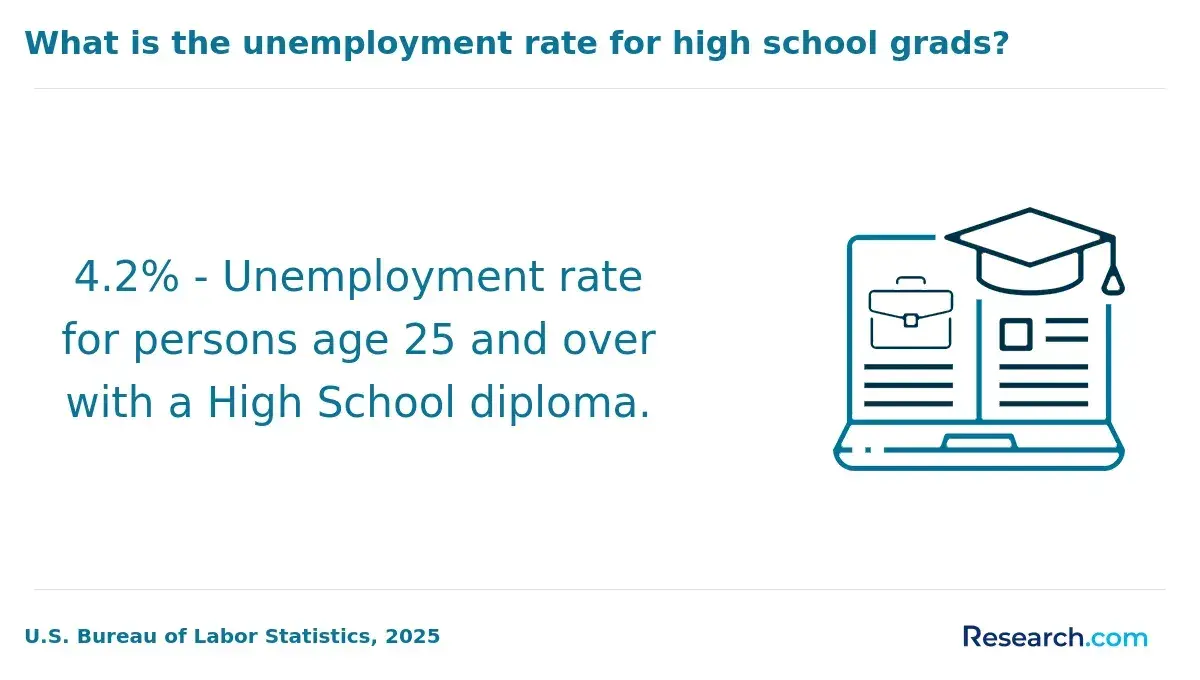
Bachelor's completion programs typically require a high school diploma or some college experience. Master's and doctoral degrees demand prior undergraduate and graduate credentials, respectively, plus background checks and supervised internships for master's students. IPEDS data shows completion rates around 50% to 75% for online bachelor's and master's students, while doctoral rates are lower due to program length and research demands.
- Associate's Degrees: These foundational programs-typically lasting two years-are uncommon in school counseling but can provide credits transferable toward a bachelor's degree. They suit recent high school graduates or those seeking a cost-effective introduction to counseling studies.
- Bachelor's Completion Programs: Designed for students with some college credits or an associate degree, these online programs take 1 to 2 years to finish. Graduates are prepared for entry-level roles such as academic advisors and paraprofessionals and meet prerequisites for advanced study in school counseling.
- Master's Degrees: The principal credential for professional school counselors, master's programs generally require two to three years online and a bachelor's degree for admission. They combine rigorous coursework with supervised practicum components that satisfy state licensure standards, often leading to higher median salaries than bachelor's completers.
- Doctoral Degrees: Targeted at experienced professionals seeking leadership, research, or academic careers, these programs take between three and six years. A master's degree is required, with an emphasis on advanced counseling theories, research methodologies, and program administration.
- Post-Baccalaureate Certificates: These short-term (under one year) credentials help individuals with unrelated bachelor's degrees acquire essential counseling coursework and field experience needed for master's program admission or certain roles.
Stackable Credential Pathways: Many online school counseling degree options support stacking certificates and associate credits toward bachelor's and then master's degrees. This approach reduces total time and cost, benefiting military veterans and working adults balancing education with other responsibilities.
Those exploring career-focused online school counseling degrees with practical experience requirements will find a range of options tailored to different goals and backgrounds. For prospective students seeking a free online college application, many programs provide pathways that balance rigor, affordability, and credential value.
What Is the Typical Cost of an Online School Counseling Degree, and How Can You Finance It?
Costs for an online school counseling degree vary widely depending on the institution type and extra expenses. Public in-state programs tend to be the most budget-friendly, typically falling between $5,000 and $15,000 total. Out-of-state public tuition climbs to about $12,000-$30,000, while private nonprofit schools usually range from $20,000 to $50,000. For-profit colleges often exceed $40,000 for the entire degree.
- Additional Fees: Beyond tuition, expect registration, technology, and activity fees adding a few hundred dollars yearly. Some programs require campus visits or residencies-these can incur travel and lodging costs.
- Federal Financial Aid: Many students use a combination of Pell Grants, which don't need repayment, subsidized and unsubsidized federal student loans with flexible repayment options, and GI Bill benefits available to eligible veterans to offset costs.
- Scholarships: Several scholarships target school counseling students through professional associations, state workforce development programs, and merit-based collegiate awards tied to academic or career achievements.
- Total Cost Consideration: Instead of focusing on per-credit fees alone, calculate the full program cost including all fees, materials, and any required in-person experiences to gauge the true financial commitment.
- Net Price Calculators: Tools like the College Scorecard's net price calculator allow prospective students to estimate out-of-pocket expenses after financial aid-making program comparisons more accurate.
How Long Does It Take to Complete an Online School Counseling Degree Program?
Students must consider minimum semester requirements and maximum completion windows, as these affect eligibility for financial aid due to satisfactory academic progress standards. Falling behind risks losing funding eligibility. Accredited programs often report average durations longer than advertised minimums, reflecting real-world factors like course availability and clinical placement scheduling. For example, many master's students take closer to 3 years rather than the advertised 2.
- Associate's Degrees: These are uncommon for school counseling and generally take about 2 years full time. They provide basic knowledge but do not typically qualify graduates for licensure as school counselors.
- Bachelor's Degrees: Usually require around 4 years of full-time study, though transfer credits from community colleges or previous coursework can shorten duration. Many students enroll part time while working, which can extend completion time.
- Master's Degrees: The primary route for credentialed school counselors, these programs often last 2 to 3 years full time. Accelerated tracks and year-round enrollment options allow some students to finish in as little as 18 months. Prior learning assessments and relevant graduate credits can also reduce time needed.
- Doctoral Degrees: Intended for advanced leadership or research roles, these usually span 3 to 6 years depending on enrollment intensity, dissertation progress, and program structure.
- Factors Affecting Completion Time: Transfer credits can significantly cut down the timeline if accepted at graduate or verified professional levels. Full-time enrollment speeds progress, while part-time attendance balances study and work but extends duration. Programs with competency-based or pace-flexible models permit motivated students to advance as quickly as they qualify.
- Accelerated and Flexible Options: Some online school counseling programs support working adults by offering accelerated formats, year-round course availability, and PLA credit to reduce time to degree.
What Core Curriculum and Coursework Should a Quality Online School Counseling Program Include?
Quality online school counseling programs feature a robust core curriculum that aligns with accreditation standards from bodies like the Council for Accreditation of Counseling and Related Educational Programs (CACREP). These programs emphasize foundational coursework covering counseling theories, human development, multicultural counseling, and ethical/legal issues-preparing graduates for diverse K-12 populations through evidence-based methods.
- Core Coursework: Comprehensive classes build competency in counseling techniques, developmental psychology, and legal-ethical standards aligned with CACREP guidelines.
- Sequence and Integration: Programs follow a logical progression from introductory concepts to advanced counseling skills, concluding with capstone projects or integrative experiences such as case studies, simulations, or comprehensive exams that require application of theory to practice.
- Competency Areas and Outcomes: Graduates demonstrate measurable skills in communication, crisis intervention, academic advising, and collaboration with families and educators, ensuring workplace readiness through practicum and internship assessments.
- Curriculum Currency: Leading programs perform routine curriculum reviews-typically every 3 to 5 years-guided by advisory boards of practicing counselors and education leaders to reflect emerging counseling methodologies, technology advancements, and shifting regulatory requirements.
- Transparency and Evaluation: Prospective students should request detailed course sequences, syllabi, and outcome mappings to verify program rigor and the depth of experiential learning rather than rely solely on marketing materials.
The American School Counselor Association reports a 10% growth in demand for school counselors over the next decade-highlighting the critical need for programs that blend theoretical knowledge with practical skills.
Which Online School Counseling Programs Offer the Best Return on Investment for Working Adults?
Identifying online school counseling programs that deliver the best return on investment for working adults involves examining multiple data points, including program cost, employment outcomes, and graduate salary trajectories. Public universities often provide a strong balance of affordability and career support-thanks to in-state tuition rates or reciprocity agreements-making them particularly appealing to students focused on cost efficiency and career advancement.
- Cost Efficiency: Many top programs at public institutions reduce financial barriers through reduced tuition costs, state residency benefits, and partnerships enabling employer tuition reimbursement.
- Employment Outcomes: Leading online school counseling degrees for career advancement consistently demonstrate employment rates exceeding 85% within one year of graduation, reflecting employer demand for qualified professionals.
- Median Earnings: When considering ROI, median income at six and ten years after enrollment is critical-programs affiliated with universities boasting extensive employer networks tend to yield alumni earning well above national averages.
- Loan Default Rates: Low loan default rates correlate strongly with graduate satisfaction and financial stability, underscoring the value of programs that provide strong career advising and student support services.
- Financial Support: Scholarships and employer tuition reimbursement programs play a vital role in enhancing ROI by reducing student debt and out-of-pocket expenses.
Working adults should evaluate programs by looking beyond broad institutional prestige to focus on specific outcomes like graduation rates, debt burden, and post-graduation salary data. Accreditation status and curriculum rigor also ensure that graduates are well-prepared for real-world counseling challenges and leadership roles.
By emphasizing data-driven decision-making and exploring available financial aid, prospective students can identify high-value online programs that meet their career goals. Exploring related fields can also provide perspective-for example, comprehensive resources on dietetics programs illustrate how targeted financial and career support enhances degree ROI.
This approach arms prospective students-including recent high school graduates, military veterans leveraging educational benefits, and professionals seeking advanced credentials-with the insight needed to navigate a complex educational landscape and select online school counseling degrees designed for career success.
What Admissions Requirements Do the Top Online School Counseling Programs Typically Require?
Top online school counseling programs have clear admissions criteria designed to assess academic readiness, relevant experience, and professional commitment. These online school counseling program admission requirements can vary widely depending on a program's selectivity and institutional tier-from open-enrollment community colleges to highly competitive research universities offering advanced degrees.
- Minimum GPA: Most graduate programs expect at least a 3.0 undergraduate GPA on a 4.0 scale. Highly selective programs may demand higher GPAs, while less competitive ones sometimes accept lower scores.
- Standardized Tests: GRE scores were traditionally required, but many programs now use test-optional policies. Applicants should verify test requirements each cycle, since policies can change frequently.
- Letters of Recommendation: Usually two or three letters are requested from academic or professional supervisors. These letters attest to the applicant's qualifications, work ethic, and potential in counseling roles.
- Personal Statement: A written essay explaining the applicant's motivation to pursue school counseling, career objectives, and dedication to student development is typical. This offers insight into values and communication skills.
- Professional Experience: While not always mandatory, relevant educational or counseling experience strengthens applications and prepares students for rigorous coursework.
- Prerequisite Coursework: Applicants lacking foundational knowledge in psychology, education, or counseling often must complete preparatory courses before full enrollment. These typical prerequisites for online school counseling degrees help ensure graduate readiness.
Requirements vary significantly-those with more limited backgrounds might explore community college options, whereas research universities seek strong academics and demonstrated commitment. Contacting admissions advisors directly is essential for the most current information.
Prospective students should weigh these factors carefully alongside accreditation, curriculum rigor, cost, and outcomes. For those comparing pathways in related fields, exploring programs like an online nutrition degree may provide additional career insights and opportunities.
What Career Paths and Job Titles Are Available to Online School Counseling Degree Graduates?
Graduates holding online school counseling degrees find wide-ranging career opportunities that align with the evolving demands of educational and youth support systems. At the bachelor's level, typical entry roles include school counselor assistant, guidance counselor trainee, and youth program coordinator-positions that focus on assisting licensed counselors with student caseloads, leading group activities, and applying foundational intervention techniques.
Progression in the profession generally involves obtaining a graduate degree or specific certifications to qualify for licensed counselor positions, such as school counselors, mental health counselors, or academic advisors. These roles require direct student engagement to address academic, social, and emotional challenges while partnering with families and school personnel.
- Management Roles: Seasoned counselors often move into leadership roles like student services director, counseling program coordinator, or dean of students, where they manage counseling teams and develop policies to enhance student support.
- Specialist Roles: Focused positions such as career counselors, substance abuse counselors, or college admissions advisors allow individuals to apply specialized knowledge within educational settings.
- Research and Clinical Careers: Additional qualifications open avenues in research evaluating counseling methods or clinical counseling roles within schools or community agencies that provide therapeutic services beyond traditional guidance.
A school counseling degree also serves as a solid entry point for professionals transitioning from education, psychology, social work, or youth development fields-enabling them to enter the school counseling workforce through targeted certifications and coursework.
Typical career trajectories span five to ten years, often beginning with support or assistant roles, advancing through licensure and graduate education toward full professional practice. Subsequently, individuals may diversify laterally into specialized roles or ascend into administrative leadership, depending on professional interests and training.
Employment settings commonly include public and private K-12 schools, community youth organizations, nonprofit educational programs, and government agencies focused on youth and family services.
What Is the Salary Outlook for Professionals with an Online School Counseling Degree?
The median yearly income for professionals with an online school counseling degree generally ranges from $58,000 to $65,000, though actual salaries fluctuate widely based on multiple variables including education, experience, sector, location, and area of expertise.
- Degree Level: Those holding a master's degree usually earn more than bachelor's degree holders, as most K-12 counseling jobs demand graduate-level qualifications. Advanced degrees-like doctorates or specialized certifications-can unlock higher earnings, particularly in leadership or administrative positions.
- Experience: New school counselors typically start near $44,000 annually. Salaries rise significantly with experience, often surpassing $70,000 for professionals with five or more years in the field.
- Industry Sector: Public schools constitute the largest employer base, offering steady pay and benefits. Counselors in private schools, higher education, or nonprofit organizations may see more variance in income-with some specialized roles paying higher but sometimes lacking job stability.
- Geographic Market: Compensation depends heavily on location. Urban and high cost-of-living states like California, New York, and Massachusetts tend to offer salaries above the national median, while rural areas might pay less but sometimes provide additional incentives such as loan forgiveness.
- Specialization: Expertise in college admissions, career advising, or mental health counseling can command premium pay. Skills in areas like trauma-informed practice or bilingual counseling often enhance earning potential.
- Certifications and Credentials: Credentials such as the National Certified Counselor (NCC) or state-specific school counselor licenses typically increase salary prospects. Graduates of online programs can work toward these certifications by completing supervised practice hours and passing requisite exams-steps that can accelerate both earnings and career advancement.
- Future Projections: Demand for school counselors is expected to grow moderately due to heightened focus on student mental health and career readiness programs. Individuals should regularly consult the latest BLS data and salary surveys to ensure the most accurate, up-to-date information.
What Graduates Say About the Best Online School Counseling Degrees for Jobs
- Alfonso: "The rigorous curriculum truly prepared me for the realities of working in school counseling-nothing felt superficial or outdated. What stood out was the accreditation standards, which ensured the program met all professional expectations and gave me confidence in my degree's value. The practical experience requirements-especially the hands-on internships-were fundamental in bridging classroom knowledge with real-world application."
- Eduardo: "Reflecting back, I realize how much the student support infrastructure made a difference throughout my studies. From dedicated advisors to career services, the help was always available and personalized-which is rare in online programs. Also, considering the cost and return on investment, I felt I received high-quality education without incurring overwhelming debt, making it a smart career move."
- Thiago: "Professional outcomes were my biggest priority when choosing an online school counseling degree, and this program delivered exactly that. Graduates were well-positioned for jobs thanks to a curriculum that balances theory and practice. The career services partnered with schools and districts extensively-opening doors that otherwise would have remained closed."
Other Things You Should Know About School Counseling Degrees
The best online school counseling programs focus on developing a range of skills essential for effective practice in educational settings. Graduates gain competencies in student assessment, crisis intervention, behavioral management, and counseling techniques tailored to diverse populations. Programs also emphasize ethical decision-making, communication skills, and data-informed approaches to support academic and social-emotional development.
Online school counseling programs typically require students to complete practicum and internship hours in approved local schools or educational settings. These placements are arranged in partnership with local school districts or community institutions to ensure hands-on experience. Supervisors provide direct feedback and evaluate students' counseling skills, enabling them to meet licensure requirements and gain practical exposure despite completing coursework remotely.
In 2027, the best online school counseling programs often provide robust student support services, including access to academic advising, technical support, and career counseling. Networking opportunities frequently include virtual alumni events, mentorship programs, and professional forums to connect with peers and professionals in the field.
A common mistake is selecting a program without proper accreditation or one that lacks state licensure alignment. Students should also avoid programs that offer insufficient practicum or internship placements, which are crucial for licensure and job readiness. Additionally, overlooking the availability of support services and ignoring the program's reputation with employers can limit career advancement opportunities.
References
- What Is School Counseling? Roles, Careers & Program Info https://www.psychology.org/counseling/school-counseling/
- School Counselor K-12, M.S.Ed. (Online) https://suny.oneonta.edu/academics/majors-programs/school-counselor-msed
- What Courses are Taught in a School Counseling Master’s Curriculum? - School Counseling Masters https://schoolcounselingmasters.org/curriculum/
- On-Campus vs. Online Master’s in Counseling | University of Bridgeport https://www.bridgeport.edu/news/on-campus-vs-online-counseling-degree/
- What You Can Do with an Online School Counseling Degree https://www.careeraddict.com/online-school-counseling-degree
- Homepage https://onlinecounselingprograms.com/
- Master of Arts in School Counseling Online Curriculum | SHU https://onlineprograms.sacredheart.edu/programs/ma-masters-school-counseling/curriculum/
- Unlocking Tier 1 School Counseling: A Core Curriculum Training https://www.yourcounselingcompass.com/unlockingtier1