2027 Library Media Practicum Requirements Explained

Co-Founder and Chief Data Scientist
Students pursuing a library media degree often face complex requirements to complete practicum or internship placements essential for licensure and graduation. These placements typically demand a specific number of supervised hours within designated educational settings, background clearances, adherence to GPA thresholds, and compliance with state or program-specific regulations. Failure to understand these multifaceted requirements early can cause graduation delays and certification challenges. According to recent data, over 75% of education licensure candidates report that navigating fieldwork expectations significantly impacts their workforce readiness. This article explains key practicum components and offers guidance to help students effectively plan and meet their library media practicum obligations.
Key Things To Know About Library Media Practicum Requirements
- Practicum training provides hands-on experience with real-world library environments-enhancing practical skills essential for effective media resource management and patron engagement.
- Field experience and supervised hours build professional networks and mentorship opportunities, crucial for career development and employment prospects in library media roles.
- Internships and clinical placements enable students to apply theoretical knowledge-bridging academic concepts with daily responsibilities in educational and public library settings.
What Is A Practicum In Library Media Program?
A practicum within library media programs offers a structured, supervised fieldwork experience that bridges classroom theory with practical application. These experiences typically occur toward the latter part of a student's academic timeline and are integrated into most U.S. higher education curricula. Research shows that over 75% of education-related graduate programs emphasize experiential learning components like practicums to enhance graduate workforce readiness.
Key aspects of practicums in library media education include:
- Applied Learning: Unlike internships or capstone projects, practicums provide hands-on opportunities where students engage directly with school library environments to perform tasks such as cataloging and information literacy instruction. This direct involvement ensures the development of job-relevant competencies aligned with professional standards.
- Supervised Fieldwork: Students complete a required number of clock-hours-often between 100 to 200-under the guidance of experienced library media specialists or faculty. This supervision includes structured feedback and formal evaluations, which are essential for skill development and accountability.
- Academic Timing: Practicums generally follow foundational coursework, confirming that students have the necessary theoretical knowledge before entering real-world settings. This sequencing supports deeper understanding and practical application of concepts learned in prior classes.
- Professional Evaluation: Continuous assessment from supervisors helps students refine their performance and address any gaps in competencies, aligning with accreditation and certification prerequisites.
- Role in Certification: Completion of the practicum is often mandatory for state certification or program graduation, making it a critical step in confirming students' readiness for roles in library media services.
Students exploring practical pathways within library media may also consider options such as a one year masters degree to accelerate their career readiness in the field of education.
What Are The Eligibility Requirements For Library Media Practicum?
Eligibility standards for a library media practicum ensure that students are both academically and professionally prepared to engage in supervised field experiences. These criteria help bridge classroom theory with real-world application, enhancing student readiness and maximizing the practicum's educational value. Research indicates that over 80% of graduate programs emphasize clear eligibility requirements to improve practicum success rates and workforce readiness in educational fields.
Common eligibility criteria for a library media practicum include the following:
- Minimum GPA: A cumulative GPA of 3.0 or higher is typically required to confirm academic readiness. This standard helps ensure students demonstrate sufficient mastery of foundational knowledge before practicing skills in a field setting.
- Prerequisite Coursework: Completion of key courses in library science, information management, or educational technology is usually mandatory. Meeting these prerequisite coursework requirements for library media practicum placement guarantees that students have the essential theoretical background.
- Demonstrated Competencies: Programs assess core skills such as digital literacy, research capabilities, and communication through portfolio evaluations or faculty reviews. Demonstrating these competencies is critical for success during practicum hours and future professional roles.
- Faculty Approval: Securing approval from a faculty advisor or program coordinator is generally required. This process considers academic standing, professional conduct, and alignment of practicum goals with the student's development pathway.
- Administrative Compliance: Many institutions require background checks, immunizations, health screenings, and signed liability waivers. These administrative steps uphold practicum site safety and institutional policies.
These requirements are essential to maintaining high standards in experiential learning and ensuring students graduate with marketable skills and a competitive edge. For those exploring related fields, programs such as an affordable online masters in psychology also emphasize rigorous eligibility to prepare students for professional practice.
How Many Practicum Hours Are Required For Library Media Program?
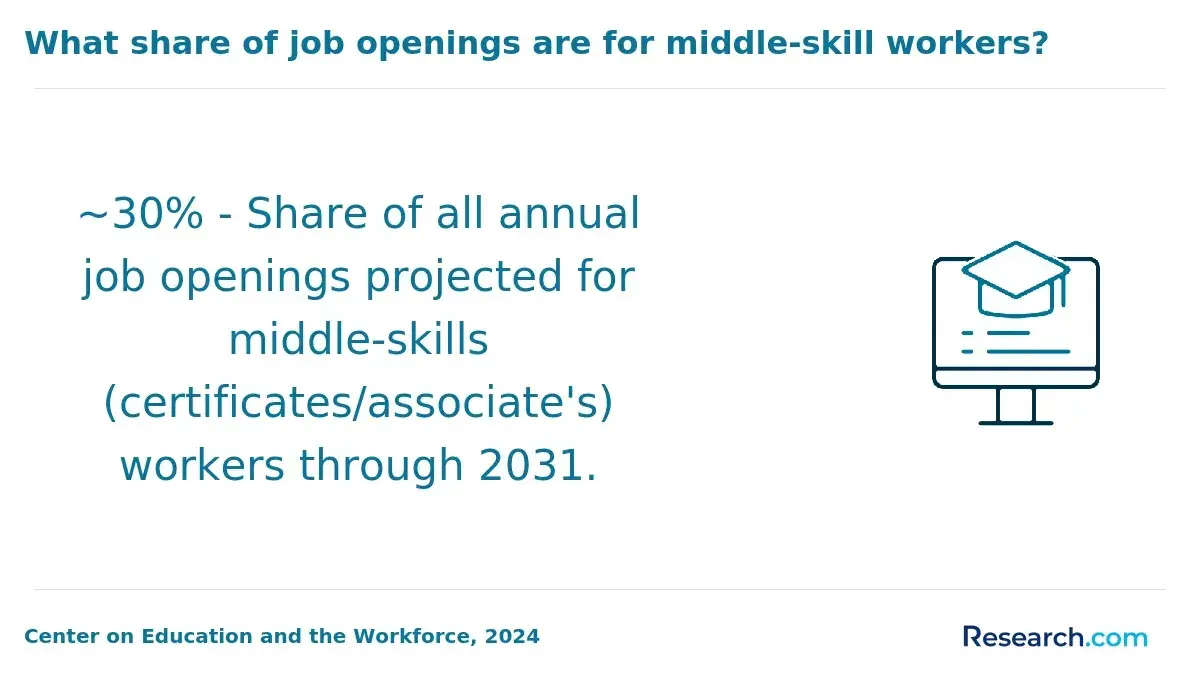
Practicum hour requirements serve to bridge academic learning with practical application in library media programs. These mandates vary widely according to institutional policies, state regulations, and accrediting bodies, with many programs expecting students to complete between 100 and 300 hours of supervised fieldwork. Research consistently highlights the value employers place on hands-on experience, often viewing it as essential for workforce readiness.
The following points clarify key factors shaping practicum hour expectations in library media education.
- Hour Ranges: The overall required hours depend on the program's degree level and regional licensing rules. Generally, undergraduate tracks demand fewer hours-around 100 to 150-while graduate programs often require upwards of 200 to 300 hours to ensure advanced competency.
- Observation vs. Participation: Practicum hours comprise both observation and direct involvement. Many programs emphasize active, hands-on activities such as managing library resources and assisting patrons, though observation phases remain essential for foundational learning.
- Phased Structure: Practicums typically unfold in multiple stages or rotations, exposing students to varied environments like school libraries, public libraries, and digital media centers. This approach cultivates versatile skills across diverse service settings.
- Supervision and Verification: Continuous oversight by experienced supervisors is standard practice, often involving detailed logs, signed evaluations, and competency checks. These mechanisms confirm that students meet critical professional criteria during their practicum tenure.
- Weekly Time Commitments: Students usually dedicate 8 to 15 hours weekly, spread across a semester or quarter. Consistent engagement ensures immersive learning and authentic exposure to library media operations.
A professional who pursued a library media degree shared that balancing practicum hours with other responsibilities was a defining challenge. He recalled times when juggling fieldwork schedules and coursework felt overwhelming, but emphasized that the hands-on exposure ultimately solidified his skills and professional confidence. "Completing those hours wasn't just a requirement," he reflected, "it became the crucial experience that prepared me for real-world tasks and helped me build meaningful connections in the field." His story exemplifies how practicum commitments extend beyond fulfillment-they become foundational for career development in library media.
What Courses Must Be Completed Before Starting Practicum?
Prerequisite coursework plays a critical role in readying students for practicum experiences by providing essential academic and professional foundations. Structured curriculum sequencing ensures students acquire key competencies before entering supervised settings-research indicates over 80% of employers expect graduates to demonstrate proficiency in core areas prior to practicum placement. These requirements help bridge classroom learning with practical application and support successful fieldwork performance.
Common prerequisite courses for library media practicum prerequisite courses include the following:
- Core Theory: Foundational classes cover library media principles, information science, and instructional strategies. These courses develop understanding of managing resources, supporting diverse learners, and integrating libraries within educational environments.
- Professional Ethics: Coursework emphasizes confidentiality, intellectual property, and equitable service delivery. This training equips students to navigate ethical challenges with integrity and cultural sensitivity during field experiences.
- Research and Assessment: Instruction in research design, source evaluation, and data analysis fosters critical thinking and evidence-based decision-making crucial for evaluating program effectiveness during practicum.
- Communication Skills: Courses focus on clear verbal and written communication, preparing students to collaborate effectively with educators, administrators, and patrons across diverse contexts.
- Field-Specific Competencies: Depending on the program, students may engage in specialized coursework tailored to educational settings or technology integration, enhancing their ability to apply theory in practical environments.
Prerequisite structures can vary among disciplines such as education, counseling, or psychology-with academic progression ensuring students meet eligibility requirements before placement. This approach aligns with expectations across allied health and nursing programs, underscoring the importance of well-defined coursework sequences. Those pursuing related areas may also explore varied options from online construction management bachelor's degree paths that emphasize accelerated, applied learning models applicable to their career goals.
How Does The Library Media Practicum Placement Process Work?
The practicum placement process within library media programs serves to link academic learning with supervised, practical experience. Institutions coordinate with external organizations to create structured, hands-on learning opportunities that enhance students' readiness for professional roles. Research shows nearly 75% of employers in education and related fields prioritize candidates with practicum or experiential learning background when hiring.
Key steps involved in the practicum placement process include:
- Eligibility Verification: Students must demonstrate they meet essential criteria such as completing core coursework, maintaining minimum GPA standards, and sometimes providing background checks or health clearances required by host sites.
- Application and Matching: Candidates submit placement preferences or applications through their school's practicum coordinator. Placement is determined by aligning student goals, location, and availability with suitable host organizations.
- Institutional and Faculty Oversight: Faculty coordinators ensure placements comply with accreditation standards, review documentation, and monitor progress. They may perform site visits and require updates throughout the practicum duration.
- Host Organization Coordination: The institution establishes agreements and clarifies expectations with schools, libraries, or agencies hosting students, detailing supervision responsibilities, required hours, and learning objectives.
- Interview and Screening: Host sites often conduct interviews or screening sessions to evaluate student preparedness and ensure alignment with placement needs.
- Placement Confirmation and Onboarding: After approval, students receive formal confirmation and complete any necessary onboarding steps, such as orientation or training, to comply with host site policies and avoid start delays.
- Ongoing Evaluation: The practicum period includes regular assessments of student performance to maintain educational quality and meet program standards.
A professional who completed her library media practicum reflected on the process as both demanding and rewarding. Though navigating the paperwork, background checks, and scheduling interviews was initially overwhelming, she appreciated the clear structure and support from her faculty coordinator. She noted how the practicum not only reinforced her practical skills but also provided valuable insights into workplace dynamics. "It was challenging balancing requirements with my coursework," she shared, "but the experience truly bridged the gap between theory and practice, setting the foundation for my career."
What Documents And Paperwork Are Required Before Practicum?
Pre-practicum paperwork in Library Media degree programs ensures students meet academic and legal standards, facilitating smooth field placement and safeguarding institutional compliance. Research indicates that over 85% of experiential learning programs prioritize thorough documentation to enhance student preparedness and maintain professional standards.
Key documents and approvals typically required before starting a practicum include:
- Application Forms: Students must submit detailed applications outlining their background, educational progress, and preferred practicum sites. These forms initiate the review process to confirm eligibility and alignment with program goals, with deadlines often set well before placement begins.
- Institutional Approvals: Formal endorsements from academic advisors or program coordinators confirm completion of coursework prerequisites. These approvals ensure students possess the foundational knowledge necessary for effective fieldwork and comply with program accreditation criteria.
- Consent and Liability Agreements: Students sign documents acknowledging practicum risks and agreeing to adhere to policies governing their conduct. Liability waivers help clarify responsibilities and protect both the student and host organization against potential legal issues.
- Medical Clearances and Immunizations: To meet health and safety mandates, especially in school or community settings, students provide recent health screenings and immunization records. Timely submission is crucial, as missing or outdated documents can delay placement approval.
- Background Checks: Criminal history and child abuse screenings are standard requirements when working with minors or sensitive populations. These checks support compliance with legal regulations and verify student suitability for the practicum environment.
- Site-Specific Documentation: Depending on placement, students may need to complete additional onboarding, such as confidentiality agreements, insurance verification, and specialized training modules. These tailored requirements prepare students to meet unique host site standards and professional expectations.
What Background Checks, Immunizations, Or Clearances Are Needed?
Pre-practicum compliance requirements serve to protect students and community members by ensuring health, safety, and legal standards are met before field placements begin. Such screenings foster a secure environment, crucial for responsibly serving vulnerable populations. Data shows more than 85% of education practicum programs require background checks or immunization verification, highlighting widespread institutional commitment to compliance.
Common requirements cover several essential areas:
- Criminal Background Checks: These checks often include fingerprinting to verify student eligibility for placements, especially in settings involving children or vulnerable groups. Requirements vary by state and institution, reinforcing legal and ethical standards.
- Immunizations and TB Testing: Proof of immunizations-such as MMR, tetanus, and influenza-along with tuberculosis screening, protects public health and reduces transmission risks in shared environments.
- Child Abuse Clearances: Clearances from child protective agencies confirm a student's suitability to work with youth, a common mandate in library media placements involving minors.
- CPR Certification and Drug Testing: Many programs require CPR credentials and drug screenings to ensure students can respond to emergencies and meet workplace safety policies.
- Regulatory Compliance: Placement sites may impose varied standards depending on federal, state, or local rules, with institutions providing guidance on timelines and documentation to avoid delays.
What Should Students Expect During Library Media Practicum Placement?
Practicum placements in library media programs play a crucial role in connecting academic learning with supervised real-world experience. These immersive opportunities have become essential as experiential learning is increasingly recognized for enhancing workforce readiness, with research indicating that 85% of graduates who complete hands-on training report improved job preparedness within six months of graduation. Such practical exposure helps students develop relevant skills and professional confidence.
During a practicum placement, students can expect key elements that provide structure and support their professional growth:
- Day-to-Day Responsibilities: Students engage in managing collections, assisting patrons, and facilitating digital resource use. Routine tasks often include cataloging, organizing programs, and promoting information literacy, forming the core of practical experience.
- Supervision and Mentorship: Practicum supervision and evaluation processes involve guidance from seasoned library media professionals who offer feedback and model best practices. This mentorship ensures students understand workplace standards and receive support throughout their placement.
- Professional Conduct: Students are expected to uphold confidentiality, ethical behavior, and punctuality. Adherence to organizational policies and respectful interaction with staff and patrons are integral to adapting to a professional environment.
- Performance Evaluation: Supervisors assess students using criteria such as communication skills, task completion, and adaptability. Evaluations commonly include formal reports and reflective self-assessments to track progress and development.
- Applied Skill Development: Emphasis is placed on fostering problem-solving abilities, digital literacy, and resource management skills. These competencies are critical for navigating evolving technologies and applying core principles of library media.
- Communication Practices: Effective communication and collaboration within the workplace are essential. Students practice clear dialogue with colleagues and patrons while contributing to team efforts and community engagement initiatives.
- Common Learning Challenges: Students often face challenges balancing theoretical knowledge with practical demands and managing time effectively. Overcoming these hurdles strengthens adaptability and professional resilience.
Prospective students interested in advancing their careers can explore options such as an affordable online master's degree in communications to complement their library media practicum experience and broaden professional competencies.
How Are Practicum Students Supervised And Evaluated?
Supervision and evaluation during practicum experiences provide essential oversight to ensure students develop practical skills while maintaining academic standards. These processes foster professional growth through structured feedback and real-world application, with most U.S. educational programs implementing layered support involving multiple roles. Notably, 78% of students involved in supervised experiential learning placements report improved workforce readiness, highlighting the impact of guided fieldwork on employability.
Effective supervision and evaluation encompass several key components, including the following:
- Supervisors and Mentors: These professionals provide continuous guidance and expertise, helping students navigate challenges while applying classroom knowledge. They serve as the primary contacts for daily oversight and encourage reflective learning to deepen understanding.
- Faculty Advisors and Site Coordinators: Faculty advisors monitor student progress and align practicum activities with academic requirements, while site coordinators facilitate communication between institutions and placement venues, ensuring resources and support are accessible.
- Communication and Feedback: Regular interactions-via meetings, emails, and informal check-ins-offer timely, constructive feedback focused on students' strengths, areas needing improvement, and professional conduct during the practicum.
- Assessment Methods: Various techniques measure library media practicum performance, including direct observation, competency checklists, reflective journals, and formal evaluations. These tools collectively assess skill acquisition, applied learning, and professional readiness.
- Documentation and Progress Reviews: Maintaining detailed records of student activities and supervisor comments allows for mid-term and final reviews. These evaluations support goal setting, verify skill mastery, and confirm accountability throughout the practicum duration.
- Institutional Variability: While supervision and evaluation frameworks differ across disciplines and schools, they universally emphasize skill development, academic compliance, and preparing students for professional roles within the library media field.
Students seeking foundational courses often begin with an online associate degree before advancing to practicum placements. Understanding these supervision and evaluation methods helps clarify how hands-on experiences enhance career readiness beyond classroom instruction.
How Does Practicum Help With Licensure Or Certification Requirements?
Practicum experiences play a vital role in fulfilling licensure or certification requirements within library media and related professions by linking academic learning with mandated regulatory standards. These supervised placements equip candidates with essential skills and practical experience, helping them meet eligibility criteria. Notably, recent data show that more than 85% of licensed professionals attribute practicum or internship participation as pivotal in securing certification and meeting employer demands.
Key elements of practicum requirements include:
- Fieldwork Hours: Practicums supply the required clinical or fieldwork hours set by licensing bodies. These documented hours confirm hands-on involvement in authentic library media settings, satisfying minimum experience mandates for credentialing.
- Competency Evaluation: Students' practical knowledge and skills are assessed against industry benchmarks. This ensures proficiency in core tasks such as managing resources, planning programs, and engaging users, all critical for professional practice.
- Supervision Standards: Licensed or credentialed supervisors oversee practicum activities, performing formal assessments aligned with accreditation and regulatory expectations. Their evaluations verify candidate readiness.
- Documentation Procedures: Institutions maintain thorough records including supervisor feedback and hour logs. This documentation supports official license or certificate submissions and audits by regulatory agencies.
- Discipline Variability: Practicum requirements differ across fields like education, healthcare, counseling, and library media itself, with each discipline tailoring experiences to meet specific certification standards and workforce needs.
What Do Students Say About Their Library Media Practicum Experience?
- Orlando: "My practicum experience revealed some unexpected hurdles with the eligibility requirements that I hadn't anticipated, which initially delayed my placement. However, once I was accepted, the setting provided a robust opportunity to engage with diverse media resources that truly broadened my skills. The supervision was hands-on and constructive, helping me gain confidence through detailed feedback sessions."
- Zion: "I found the practicum to be a reflective journey-while some of my initial expectations weren't fully met, the experience encouraged me to adapt and develop new strategies for managing information systems. The supervisors were approachable and evaluative with a focus on encouraging professional growth rather than just checking boxes. Overall, it was a valuable step in shaping my understanding of library media's practical demands."
- Wyatt: "As a current student, I appreciated the structured evaluation process during my practicum, which was both thorough and fair, aligning well with my career goals. While I encountered minor challenges adapting to some eligibility protocols, the real-world application of concepts surpassed my expectations. The professional guidance I received emphasized critical thinking and resource management, which I found especially enriching."
Other Things You Should Know About Library Media Degrees
Yes, some programs allow students to complete practicum hours in alternative library media settings such as public libraries, special libraries, or media centers within nonprofit organizations. However, these placements must provide experiences aligned with educational goals and often require prior approval from the program coordinator to ensure relevance and quality.
Practicum students typically engage in supervised tasks that develop library media competencies-such as cataloging, information literacy instruction, and digital resource management. They are generally restricted from independently making staffing or policy decisions and must operate under the guidance of a certified library media specialist or faculty mentor.
Many library media programs include mandatory seminars, workshops, or reflective sessions concurrent with the practicum placement. These sessions focus on professional development, ethics, and best practices, helping students connect field experiences with theory and providing opportunities for peer and mentor interaction.
References
- School Library and Media Services Practicum https://lis.catholic.edu/academics/courses-of-study/school-library-media/practicum.html
- School Librarianship, MEd https://catalog.longwood.edu/preview_program.php
- Immunization Requirements in Healthcare Higher Education https://blog.verifiedcredentials.com/immunization-requirements-in-healthcare-higher-education
- Section 4: Professional Practice - CACREP https://www.cacrep.org/section-4-professional-practice/
- LMS Practicum https://lmseti.plymouthcreate.net/LMS/library-media-specialist/practicum