2027 Entry-Level Jobs With a Library Media Degree

Co-Founder and Chief Data Scientist
What jobs are available with a library media degree for recent graduates entering a competitive job market? With growing demand for digital literacy and information management, beginner roles like library assistants, archive technicians, and media coordinators are common entry points. According to the U.S. Bureau of Labor Statistics, employment in library-related fields is projected to grow by 6% through 2032, reflecting steady opportunities.
Understanding which entry-level careers align with a library media degree can guide graduates toward suitable positions and skill development. This article explores accessible job opportunities and outlines what new graduates can expect when launching their careers in this evolving field.
Key Benefits of Entry-Level Jobs With a Library Media Degree
- Entry-level jobs provide practical experience that helps graduates develop specialized skills essential for library media roles, increasing their employability in a competitive market.
- These positions offer clear pathways for career advancement by exposing employees to diverse tasks and responsibilities in information management and digital resources.
- Starting in entry-level roles enables graduates to build valuable professional networks and strengthen resumes early, which is critical in an industry where 67% value connections.
What entry-level jobs can you get with a library media degree?
About 70% of graduates in library and information science begin their careers in assistant and technician-level roles, gaining essential skills for advancement. These positions are vital entry points for new graduates developing a foundation in information management and technology. Several common entry-level jobs provide valuable experience for those pursuing library media specialist positions for new graduates.
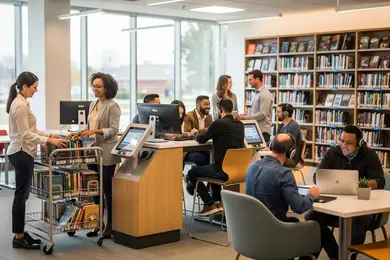
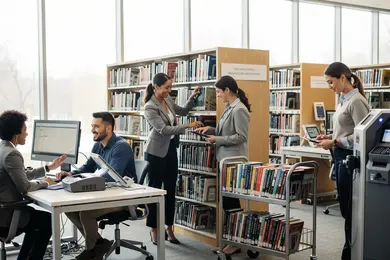
- Library Assistant: This role involves managing basic circulation tasks such as shelving books, checking materials in and out, and assisting visitors in finding resources. It builds customer service skills and familiarity with library systems, which are essential for future librarian roles.
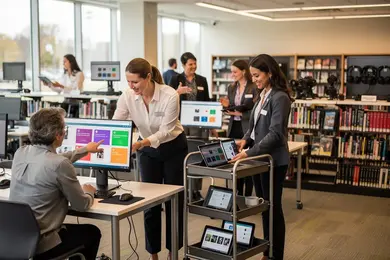
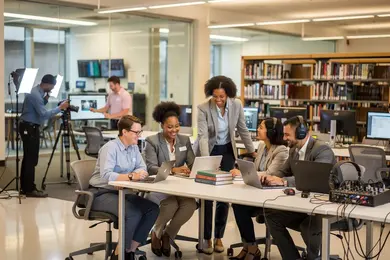
- Media Technician: Media technicians support audiovisual and digital technology within educational or media centers. Responsibilities include setting up equipment for presentations, maintaining media inventories, and helping users with multimedia tools, fostering technical expertise.
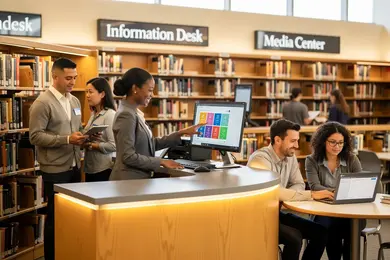
- Circulation Clerk: Circulation clerks handle front-desk operations including managing checkouts, assisting patrons with account inquiries, and organizing the flow of materials. This position develops strong organizational skills and insights into daily library functions.
- Cataloging Assistant: These assistants organize and classify library materials using standard systems, ensuring resources are accessible and properly archived. The role emphasizes detail orientation and metadata management, key skills in library science careers.
Those exploring career options may also consider an easiest online degree programs that complement library media skills and expand employability in related fields.
Which industries hire the most library media graduates?
Graduates with a library media degree find career opportunities across a range of sectors where expertise in information management and digital literacy is crucial. Nearly 35% of these specialists work within educational services, highlighting the strong industry demand for their skills.
The following industries are among the top employers of library media graduates, each offering distinct roles that align with their training.
- Education: School and academic libraries employ many graduates to organize resources, support curriculum development, and assist students and faculty in effectively accessing information. Roles often include librarian or media specialist positions focused on enhancing learning environments.
- Public Library Systems: Public libraries rely on these professionals to manage collections, lead community outreach programs, and facilitate digital access. Positions like information services coordinator help ensure communities stay informed and engaged.
- Corporate Information Services: Companies in technology, healthcare, and legal sectors hire graduates to organize large data sets, maintain digital archives, and assist research teams. These roles improve information retrieval and workflow across business units.
- Government Agencies: These agencies employ library media specialists to manage specialized collections and digital records while supporting public outreach initiatives, emphasizing information preservation and accessibility.
- Non-Profit and Cultural Organizations: Graduates assist in maintaining valuable archives, coordinating resources, and expanding access to diverse audiences, helping to promote cultural heritage and community education.
A library media degree graduate shared that entering the job market involved navigating a highly competitive environment with a steep learning curve for specialized roles. He described the application process as challenging but rewarding, especially when his technical skills and communication abilities matched employers' expectations.
"I realized quickly that patience and perseverance mattered most," he said, noting that gaining hands-on experience during internships helped him stand out. His reflections highlight how the diversity of industries hiring library media professionals offers multiple pathways for career development despite initial uncertainties.
Which entry-level library media jobs pay the highest salaries?
Salary potential for entry-level library media roles can differ widely based on the specific job and workplace environment. Positions requiring advanced technical skills or specialized knowledge usually provide higher starting wages.
Below are several of the best-paying entry-level career options for library media graduates.
- Digital Archivist: Responsible for managing and preserving digital records and collections, these professionals ensure long-term access and integrity of electronic resources. Entry-level salaries typically range from $45,000 to $60,000, reflecting the technical expertise demanded in digital curation and metadata management.
- Library Systems Administrator: These specialists oversee the operation and troubleshooting of library technology systems such as integrated library systems and digital repositories. Starting pay often falls between $50,000 and $65,000, highlighting the critical role of IT skills in modern library environments.
- Information Specialist: Working in corporate or specialized sectors like healthcare or legal fields, these roles require additional subject-matter knowledge alongside library science fundamentals. Entry-level earnings range from $40,000 to $58,000, supported by the value of their expert research capabilities.
- School Media Specialist: Typically employed in educational settings, these professionals engage in digital literacy and program development. Their starting salaries generally sit between $35,000 and $50,000, reflecting moderate responsibility compared to more technical roles.
- Research Assistant: Often based in academic libraries, these positions demand proficiency in research methodologies and database navigation. Salaries for beginners usually range from $38,000 to $52,000, justified by the specialized nature of research assistance.
What skills do employers look for in entry-level library media graduates?
Employers hiring entry-level library media graduates prioritize practical and interpersonal abilities beyond academic achievements. A survey by the American Library Association found that 68% of employers favor candidates skilled in digital literacy and new technologies over those with solely traditional cataloging expertise.
Below are key skills essential for success in these roles.
- Information Literacy: This skill involves locating, assessing, and effectively utilizing information. Graduates apply it daily by helping users find resources and developing guides that enhance information access.
- Technology Proficiency: Familiarity with integrated library systems, digital databases, and emerging library technologies is crucial. It enables graduates to efficiently manage collections and support digital learning environments.
- Communication Skills: Strong verbal and written communication helps in instructing patrons, collaborating with educators, and promoting programs, ensuring clear and effective information exchange.
- Organizational Ability: Attention to detail in cataloging, acquisitions, and record-keeping is vital. Systematic management maintains well-organized, accessible collections.
- Customer Service Orientation: Employers look for patience, empathy, and responsiveness when graduates engage with diverse user groups, fostering positive experiences within the library environment.
These skills are often evaluated through practical tests, interviews, and candidates' experience with relevant software or projects. For graduates interested in educational pathways, exploring cheap online universities can provide affordable options to develop these competencies.
Do employers hire library media graduates with no internships?
Employers often give preference to library media graduates who have completed internships, as hands-on experience helps illustrate familiarity with daily tasks and professional environments. Nevertheless, many entry-level positions are accessible to candidates without internship history.
According to a 2022 American Library Association survey, nearly 40% of new library media graduates secured their first jobs without internship experience, showing that while beneficial, internships are not mandatory. This overview examines how internship experience factors into entry-level hiring decisions in this field.
Graduates lacking internships can still successfully obtain positions by highlighting strong academic records, relevant skills, and project-based work that demonstrate their readiness. Employers frequently value evidence of organization, research capabilities, communication proficiency, and technical knowledge gained through coursework or related activities.
Since hiring criteria differ among institutions depending on their goals and candidate pools, some employers may prioritize practical experience while others emphasize potential and adaptability. Recognizing these variables helps candidates position themselves effectively despite not having completed an internship.
What certifications help entry-level library media graduates get hired?
Adding professional certifications to a library media degree can significantly enhance early career prospects by validating practical skills that employers actively seek. Research from the American Library Association shows that candidates with relevant certifications are 35% more likely to land entry-level roles within their first year.
Below are key certifications that boost employability for recent graduates entering this field.
- Certified School Librarian (CSL): This credential is essential for many K-12 library positions and confirms the ability to manage educational resources and develop programs that support student learning outcomes effectively.
- Library Support Staff Certification (LSSC): Targeted at paraprofessionals, this certification demonstrates competence in cataloging, circulation, and customer service, helping candidates stand out for support-level roles in libraries.
- Digital Archives Specialist (DAS): Focused on digital preservation and metadata techniques, this certificate addresses growing employer demand for managing digital collections and maintaining digital assets securely.
- ALA Emerging Leader: Though not a traditional certification, this American Library Association program cultivates leadership and project management skills that appeal to dynamic, team-oriented library environments.
- Certified Information Professional (CIP): This broader certification highlights expertise in organizing and retrieving information, skills highly relevant for information management within library media settings.
When speaking with a professional holding a library media degree about what certifications aided her job search, she recalled navigating a competitive market where many applicants shared similar academic backgrounds. She emphasized how earning the Digital Archives Specialist credential gave her confidence and credibility, allowing her to communicate specific skill sets during interviews.
"It wasn't just about my degree anymore; I could show employers I'd mastered actual tools and standards for digital resource management," she noted. The process required commitment but ultimately helped transform uncertainty into tangible career opportunities.
How can students prepare for entry-level library media jobs while in college?
Students who begin preparing early for entry-level library media roles often gain a competitive edge in the job market. Studies show that 72% of employers prioritize candidates who demonstrate practical skills and readiness through hands-on experience.
Below are key strategies students can use to build career readiness before graduation.
- Build Practical Experience: Engage in volunteer roles or positions at campus libraries to acquire hands-on knowledge of cataloging, circulation, and patron support. Such experience lays a strong foundation for real-world library media tasks.
- Develop Technical Skills: Gain familiarity with integrated library systems, digital archiving platforms, and basic IT troubleshooting. Mastering these tools enhances your ability to manage modern library operations effectively.
- Enhance Soft Skills: Focus on improving communication, organization, and problem-solving abilities. These skills are essential for interacting with library users and collaborating with colleagues.
- Participate in Academic Projects: Involve yourself in coursework or research related to information management, metadata, or literacy programs. These projects offer valuable insights and applicable knowledge relevant to library media settings.
- Leverage Campus Resources: Use career services, attend workshops, and join networking events to refine your resume and interview techniques. Connecting with professionals and mentors helps build a supportive network for your future career.
How competitive is the entry-level job market for library media graduates?
The entry-level job market for graduates with a library media degree is moderately competitive, with employment in librarian and media-related occupations expected to grow by about 4 percent from 2022 to 2032, according to the U.S. Bureau of Labor Statistics.
While this growth aligns with the average for all occupations, the number of entry-level positions often does not match the influx of new graduates. This imbalance increases the competition as many qualified candidates vie for limited openings, particularly in urban areas and well-known school districts.
Several factors shape the hiring trends and employer expectations for library media entry-level jobs. First, the volume of applicants frequently surpasses available roles, intensifying competition. Second, employers often look for candidates with practical experience such as prior work in school libraries or familiarity with digital cataloging systems, raising the bar for entry-level positions.
Finally, competitiveness differs across various roles within the field; for example, school media specialist jobs typically demand more credentials and face higher competition due to specialized requirements and funding challenges.
Graduates can improve their prospects by acquiring relevant skills and experience, helping them stand out in the entry-level job market for library media graduates. For those interested in related educational paths, considering an accelerated construction management degree can also offer alternative career opportunities.
What remote entry-level jobs can you get with a library media degree?
Remote work opportunities for entry-level professionals with a library media degree have surged recently, driven by a 25% growth in remote employment within information and library-related roles over the past five years. This increase opens doors for graduates to work from diverse locations while gaining essential experience.
Below are key remote-friendly job roles suitable for new library media graduates.
- Digital Archivist Assistant: Supports digital collection management by organizing and cataloging electronic records. Typical remote duties include metadata creation and maintaining digital assets, offering foundational skills for advanced archival positions.
- Remote Cataloging Specialist: Handles classification and indexing of digital and physical materials via library databases. Responsibilities focus on ensuring metadata accuracy and accessibility, enhancing organizational expertise relevant to remote entry-level jobs for library media graduates.
- Virtual Reference Assistant: Provides remote support to library users through chat, email, or video. This role emphasizes user communication and information retrieval important for service-oriented library media positions.
- Content Management Coordinator: Manages and updates digital libraries or educational platforms by curating and organizing content. Remote work in this role builds valuable skills in digital resource management and technology tools.
Leveraging a library media degree for work from home positions with a library media degree now includes various remote entry-level roles that integrate core skills in information organization, digital resources, and user support. For those seeking to expand their qualifications, exploring 12 month certificate programs that pay well can further enhance career prospects in this evolving job market.
How quickly can library media graduates get promoted?
Promotion speed for entry-level library media professionals commonly depends on individual performance, experience, and the organizational structure of their workplace. Typically, advancement occurs within three to five years as employees build necessary skills and prove their capabilities.
A 2022 survey found that about 40% of library media workers receive a promotion within their first four years, illustrating typical timelines for growth in this field. Understanding the variability of these periods is crucial for those curious about how quickly can library media graduates advance in their careers.
Key factors influencing promotion speed include ongoing skill development-such as mastering digital and traditional library systems-consistent positive workplace performance, and increasing role complexity. Different organizations offer varying career paths, with some having structured ladders enabling faster promotions, while others have flatter hierarchies that can slow advancement.
Because the typical promotion timeline for library media entry-level positions varies widely, new professionals are encouraged to focus on continuous growth and relationship building. Those interested in broadening their educational qualifications might consider pursuing an accelerated bachelor's degree computer science online to enhance their technical skill set and career prospects.
What Graduates Say About Entry-Level Jobs With a Library Media Degree
- Orlando: "Starting my career in library media, I found that targeting entry-level roles with flexible options like remote or hybrid work made the application process much more manageable. Prioritizing workplaces that valued professional development allowed me to focus on growth rather than just the paycheck. These early experiences have truly laid the groundwork for advancing into specialized roles in the field."
- Zion: "Reflecting on my first job hunt in library media, it was clear that choosing a position aligned with my long-term goals was crucial. I considered the organization's mission and how my role could impact community access to information. This mindful approach has not only helped me make meaningful contributions but also opened doors for upward mobility in my career."
- Wyatt: "In applying for entry-level library media positions, I quickly learned that onsite roles offered invaluable hands-on experience that remote jobs couldn't fully replicate. Weighing factors like team collaboration and resource availability, I prioritized environments where I could engage directly with patrons. Embracing these opportunities has enhanced my skills and positioned me well for future leadership tasks."
Other Things You Should Know About Library Media Degrees
Most entry-level positions for library media graduates do not require prior formal teaching experience. However, jobs such as school media specialist roles may favor candidates who have experience working with children or in educational settings. Volunteering or internships in schools or libraries can strengthen your application by demonstrating familiarity with educational environments.
Yes, familiarity with digital cataloging systems, library databases, and information management software is often expected. Entry-level professionals should also have basic skills in tools like Microsoft Office, digital archives, and sometimes integrated library systems such as Koha or SirsiDynix. Being comfortable with emerging technologies and digital literacy enhances employability in most modern library media roles.
Entry-level roles can be found in a variety of settings including public libraries, school libraries, academic institutions, and community centers. These environments often require adaptability since some roles involve working directly with patrons, managing collections, or supporting digital resources. Each setting offers unique challenges related to the user base and available resources.
Essential skills for entry-level library media jobs in 2027 include digital literacy, familiarity with database management, proficiency using library software systems, and effective communication abilities. Additionally, organizational skills and a strong understanding of information retrieval processes are highly valued in this field.
References
- Alternative Career Paths Utilizing Library Science Skills https://www.librariancertification.com/alternative-career-paths-utilizing-library-science-skills/
- Further Questions: In addition to the MLIS, what post-secondary certificates, degrees, or coursework is most useful for new hires trying to get into the field? https://hiringlibrarians.com/2022/10/07/further-questions-in-addition-to-the-mlis-what-post-secondary-certificates-degrees-or-coursework-is-most-useful-for-new-hires-trying-to-get-into-the-field/
- Advice for LIS grads entering the job market https://www.libfocus.com/2015/07/advice-for-lis-grads-entering-job-market.html
- Library Support Staff Certification | Sponsored by ALA https://ala-apa.org/lssc/
- Remote & Hybrid Library Media Specialist Jobs | iHireSchoolAdministrators https://www.ihireschooladministrators.com/t-library-media-specialist-remote-jobs.html
- What's next for Media Archivist? https://superstarsourcing.com/career-path/Media-Archivist
- The Next Chapter: Career Advice for Freshly Minted Library and Information Professionals - blog post https://librarianship.ca/blog/next-chapter/
- Best Librarian Careers for Library Science Degree Graduates https://www.librarysciencedegrees.org/librarian-careers
- Library Jobs for Media Professionals | Career Guide https://www.mediabistro.com/get-hired/the-media-professionals-guide-to-breaking-into-library-work/