2027 Does an Online Early Childhood Education Degree Qualify You for Licensure?

Co-Founder and Chief Data Scientist
A working adult exploring online degree options may wonder if an online early childhood education degree satisfies state licensure requirements. Licensing boards typically mandate specific coursework, supervised field experiences, and accreditation standards to ensure readiness for professional roles.
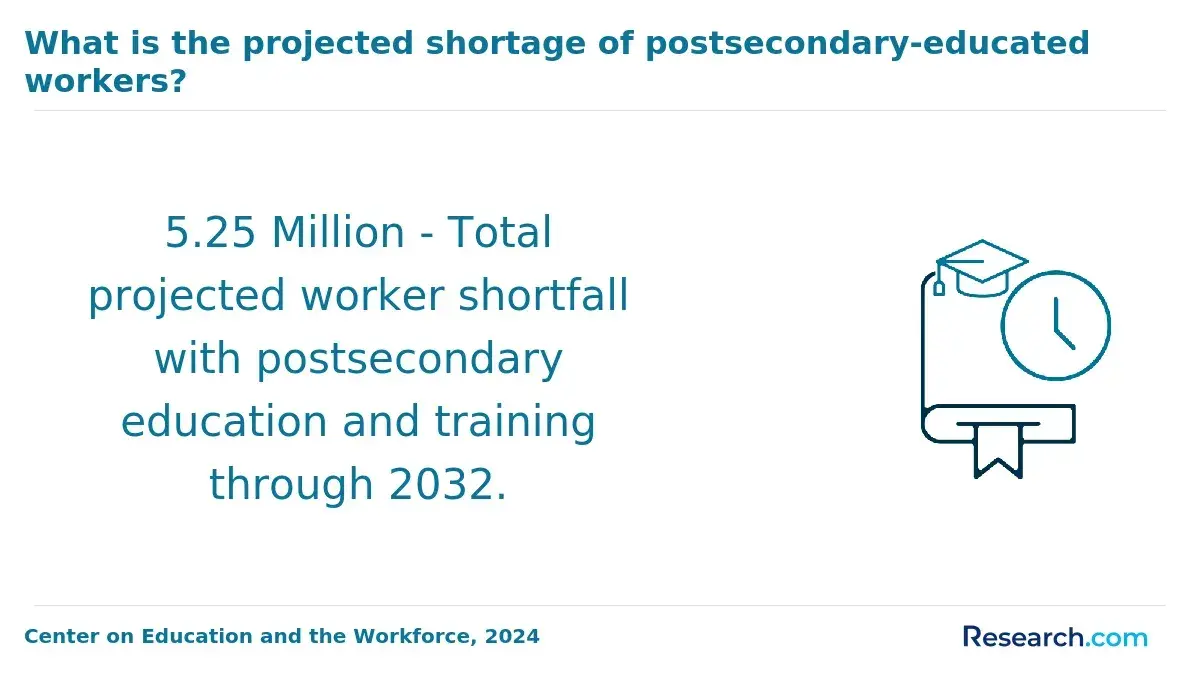
Notably, approximately 55% of early childhood educators hold postsecondary credentials, reflecting growing demand for formally trained professionals. Since licensure is crucial for career advancement and employment in regulated settings, understanding how online programs align with these criteria is vital.
This article examines whether an online early childhood education degree qualifies graduates for licensure and highlights important factors prospective students should evaluate before enrolling.
Key Things to Know About Online Early Childhood Education Degree Licensure Qualifications
- Accreditation and state program approval critically determine if an online early childhood education degree satisfies licensure requirements; without these, licensure eligibility may be denied.
- Licensure standards vary widely by state, so graduates must verify if their online program meets specific state qualifications for certification or teaching credentials.
- Clinical hours, practicums, or supervised experience are often mandatory in early childhood education licensure, ensuring practical skills alongside theoretical knowledge for professional readiness.
Does an Online Early Childhood Education Degree Qualify You for Licensure?
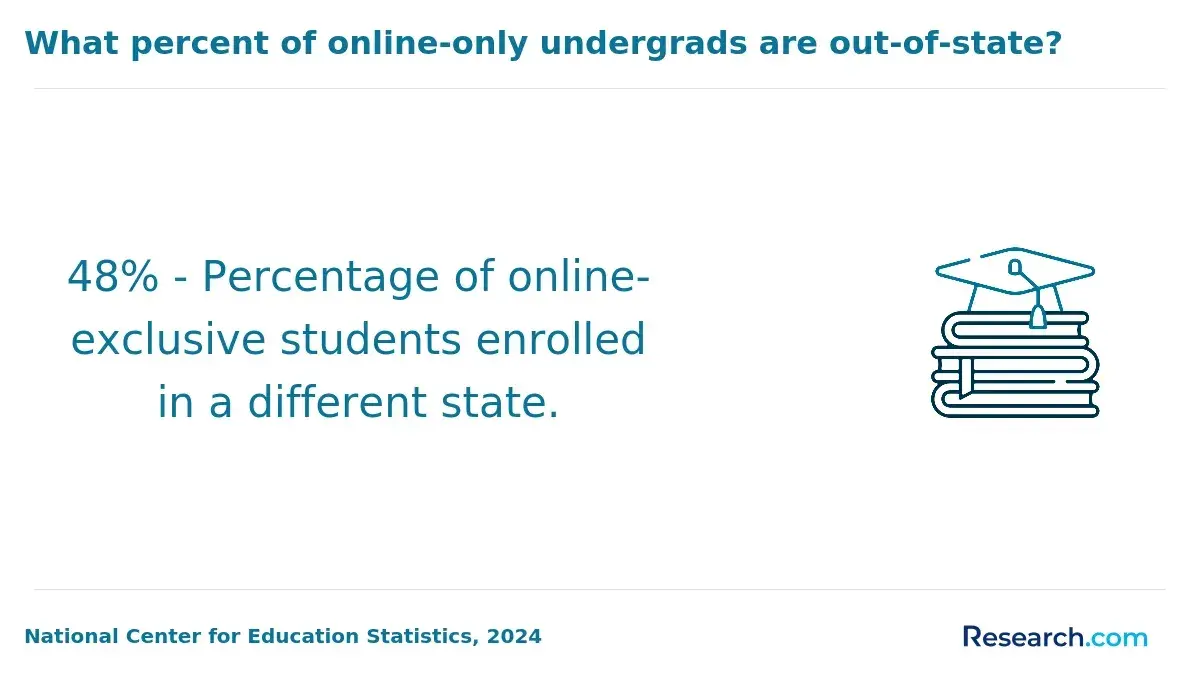
Online education has grown substantially in fields tied to professional licensure, with more programs embracing flexible formats to meet diverse student needs. For instance, enrollment in fully online postsecondary courses rose from 3.1 million in 2012 to over 7.1 million in 2021, reflecting broad acceptance of these pathways. This expansion includes degrees designed to prepare students for licensure-track careers, making online early childhood education a practical option for many. Understanding this trend helps clarify licensing eligibility for online early childhood education graduates and the factors that influence their professional readiness.
Whether an online early childhood education degree qualifies you for licensure primarily depends on the program's institutional recognition, curriculum alignment, and fulfillment of supervised practical experiences. Licensure boards require degrees from accredited institutions that meet rigorous educational standards, especially including hands-on training such as student teaching or internships. Since these practical components cannot usually be completed entirely online, programs often incorporate hybrid or local placement options to satisfy requirements. Meeting these benchmarks ensures that licensing eligibility for online early childhood education graduates is on par with those from traditional programs, supporting a smooth transition into professional roles. This growing acceptance parallels trends seen in other fields offering affordable online options like the cheapest doctorate degree.
Which Early Childhood Education Careers Require Professional Licensure?
Professional licensure in early childhood education careers ensures practitioners meet safety, ethical, and competency standards essential for quality care and instruction. With about 70% of jobs in education and health services requiring state licensure or certification, these credentials help protect children and families by maintaining trusted professional practices. Below are key careers where licensure is typically mandated before individuals can legally work.
- Childcare Center Directors: Responsible for overseeing daily center operations, managing staff, and ensuring compliance with health and safety standards, directors need licensure to verify their leadership capabilities and ensure children's well-being.
- Early Childhood Special Education Teachers: These teachers provide specialized instruction to children with disabilities or developmental delays. Licensure confirms their expertise in developing and implementing individualized education plans (IEPs) and appropriate interventions.
- Preschool Teachers in Public Programs: Those working in government-funded or public preschool settings usually require state licensure to maintain consistent curriculum quality and promote developmentally appropriate teaching methods.
- Speech-Language Pathologists: Specialists focusing on early childhood communication disorders must be licensed to ensure they possess the clinical skills necessary to diagnose and treat effectively.
- Early Intervention Specialists: Working with infants and toddlers facing developmental delays, these professionals are often licensed to provide legally recognized services and uphold ethical standards.
A graduate with a degree in early childhood education shared that navigating licensure requirements felt daunting at first, especially coordinating coursework with licensing prerequisites. "It wasn't just about earning the degree," he explained, "but ensuring every requirement aligned with what the state expected for licensure." He recalled moments of uncertainty during the application process but emphasized that the licensure ultimately validated his readiness to responsibly support children's development in a professional setting.
What Accreditation Is Required for Early Childhood Education Licensure?
Accreditation is a key factor in determining if an online early childhood education degree meets the standards required for professional licensure. Graduates from programs with recognized accreditation, such as CAEP, demonstrate approximately 15% higher licensure pass rates compared to those without. This statistic highlights the importance of selecting a program with strong accreditation credentials. Below are several prominent accrediting agencies relevant to licensure eligibility.
- Council for the Accreditation of Educator Preparation (CAEP): CAEP is highly respected for accrediting educator preparation programs, including early childhood education. Programs accredited by CAEP adhere to national quality standards that align with licensure board expectations.
- National Association for the Education of Young Children (NAEYC): Recognized as a gold standard, NAEYC accreditation ensures that degree programs meet rigorous, research-based criteria. Completing a program with NAEYC accreditation supports candidates in meeting professional licensing requirements.
- Council on Occupational Education (COE): COE accredits vocational and technical training programs in early childhood education, emphasizing workforce readiness and educational effectiveness, which can impact licensure acceptance.
- Accrediting Commission of Career Schools and Colleges (ACCSC): ACCSC focuses on career-oriented institutions, providing accreditation that validates program quality and may enhance licensure prospects in applied early childhood education fields.
- Teacher Education Accreditation Council (TEAC): Although merged with CAEP, TEAC's legacy standards continue to inform the evaluation of educator preparation programs and contribute to licensure preparation.
Do Licensure Requirements Vary by State for Early Childhood Education Careers?
Licensure eligibility for early childhood education professionals often depends on state regulations, which can differ widely across the U.S. Research from the National Workforce Registry Alliance finds that approximately 70% of states enforce unique requirements affecting degree recognition, especially for online and traditional programs. These variations influence whether a graduate's credentials qualify them for licensure, prompting closer examination by prospective students. The following outlines key distinctions in state licensure requirements for early childhood education.
States vary considerably in how they regulate the education credentials needed for licensure, reflecting differences in required degree levels, program approval, and coursework content. Some states accept associate degrees, while others require bachelor's degrees or higher, and acceptance of online degrees depends on whether they align with state-specific criteria. This lack of uniformity in early childhood education credentialing by state means that a degree recognized in one jurisdiction might not meet the standards in another, affecting professional practice eligibility. Students interested in pursuing online classes should carefully verify how their chosen programs fulfill local licensing criteria before enrollment.
What Online Courses Are Required for Early Childhood Education Licensure?
Online early childhood education programs are designed to align their coursework with state licensure requirements, ensuring students complete essential training for professional practice. With over six million learners engaged in distance education nationwide, these programs emphasize both theory and practical skills needed for teaching young children. The following highlights typical required courses in such programs that support licensure eligibility.
Developmental Foundations: These courses focus on child growth principles, exploring cognitive, social, and emotional development. They establish a knowledge base for understanding how children learn and develop during their early years.
Curriculum and Instruction: Students learn about designing age-appropriate lesson plans and applying effective teaching strategies. This hands-on training prepares candidates for managing classroom environments and adapting instruction to diverse learners.
Ethics and Professionalism: Coursework in this area covers educators' responsibilities to maintain inclusive, ethical, and respectful practices. Understanding these standards is critical for working within early childhood settings and meeting licensure criteria.
Assessment and Research: These classes teach how to evaluate children's progress and utilize evidence-based methods to enhance teaching effectiveness. Analytical skills gained here support ongoing professional development and program improvement.
When asked about what online courses are required for early childhood education licensure, a professional with this degree reflected on her experience: "Balancing the theoretical content with practical applications was challenging but rewarding. The ethics and assessment courses, in particular, helped me feel confident in my role as a licensed educator. Taking everything online required discipline, but the flexibility allowed me to focus deeply on areas essential for licensure." Her insights underscore how rigorous coursework tailored to licensure requirements shapes effective early childhood teachers.
Do Online Early Childhood Education Programs Require Internships for Licensure?
Internship or practicum experiences are commonly integrated into licensure-aligned online early childhood education programs as essential components. These opportunities provide students with practical exposure in classroom settings, complementing theoretical coursework. Research shows that nearly 85% of accredited online or hybrid early childhood education degrees require some form of supervised fieldwork, highlighting the importance of experiential learning in professional preparation. This foundation helps bridge academic knowledge with real-world teaching skills crucial for licensure.
Internship expectations differ based on individual program designs and specific licensure criteria, sometimes incorporated directly into course credits or requiring students to find approved placements independently. The primary aim of these requirements is to cultivate practical competencies and professional growth rather than simply fulfilling procedural obligations. By engaging in hands-on environments under expert guidance, students enhance their ability to apply child development concepts, communication strategies, and classroom management techniques effectively. Such experiential learning remains a vital part of qualifying for professional licensure in early childhood education.
How Do Licensing Exams Work for Online Early Childhood Education Graduates?
Licensing exams serve as a standardized way to evaluate the competency of both online and traditional early childhood education graduates. Recent data indicates that around 78% of candidates pass their initial licensure exams, highlighting similar success rates across program types. These exams ensure that graduates meet the professional standards required for early childhood education practice. Here are key points that explain how licensing exams work for online graduates.
- Eligibility Requirements: Graduates who complete an accredited online early childhood education program typically satisfy the academic criteria needed to register for their state's licensing exam. This equivalency allows online learners to access the same licensure opportunities as traditional students.
- Exam Content: The exams test essential knowledge areas including child development, curriculum planning, health and safety regulations, and family engagement. These subjects assess whether candidates possess the competencies necessary to support young children's learning and wellbeing.
- Preparation Strategies: Candidates are encouraged to use study guides, take practice tests, and participate in workshops tailored to state exam blueprints. Online learners often benefit from digital study tools that align closely with exam requirements.
- Testing Procedures: Exams are administered either at authorized testing centers or through secure online proctoring systems. This flexibility accommodates graduates regardless of location while maintaining exam integrity.
- Pass Rate Outcomes: Data from the National Association for the Education of Young Children (NAEYC) confirms that online graduates perform comparably to traditional peers, supporting the validity of online early childhood education degrees for licensure.
How Do You Verify an Online Early Childhood Education Program's Licensure Status?
Verifying that an online early childhood education program aligns with professional licensure requirements is essential for students to ensure their degree leads to career eligibility. Studies show that nearly 30% of students pursuing early childhood education degrees mistakenly enroll in programs that do not meet licensure standards. With the growing popularity of online options, it is vital to use reliable methods to confirm a program's licensure support.
- Official Program Disclosures: Reliable institutions usually provide clear statements regarding program approval or licensure on their websites or admissions materials. These disclosures specify whether the curriculum meets the necessary state and national standards for licensure eligibility.
- Institutional Recognition: Confirming that the college or university is accredited by a recognized regional or national accrediting body helps validate program quality. Accreditation often correlates with licensure qualification since many licensing boards require degrees from accredited institutions.
- Licensing Board Consultation: Reviewing your state's early childhood education licensing board or regulatory agency website offers detailed information on approved programs or licensure criteria. This step helps students verify alignment with state requirements for early childhood education licensure.
- Program Outcomes: Some programs publish data on graduate success rates, such as licensure attainment or employment in the field. While less direct, such information can provide insight into whether graduates meet licensure prerequisites.
Prospective students should take care to verify these aspects before enrolling, especially when seeking an associates degree or higher in early childhood education online.
What Challenges Do Online Early Childhood Education Students Face With Licensure?
Licensure pathways can be more complex for online early childhood education students due to varied state standards and limited direct institutional support. Research shows that about 30% of these online learners face delays or issues in obtaining licensure compared to traditional students, highlighting credentialing barriers in this mode of study. These challenges often stem from differences in program requirements and licensure expectations, making it vital to understand specific hurdles before pursuing an online degree.
- Varied Program Expectations: States impose different licensing requirements that influence curriculum and practicum standards. Online students may encounter difficulties proving that their program meets all state-specific criteria, given the variability in online early childhood education licensure challenges across jurisdictions.
- Documentation and Verification: Licensure boards require thorough proof of coursework, supervised teaching, and field experience. Online learners often struggle with collecting and submitting these records without easy access to advisors or institutional support found in on-campus settings.
- Program Alignment: Some online programs fall short in incorporating evolving professional standards or state-mandated competencies. This misalignment can result in gaps that delay or prevent licensure eligibility and professional readiness.
- Eligibility Pathways: Understanding alternative routes such as provisional permits or varied licensing pathways can be confusing for online students. Navigating this complex landscape requires additional effort and awareness often underestimated by learners.
Students interested in online degrees should also evaluate programs carefully, considering how well they address state requirements for online early childhood education degrees. While pursuing such programs, exploring options like best MBA programs without GMAT may provide insights into flexible graduate education pathways that can complement licensure efforts in education or administration fields.
Are Online Early Childhood Education Degrees Respected in Licensed Professions?
Perceptions of online education in licensed professions have significantly changed over recent years. What was once met with skepticism now increasingly gains acceptance, largely due to advancements in technology and improved program standards. A 2023 survey revealed that about 68% of employers in education-related fields regard online degrees as equally valid as traditional ones when offered by reputable schools. This shift reflects broader acceptance of online early childhood education degrees as qualifying for professional licensure.
Respect for online early childhood education programs generally hinges on the quality of the curriculum, clear learning outcomes, and the student's proven competency rather than the mode of delivery. Licensed professions focus on the applicant's knowledge and their ability to apply it effectively in practice. Growing numbers of accredited programs align their offerings with industry requirements, supporting the acceptance of online degrees in this sector. For those exploring options, institutions providing 6 week college courses online illustrate how flexible, credible training can integrate with licensure goals.
What Graduates Say About Online Early Childhood Education Degree Licensure Qualifications
- Yitzchok: "Choosing to pursue an online early childhood education degree was a pivotal decision for me because it offered flexibility without compromising on the essential licensure requirements. From my experience, online programs do qualify for licensure as long as they are accredited and meet state guidelines. This degree and licensure have greatly enhanced my credibility and opened doors to positions I once thought were unreachable."
- Boston: "Reflecting on my journey, obtaining licensure through an online early childhood education degree was initially overwhelming, but it proved to be thoroughly possible and worthwhile. The licensure process requires careful verification of program accreditation, which I learned to navigate with patience. Professionally, holding my license has not only raised my standing but also deepened my commitment to fostering young learners' growth."
- Adriel: "As a professional, I approached my online early childhood education degree with a critical eye toward licensure eligibility. I discovered that many states accept online degrees that align with their licensure standards, which allowed me to pursue certification seamlessly. Today, my licensure directly influences my ability to enact positive changes in educational settings and advance my career with confidence."
Other Things You Should Know About Early Childhood Education Degrees
Yes, some states or programs may require candidates to have documented teaching experience to qualify for licensure, regardless of whether the degree was earned online or in person. This experience often needs to meet specific standards, such as working with certain age groups, to fulfill state licensure requirements.
Completing an online degree that meets accreditation and curriculum standards generally allows graduates to pursue advanced certifications similarly to traditional program graduates. However, candidates should verify that their online program's coursework aligns with the prerequisites for these certifications in their state or professional organization.
Online early childhood education graduates in 2027 should remain informed about licensing changes by regularly checking their state's education board resources. Joining professional organizations and attending relevant workshops can also help them stay up-to-date and compliant with evolving standards and requirements.
Some licensing boards may request extra documentation or verification to confirm the legitimacy and accreditation of an online early childhood education program. Applicants should be prepared to provide transcripts, program details, and proof of accreditation as part of a thorough evaluation process.
References
- Licensing criteria for home-based ECE services https://www.education.govt.nz/education-professionals/early-learning/licensing-and-certification/licensing-criteria-for-home-based-ece-services
- Top Online Early Childhood Education Courses & Tips for Choosing the Right One https://www.hannahshope.org/news/top-online-early-childhood-education-courses-tips-for-choosing-the-right-one
- Online Guide to ECEC Credentialing - Search Results https://www.ccsc-cssge.ca/ecec-credentialing-results
- Best Accredited Early Childhood Education Programs https://www.accreditedschoolsonline.org/education/early-childhood/
- Early Childhood Careers https://mncte.org/licensure/earlychildhood/
- online - Tłumaczenie po polsku - Słownik angielsko-polski Diki https://www.diki.pl/slownik-angielskiego
- Everything You Need to Know to Launch Your ECE Career - post https://www.childcareed.com/a/everything-you-need-to-know-to-launch-your-ece-career.html
- Co oznacza pojęcie online? | ITCUBE https://itcube.pl/online
- Early Learning Program Quality Assessment & Accreditation https://www.naeyc.org/accreditation/quality-assessment-and-accreditation
- How to choose a bachelor's in early childhood education | edX https://www.edx.org/resources/how-to-choose-a-bachelors-in-early-childhood-education