2027 Best Online Physical Therapy Degrees for Jobs

Co-Founder and Chief Data Scientist
Choosing the best online physical therapy degree can be a complex challenge-especially when accreditation, curriculum rigor, and real-world clinical experience vary widely across programs. Prospective students often lose time and money selecting degrees that fail to deliver strong career outcomes or adequate student support. With the median annual wage for physical therapists at $95,620 in recent years, the stakes for return on investment have never been higher. This article examines key factors-from accreditation standards and practical requirements to cost-effectiveness and career placement-providing a clear, data-driven framework to identify top online physical therapy degrees for job-focused learners.
Key Things to Know About the Best Online Physical Therapy Degrees for Jobs
- Accreditation ensures programs meet rigorous standards-causing 95% of graduates from accredited online physical therapy programs to pass licensing exams on the first attempt.
- Curriculum rigor balances theory and practice, with many programs requiring clinical hours to build hands-on skills vital for job readiness.
- Cost and return on investment vary widely-a median online physical therapy degree costs $20,000, while graduates often see salary gains exceeding 40% within five years.
What Is a Physical Therapy Degree, and What Can It Do for Your Career?
Physical therapy is a healthcare discipline dedicated to restoring, maintaining, and enhancing physical function across all ages. Accredited institutions and professional associations define it as a blend of scientific knowledge and hands-on clinical skills that assess and treat conditions arising from injury, illness, or disability. This field builds foundational expertise in anatomy, physiology, biomechanics, kinesiology, and therapeutic exercise, emphasizing patient-centered care and evidence-based practice.
Physical therapy is distinct from related fields like occupational therapy or sports medicine due to its specific focus on musculoskeletal health and physical movement.
- Degree Levels: Programs range from associate's to doctoral degrees, each aligning with different career paths.
- Associate's Degree: Prepares graduates to assist licensed physical therapists in clinical environments.
- Bachelor's Degree: Often a stepping stone for advanced study or allied health roles.
- Master's and Doctoral Degrees: Essential for licensure and independent clinical practice, offering specialized training.
- Career Applications: Graduates work in hospitals, outpatient clinics, rehabilitation centers, schools, and research institutions, significantly affecting patient mobility, pain management, and quality of life.
This guide focuses on the online physical therapy degree pathway-ideal for working adults, military veterans, and students seeking flexibility without sacrificing educational quality. It includes a thorough analysis of program accreditation, curriculum rigor, costs, career outcomes, and hands-on training. For those weighing options, it also highlights resources like the easiest RN program to get into as part of understanding allied health education pathways.
Graduates with a physical therapy degree often experience enhanced job prospects in the US, reflecting the field's growing demand and critical role in healthcare. This comprehensive approach helps readers evaluate programs with confidence and select the best online physical therapy degree programs for career advancement.
How Do Online Physical Therapy Degree Programs Compare to Traditional Campus Programs?
Both online and traditional campus physical therapy degree programs adhere to accreditation standards from the Commission on Accreditation in Physical Therapy Education (CAPTE), ensuring consistent academic rigor. While campus programs often embed hands-on labs throughout coursework, online programs incorporate intensive, in-person residencies to meet practical skill requirements-key for comparing online physical therapy degree vs traditional programs effectively.
- Faculty Qualifications: Accredited online programs employ faculty with credentials equivalent to those teaching on campus. Many institutions share professors between formats, maintaining instructional quality. Multimedia lecture tools complement the coursework, preserving academic standards for students exploring differences between online and campus physical therapy education.
- Student-Faculty Interaction: Face-to-face communication is more immediate on campus, but leading online programs use live video sessions, virtual office hours, and discussion boards. Small cohort models improve personalized support, adapting interaction to online learners' needs.
- Peer Collaboration: Campus students benefit from informal study groups and hands-on teamwork. Online peers use virtual study sessions and collaborative projects but require strong self-motivation to engage actively.
- Clinical or Practicum Requirements: Clinical rotations remain essential across delivery modes. Online students arrange local clinical placements approved by their schools-providing flexibility especially valuable to those in remote or underserved locations. Traditional programs typically offer structured on-site clinical opportunities.
- Employer Perception: Employment data show no significant hiring differences between graduates of accredited online and campus physical therapy programs. Employers prioritize accreditation, licensure eligibility, and competencies over program type.
- Structural Advantages for Online Learners: Online physical therapy degrees cater well to working adults, caregivers, military veterans, and those distant from campus-allowing flexible pacing and reduced commuting that minimize life disruptions. For individuals seeking alternative pathways, programs like an LPN program no TEAS required illustrate evolving access to healthcare education without rigid entry barriers.
- Addressing Limitations: Leading online programs mitigate challenges such as less hands-on practice and limited informal interaction through technology like virtual simulations and mandatory on-campus residencies. These strategies uphold training quality and licensure preparedness while supporting students balancing multiple commitments.
What Are the Accreditation Standards That Define a Reputable Online Physical Therapy Degree?
Accreditation plays a crucial role in judging the quality of online physical therapy degree programs-it ensures the education meets standards valued by employers and licensing boards. Top-tier programs hold institutional accreditation from regional bodies and national recognition, alongside program-specific accreditation targeted to physical therapy education.
- Regional Accreditors: These agencies assess a university or college's overall quality, including governance, financial stability, and student support services. Recognition by a regional accreditor indicates that the institution adheres to widely accepted academic benchmarks. The most respected regional accreditors are those acknowledged by the U.S. Department of Education and the Council for Higher Education Accreditation (CHEA).
- Programmatic Accreditation: The Commission on Accreditation in Physical Therapy Education (CAPTE) is the authoritative body that evaluates physical therapy curricula, faculty qualifications, clinical practice components, and outcome measures. Graduates of CAPTE-accredited programs qualify for licensure exams and are generally preferred by employers and graduate schools.
Choosing an unaccredited or poorly accredited physical therapy program can lead to significant hurdles. Without proper accreditation, students risk being ineligible for licensure, facing credit transfer issues, and encountering skepticism from employers about the program's credibility.
Students should verify any program's accreditation using official sources-the U.S. Department of Education's database and the CHEA directory-both provide updated information on recognized accreditors and institutions nationwide. Accreditation should never be compromised in favor of lower cost or convenience. It is an essential safeguard ensuring that your education meets professional standards and supports your career goals.
Which Types of Physical Therapy Degrees Are Available Online-Bachelor's, Master's, or Doctoral?
Each degree demands targeted prerequisites and serves distinct student profiles-from recent graduates to professionals pursuing leadership roles. Data from IPEDS show that associate programs have higher completion rates within two years, while doctoral pathways require longer commitment with substantial but lower completion rates.
Evaluating accreditation, curriculum rigor, clinical requirements, and student support is essential when assessing programs.
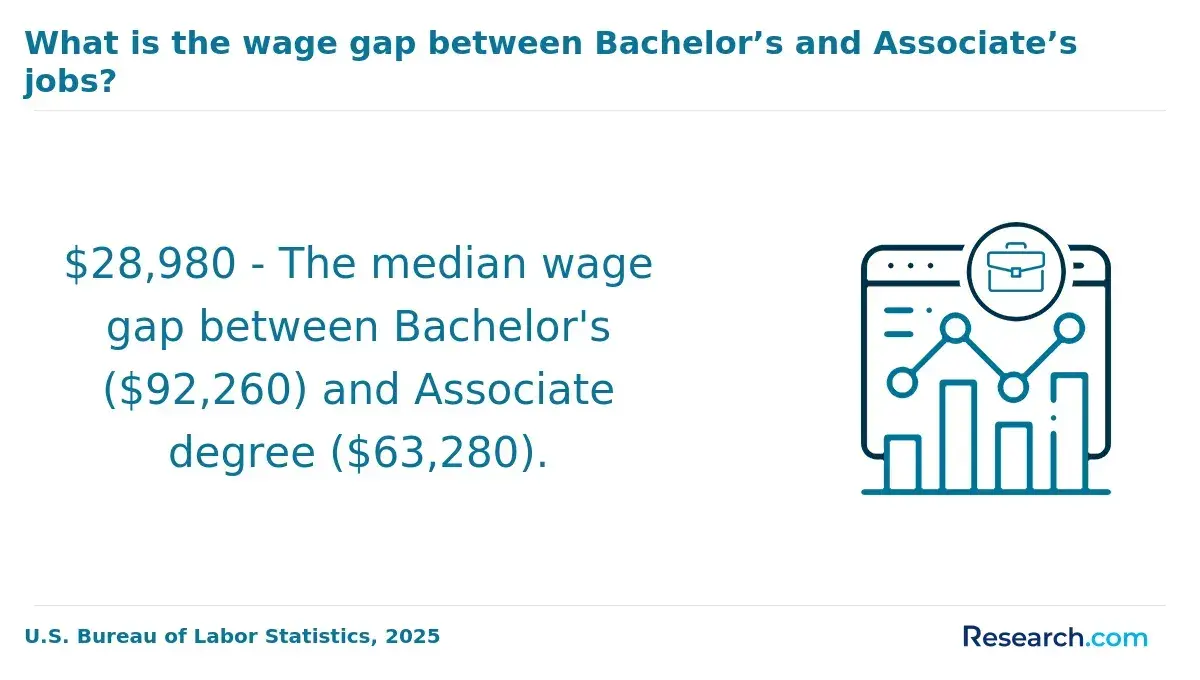
- Associate's Degrees: These programs typically last around two years and prepare students for entry-level roles such as physical therapy assistants. They require a high school diploma and offer a pathway for recent graduates or individuals seeking rapid workforce entry. Graduates can obtain certification and earn median salaries between $45,000 and $60,000.
- Bachelor's Completion Programs: Tailored for working adults with some college credits or an associate degree, these online programs usually take 1 to 2 years. They emphasize foundational sciences and prepare students for advanced study or roles in rehabilitation settings and healthcare administration. Completion rates vary, reflecting the challenge of balancing coursework with employment. These programs are a common step within online Physical Therapy bachelor's programs for working adults.
- Master's Degrees: Although the role of licensed physical therapist requires a doctoral degree, master's programs-lasting about two years-remain valuable for specialized healthcare positions or as a bridge toward doctoral study. Prerequisites typically include a bachelor's degree and courses in anatomy and kinesiology. These programs focus heavily on clinical experience.
- Doctoral Programs (DPT): Required for licensure, the Doctor of Physical Therapy combines online coursework with in-person clinical placements over approximately three years. Entry demands a bachelor's degree with specific science prerequisites. These rigorous programs prepare students for direct patient care roles, yielding median salaries exceeding $90,000.
- Post-Baccalaureate Certificates: These certificates, offered part-time online over months to a year, support career changers holding a bachelor's degree who need additional training. They often serve as stackable credentials transferable into master's or doctoral studies, enabling progressive academic advancement.
Prospective students interested in accredited programs can explore the best online colleges with no application fee to find options aligned with their goals.
What Is the Typical Cost of an Online Physical Therapy Degree, and How Can You Finance It?
Costs for an online physical therapy degree fluctuate considerably depending on the type of institution and additional expenses involved. Public in-state programs typically fall between $10,000 and $25,000 in total tuition, while public out-of-state options can range from $25,000 to $45,000. Private nonprofit schools often charge from $40,000 to $70,000 for the full program. For-profit institutions may exceed these figures, particularly when factoring in technology fees and administrative charges.
Beyond tuition, students should be prepared for possible expenses such as travel and lodging related to on-campus residencies or clinical experiences. Technology fees-covering digital resources and learning platforms-can add anywhere from several hundred to a few thousand dollars depending on the program's design.
Federal financial aid is a primary resource for most students pursuing an online physical therapy degree:
- Pell Grants: Need-based funds that do not require repayment, available to eligible undergraduates.
- Federal Student Loans: Includes subsidized loans where interest is paid by the government during study periods, and unsubsidized loans where interest accrues immediately.
- GI Bill Benefits: Targeted assistance for qualifying veterans and active military personnel, helping to cover tuition and related education costs.
Scholarships tailored for physical therapy students also play a crucial role. These awards originate from professional bodies like the American Physical Therapy Association, state labor agencies, and colleges themselves, often based on merit or financial need. Early applications and eligibility checks are essential to securing these funds.
Evaluating the overall program expense-including tuition, fees, materials, and residency costs-is far more insightful than considering per-credit-hour rates alone. Tools such as the College Scorecard net price calculator help candidates estimate actual out-of-pocket expenses after aid, aiding thoughtful financial planning.
How Long Does It Take to Complete an Online Physical Therapy Degree Program?
Online physical therapy degree durations differ widely depending on the credential level, enrollment type, and program design. Associate degrees usually require about two years, bachelor's programs around four years of full-time study, and most entry-level professional education occurs at the doctoral level, with Doctor of Physical Therapy (DPT) programs typically lasting three years post-bachelor's.
- Degree Level: Associate degrees take approximately 2 years; bachelor's degrees about 4 years; doctoral programs, including DPT, generally require 3 years after undergraduate coursework.
- Enrollment Status: Full-time study aligns with standard timelines, while part-time participation-common among working learners-can extend completion by one or more years, varying with course availability and flexibility.
- Transfer Credits: Acceptance of prior coursework or completed prerequisites can shorten the overall timeline, benefiting students with related academic or professional backgrounds.
- Competency- and Pace-Based Progression: Programs allowing advancement through mastery demonstration instead of fixed seat time enable motivated students to accelerate degree completion, especially when combined with self-paced formats or continuous enrollment.
- Accelerated and Year-Round Scheduling: Certain accredited online programs offer accelerated tracks or eliminate traditional semester breaks, facilitating faster progression for students balancing other commitments.
- Prior Learning Assessment (PLA): Recognizing documented professional experience, some institutions grant PLA credits, significantly reducing coursework and duration for employed adults with relevant backgrounds.
- Minimum and Maximum Duration: Institutions set academic minimums to maintain rigor and maximum periods-often six to eight years-to comply with satisfactory academic progress (SAP) standards, which also influence financial aid eligibility.
- Realistic Completion Times: Actual averages from accredited programs tend to exceed advertised durations by a moderate margin, especially for nontraditional students managing work and family responsibilities.
These factors collectively shape how long it realistically takes to earn an online physical therapy degree, helping students align their educational plans with life circumstances and career objectives.
What Core Curriculum and Coursework Should a Quality Online Physical Therapy Program Include?
High-quality online physical therapy programs adhere closely to curriculum standards set by the Commission on Accreditation in Physical Therapy Education (CAPTE) and related professional associations. They offer a comprehensive core curriculum covering anatomy, physiology, biomechanics, kinesiology, neuroscience, pathology, and therapeutic interventions-forming the foundation for effective patient care and licensure readiness.
Beyond core subjects, these programs emphasize integrated experiences such as clinical reasoning, evidence-based practice, and interprofessional collaboration, often culminating in capstone projects or integrative seminars that blend theory with applied skills.
- Competency Areas: Graduates demonstrate proficiency in patient assessment, treatment planning, manual therapy techniques, therapeutic exercise, and outcome measurement-skills regarded highly by employers.
- Measurable Outcomes: These include critical thinking, ethical decision-making, communication effectiveness, and the ability to apply research clinically, enabling immediate workplace contribution.
- Curriculum Currency: Top programs maintain rigor through scheduled curriculum review cycles-typically every three to five years-ensuring content incorporates emerging research, advanced methodologies, and evolving regulatory standards.
- Industry Engagement: Advisory boards and partnerships with employers actively guide curriculum revisions, aligning education with workforce demands and professional expectations.
- Student Guidance: Prospective students should request sample course sequences, syllabi, and detailed learning outcomes rather than relying solely on promotional materials to assess program depth and relevance.
Employment of physical therapists is projected to grow 18% between 2022 and 2032, according to the U.S. Bureau of Labor Statistics-highlighting the critical need for programs that equip students with up-to-date, career-ready competencies.
Which Online Physical Therapy Programs Offer the Best Return on Investment for Working Adults?
Working adults looking for the best online physical therapy degrees for working adults should focus on public universities with competitive tuition and strong employer networks. These programs tend to deliver a high return on investment by balancing reasonable costs with robust employment outcomes. Evaluating programs based on median earnings at six and ten years after enrollment-alongside upfront tuition costs-offers a clear perspective on long-term value.
- Cost Efficiency: Public institutions generally provide lower tuition rates, especially for in-state students or those benefiting from reciprocity agreements that reduce out-of-state fees, which significantly lowers total debt burden.
- Employment Outcomes: High return on investment physical therapy programs consistently report strong graduate placement rates in physical therapy roles within a year of completion, demonstrating the relevance of their curriculum and clinical experiences to workforce demands.
- Loan Default Rates: Low default rates signal that graduates earn sufficient income to manage debt repayments, underscoring financial stability and reliable ROI.
- Employer Tuition Reimbursement: Working adults can often leverage employer-sponsored tuition reimbursement plans to offset education costs, improving affordability and ROI.
- Scholarship Availability: Increasingly, online physical therapy programs offer scholarships targeted to adult learners and veterans, enhancing access and cost-effectiveness.
- Program Transparency: The best programs disclose detailed outcomes-including median salaries at multiple post-enrollment milestones and geographic employment data-allowing prospective students to make informed decisions beyond simple rankings.
To accurately assess the value of a program, prospective students should seek detailed data that aligns with their individual circumstances, including tuition discounts and financial aid options. For those interested in related affordable options, exploring the cheapest online master's in nutrition may also provide insight into navigating cost-effective online degrees.
Ultimately, by focusing on these evidence-based factors, working adults can confidently select programs that maximize both financial and professional returns.
What Admissions Requirements Do the Top Online Physical Therapy Programs Typically Require?
Top online physical therapy program admissions criteria typically include a minimum GPA requirement-usually around 3.0 on a 4.0 scale-although more competitive programs may set higher thresholds. Many institutions have adopted test-optional policies, reflecting changes since the pandemic, so applicants should verify current standardized test requirements directly with admissions offices.
The requirements vary considerably across programs, from open-enrollment community college tracks to highly selective research university graduate programs with rigorous curricula.
- Prerequisite Coursework: Applicants without a background in physical therapy or related health sciences generally need to complete foundational courses such as anatomy, physiology, biology, chemistry, and sometimes statistics or psychology. These prerequisites ensure students possess the scientific literacy necessary for success in graduate-level studies. Because requirements differ significantly, candidates should review the specific course mandates held by each program.
- Letters of Recommendation: Most competitive programs require two or three letters from academic instructors, supervisors, or healthcare professionals who can attest to the applicant's aptitude, work ethic, and potential for the profession.
- Personal Statement: Submission of a personal statement is common; this document explains motivation for pursuing physical therapy, highlights relevant experiences, and outlines career goals. It is a key opportunity to demonstrate commitment and reflect on professional or volunteer involvement in healthcare settings.
- Professional Experience: Practical exposure to physical therapy environments-through internships, shadowing, or employment-is often expected to evidence a real-world understanding of the field's demands.
- Program Tier Variation: Admissions standards differ widely. Entry-level physical therapy assistant programs at community colleges usually have less restrictive requirements than master's or doctoral programs at research universities. Applicants are encouraged to self-assess their background to target programs matching their qualifications and ambitions.
Because admissions criteria may change frequently, particularly test policies and prerequisite details, prospective students should contact program advisors directly for the most up-to-date information. Those exploring degree pathways might also consider the easiest RN to BSN program online as part of a broader healthcare education plan.
What Career Paths and Job Titles Are Available to Online Physical Therapy Degree Graduates?
An online physical therapy degree can lead to careers across rehabilitation, sports performance, outpatient care, and specialized treatment settings. Graduates may work with patients recovering from injuries, surgeries, neurological conditions, or mobility challenges in both clinical and community environments. Job titles can vary depending on licensure level, specialization, and workplace focus.
- Entry-Level Roles: Graduates with a bachelor's degree often begin as physical therapy aides or assistants, supporting licensed therapists by preparing treatment spaces, assisting patients, and handling administrative duties. Rehabilitation technician positions in hospitals or outpatient clinics offer foundational hands-on experience to build clinical skills.
- Licensed Physical Therapist: Holding a Doctor of Physical Therapy (DPT) degree and licensure enables professionals to work independently, assessing patient needs, designing treatment plans, and delivering therapeutic interventions. Employment opportunities span hospitals, private practices, rehabilitation centers, nursing homes, and educational institutions.
- Specialist Roles: Advanced certifications open pathways to focus on areas such as orthopedics, geriatrics, pediatrics, sports rehabilitation, or neurological therapy. Specialists often find roles in targeted settings like sports medicine clinics, long-term care facilities, and research institutions.
- Management and Leadership: Experienced therapists frequently advance into supervisory and management roles, overseeing therapy departments, coordinating clinical operations, or developing healthcare programs. These positions typically demand graduate degrees, clinical experience, and leadership training.
- Research and Academia: Physical therapy degrees also prepare individuals for careers in academic research or faculty positions-contributing to evidence-based practices, designing curricula, and leading clinical studies. Doctoral-level education is generally required for these pursuits.
- Career Pivot and Advancement: Professionals transitioning from nursing, athletic training, or occupational therapy can leverage physical therapy degrees to shift career paths. Supplementing education with certifications or graduate studies facilitates entry into physical therapy roles or expansion of clinical expertise.
- Promotion and Lateral Moves: Over five to ten years, physical therapy professionals commonly progress by acquiring specialty certifications, pursuing higher education, or moving between sectors-such as from hospitals to outpatient clinics or sports facilities-enhancing both leadership opportunities and hands-on experience.
What Is the Salary Outlook for Professionals with an Online Physical Therapy Degree?
Median salaries for professionals holding an online physical therapy degree generally center near $95,000 annually, with average incomes climbing close to $99,000. Entry-level positions range from about $70,000 to $80,000, while those with substantial experience and advanced skills can surpass $110,000.
- Degree Level: Earnings grow with educational attainment-doctoral degrees and specialized certifications typically yield higher pay than bachelor's or master's degrees.
- Years of Experience: Salary increases align with career progression; early-stage therapists earn less, whereas those with five or more years often receive elevated compensation and leadership roles.
- Industry Sector: Hospital settings often provide greater remuneration compared to outpatient or home health care environments. Rehabilitation and specialty clinics also offer competitive wages.
- Geographic Market: Urban areas and states with higher living costs-such as California, New York, and Texas-tend to pay more, whereas rural locations may offer lower salaries.
- Specialization: Credentials in orthopedics, geriatrics, or sports physical therapy carry a documented premium, reflecting additional expertise valuable to employers.
- Professional Certification: Board-certified clinical specialist designations, like those in orthopedic or pediatric physical therapy, enhance earning potential. Graduates should pursue these certifications post-degree through accredited professional organizations.
- Salary Projections: Employment in physical therapy is forecasted to grow about 9% over the next decade, with steady wage increases driven by demographic trends and healthcare demand.
- Data Verification: Because market conditions and compensation fluctuate, prospects should consult updated Bureau of Labor Statistics reports and industry salary surveys rather than rely on static numbers.
What Graduates Say About the Best Online Physical Therapy Degrees for Jobs
- Otis: "Choosing an online physical therapy degree with strong accreditation was non-negotiable for me-it's the foundation that reassured me of the program's legitimacy and acceptance in the job market. The curriculum was intense but thoughtfully designed, ensuring I gained both theoretical knowledge and practical skills. Knowing the cost reflected a high return on investment made me confident I was setting myself up for success in a competitive field."
- Ronan: "I often reflect on how the student support infrastructure made all the difference during my online physical therapy studies. The advisors and tutors were always accessible, which helped me navigate the rigorous coursework and practical challenges smoothly. This support system, combined with realistic practical experience requirements, prepared me to transition seamlessly into my career."
- Brooks: "What stood out in my online physical therapy program was the focus on career outcomes-every module felt tailored to real-world applications. The practical experience requirements ensured I had hands-on skills before graduating, and the curriculum rigor challenged me to learn at a high standard. Looking back, the program was a smart investment that truly aligned with my professional goals."
Other Things You Should Know About Physical Therapy Degrees
Top online physical therapy programs focus on developing a solid foundation in clinical knowledge, anatomy, physiology, and therapeutic techniques. Graduates gain critical skills in patient assessment, rehabilitation planning, and effective communication with healthcare teams. These programs also emphasize problem-solving abilities and ethical practice, preparing students to adapt to diverse clinical settings.
Although coursework is delivered online, physical therapy degrees require supervised clinical experiences that must be completed in person. Programs typically partner with healthcare facilities near students to arrange internships, practicums, or fieldwork that meet accreditation standards. This hands-on training is essential for licensure eligibility and provides real-world application of theoretical knowledge.
Employers generally value degrees from accredited online physical therapy programs equally to traditional ones-provided the program meets national standards and includes required clinical experience. Reputation and accreditation are key factors in hiring decisions, rather than the delivery method of the education. Graduates from reputable online programs are considered qualified for licensure and professional roles.
References
- Physical Therapist Salary - Online Physical Therapy Programs https://onlinephysicaltherapyprograms.com/become-a-pt/salary/
- How to Prepare for Physical Therapy School | Rizing Tide https://rizing-tide.com/how-to-prepare-for-physical-therapy-school/
- How to Pay for Physical Therapist (PT) School | SoFi https://www.sofi.com/learn/content/paying-for-pt-school/
- Costs & Financial Aid https://www.kumc.edu/school-of-health-professions/academics/departments/physical-therapy-rehabilitation-science-and-athletic-training/academics/doctor-of-physical-therapy-on-campus-pathway/costs-and-financial-aid.html
- Exploring Physical Therapy Careers: A Guide for You https://www.highbarhealth.com/types-physical-therapy-careers/
- How Long Does It Take to Get a Physical Therapy Degree? https://www.scuhs.edu/bshs-article/how-long-does-it-take-to-get-a-physical-therapy-degree-a-guide/
- Affordable online physical therapy plans & pricing options https://motivpt.com/plans-pricing/
- Research Summary: Online versus In-Person Learning of Hands-On PT Skills • Posts by EIM | Evidence In Motion https://evidenceinmotion.com/research-summary-online-versus-in-person-learning-of-hands-on-pt-skills/
- You want to be a physical therapist. But, how long is PT school? https://blog.cuw.edu/how-long-is-pt-school-2163-6/