2027 Does an Online Physical Therapy Degree Qualify You for Licensure?

Co-Founder and Chief Data Scientist
One common concern for career changers exploring online physical therapy degree programs is whether these credentials meet state licensure requirements. Licensing boards in the US typically mandate accredited education combined with supervised clinical experience, reflecting the profession's rigorous standards.
According to the Bureau of Labor Statistics, employment of physical therapists is projected to grow 21% through 2032, intensifying demand for qualified practitioners. This article examines the credentialing landscape for online physical therapy degrees, clarifies how clinical components factor into eligibility, and offers guidance on navigating accreditation and state-specific licensing mandates.
Key Things to Know About Online Physical Therapy Degree Licensure Qualifications
- Accreditation by CAPTE and program approval are essential for online physical therapy degrees to satisfy licensure education standards across most states.
- Licensure requirements vary by state, meaning graduates must verify if their online program aligns with specific state criteria for eligibility.
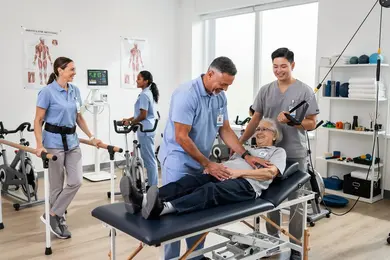
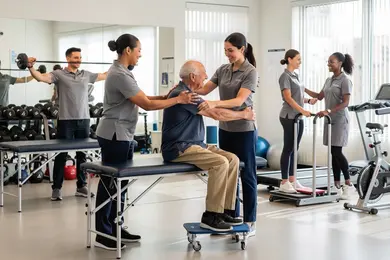
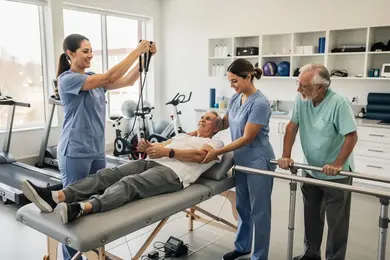
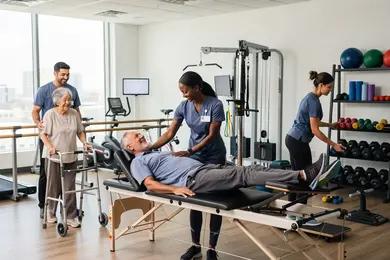
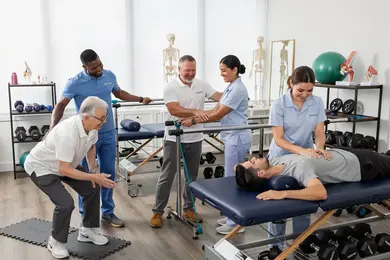
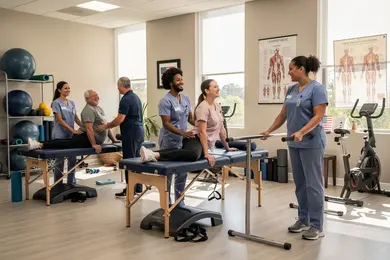
- Completion of clinical, practicum, or supervised experiences is mandatory for licensure, as hands-on training cannot be fully substituted by online coursework.
Does an Online Physical Therapy Degree Qualify You for Licensure?
Online education has become a widely accepted approach in many licensure-track fields, reflecting technological progress and enhanced curriculum delivery methods. According to the National Center for Education Statistics, nearly 45% of full-time students in the U.S. took at least one online course in recent years, illustrating the expanding reach of distance learning.
This trend includes various healthcare disciplines where licensure is essential. Exploring how an online physical therapy degree licensure requirements align with these developments highlights important considerations for students.
Whether an online physical therapy program qualifies for licensure primarily depends on meeting recognized educational standards, including institutional accreditation and curriculum comprehensiveness.
Key factors involve academic content that covers all core competencies and the inclusion of hands-on clinical experience conducted in supervised settings. Programs that fulfill these conditions often use hybrid models to integrate practical training with virtual coursework.
Prospective students should compare programs carefully, much like those researching online pharmacist programs, to verify that clinical and academic requirements meet licensing board expectations.
Which Physical Therapy Careers Require Professional Licensure?
Licensure ensures that professionals in physical therapy-related careers meet established standards of safety, competence, and ethics, which protects patients and upholds quality care. Approximately 29.5% of healthcare occupations require a license or certification, reflecting its critical role in regulated professions.
Several careers in the physical therapy field require licensure before practitioners can legally provide services.
- Licensed Physical Therapist: Physical therapists diagnose and treat movement disorders, create customized rehabilitation plans, and oversee patient recovery. Licensure verifies their qualifications to deliver safe and effective care directly to patients.
- Physical Therapist Assistant: Working under PT supervision, assistants help implement treatment plans by applying therapeutic exercises and modalities. Licensing confirms they have adequate technical training and maintain professional boundaries.
- Occupational Therapist: Although distinct from physical therapists, occupational therapists commonly require licensure to help patients improve daily functional abilities safely and effectively.
- Athletic Trainer: Specializing in physical rehabilitation for athletes, these professionals often need state licensure or certification to ensure competency in injury prevention and treatment.
A physical therapy degree graduate shared insight on navigating licensure requirements. He described the licensure process as both demanding and essential, explaining, 'It's not just about passing exams; it's about proving you can apply knowledge safely under pressure.'
He recalled feeling considerable anxiety waiting for approval, knowing his future ability to practice hinged on meeting these standards. Ultimately, he found that licensure provided a valuable framework that enhanced his confidence and credibility as a professional.

What Accreditation Is Required for Physical Therapy Licensure?
Accreditation is critical for licensure in physical therapy because licensing boards require applicants to complete programs that meet established standards. Graduates from programs accredited by the Commission on Accreditation in Physical Therapy Education (CAPTE) achieve licensure exam pass rates above 90%, reflecting the quality of education provided.
Below are key accreditation organizations relevant to physical therapy licensure.
- CAPTE (Commission on Accreditation in Physical Therapy Education): CAPTE is the nationally recognized accreditor for physical therapy education programs in the U.S. It ensures programs maintain rigorous curricula and clinical training that satisfy licensure prerequisites.
- Regional Accrediting Bodies: These bodies, such as the Higher Learning Commission or WASC, validate the overall quality of institutions and enable eligibility for federal funding, but they do not replace CAPTE accreditation for physical therapy licensure.
- ACOTE (Accreditation Council for Occupational Therapy Education): While ACOTE accredits occupational therapy programs and supports their licensure pathway, it is not applicable for physical therapy licensure, highlighting the distinct accreditation routes for these related fields.
Do Licensure Requirements Vary by State for Physical Therapy Careers?
State regulations play a critical role in determining whether graduates from online or traditional physical therapy degree programs qualify for licensure in the U.S. Licensing boards differ widely across states, with approximately 40% enforcing unique rules regarding education completed fully or partially online. This variability affects graduates' mobility and eligibility. The following discussion explores these distinctions in detail.
Variations in state-specific physical therapy licensure rules influence how educational credentials are evaluated, including whether online programs are accepted. Some states demand that physical therapy education include in-person clinical experiences or come from agencies meeting certain accreditation standards.
These requirements are not standardized across jurisdictions, meaning an online degree meeting one state's criteria might not fulfill another's licensing prerequisites. Prospective physical therapy students should therefore investigate these differences carefully before enrolling.
For advice on affordable programs that may align with some state requirements, consider options like the cheapest online RN to BSN programs.
What Online Courses Are Required for Physical Therapy Licensure?
Online physical therapy degree programs are designed to align closely with the educational standards required for professional licensure, combining theory and practical application in a flexible format.
Recent trends show that around 70% of healthcare education programs now include online learning components, reflecting the growing acceptance of virtual study options. These programs typically cover a range of essential coursework areas critical for licensure eligibility.
- Foundational Theory: Courses in anatomy, physiology, kinesiology, and biomechanics establish the scientific groundwork necessary to understand human movement, injury, and rehabilitation.
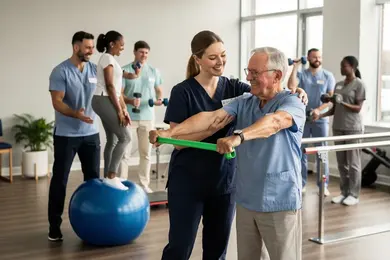
- Applied Practice: This category focuses on clinical skills including therapeutic methods and patient assessment, often enhanced by virtual simulations or hybrid hands-on training to ensure practical competence.
- Ethics and Professional Responsibility: Students learn about maintaining patient confidentiality, ethical decision-making, and professional conduct within healthcare settings, which are vital for trustworthy practice.
- Research Methods: Coursework emphasizes evidence-based practice, data analysis, and evaluation of clinical studies, equipping students to integrate current research into patient care.
When speaking with a professional holding a physical therapy degree about the required online coursework, she reflected on the balance between flexibility and rigor. 'Navigating the combination of virtual classes and the necessity for in-person competencies was challenging but rewarding,' she shared.
She appreciated how online modules allowed her to manage study alongside work commitments while affirming that the critical hands-on practice components were indispensable for confidence in clinical skills. She highlighted that the ethical and research courses helped her feel prepared not only for licensure but also for evidence-based patient interaction in real-world settings.

Do Online Physical Therapy Programs Require Internships for Licensure?
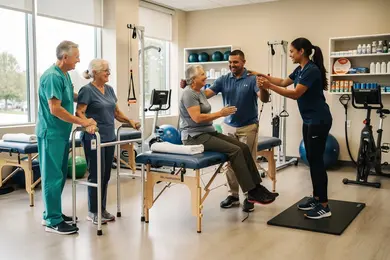
Online physical therapy programs aligned with licensure standards commonly include internships or practical clinical experiences as essential components. Approximately 85% of accredited online or hybrid healthcare degrees mandate such hands-on learning to ensure students gain real-world skills beyond theoretical study.
These experiential requirements help prepare students for professional responsibilities by integrating supervised practice in healthcare environments. This foundation is critical in bridging academic knowledge with the demands of patient care.
The specifics of internship obligations can differ based on the design of the program and the criteria set by licensing authorities. Some online programs coordinate local clinical hours alongside virtual coursework, partnering with nearby healthcare providers to facilitate necessary in-person training.
Others adopt hybrid formats that combine online study with onsite intensives aimed at skill development. Ultimately, these internships prioritize meaningful applied learning and mastery of clinical competencies rather than simply fulfilling administrative mandates.
How Do Licensing Exams Work for Online Physical Therapy Graduates?
Licensing exams provide a standardized measure of competence for both online and traditional physical therapy graduates, ensuring consistent professional standards. The National Physical Therapy Examination (NPTE) reports a first-time pass rate near 86%.
Demostrating that candidates from online programs perform comparably to their in-person peers, these exams certify that all candidates possess the necessary knowledge and skills for safe clinical practice.
Key aspects of licensing exams for online physical therapy graduates include:
- Eligibility Requirements: Graduates must complete an accredited physical therapy program, including those offered online, to qualify for licensure exams. This ensures equal opportunity to sit for the NPTE regardless of degree delivery format.
- Exam Content: The assessment covers core areas such as patient management, therapeutic techniques, anatomy, physiology, and ethics. These topics reflect the essential competencies required for effective clinical work.
- Preparation Methods: Online graduates often utilize digital study tools, practice tests, and remote review courses to prepare. These resources help replicate hands-on learning by emphasizing case-based scenarios and clinical decision-making.
- Testing Administration: Exams are administered at authorized Pearson VUE centers nationwide, maintaining secure, standardized conditions for all test-takers including those completing their education online.
- Performance Outcomes: Data from the Federation of State Boards of Physical Therapy highlight that online graduates achieve pass rates closely aligned with national averages, reflecting competitive readiness for professional practice.
How Do You Verify an Online Physical Therapy Program's Licensure Status?
Many students unknowingly choose online physical therapy programs that do not meet licensure requirements, with about 26% enrolling in programs that fail to satisfy state licensing authority criteria. Verifying a program's licensure alignment early helps ensure the chosen degree supports eligibility for professional licensure.
Here are key steps to verify accredited online physical therapy programs in the US.
- Official Program Disclosures: Accredited and licensure-qualifying programs typically provide clear disclosures regarding their approval by state licensing boards or relevant authorities. These statements are often found on program websites or informational materials, serving as a primary signal that the program has passed required evaluations.
- Institutional Recognition: Confirming that the college or university offering the online physical therapy program holds proper accreditation from recognized regional or national agencies is essential. Institutional accreditation guarantees a foundational level of educational quality necessary for licensure eligibility, although it may not be the sole factor.
- Licensing Board Requirements: Consulting state licensing boards to check licensure eligibility for online physical therapy degrees by state provides valuable insights. Licensing boards usually publish guidance on approved educational pathways and recognized programs, making it easier to verify if a specific online degree meets the educational prerequisites.
- Program Outcomes: Reviewing program outcomes such as graduation rates, licensure exam pass rates, or employment statistics can further support verification efforts. Transparency in these metrics often indicates the program's commitment to preparing students for licensure and professional success.
For students interested in broader healthcare fields, researching pathways such as an online PhD in nursing can also provide valuable context on licensure and accreditation standards.
What Challenges Do Online Physical Therapy Students Face With Licensure?
Licensure pathways for online physical therapy students can be more complex due to the varied expectations and regulations across states. Research shows that only about 70% of physical therapy students successfully obtain licensure within two years of graduation, with those following less traditional routes, including online programs, often facing additional challenges.
These hurdles can affect the ability of graduates to meet licensing exam requirements for online physical therapy programs, making it essential to understand specific barriers before enrollment.
- Varied State Expectations: Licensure eligibility requirements differ significantly among states, creating confusion for online students. Navigating these state-specific demands can be challenging when ensuring an online program meets all necessary criteria for professional licensure.
- Documentation Challenges: Licensing boards require detailed proof of education and clinical experience alignment, which may be harder to verify in online physical therapy licensure pathways. Gathering and submitting this documentation often involves more complexity compared to traditional programs.
- Program Alignment: Not all online physical therapy degrees demonstrate equivalency to traditional curricula or clinical exposure, raising concerns about the program's credibility. Confirming that a program aligns fully with professional and licensing standards is critical to avoid delays or additional requirements for licensure.
- Eligibility Pathway Differences: Jurisdictional variability means eligibility pathways can differ widely, and online students must navigate these nuances carefully. Understanding these distinctions helps in planning a clear route toward licensure.
Prospective students interested in related healthcare fields may also explore opportunities in online medical assistant programs with financial aid, which offer different licensure and certification pathways.
Are Online Physical Therapy Degrees Respected in Licensed Professions?
Attitudes toward online education in licensed professions have shifted considerably over recent years. With advances in technology and instructional design, many employers now regard online degrees as equally credible as traditional on-campus programs.
For instance, a survey by the National Association of Colleges and Employers reported that 75% of employers consider degrees earned online to be comparable to those obtained through conventional means if the program meets quality standards. This evolving viewpoint sets the context to examine how recognition of online physical therapy degrees in licensed professions is developing.
Respect for online physical therapy degrees typically centers on the program's ability to foster competency and deliver rigorous learning outcomes rather than the modality of instruction.
Accredited programs that maintain high academic standards tend to earn broader acceptance, reinforcing that online delivery does not inherently diminish professional value. The ongoing trend toward acceptance aligns with growing evidence supporting online education's effectiveness.
Prospective students interested in related fields might also explore options like an accelerated nutrition degree as another example of expanding online accredited programs.
What Graduates Say About Online Physical Therapy Degree Licensure Qualifications
- Otis: "Choosing to pursue my physical therapy degree online was a practical decision given my work and family commitments. I was initially uncertain about whether an online degree would qualify me for licensure, but after thorough research, I found many accredited programs meet the necessary criteria for state licensing boards. Earning my license has been crucial in advancing my career, opening doors I hadn't imagined possible before."
- Ronan: "Reflecting on my journey, getting my physical therapy licensure through an online degree program was both a challenge and a rewarding experience. It required careful planning to ensure I met all clinical hour requirements mandated for licensure, but the flexibility of online learning made it feasible. Holding a license has greatly enhanced my credibility with patients and employers alike, making the effort entirely worthwhile."
- Brooks: "From a professional standpoint, pursuing a physical therapy degree online and obtaining licensure has significantly shaped my career. I initially hesitated, worried that an online program might not be recognized for licensure in my state, but confirming the program's accreditation eased those concerns. Being licensed has empowered me to work confidently in various healthcare settings, proving that quality education can come in many forms."
Other Things You Should Know About Physical Therapy Degrees
Yes, clinical experience gained outside of an online program can count toward licensure if it meets the accreditation standards required by the physical therapy board. It is essential to verify that the experience is recognized by the licensing authority to ensure it fulfills the practical training requirements.
Some states may require supplementary coursework beyond what an online physical therapy degree offers, particularly in areas like ethics or local healthcare laws. Graduates should review specific state requirements to determine if additional classes are necessary before applying for licensure.
Yes, all graduates seeking physical therapy licensure must pass the same standardized national and, in some cases, state licensing exams regardless of whether their degree was earned online or in a traditional on-campus program. The exam content and process are uniform to ensure consistent competency evaluation.
Some licensing boards may request detailed documentation verifying the accreditation status and curriculum details of the online program attended. Applicants should be prepared to provide official transcripts, proof of clinical hours, and program accreditation confirmations as part of their licensure application.
References
- 12 Non-Clinical Physical Therapy Jobs for 2025 - The Non-Clinical PT https://thenonclinicalpt.com/non-clinical-jobs-physical-therapists/
- Free Online Physical Therapy Courses | Alison https://alison.com/tag/physical-therapy
- Physical Therapist Licensing Requirements by State | Vivian Community Hub https://www.vivian.com/community/allied-health/physical-therapist-licensing-requirements-by-state/
- PT Licensure Exam: Everything You Need to Know | Highbar https://www.highbarhealth.com/pt-licensure-exam/
- 8 Qualifications Physical Therapy Clinics Are Looking For https://lifeatalliance.com/8-qualifications-that-physical-therapy-clinics-are-looking-for/
- Commission on Accreditation in Physical Therapy Education https://www.capteonline.org/
- Online Physical Therapy Technician Certification (PTTC) https://medcerts.com/certifications/healthcare/pttc-physical-therapy-technician-certification-1
- 10 Physical Therapy Specialties to Boost Your Career | USAHS https://www.usa.edu/blog/physical-therapy-specialties/
- Online Transitional Doctor of Physical Therapy (tDPT) Degree Programs https://www.onlineeducation.com/healthcare/transitional-dpt-programs