2027 Highest-Paying Jobs You Can Get With a Child Development Degree

Co-Founder and Chief Data Scientist
Many individuals with a child development degree face uncertainty about whether pursuing graduate credentials or obtaining professional licensure will significantly boost their earning potential. The challenge lies in understanding how a wage premium varies across industries and geographic locations-highlighted by data showing that licensed child development specialists earn up to 25% more annually than their non-licensed peers. Additionally, evaluating the return on investment compared to alternative educational pathways is crucial for making informed decisions. This article examines the factors influencing compensation, including graduate degrees and certifications, to help readers accurately assess the financial value of a child development degree for their unique career goals.
Key Things to Know About the Highest-Paying Jobs You Can Get With a Child Development Degree
- Graduate credentials in child development yield a wage premium of approximately 15%-enhancing lifetime earnings significantly compared to bachelor's degree holders without advanced study.
- Professional licensure and certification-such as becoming a licensed child development specialist or certified early interventionist-can increase salaries by up to 20%, especially in clinical and educational settings.
- Compared to alternatives like technical training, a child development degree offers better return-on-investment due to higher average starting salaries and broader career advancement opportunities.
What Exactly Does a Child Development Degree Qualify You to Do in Today's Job Market?
A child development degree qualifies graduates for a range of professional roles centered on supporting the growth, learning, and well-being of children from infancy through adolescence-as defined by the U.S. Bureau of Labor Statistics and field-specific professional organizations. Employers across schools, healthcare providers, and community agencies value this academic qualification for combining both theory and practical skillsets essential in shaping healthy childhood outcomes. This degree serves as a critical credential gatekeeper in many career paths, establishing a wage premium when compared to purely experiential or certificate-based candidates.
- Core Competencies: Degree holders develop expertise in developmental psychology, early childhood education, and family system dynamics. Analytical capabilities include assessing child progress and crafting tailored interventions, while strong interpersonal skills facilitate effective communication with children, families, and multidisciplinary teams.
- Credential Distinction: Unlike those with only work experience or alternative certificates, graduates provide employers with verified academic rigor-a factor evident in hiring trends tracked through platforms like LinkedIn Insights and Lightcast, which highlight employer preference for degree credentials in specialized child development roles.
- Scope and Limitations: While a child development degree opens doors to roles such as early childhood educator, developmental specialist, or child life specialist, it does not replace licensure requirements needed for clinical psychologists, licensed social workers, or speech therapists. These professions require further certification and graduate-level training.
- Career Access: Many mid-tier positions require a bachelor's degree, but the highest-paying child development jobs requiring licensure and certification often demand advanced degrees-master's or doctoral-to access leadership, research, or clinical supervision roles.
- Highest-Paying Roles Preview: Later sections discuss top-earning careers including child psychologists, early intervention coordinators, and education administrators-positions combining graduate education and licensure to maximize financial rewards. For those exploring educational pathways, comparing a child development degree's ROI with alternatives such as easy nursing programs can illuminate financially sound enrollment decisions.
Which Child Development Jobs Command the Highest Salaries Right Now?
Early Childhood Education Directors: These professionals lead the salary rankings for child development degree holders. Based on recent BLS data, their median annual wage is about $79,000-rising to $95,000 at the 75th percentile and exceeding $120,000 for top earners. These directors usually hold a bachelor's degree in child development or related fields, with master's degrees and specialized certifications significantly increasing earning potential. They oversee programs in preschools, childcare centers, and early learning organizations. Salary levels depend on center size and geographic location-urban markets typically offer better pay due to demand and living costs.
- Degree Level: Bachelor's minimum; graduate degrees preferred for senior roles.
- Industries: Private preschools, public school systems, nonprofit childcare agencies.
- Geographic Markets: Urban and suburban areas generally yield higher salaries.
Child Psychologists and Developmental Specialists: Though many child psychologists hold degrees in psychology or clinical fields, advanced child development degrees paired with certifications open lucrative pathways in this occupation. Median salaries are near $80,000, with the 75th percentile surpassing $100,000 and top decile incomes topping $130,000 annually. Success relies heavily on graduate education and state licensure for clinical practice.
- Degree Level: Master's or doctorate-level credentials essential for clinical roles.
- Licensure: State certification or license required for practice.
- Employer Types: Healthcare systems, private practices, educational institutions.
Social and Community Service Managers: These professionals earn moderately high wages around $70,000 median salary, with upper-level figures reaching $90,000 or more. Child development graduates often compete with social work and human services candidates. Holding advanced degrees and management experience creates a clear salary advantage for child development holders.
- Degree Level: Bachelor's required; master's preferred for leadership roles.
- Industries: Government agencies, nonprofit organizations, family support services.
- Geographic Markets: Larger metropolitan areas typically pay more.
Special Education Teachers (Preschool and K-12): Salaries fluctuate depending on education, location, and school funding. Median pay is roughly $60,000, with the 75th percentile close to $70,000 and top earners surpassing $85,000. Licensure and specialization in early childhood or special education boost earning prospects significantly.
- Degree Level: Bachelor's degree plus state teaching certification required.
- Specializations: Autism spectrum disorders, learning disabilities, behavioral disorders.
- Employer Sectors: Public and private schools, specialized education centers.
Child Life Specialists: This niche role pays well, especially in children's hospitals and specialty clinics, where median salaries approach $55,000 and can exceed $70,000. Certification from the Association of Child Life Professionals enhances salary potential, with most positions requiring at least a bachelor's in child development; a master's degree offers an additional advantage.
- Degree Level: Bachelor's required; master's advantageous.
- Employer Types: Hospitals, pediatric care centers, rehabilitation facilities.
- Geographic Markets: Urban medical centers generally offer top pay.
Overall, child development degree holders must weigh multiple factors that influence salary outcomes-degree level, professional licensure and certification, geographic market, and employer type all play critical roles in compensation. Advanced credentials consistently command wage premiums in this competitive field, guiding prospective students to assess the financial soundness of their educational investment. Mid-career professionals curious about credential upgrades might explore allied fields through programs like the MSN to DNP program, reflecting the importance of credential-gated employment in career advancement within child development and related sectors.
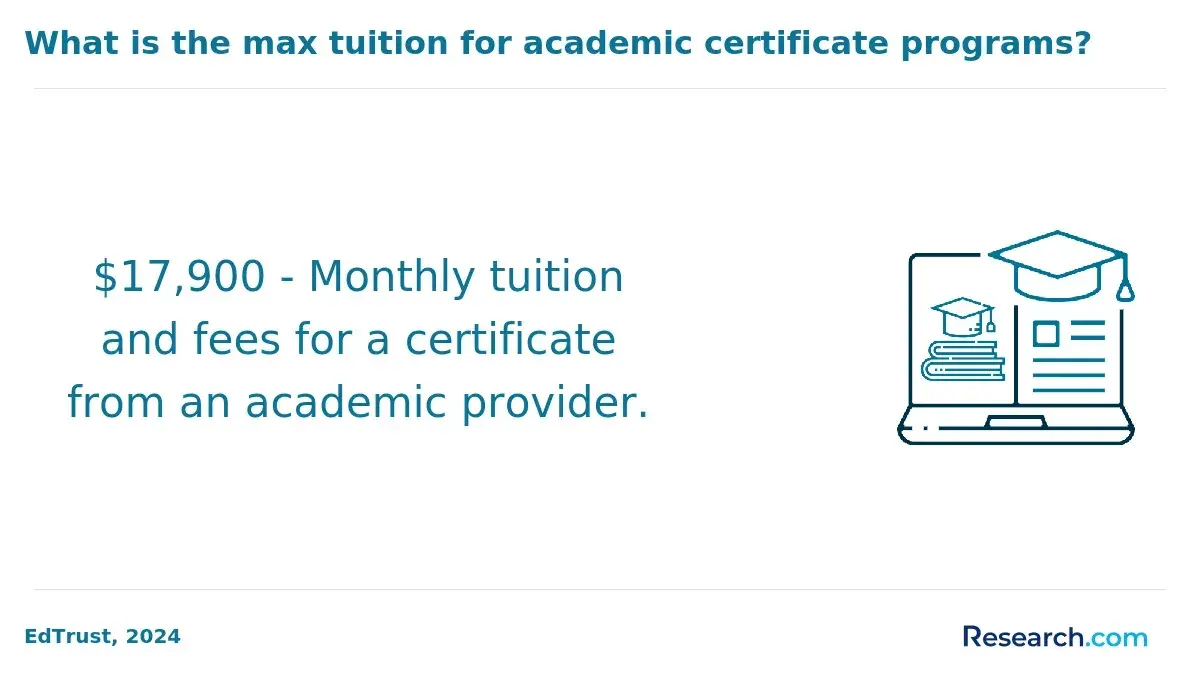
How Does Degree Level-Bachelor's vs. Master's vs. Doctoral-Affect Child Development Earning Potential?
Salary Differential: Based on data from the Bureau of Labor Statistics and the College Scorecard, individuals holding a bachelor's degree in child development-related fields generally earn median annual salaries ranging from $40,000 to $55,000. Those with a master's degree often experience a 15% to 35% boost in earnings, pushing salaries between $50,000 and $75,000 depending on specialization and location. Doctoral degree holders-especially PhDs or EdDs-command salaries above $80,000, mainly in research, policy, or academia.
High-Paying Roles and Credential Requirements: Many top-paying positions require advanced degrees and licensure.
- Clinical roles such as child psychologists typically demand a professional doctorate like a PsyD and state licensure due to regulatory standards.
- Academic and research careers prioritize doctoral-level credentials (PhD or EdD), reflecting the need for deep expertise and independent scholarship.
- Master's degrees open doors to leadership in program management, early intervention, and advanced clinical practice.
Licensure and Professional Standards: Licensing bodies impose graduate degree prerequisites to ensure practitioners uphold ethical and technical standards-especially in assessment and intervention-thus influencing earning potential significantly.
Return on Investment: Prospective students should weigh tuition costs, fees, and lost income while studying against expected salary increases. A master's degree may recoup expenses within 5 to 7 years post-graduation, whereas doctoral paths often necessitate longer commitments-sometimes 8 to 12 years-usually justified by tenure-track or specialized clinical roles.
Educational Pathways:
- Those with an undergraduate degree related to child development typically have a straightforward progression to master's programs that substantially enhance salary possibilities.
- Career changers can explore accelerated or part-time graduate programs to reduce income loss during retraining.
- Alternatively, certifications combined with a bachelor's degree might yield competitive salaries without immediate graduate study.
Industry and Location Factors: Salary differences also hinge on employer type, regional market conditions, and sector focus-such as healthcare, education, or government-which further modulate degree-related pay gaps.
Reflecting on his experience pursuing a child development degree, a professional shared that balancing coursework with work obligations was "a tough juggling act," particularly when funding grad school meant delaying pay raises. He noted the emotional strain of extended study but emphasized that "earning the doctorate opened doors I hadn't imagined." He highlighted how securing licensure was a rigorous process requiring "discipline beyond academics," yet ultimately "the credential validated my expertise and boosted my confidence when negotiating salary." His journey underscores the tradeoffs between short-term sacrifice and long-term gains inherent in advanced credentialing.
Which Industries and Employers Pay Child Development Graduates the Most?
Several industries stand out for offering the highest paying opportunities to child development graduates, shaped by factors like organizational revenue, regulatory pressures, and shortages of qualified professionals. The private sector-especially healthcare providers and specialty education services-tends to lead in compensation. Here, professionals such as early intervention specialists or child psychologists benefit from premium pay driven by competitive markets and specialized expertise.
- Private Sector: High revenue and demand reward specialists in private clinics and education settings with salaries well above average for child development degree holders.
- Government Agencies: While government roles generally offer stable pay backed by union contracts and regulated scales, salaries may trail private sector benchmarks yet often exceed those in nonprofits due to formalized pay grades linked to credentials.
- Nonprofit Organizations: Focused on community outcomes, nonprofits usually provide lower wages, though leadership roles managing large or grant-funded programs can deliver compensation comparable to some government jobs.
- Self-Employment and Consulting: Graduates with entrepreneurial acumen or niche skills may achieve lucrative incomes, especially when offering specialized assessments or training, though earnings vary widely based on market and reputation.
Compensation is also heavily influenced by job title and credential attainment within these sectors. For instance, a licensed developmental therapist holding a master's degree in a private setting may earn 20-40% more than a bachelor's-level early childhood educator in a nonprofit. Certifications like Board Certified Behavior Analyst (BCBA) unlock higher pay tiers-especially in private healthcare and education-which highlights the value of advanced credentials in targeting high-paying employers.
Strategies to access these top salaries include focused skill development through certifications and graduate training, cultivating networks in private and public sectors, and staying informed on regional wage trends. Prospective students evaluating whether to pursue a child development degree can compare the return on investment with alternative pathways while considering these industry-specific pay disparities and credentials.
For those seeking related education paths with strong financial aid options, exploring the best medical billing and coding schools online can offer another route to a rewarding career.
What Geographic Markets Offer the Best-Paying Child Development Jobs?
The distribution of well-paying child development jobs varies widely by region, influenced by local economic strength, cost of living, and employer density. Metropolitan areas with extensive educational services and comprehensive family support typically offer the highest median wages for professionals with child development degrees. However, examining salaries without adjusting for living costs can misrepresent actual purchasing power.
- San Francisco Bay Area, California: Despite very high nominal wages, the region's steep living expenses reduce net financial gains, though specialized roles like therapists and early interventionists remain in demand within both private and public agencies.
- New York City Metropolitan Area: A major hub for education, healthcare, and social services employers, offering top salaries that, when adjusted for cost of living, align more closely with mid-level markets.
- Washington, D.C. Metro Region: A concentration of nonprofits, government-funded programs, and licensed childcare providers supports competitive wages, especially for individuals holding advanced licenses or certifications.
- Minneapolis-St. Paul, Minnesota: Combines attractive wages with a moderate cost of living, helping child development professionals maximize their real income. The area also features a robust network of early childhood education and family support organizations.
- Austin, Texas: A rapidly growing market offering solid salaries balanced with affordable housing-drawing both early-career workers and seasoned experts.
- Pacific Northwest (Seattle, Portland): Strong demand in schools and health services pushes salaries upward, though rising costs somewhat attenuate overall financial advantage.
Remote and hybrid work models are reshaping geographic salary patterns in child development careers. Positions such as consultation, behavioral coaching, and some therapy roles can be performed remotely, allowing professionals to tap into high-paying markets while living in lower-cost areas. Conversely, roles tied to direct client interaction-like licensed early interventionists and daycare directors-generally require physical presence due to regulatory and proximity needs.
Choosing between relocating to a high-salary metro area and pursuing remote positions from more affordable regions involves trade-offs: higher immediate pay may be offset by costlier living, while remote roles provide flexibility and potentially greater purchasing power. Evaluating licensing constraints, local demand, and cost-of-living metrics helps prospective professionals decide where to pursue opportunities most beneficially.
When asked about her experience navigating these factors, a professional who built a career post-child development degree shared how challenging the initial search was-balancing the allure of high salaries in major metros with the realities of elevated expenses. She reflected, "I realized that moving to a big city wasn't always the right choice financially. Pursuing remote roles let me build experience and income without sacrificing quality of life." Her perspective offers hopeful reassurance for graduates weighing where to establish their careers amid shifting geographic and work arrangement landscapes.
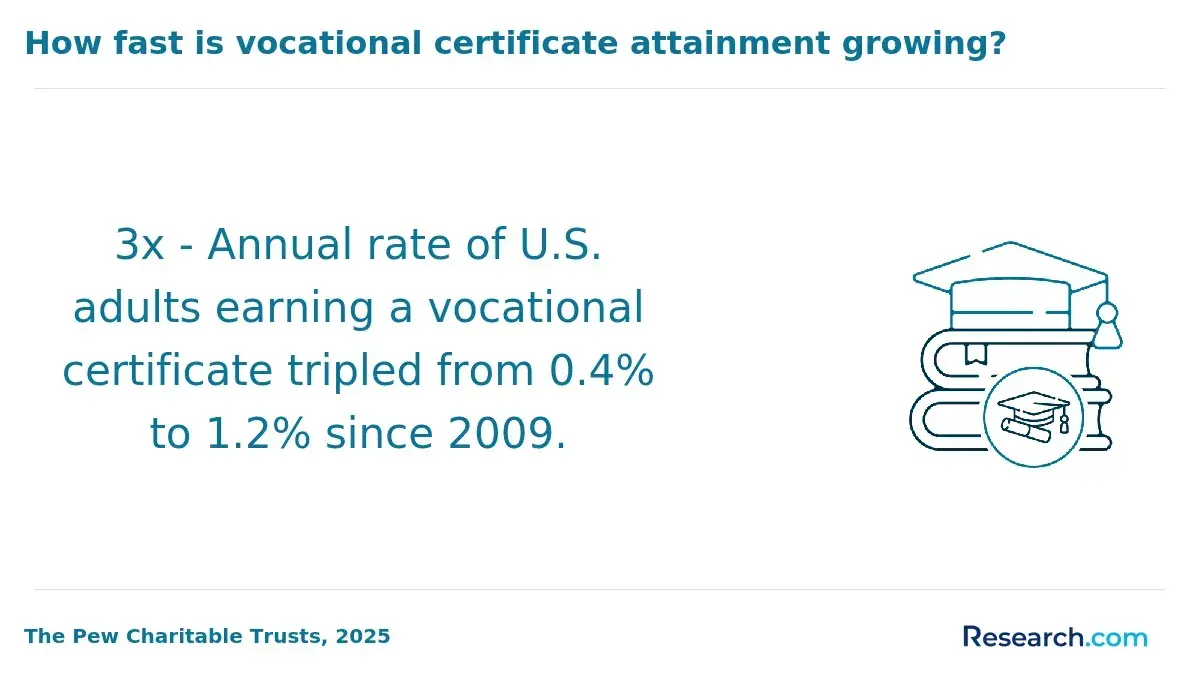
How Do Professional Certifications and Licenses Boost Child Development Salaries?
Child Development Associate (CDA) Credential: Requires at least 480 hours of experience, passing a detailed exam on early childhood topics, and renewal every three years with a fee near $425. Data from the Council for Professional Recognition shows holders earn approximately 5-10% higher salaries than non-certified peers.
National Association for the Education of Young Children (NAEYC) Accreditation: Targeted mainly at those with a bachelor's degree, this advanced credential brings a salary boost of 12-15%. Maintaining certification involves periodic professional development activities to ensure ongoing competence.
Licensure as a Child Care Center Director: Varies by state but usually requires an associate or bachelor's degree in child development and specific supervisory training. Licensed directors typically command 15-20% higher wages compared to uncertified workers, reflecting greater leadership responsibilities.
Salary Impact: Research indicates certified professionals receive a median wage premium ranging from 7% to 20%, depending on the credential and geographic area. This underscores the market value employers place on verified expertise.
Certification Quality: Candidates should focus on certifications accredited by ANSI or NCCA to ensure recognition and validity-avoiding low-credibility commercial certificates that offer limited return.
Employer Preferences: Investigate which certifications are preferred or mandatory in your target job market to maximize investment effectiveness. Exam fees typically range from $300-$600, with ongoing renewal costs important to factor into the total commitment.
What Is the Salary Trajectory for Child Development Professionals Over a Full Career?
The salary progression for child development professionals typically reflects a steady climb from entry-level positions to advanced roles, influenced strongly by experience, credentials, and specialization. Early-career salaries-often between $35,000 and $45,000 within the first five years-generally involve supervised direct work with children and families. Growth in earnings aligns closely with professional milestones and expanded responsibilities.
- Early Career Growth: Between five and ten years, salary increases frequently come with promotions to lead educator or specialized practitioner roles, often yielding $50,000 to $65,000. Earning graduate degrees or certifications during this period significantly enhances earning potential by opening access to higher-level jobs.
- Management and Specialization: After a decade or more, transitioning into management, clinical supervisory roles, or specialized areas like developmental psychology or early intervention leads to salaries ranging from $70,000 to $90,000, reflecting leadership and technical expertise.
- Advanced Career Strategies: Combining leadership with business development, research, or training activities often results in salaries exceeding $100,000. High earners strategically build their professional reputation while leveraging advanced credentials.
- Key Factors: Investment in ongoing education, licensure, and carefully chosen roles that diversify skills and management responsibility differentiate top earners from peers with similar degrees.
Based on U.S. Bureau of Labor Statistics data and industry surveys, five-year salary benchmarks typically range from $40,000 to $55,000, expanding to $60,000-$80,000 at the ten-year mark for specialized or supervisory roles. Peak earnings after 15 to 20 years frequently reach six figures among those who combine credentialing, leadership, and business expertise within the child development field.
Which Child Development Specializations and Concentrations Lead to the Highest-Paying Roles?
Specializations within a child development degree strongly influence wage outcomes by aligning technical skills with labor market demand. Early childhood intervention and developmental psychology top the list for highest-paying career paths, driven by licensed professionals' scarcity and the need to navigate complex federal and state regulations. These roles command a premium salary as employers prioritize experts who ensure regulatory compliance while addressing complex behavioral and developmental disorders. The child development concentration salary comparison by region reflects high variability, with states valuing these skills differently based on policy environments and funding.
Special education and inclusive learning is another well-compensated niche, preparing graduates for roles in schools or private agencies serving children with diverse learning needs. This specialization combines educational strategy and therapeutic expertise, often leading to above-average wages, especially in districts with high demand for inclusive services. Education technology and curriculum design for early learners also present growing income potential, fueled by digital innovation in education and increased demand for specialized instructional design.
Students starting a child development program should prioritize labor market insights over personal interest-assessing growth projections and employer requirements to identify concentrations with robust demand and scarce talent pools. Graduates with general child development degrees can increase earning potential through targeted internships, certification stacking such as applied behavior analysis or autism spectrum intervention, and ongoing education-strategies enabling entry into higher-paying roles without pursuing additional degrees.
- Return on Investment: Top online child development programs offer flexible pathways with competitive costs relative to the salary premiums of specialized careers.
- Credential Value: Licensure and certifications significantly improve salary prospects in clinical and educational fields.
- Employment Sectors: Healthcare and special education generally provide higher wages compared to general childcare roles.
For those evaluating their educational options, comparing a child development degree's return against alternatives like a nutritionist degree helps clarify the best financial fit for career aspirations and risk tolerance.
How Does the Child Development Job Market's Growth Outlook Affect Long-Term Earning Stability?
The labor market for child development professionals is expected to experience steady growth over the next decade-according to the Bureau of Labor Statistics (BLS), many common occupations in this field are projected to expand at or above average rates. This trend reflects rising demand in early childhood education, family support services, and specialized developmental interventions, driven by demographic shifts such as increasing birth rates in some regions and heightened awareness of early childhood's importance. Understanding these patterns is essential for evaluating the long-term earning potential for child development professionals.
Broader labor market factors also influence compensation and job stability in child development careers:
- Growth Outlook: Roles like child psychologists and educational coordinators are projected to see robust employment gains due to growing needs in healthcare and school systems.
- Automation Risk: The necessity of emotional intelligence and complex interpersonal skills offers strong protection from automation for child development jobs.
- Demographic Demand: Job opportunities vary regionally, with urban centers and communities with young families sustaining higher demand.
- Legislative Changes: Expanded regulation and funding may boost job availability but also increase credential requirements for entry-level positions.
- Technological Transformation: Emerging digital tools enhance intervention and assessment strategies, requiring professionals to develop advanced tech competencies.
- High-Paying Roles With Strong Security: Licensed child psychologists and early intervention specialists enjoy steady demand, clear credential pathways, and low automation threat, positioning them for stable, lucrative careers.
- Structural Headwinds: Some jobs, such as child care center directors, face challenges from budget pressures and outsourcing, limiting wage growth.
- Credential Inflation: Increasing educational and certification standards raise barriers to entry, prompting professionals to invest more time and resources.
- Market Volatility: Specialized, high-paying roles often contend with limited openings and dependency on public funding, leading to less predictable income streams.
For those exploring an investment in a child development degree, pursuing graduate credentials and certifications while building technological skills and emotional intelligence will enhance long-term earning stability. This strategic approach helps distinguish between high salaries linked to sustained demand and those tied to market volatility or scarcity. Prospective students comparing return-on-investment outcomes may also consider complementary options like an online bachelor's degree in nutrition, which offers distinct career pathways and salary structures.
What Leadership and Management Roles Are Available to High-Earning Child Development Graduates?
Leadership positions in the child development field-such as program directors, early childhood education administrators, and senior child welfare managers-are usually situated at mid-to-senior levels within schools, nonprofits, healthcare systems, and government agencies. Professionals in these roles oversee teams, manage budgets, and guide strategic initiatives that influence child-centered programs and services.
- Credentials: Advanced qualifications are common among leaders, including master's or doctoral degrees in child development, education, social work, or business administration. Complementary degrees like MBAs or MHAs enhance candidates' financial management and organizational leadership capabilities, improving prospects for executive roles.
- Salary Advantage: Management titles in child development bring a significant pay increase-typically 30-50% higher than frontline positions. For example, education managers earn around a median of $97,500 annually, compared to entry-level early childhood educators making about $65,000.
- Career Trajectory: Progression often spans 5 to 10 years, beginning with direct child development work and advancing through supervisory roles. Ongoing professional growth-including leadership training, certifications, and networking-is vital to demonstrate program oversight, regulatory compliance, and stakeholder collaboration skills.
- Organizational Scope: Leaders are accountable for ensuring programs meet regulatory requirements, securing and managing funding, and maximizing operational efficiency. These responsibilities validate their higher compensation by aligning outcomes with organizational goals and community impact.
- Strategic Planning: Aspiring executives should integrate child development expertise with business or policy graduate studies early on. Acquiring licensure and recognized leadership certifications-like the Child Development Associate (CDA) and specialized managerial credentials-can substantially broaden career opportunities while commanding premium salaries.
Which Emerging Child Development Career Paths Are Positioned to Become Tomorrow's Highest-Paying Jobs?
Technology, shifting regulations, and demographic trends are driving the emergence of new, well-paid roles in child development. Experts project these occupations will expand significantly within five to ten years, often intersecting with fields like data science, neuroscience, and telehealth.
- Digital Learning Specialist: Professionals who create tech-driven early education programs, employing AI tools and interactive platforms to tailor learning experiences.
- Early Intervention Data Analyst: Specialists merging developmental expertise with analytics to enhance interventions for children with special needs through data interpretation.
- Developmental Neuroscience Consultant: Advisors applying brain development research to refine educational content and therapies-this role grows alongside neuroscience discoveries.
- Policy and Compliance Manager: Experts who navigate evolving childcare regulations to ensure institutional compliance, blending developmental and legal knowledge.
- Family Engagement Coordinator for Telehealth: Coordinators supporting families remotely, offering guidance in parenting and development via online platforms amid rising telehealth adoption.
Child development degree programs are evolving-adding courses in digital literacy, data analytics, foundational neuroscience, and policy studies to prepare students for these roles. Prospective professionals should consider supplemental training such as coding boot camps, micro-credentials in data skills, and telehealth certifications to gain an edge in emerging markets.
Investing in a developing career path requires careful risk assessment. Some roles may evolve slower than anticipated or shift in scope. Early entrants can benefit from higher salaries, but candidates must gauge durability by monitoring trends through resources like professional organizations and labor market analysis tools including Lightcast, Burning Glass, and LinkedIn Economic Graph.
Remaining informed through specialized journals and workforce research will equip individuals to make strategic choices-aligning Child Development credentials with income objectives and long-term career viability.
What Graduates Say About the Highest-Paying Jobs You Can Get With a Child Development Degree
- Kaysen: "Completing my child development degree truly showed me the wage premium that comes with graduate credentials-employers value that specialized knowledge and it definitely reflected in my starting salary. Also, I discovered that pursuing additional professional certifications opened doors to even higher-paying roles, turning my education into a smart investment. For anyone weighing their options, that real return-on-investment in a degree versus alternative paths like certificates really stood out for me."
- Jalen: "Looking back, the geographic location and industry type I chose after graduation significantly shaped my earning potential in child development. Working in urban centers within healthcare gave me a much stronger salary than what friends in other regions or sectors experienced. Plus, I learned that holding licensure added not just credibility but a tangible boost in salary, which made the extra effort absolutely worthwhile."
- Beau: "From my professional perspective, what stood out is how child development degrees offer a clear financial advantage compared to other educational routes-there's a solid premium when you invest in a full degree. I also came to appreciate how different industries value the degree differently, with private sector roles often paying more. Lastly, earning certifications after graduation didn't just enhance my skills, it was a major factor in negotiating a higher salary."
Other Things You Should Know About Child Development Degrees
In 2027, top-paying roles for those with a child development degree include Child Psychologist, earning an average salary of $85,000, and Special Education Teacher, potentially making around $67,000 annually. These positions are lucrative due to their specialized expertise and demand in educational and healthcare settings.
Entrepreneurship allows graduates to significantly increase their earning potential by starting private practices, early childhood programs, or consulting services. Self-employment offers flexibility in setting fees and scaling business operations-creating opportunities to exceed typical salary caps found in traditional employment. Success in entrepreneurial ventures often requires both child development expertise and strong business acumen.
Employer type is a key determinant of compensation in the child development field. Private sector jobs generally offer higher salaries and bonuses but may involve less job security. Public employers, such as schools or government agencies, often provide stable benefits and pension plans but may have lower base pay. Nonprofit organizations typically offer competitive salaries combined with mission-driven work, although earnings can sometimes lag behind private employers.
Internships, practicums, and hands-on work experience are critical for increasing starting salaries in child development careers. Employers value practical training highly-candidates with relevant clinical experience often negotiate better starting pay and gain quicker access to licensed or certified roles. Early professional exposure also improves job placement rates and long-term career growth prospects.
References
- The labor market case for early childhood education | Brookings https://www.brookings.edu/articles/the-labor-market-case-for-early-childhood-education/
- how - Tłumaczenie po polsku - Słownik angielsko-polski Diki https://www.diki.pl/slownik-angielskiego
- 10 Career Paths You Can Pursue with an Early Childhood Education (ECE) Diploma - Oxford International Career Colleges https://oicolleges.com/2025/12/03/10-career-paths-you-can-pursue-with-an-early-childhood-education-ece-diploma/
- How Professional Development Can Lead to Salary Raises | SkillsWave https://skillswave.com/learn/how-professional-development-can-lead-to-salary-raises-promotions/
- Top Careers in Child Development https://mybrightwheel.com/blog/careers-in-child-development
- Child Development Careers: 3 Jobs You Can Pursue | USAHS https://www.usa.edu/blog/child-development-careers-3-jobs-you-can-pursue/
- Research Summary: Education and Lifetime Earnings https://www.ssa.gov/policy/docs/research-summaries/education-earnings.html
- What is the highest paying job in Early Childhood Education? https://chevrontraining.ie/what-is-the-highest-paying-job-in-early-childhood-education/
- Child Development https://www.careerpilot.org.uk/job-sectors/subject/child-development
- The child care economy https://equitablegrowth.org/research-paper/the-child-care-economy/